Data interpretation Math Worksheets for Ages 6-8
19 filtered results
-
From - To
Discover our engaging Data Interpretation Math Worksheets designed specifically for children aged 6-8! These worksheets encourage young learners to develop essential skills in reading graphs, analyzing data, and making informed conclusions. With vibrant graphics and age-appropriate challenges, students will explore various data visualization formats, including bar graphs, pictographs, and line plots. By working through these exercises, children enhance their critical thinking abilities and lay a solid foundation for future mathematical concepts. Perfect for classroom use or extra practice at home, these worksheets seamlessly blend learning with fun, ensuring your child grows confident in interpreting data while enjoying the process!
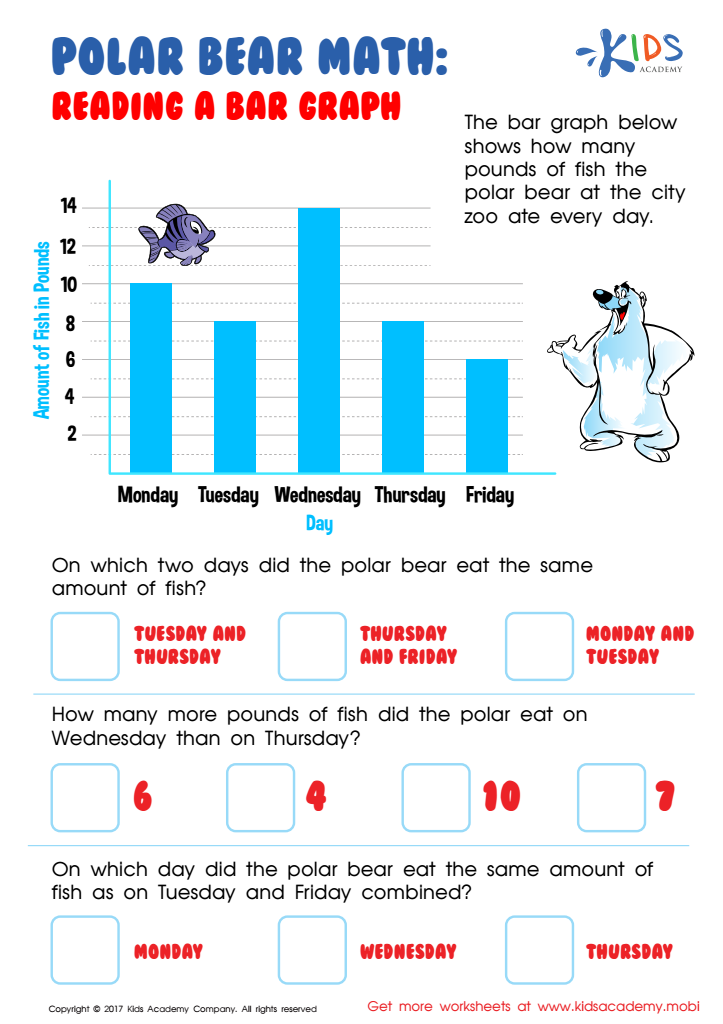
Reading Bar Graph Worksheet
 Assign to My Students
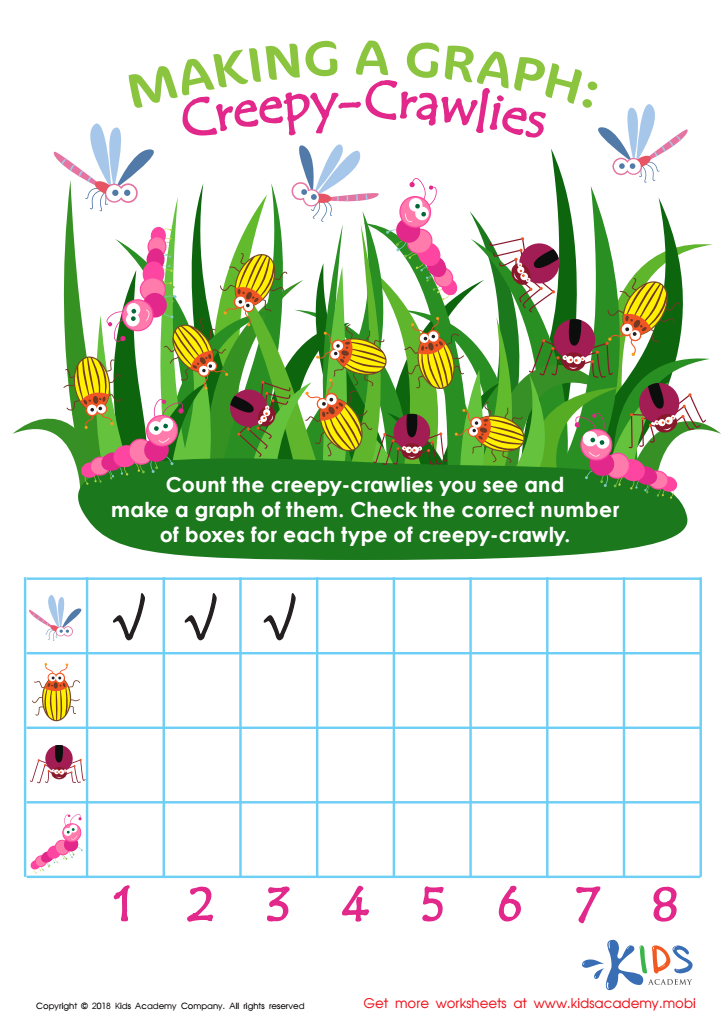
Making a Graph: Creepy Crawlies Worksheet
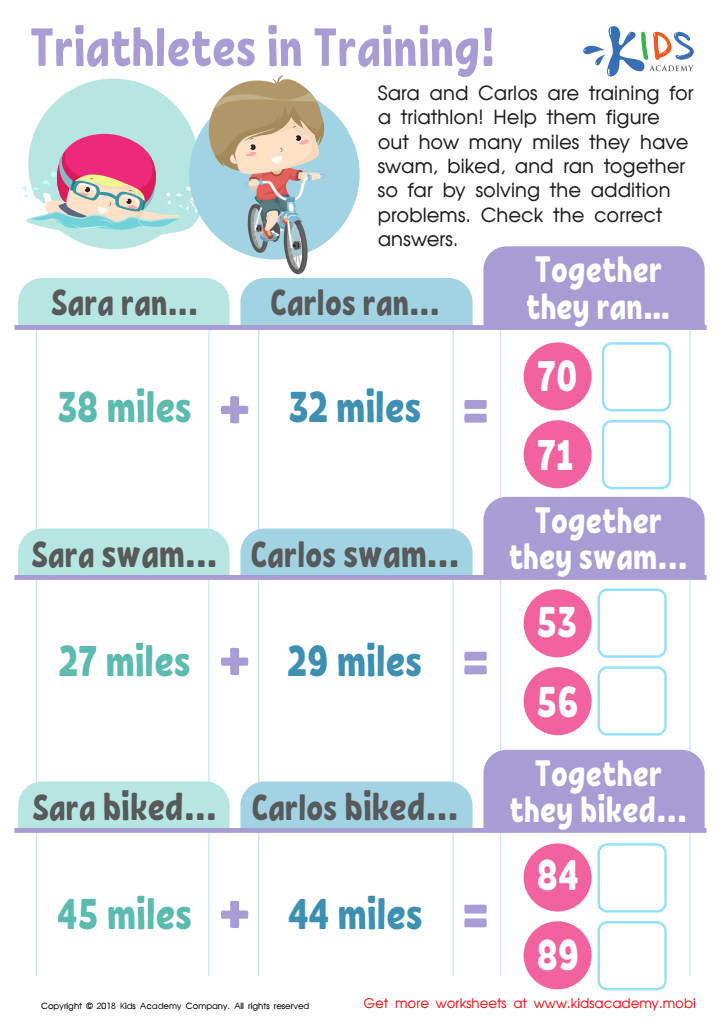
Triathletes in Training Worksheet
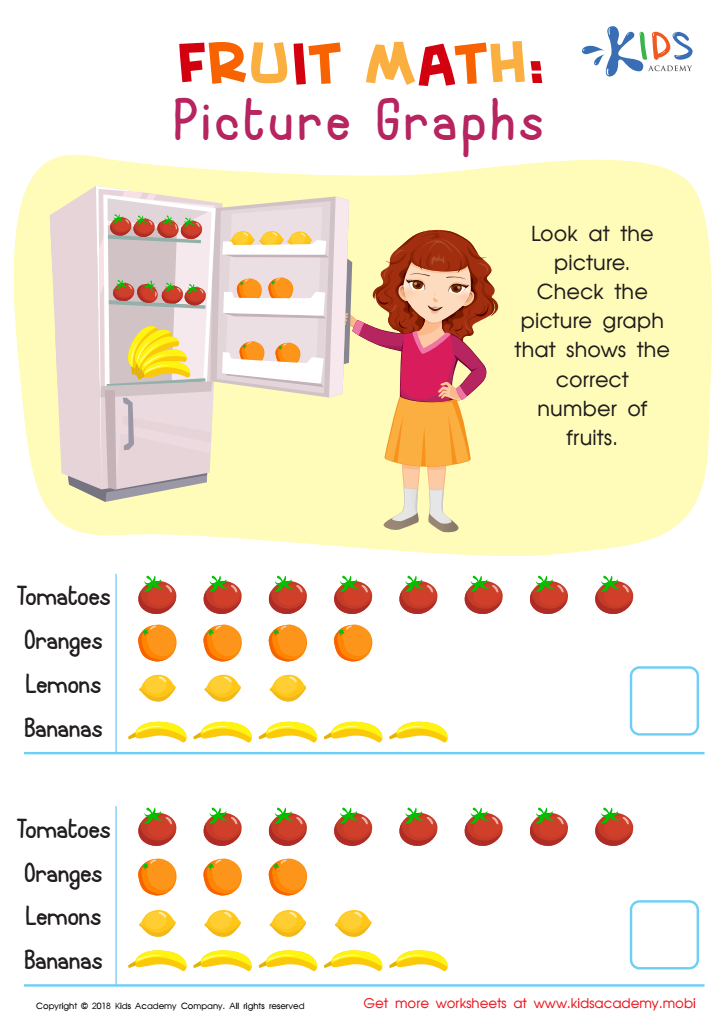
Fruit Math: Picture Graphs Worksheet
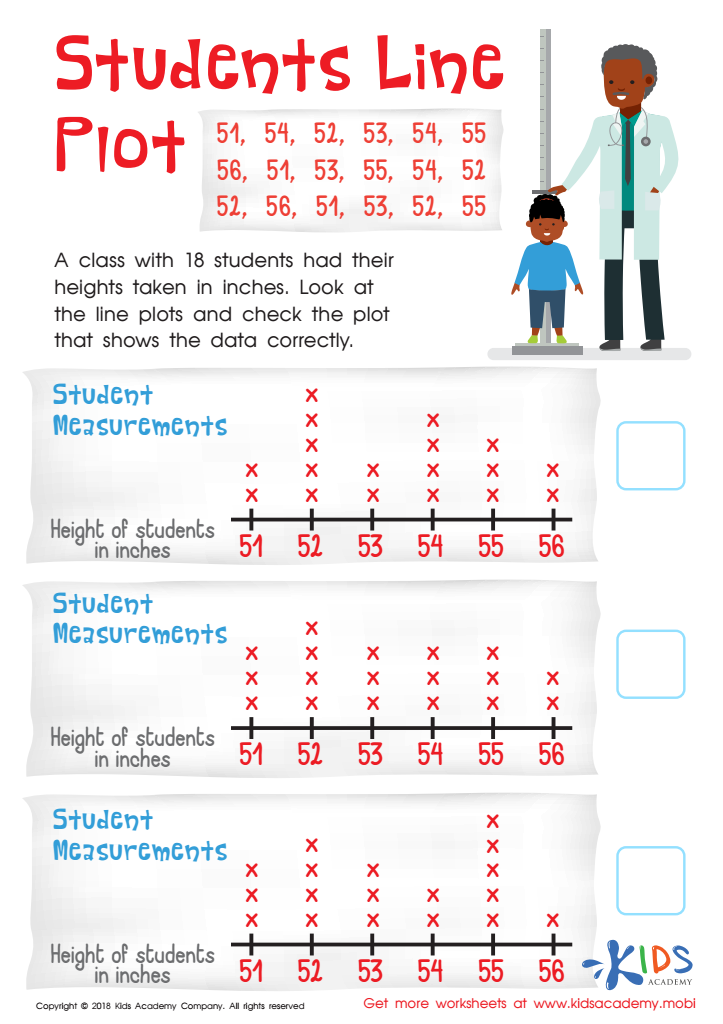
Students Line Plot Worksheet
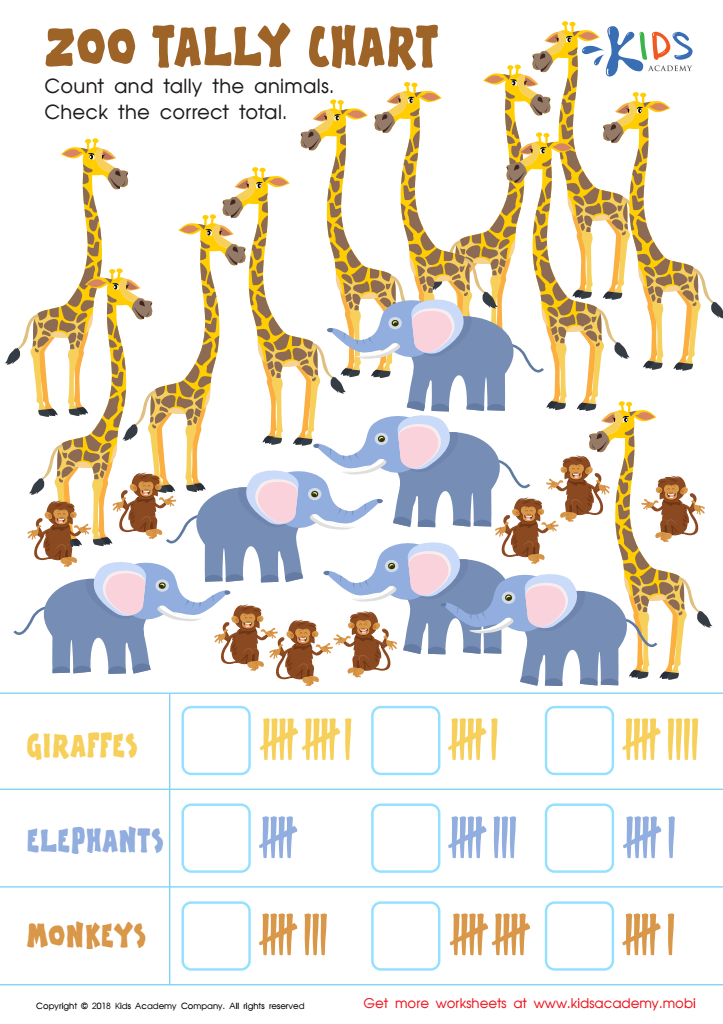
Zoo Tally Chart Worksheet
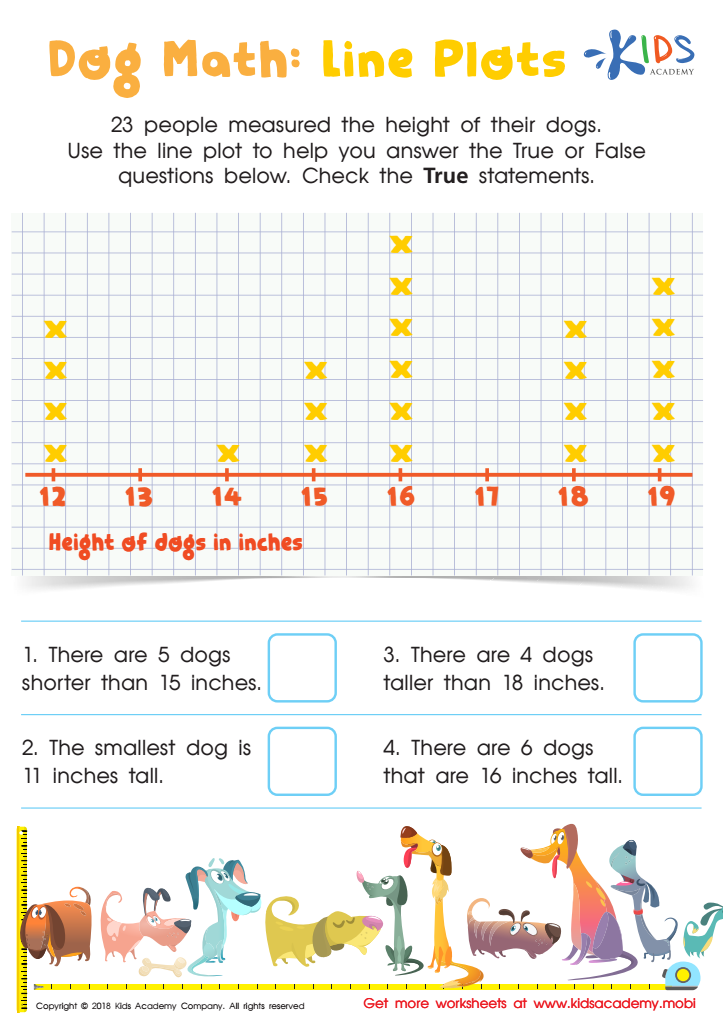
Dog Math: Line Plots Worksheet
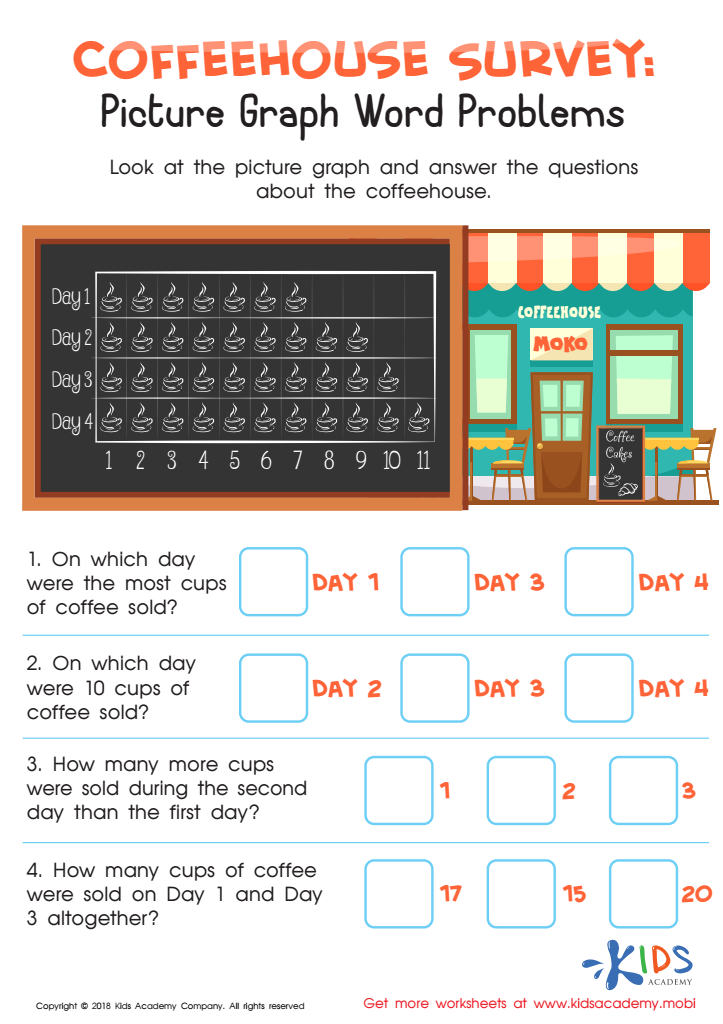
Coffeehouse Survey: Picture Graph Word Problems Worksheet

Pets Tally Chart Worksheet
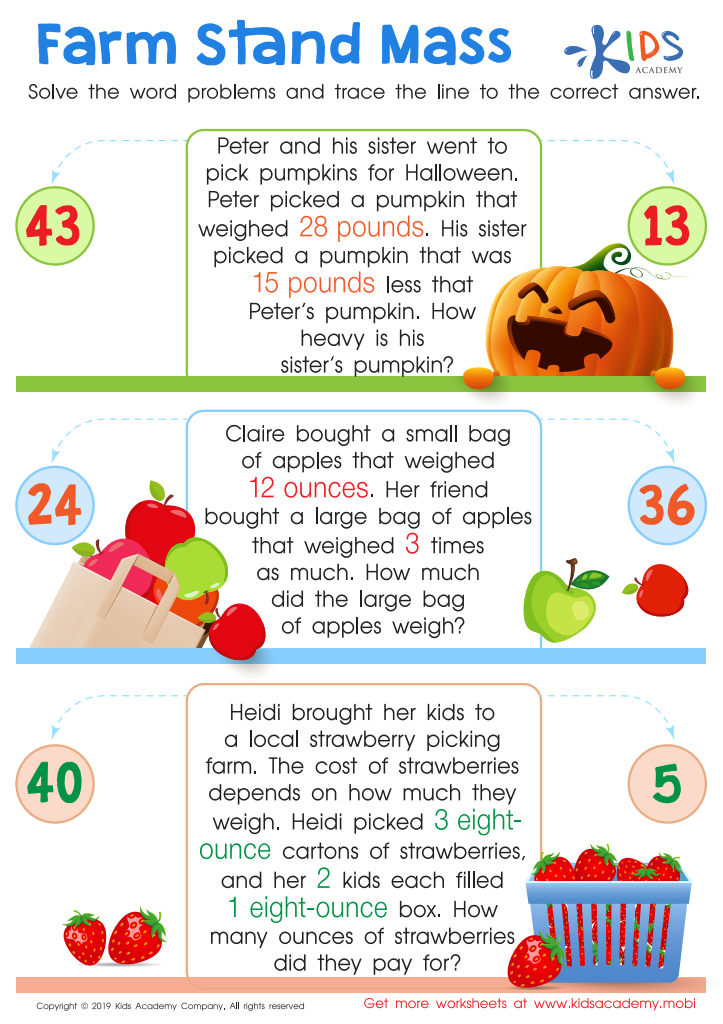
Farm Stand Mass Worksheet
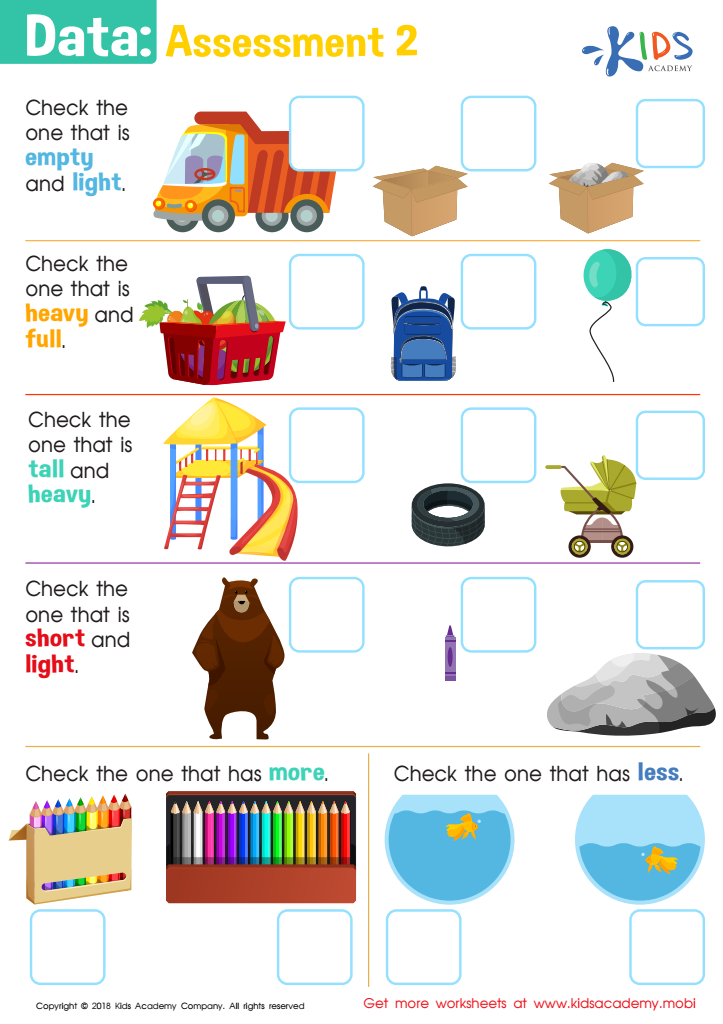
Data: Assessment 2 Worksheet
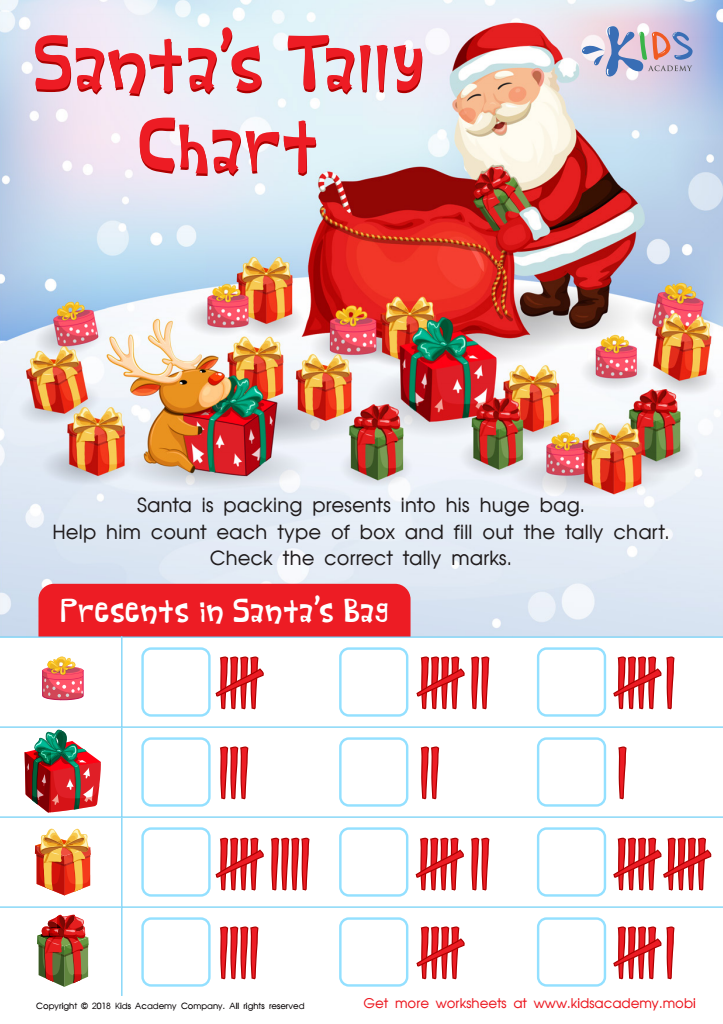
Santa Tally Chart Worksheet
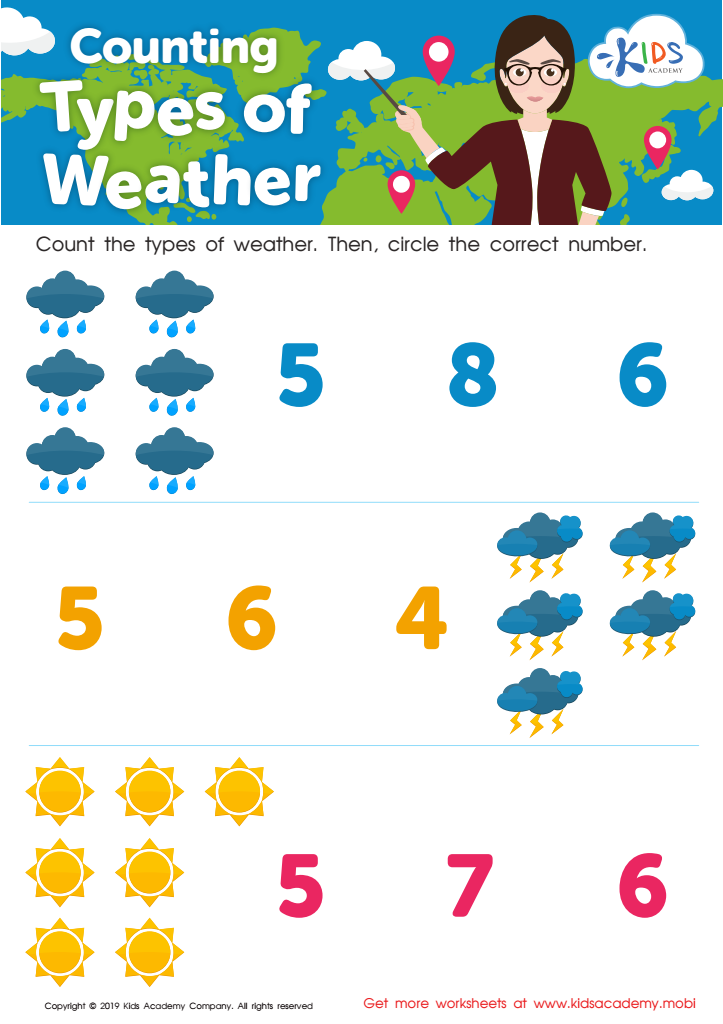
Counting Types of Weather Worksheet
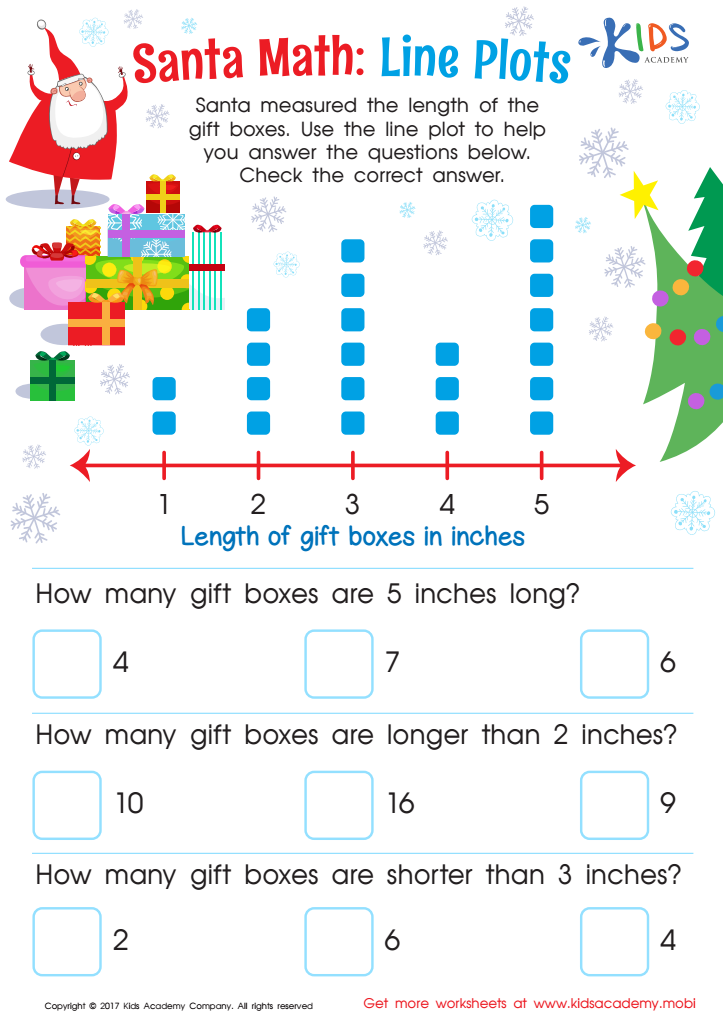
Line Plot Worksheet

Aircraft Carrier Picture Graphs Worksheet
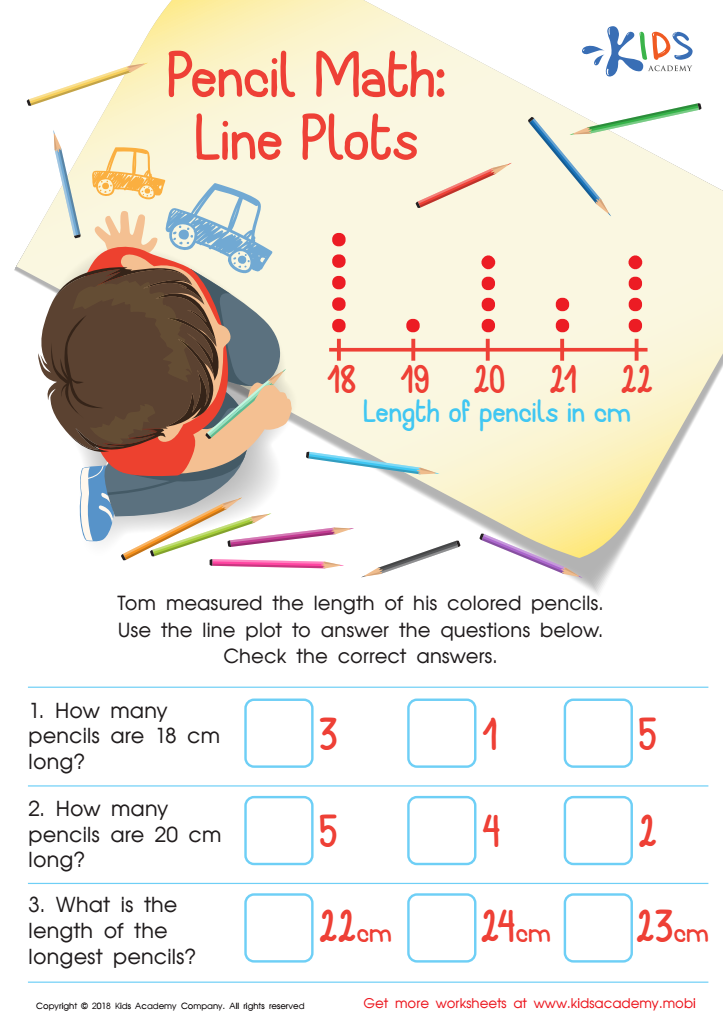
Pencil Math: Line Plots Worksheet
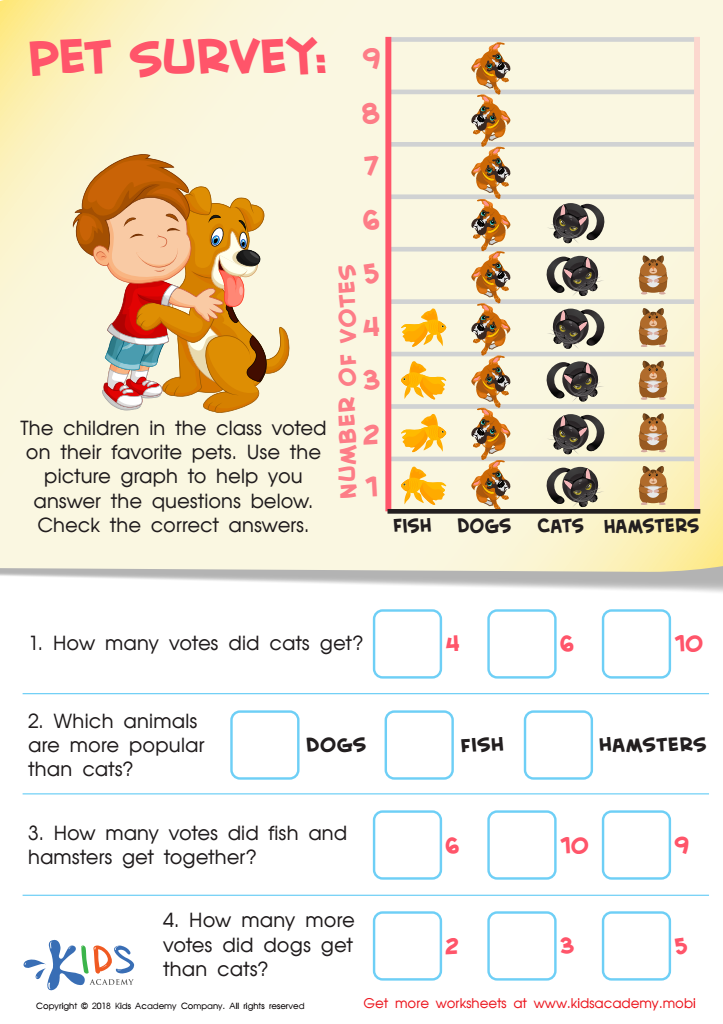
Pet Survey Worksheet
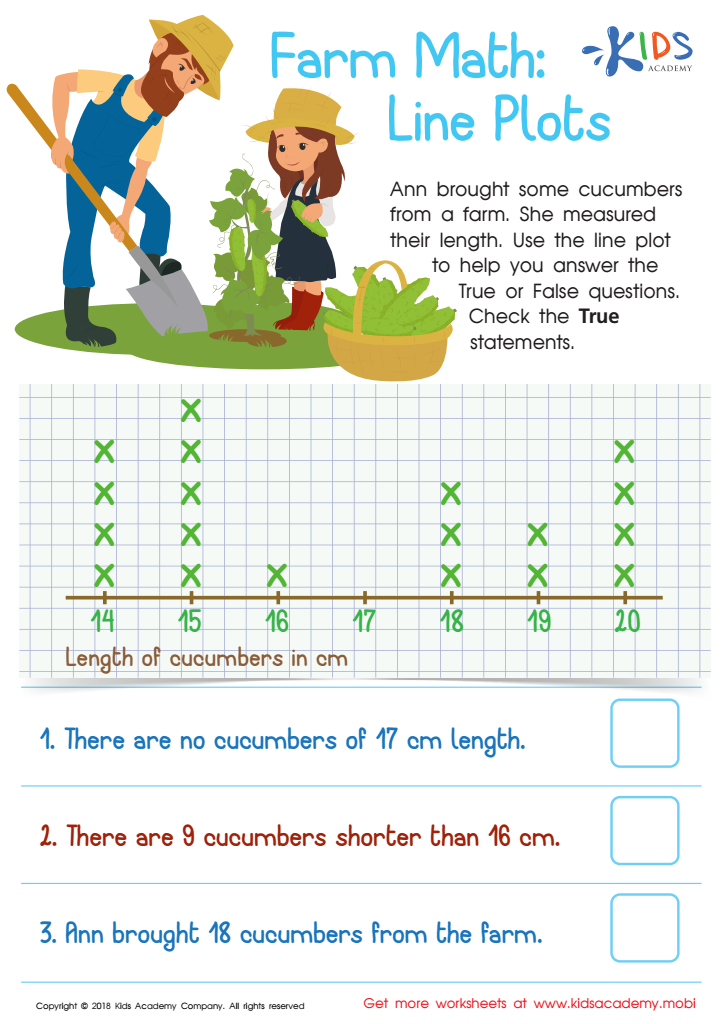
Farm Math: Line Plots Worksheet
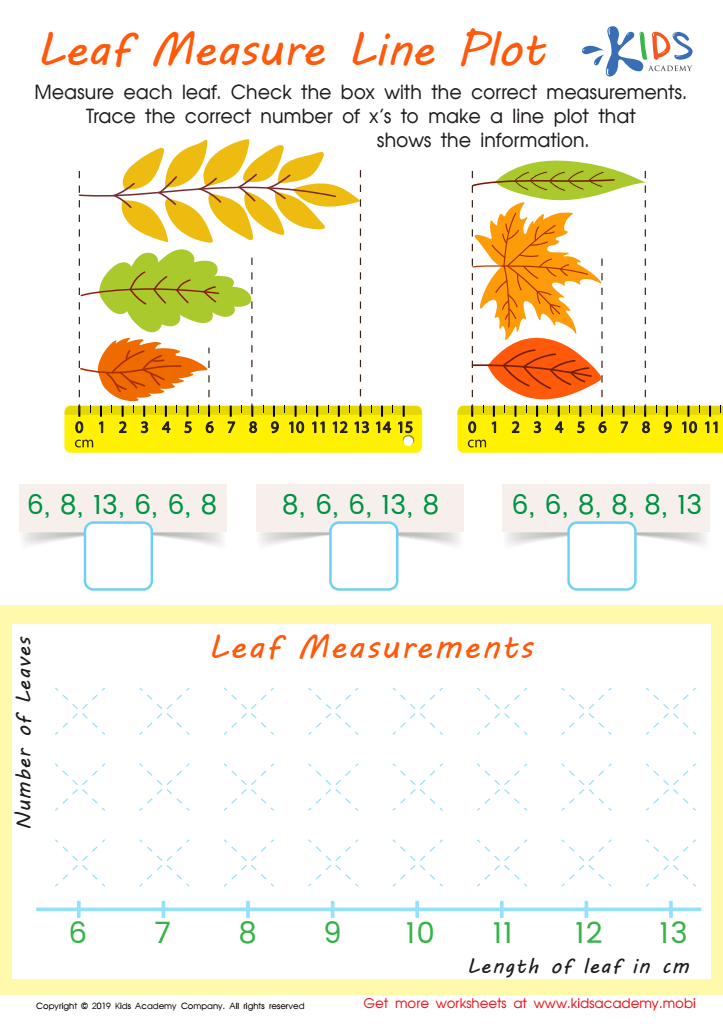
Leaf Measure Line Plot Worksheet








Data interpretation is a crucial skill for children aged 6-8, as it lays the groundwork for critical thinking and informed decision-making throughout their lives. At this young age, children are naturally curious and eager to explore the world around them. Introducing them to data interpretation helps foster this curiosity, teaching them how to analyze information effectively.
Parents and teachers should care about data interpretation because it transforms mathematical concepts into real-world applications. When children learn to read graphs, understand charts, and interpret simple data sets, they grasp the connections between mathematics and everyday life, such as interpreting survey results or making predictions based on trends. This knowledge encourages logical reasoning and enhances problem-solving skills, which are essential for future academic success.
Furthermore, data interpretation promotes engagement in STEM (Science, Technology, Engineering, and Mathematics) fields, which are increasingly vital in our technology-driven society. By nurturing the ability to interpret data, educators and parents empower children to become informed citizens who can critically assess information in an era filled with data overload. Ultimately, prioritizing data interpretation at this formative age cultivates essential life skills and sets the stage for lifelong learning.








