Fine motor skills (drawing) Math Worksheets for Ages 6-8
5 filtered results
-
From - To
Enhance your child's fine motor skills with our engaging drawing math worksheets designed specifically for ages 6-8. These worksheets combine the fun of creative drawing with essential math concepts, making learning enjoyable and effective. Kids will develop their hand-eye coordination, strengthen their pencil grasp, and improve their drawing abilities while practicing important math skills. Each worksheet features age-appropriate activities that encourage artistic expression while reinforcing mathematical understanding. Perfect for home or school use, our fine motor skills worksheets lay a solid foundation for your child's academic success. Download and inspire your young learner today with these captivating resources!
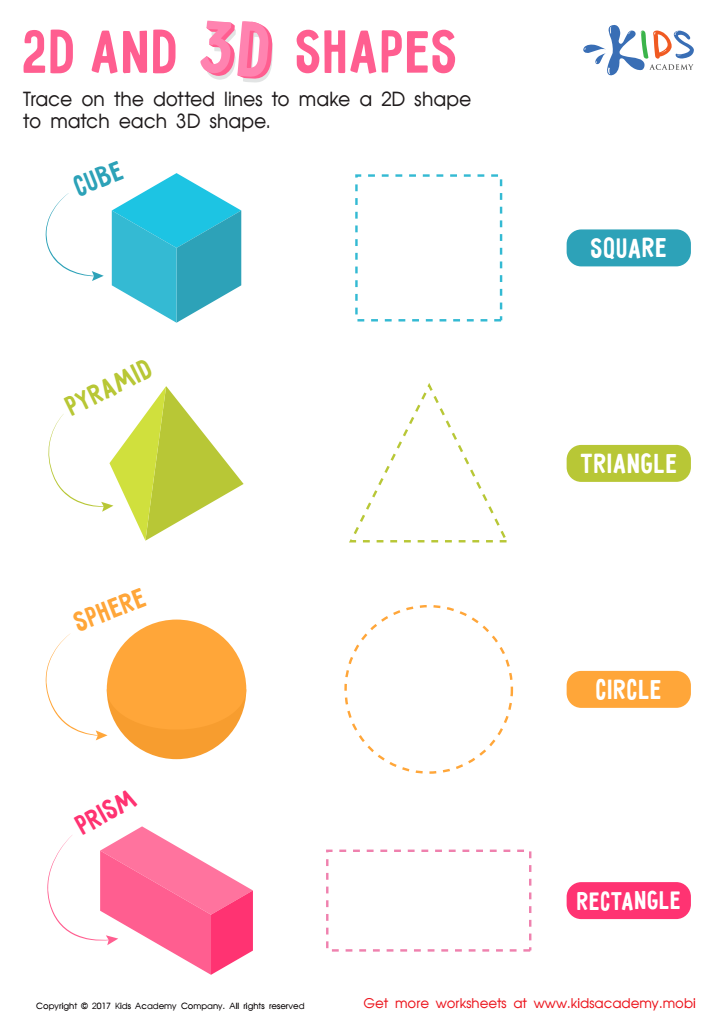
2D and 3D Shapes Worksheet
 Assign to My Students

Make it Even: St. Valentine's Day Worksheet
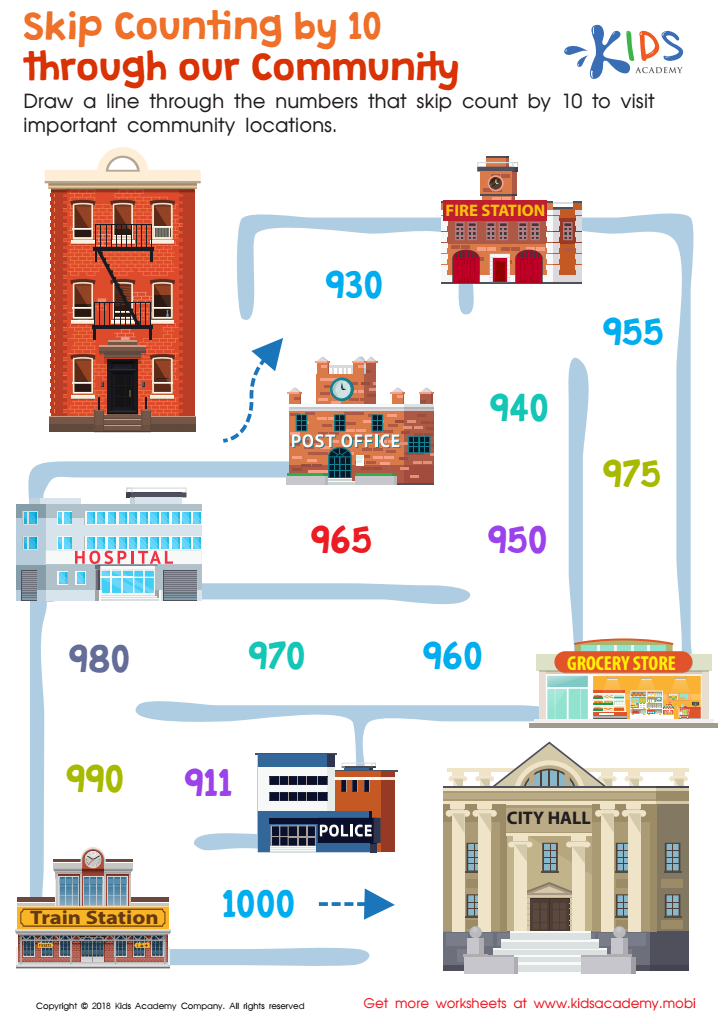
Skip Counting by 10 Through Our Community Worksheet
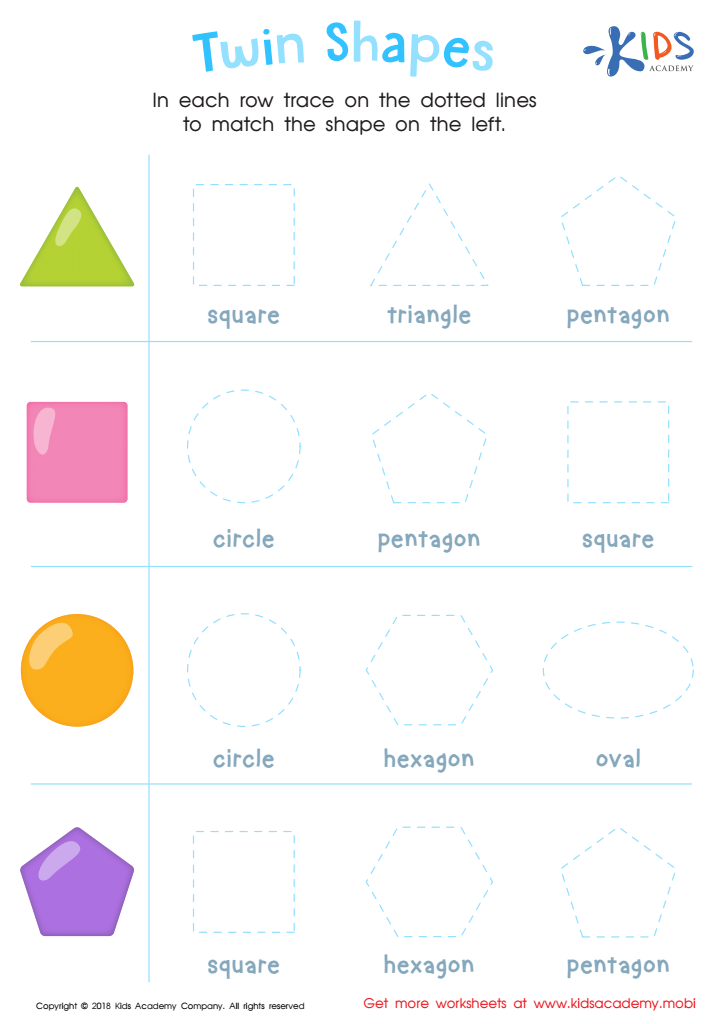
Twin Shapes Dot-to-Dot Worksheet
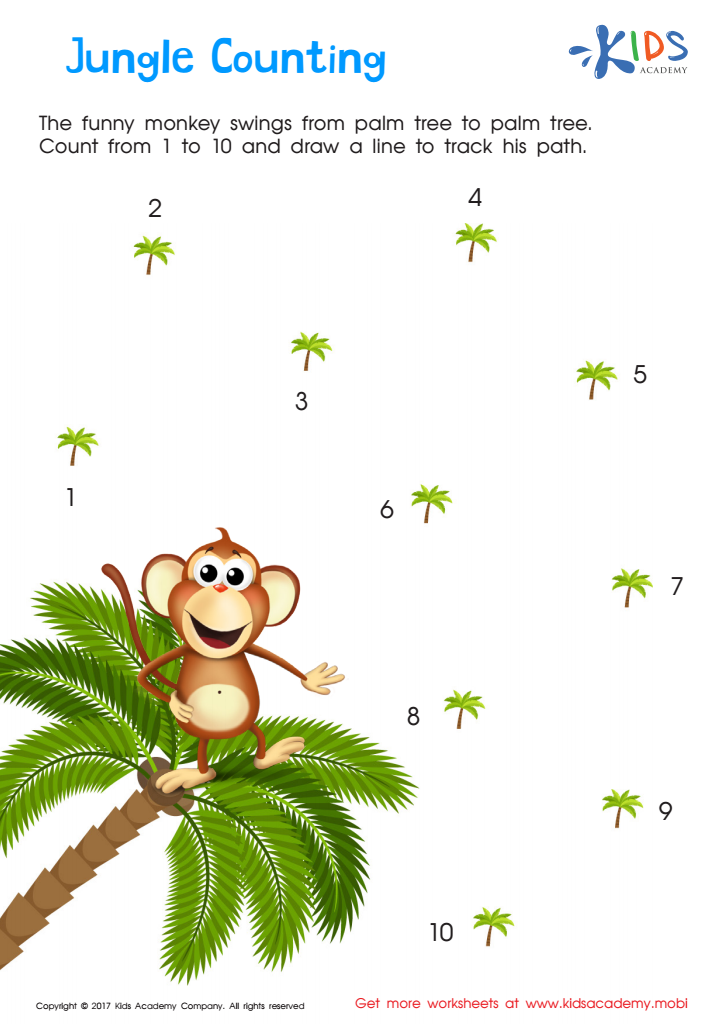
Jungle Counting Connect Dots Worksheet





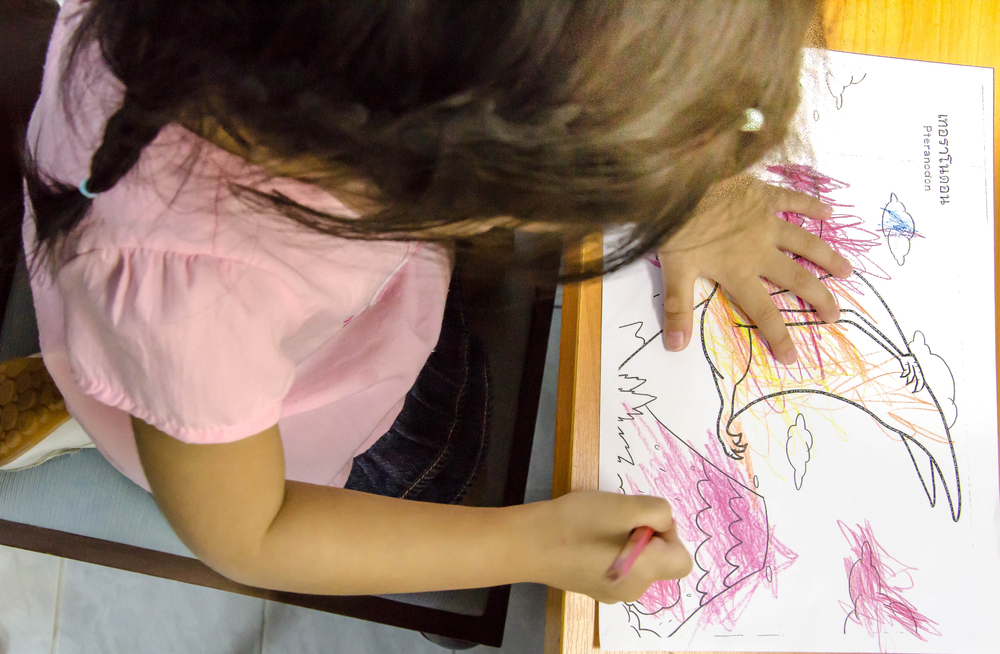


Fine motor skills, particularly drawing, are crucial for children aged 6-8 as they play a significant role in several areas of development, including academic success and personal expression. As children engage in drawing activities, they enhance their hand-eye coordination, dexterity, and control over their hand movements, which are foundational for tasks like writing, manipulating small objects, and using tools—all essential for later educational success.
In mathematics, fine motor skills are imperative for tasks ranging from drawing geometric shapes to organizing counting objects. When children can effectively manipulate materials, they develop critical thinking, problem-solving abilities, and spatial awareness. These skills support their understanding of mathematical concepts and reasoning, enabling them to visualize problems better.
Additionally, drawing allows children to express their thoughts and creativity, fostering emotional intelligence and communication skills. Connecting these abilities to math reinforces the idea that math is not just about numbers; it’s also about visual representation and creative thinking.
By supporting the development of fine motor skills through drawing and related activities, parents and teachers equip children with the tools needed to excel academically, foster creative expression, and cultivate a lifelong love for learning. Therefore, nurturing these skills is essential for a well-rounded education.








