Number Sequencing Math Worksheets for Ages 6-8 - Page 2
42 filtered results
-
From - To
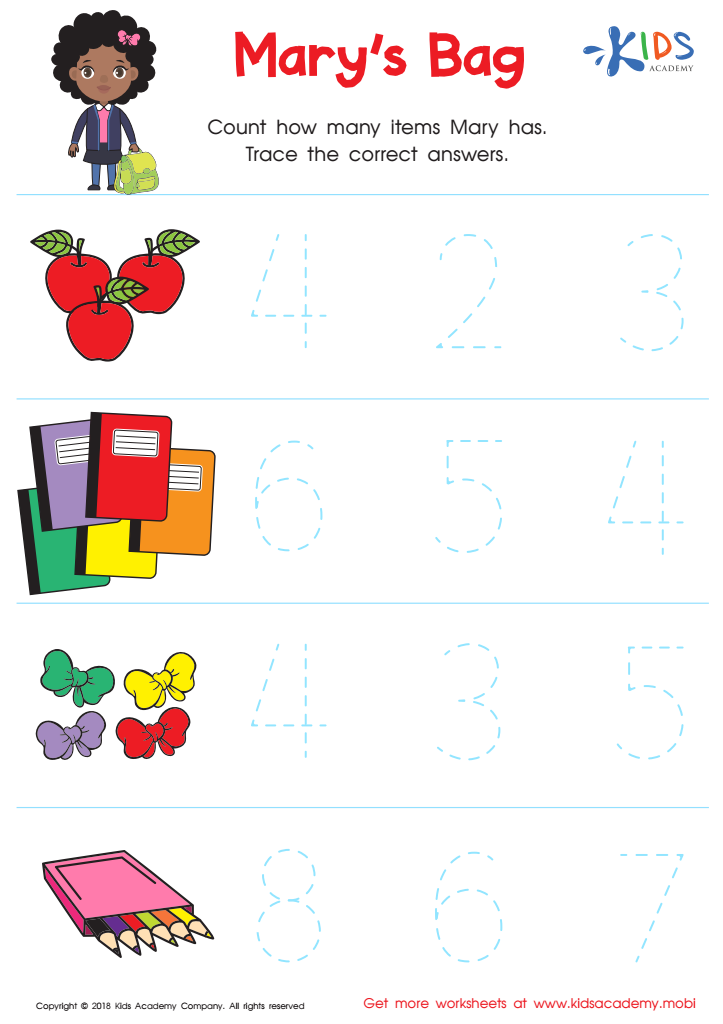
Kindergarten Number Tracing: Mary's Bag Worksheet
 Assign to My Students
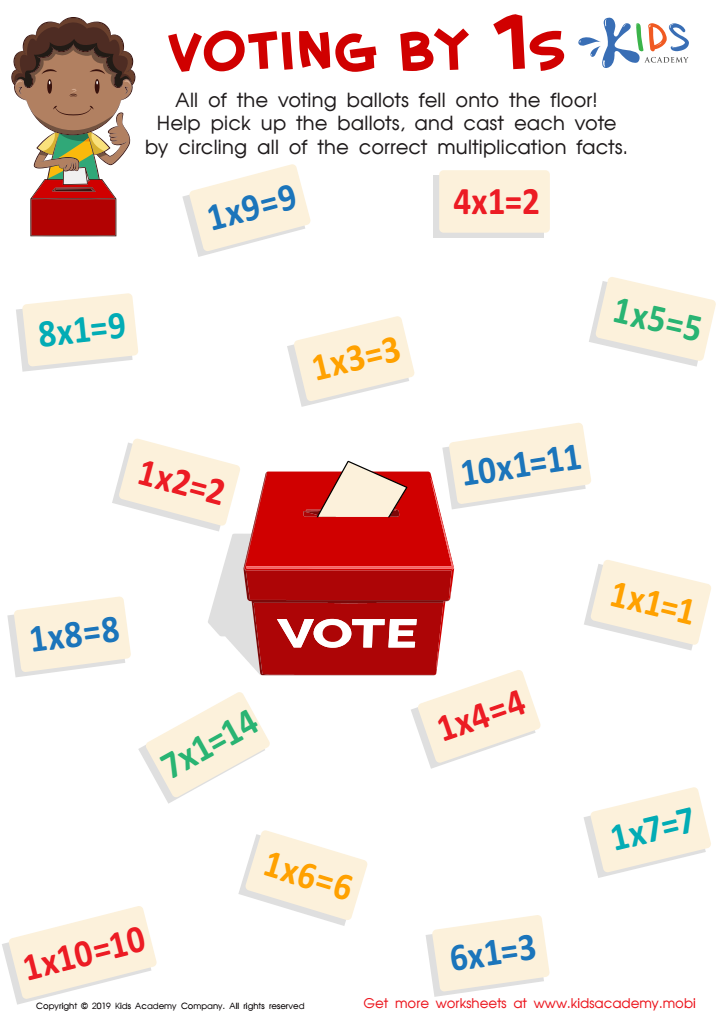
Voting by 1s Worksheet
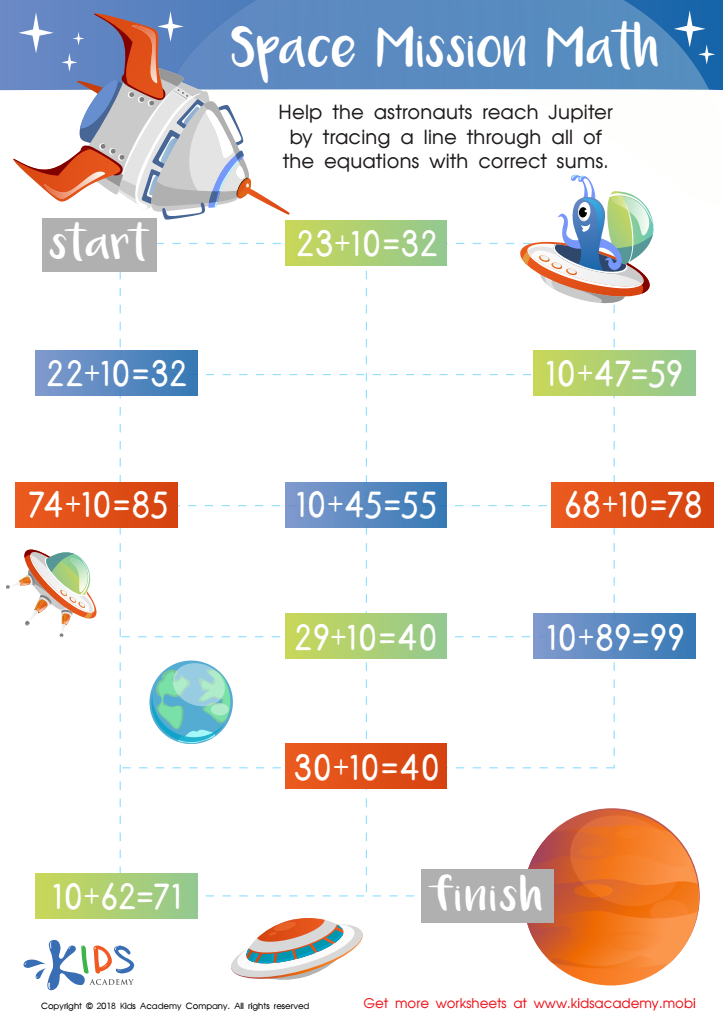
Space Mission Math Worksheet
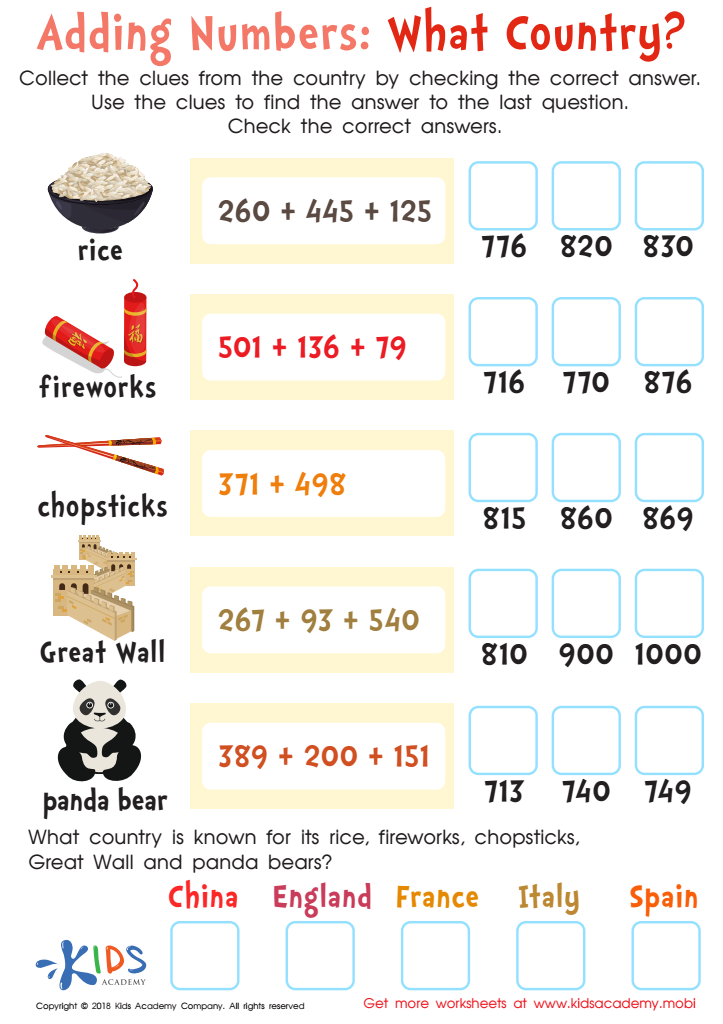
Adding Numbers: What Country Worksheet
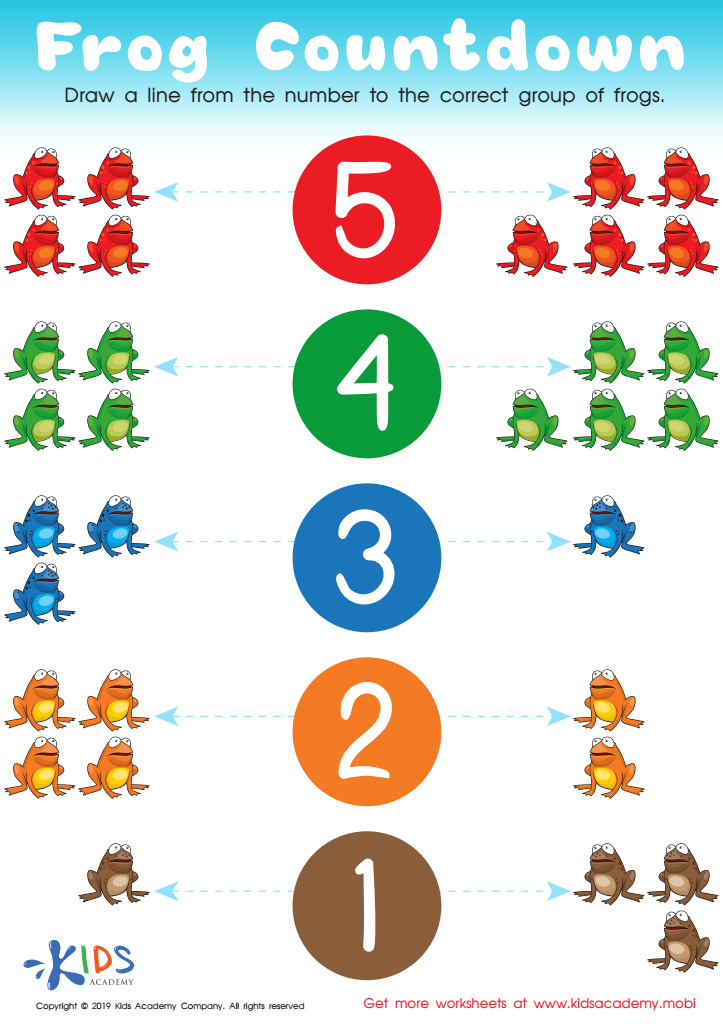
Frog Countdown Worksheet
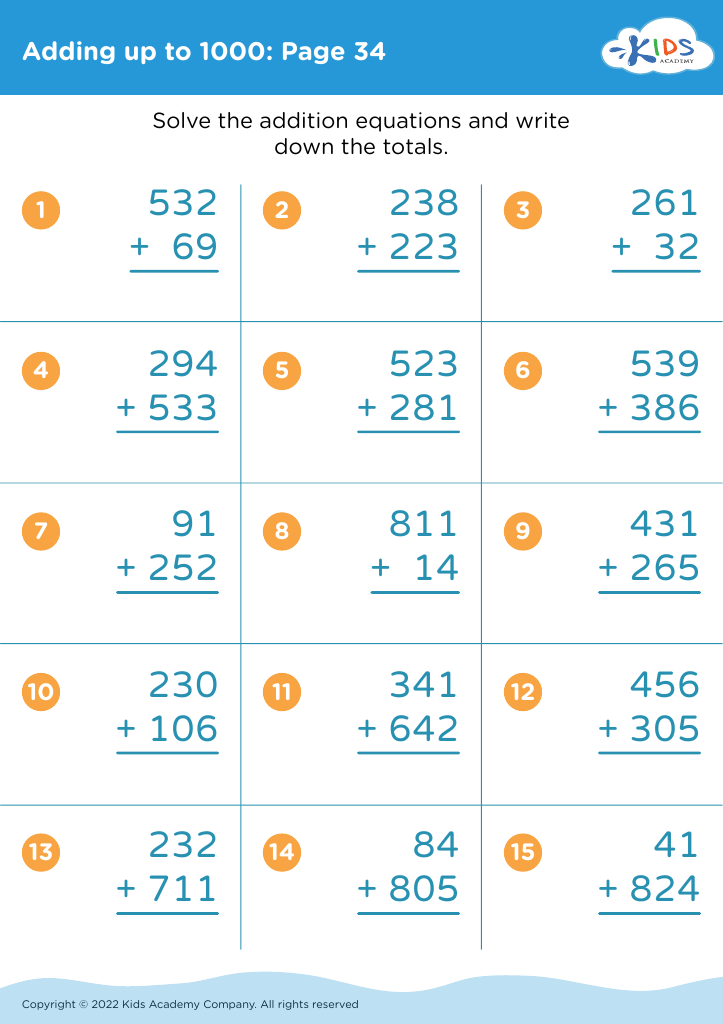
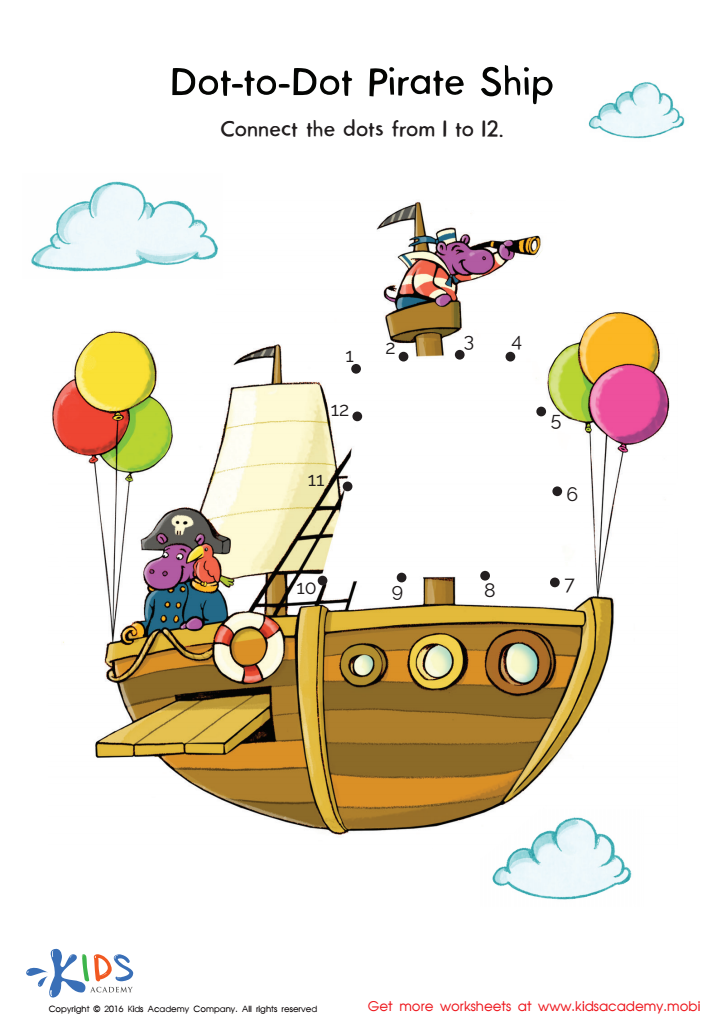
Pirate Ship Connect Dots Worksheet
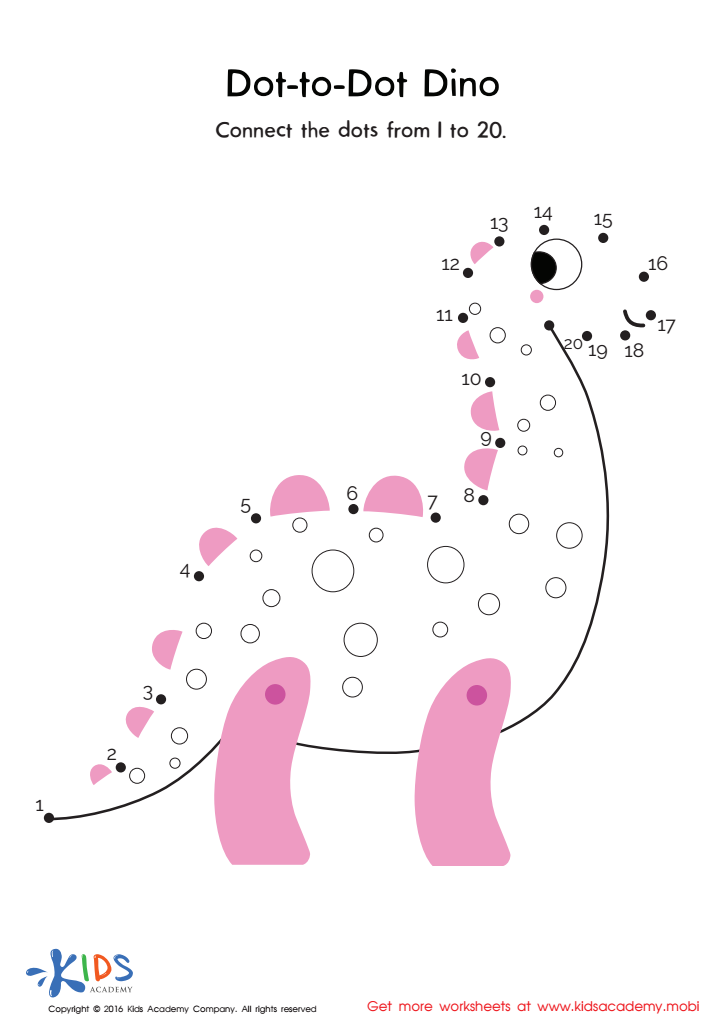
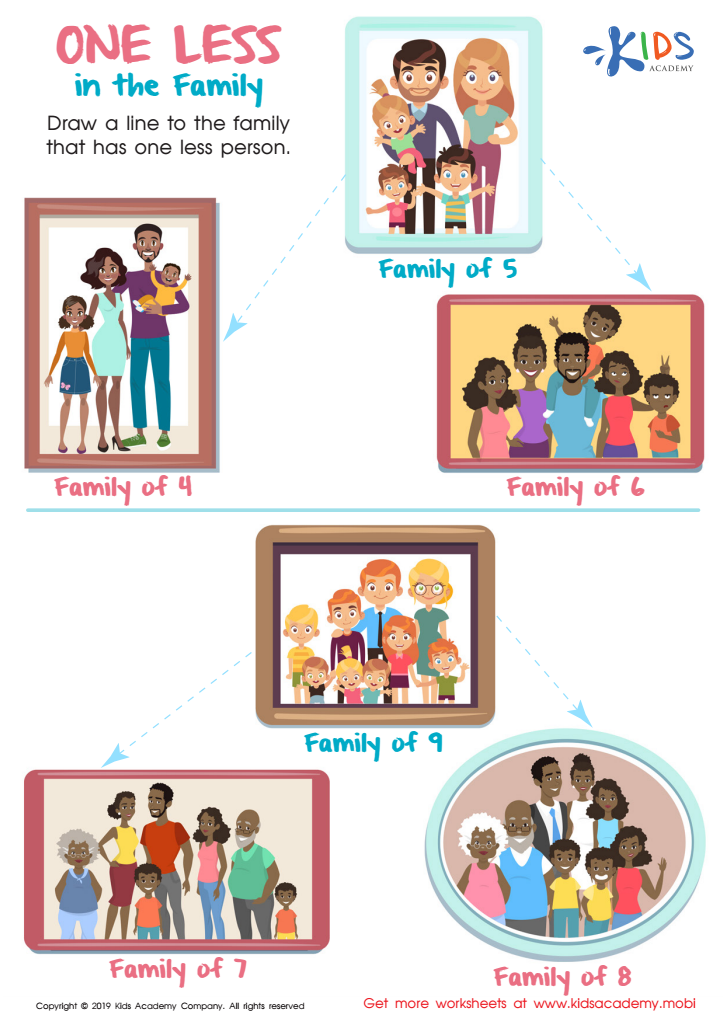
One Less in the Family Worksheet
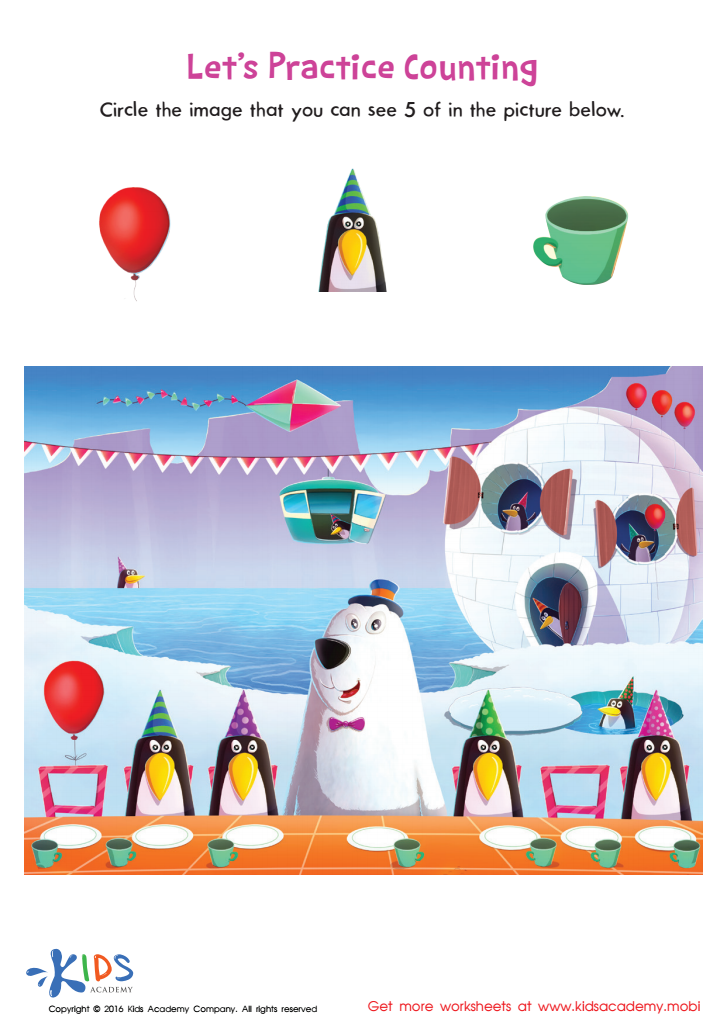
Counting Worksheet: Let's Practice Counting
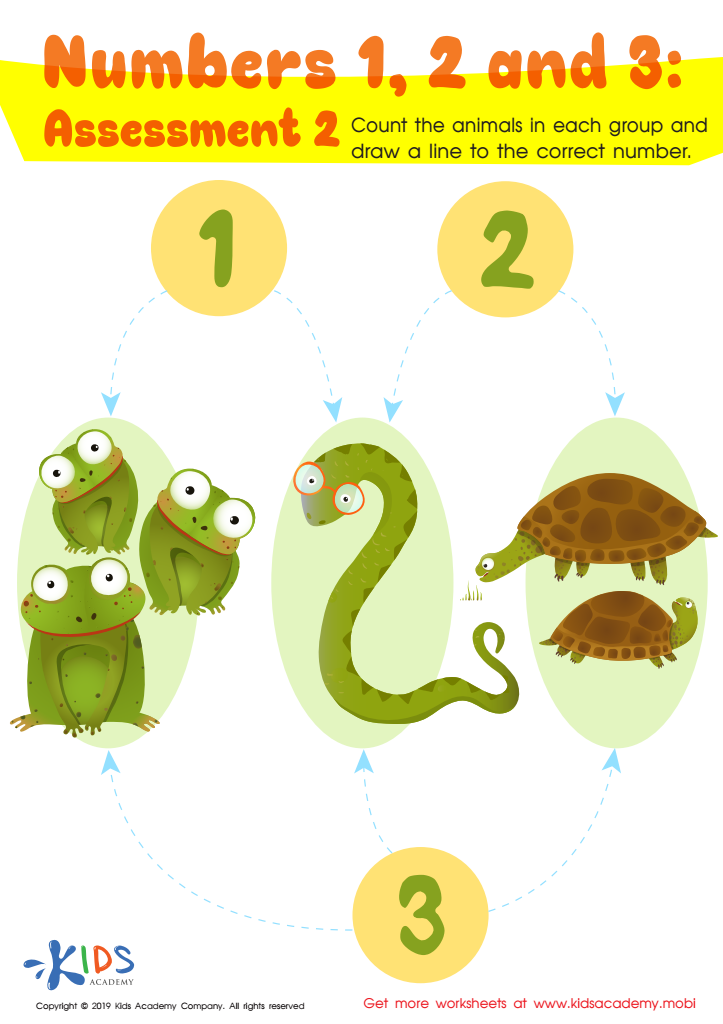
Numbers 1, 2 and 3: Assessment 2 Worksheet
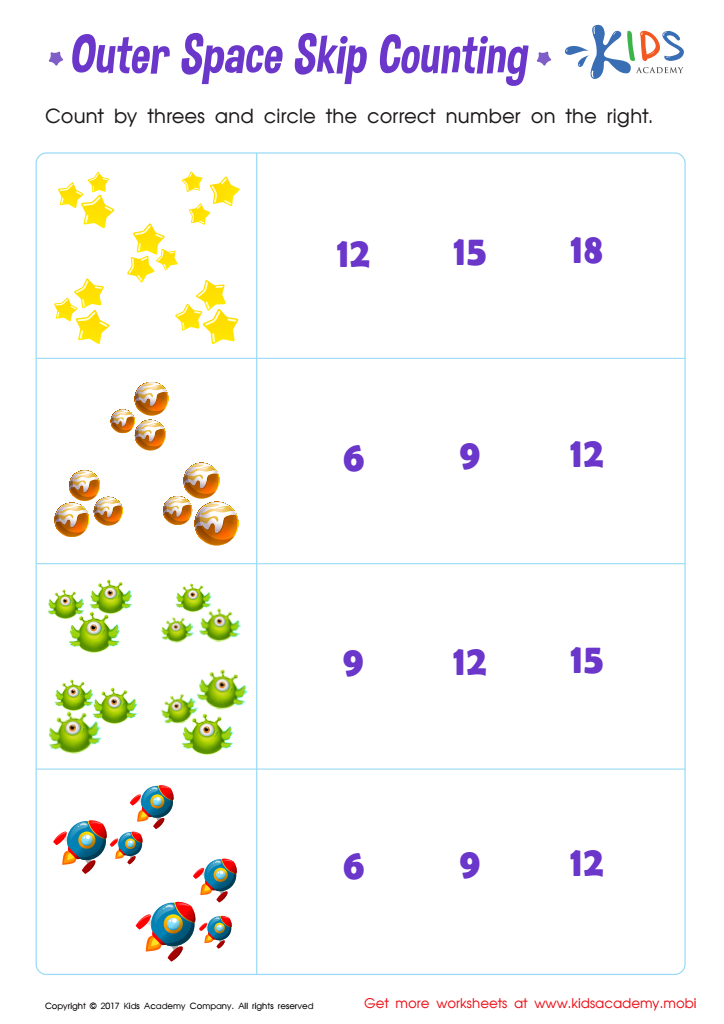
Skip Counting by 3s: Outer Space Skip Counting Printable
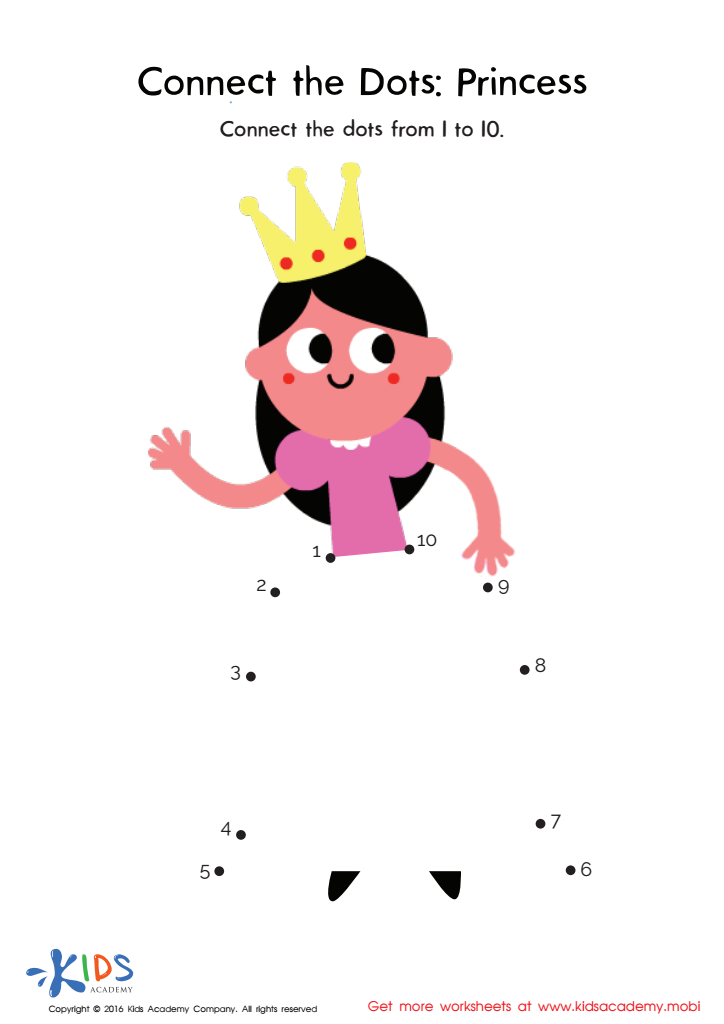
Princess Connect Dots Worksheet
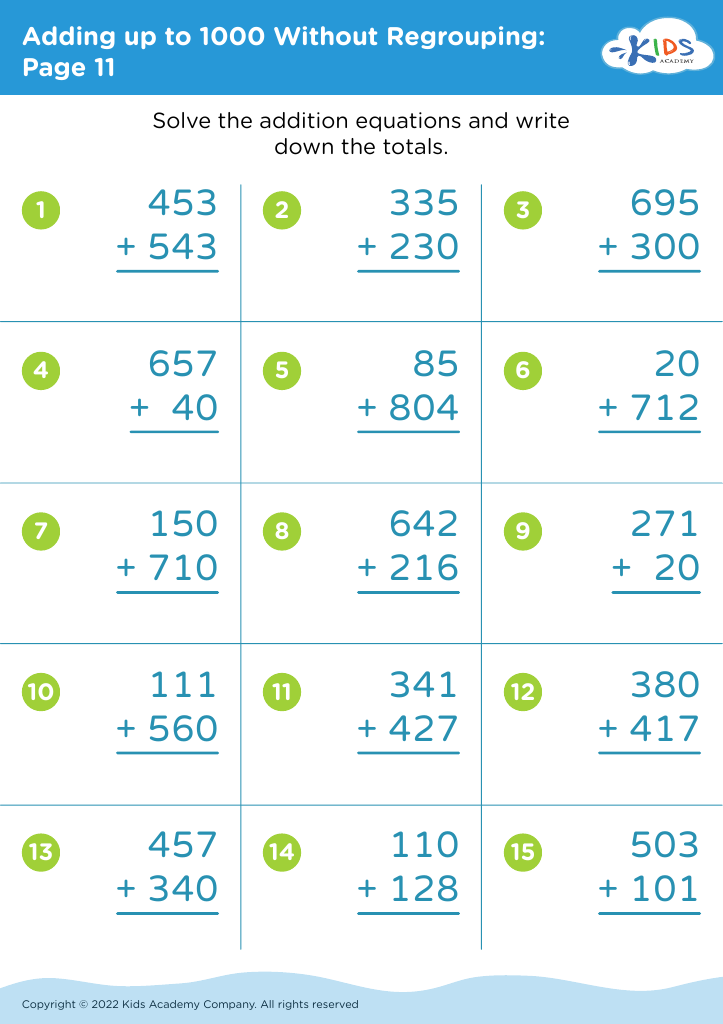
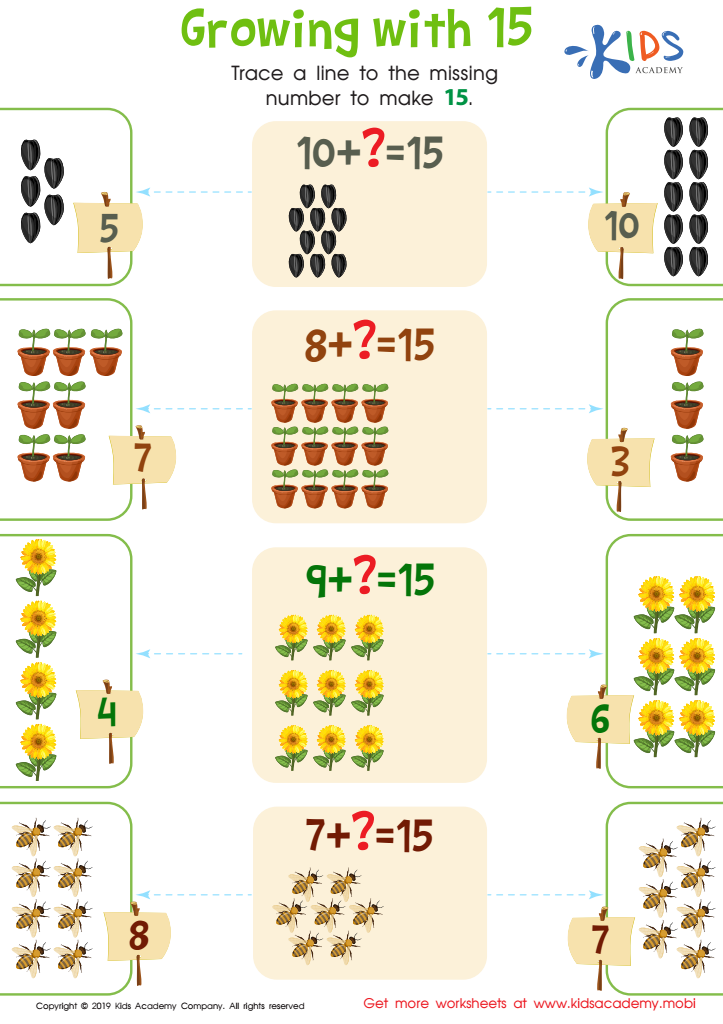
Growing with 15 Worksheet
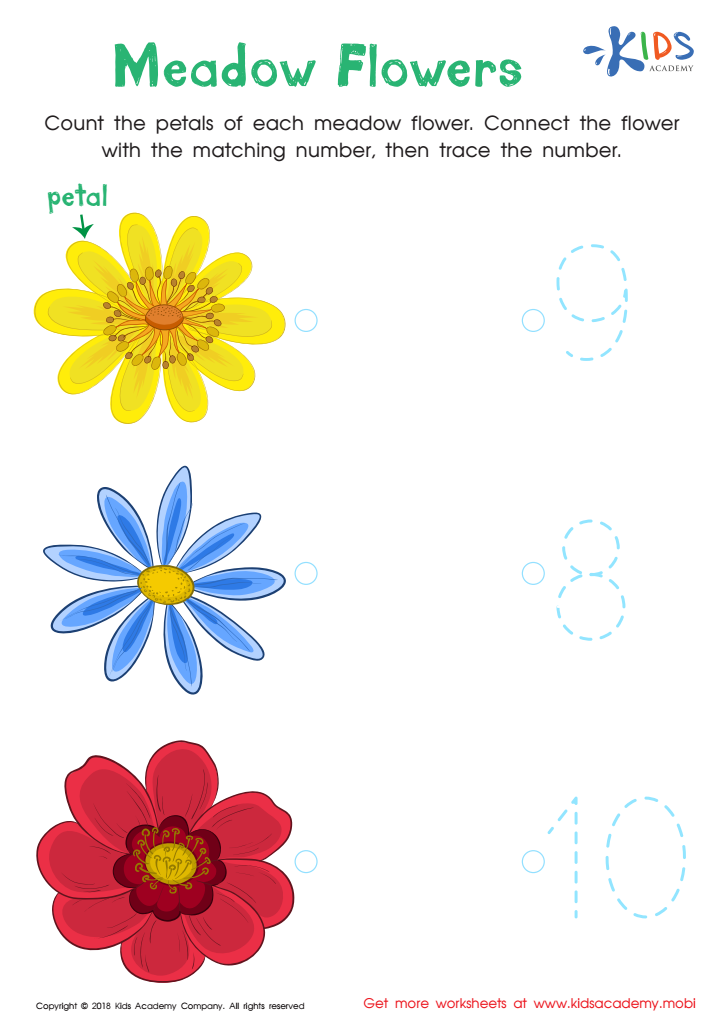
Kindergarten Number Tracing: Medow Flowers Worksheet







Number sequencing is a crucial aspect of early mathematical education for children aged 6-8, and parents and teachers should give it due attention for several compelling reasons. First, understanding number sequences helps build a strong mathematical foundation, essential for grasping more advanced concepts. For example, recognizing patterns in sequences aids in learning multiplication tables, counting by intervals (such as fives or tens), and understanding place value.
Furthermore, number sequencing sharpens critical thinking and problem-solving skills. When children identify a pattern, they make predictions and logical conclusions, which are integral life skills. It also enhances their cognitive abilities, especially in memory and concentration, as they need to recall and apply sequences to solve problems accurately.
The practical benefits extend beyond pure math. Number sequencing is used in daily activities such as telling time, understanding calendars, and managing money. Learning to sequence numbers translates to better organizational skills and an improved ability to plan.
Emotionally and mentally, mastering number sequencing boosts children's confidence in handling mathematical tasks, fostering a positive attitude towards learning. This, in turn, encourages a lifelong interest in mathematics and related fields. Therefore, focusing on number sequencing sets up young learners for a successful and enriched educational journey.








