Shape identification Math Worksheets for Ages 6-8 - Page 2
31 filtered results
-
From - To
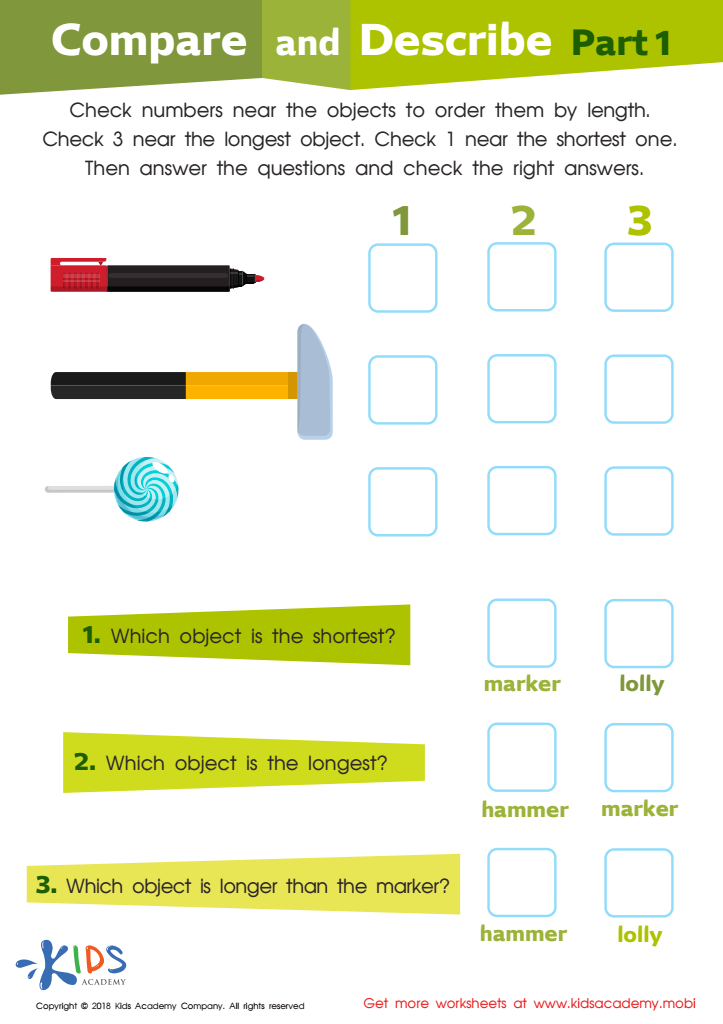
Compare and Describe: Part 1 Worksheet
 Assign to My Students
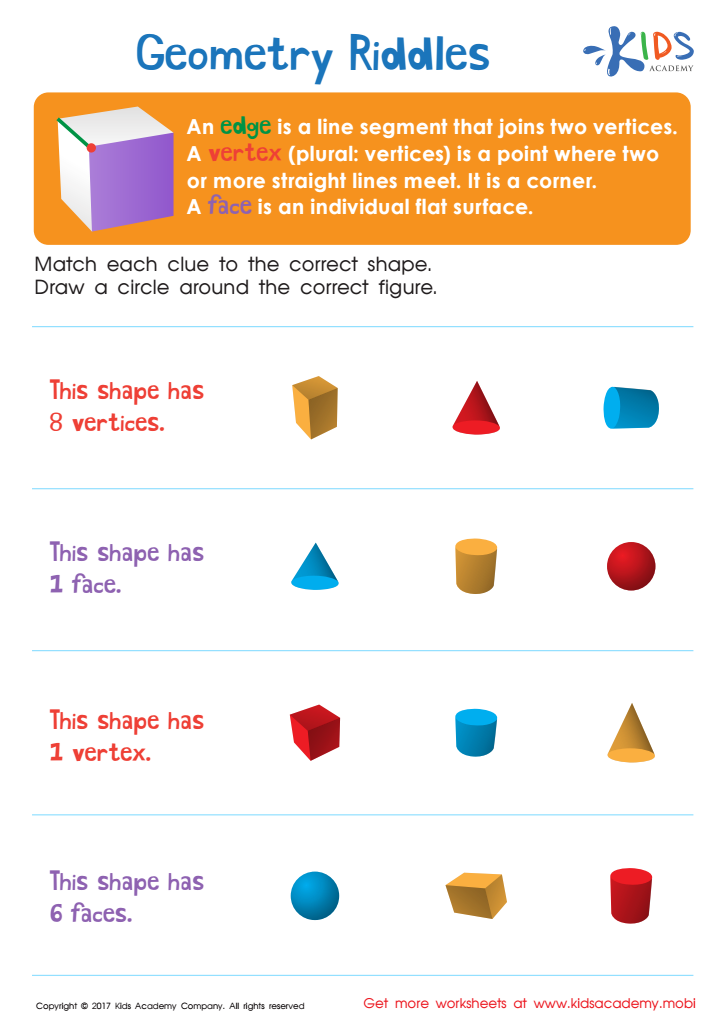
Geometry Riddles Printable
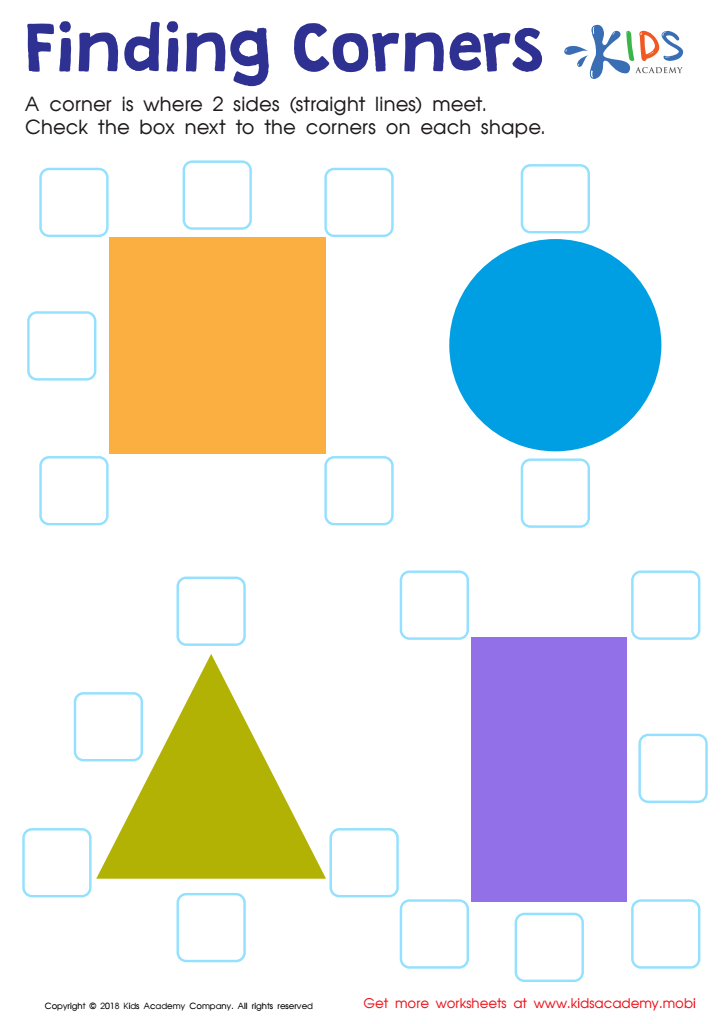
Finding Corners Worksheet
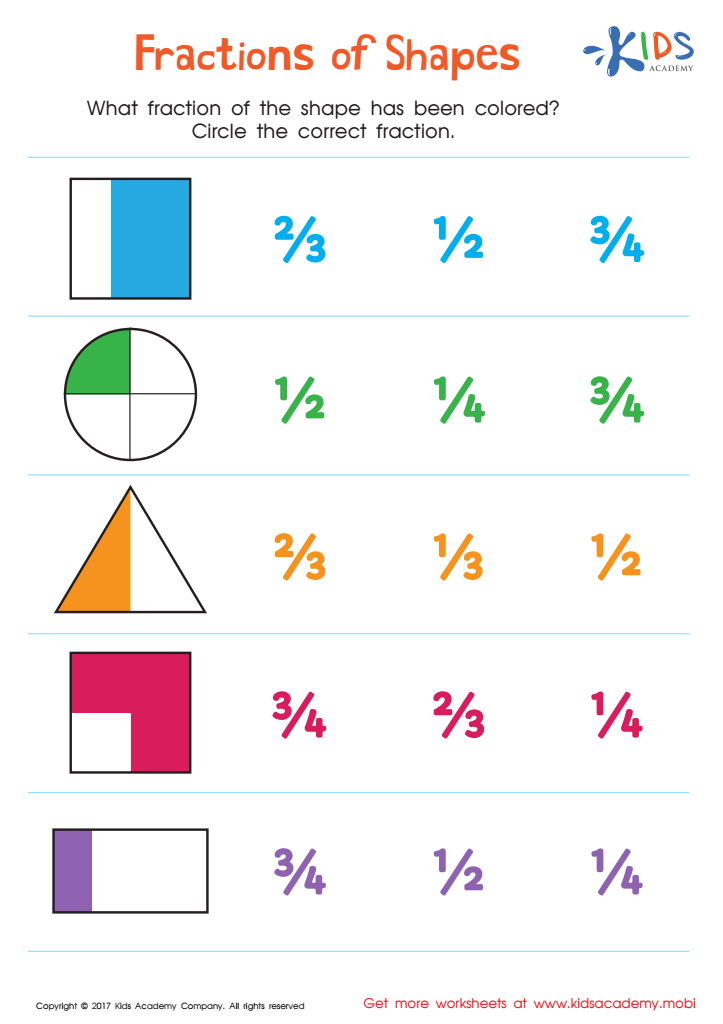
Fractions of Shapes: Math Concept Worksheet
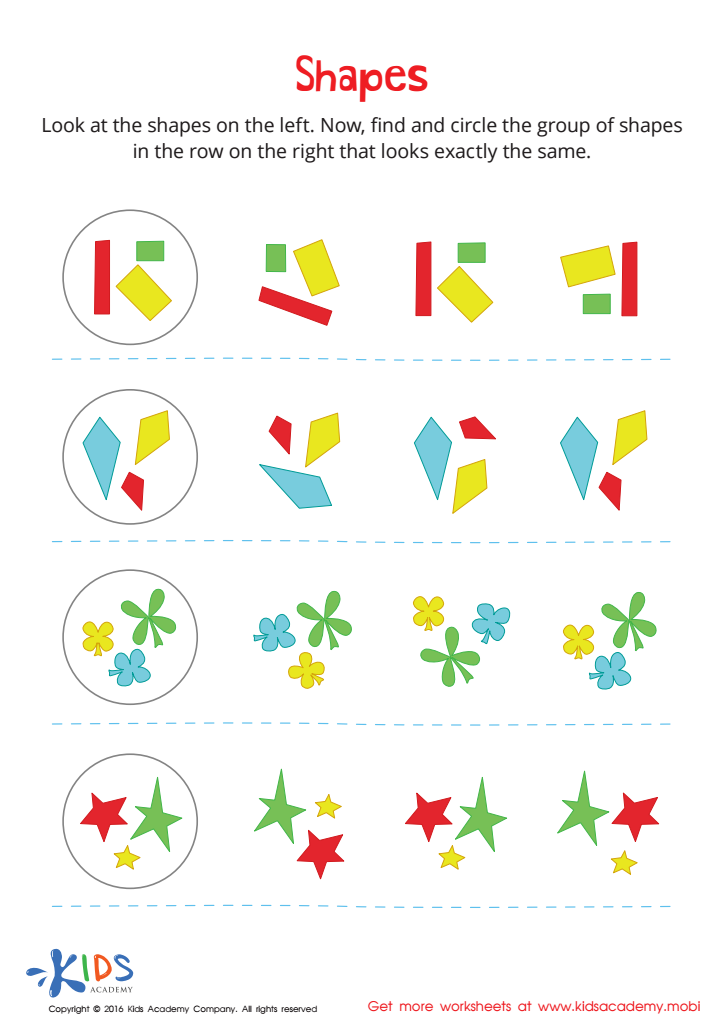
Shapes Worksheet



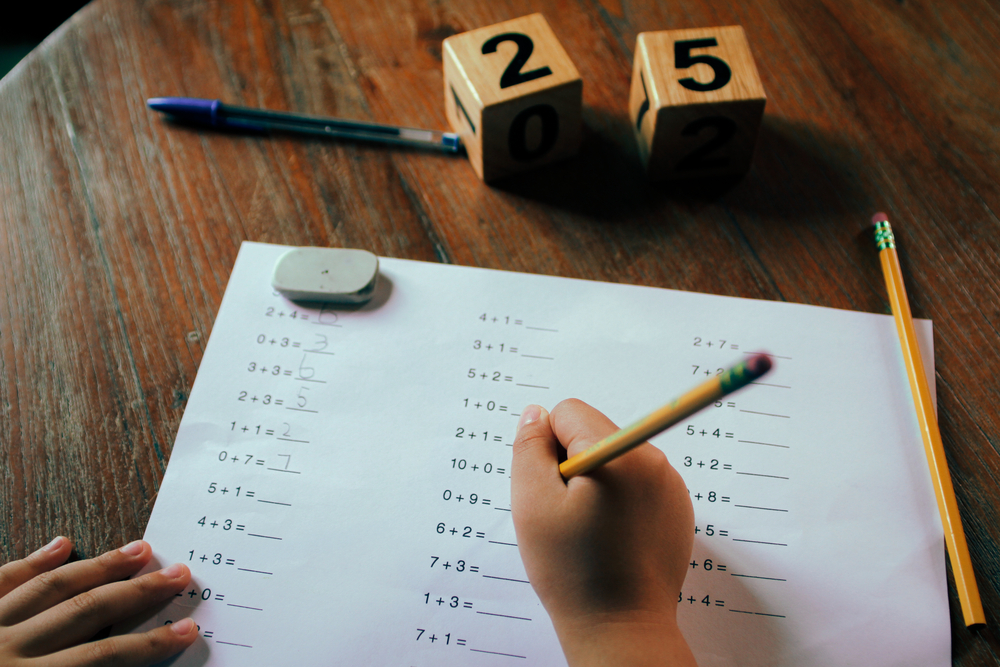




Shape identification is a foundational math skill for children aged 6 to 8 that goes beyond merely recognizing circles, squares, and triangles. Understanding shapes prepares young learners for more complex mathematical concepts, including geometry, measurement, and spatial reasoning. By mastering shape identification, children develop critical thinking skills and the ability to categorize and analyze their environment.
Parents and teachers should prioritize shape identification because it enhances cognitive development and fosters problem-solving abilities essential in math and science. This skill encourages creativity as children learn to visualize and manipulate shapes, enabling them to solve real-world problems, such as understanding architecture and design. Furthermore, shape identification promotes language development as children learn to articulate geometric concepts and describe their surroundings.
Moreover, incorporating shapes into activities allows for playful learning, making math enjoyable while reinforcing fine motor skills through drawing, building, or crafting. Support for shape identification can lead to a stronger math foundation, increasing confidence and establishing a positive attitude towards learning.
In essence, prioritizing shape identification equips children with essential skills that benefit them academically and socially, setting the stage for lifelong learning and success. Thus, parents and teachers play a crucial role in nurturing these foundational abilities.








