Sequencing Skills Reading Worksheets for Ages 6-8
7 filtered results
-
From - To
Enhance young readers' comprehension with Sequencing Skills Reading Worksheets, designed for ages 6-8. These engaging worksheets help children understand story structure by ordering events, promoting logical thinking, and improving recall abilities. Perfect for building a solid reading foundation, they support critical thinking and comprehension. Each activity is crafted to align with educational standards, making them a valuable resource for both home and classroom settings. Foster a love for reading while developing essential skills with our fun and interactive sequencing worksheets, and watch your child's literacy skills soar! Explore and download now at Kids Academy.
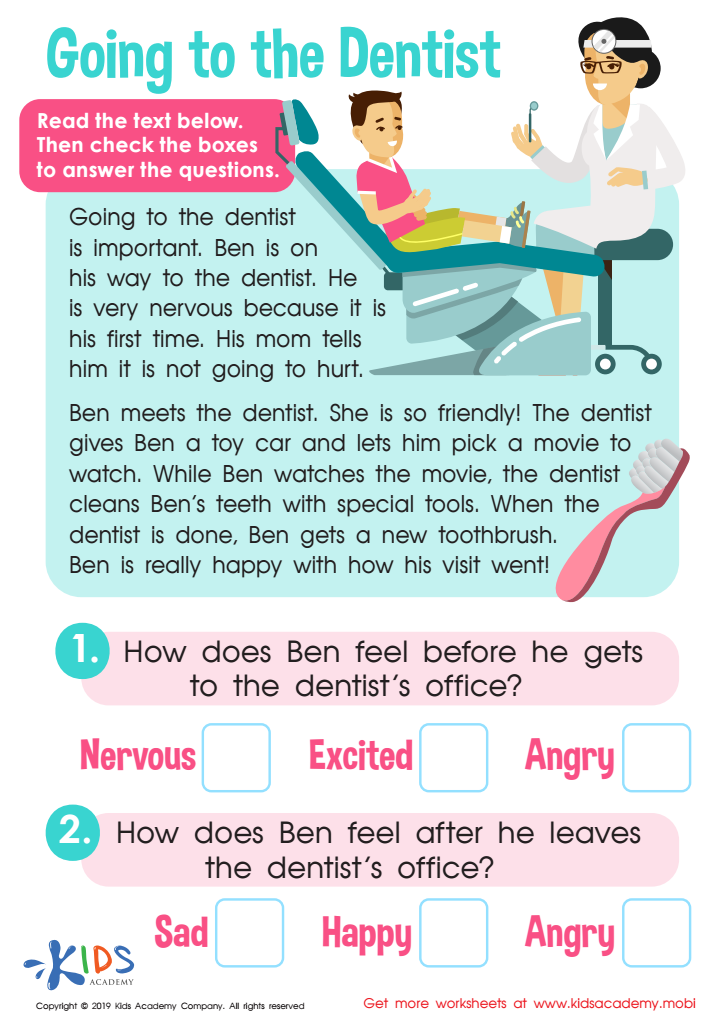
Going to the Dentist Worksheet
 Assign to My Students
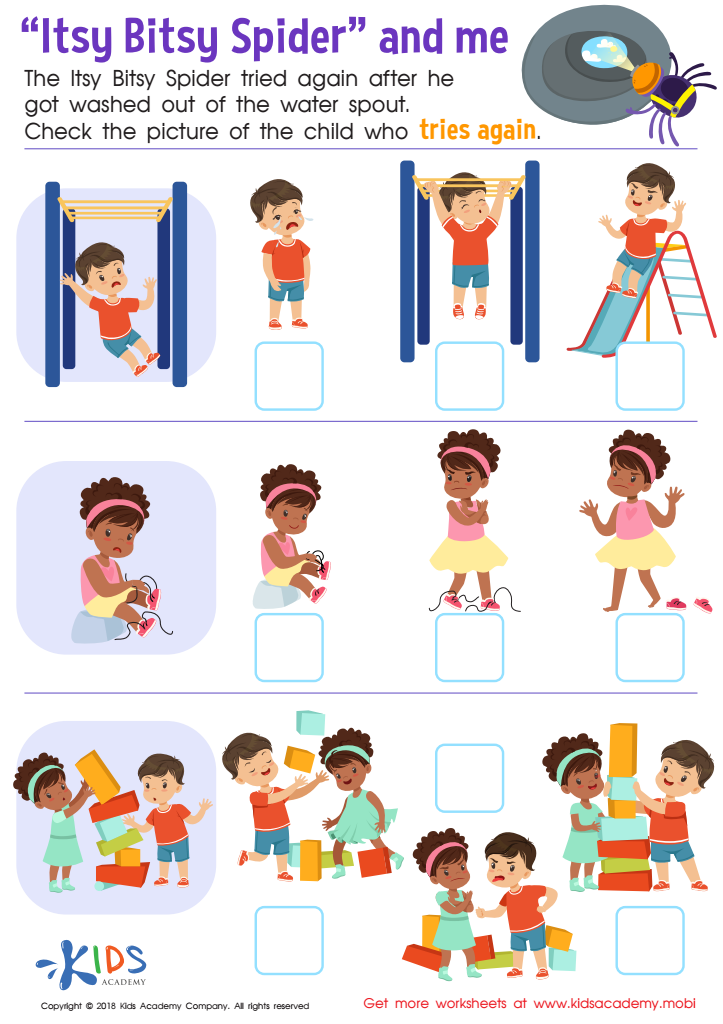
Itsy Bitsy Spider and Me Worksheet
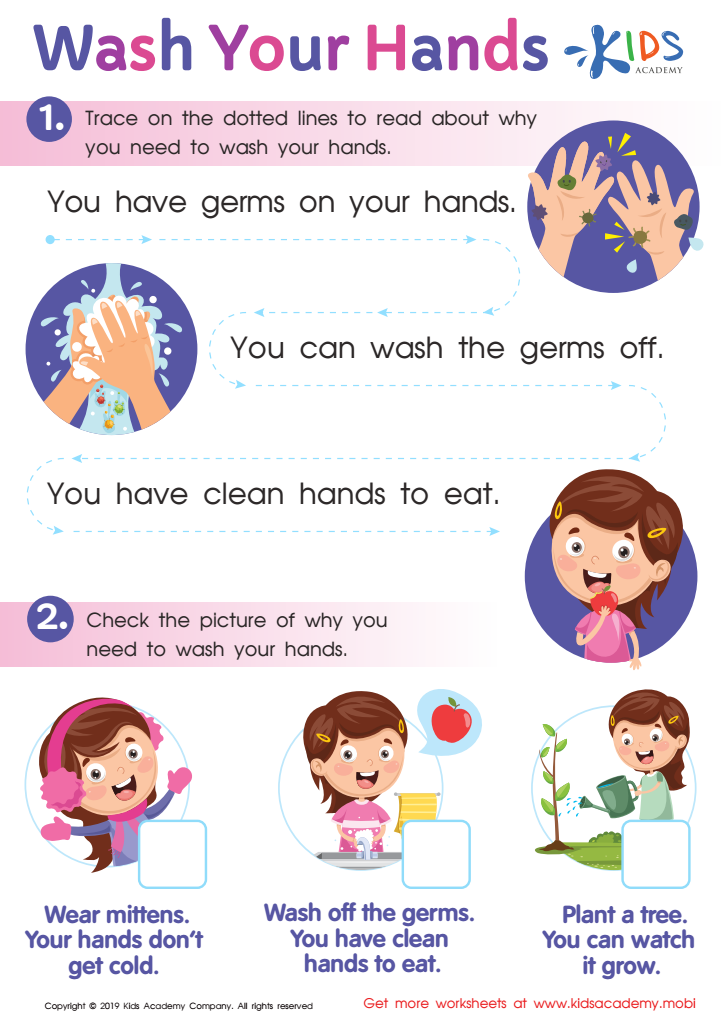
Wash Your Hands Worksheet
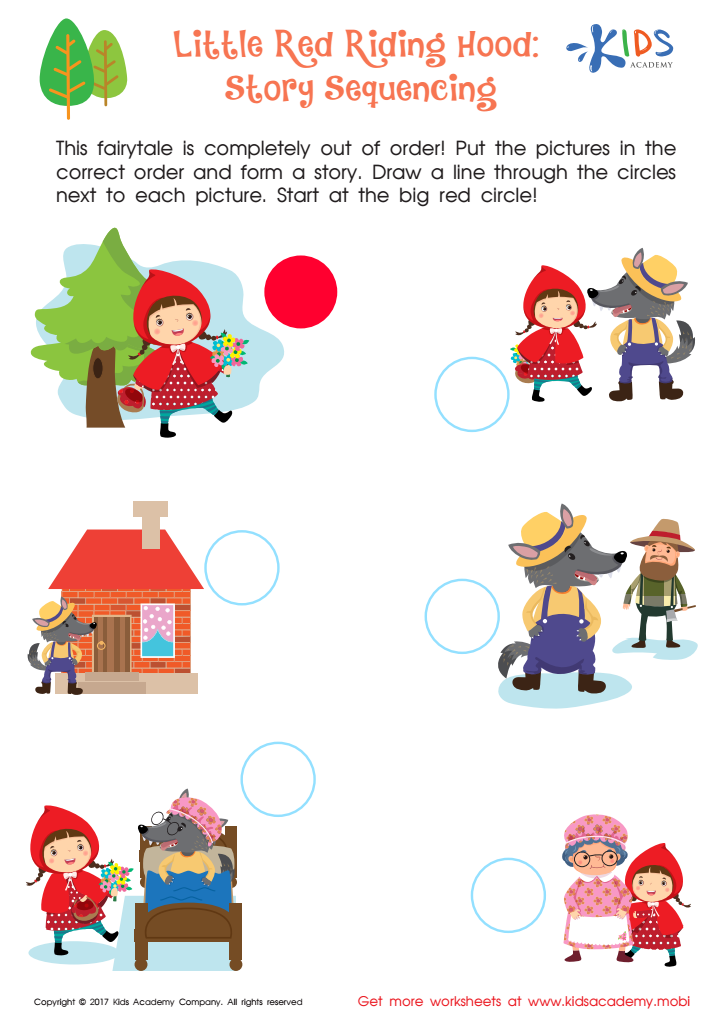
Story Sequencing Printable
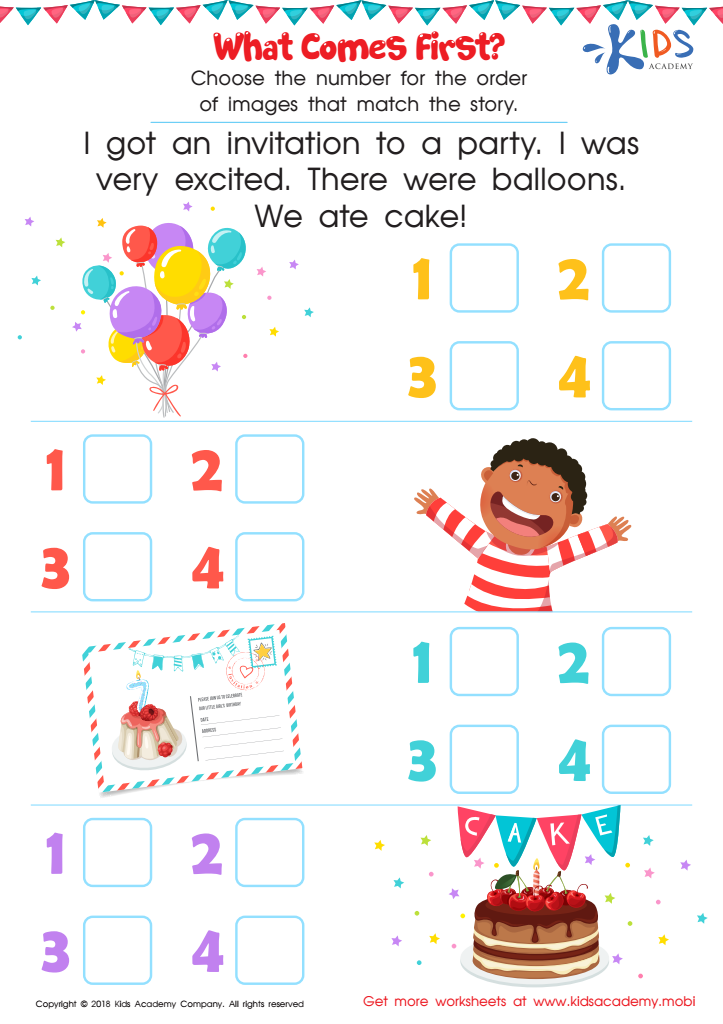
What Comes First Worksheet
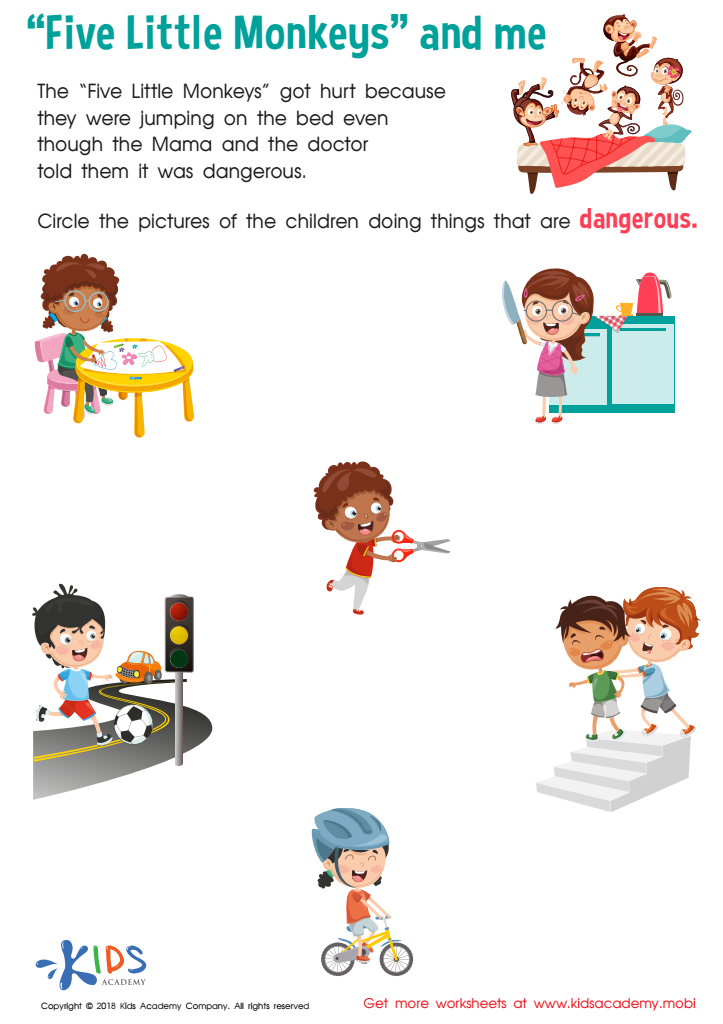
Five Little Monkeys and Me Worksheet








Sequencing skills are foundational for young readers aged 6-8 as they significantly bolster comprehension, critical thinking, and overall literacy. When children understand sequence, they can identify the natural order of events in a story—beginning, middle, and end—which enhances their grasp of the narrative's structure. This ability helps them predict outcomes and make logical connections between actions and consequences in a text.
At this formative stage, sequencing aids in cognitive organization by allowing kids to categorize events chronologically. It promotes better memory retention as children learn to recall and reconstruct story lines accurately. This organizational skill extends beyond reading and is fundamental in daily tasks and problem-solving, assisting children in executing activities in a logical, efficient manner.
Furthermore, discussing sequences in stories nurtures critical language skills. It encourages the use of transitional words like “first,” “next,” and “finally,” enriching their vocabulary and language fluency. When sequencing is mastered, it instills confidence, as children can engage more comfortably in discussions about stories, fostering a love for reading.
Engaged parents and teachers can incorporate sequencing exercises—such as timeline creation, re-ordering mixed-up stories, and story mapping—in educational routines. These activities make learning interactive and enjoyable, supporting literacy growth during this crucial developmental window. In essence, a strong emphasis on sequencing skills entails setting the stage for more advanced literacy and cognitive capabilities.








