Vocabulary improvement Reading Worksheets for Ages 6-8
3 filtered results
-
From - To
Boost your child’s reading skills with our Vocabulary Improvement Reading Worksheets for ages 6-8! Designed specifically for early learners, these engaging resources aim to expand their vocabulary, enhance comprehension, and foster a love for reading. Each worksheet is tailored to build language proficiency through fun and interactive activities, including synonyms, antonyms, word meanings, and context clues. Our expertly crafted exercises not only support academic excellence but also nurture confident and motivated young readers. Perfect for at-home practice or classroom use, these worksheets are an essential tool for parents and educators dedicated to early literacy success.
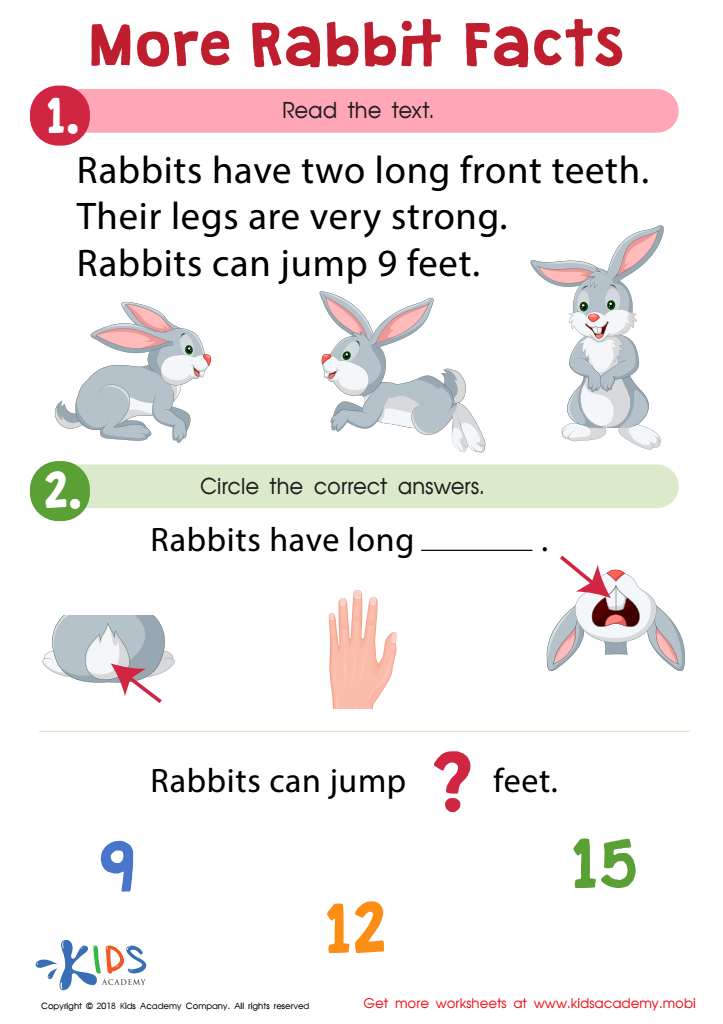
More Rabbit Facts Worksheet
 Assign to My Students
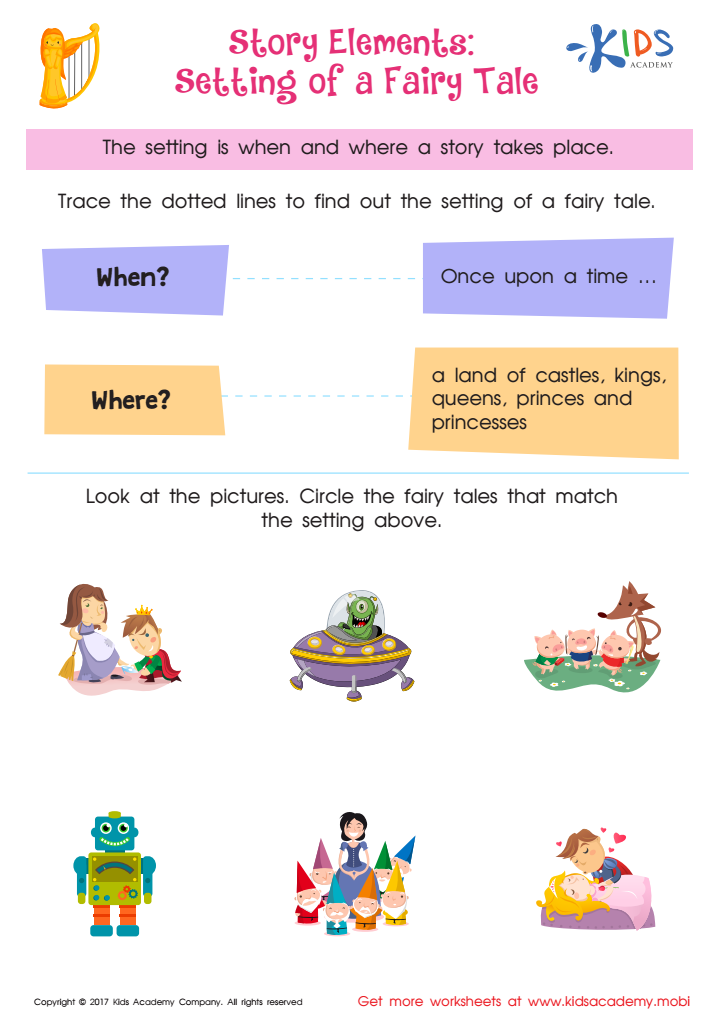
Story Elements: Setting of a Fairy Tale Printable
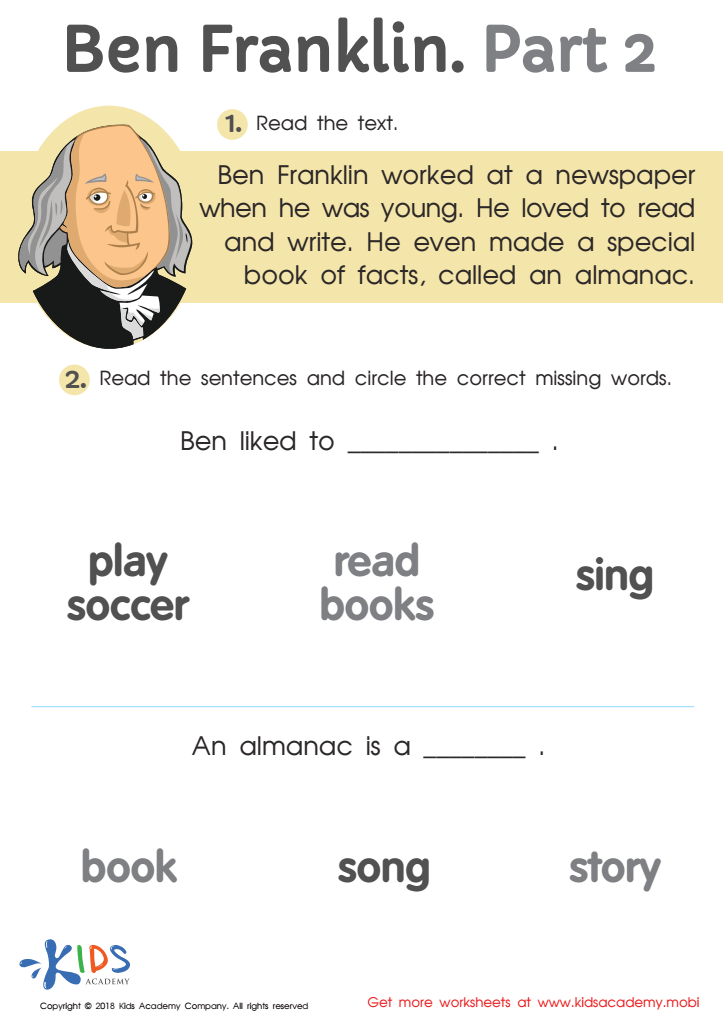
Ben Franklin Part 2 Worksheet








Vocabulary improvement is crucial for children aged 6-8 as it lays the foundation for their overall academic success and cognitive development. At these ages, children transition from "learning to read" to "reading to learn." Expanding their vocabulary directly enhances their ability to comprehend more complex texts, fostering better reading comprehension skills.
A robust vocabulary also empowers children to express themselves more clearly and confidently, both orally and in writing. This is essential, not just for language arts, but for all subjects, where nuanced understanding and precise communication matter. For example, in science and math, understanding key terms can make following instructions or grasping new concepts easier.
Moreover, vocabulary enrichment bolsters critical thinking skills as children learn to categorize, compare, and synthesize information. This cognitive skill set is beneficial for problem-solving and navigating social interactions.
Parents and teachers play pivotal roles in creating a "literacy-rich" environment. Reading aloud, engaging in conversations, and exposing children to a variety of books and experiences can significantly boost their word bank. Therefore, dedicating time to vocabulary development at this stage can set the groundwork for lifelong learning and success in various areas of life.








