Filters

64 filtered results

Clear all filters
Favorites
With answer key
Interactive

64 filtered results

Difficulty Level

Grade


Subject

    Check out this FREE Trial Lesson on Animals for age 6-8!

    Animal Habitats

    Favorites
    With answer key
    Interactive
    • 6-8
    • Animals
    What Does It Mean? Worksheet
    What Does It Mean? Worksheet

    What Does It Mean? Worksheet

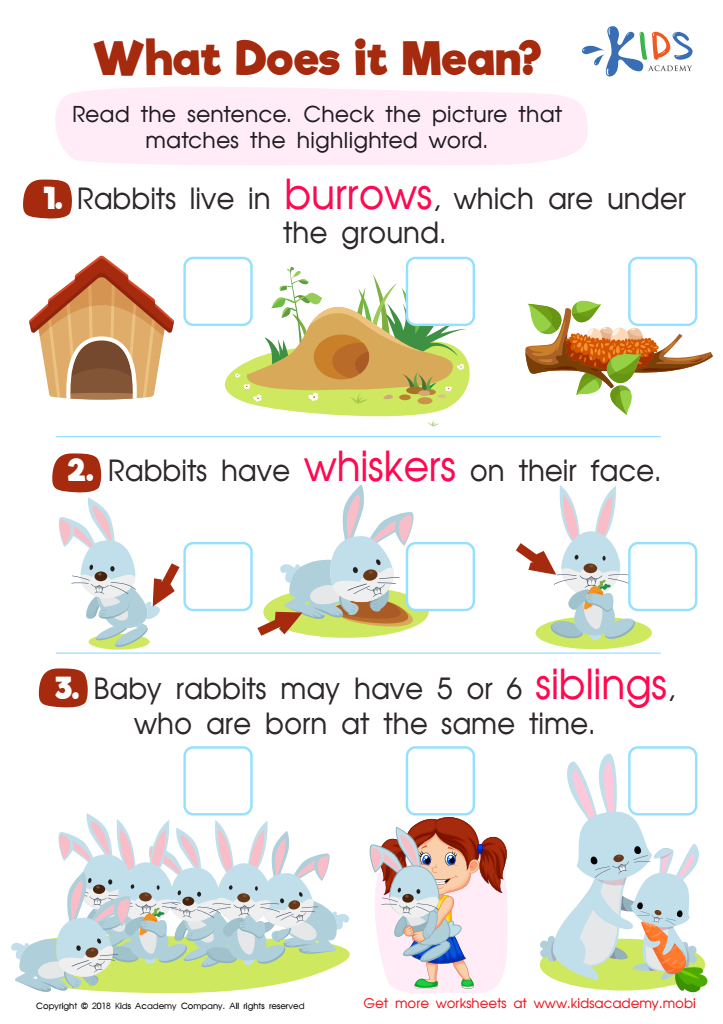
    Teach your child to use context clues with this engaging Kids Academy worksheet. Read the sentences and find the pink-highlighted word. Use the other words in the sentence to figure out the meaning, then check the box next to the picture that represents it.
    What Does It Mean? Worksheet
    Worksheet
    Arctic Animals Worksheet
    Arctic Animals Worksheet

    Arctic Animals Worksheet

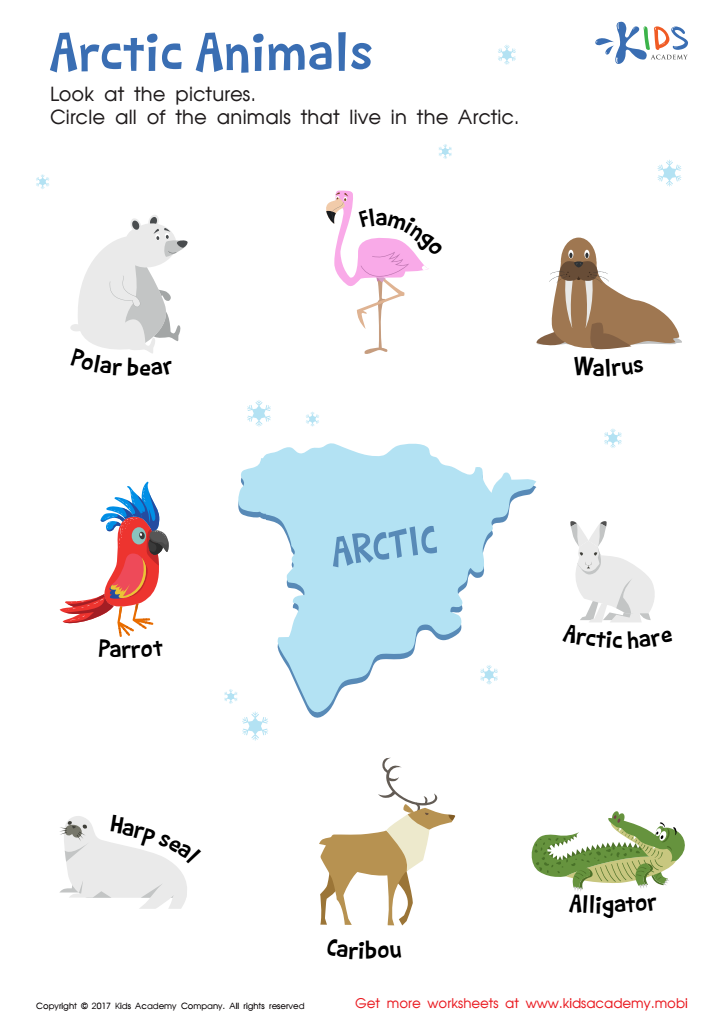
    Kids love animals and this worksheet is a great way to teach them where they live. It reinforces classification skills and introduces new animals, like the Arctic hare. Use it to discuss the Arctic climate and how these animals live, then ask your child where other animals live to keep the conversation going.
    Arctic Animals Worksheet
    Worksheet
    Life Cycle of a Horse Worksheet
    Life Cycle of a Horse Worksheet

    Life Cycle of a Horse Worksheet

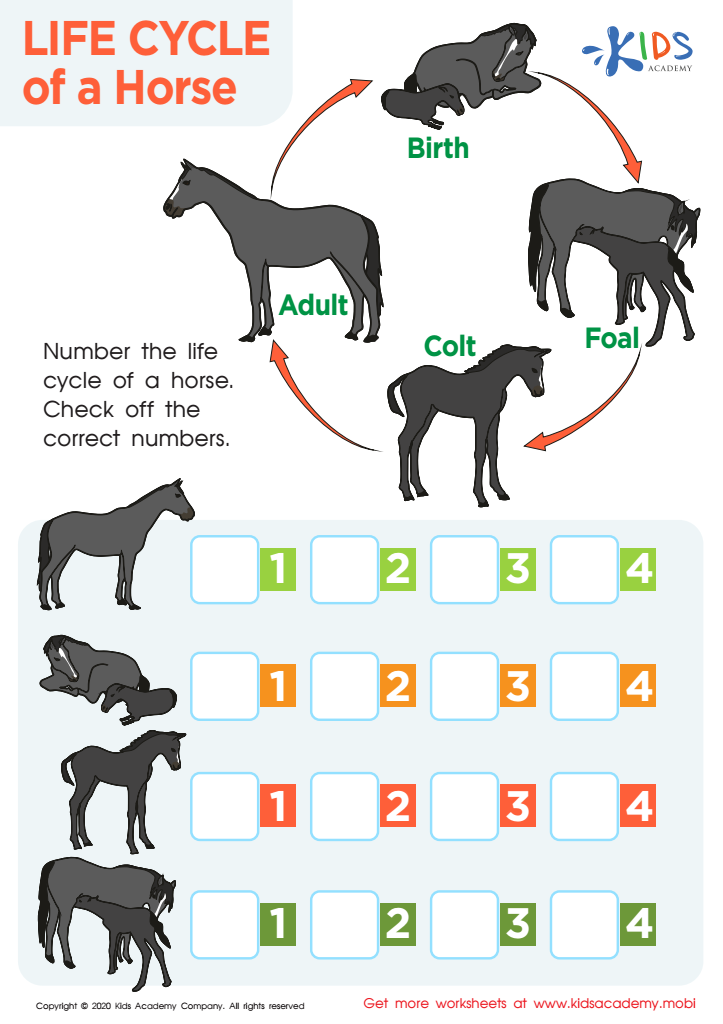
    Kids Academy's science worksheet on horses' lifecycles offers an engaging way for kids to learn! They'll study the diagram and label each stage of life, from birth to adulthood, and then number the pictures to mark the correct sequence. Fun and educational - a perfect way to get your kids learning!
    Life Cycle of a Horse Worksheet
    Worksheet
    Animal Nests Worksheet
    Animal Nests Worksheet

    Animal Nests Worksheet

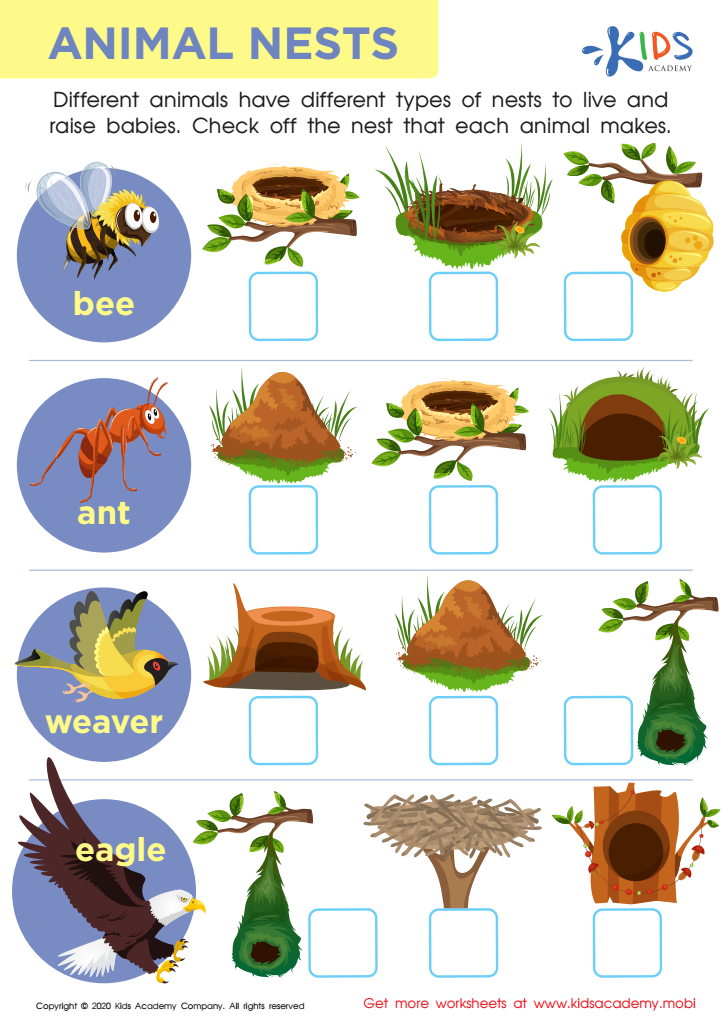
    Animals need homes to sleep and stay safe. Look at the animal on the left and examine the nests and hives to the right. Check off the correct one for each animal to complete the worksheet! From birds to bees, it's a great way to show different types of homes animals make!
    Animal Nests Worksheet
    Worksheet
    Animal Word Search Worksheet
    Animal Word Search Worksheet

    Animal Word Search Worksheet

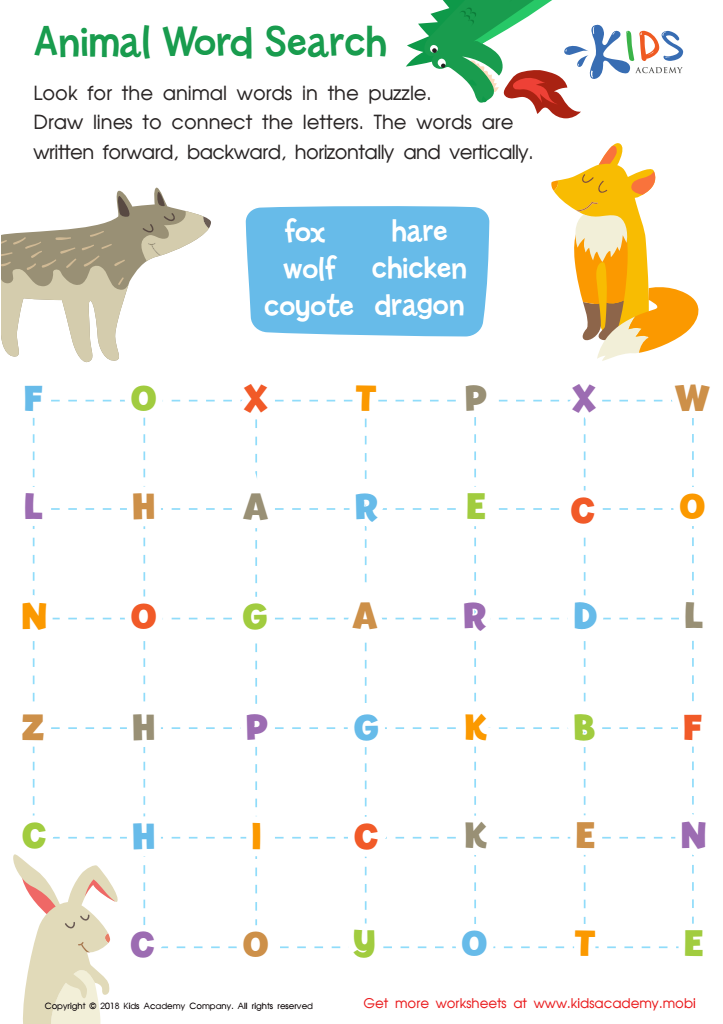
    Students can have fun and strengthen spelling and vocabulary skills with this word search worksheet. Search for animal words and circle the letters in the puzzle. Words can be found forwards, backwards, horizontally or vertically, providing a great challenge to foster critical thinking skills. An enriching activity for all ages!
    Animal Word Search Worksheet
    Worksheet
    Ecosystems: Assessment 2 Worksheet
    Ecosystems: Assessment 2 Worksheet

    Ecosystems: Assessment 2 Worksheet

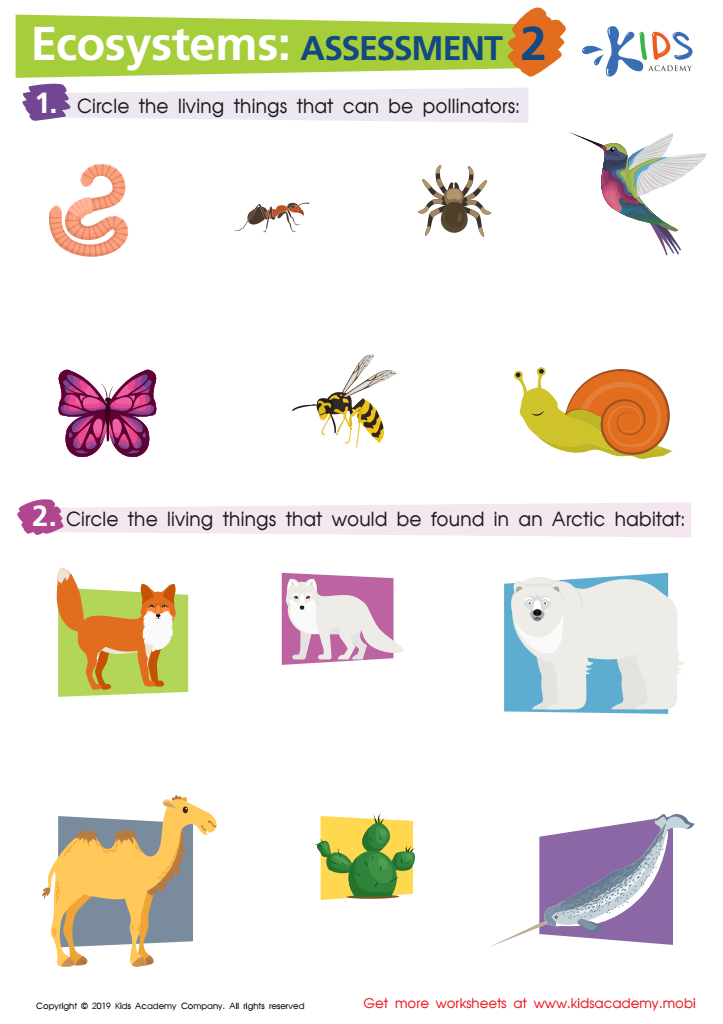
    Pollinators are living or non-living things that help pollen spread. Test your child's knowledge of the ecosystem with this worksheet. Point out animals in the picture, then ask the simple questions. Help your child circle the right answers.
    Ecosystems: Assessment 2 Worksheet
    Worksheet
    Butterfly Life Cycle Printable Worksheet
    Butterfly Life Cycle Printable Worksheet

    Life Cycle of Butterfly Printable
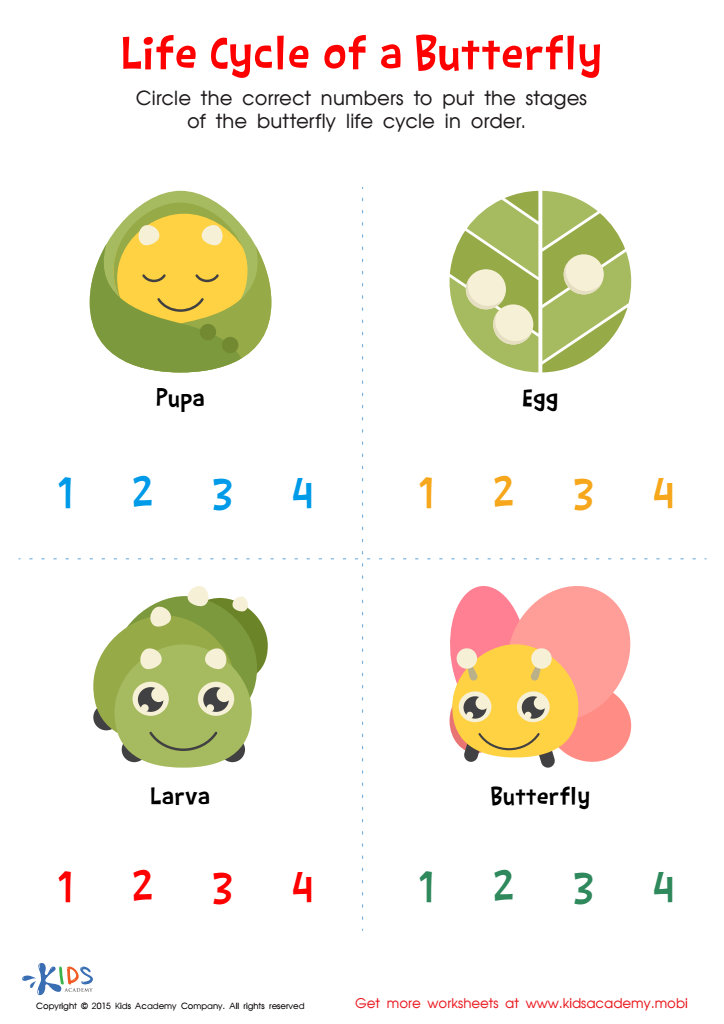
    Kids and grownups alike marvel at the beauty of butterflies. With this printable worksheet, kids can review the life cycle of these favorite insects and strengthen cognitive and problem solving skills. From egg to butterfly, kids will order the stages and use the best strategy to solve it. Guide them as they work and they'll learn multiple skills.
    Life Cycle of Butterfly Printable
    Worksheet
    Animal hide and seek worksheet pdf
    Animal hide and seek worksheet pdf

    Animal Hide and Seek Worksheet

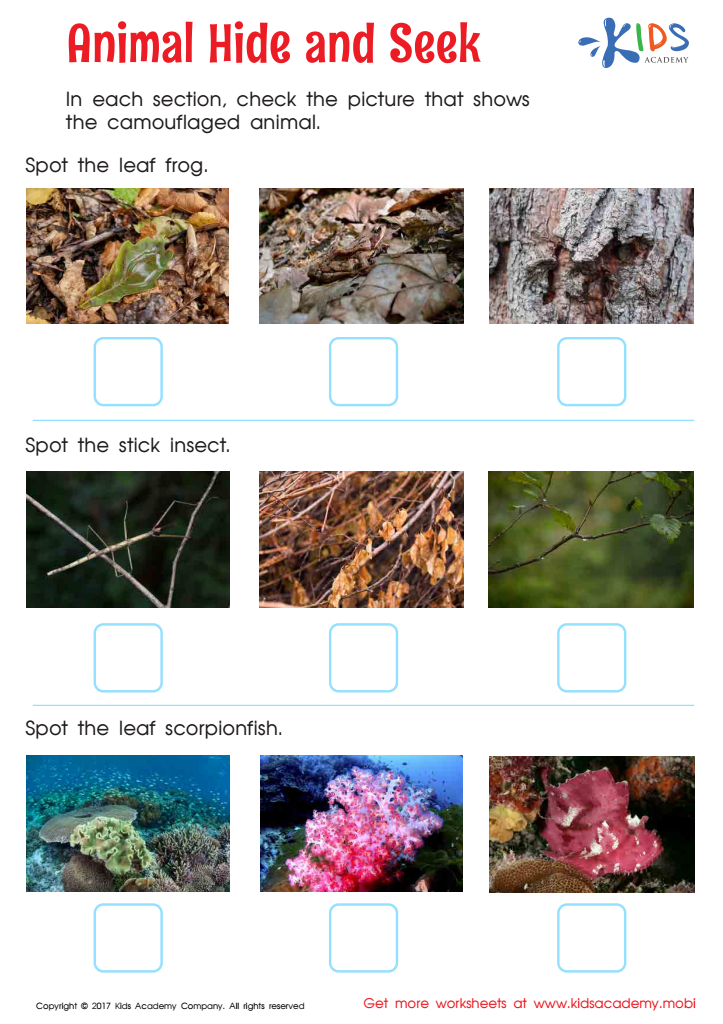
    Try Kids Academy's animal hide and seek worksheet. See if your kids can spot the hidden animals – a leapfrog, a stick insect, and a leaf scorpionfish. A fun and educational activity to raise awareness of the variety of nature and spur further exploration of the world around them.
    Animal Hide and Seek Worksheet
    Worksheet
    Bird Beaks Worksheet
    Bird Beaks Worksheet

    Bird Beaks Worksheet

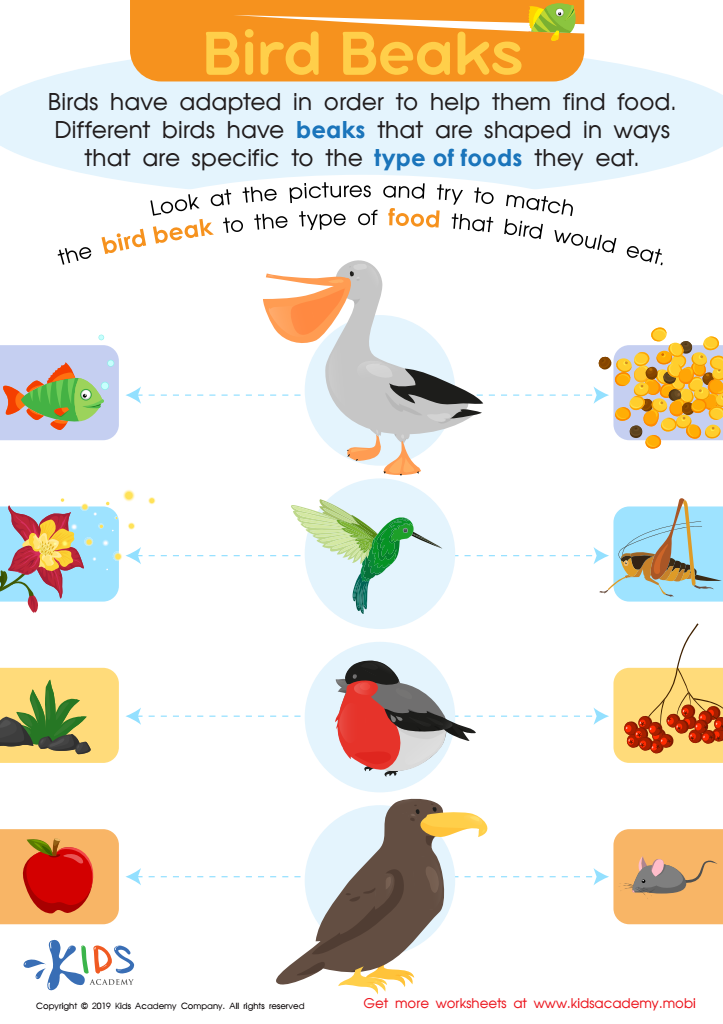
    Birds' beak shapes and sizes are adapted to help them find food. This worksheet teaches kids how to identify different beak types by matching each to the type of food they eat. They'll use traceable lines to practice connecting the beaks to the food they would eat, understanding how each beak shape is perfectly suited to its purpose.
    Bird Beaks Worksheet
    Worksheet
    Animals and Non-Living Things Worksheet
    Animals and Non-Living Things Worksheet

    Animals and Non-Living Things Worksheet

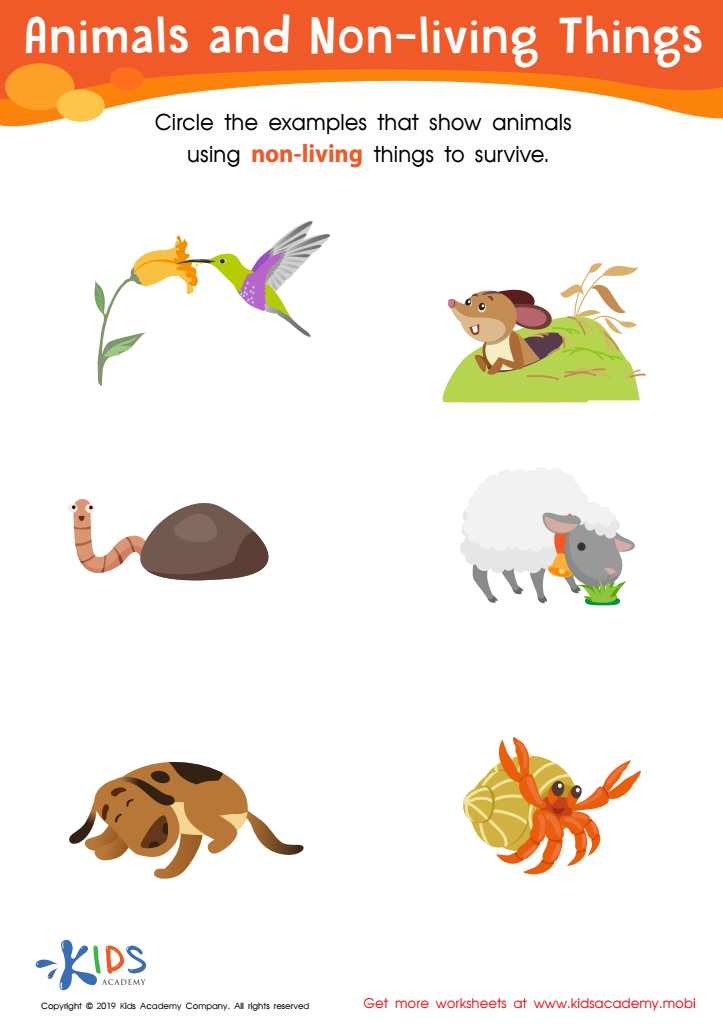
    People and animals both require more than food to survive. We need shelter, clothing and water, while animals use non-living things like rocks and trees. Ask your kids what else is necessary to survive - then have them identify the objects in the worksheet and circle the examples of animals using non-living things.
    Animals and Non-Living Things Worksheet
    Worksheet
    Polar Bear Worksheet
    Polar Bear Worksheet

    Arctic Animals: Polar Bear Worksheet
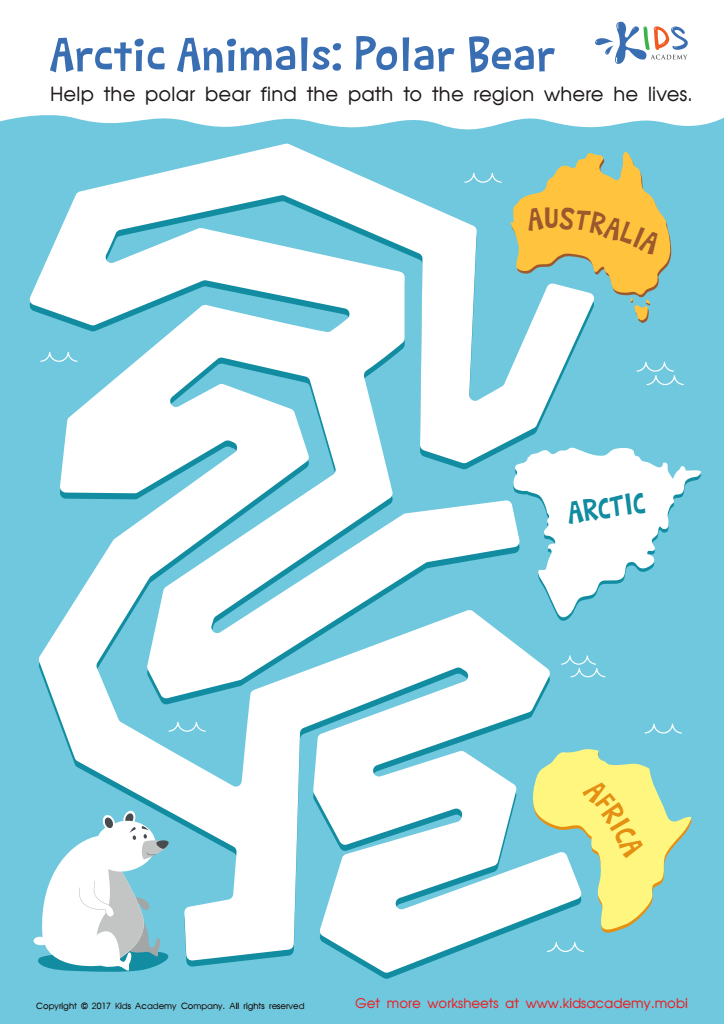
    Oh no! Our polar bear friend is lost! Let's help him find his way back to the arctic with this fun worksheet. It reinforces science and social studies and kids will learn about the climate and habitats of different continents. They'll also develop logical reasoning skills! You can enrich the experience by looking up pictures of real polar bears after the worksheet is complete.
    Arctic Animals: Polar Bear Worksheet
    Worksheet
    Organisms: Assessment 2 Worksheet
    Organisms: Assessment 2 Worksheet

    Organisms: Assessment 2 Worksheet

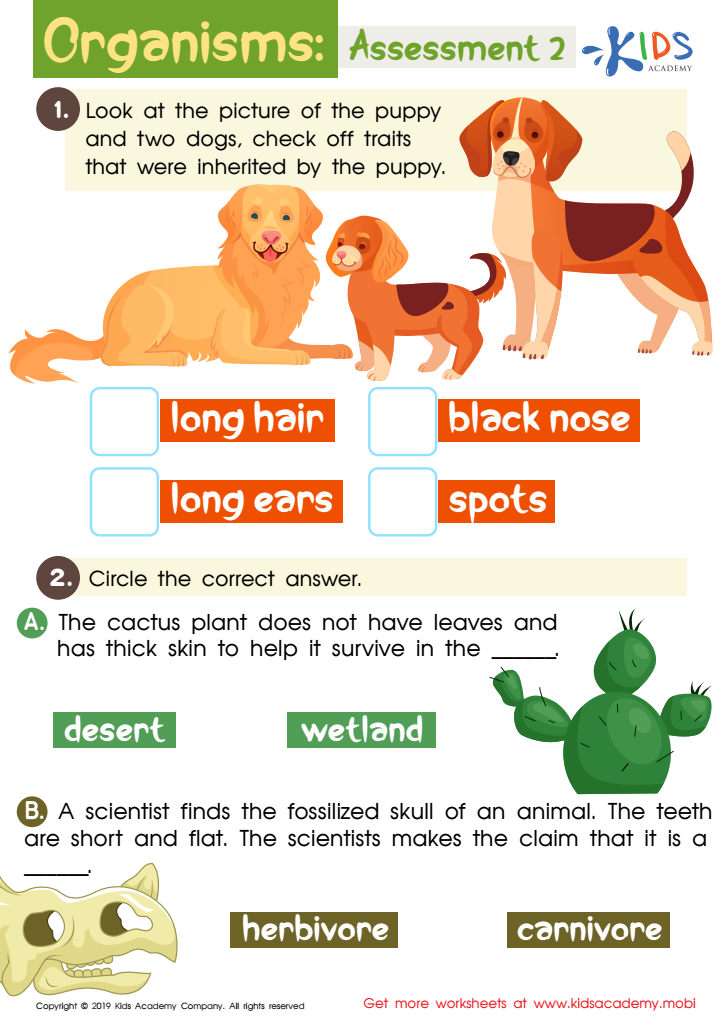
    This free assessment helps you measure your child's science knowledge. They can check off traits a puppy inherited, identify a cactus's habitat, and review a dinosaur's diet. It's an efficient way to assess their skills.
    Organisms: Assessment 2 Worksheet
    Worksheet
    Marine Self-Defence Worksheet
    Marine Self-Defence Worksheet

    Marine Self-Defence Worksheet

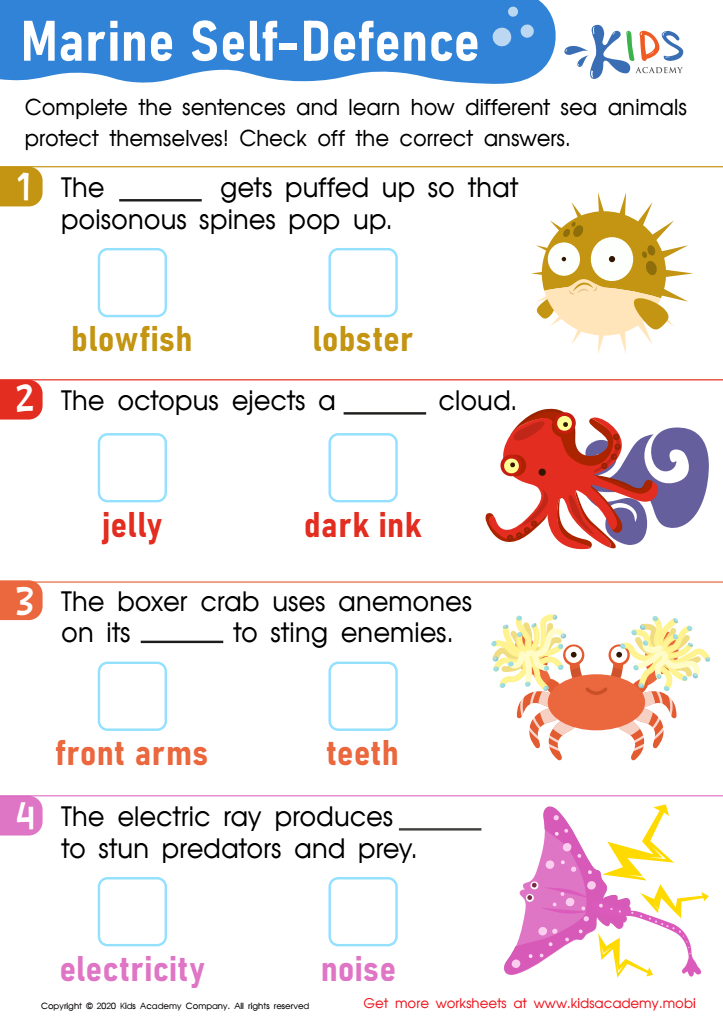
    Kids will love discovering the ingenious ways sea creatures protect themselves from predators such as sharks and whales! Let them explore the strategies with this fun science worksheet, which features vibrant illustrations. Have them fill in the blanks with each creature's defense strategy, such as shells, spikes, ink, or even electricity!
    Marine Self-Defence Worksheet
    Worksheet
    Match Them Up Worksheet
    Match Them Up Worksheet

    Match Them Up Worksheet

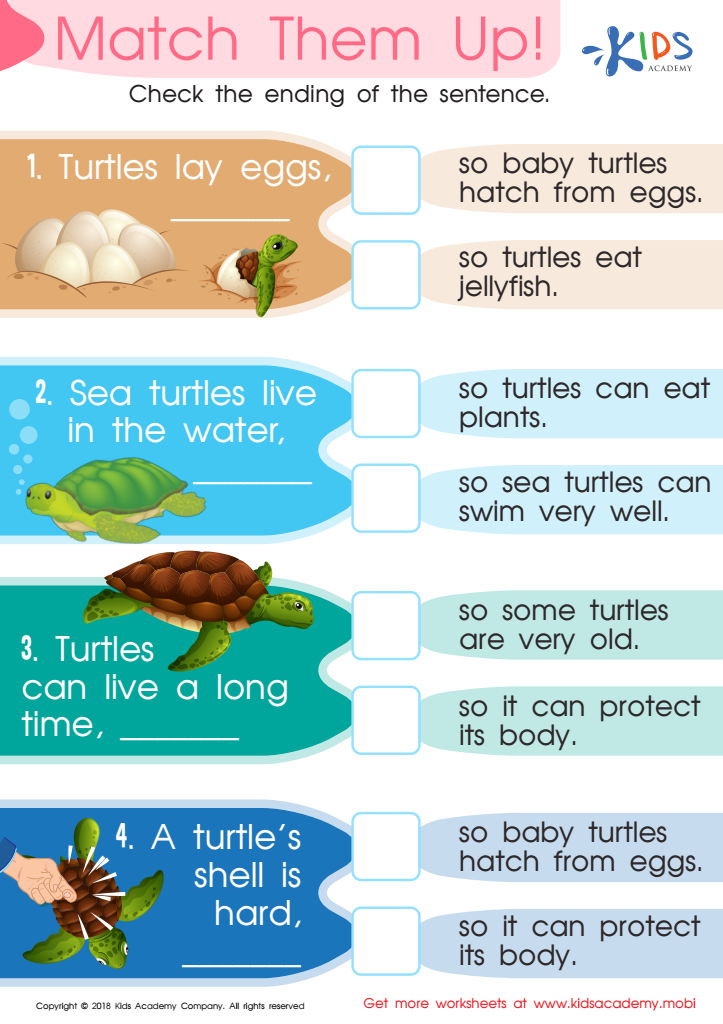
    Reading offers a wealth of knowledge, but young readers may struggle to remember info from informational texts. Help your child practice comprehension with this fun turtle-related worksheet. Just read the sentence starters and select the correct ending from the options given. Check the box to indicate the right statement!
    Match Them Up Worksheet
    Worksheet
    Food Chain Cause Worksheet
    Food Chain Cause Worksheet

    Food Chain Cause Worksheet

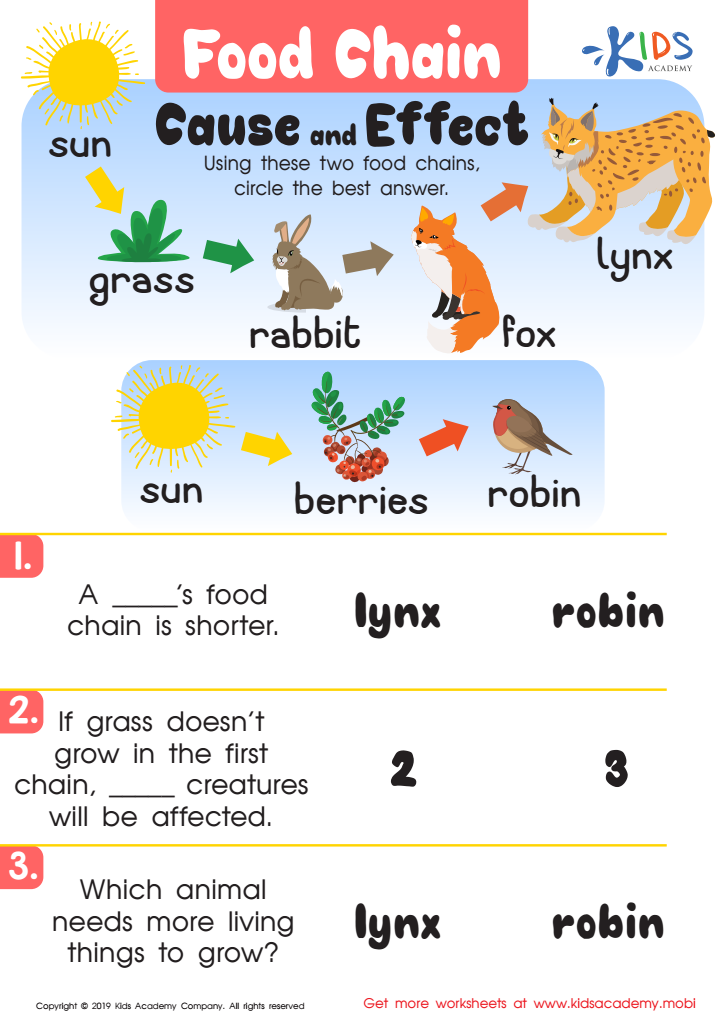
    Help your little learner analyze ecosystems and compare food chains with this Kids Academy worksheet! Kids will compare a carnivore's and herbivore's food chain; which is longer and why? Questions at the bottom of the page will help them compare and circle the best answers. A great way to understand animal food chains!
    Food Chain Cause Worksheet
    Worksheet
    Compare Two Sources Worksheet

    Compare Two Sources Worksheet

    Compare Two Sources Worksheet

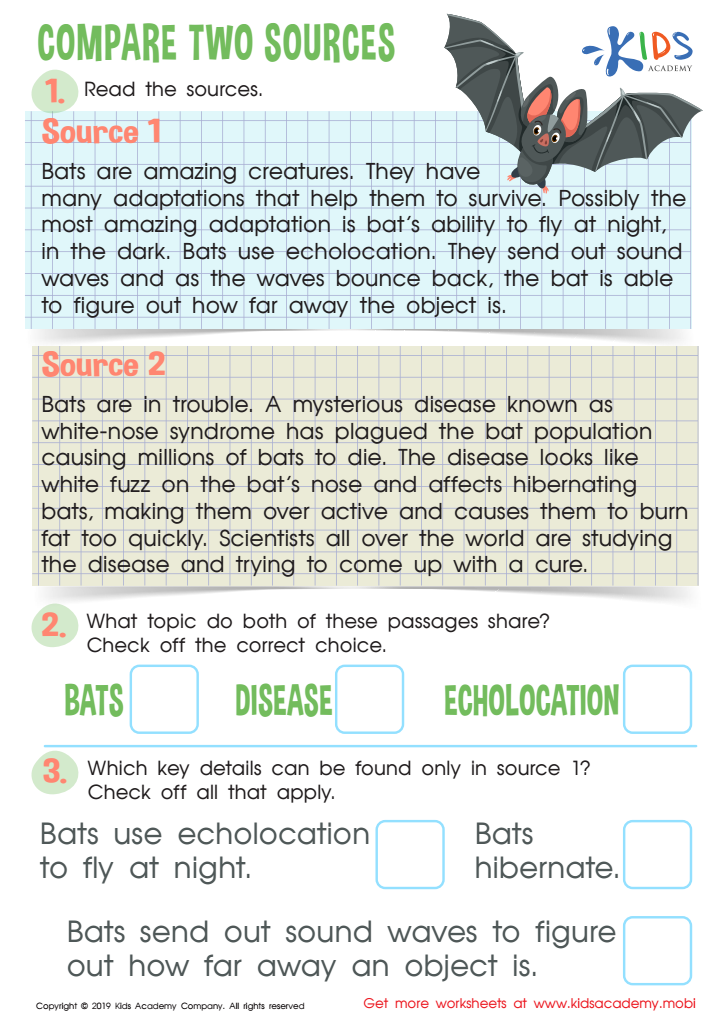
    Reading exposes us to new words, spelling, and info about different topics. Kids can practice their reading skills, and learn about bats, with this worksheet. Read the two sources in the picture, then help your kids answer the questions at the bottom.
    Compare Two Sources Worksheet
    Worksheet


    ... 2 3

    Parents and teachers should care about animals for children ages 6-8 because this is a crucial time for developing empathy and responsibility in young learners. Understanding and caring for animals can teach children important life skills, such as compassion, kindness, and respect for all living beings. When children learn about animals, they also discover the importance of ecosystems and the role each creature plays in our world, fostering a sense of environmental stewardship.

    Animals also provide countless opportunities for hands-on learning. Through engaging activities like observing pets, visiting zoos, or participating in nature walks, children can expand their curiosity and spark their interest in science and nature. Additionally, caring for pets helps teach responsibility, as children learn to feed, groom, and engage with animals, reinforcing routine and accountability.

    Furthermore, animal interactions can enhance emotional well-being, helping children cope with stress and learn social skills through nonverbal communication. By incorporating conversations about animals into daily life, parents and teachers can help cultivate future generations of nurturing, knowledgeable, and environmentally conscious individuals. Ultimately, caring about animals enriches children's education and social development, laying the foundation for a kinder and more connected world.