Analyzing data Science Worksheets for Ages 6-8
5 filtered results
-
From - To
Discover engaging science worksheets designed specifically for children ages 6 to 8 that focus on Analyzing Data. Our interactive materials help young learners develop critical thinking and observational skills as they work through fun activities. From interpreting simple charts to organizing information, these worksheets offer a variety of tasks that make data analysis accessible and enjoyable. Each printable resource is carefully crafted to align with educational standards, ensuring a seamless learning experience. Encourage your child's curiosity and scientific mindset while they explore essential data skills. Perfect for classrooms and at-home learning, our worksheets empower kids to become adept analysts of the world around them!
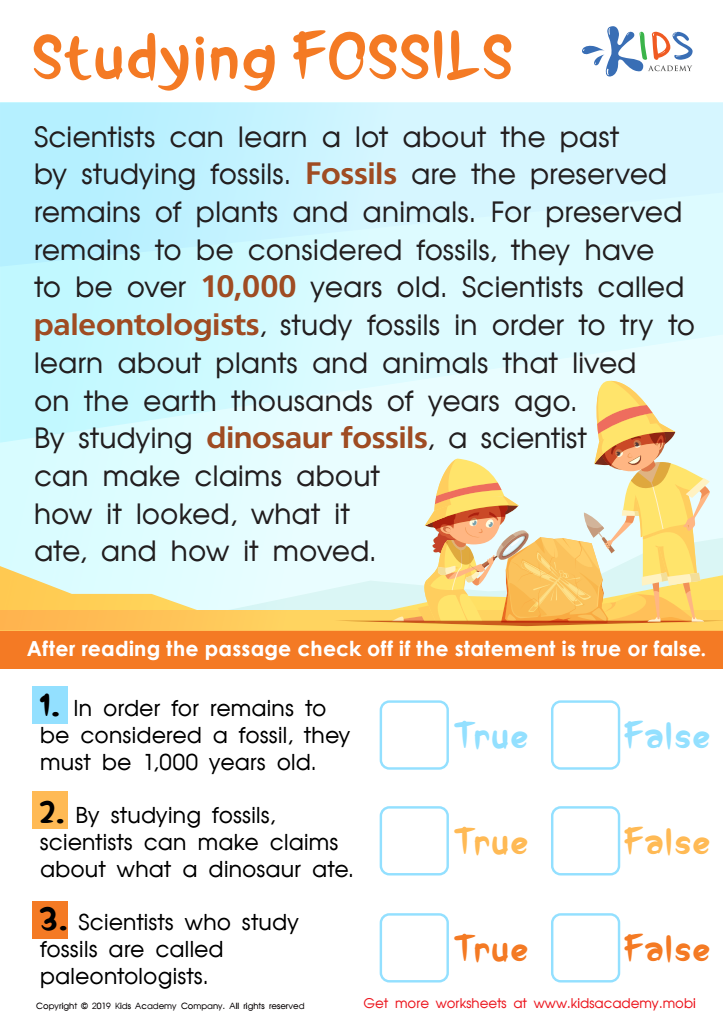
Studying Fossils Worksheet
 Assign to My Students
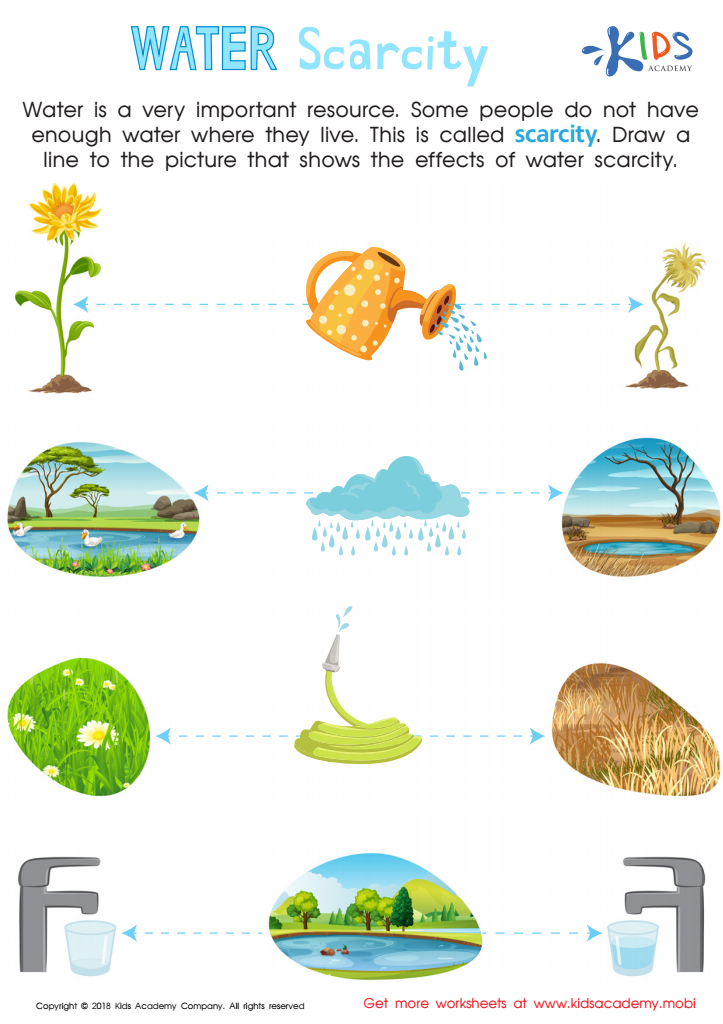
Water Scarcity Worksheet
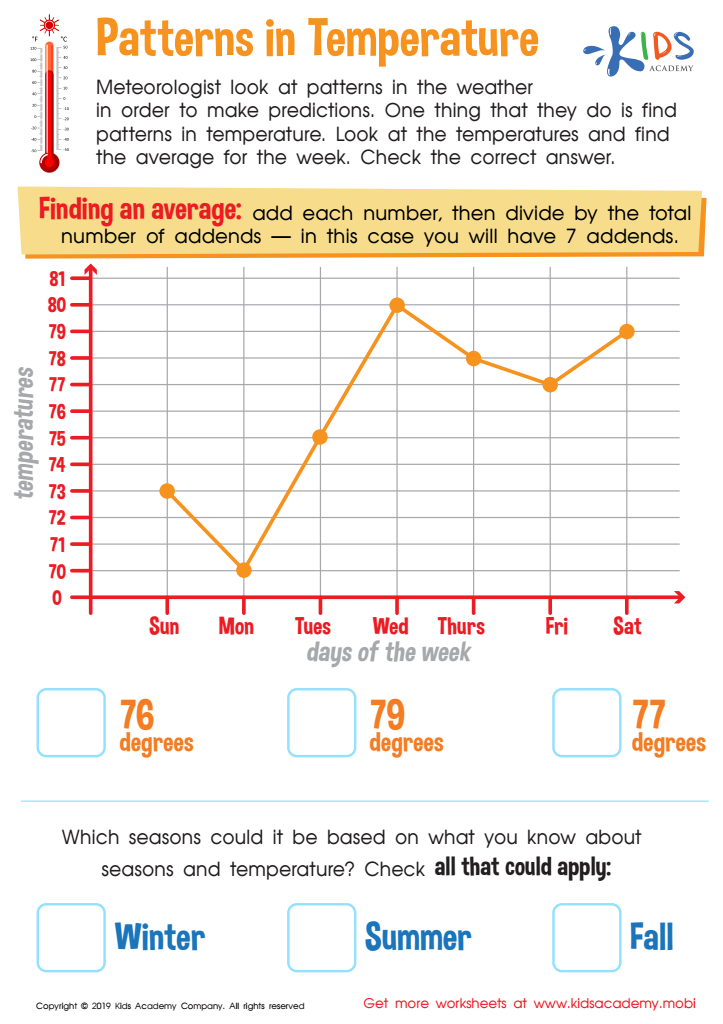
Patterns in Temperature Worksheet
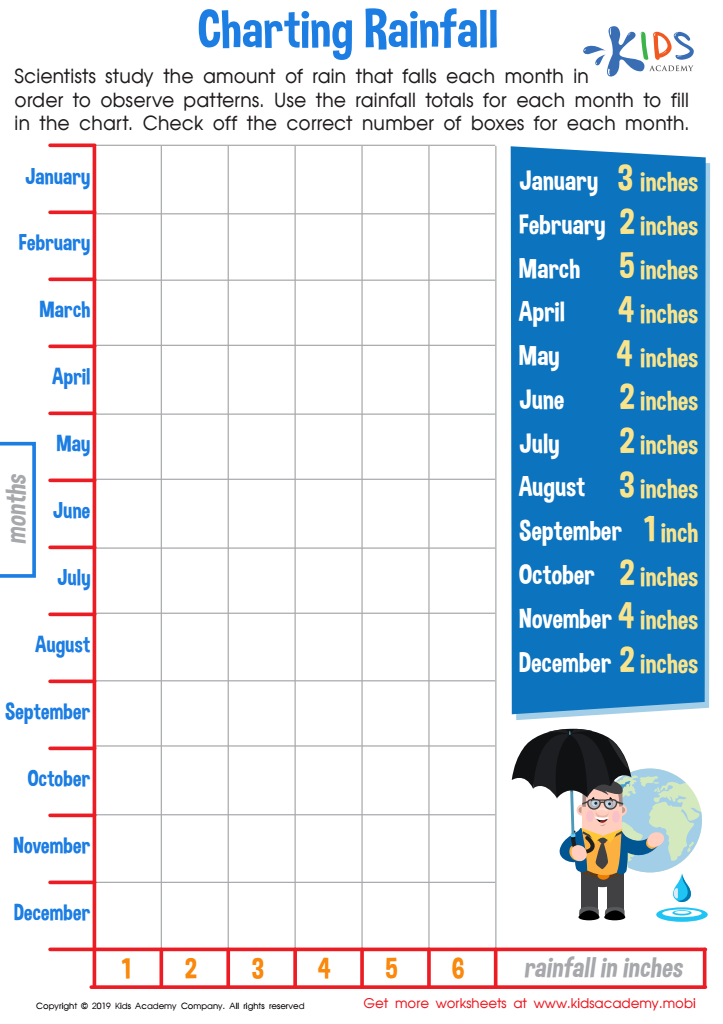
Charting Rainfall Worksheet
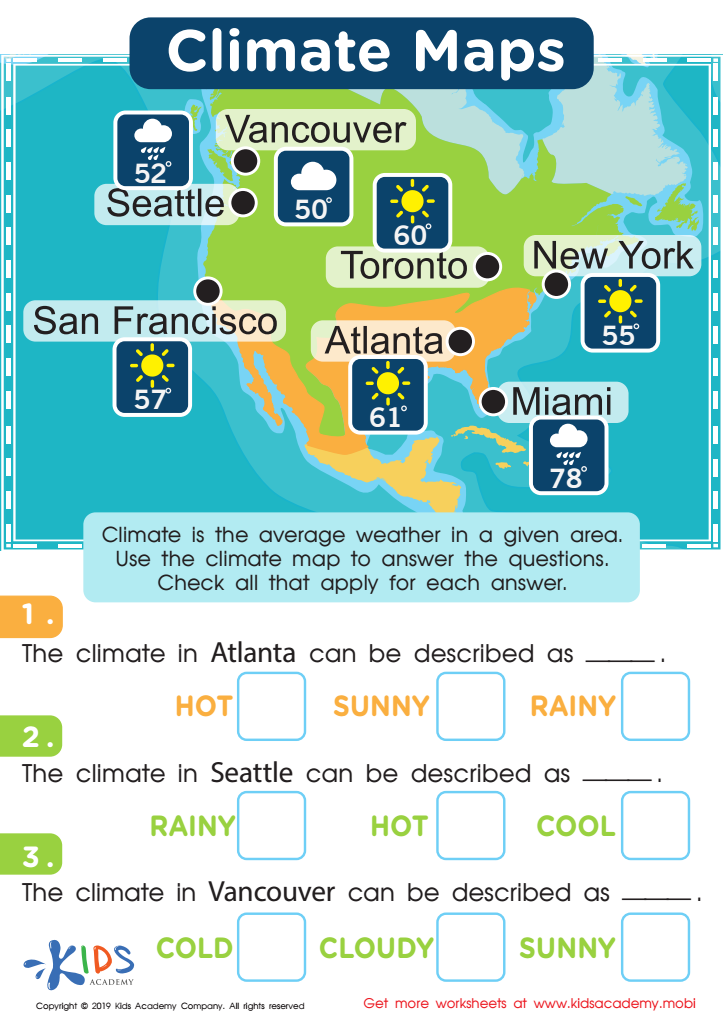
Climate Maps Worksheet








Analyzing data science for ages 6-8 is crucial for parents and teachers because it instills foundational skills that are essential in our increasingly data-centric world. At this age, children are naturally curious and eager to explore their environments, making it the perfect time to introduce basic principles of data analysis. By engaging young learners with interactive activities—such as sorting, counting, and graphing—educators can cultivate critical thinking skills and improve their problem-solving abilities.
Understanding data helps children make sense of their experiences and learn how to interpret information meaningfully. This skill is not only valuable in mathematics but also translates across subjects, promoting evidence-based reasoning in science and humanities as well.
Moreover, early exposure to data analysis encourages creativity, allowing students to explore patterns and relationships in playful ways. In today’s technology-driven society, understanding data literacy can empower children to navigate their future education and professions effectively. Ultimately, when parents and teachers prioritize data science education, they help children develop essential life skills, prepare them for future academic pursuits, and encourage a lifelong enthusiasm for learning.







