Critical thinking development Science Worksheets for Ages 6-8
7 filtered results
-
From - To
Nurture your child's curiosity with Kids Academy's Critical Thinking Development Science Worksheets for ages 6-8. Designed to engage young minds, these interactive worksheets encourage problem-solving and analytical skills through fun and educational activities. Children will explore scientific concepts with hands-on experiments, thought-provoking questions, and creative exercises. Each worksheet is crafted to foster a love of learning while developing critical thinking abilities essential for academic success. Perfect for home or classroom use, our resources make science exciting and accessible, laying a strong foundation for future learning. Discover the joy of learning with Kids Academy today!
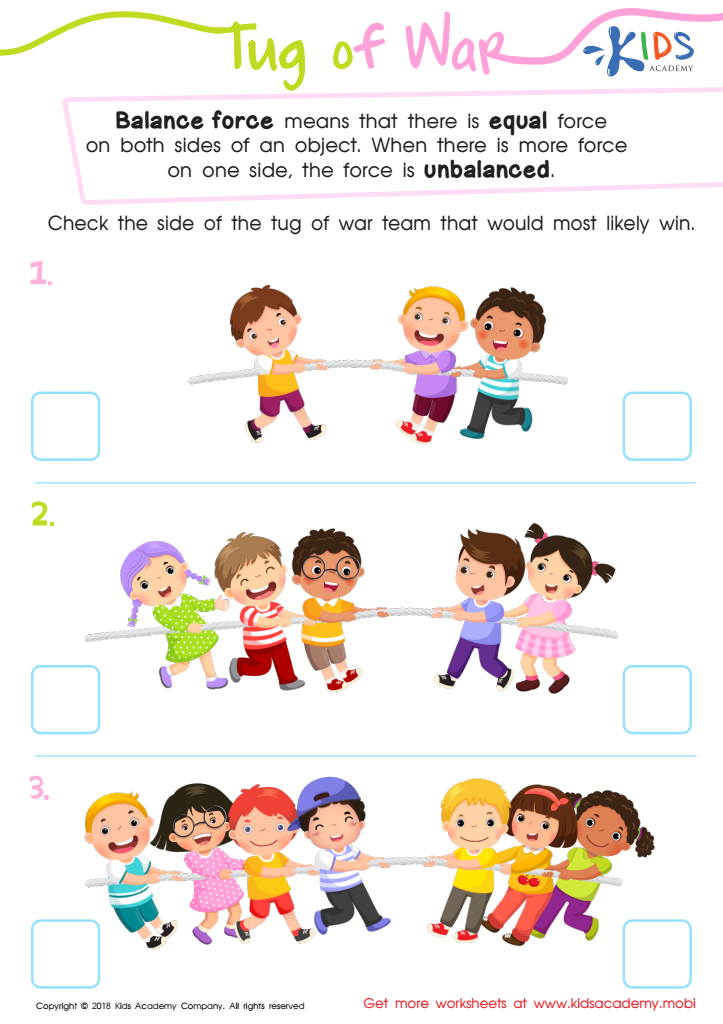
Balanced Forces Worksheet
 Assign to My Students
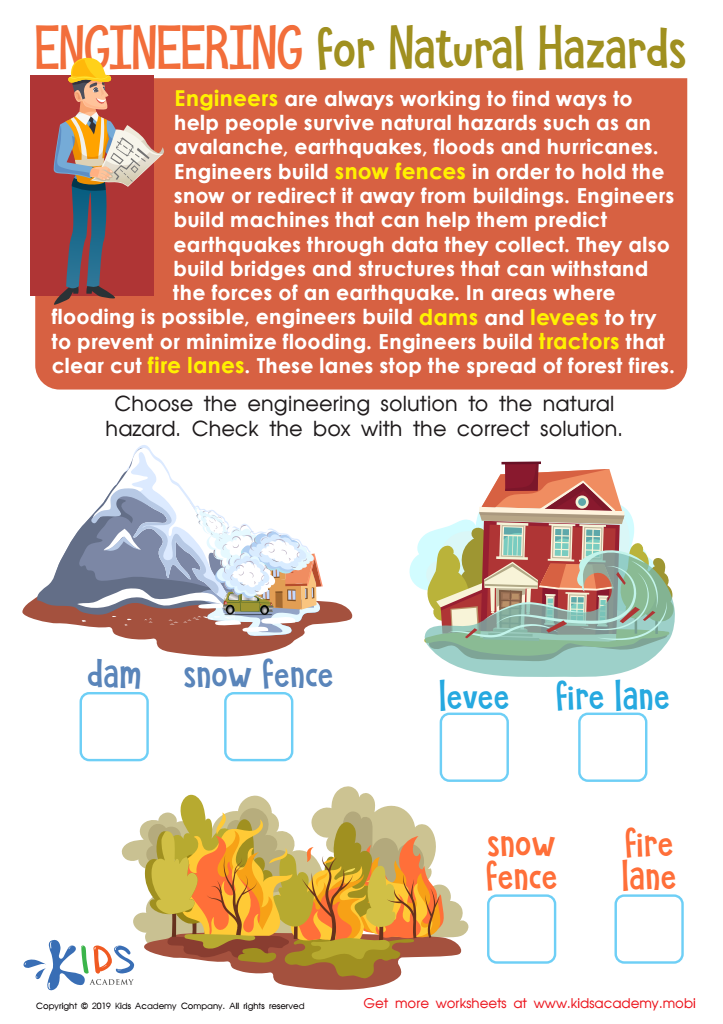
Engineering Natural Hazards Worksheet
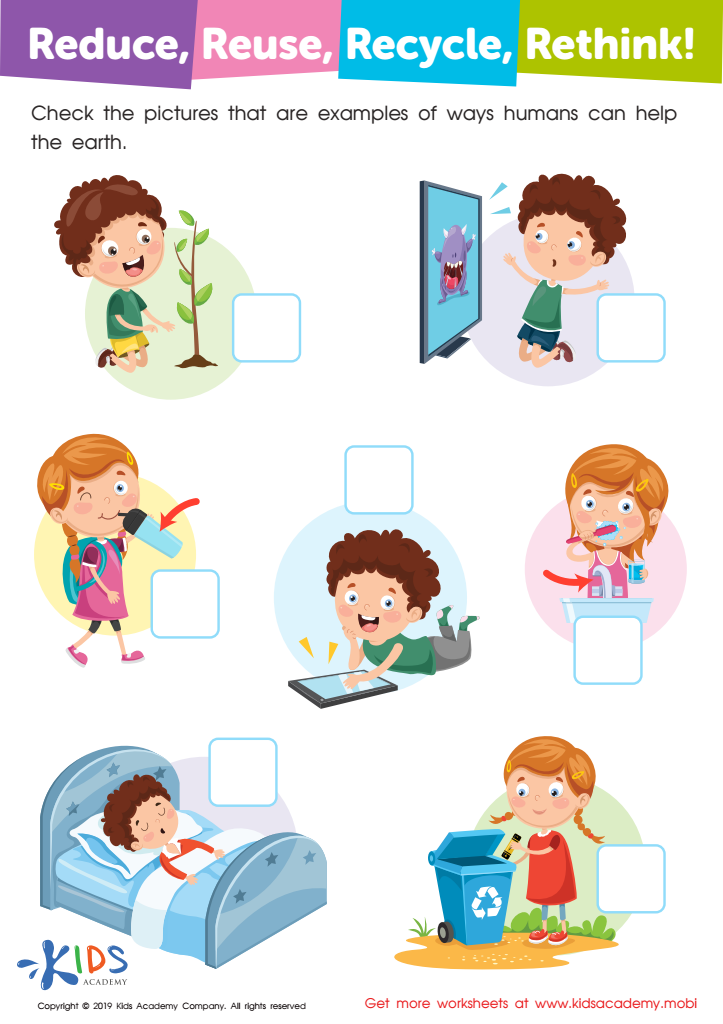
Reduce, Reuse, Recycle, Rethink Worksheet
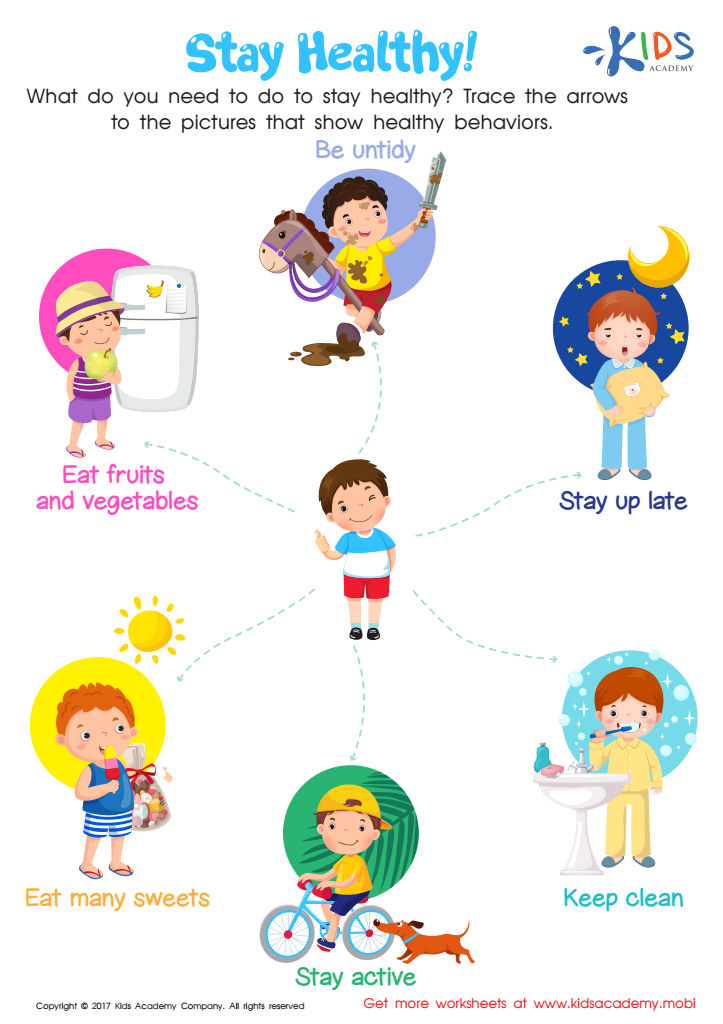
Healthy and Unhealthy Behaviors Worksheet
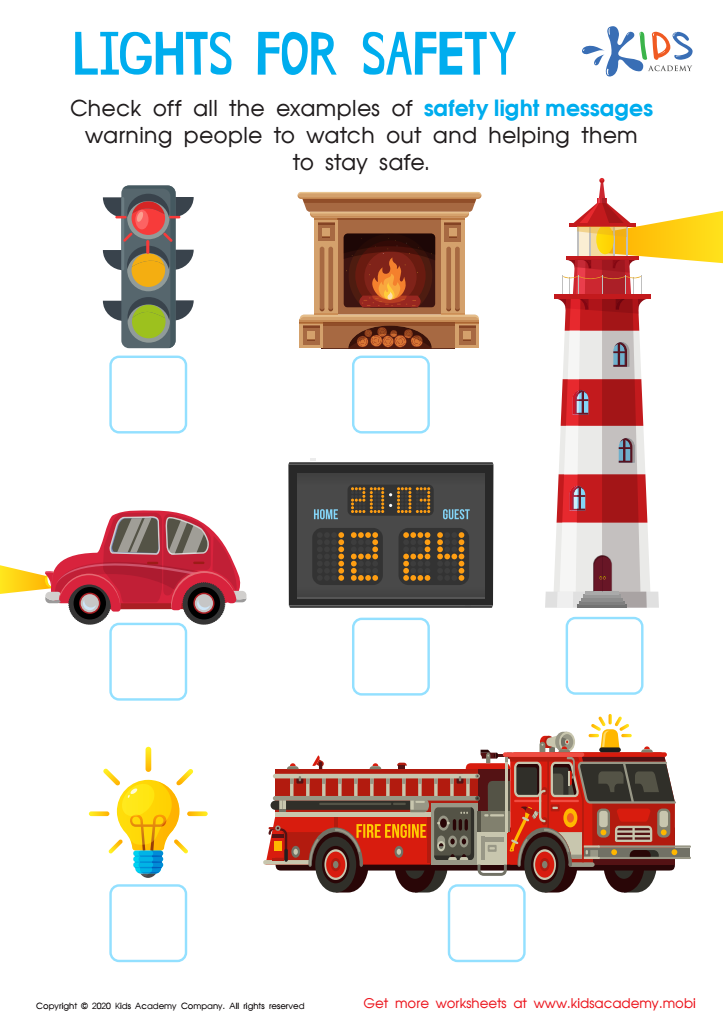
Lights for Safety Worksheet
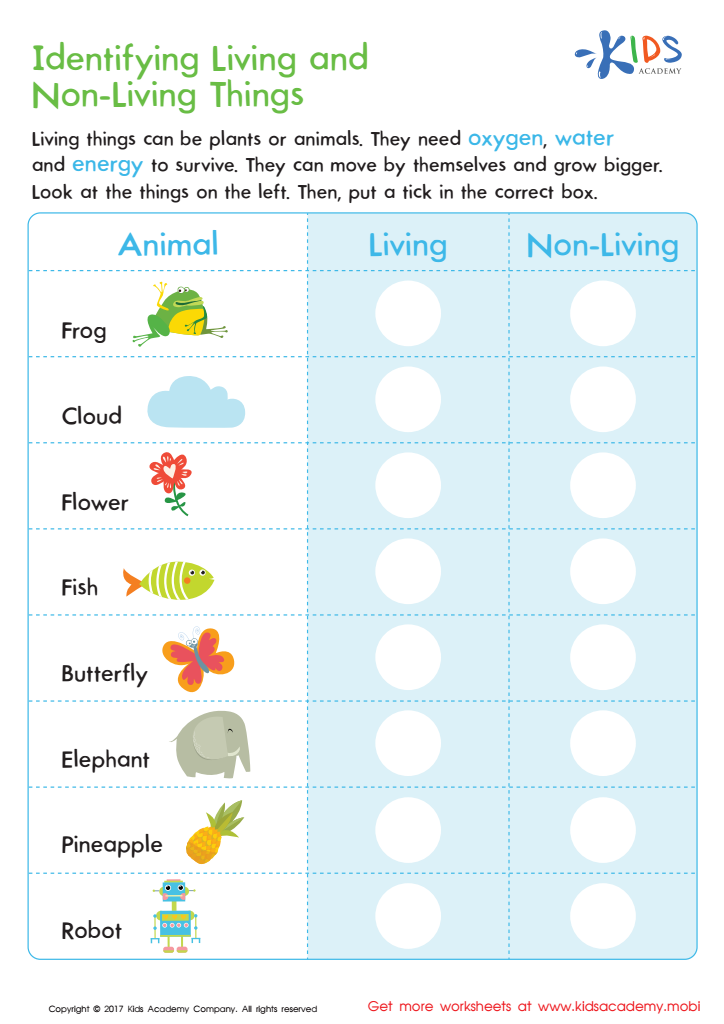
Identifying Living or Non–living Worksheet
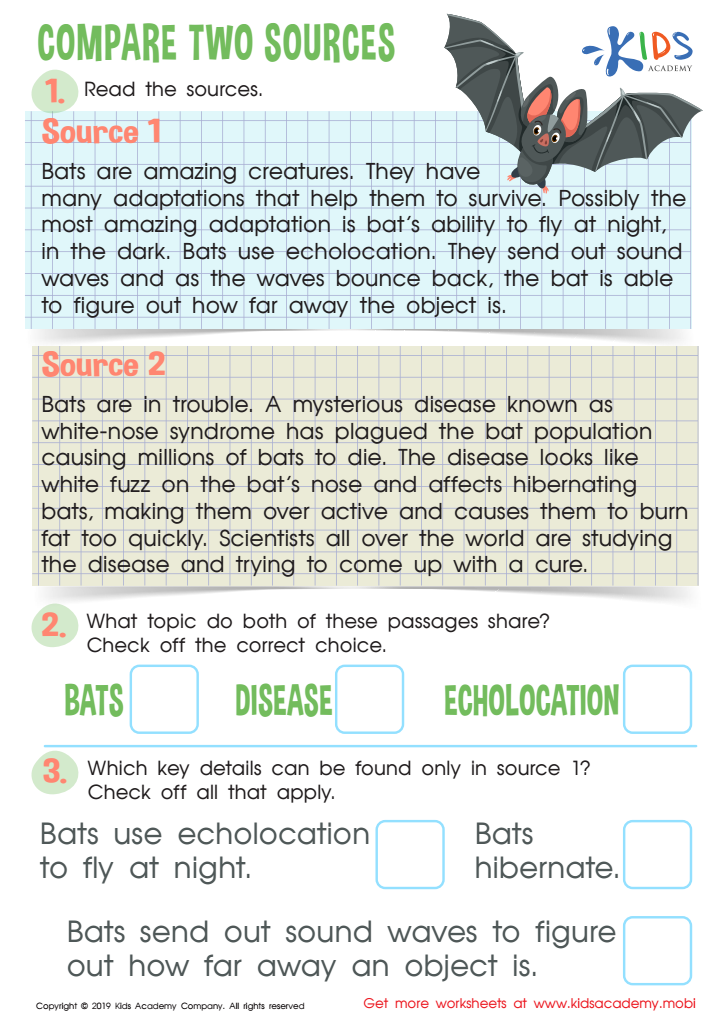
Compare Two Sources Worksheet







Fostering critical thinking development in science for children aged 6-8 is imperative for their overall cognitive and intellectual growth. At this formative age, children are naturally curious, which provides an ideal opportunity to nurture skills that promote questioning, analysis, and reasoning.
Critical thinking skills equip young learners to navigate a wealth of information and differentiate between what is credible and what is not. Engaging in science experiments and inquiries encourages them to ask questions, make observations, and draw conclusions based on evidence. This analytical approach helps them understand the world around them more deeply and enhances their problem-solving capabilities.
Moreover, developing critical thinking in science education fosters lifelong learning habits. Children become more independent, self-directed learners when they are encouraged to question and explore. This builds confidence in their abilities to tackle new challenges both academically and in everyday life.
From a broader perspective, cultivating critical thinking in science at an early age lays the groundwork for future success in various fields, not just in science. It builds a strong foundation for skills in logic, communication, and creativity, which are vital in almost any profession.
Parents and teachers who prioritize critical thinking skills prepare children not only to excel in their current academic pursuits but also to contribute thoughtfully and innovatively in a complex, evolving world.







