Understanding habitats Science Worksheets for Ages 6-8
5 filtered results
-
From - To
Explore our "Understanding Habitats Science Worksheets" designed for ages 6-8! These fun and engaging worksheets introduce young learners to the fascinating world of habitats. Students will investigate different environments, from forests to oceans, fostering a deeper understanding of animal and plant adaptations. With a variety of activities, including matching, label-making, and drawing exercises, children will enhance their observational and critical thinking skills. Perfect for use in the classroom or at home, these worksheets support early science education and ignite curiosity about the natural world. Download now and inspire your budding scientists to explore and appreciate diverse ecosystems!
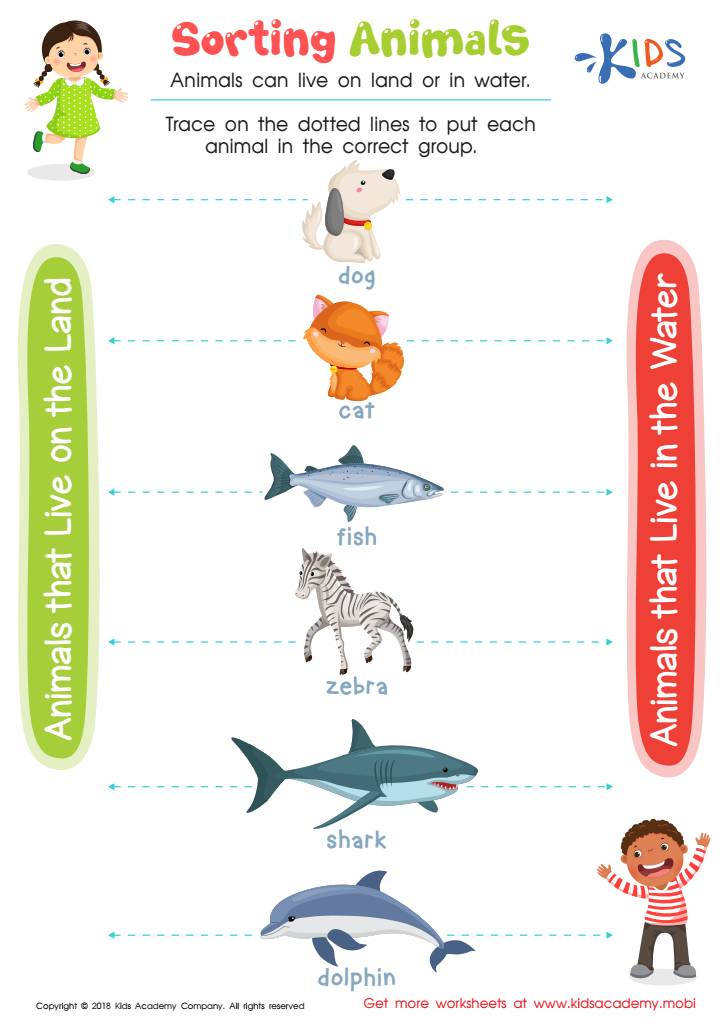
Sorting Animals Worksheet
 Assign to My Students
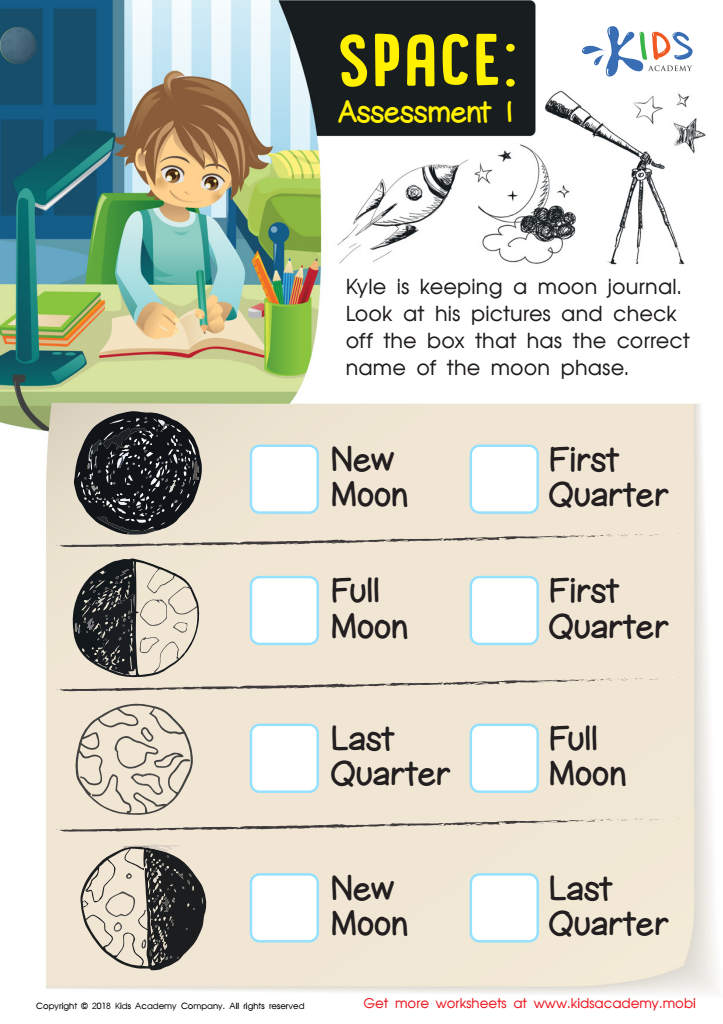
Space: Assessment 1 Worksheet
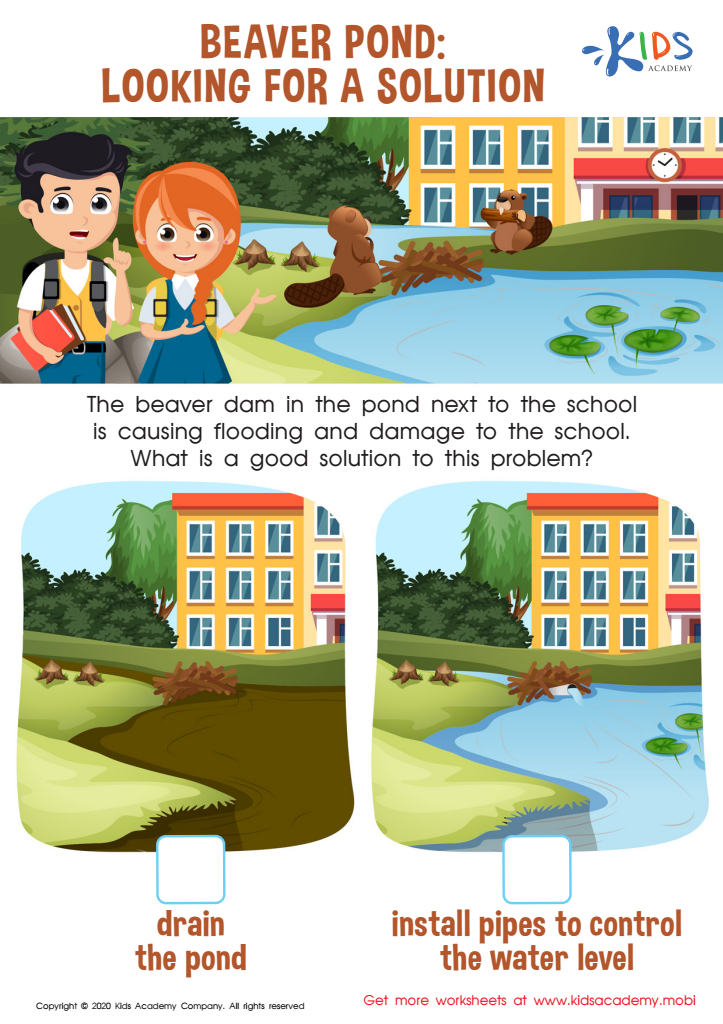
Beaver Pond: Looking for a Solution Worksheet
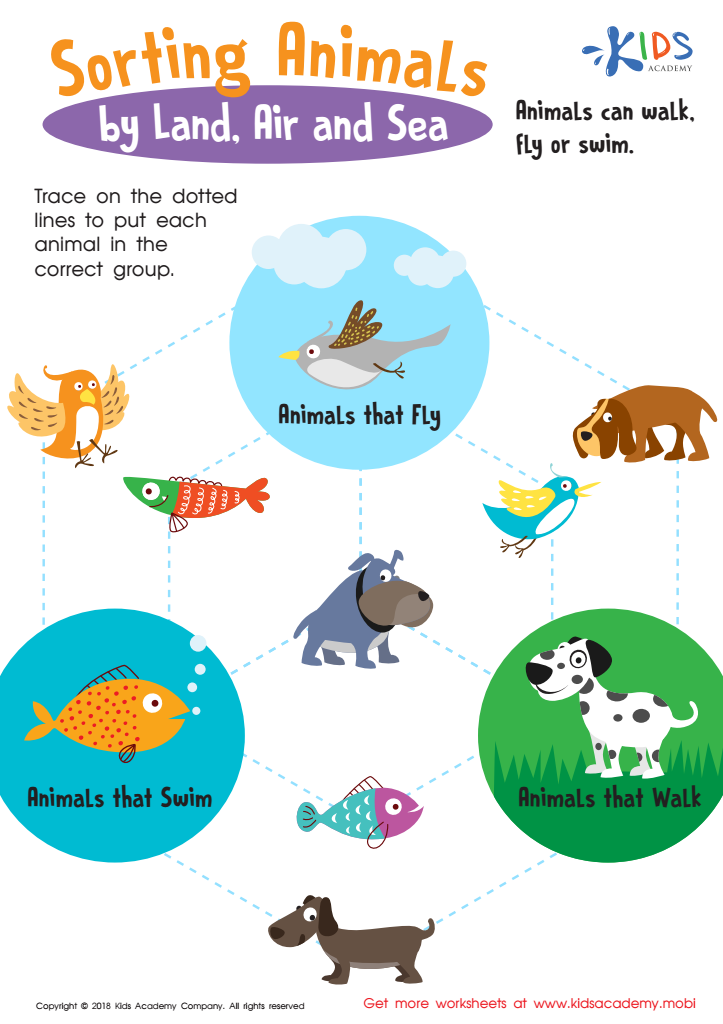
Sorting Animals by Land, Air and Sea Worksheet
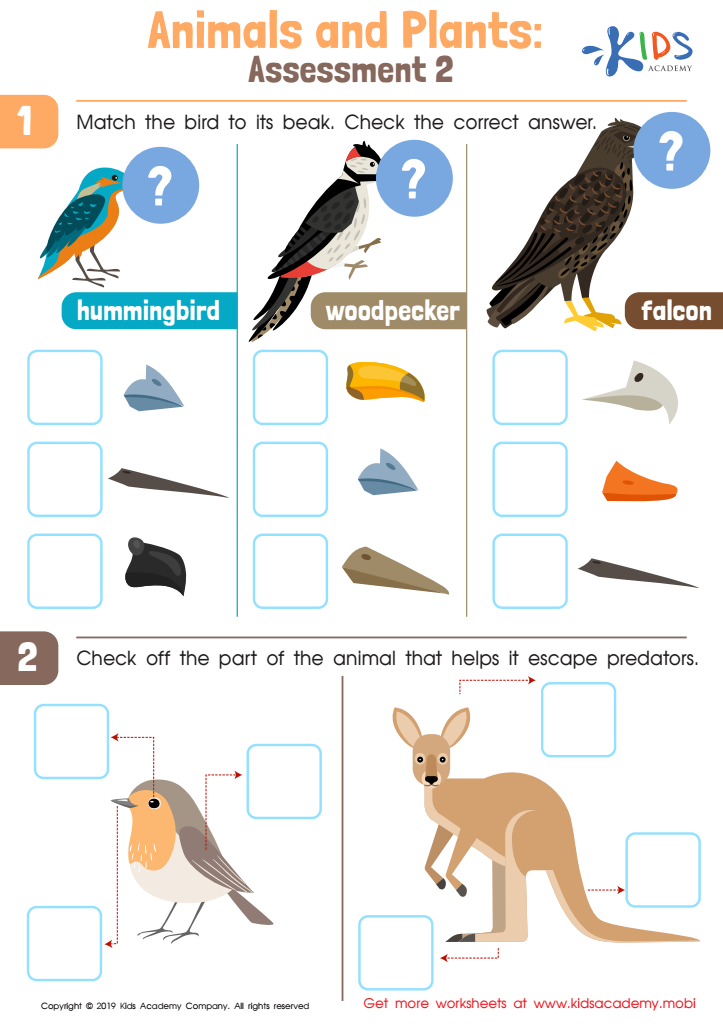
Animals and Plants: Assessment 2 Worksheet







Understanding habitats is vital for young learners aged 6-8 because it lays the foundation for curiosity and appreciation of the natural world. At this age, children are naturally inquisitive and often wonder about animals, plants, and their environments. Teaching them about habitats not only satisfies their curiosity but also promotes critical thinking as they explore ecosystems like forests, oceans, and deserts.
Parents and teachers play a crucial role in nurturing this interest. By educating children on how different organisms adapt to their habitats and the interdependence of species, they foster a sense of responsibility towards protecting the environment. Engaging with topics such as food chains, biodiversity, and conservation helps instill values of empathy and environmental stewardship.
Moreover, exploring habitats aligns with various educational goals—stimulating scientific literacy, enhancing observational skills, and supporting language development through new vocabulary related to nature. Hands-on activities related to habitats can make learning enjoyable and interactive. As children grow, these early experiences serve as building blocks for more complex environmental science concepts, encouraging informed future citizens who are keen on sustaining the planet. Hence, understanding habitats is not just a science topic; it's a gateway to lifelong learning and thoughtful citizenship.







