Vocabulary enhancement Science Worksheets for Ages 6-8 - Page 2
47 filtered results
-
From - To
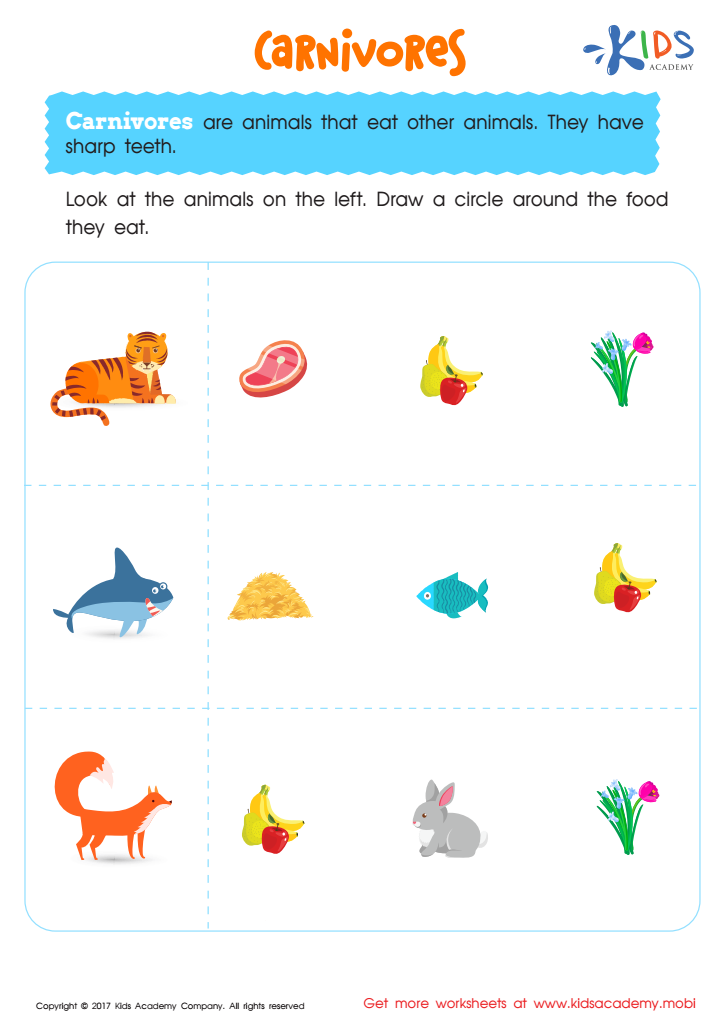
Carnivores Worksheet
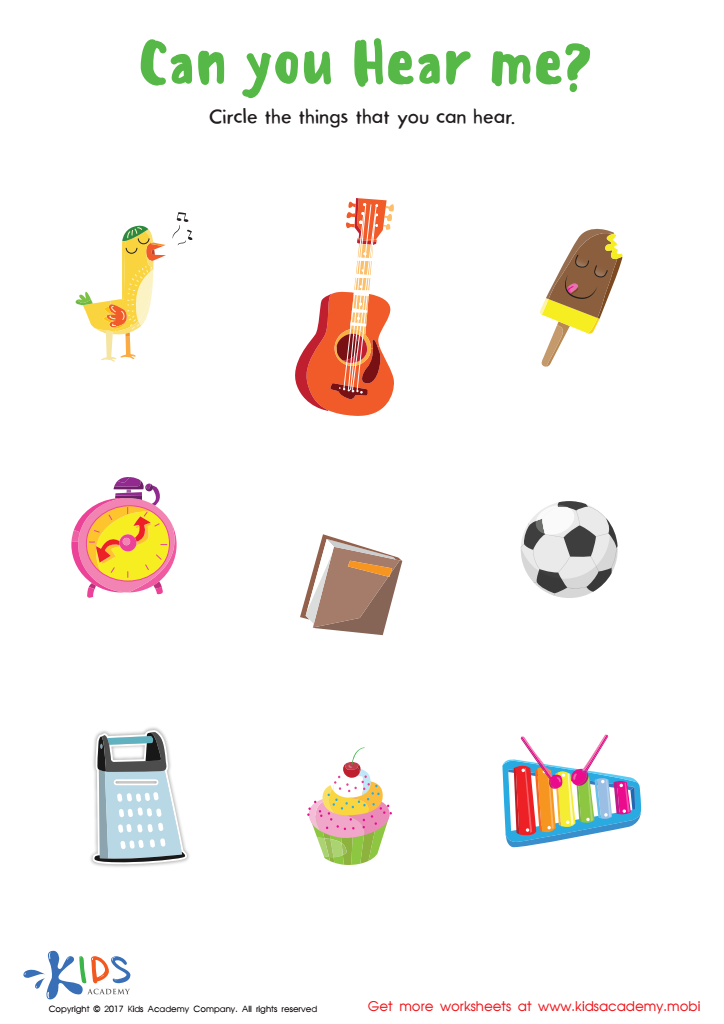
Can You Hear Me Worksheet
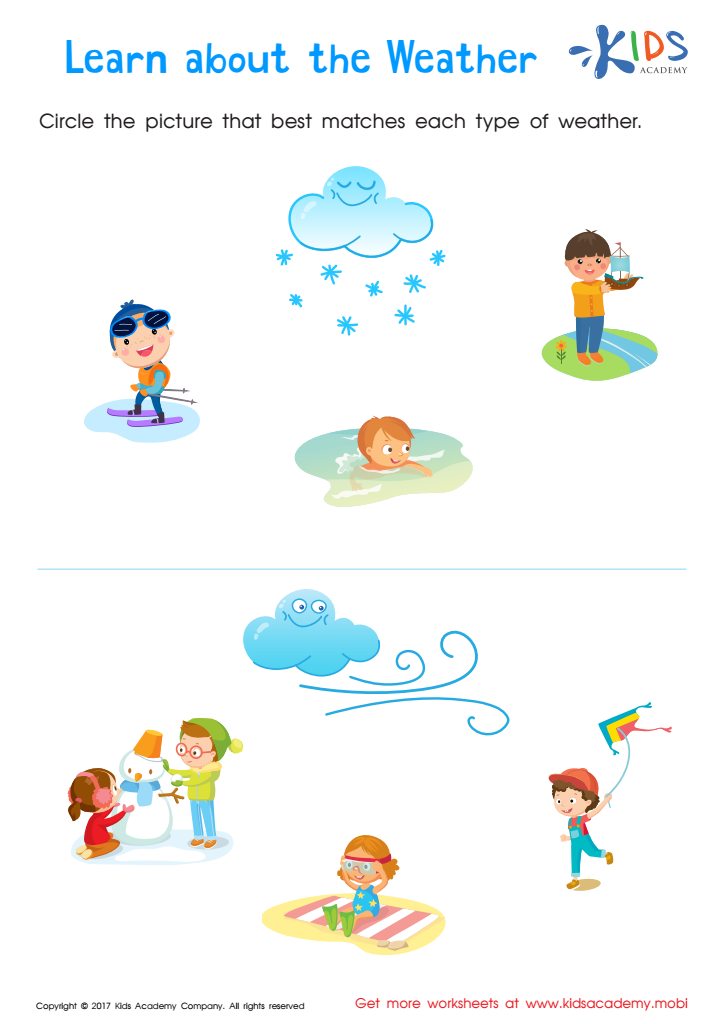
About the Weather Printable
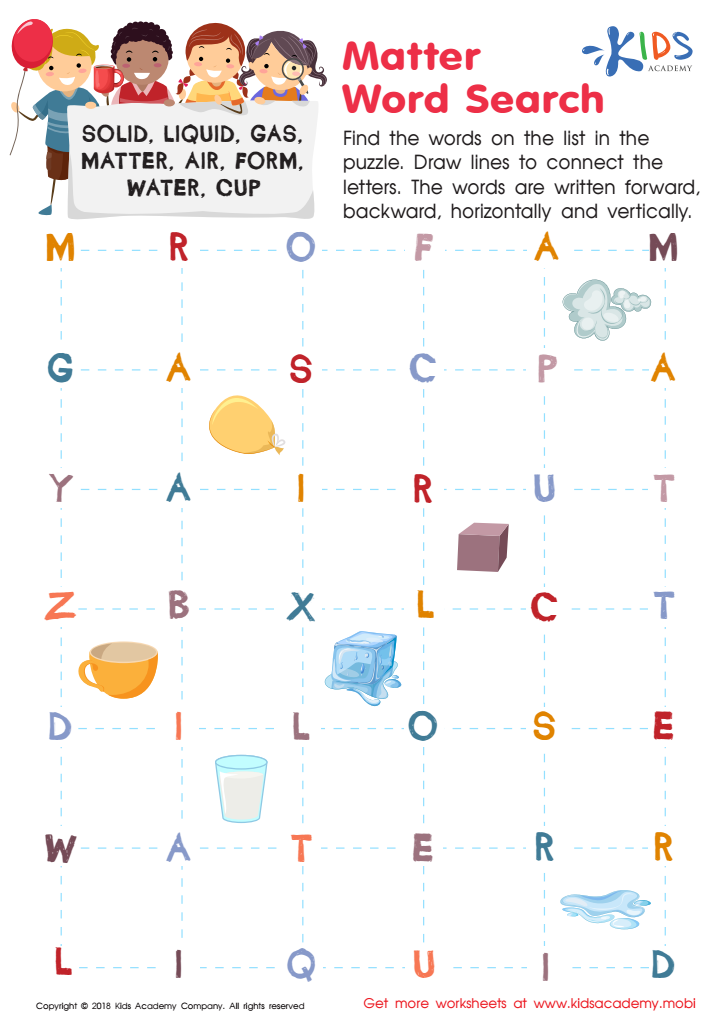
Matter Word Search Worksheet
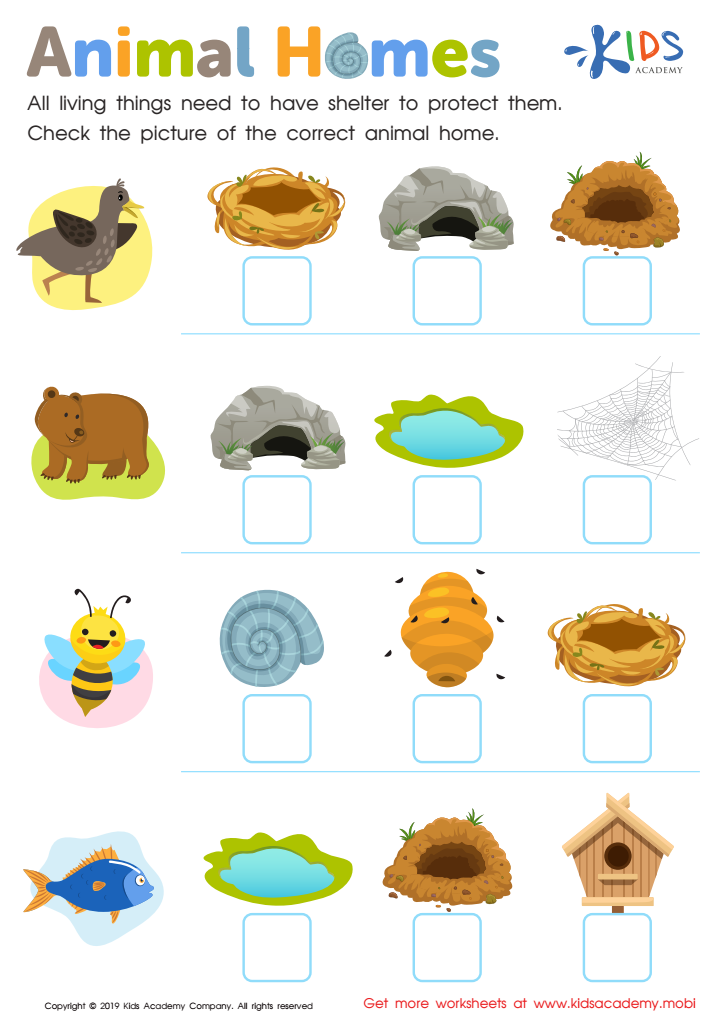
Animal Homes Worksheet
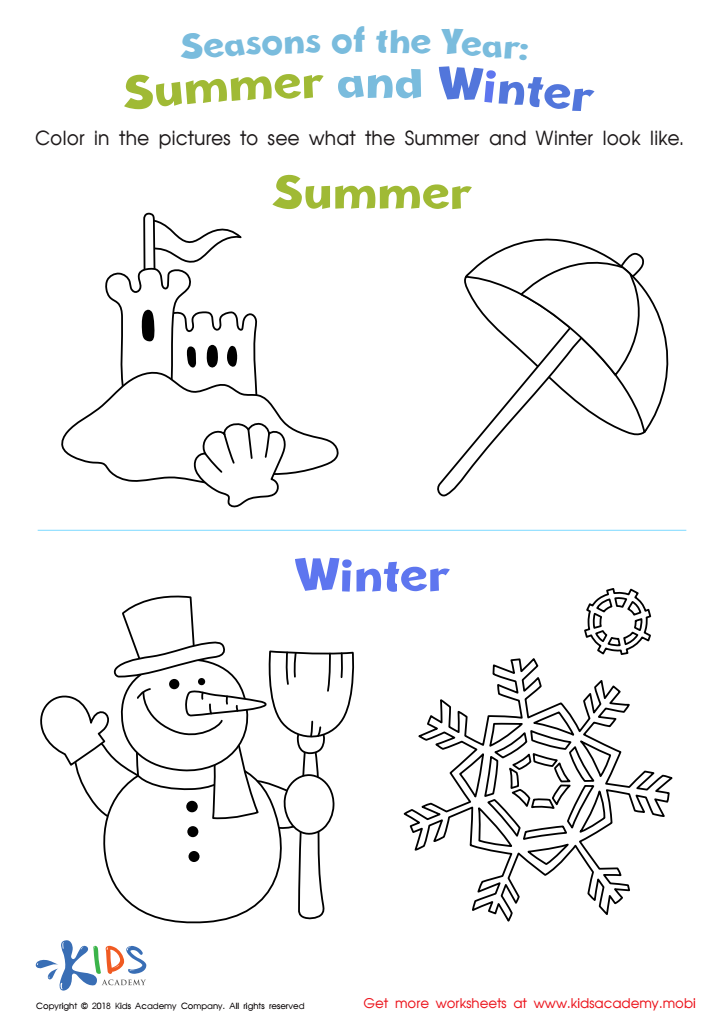
Summer and Winter Worksheet
 Assign to My Students
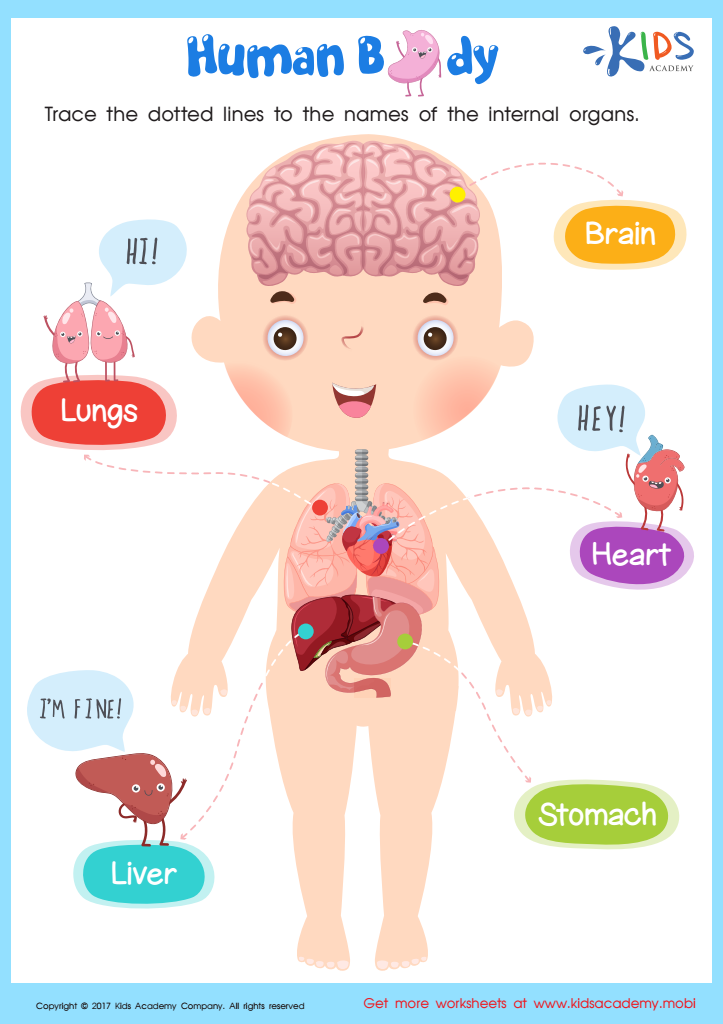
Human Body Worksheet
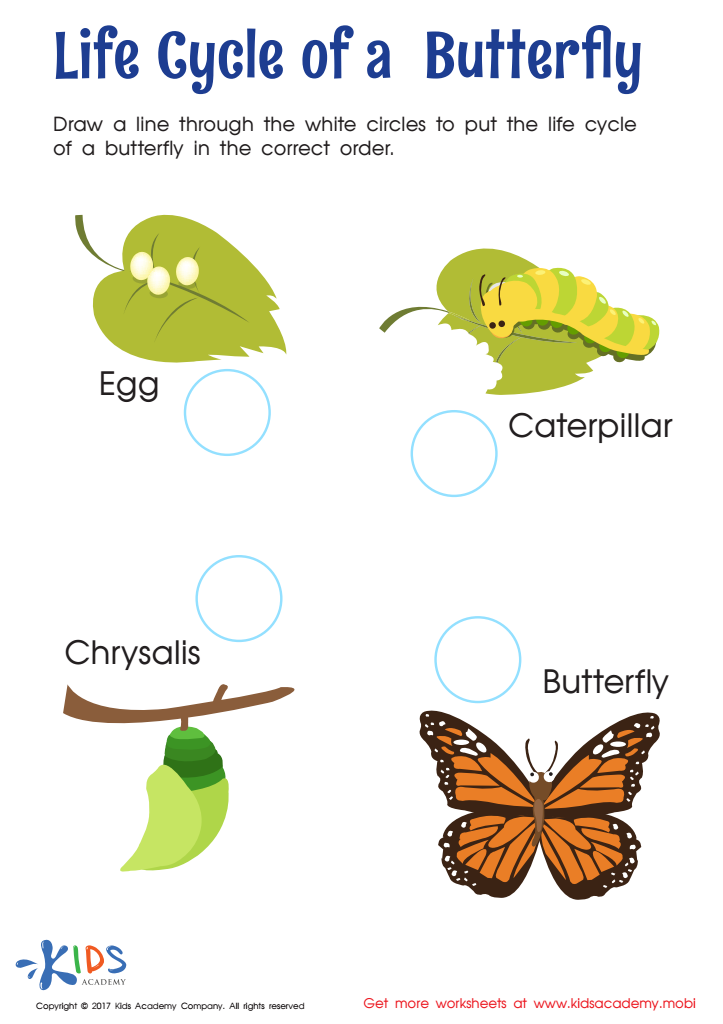
Life Cycle of Butterfly Worksheet
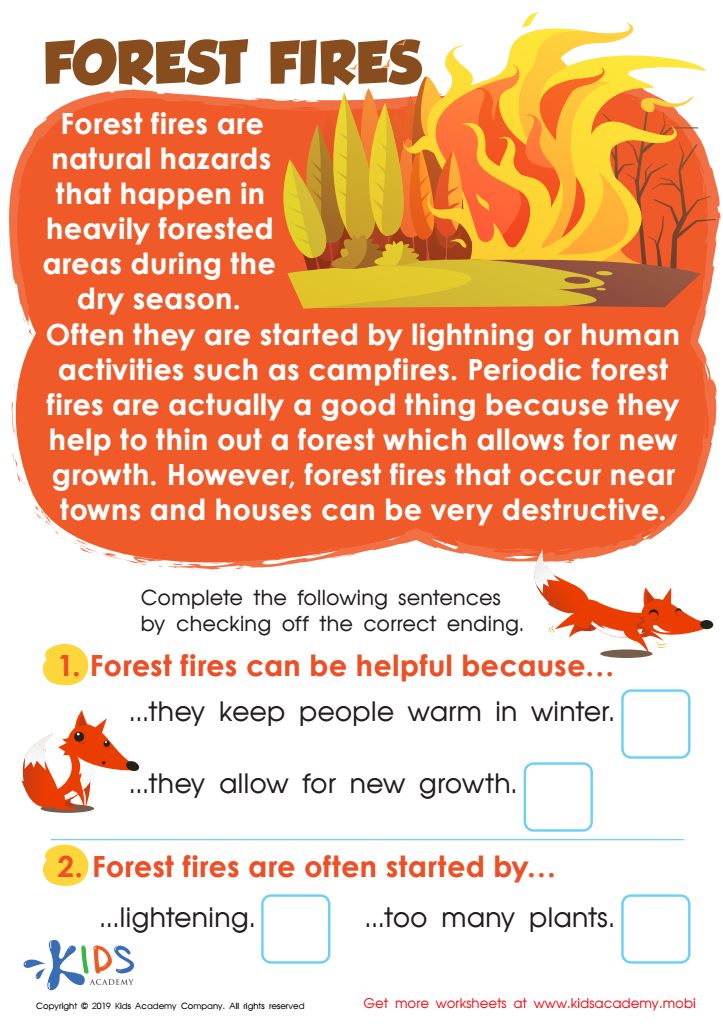
Forest Fires Worksheet
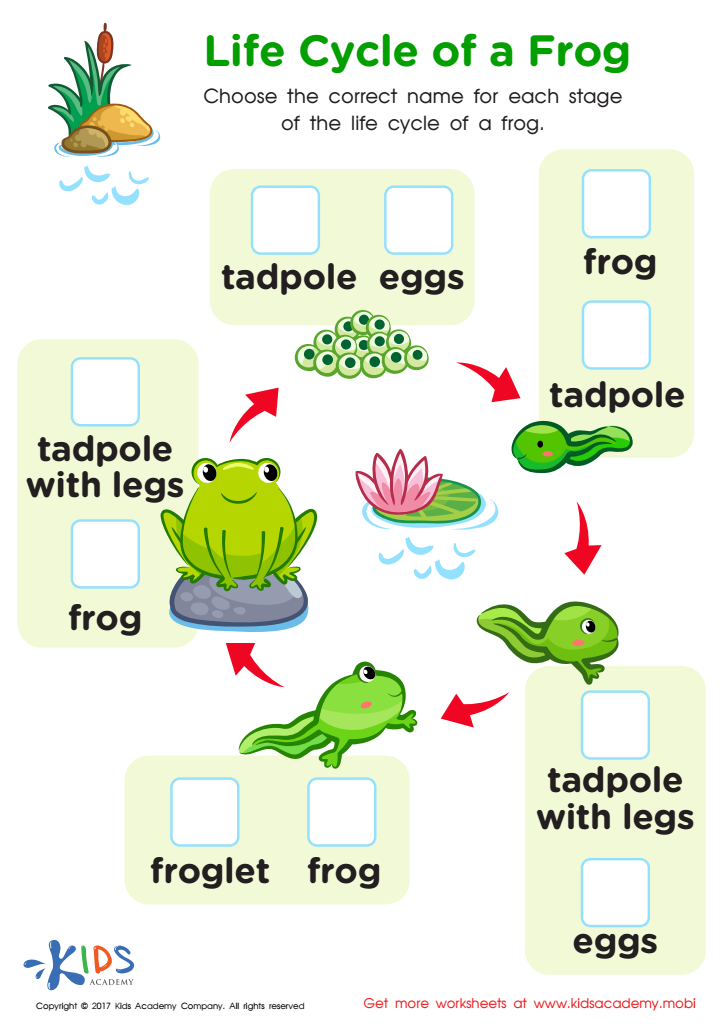
Life Cycle Frog Printable
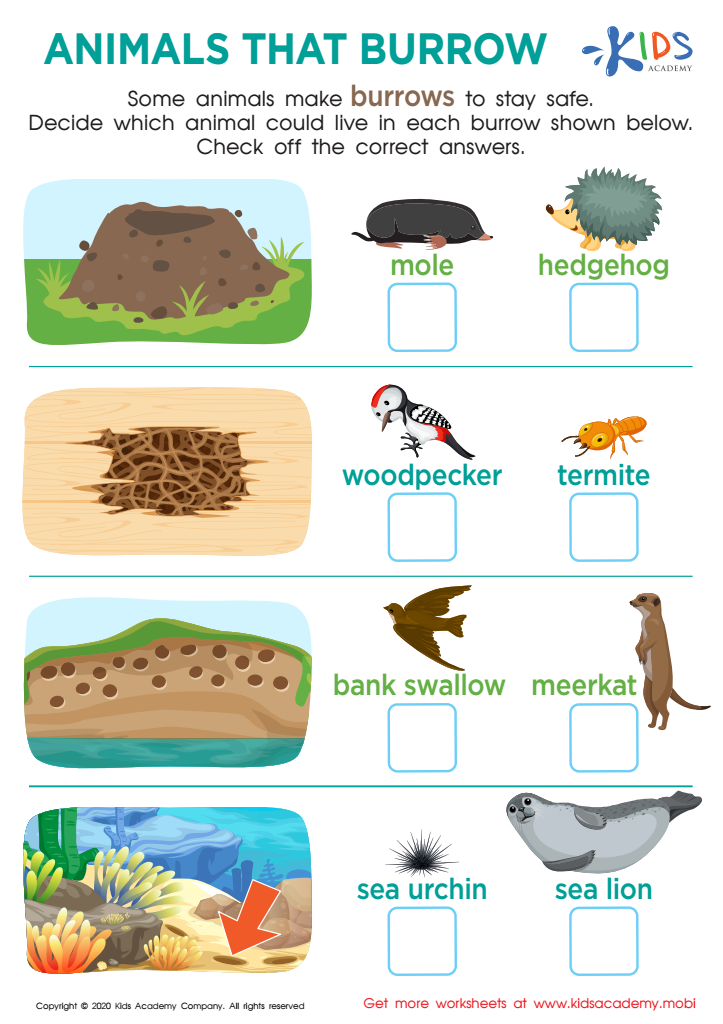
Animals That Burrow Worksheet
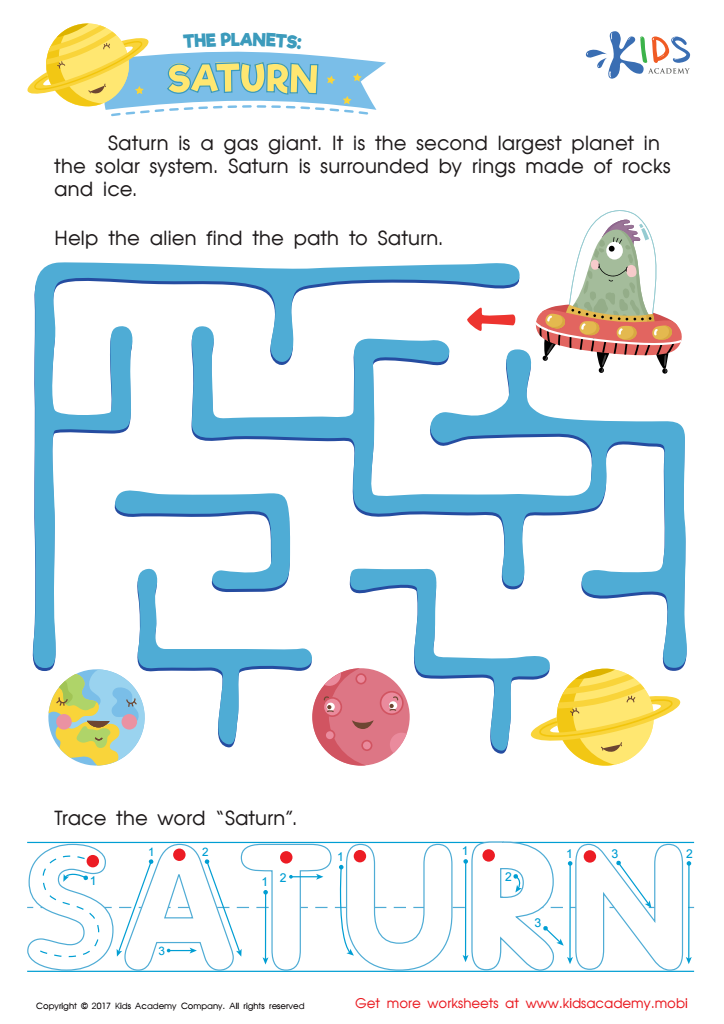
The Planets: Saturn Printable
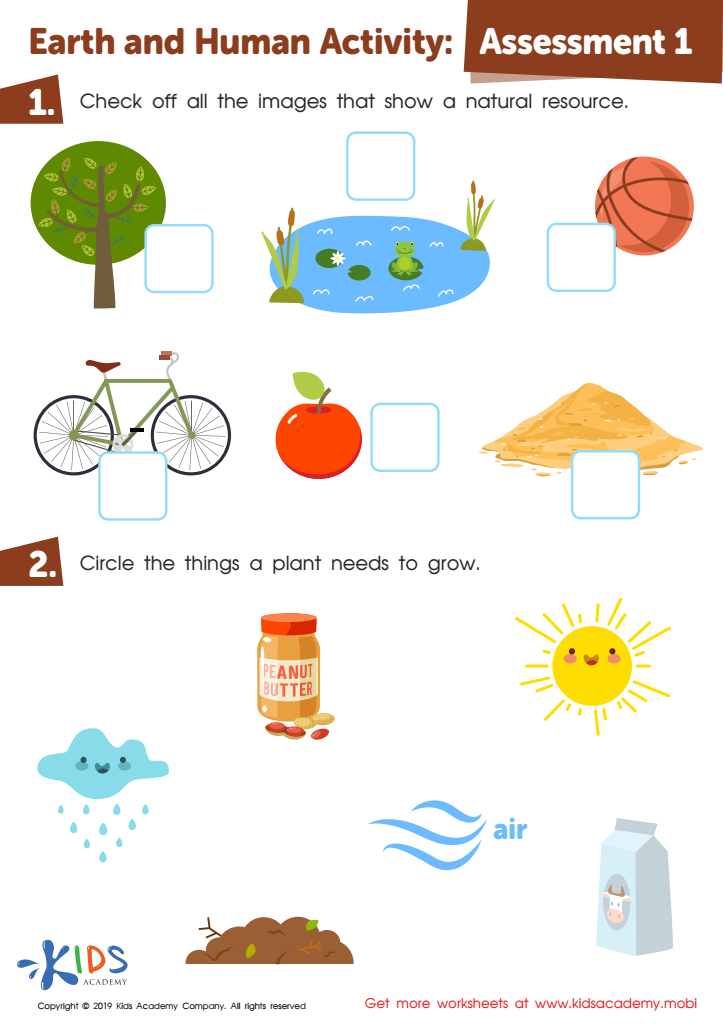
Earth and Human Activity: Assessment 1 Worksheet
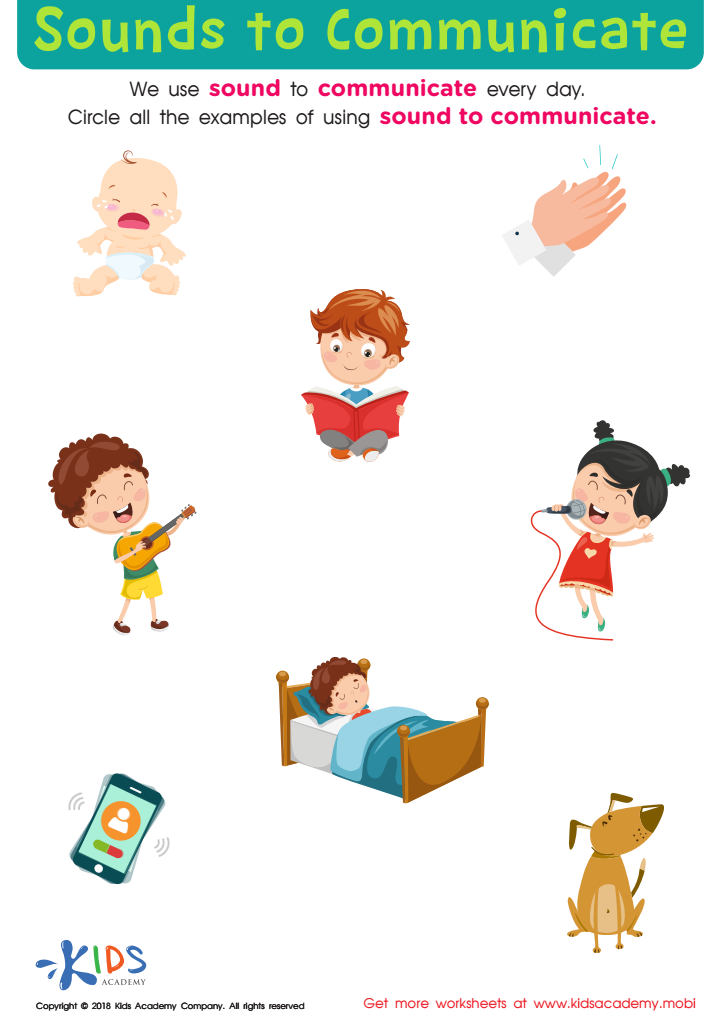
Sounds to Communicate Worksheet
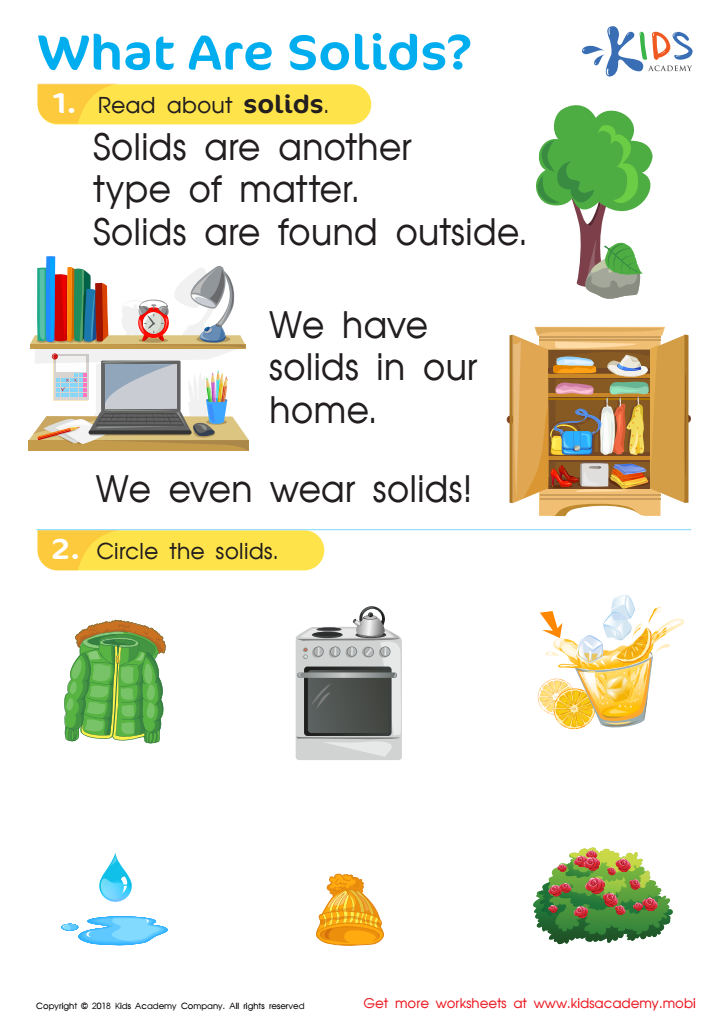
What Are Solids? Worksheet
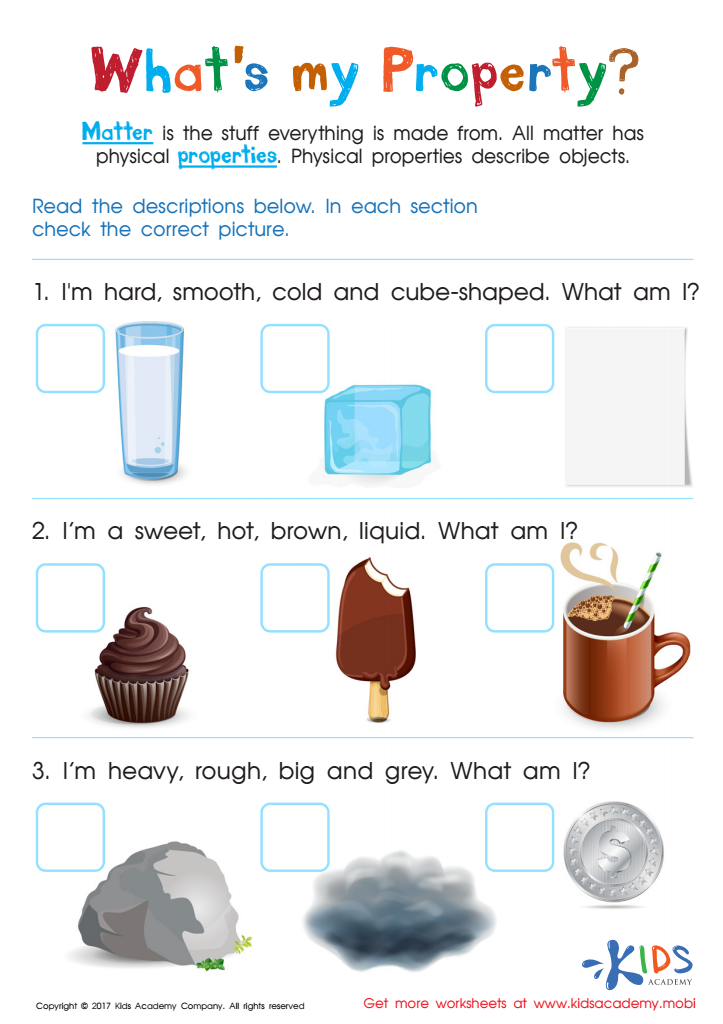
Physical Properties Of Matter Worksheet
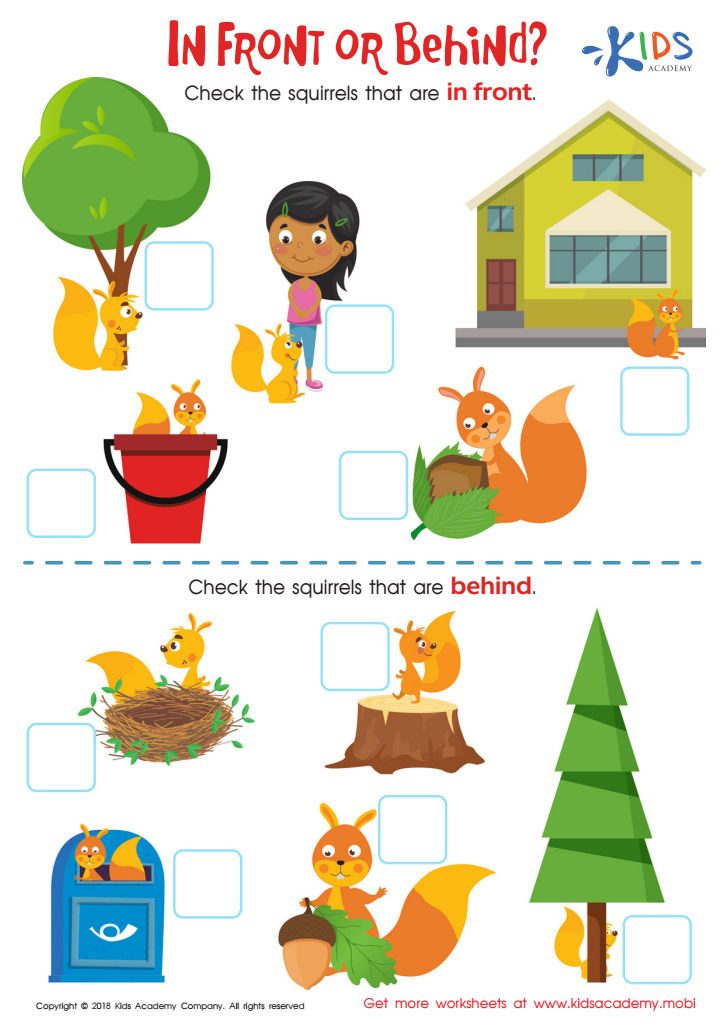
In Front or Behind: Part 2 Worksheet
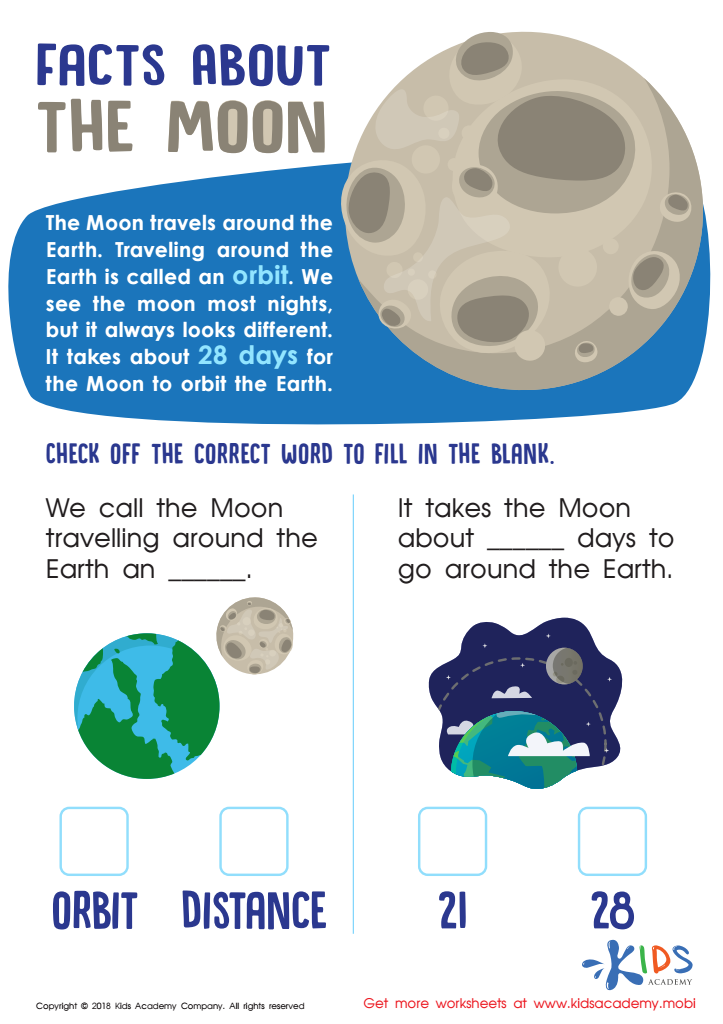
Facts About the Moon Worksheet
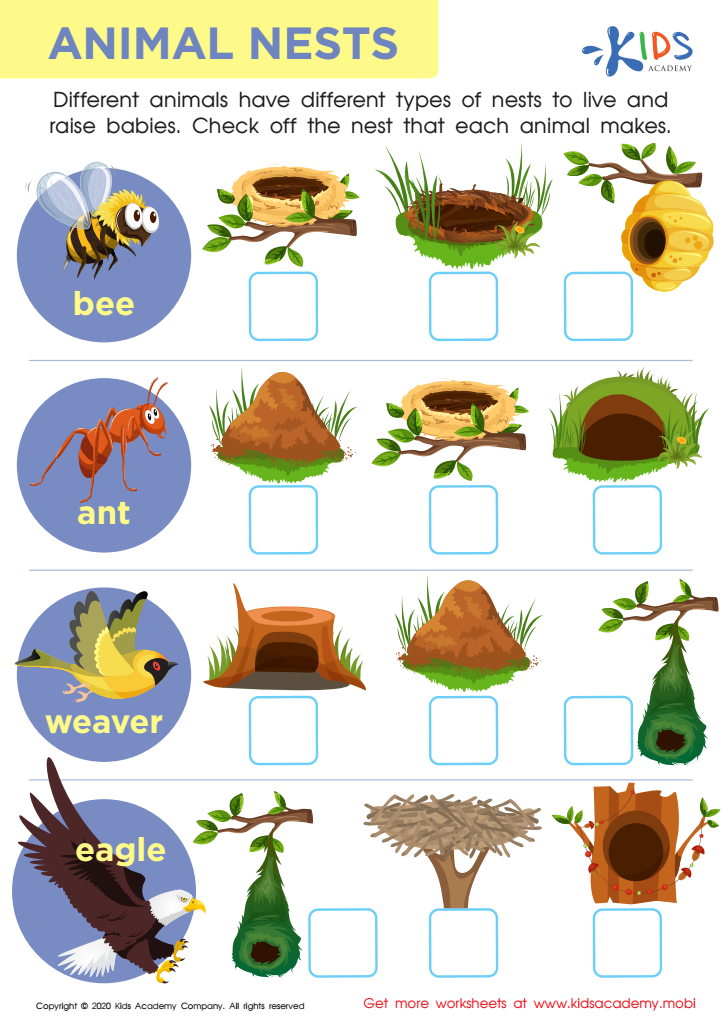
Animal Nests Worksheet
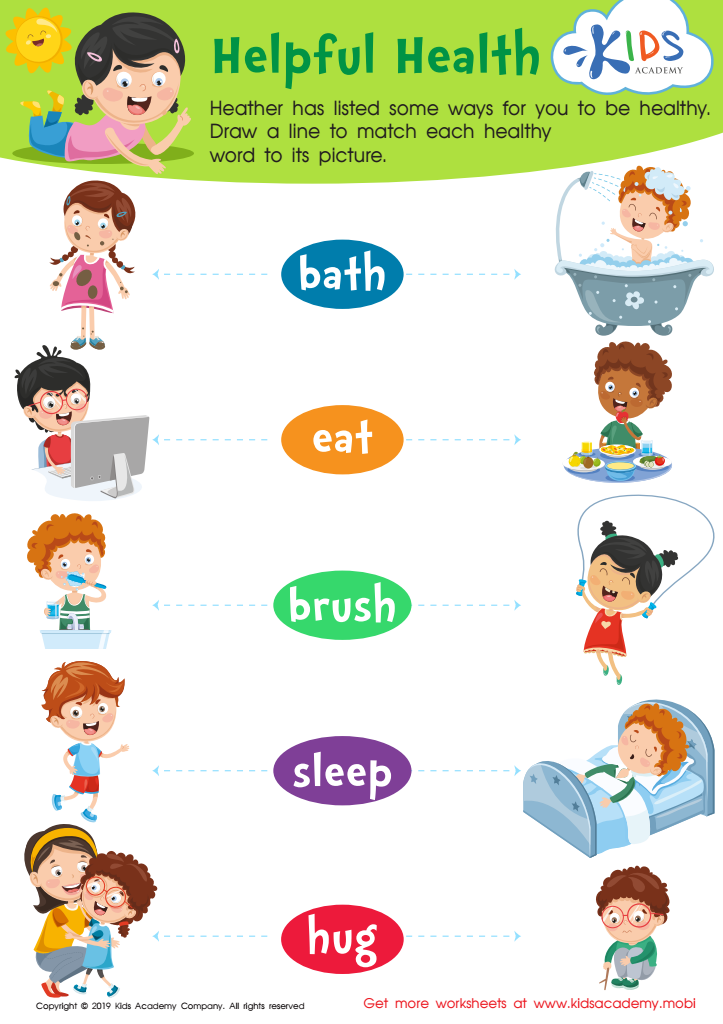
Helpful Health Worksheet
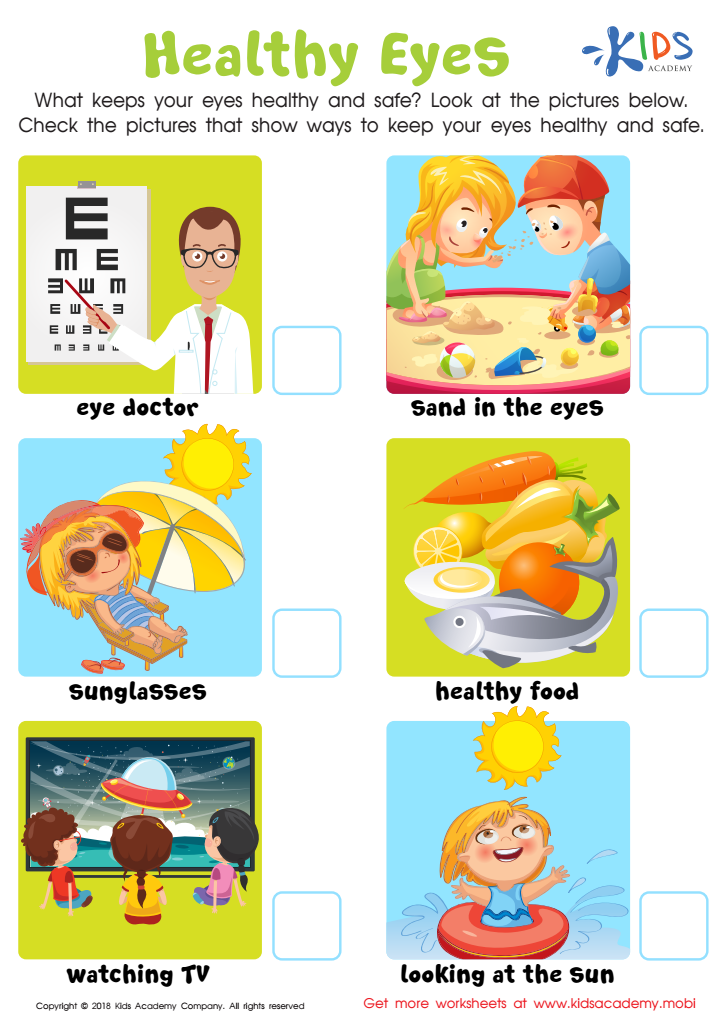
Healthy Eyes Worksheet








Parents and teachers should prioritize vocabulary enhancement science for children aged 6-8 because building a robust vocabulary is foundational for literacy development and overall academic success. This age is crucial for language acquisition, as children are rapidly expanding their understanding of words and their meanings. Enhanced vocabulary not only improves reading comprehension but also fosters better communication skills, enabling children to express their thoughts and ideas more clearly.
Additionally, a rich vocabulary boosts confidence in social interactions and enhances cognitive development. When children encounter new words in various contexts—during storytelling, classroom discussions, or everyday conversations—they learn how to use these words effectively, reinforcing their language skills. Furthermore, vocabulary enhancement activities can be engaging, making learning enjoyable and interactive for young learners.
Investing in vocabulary development can also have long-term benefits, as it often correlates with improved academic performance in reading, writing, and other subjects. By encouraging a love for words and their meanings, parents and teachers can empower children to become better learners and communicators, setting a strong foundation for lifelong learning. In a diverse and increasingly complex world, strong vocabulary skills are essential for navigating various situations, both in school and beyond.







