Critical Thinking Community Worksheets for Ages 6-8
6 filtered results
-
From - To
Enhance your child's critical thinking skills with our engaging Critical Thinking Community Worksheets designed specifically for ages 6-8. These worksheets encourage young learners to explore their surroundings, analyze information, and make informed decisions about their community. Through fun activities, children will develop essential reasoning abilities as they tackle real-world scenarios, enhancing their problem-solving and communication skills. Each worksheet is thoughtfully crafted to foster curiosity and promote independent thinking, ensuring a well-rounded educational experience. Help your child become a confident thinker and active participant in their community with our interactive critical thinking resources! Explore our collection today for a brighter, more insightful future!
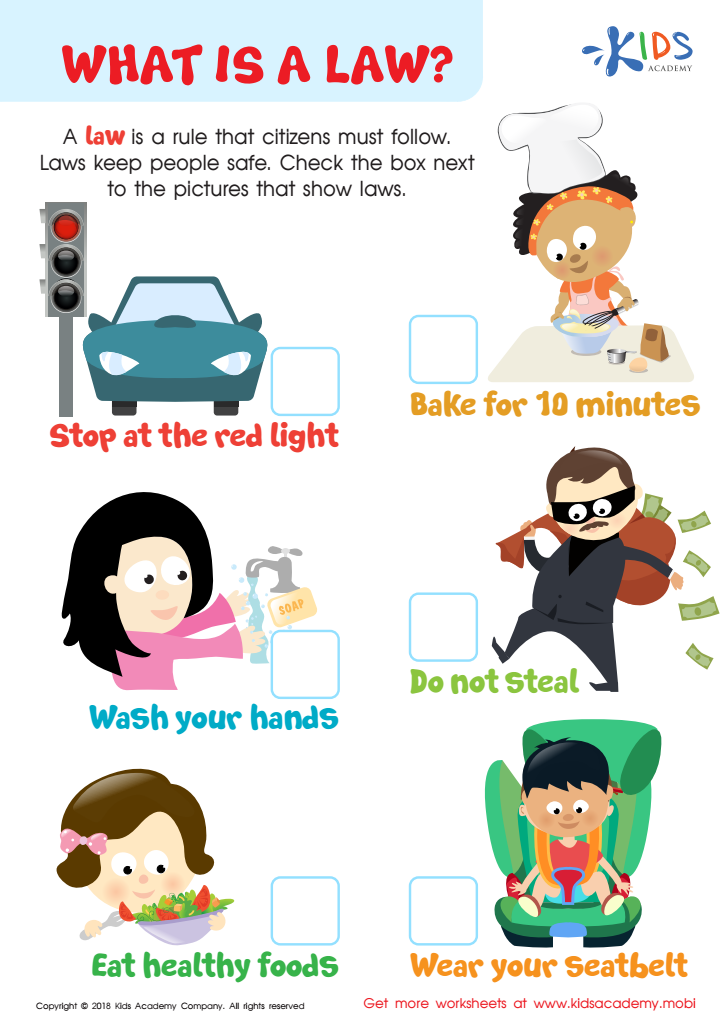
What is a Law? Worksheet
 Assign to My Students
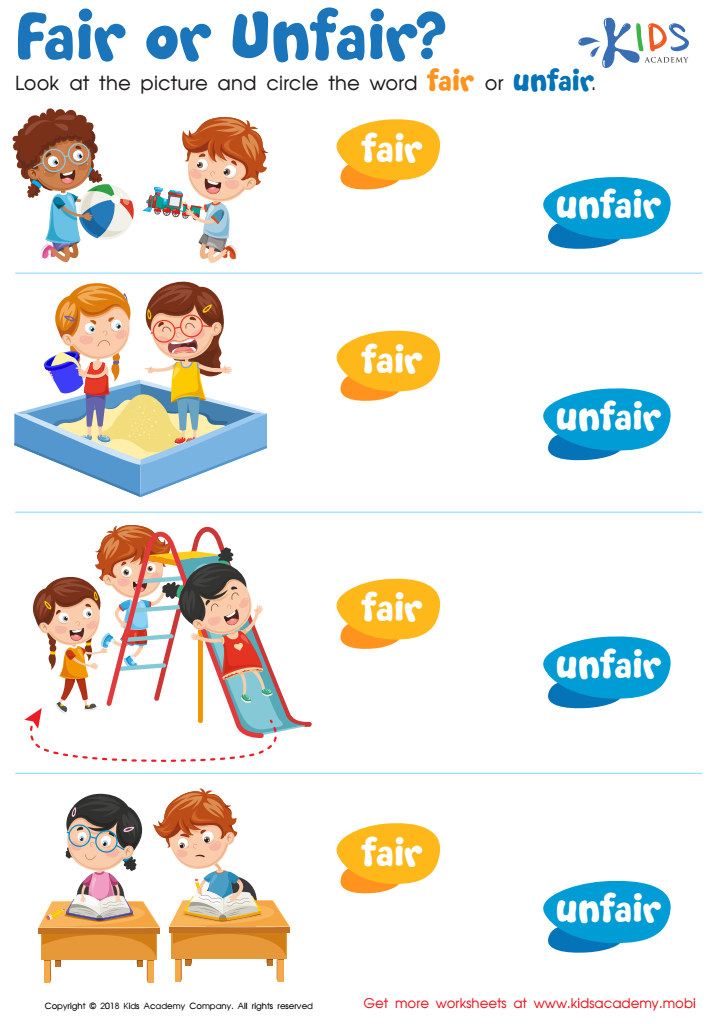
Fair or Unfair Worksheet

What Do Teachers Need Worksheet

Traditional Music Worksheet
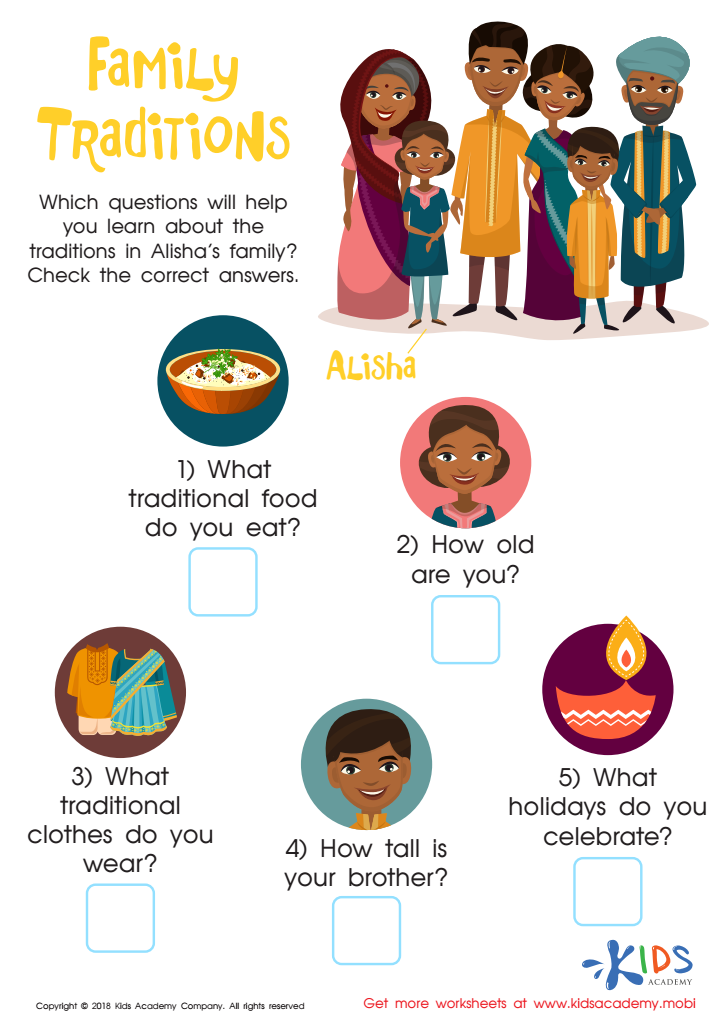
Family Traditions Worksheet
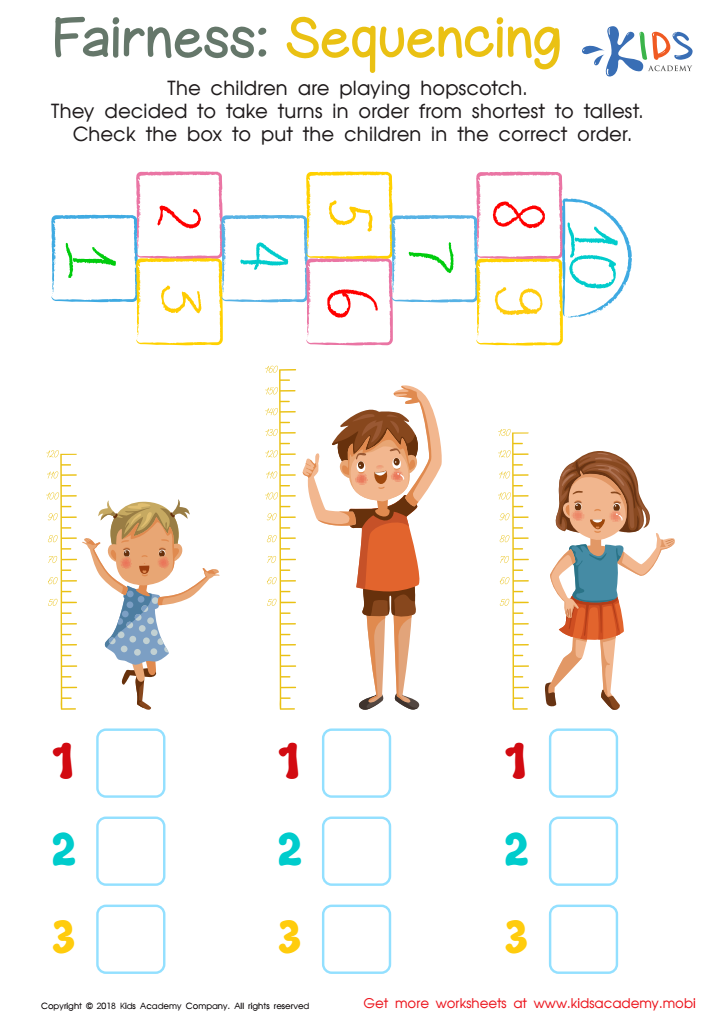
Fairness: Sequencing Worksheet








Parents and teachers should care about the Critical Thinking Community for Ages 6-8 because it fosters essential cognitive skills that young children need in today’s world. At this developmental stage, children are naturally curious and eager to explore. A critical thinking community encourages them to ask questions, analyze information, and evaluate different perspectives, nurturing their innate desire for knowledge.
By engaging in critical thinking activities, children learn to differentiate between fact and opinion, develop problem-solving skills, and make informed decisions. These skills are foundational not just for academic success but for life-long learning and resilience in an ever-changing society. Furthermore, a focus on critical thinking prepares children to navigate complex issues and social dynamics, promoting empathy and open-mindedness.
Involving parents and teachers in this process creates a supportive environment where children can explore ideas safely and collaboratively. Sharing insights and strategies to enhance critical thinking also enriches the learning experience, creating a community that values inquiry and innovation. Ultimately, investing in critical thinking education at an early age is instrumental in shaping thoughtful, discerning, and responsible individuals prepared to tackle the challenges of the future.








