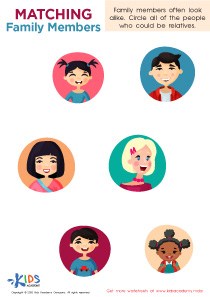
Event sequencing Social Studies Worksheets for Ages 6-8
3 filtered results
-
From - To
Discover engaging social studies worksheets specifically designed for children aged 6-8 that focus on event sequencing. These educational resources from Kids Academy help young learners grasp the concept of sequence by arranging historical events in the correct order. Through fun, interactive activities, kids will enhance their understanding of time, improve reading comprehension, and develop critical thinking skills. Perfect for home or classroom use, these worksheets pave the way for successful learning by connecting past and present events in an enjoyable and meaningful manner. Ignite your child's curiosity about history with these expertly crafted event sequencing tools.
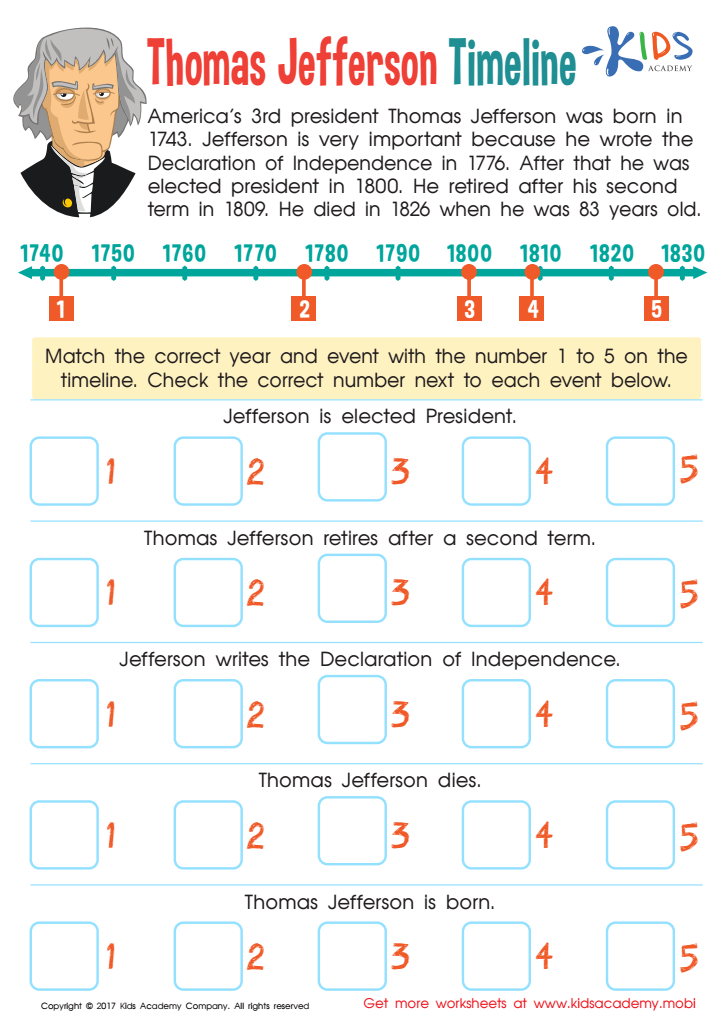
Thomas Jefferson Timeline Worksheet
 Assign to My Students
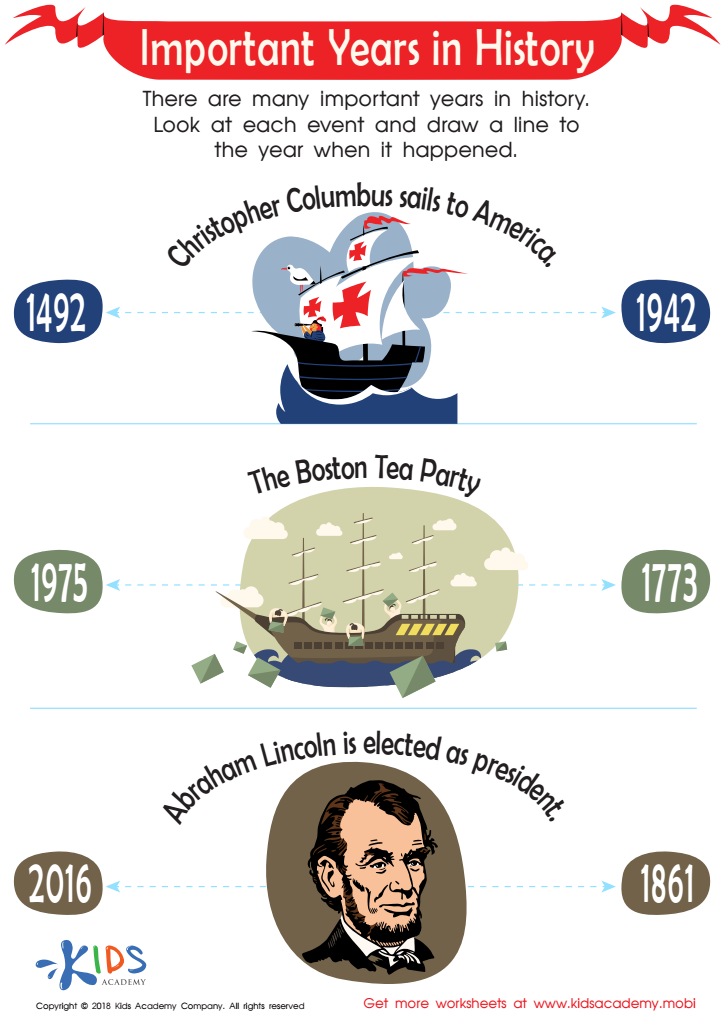
Important Years in History Worksheet
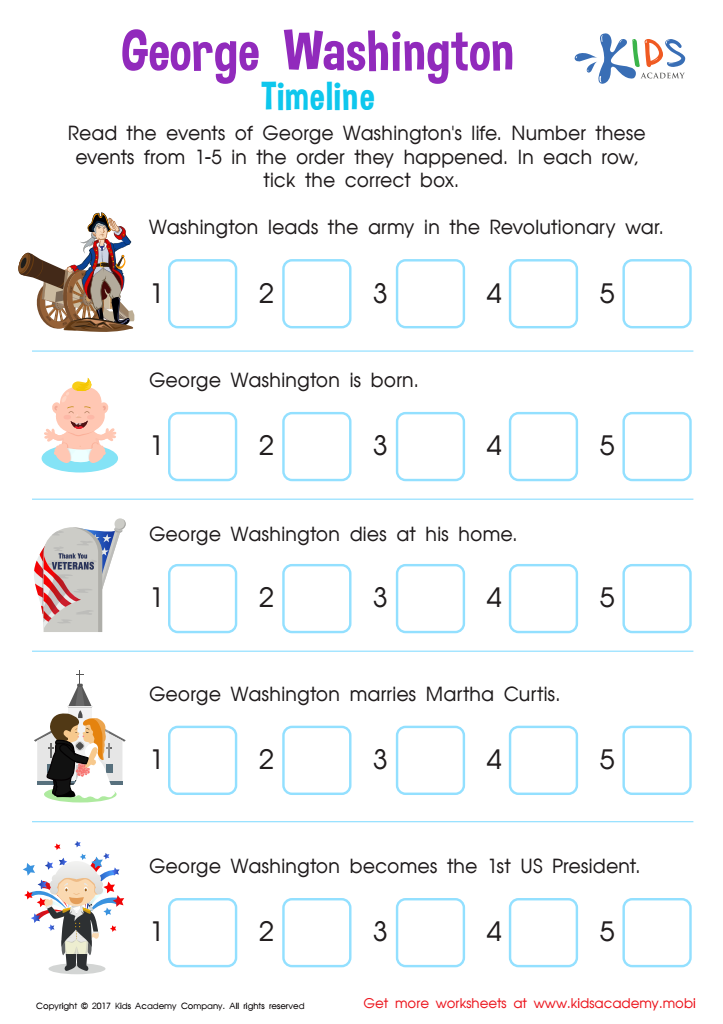
George Washington Timeline Worksheet




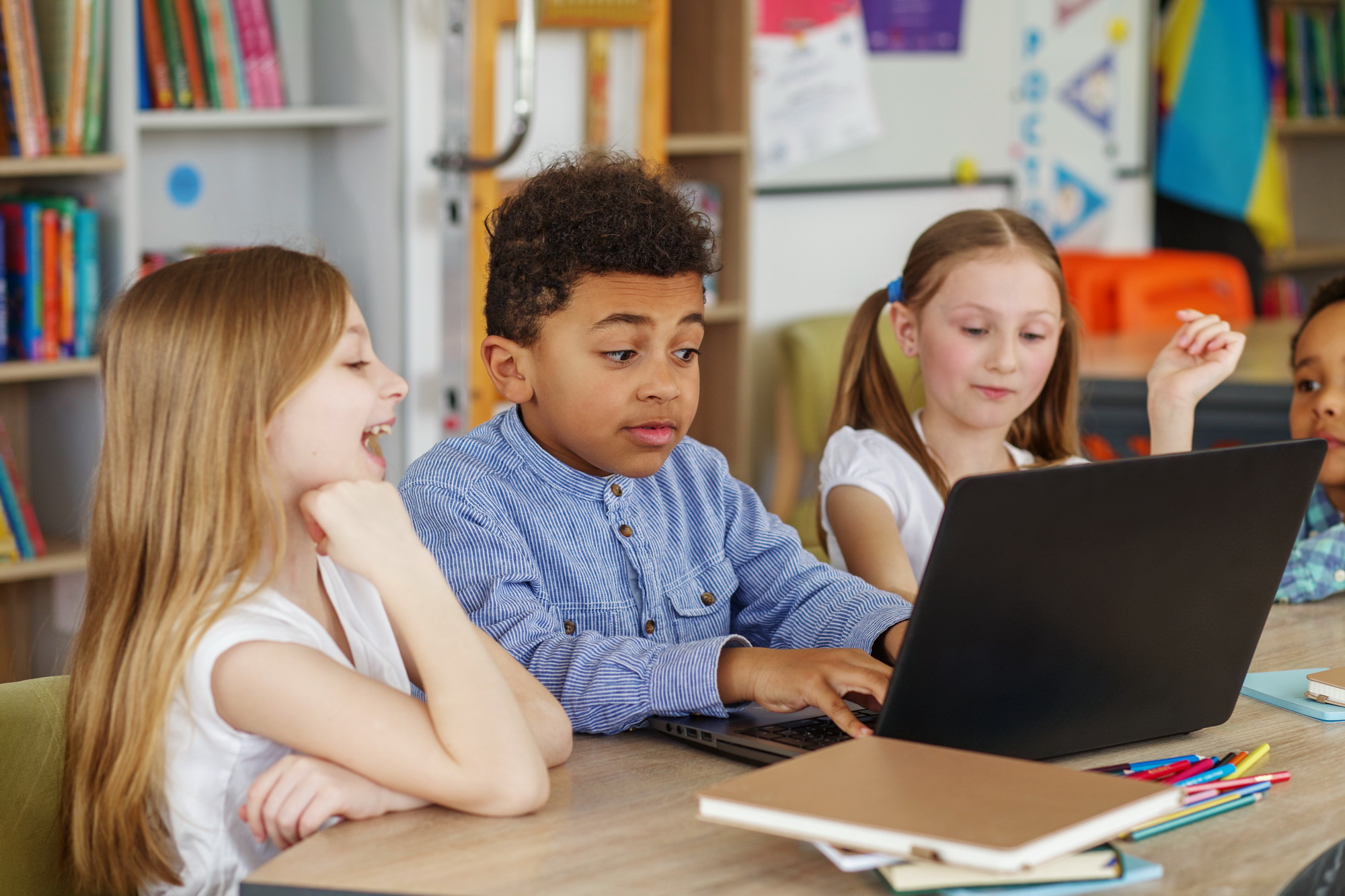
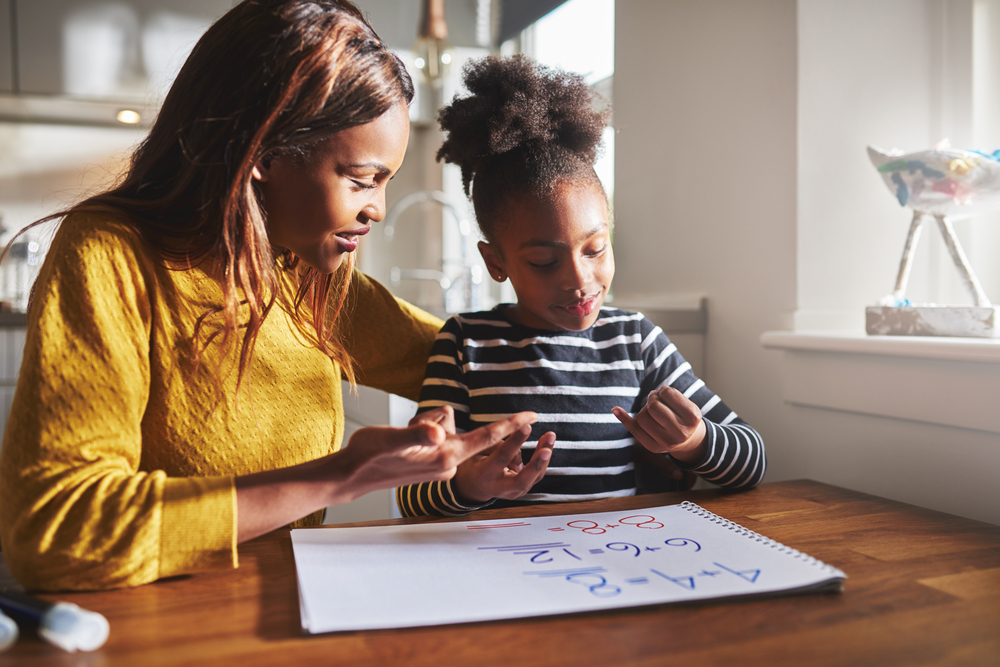

Event sequencing in social studies for children aged 6-8 plays a foundational role in their cognitive and academic development. At this stage, children are developing the ability to understand chronological relationships and cause-and-effect dynamics. By learning how historical events unfold in a sequence, children gain insights into how actions and outcomes are related. This not only helps them grasp the concept of time but also fosters critical thinking skills.
For parents and teachers, focusing on event sequencing assists in building a child's narrative skills and comprehension. When children understand the order of events, they can better recount stories, describe processes, and follow complex instructions. This skill is not isolated to history but relevant across many academic subjects and daily activities.
Furthermore, sequencing skills help children make connections between the past, present, and future, enhancing their understanding of the world around them. It cultivates empathy as kids learn about the lives and experiences of others. Children begin to see patterns, make predictions, and develop an understanding of the broader societal impact of historical events, contributing to informed and engaged citizenship from a young age.
By prioritizing event sequencing, parents and teachers lay the groundwork for a child's lifelong learning and curiosity about history and the social sciences, fostering well-rounded, analytical thinkers who can navigate the past and present effectively.