Color recognition Writing Worksheets for Ages 6-8
12 filtered results
-
From - To
Enhance your child's learning with our Color Recognition Writing Worksheets designed specifically for ages 6-8. These engaging activities combine color identification and writing practice, helping young learners boost their vocabulary while developing fine motor skills. Each worksheet features visually appealing graphics and challenging prompts that encourage creativity and enhance color knowledge. Ideal for classroom use or at-home learning, our worksheets cater to kids’ various learning styles, making learning fun and interactive. Facilitate your child's academic growth with these expertly crafted resources, perfect for reinforcing essential early writing and color recognition skills in a playful manner. Explore our collection today!
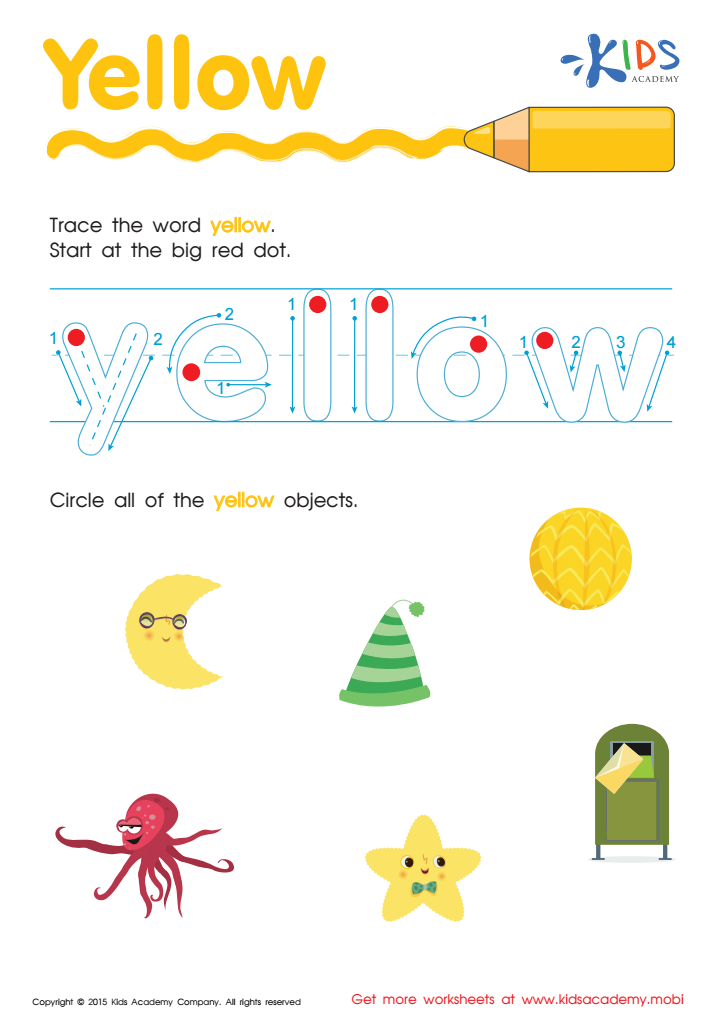
Yellow Tracing Color Words Worksheet
 Assign to My Students
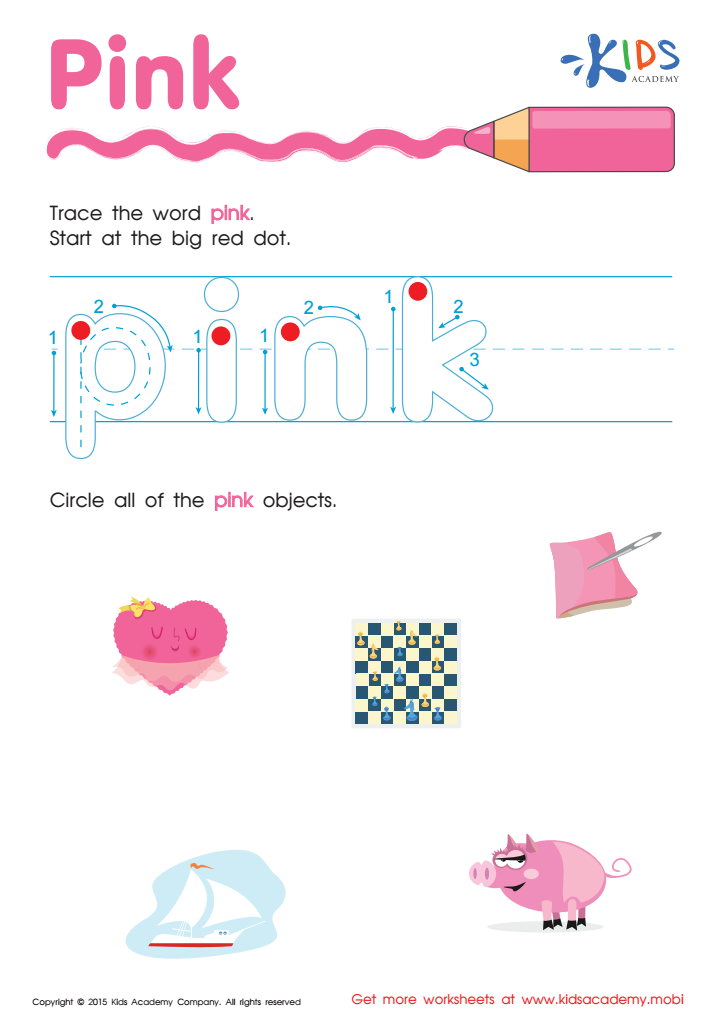
Pink Tracing Color Words Worksheet
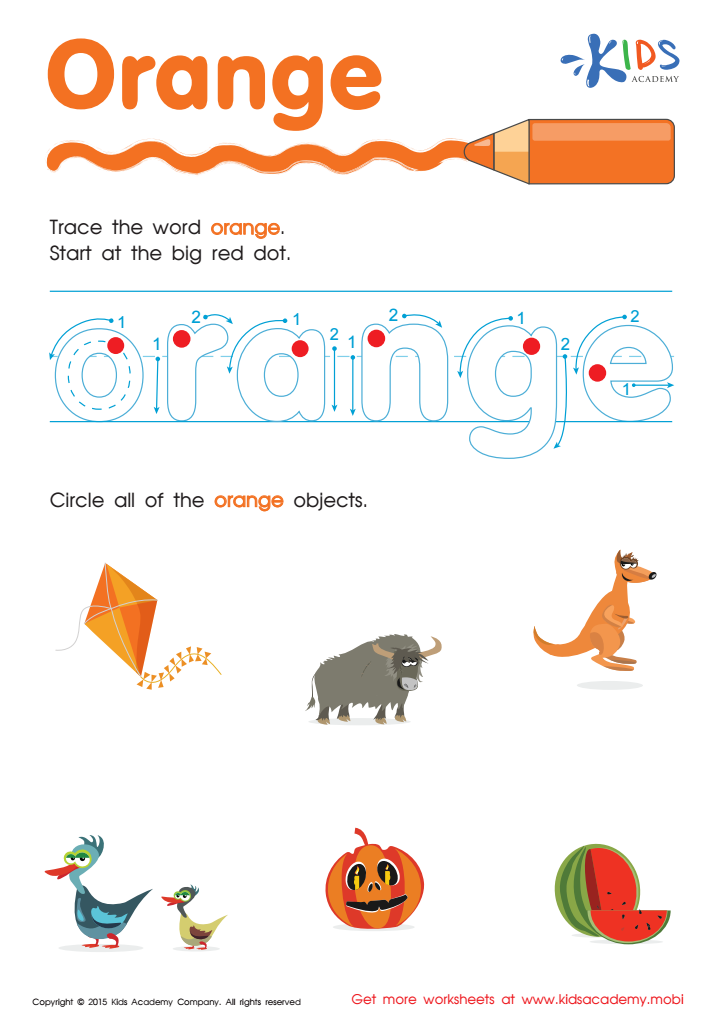
Orange Tracing Color Words Worksheet
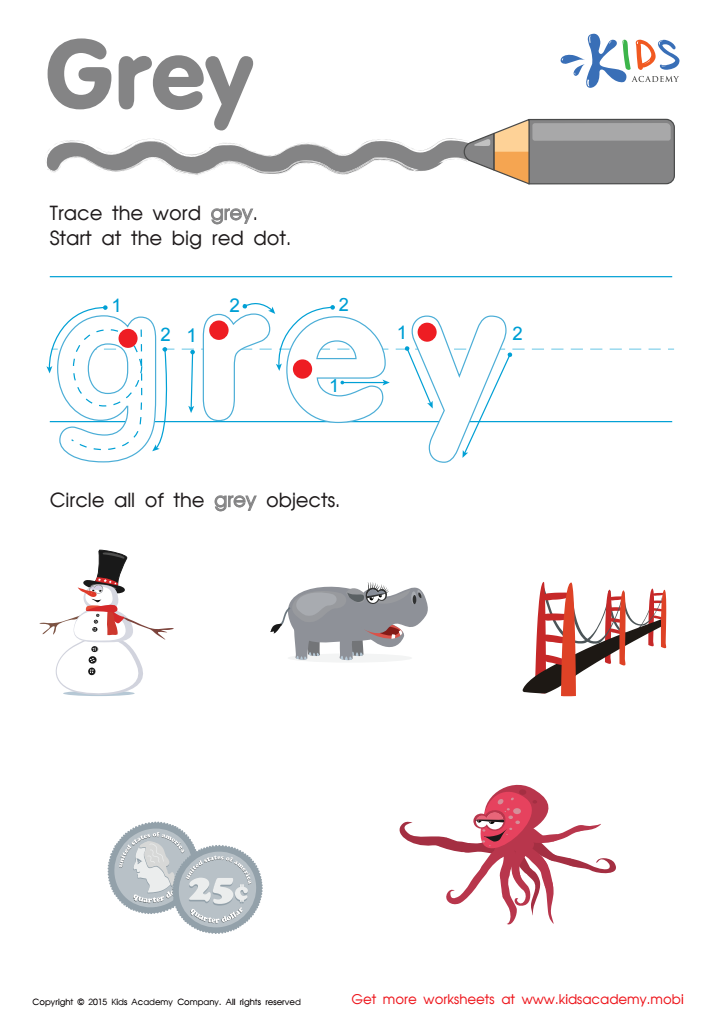
Grey Tracing Color Words Worksheet
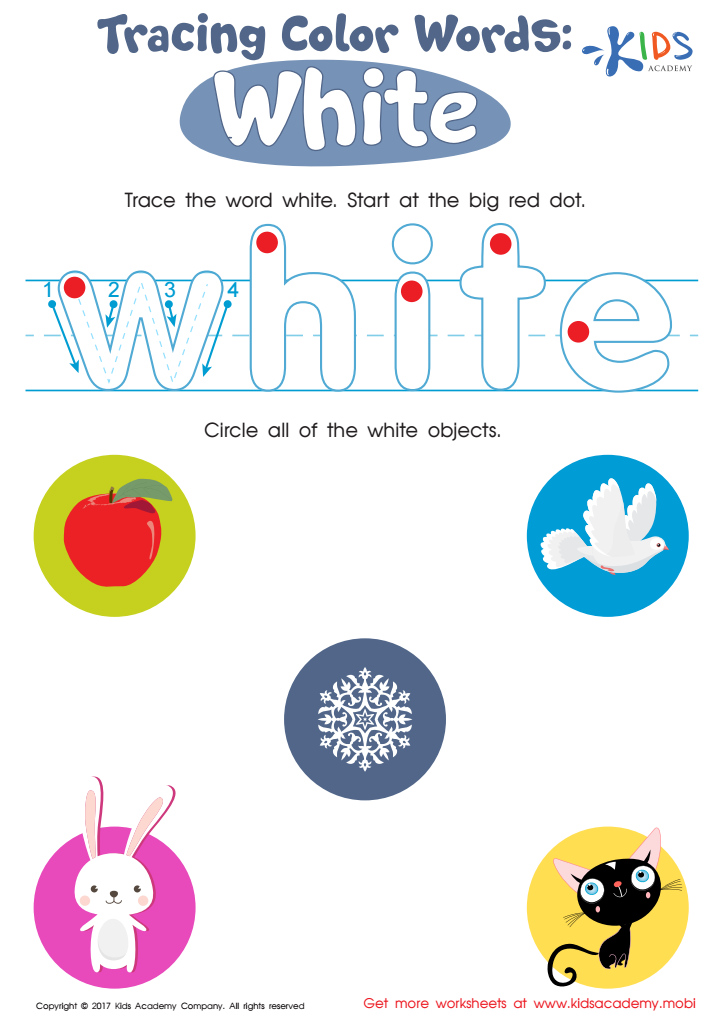
White Tracing Color Words Worksheet
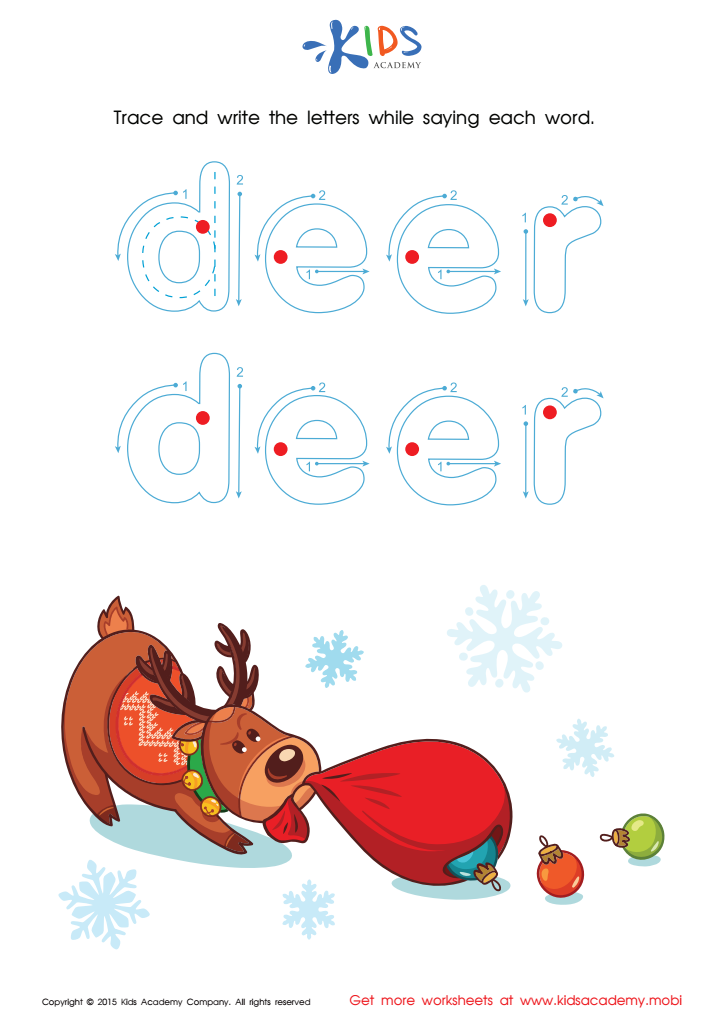
Deer Tracing Winter Words Worksheet
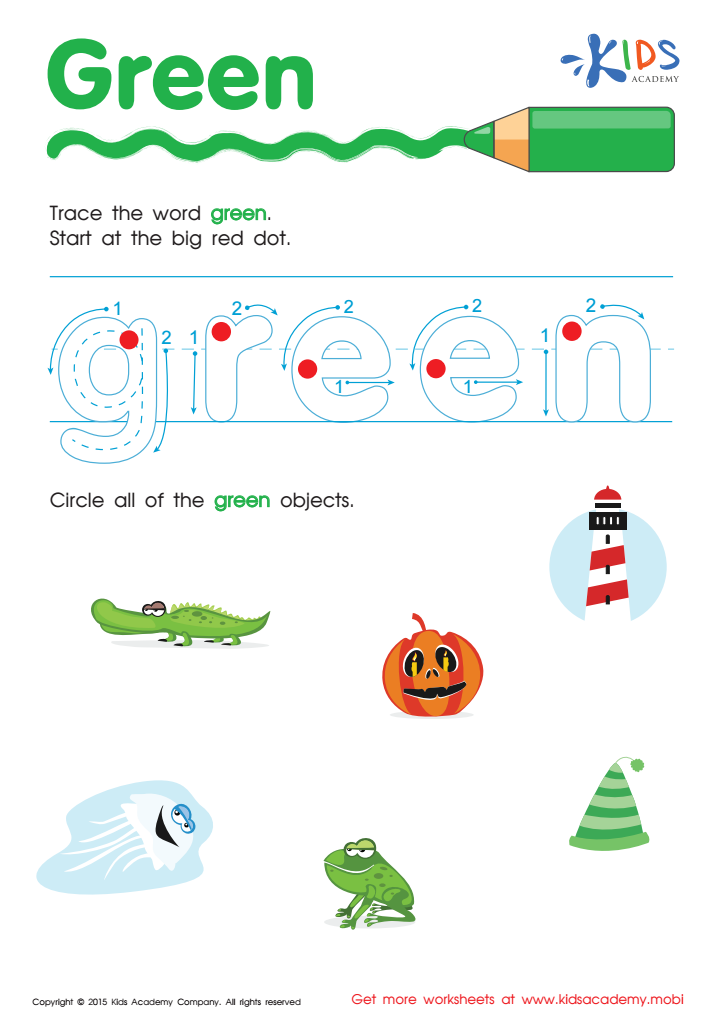
Green Tracing Color Words Worksheet
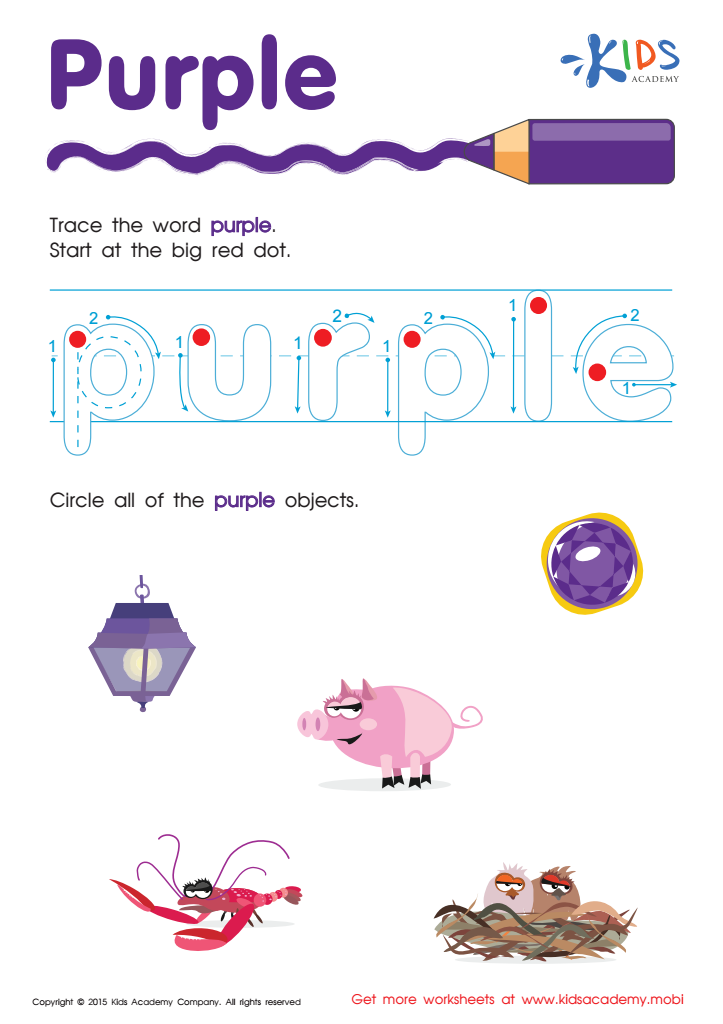
Purple Tracing Color Words Worksheet
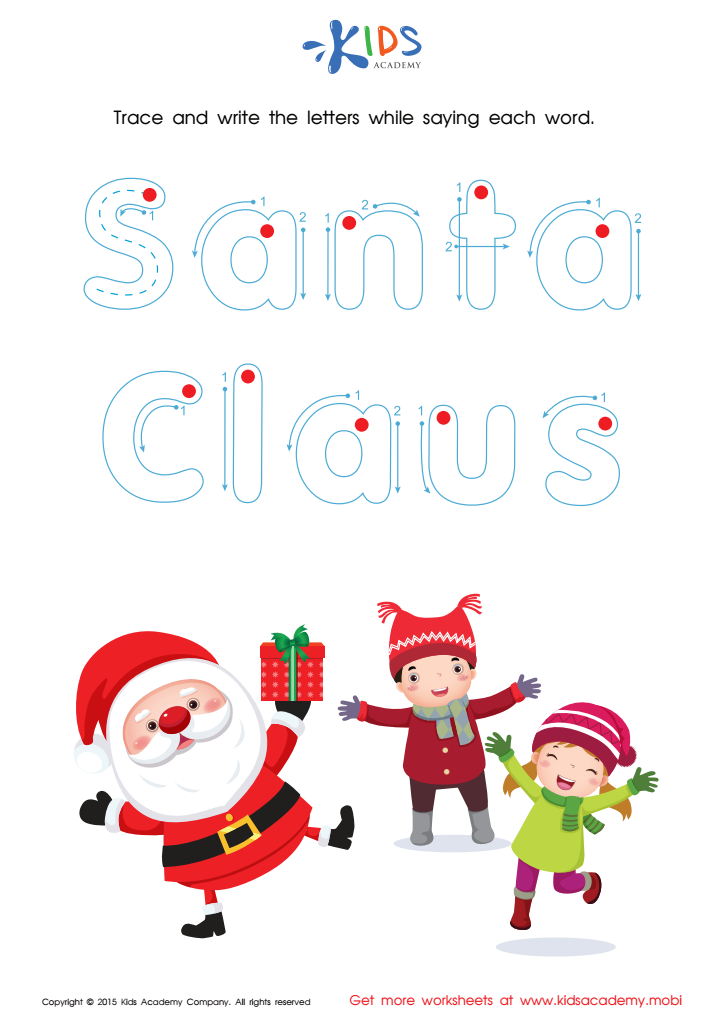
Santa Claus Tracing Winter Words Worksheet
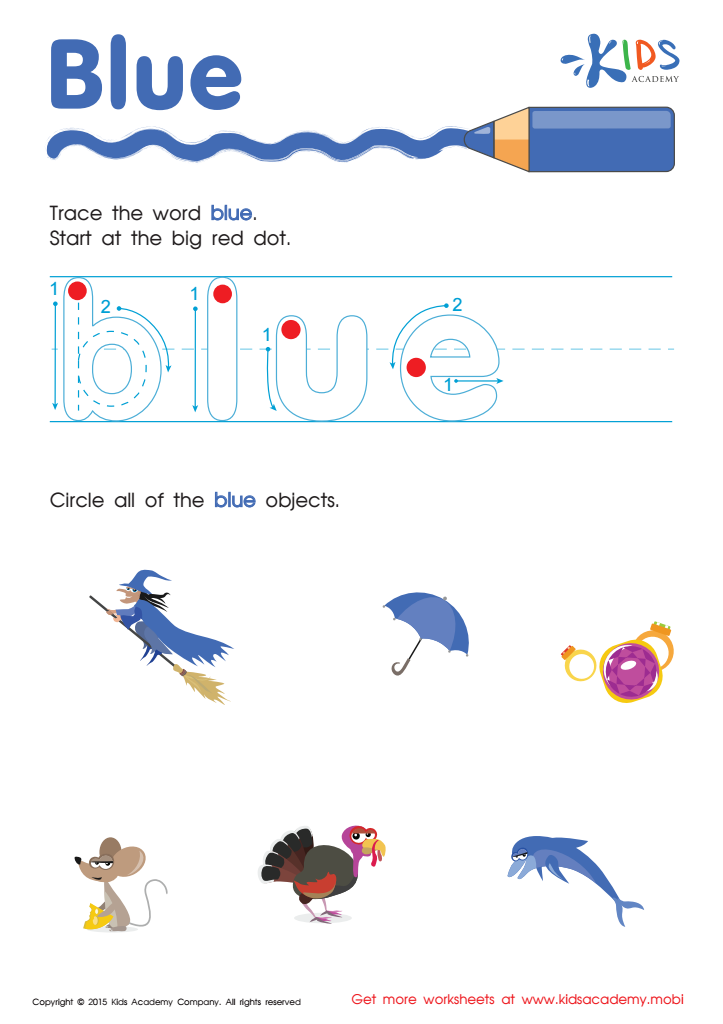
Blue Tracing Color Words Printable
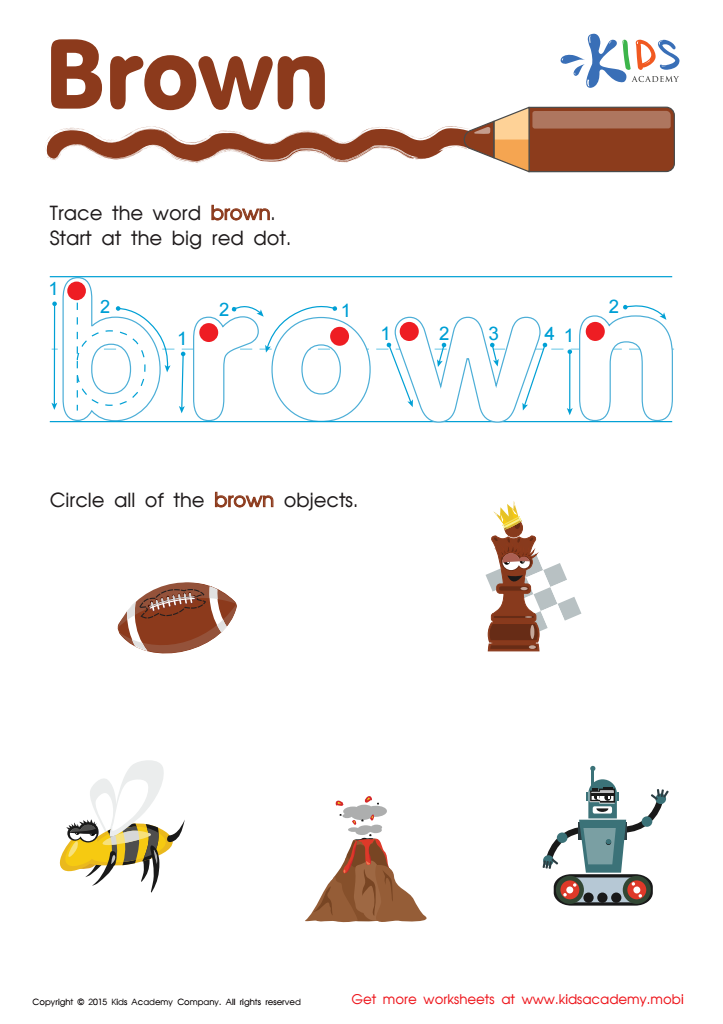
Brown Tracing Color Words Worksheet
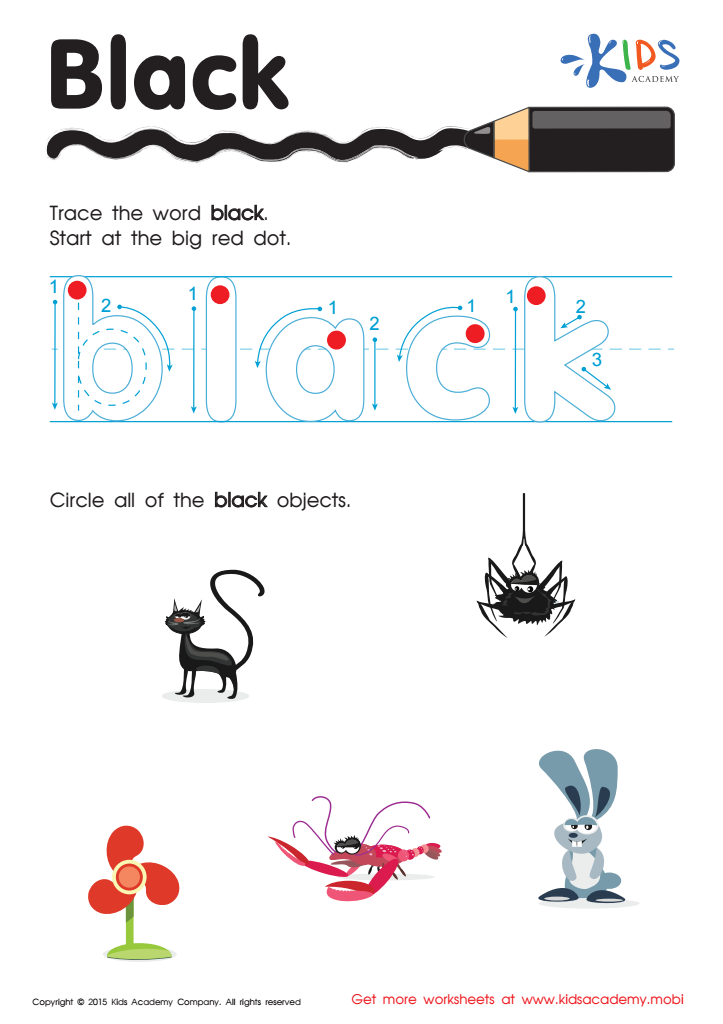
Black Tracing Color Words Printable



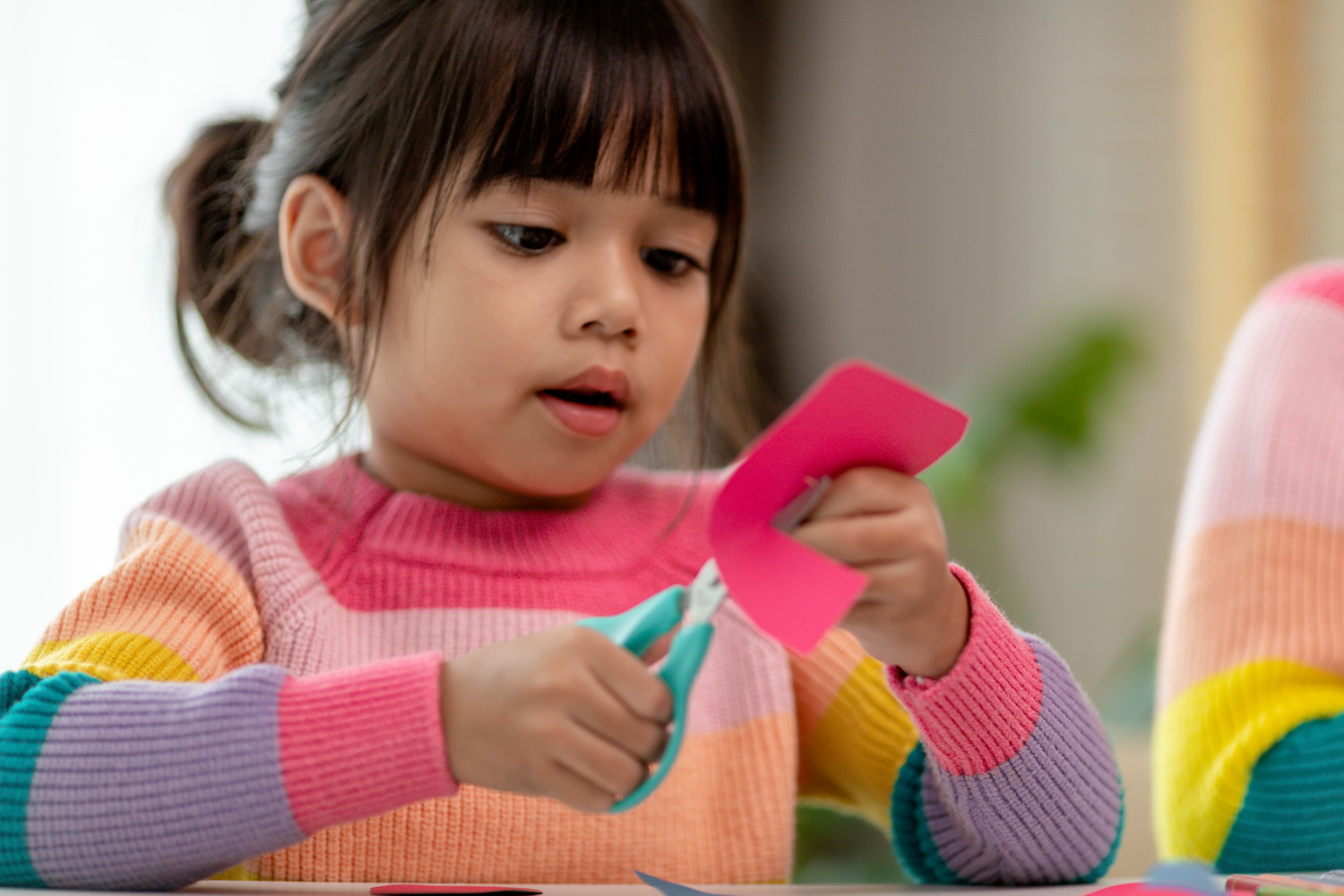




Color recognition and writing are crucial skills for children aged 6-8, laying a strong foundation for their cognitive and language development. Parents and teachers should care about these skills for several reasons.
Firstly, color recognition enhances a child's ability to categorize and differentiate between objects, fostering critical thinking and observational skills. This foundational skill relates closely to learning about patterns, relationships, and even mathematical concepts.
Secondly, writing proficiency begins with understanding the colors that enrich our language and communication. Teaching children to describe their world using colors helps build their vocabulary and encourages creativity in storytelling and writing exercises. This not only makes learning more engaging but also helps children express themselves more vividly.
Additionally, early exposure to colors helps in developing fine motor skills through activities like coloring and using different writing instruments. These activities promote hand-eye coordination and dexterity.
Finally, recognizing and using colors can improve children's emotional expression and social interactions. When children identify colors, they often engage in conversations about emotions related to those colors, fostering emotional intelligence.
In summary, coloring and color recognition activities provide holistic benefits that align with educational goals and support emotional and cognitive development for young learners.








