Spelling improvement Writing Worksheets for Ages 6-8
5 filtered results
-
From - To
Boost your child's spelling confidence with our Spelling Improvement Writing Worksheets designed for ages 6-8. These carefully crafted activities support young learners as they practice and enhance their spelling skills through engaging and fun exercises. Perfect for classroom use or at-home learning, our worksheets cover a range of topics and difficulty levels to suit every child’s needs. Each sheet encourages independent learning and helps solidify essential spelling patterns and vocabulary. Give your child the tools they need to spell accurately and build a strong foundation for future literacy success with our top-quality worksheets. Start learning today!
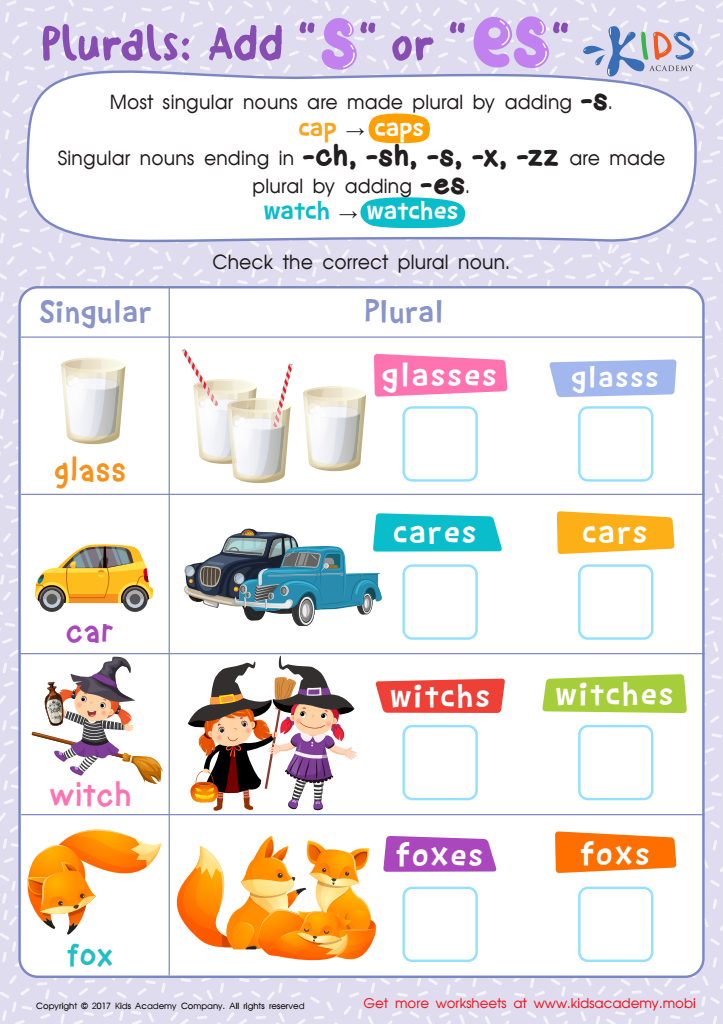
Plurals: "–es" or "–es"? Worksheet
 Assign to My Students
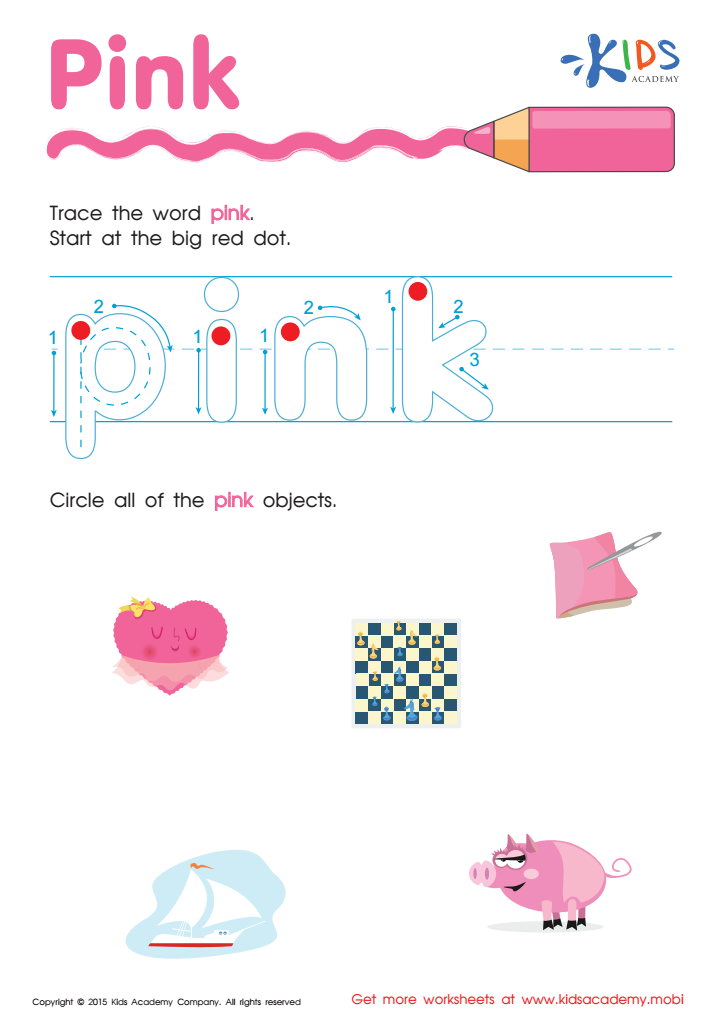
Pink Tracing Color Words Worksheet
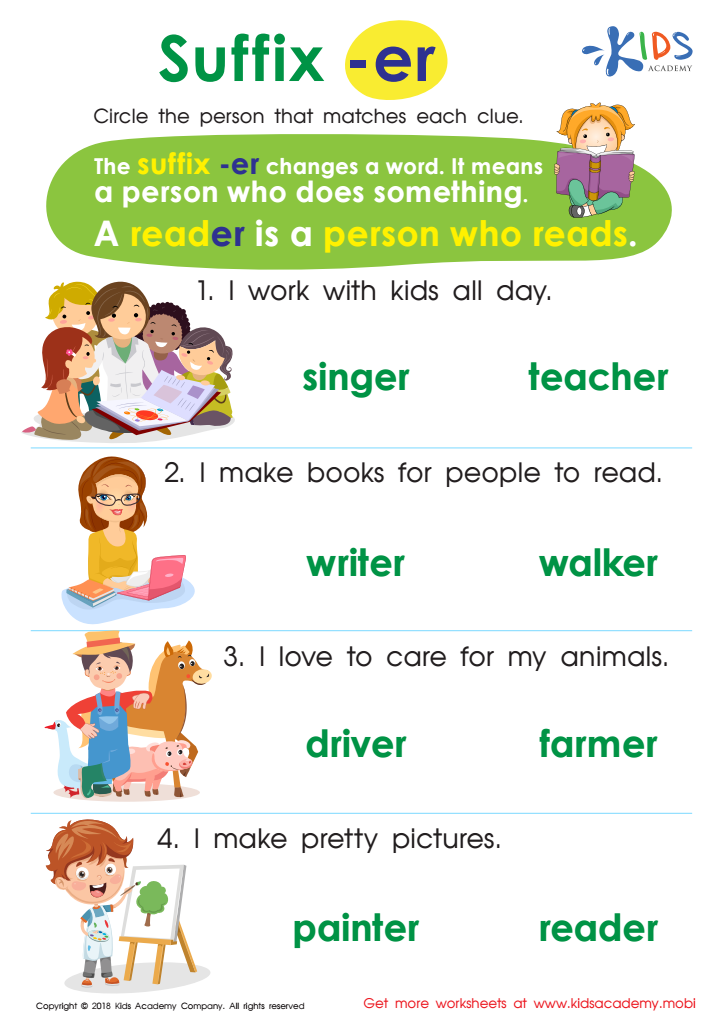
Suffix –er Printable Worksheet
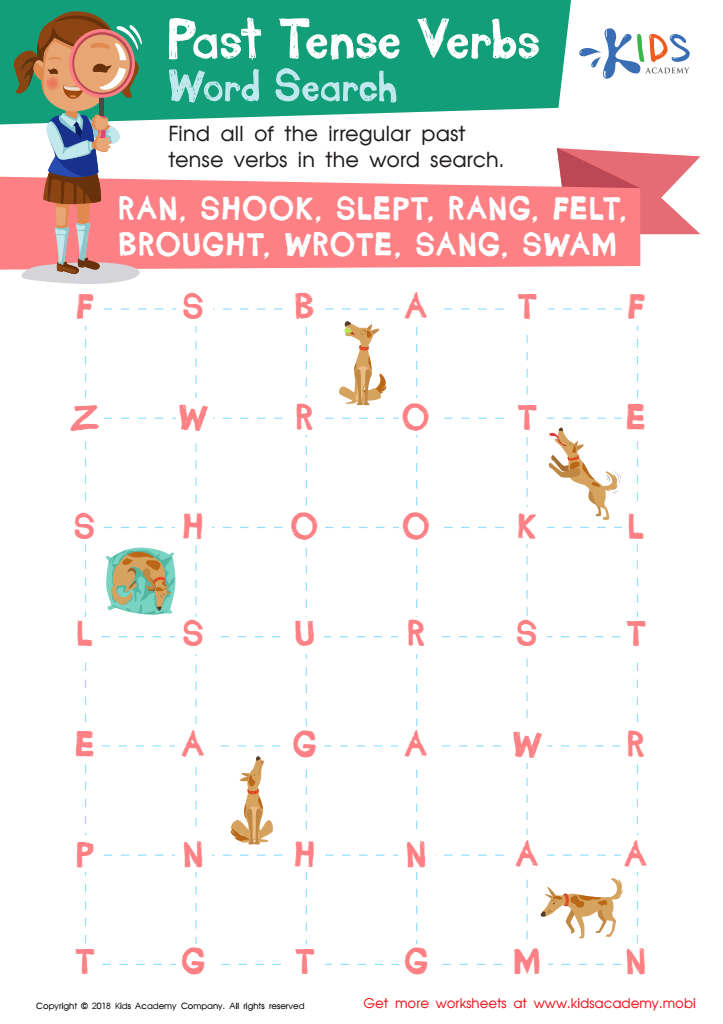
Past Tense Verbs Word Search Worksheet
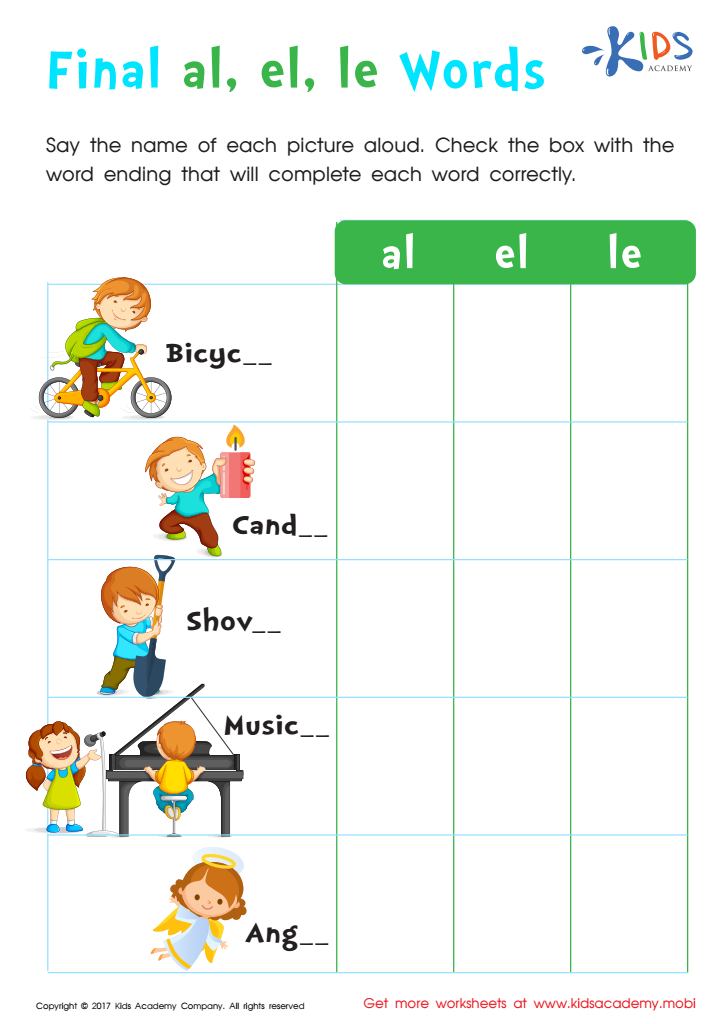
Spelling Words Ending with –le, –el and –al Worksheet








Spelling improvement in children aged 6-8 is crucial as it forms the foundation for effective communication and academic success. This developmental stage is critical for building literacy skills that will support future learning. Accurate spelling enhances a child's ability to read fluently, understanding phonetic patterns, and developing a robust vocabulary. When children can spell words correctly, they gain confidence in their writing and communication abilities, which fosters a positive attitude towards learning.
Parents and teachers play a pivotal role in encouraging this aspect of early education. For educators, teaching spelling can improve classroom performance by reducing reading and writing errors, thereby enabling children to focus on content rather than struggling with basic writing mechanics. For parents, supporting spelling at home strengthens the partnership with school learning, demonstrating that education is valued within the family.
Moreover, good spelling skills contribute to clearer writing and accurate word usage, which are essential for students' overall academic performance. By focusing on spelling improvement, teachers and parents set the stage for children to succeed not just in language arts, but across all subjects where reading and writing are required. This foundational skill ultimately paves the way for more advanced literacy and critical thinking skills, supporting lifelong learning and effective communication.








