Understanding suffixes Writing Worksheets for Ages 6-8
10 filtered results
-
From - To
Unlock your child's potential with our "Understanding Suffixes Writing Worksheets" designed for ages 6-8! These engaging and interactive worksheets help young learners grasp the concept of suffixes, enhancing their reading, writing, and vocabulary skills. Perfect for both classroom and at-home activities, each workbook offers a variety of exercises that make learning both fun and effective. By mastering suffixes, children can decode new words independently, boosting their confidence and preparedness for more advanced literacy tasks. Start exploring today and watch your child’s language skills flourish! Visit [website link] to download your worksheets.
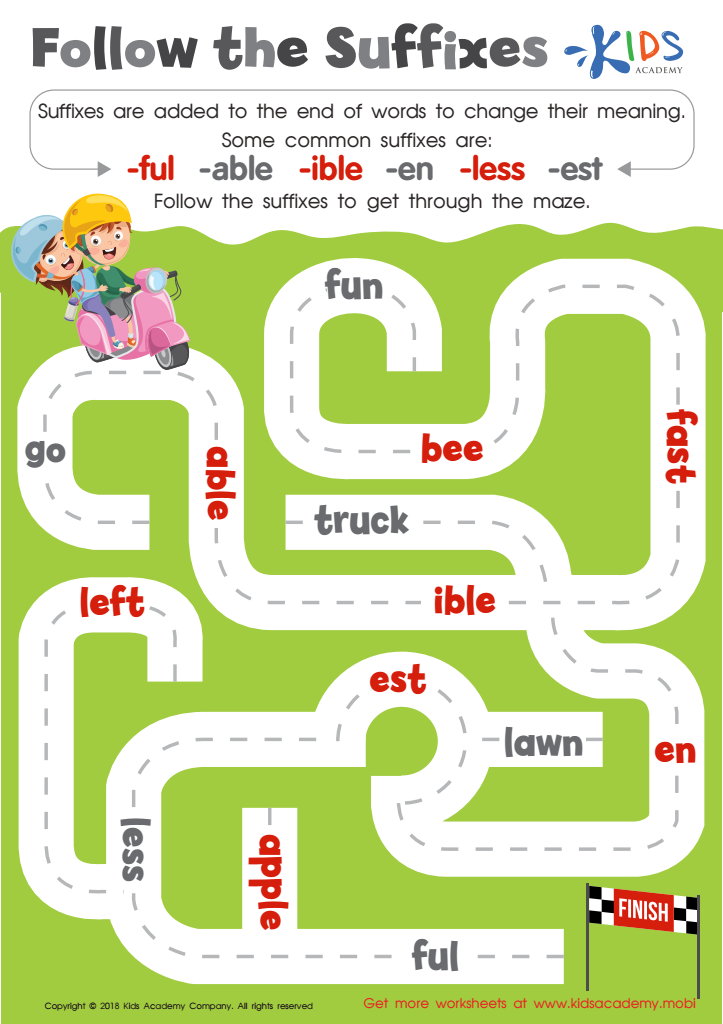
Reading: Follow the Suffixes Worksheet
 Assign to My Students
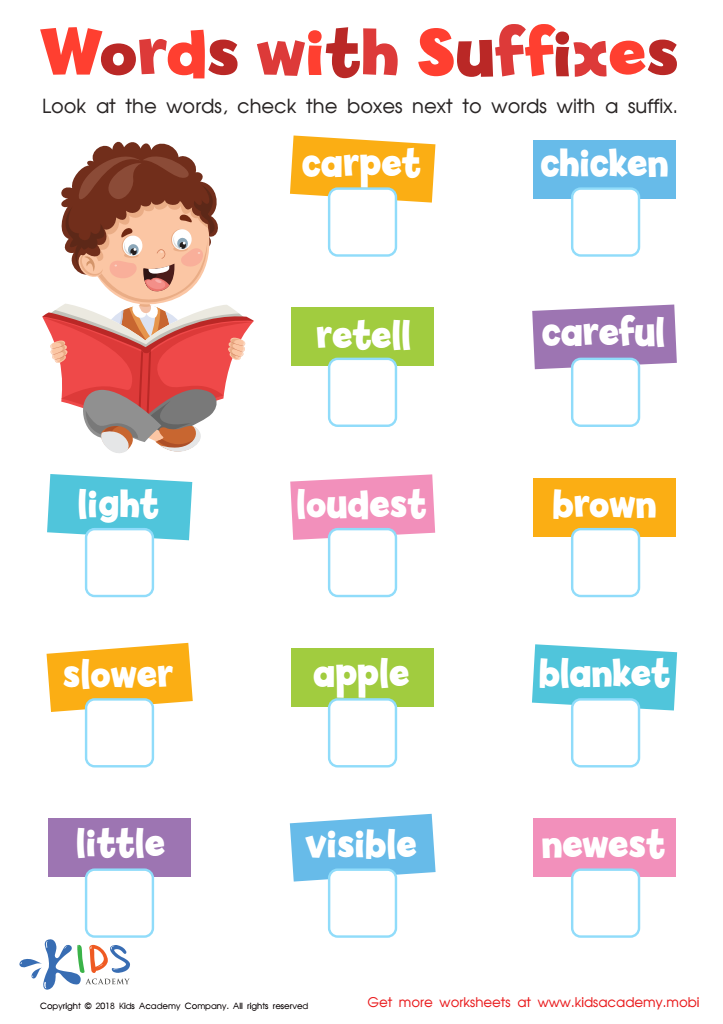
Reading: Words With Suffixes Worksheet
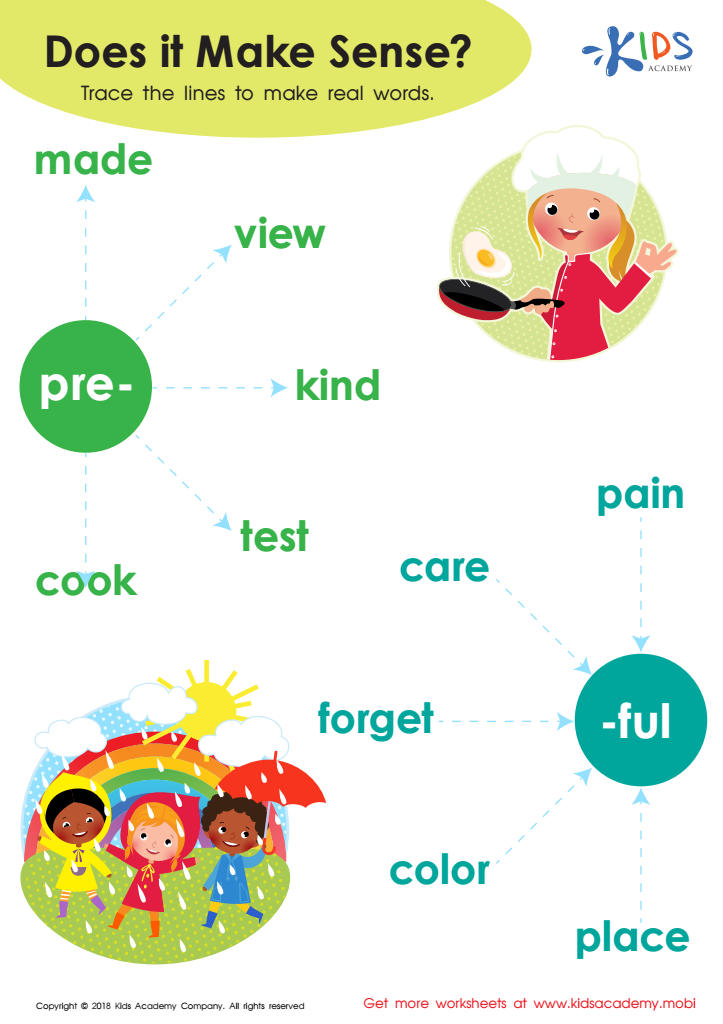
Prefix pre– and Suffix ful– Worksheet
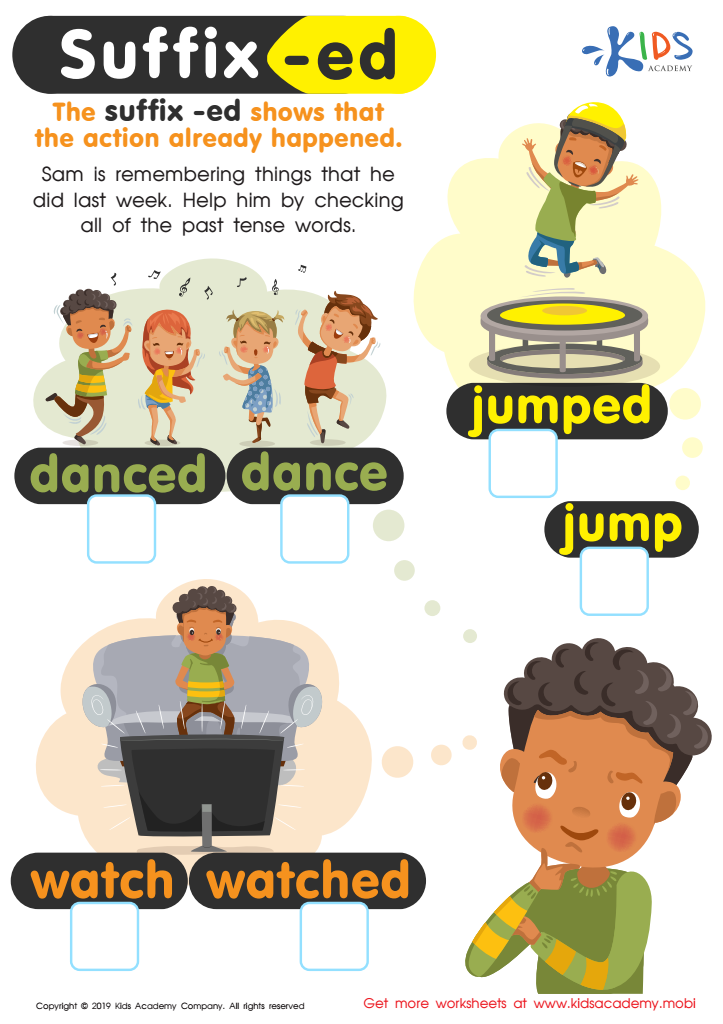
Suffix-ed Worksheet
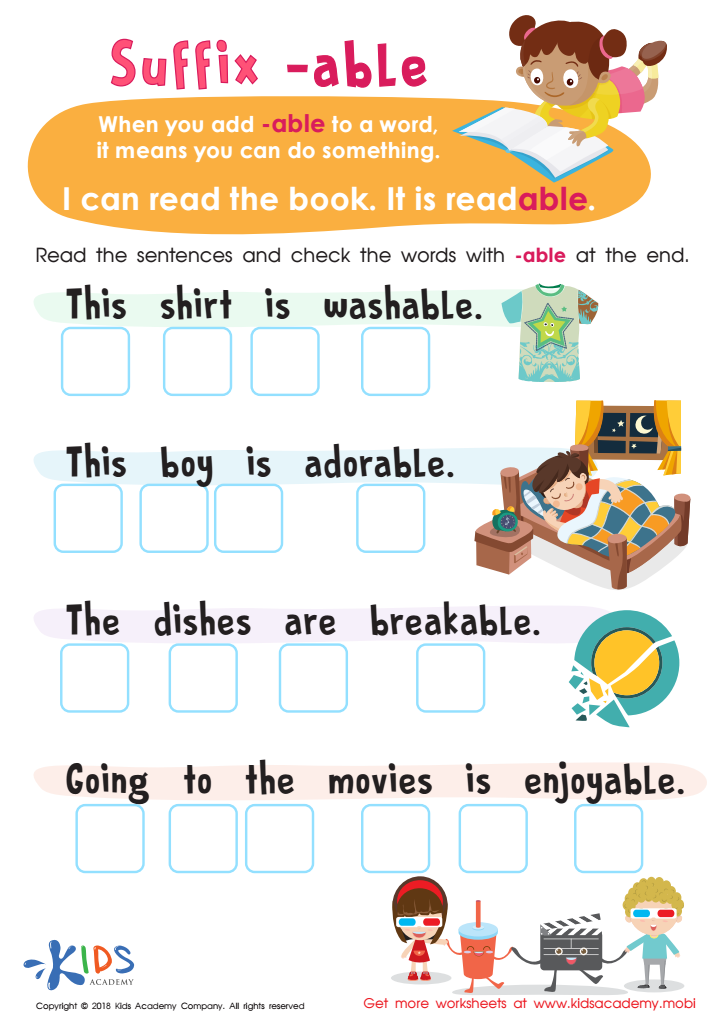
Suffix -Able Worksheet
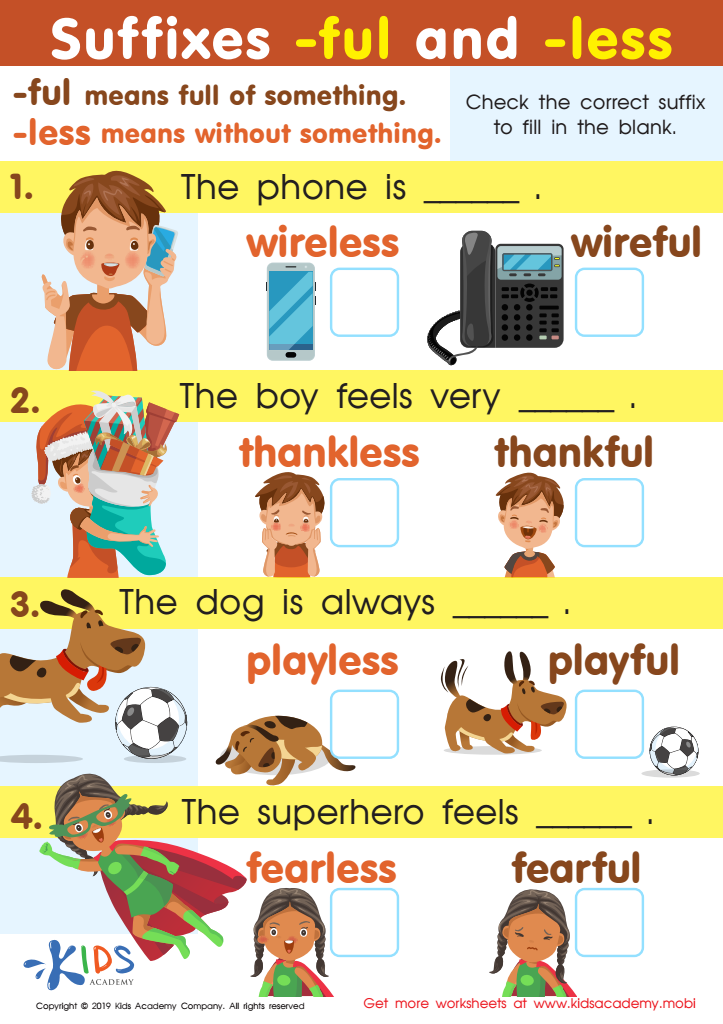
Suffixes –ful and –less Worksheet
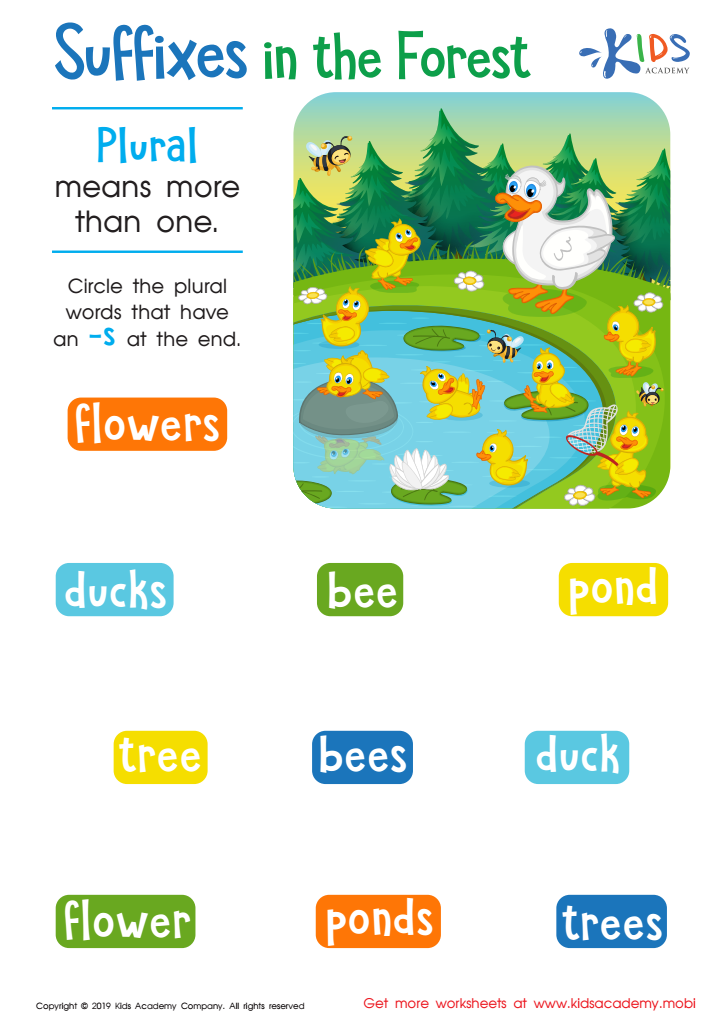
Suffixes in the Forest Worksheet
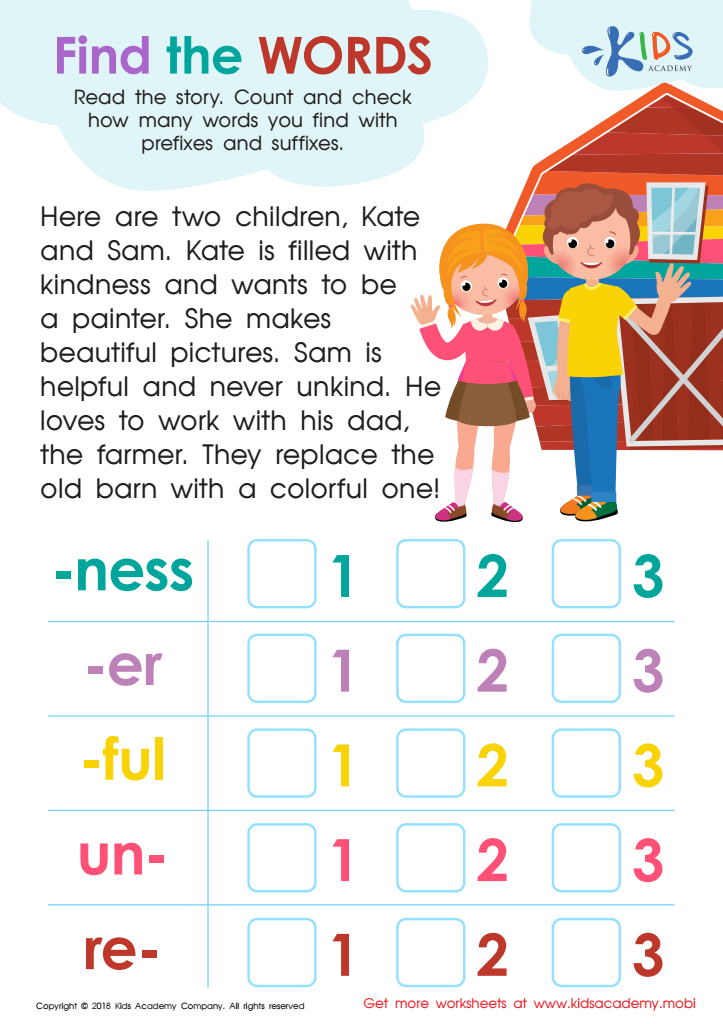
Prefix and Suffix Worksheet For Grade 3
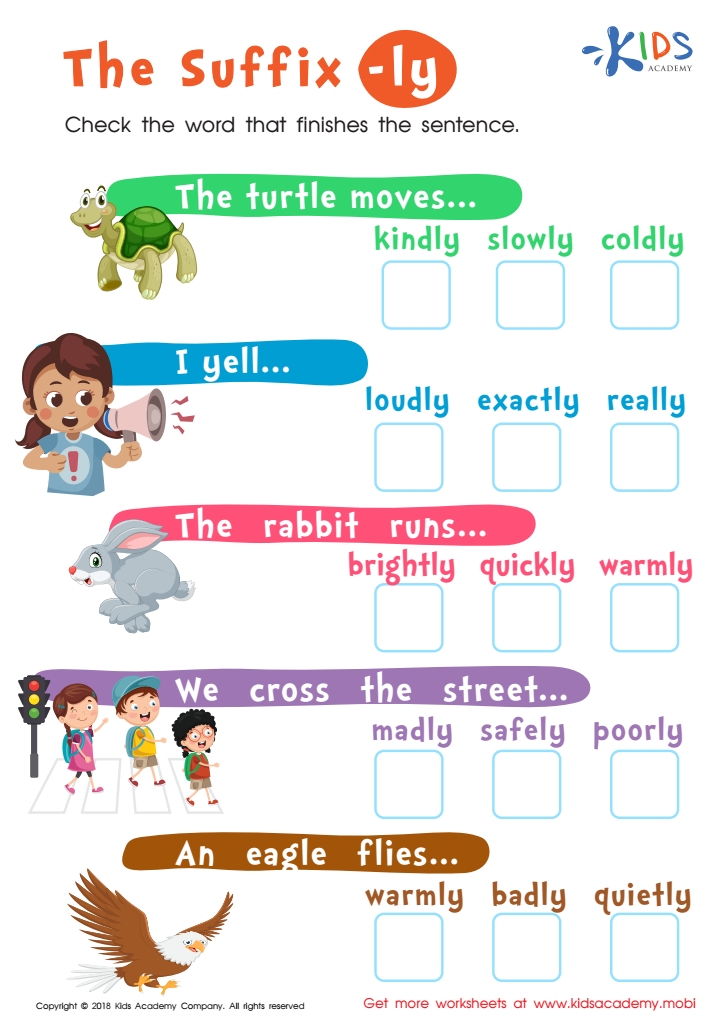
The Suffix -Ly Worksheet
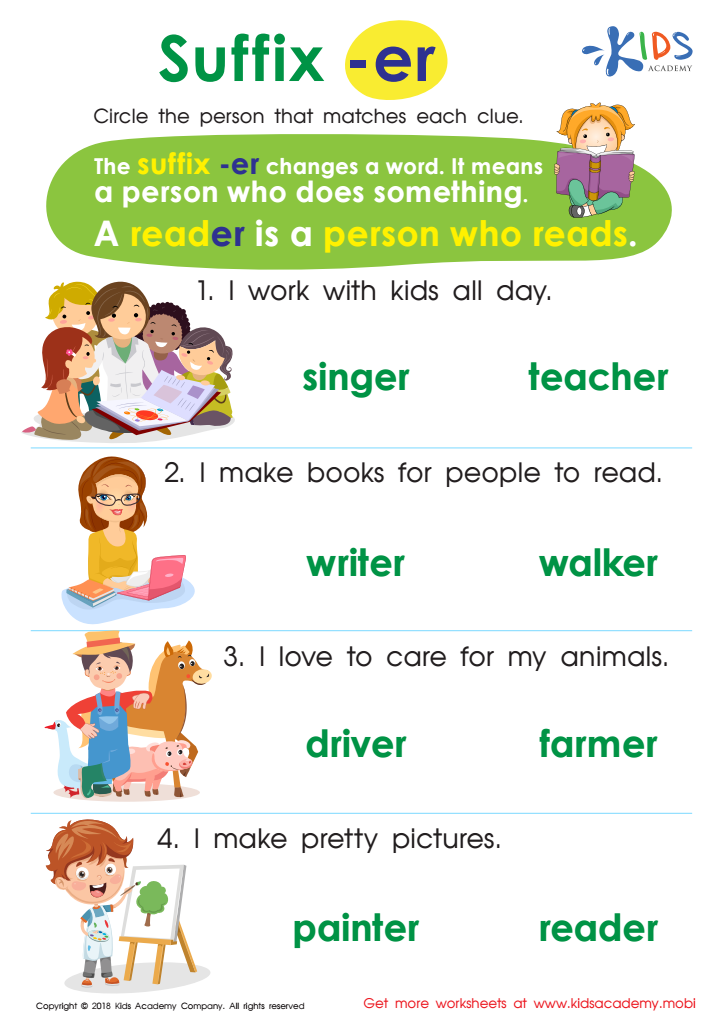
Suffix –er Printable Worksheet








Understanding suffixes is crucial for children ages 6-8, as it significantly enhances their language and literacy development. At this formative stage, children are expanding their vocabulary, and suffixes help them decode the meanings of new words. For example, knowing that adding “-ed” turns a verb into its past tense form enables children to comprehend and construct sentences more accurately. Suffixes such as “-ful”, “-less”, and “-ness” transform basic nouns or verbs into descriptive adjectives or abstract nouns, enriching their expressive capacity and improving their writing skills.
Additionally, understanding suffixes aids in spelling and grammatical mastery. Recognizing patterns, like the transformation of “happy” to “happiness” or “help” to “helpful”, reinforces spelling rules and helps students make intelligent guesses about unfamiliar words. This foundational knowledge promotes reading fluency and boosts confidence, allowing children to tackle more complex texts with assurance.
From a pedagogical perspective, investing time in teaching suffixes aligns with early literacy standards and curriculum goals. It supports differentiated instruction, catering to the varied pace at which children learn language rules. Engaging lessons around suffixes, integrated with fun activities, can make learning enjoyable while fostering critical thinking and analytical skills—essential tools for lifelong learning.