Flora and Fauna Worksheets for Ages 6-9 - Page 2
32 filtered results
-
From - To
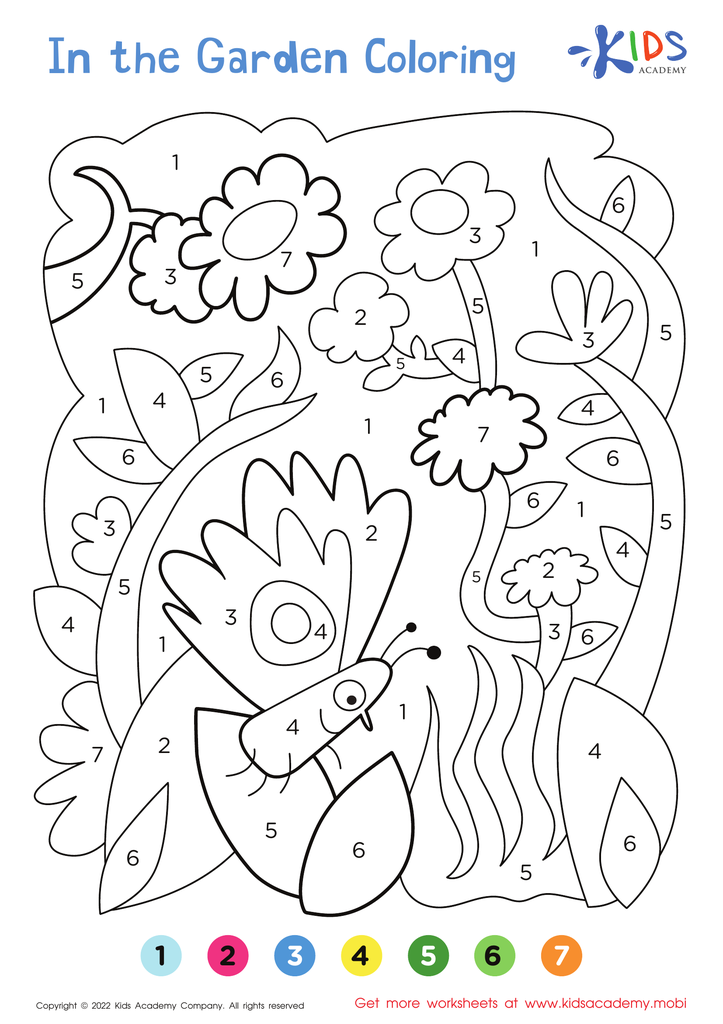
In the Garden – Coloring by Numbers


Parents and teachers should care about flora and fauna for children aged 6-9 because learning about the natural world fosters curiosity and environmental awareness. At this age, children are naturally inquisitive, making it an ideal time to introduce concepts about plants (flora) and animals (fauna). Understanding basic ecological principles helps instill a sense of respect and responsibility for nature, encouraging kids to become mindful stewards of their environment.
Engaging with flora and fauna enhances critical thinking and observational skills. Hands-on activities like nature walks or gardening provide opportunities to explore, observe, and question, helping to develop scientific reasoning and inquiry skills. Additionally, learning about biodiversity can highlight the importance of conservation, teaching children that organized ecosystems are vital for life on Earth.
Incorporating lessons on flora and fauna also promotes healthy lifestyle choices. Knowledge about plants, such as fruits and vegetables, encourages healthy eating habits, while understanding wildlife can spark a commitment to outdoor activities, fostering physical fitness and mental well-being. Ultimately, instilling an appreciation for flora and fauna in early childhood nurtures informed, caring individuals who will ideally advocate for sustainable practices and protect the planet's rich biodiversity as they grow.