Visual Learning Worksheets for Ages 6-9
19 filtered results
-
From - To
Enhance your child's educational journey with our Visual Learning Worksheets for ages 6-9! Designed to spark curiosity and boost comprehension, these interactive worksheets incorporate vibrant visuals and engaging activities, helping young learners grasp essential concepts effortlessly. Tailored to cover various subjects including math, reading, and science, our resources support cognitive development and foster independent thinking. Perfect for both classroom environments and home study, Kids Academy offers an effective, fun way for children to excel. Dive in now and watch your child’s learning take flight with our expertly crafted visual learning tools!
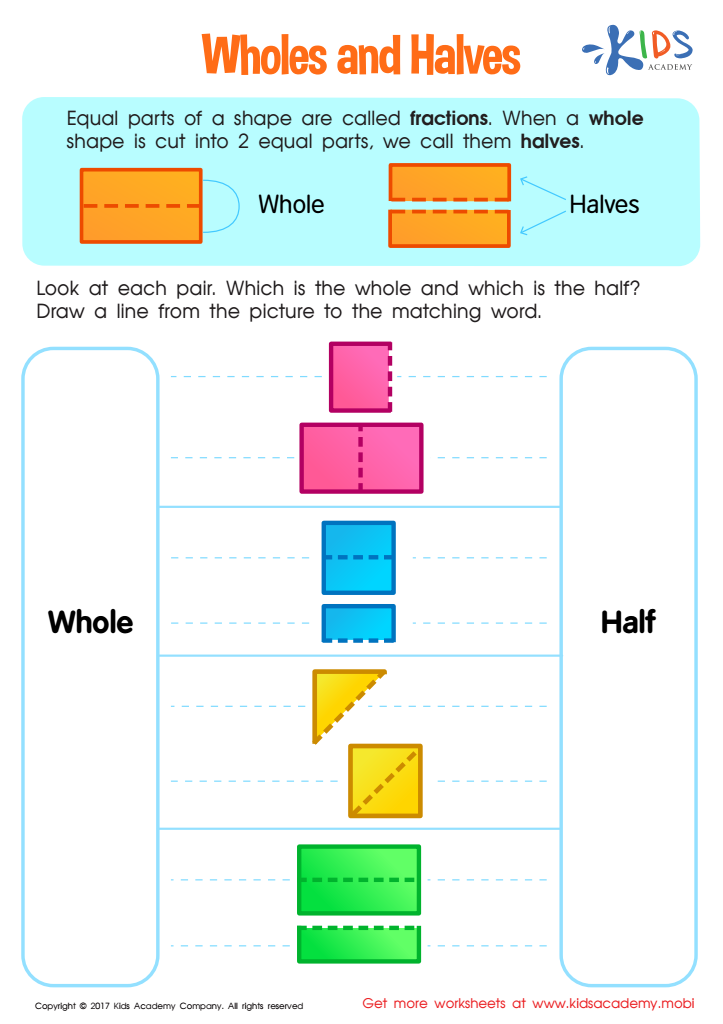
Wholes and Halves Worksheet
 Assign to My Students
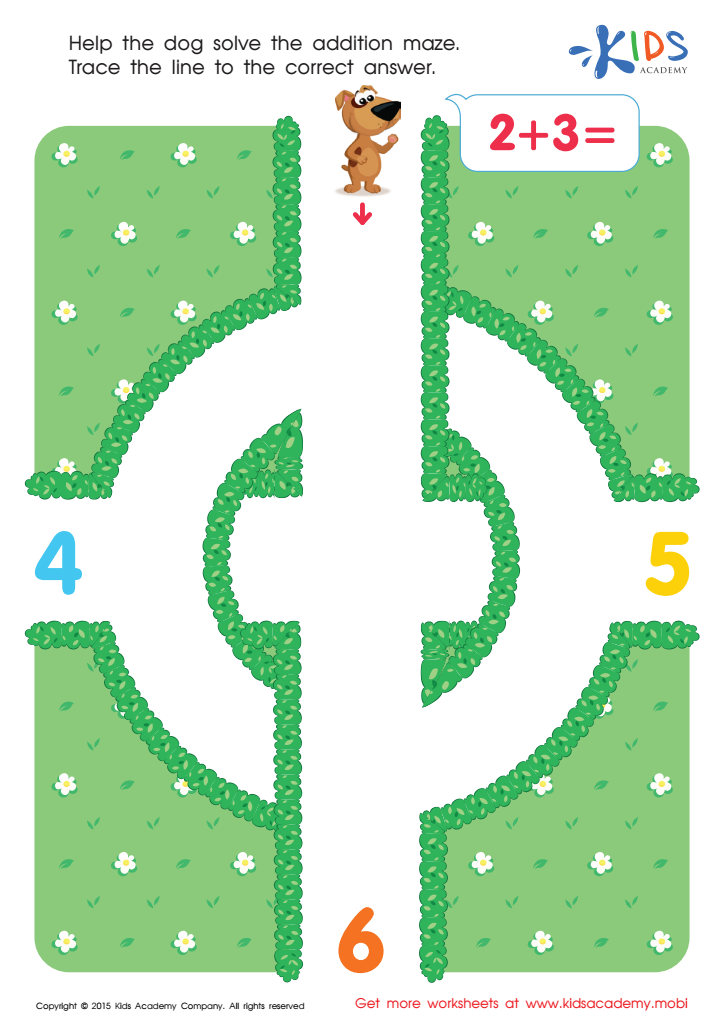
Two And Three Addition Worksheet
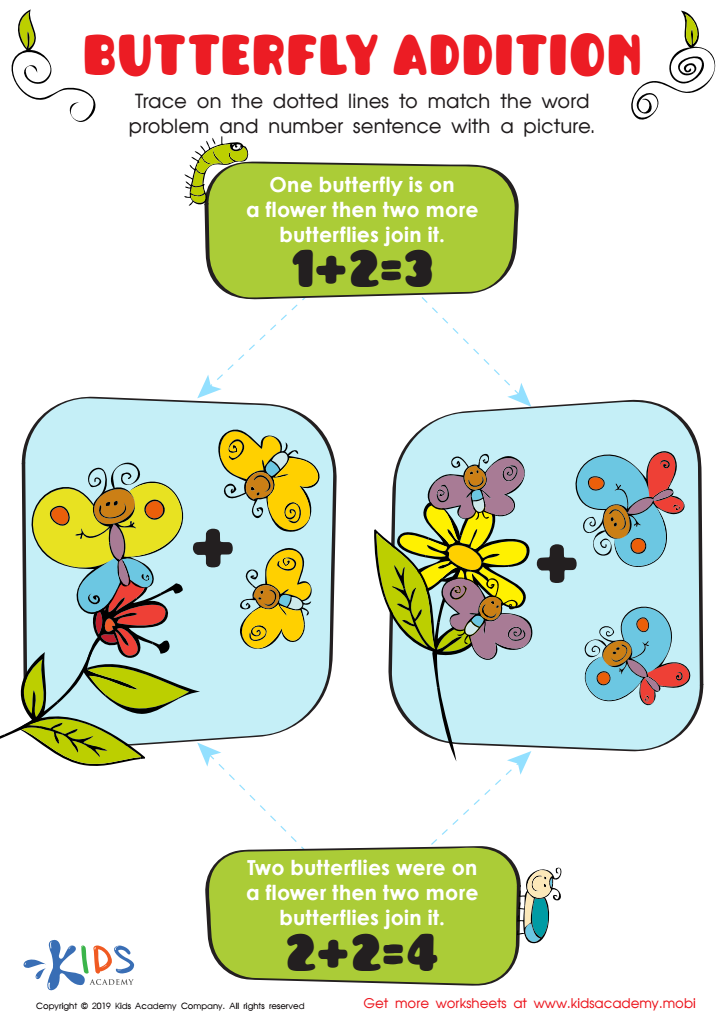
Butterfly Addition Worksheet
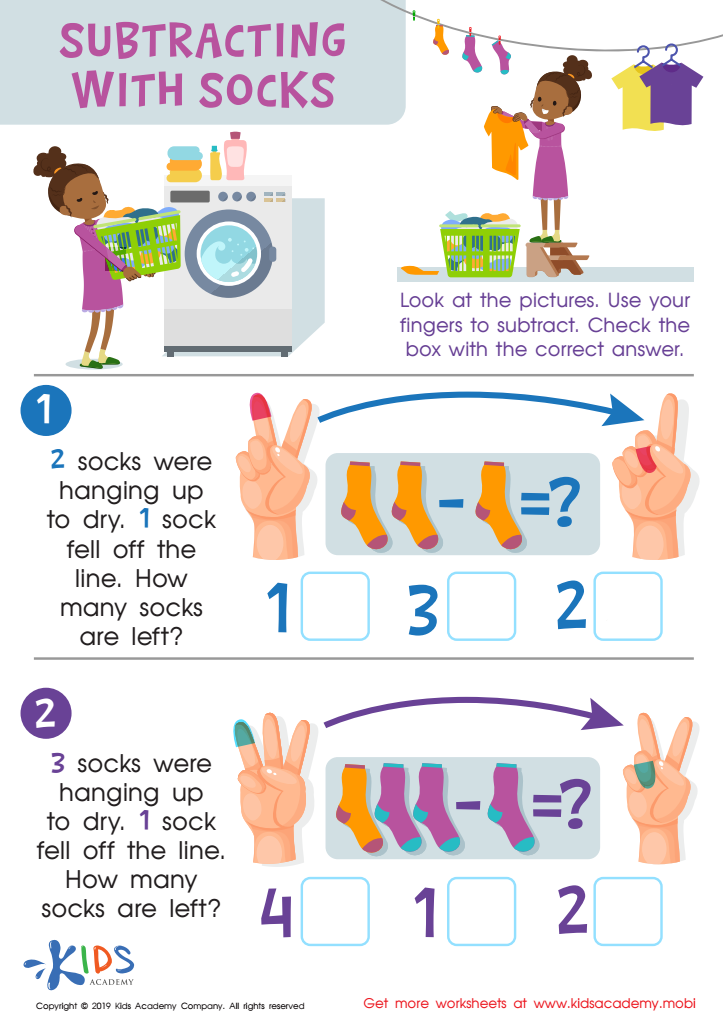
Subtracting Socks Worksheet
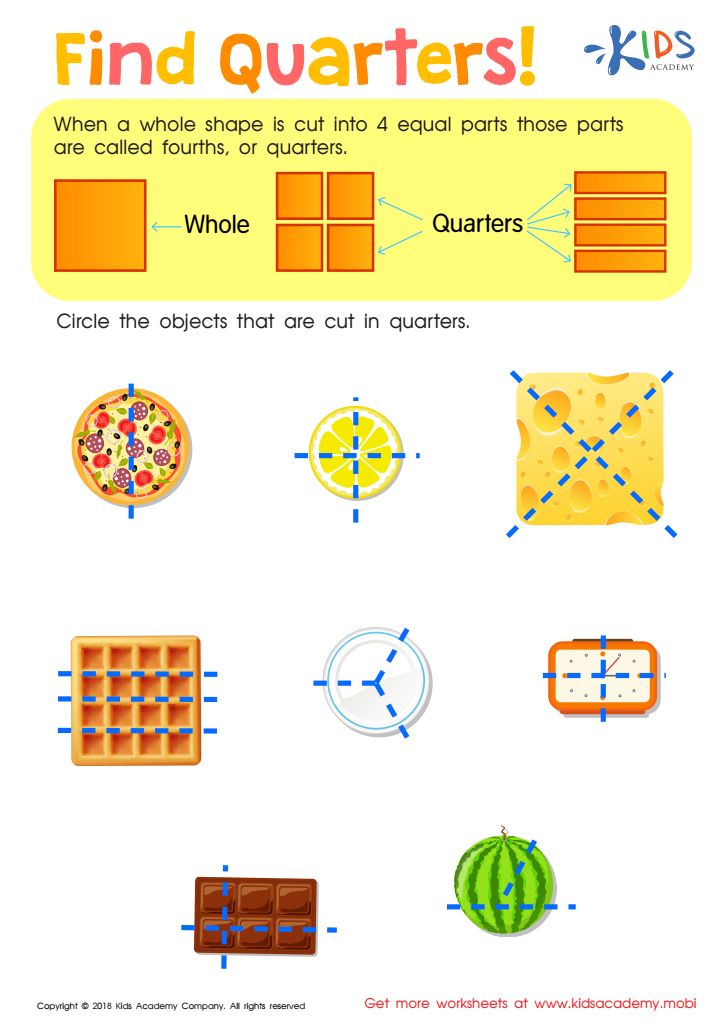
Find Quarters Worksheet
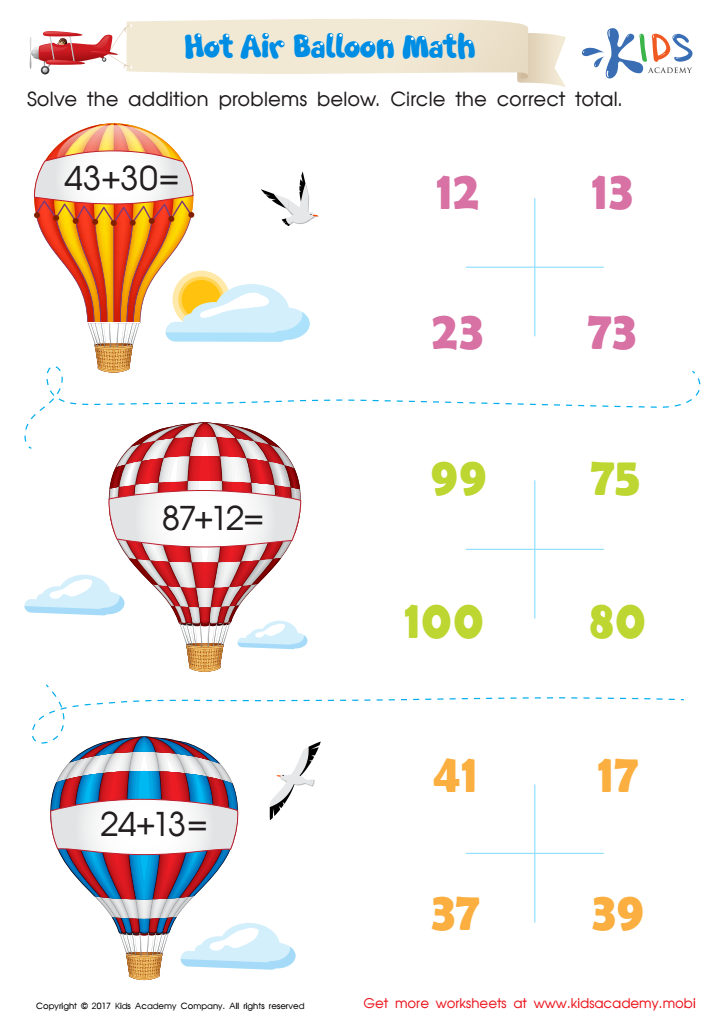
Hot Air Balloon Math Worksheet
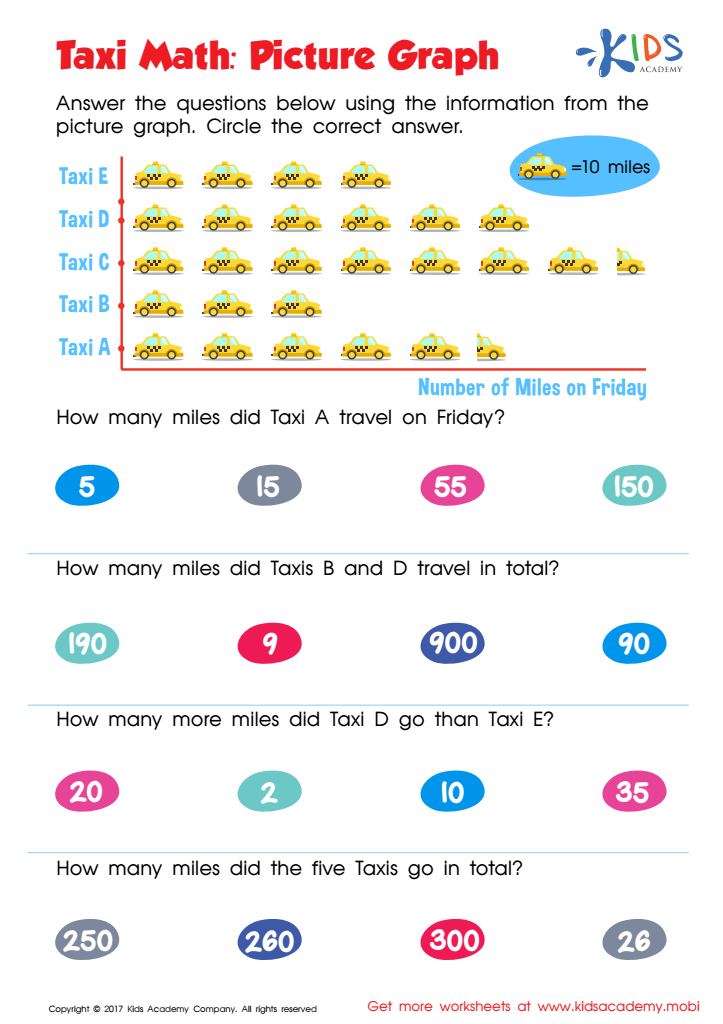
Taxi Math Worksheet
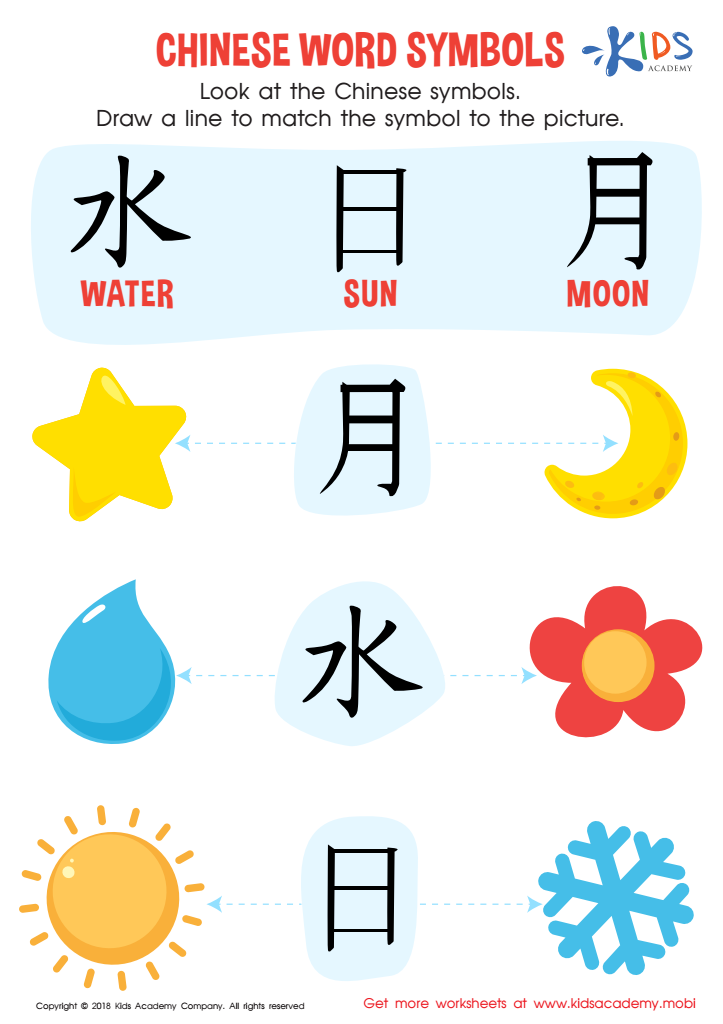
Chinese Word Symbols Worksheet
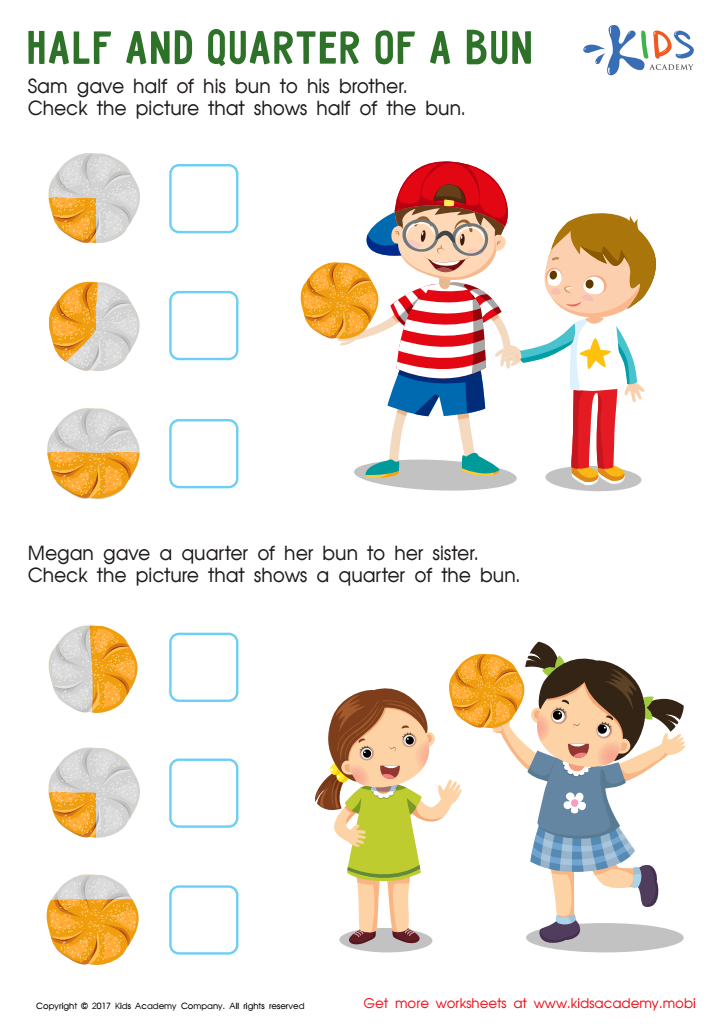
Half and Quarter of a Bun Worksheet
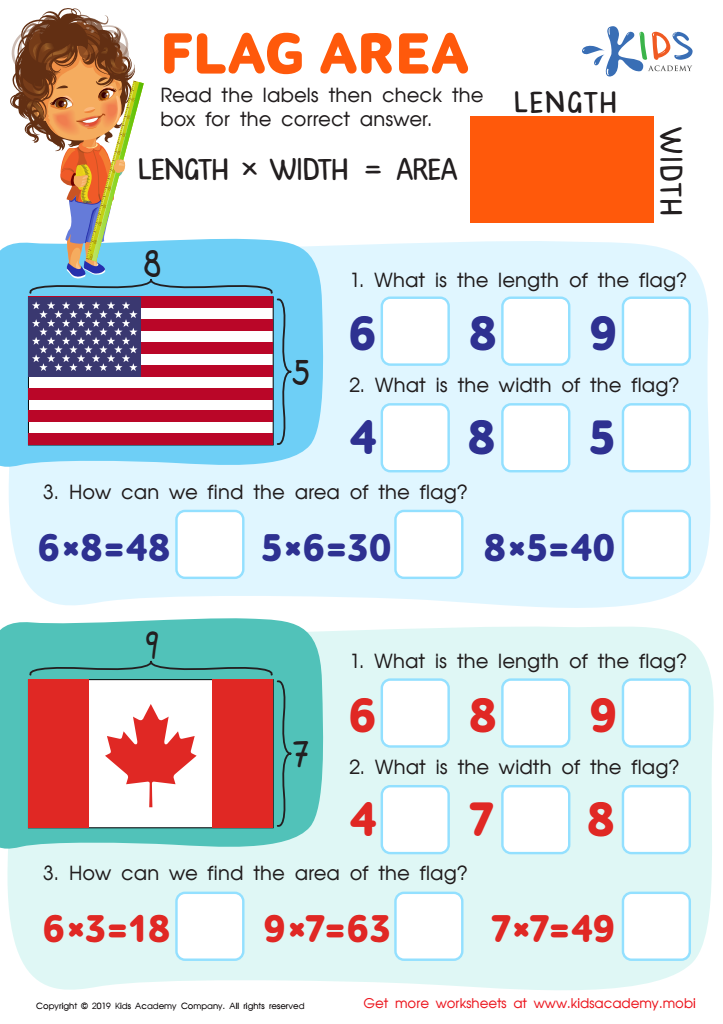
Flag Area Worksheet
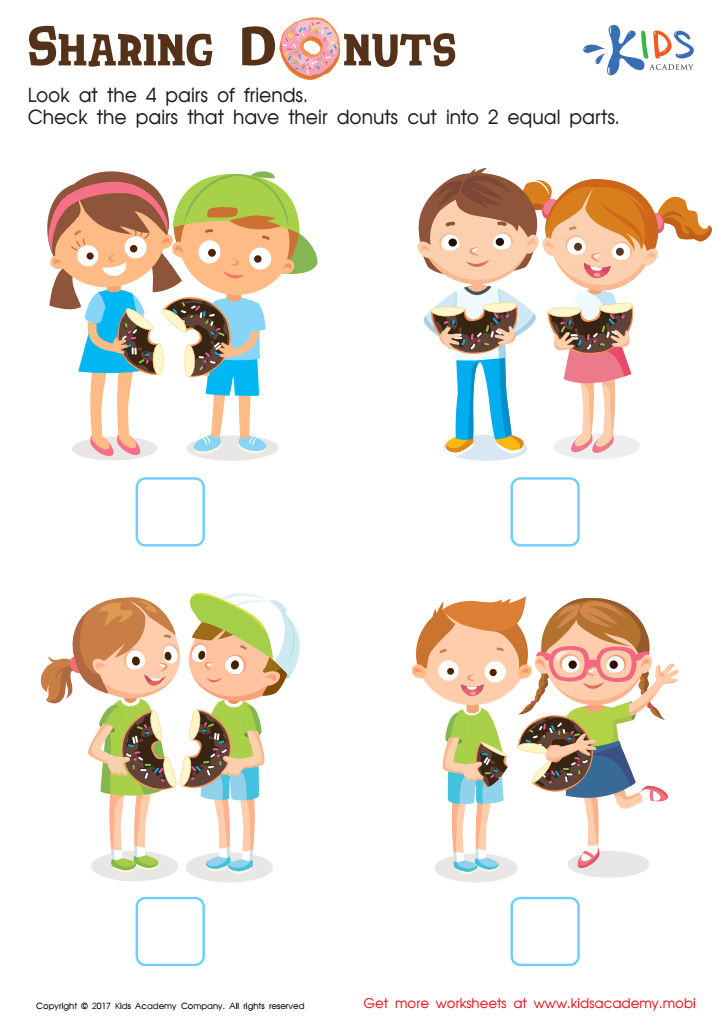
Sharing Donuts Worksheet
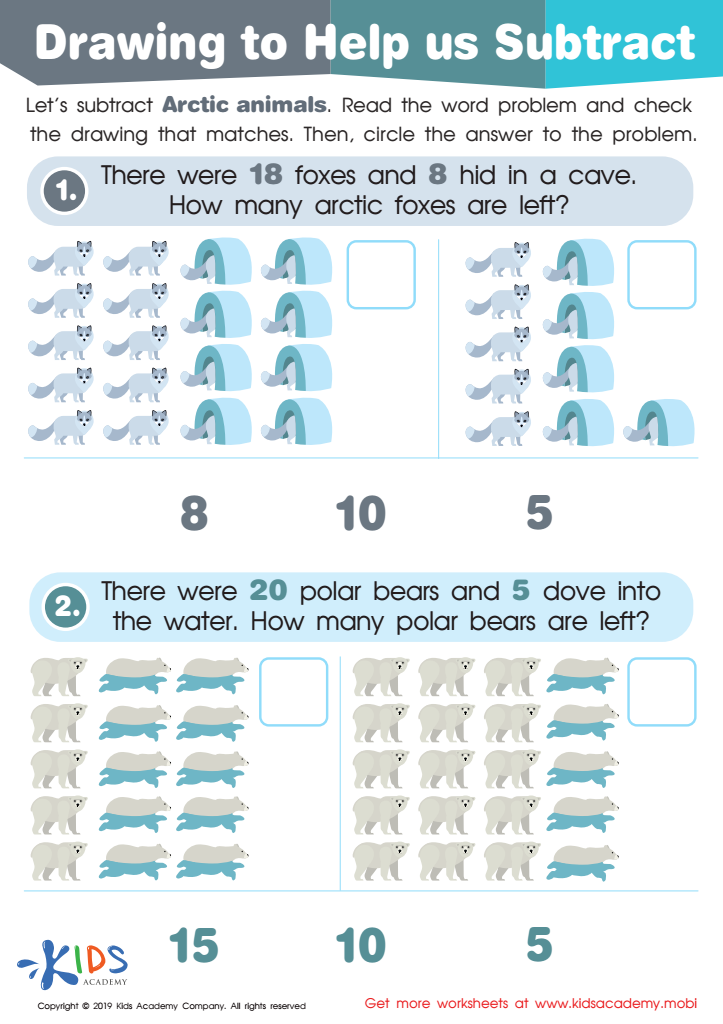
Drawing to Help Us Subtract Worksheet
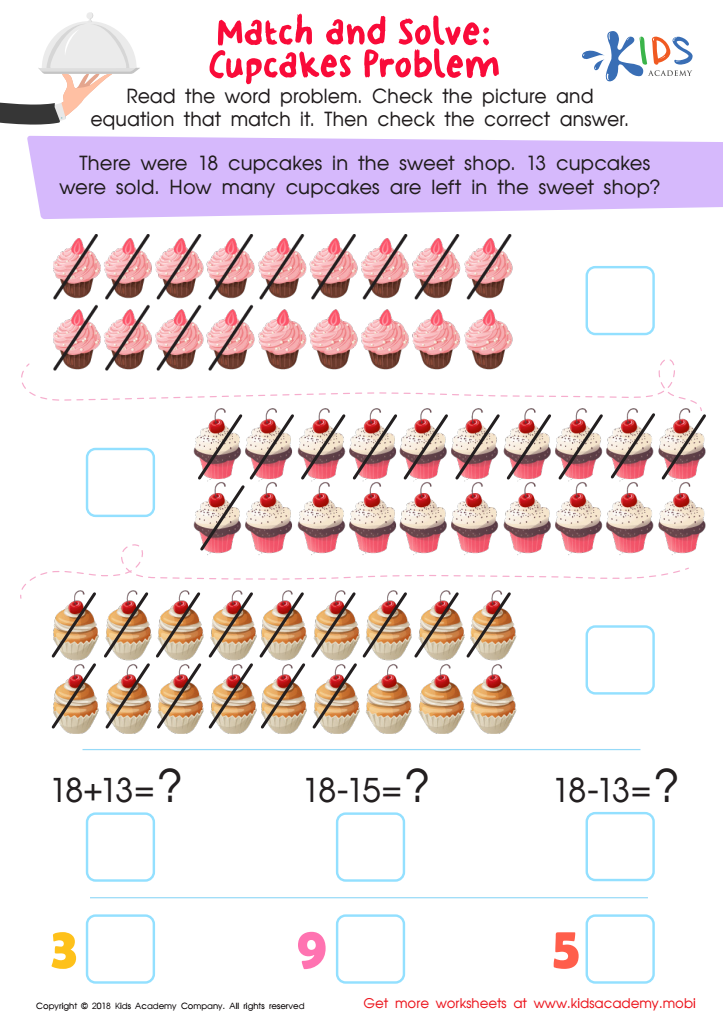
Match and Solve: Cupcakes Problem Worksheet
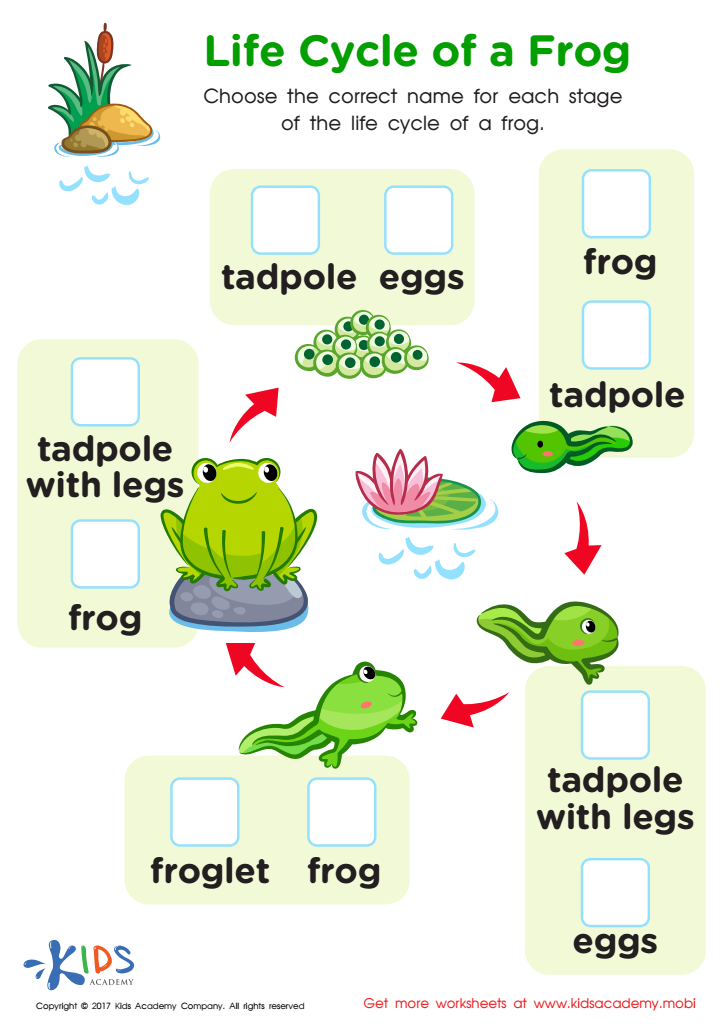
Life Cycle Frog Printable
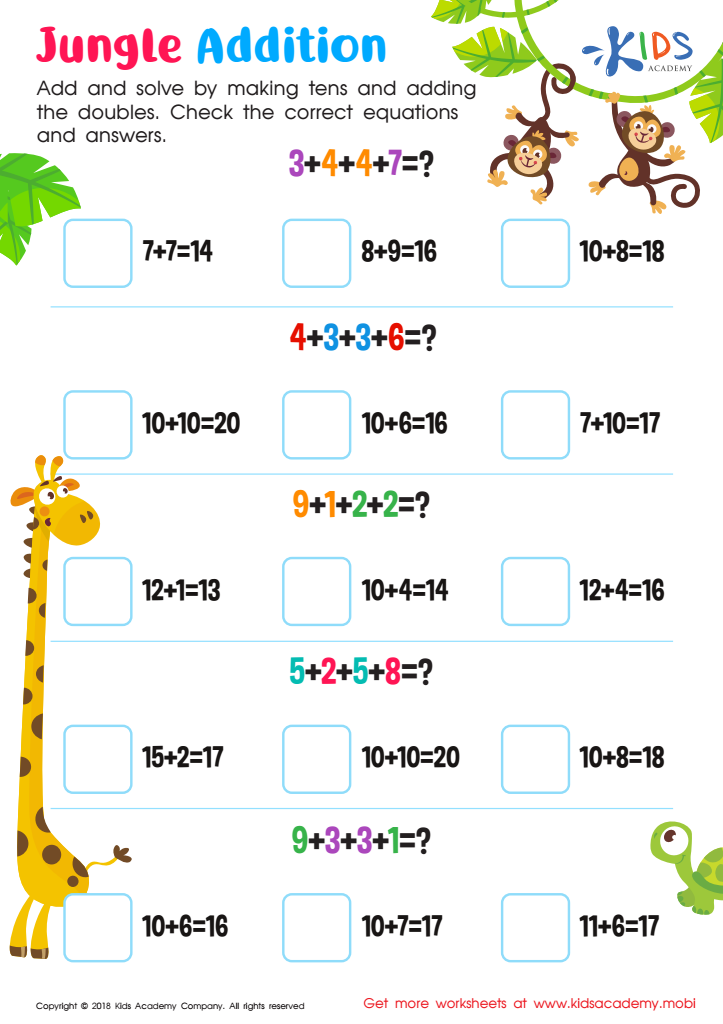
Jungle Addition Worksheet
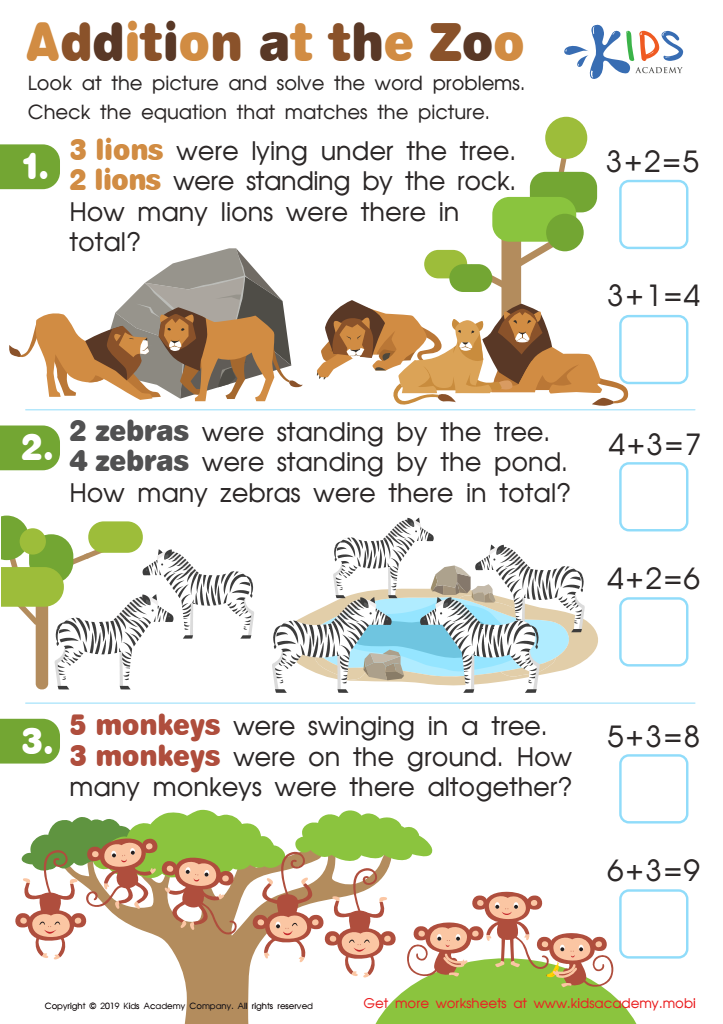
Addition at the Zoo Worksheet
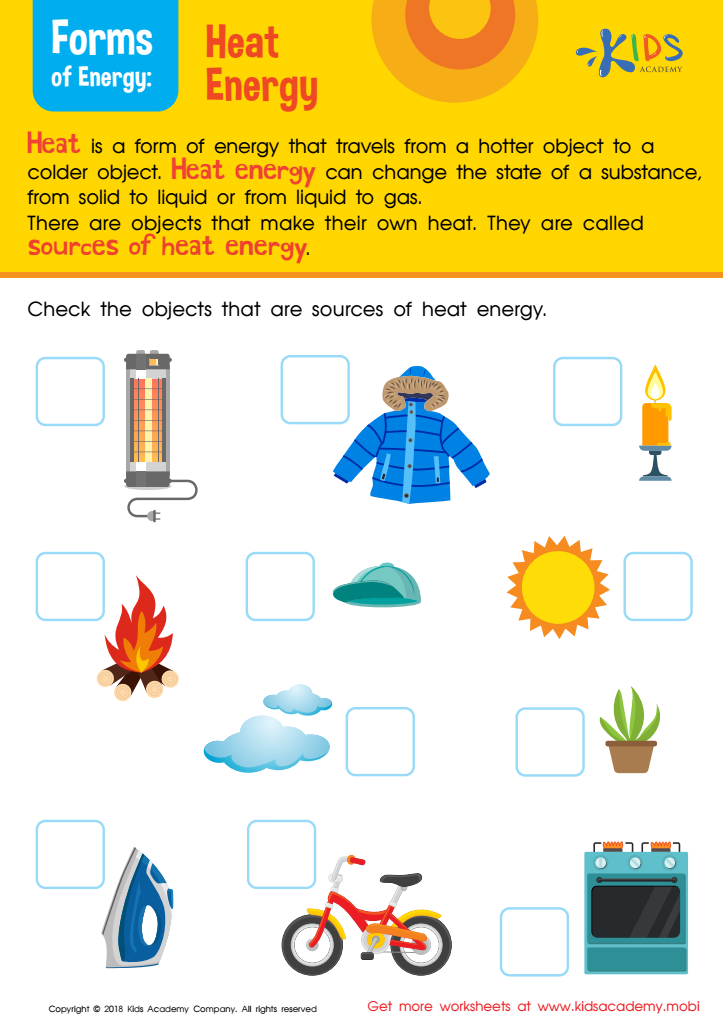
Sources of Heat Energy Worksheet
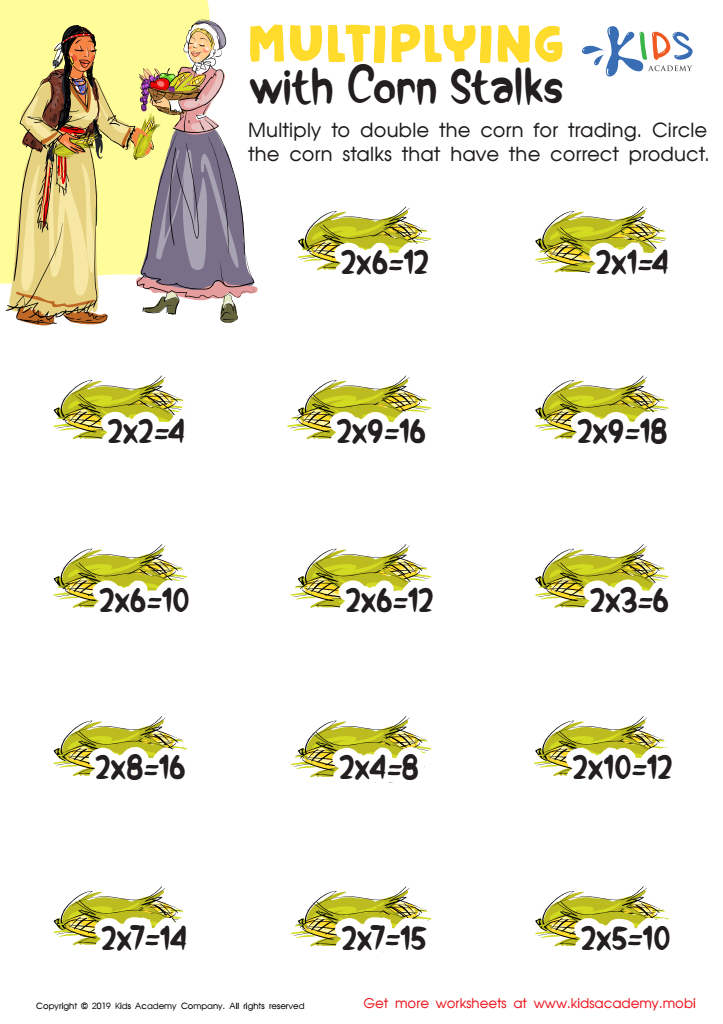
Multiplying With Corn Stalks Worksheet




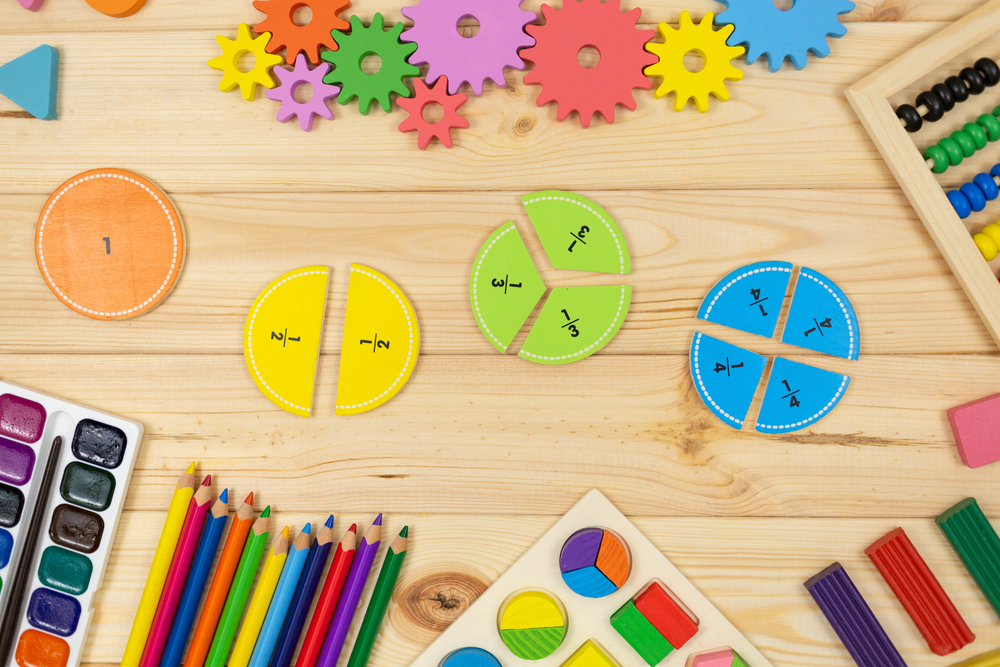



Visual learning is especially impactful for children ages 6-9, a critical period for cognitive development. At this stage, young minds are exceptionally receptive to visual stimuli, which can greatly enhance comprehension, memory, and engagement.
Firstly, visual learning concretizes abstract concepts, making them more understandable. Illustrations, diagrams, and pictorial activities help transform complex information into easily digestible formats. For instance, a child struggling with math problems can better grasp them when presented with visual aids like number lines, pie charts, or colorful blocks.
Secondly, visual aids capture and retain young learners' attention more effectively than text alone. Bright and attractive visuals can make the learning process more enjoyable, thus fostering a positive attitude toward education. A child who finds lessons engaging is more likely to participate actively and retain what they've learned.
Visual learning also caters to varied learning styles. Not all children excel through verbal instruction; some thrive when they see the information laid out visually. Incorporating diverse teaching methods ensures that no student is left behind.
Lastly, visuals encourage critical thinking and creativity. Asking children to create mind maps, drawings, or storyboards allows them to process information differently, linking ideas in innovative ways.
In summary, prioritizing visual learning approaches enriches the educational experience, catering to developmental needs and fostering lifelong learning skills.








