Counting practice Numbers Worksheets for Ages 6-9 - Page 2
44 filtered results
-
From - To
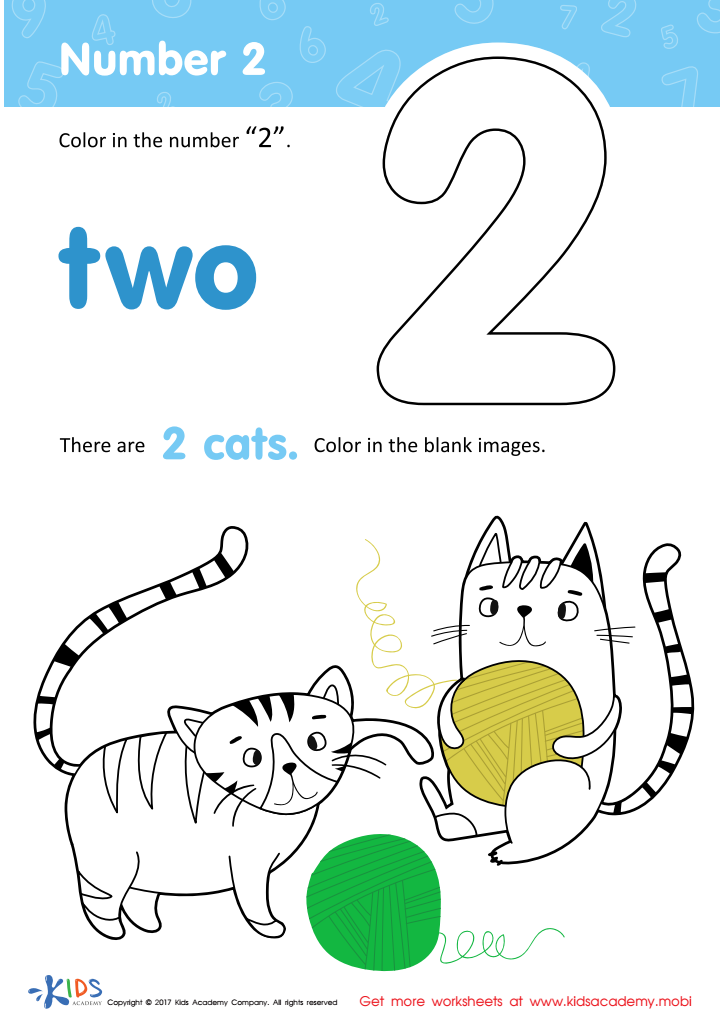
Number 2 Printable
 Assign to My Students
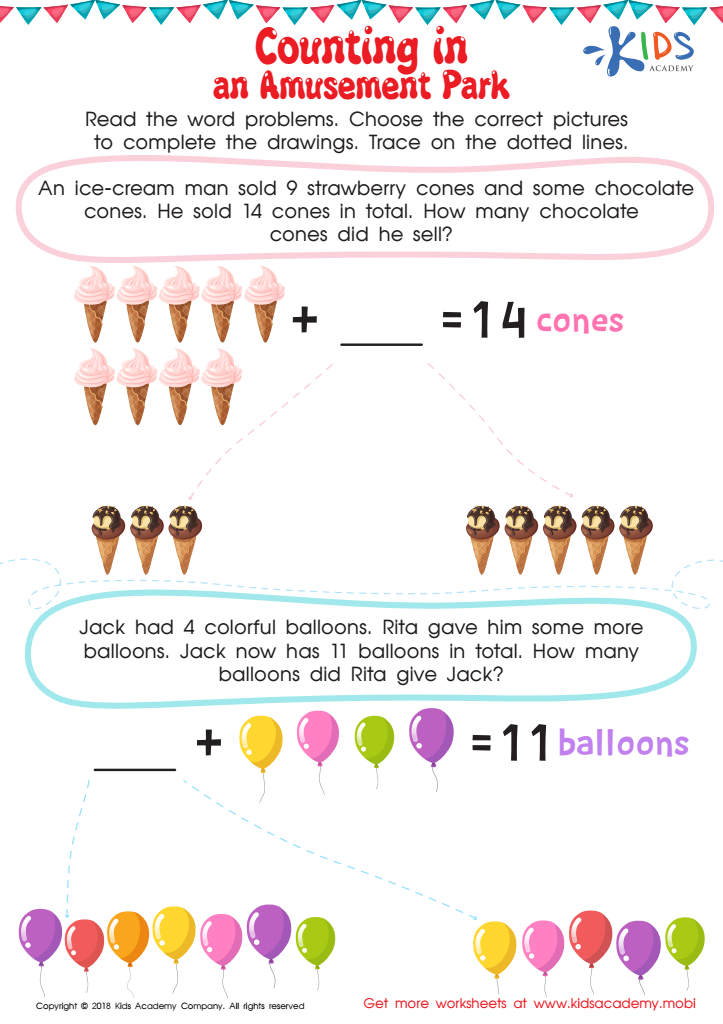
Counting in an Amusement Park Worksheet
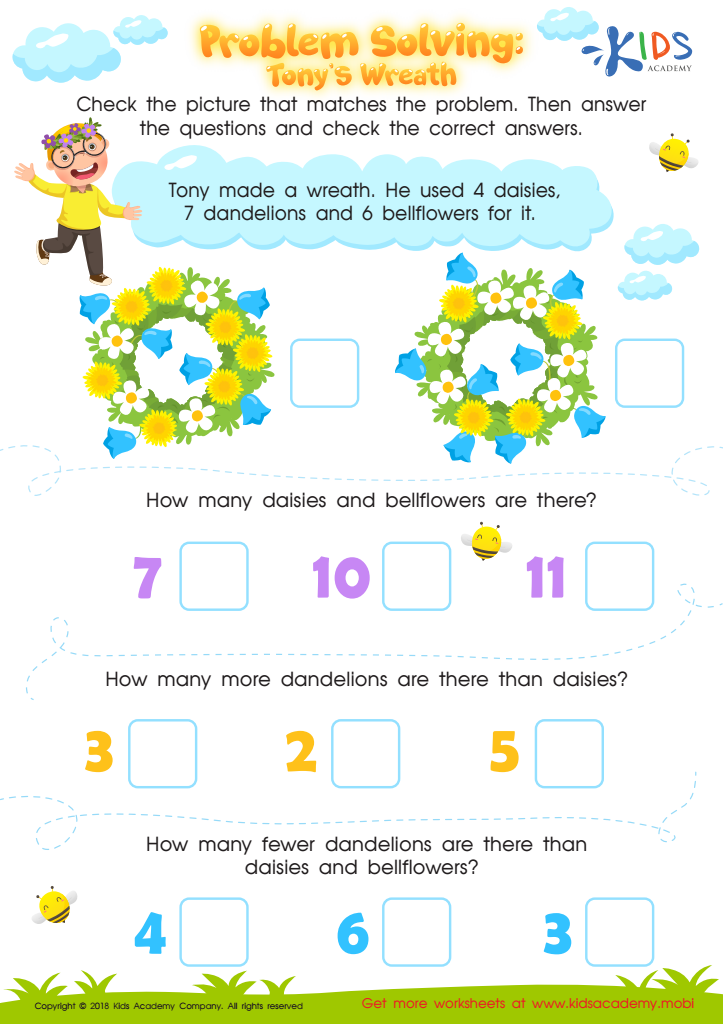
Problem Solving: Tony's Wreath Worksheet
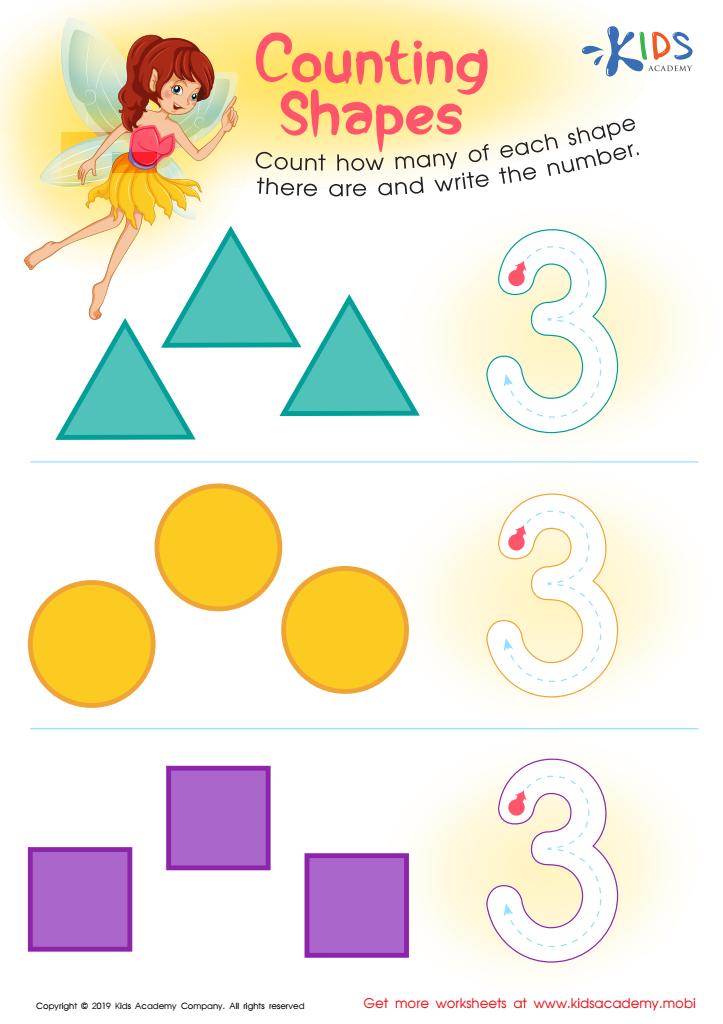
Counting Shapes Worksheet
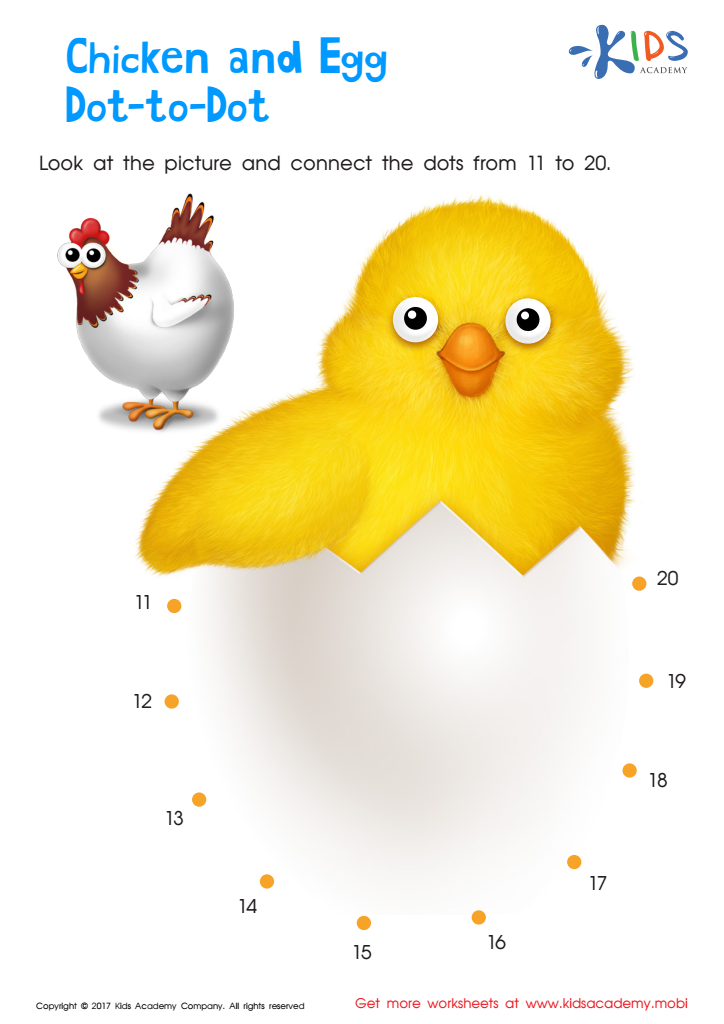
Ordering 11–20: Chicken & Egg Dot–to–dot Worksheet
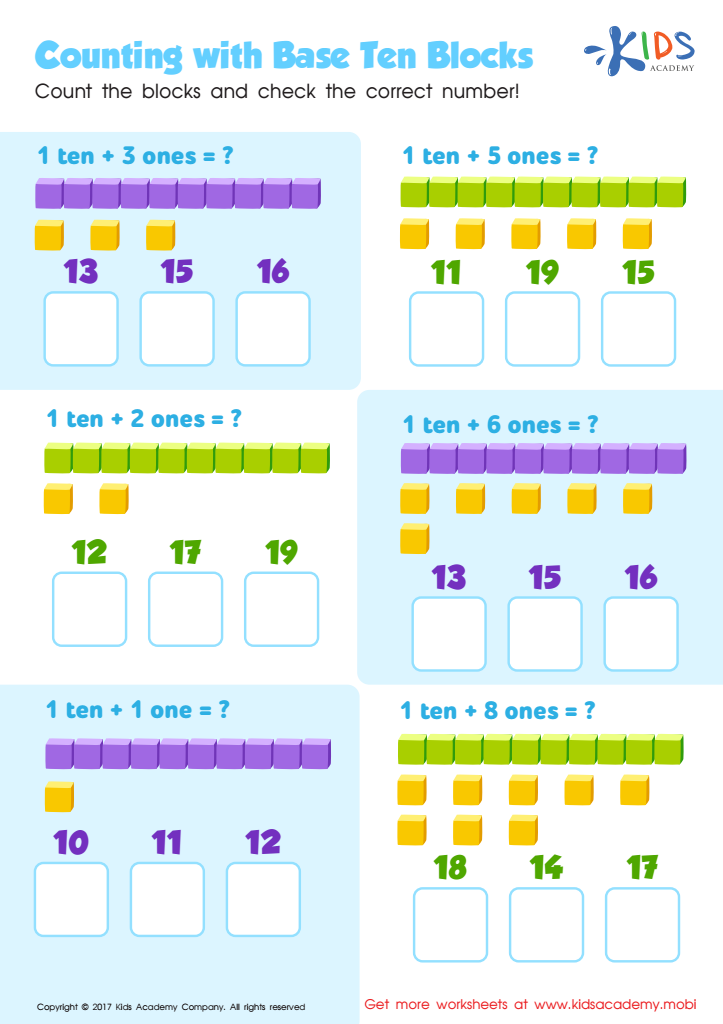
Counting with Base Ten Blocks Worksheet
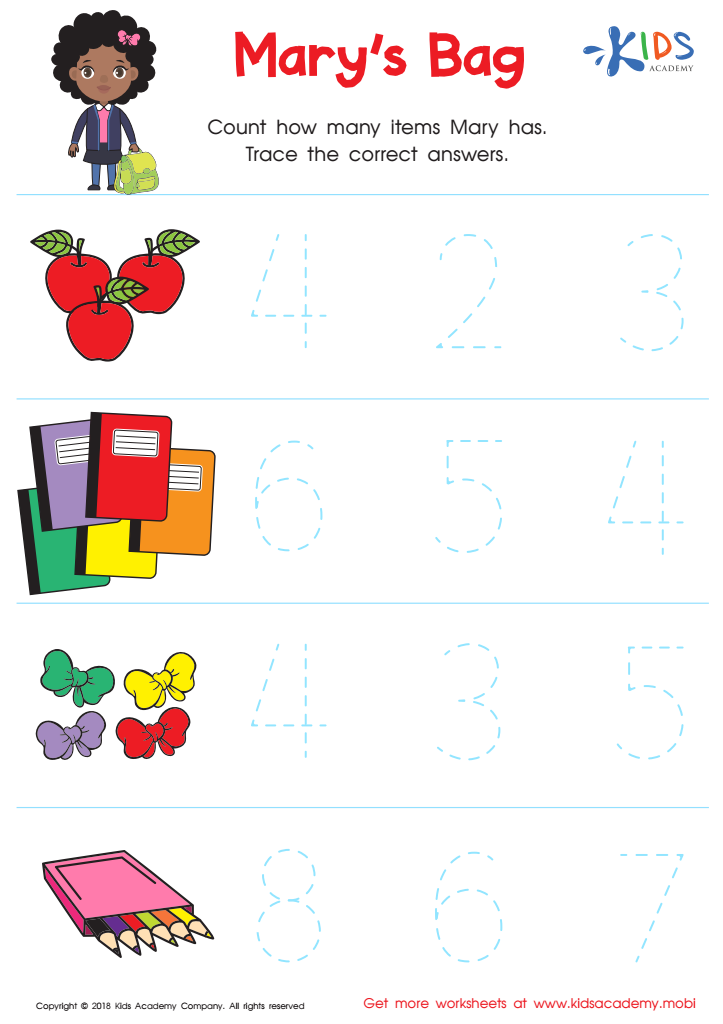
Kindergarten Number Tracing: Mary's Bag Worksheet
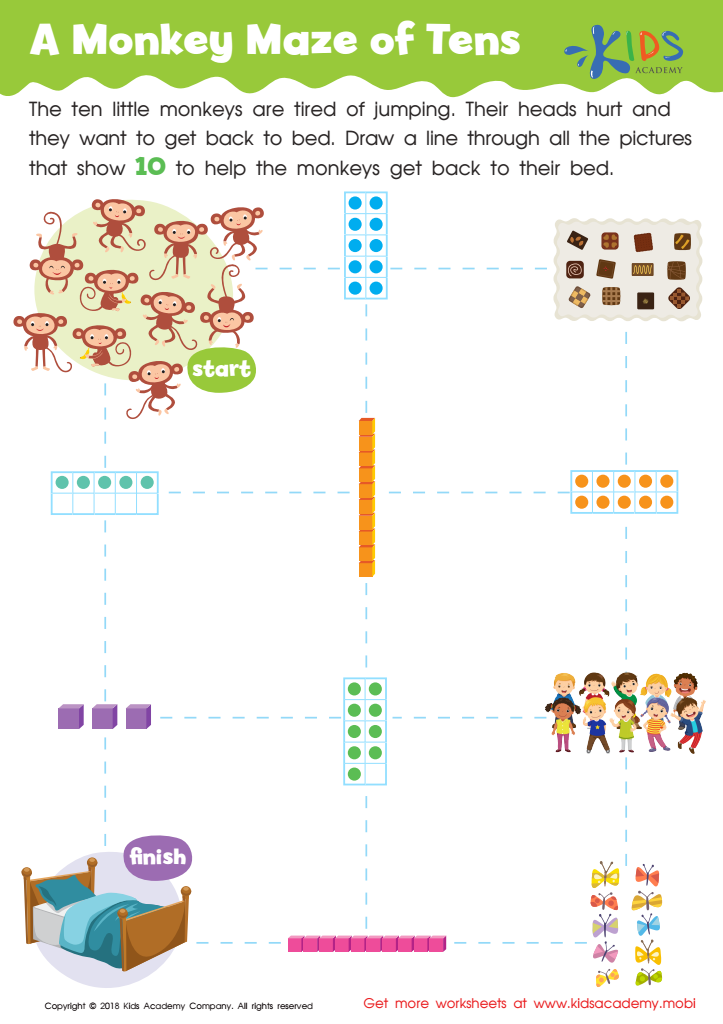
A Monkey Maze of Tens Worksheet

Eight Geese Worksheet
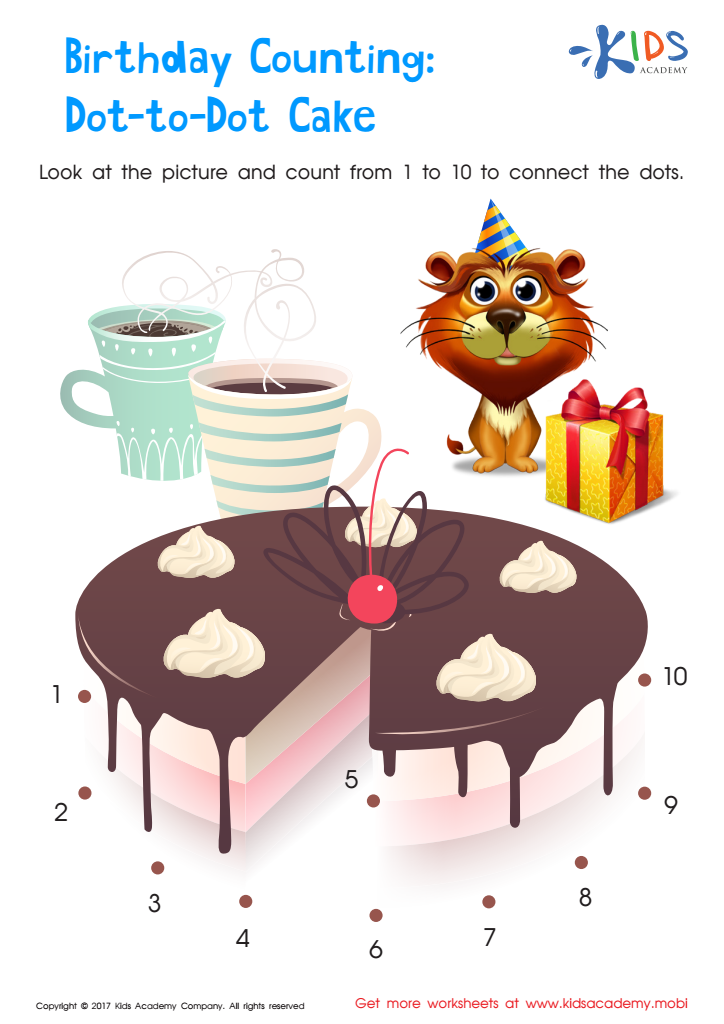
Birthday Counting Connect Dots Worksheet

Underwater Adventure Worksheet
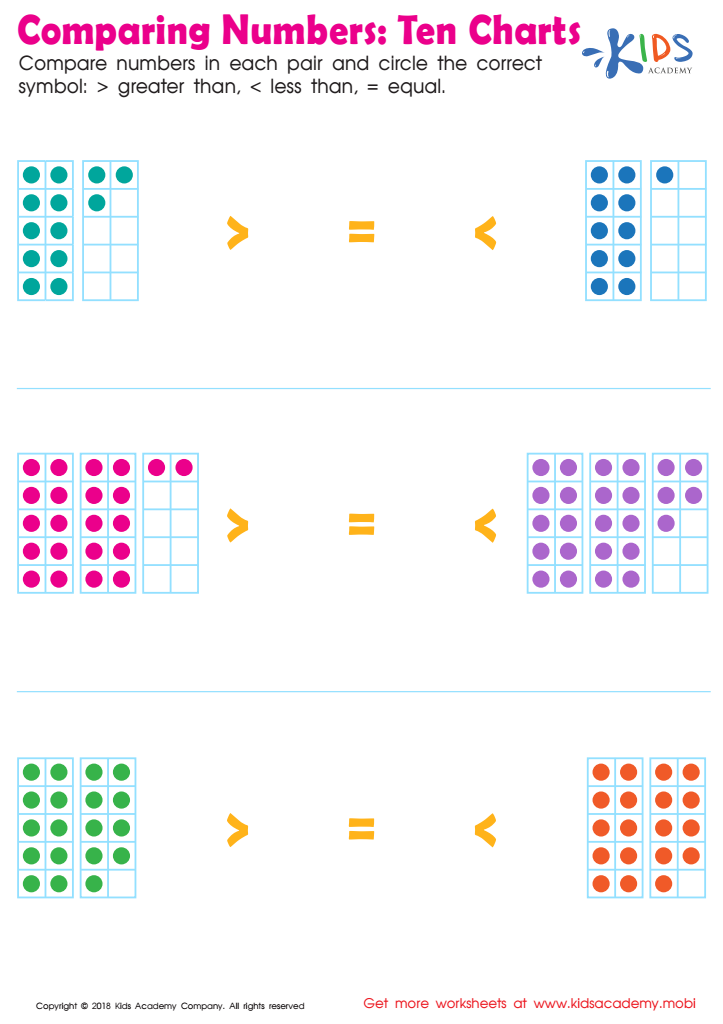
Ten Charts Worksheet

Make 6 Worksheet
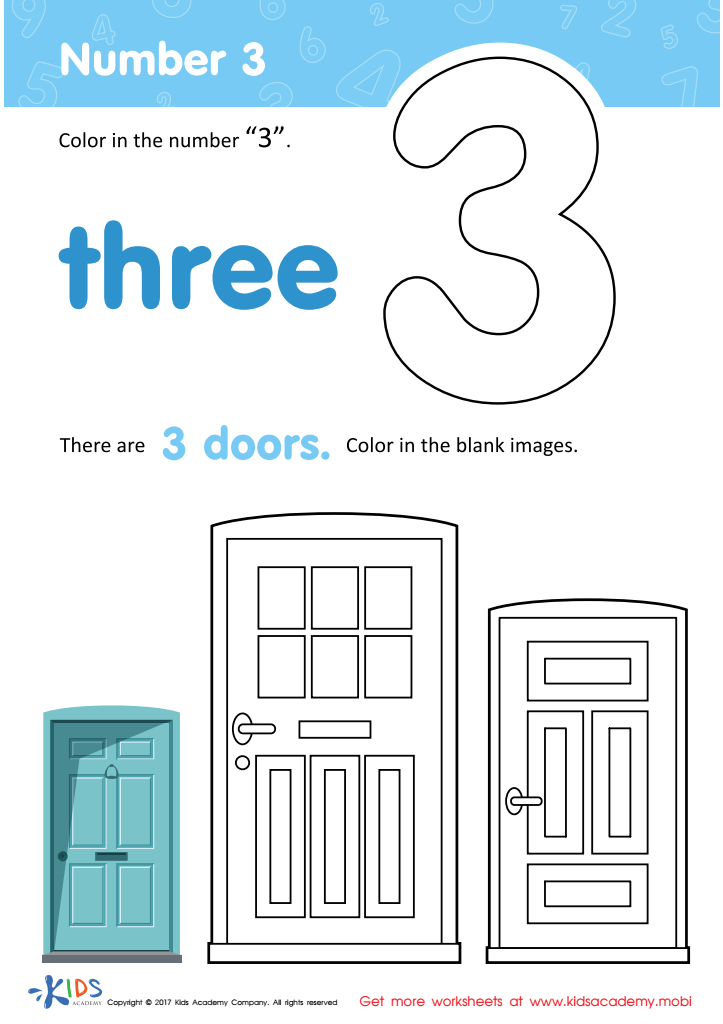
Number 3 Worksheet
Assign to My Students
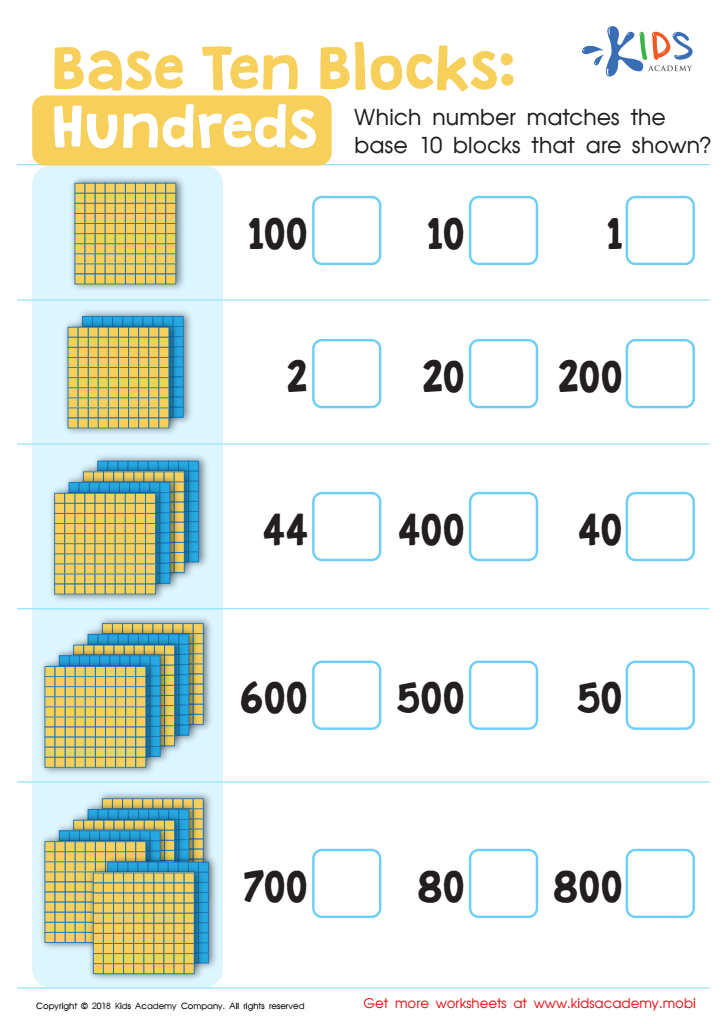
Base Ten Blocks: Hundreds Worksheet
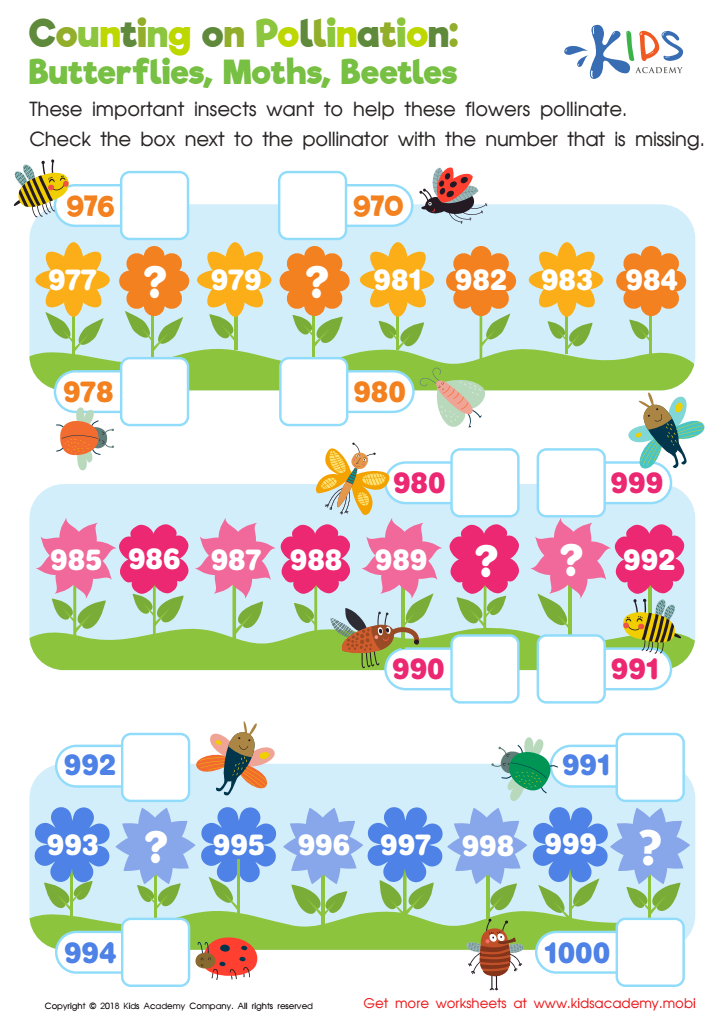
Counting on Pollination: Butterflies, Moths, Beetles Worksheet
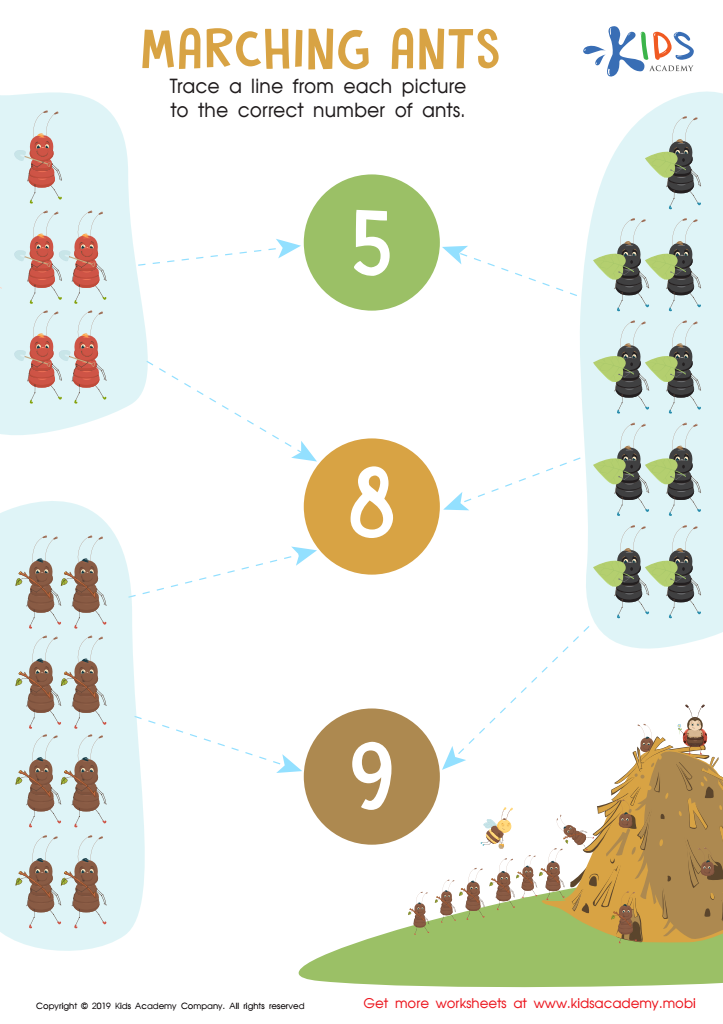
Marching Ants Worksheet

Counting on the City Skyline: Dot-to-Dot Worksheet
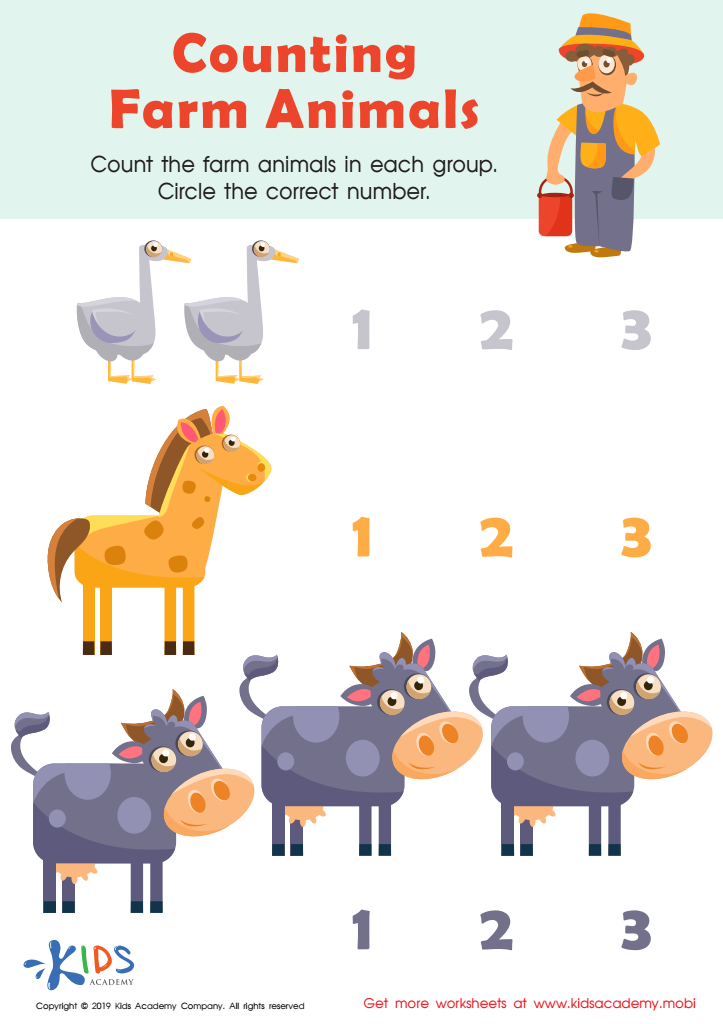
Counting Farm Animals Worksheet
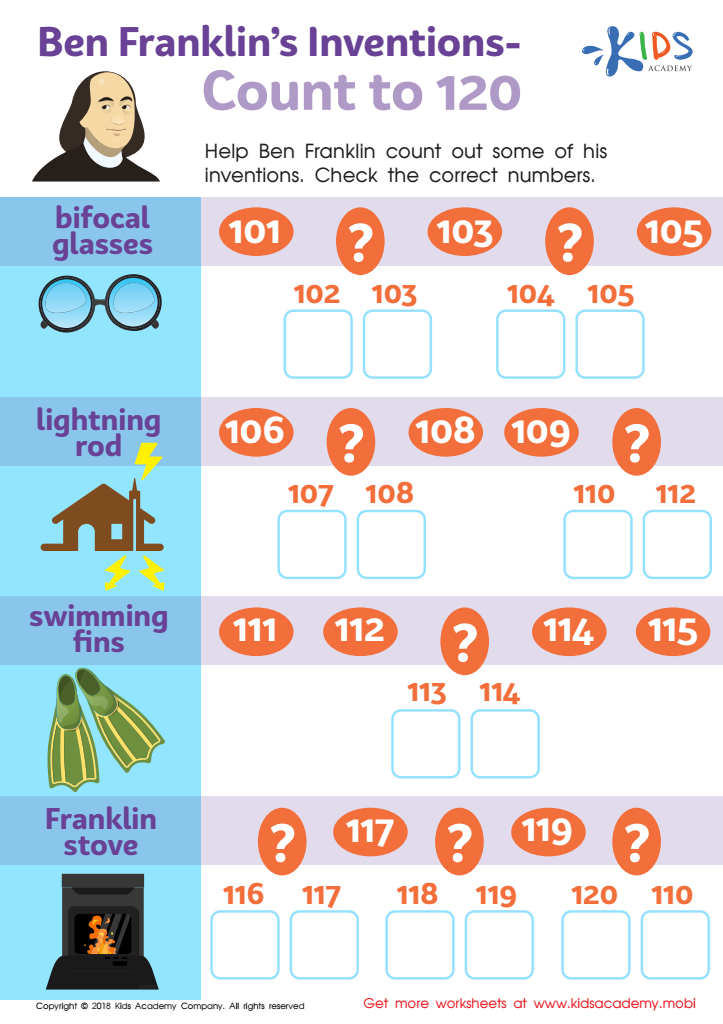
Ben Franklin’s Inventions – Count to 120 Worksheet


%20(1).jpg)





Counting practice for children ages 6-9 is crucial for several reasons. During these formative years, foundational math skills develop, establishing a basis for future learning. Mastering counting helps students gain confidence in their abilities and prepares them for more complex concepts such as addition, subtraction, and even multiplication by providing a clear understanding of numbers and their relationships.
Additionally, counting practice exposes children to patterns and sequences, fostering critical thinking skills. This fundamental skill aids in everyday situations, such as managing money or measuring ingredients while cooking, instilling practical life skills early on. For parents and teachers, promoting counting activities can enrich a child's learning experience and promote a positive attitude towards mathematics.
Moreover, engaging in counting exercises can enhance cognitive skills, concentration, and memory retention, contributing to overall academic success. It also opens opportunities for collaborative tasks, promoting social skills and teamwork when done in group settings. Ultimately, prioritizing counting practice not only helps in academic achievement but also nurtures a child's curiosity and eagerness to explore numeracy and problem-solving—skills that will serve them throughout their lives. Thus, parents and teachers should actively encourage and facilitate counting practice for sustained developmental growth.








