Classification skills Science Worksheets for Ages 6-9
5 filtered results
-
From - To
Discover our engaging "Classification Skills Science Worksheets for Ages 6-9," designed to enhance your child's understanding of scientific categorization. These worksheets provide fun and interactive activities that teach young learners how to group items based on characteristics and properties. Students will explore various classifications in nature, animals, plants, and more, building critical thinking skills while fostering a love for science. Each worksheet encourages hands-on learning and creativity, making it a perfect addition to your curriculum. Ideal for homeschoolers, classroom use, or extra practice, our worksheets empower children to develop essential classification skills in a dynamic and enjoyable way!
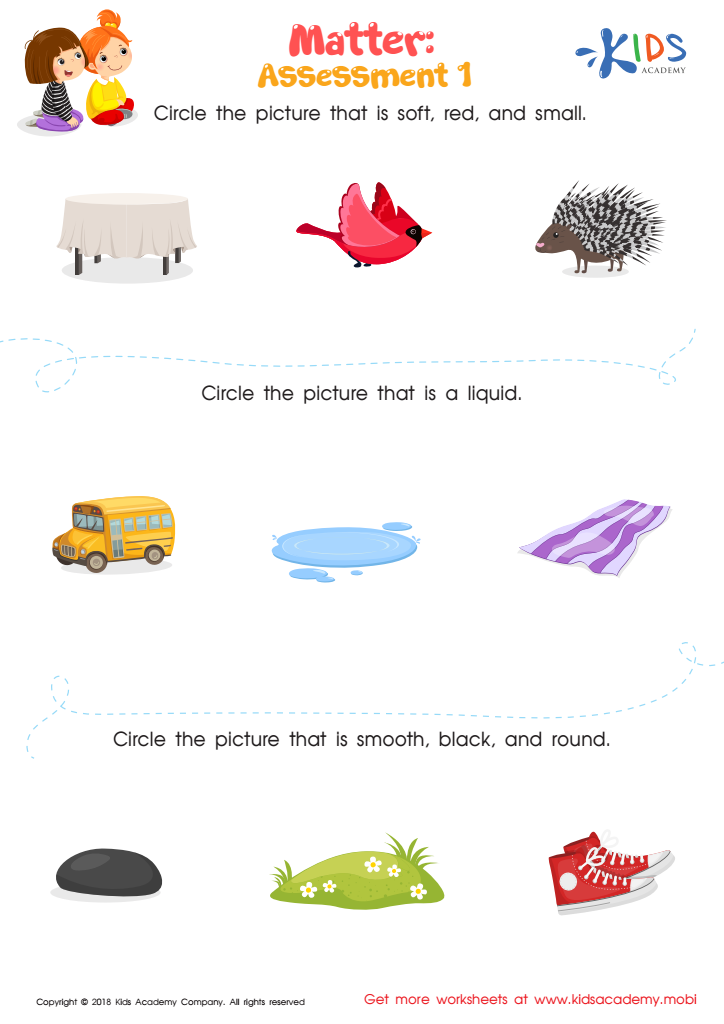
Matter: Assessment 1 Worksheet
 Assign to My Students
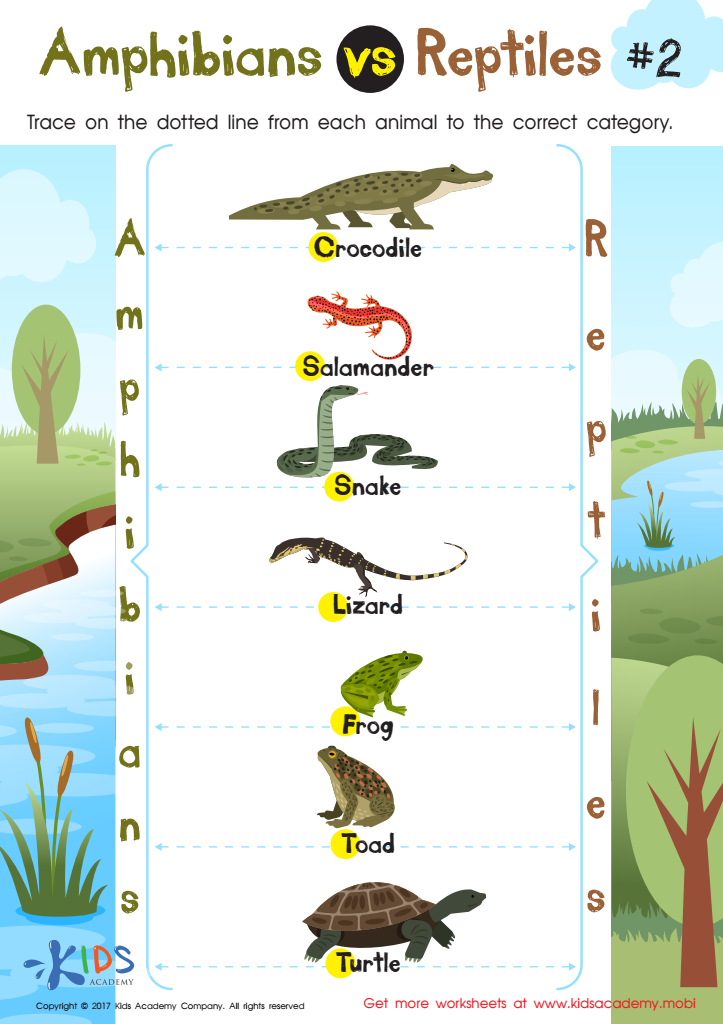
Amphibians vs Reptiles Worksheet for 3rd Grade
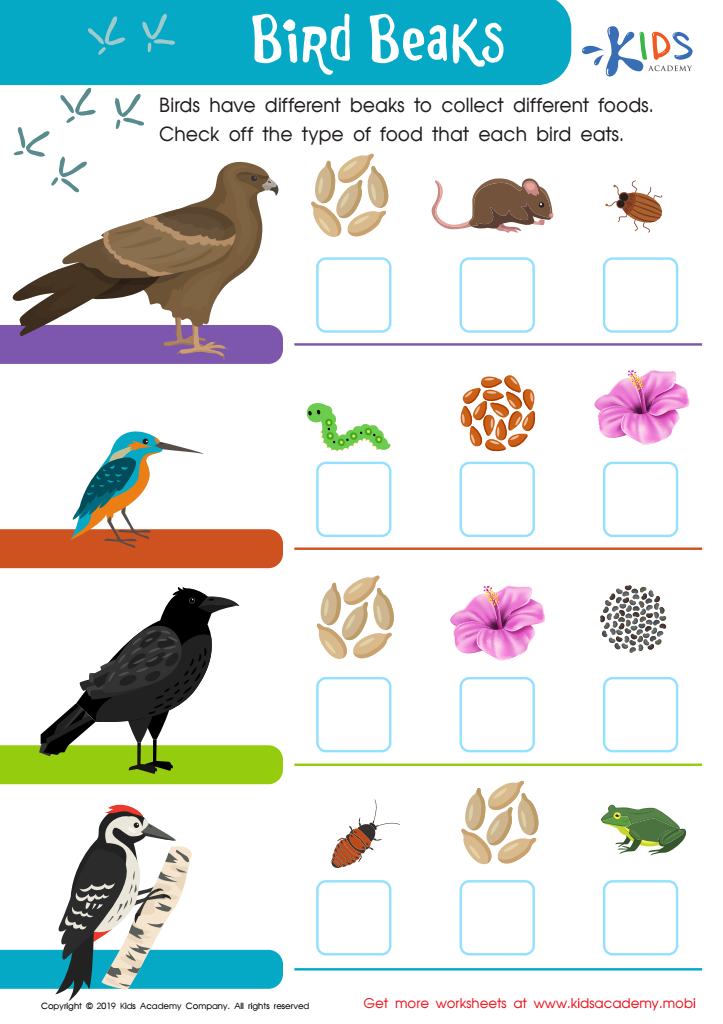
Bird Beaks Worksheet
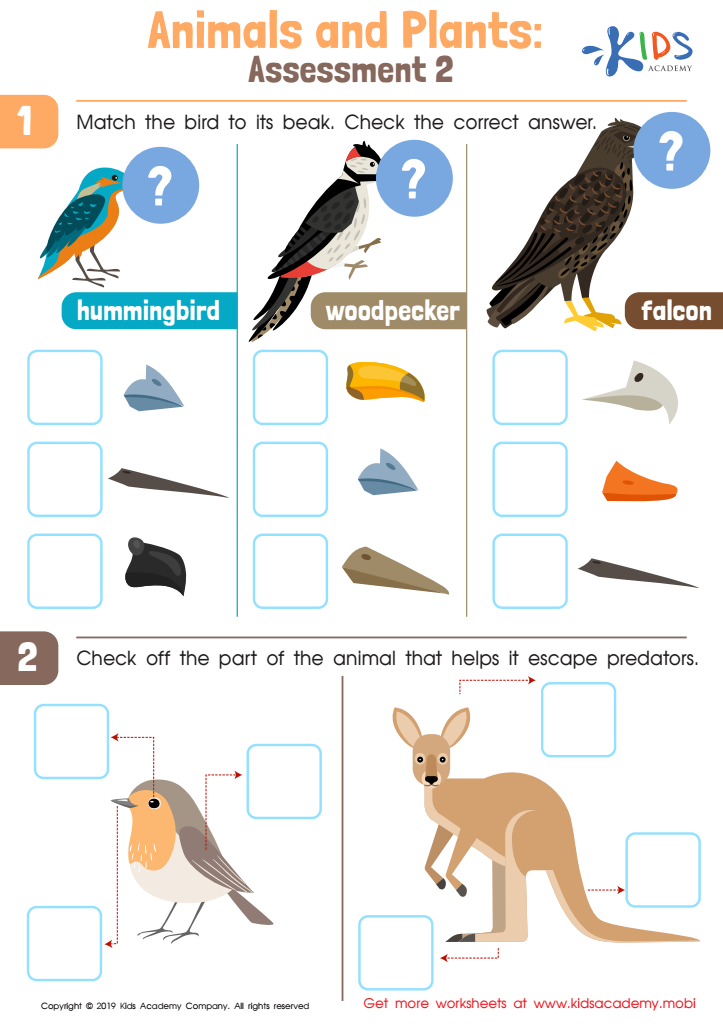
Animals and Plants: Assessment 2 Worksheet
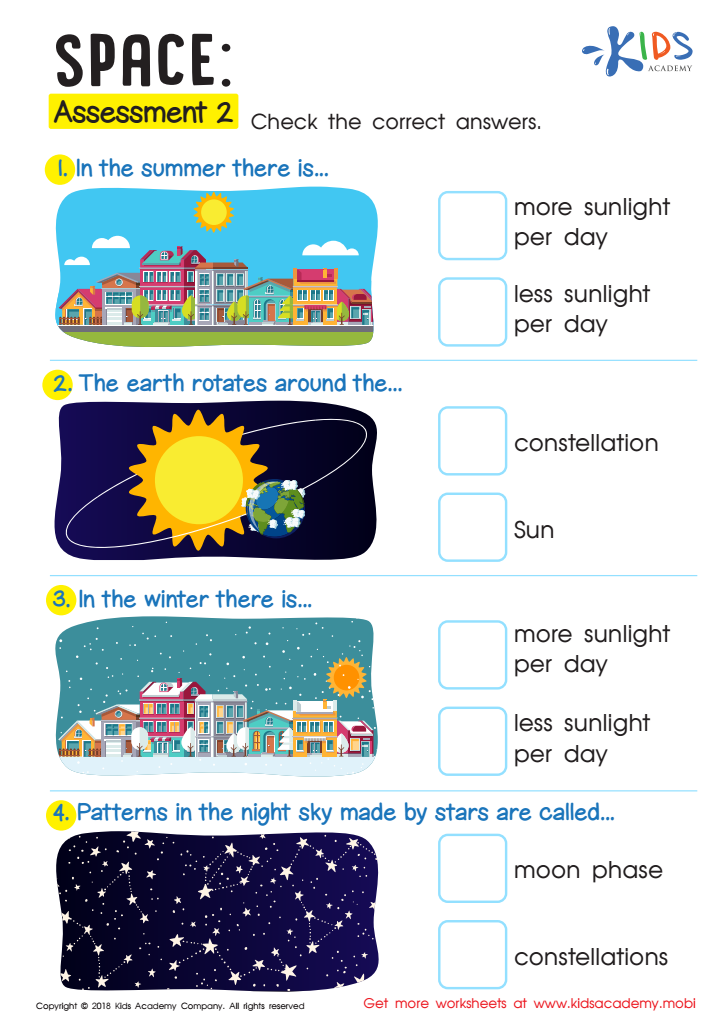
Space: Assessment 2 Worksheet






Classification skills in science are essential for children aged 6-9 as they lay the foundation for critical thinking and observational skills. At this age, children are naturally curious, and classification encourages them to explore and categorize the world around them. By learning to group objects based on common characteristics, children develop their analytical abilities and improve their understanding of relationships, which is crucial in science.
Parents and teachers should care because classification fosters not only scientific thinking but also promotes problem-solving skills. For instance, when children categorize animals, plants, or everyday objects, they learn to identify key features and make logical connections. This process enhances their cognitive development and encourages them to ask questions, deepening their engagement with science.
Moreover, classification activities can make learning more interactive and enjoyable, as they often involve hands-on exploration, teamwork, and creativity. Engaging children in classification helps build their confidence in scientific inquiry, making them more likely to pursue further learning in STEM fields. Ultimately, nurturing classification skills during these formative years helps cultivate a lifelong love for learning and an understanding of the interconnectedness of the natural world, empowering children to become informed, inquisitive individuals.







