Color Identification Science Worksheets for Ages 6-9
4 filtered results
-
From - To
Discover our engaging Color Identification Science Worksheets tailored for children ages 6-9! These fun, interactive resources are designed to help young learners explore the vibrant world of colors while grasping essential science concepts. Each worksheet features exciting activities that foster creativity and critical thinking skills, enabling students to identify and categorize colors in their environment. Perfect for homeschoolers or classroom settings, these worksheets offer a hands-on approach to learning, combining art with science. Enhance your child's educational experience today and ignite their curiosity about colors through meaningful and enjoyable tasks designed just for them!
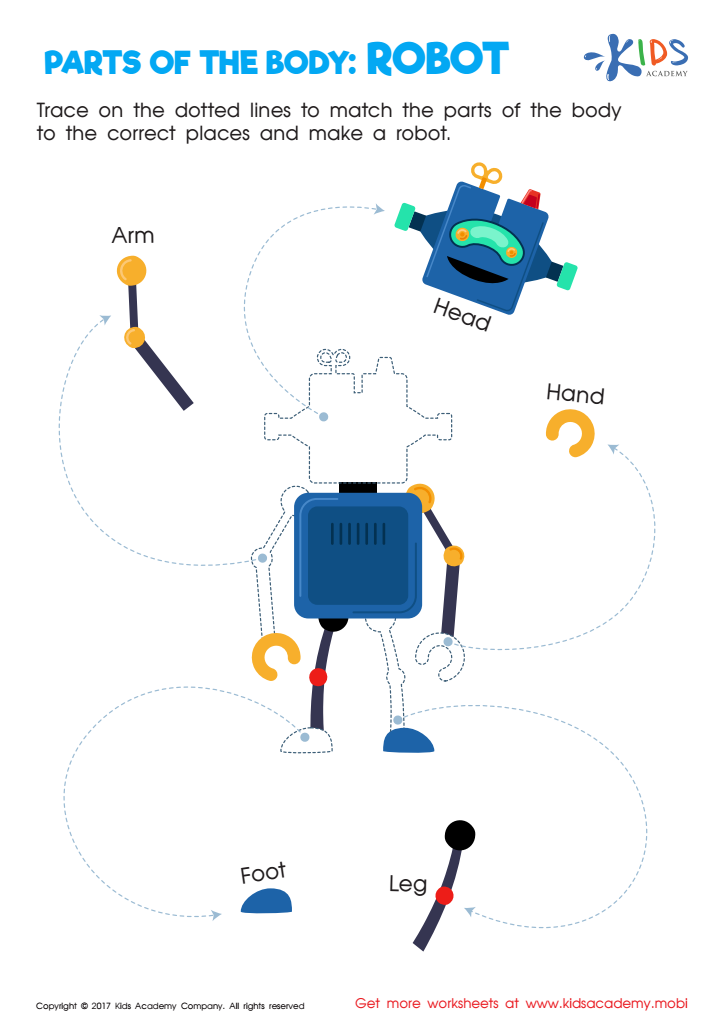
Robot Printable
 Assign to My Students
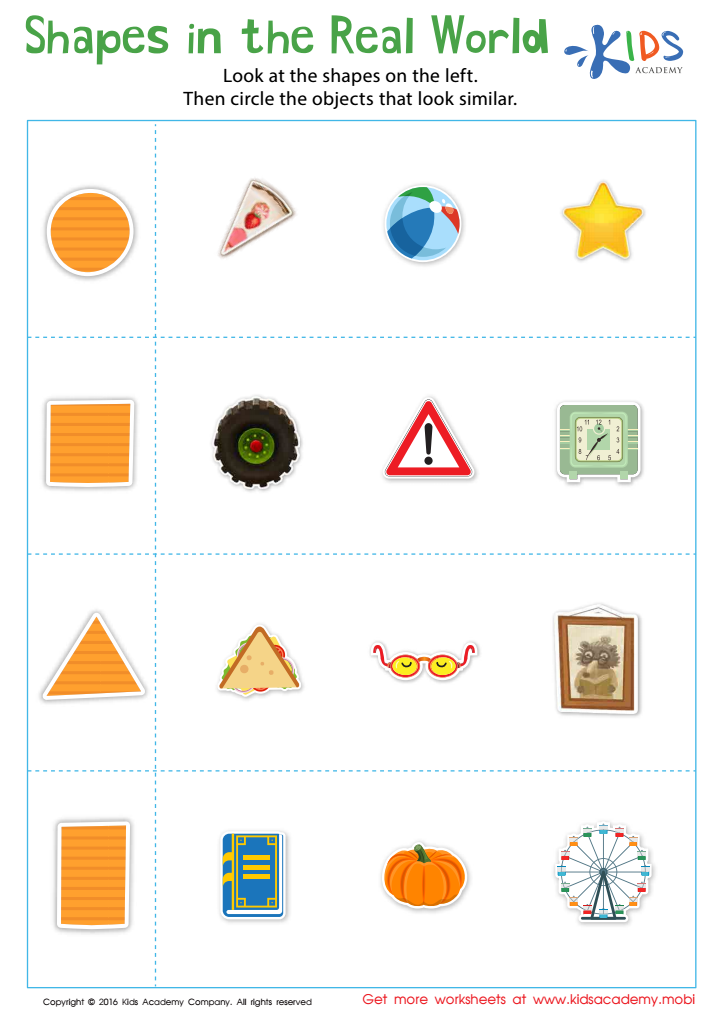
Shapes in the Real World Worksheet
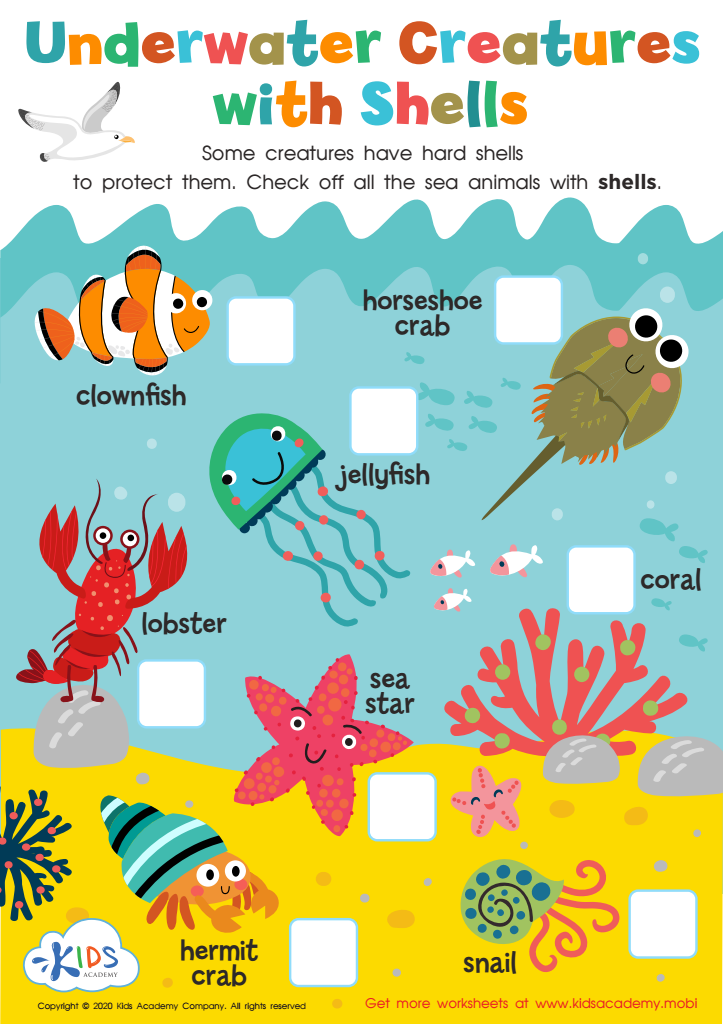
Underwater Creatures with Shells Worksheet
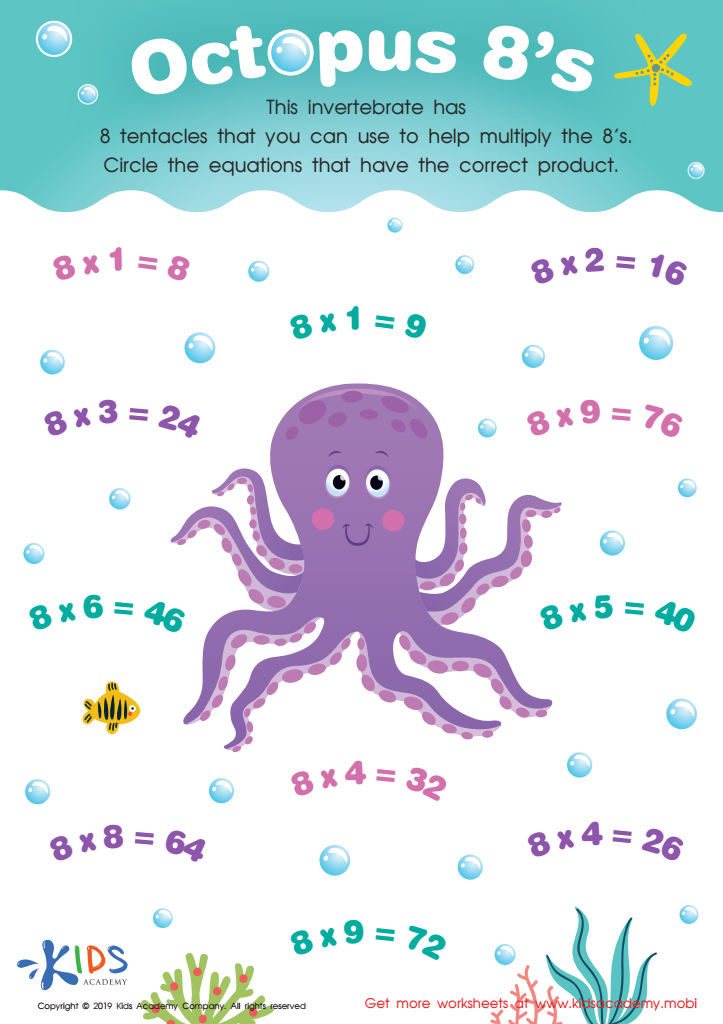
Octopus 8’s Worksheet







Color identification is a fundamental aspect of early childhood education that holds great significance for children aged 6 to 9. Understanding colors enhances cognitive development by fostering critical thinking, creativity, and problem-solving skills. As children identify and categorize colors, they learn to make connections and distinguish between objects and their properties, laying the groundwork for more complex concepts in science and mathematics.
Moreover, color identification is crucial for language development. It enriches vocabulary as children learn to describe and express themselves using color terms, which enhances their communication skills. This vocabulary also extends to arts and crafts, where children express emotions and ideas using colors.
In a multicultural society, recognizing colors in diverse contexts promotes inclusivity and appreciation of different cultures, as colors often carry cultural significance. Teachers and parents can incorporate color science into everyday activities, allowing children to explore their environment. Playful color-based games, art projects, and nature walks not only make learning enjoyable but also foster a deeper understanding of the world around them. By emphasizing color identification, educators and parents can support children's holistic development, nurturing both their academic skills and thoughtful engagement with their surroundings.







