Reading comprehension Social Studies Worksheets for Ages 6-9 - Page 4
84 filtered results
-
From - To
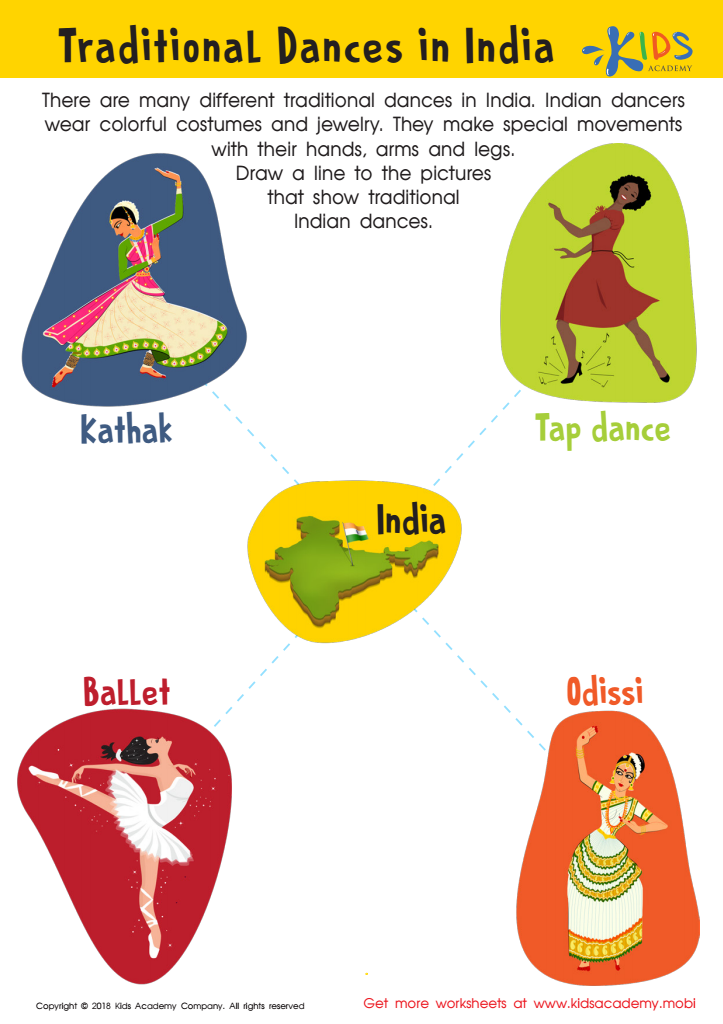
Traditional Dances in India Worksheet
 Assign to My Students
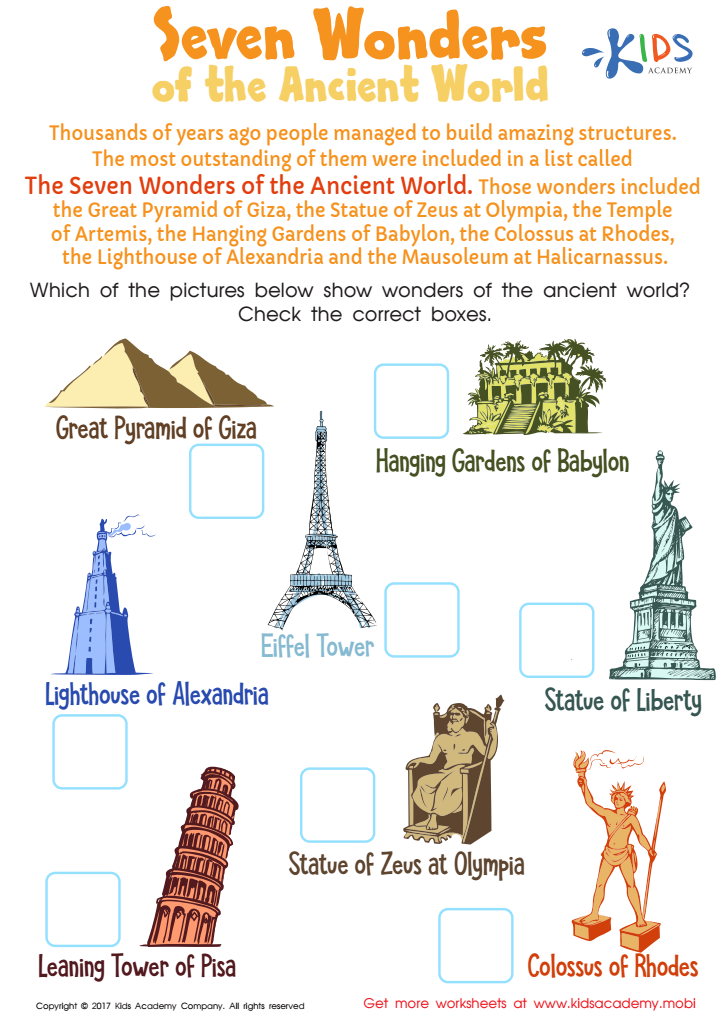
Seven Wonders of the Ancient World Worksheet
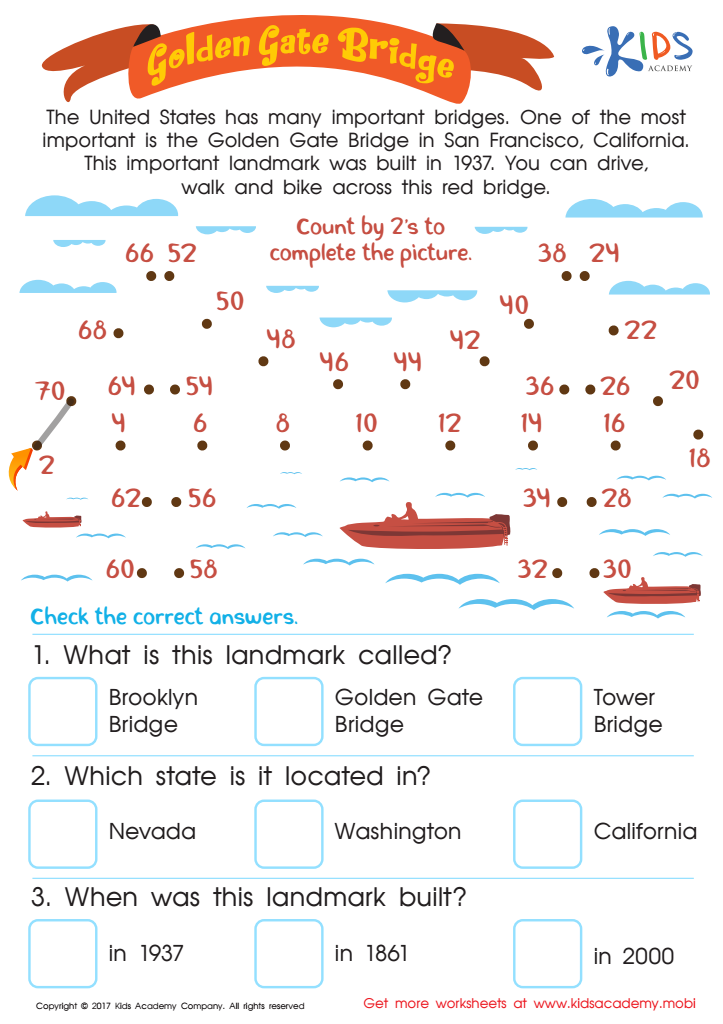
Golden Gate Bridge Worksheet
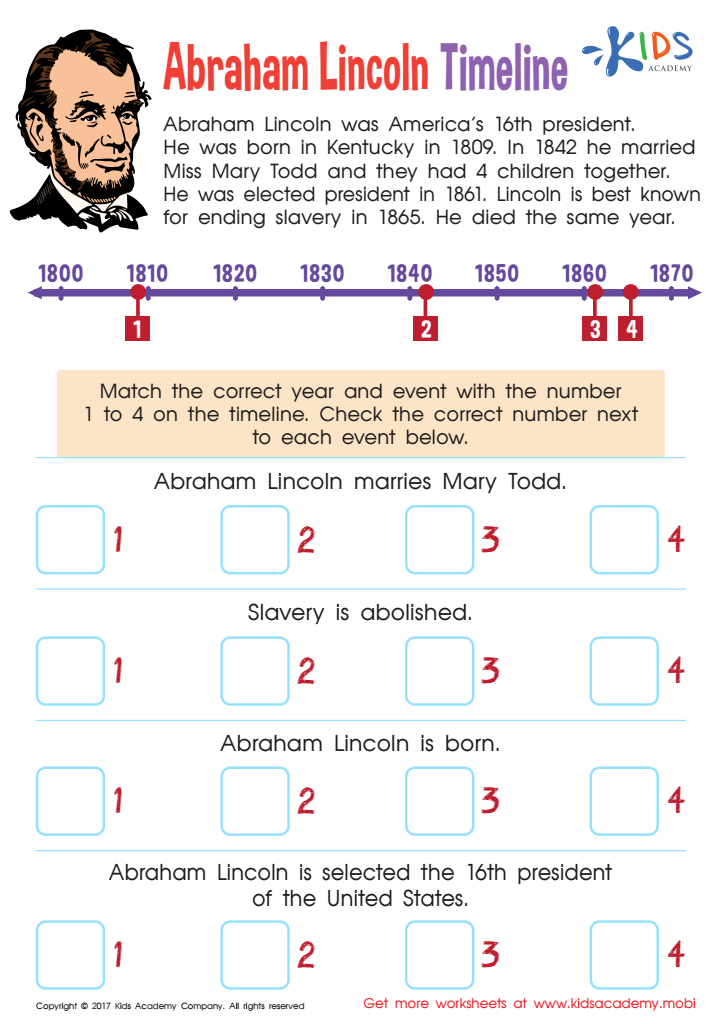
Abraham Lincoln Timeline Worksheet
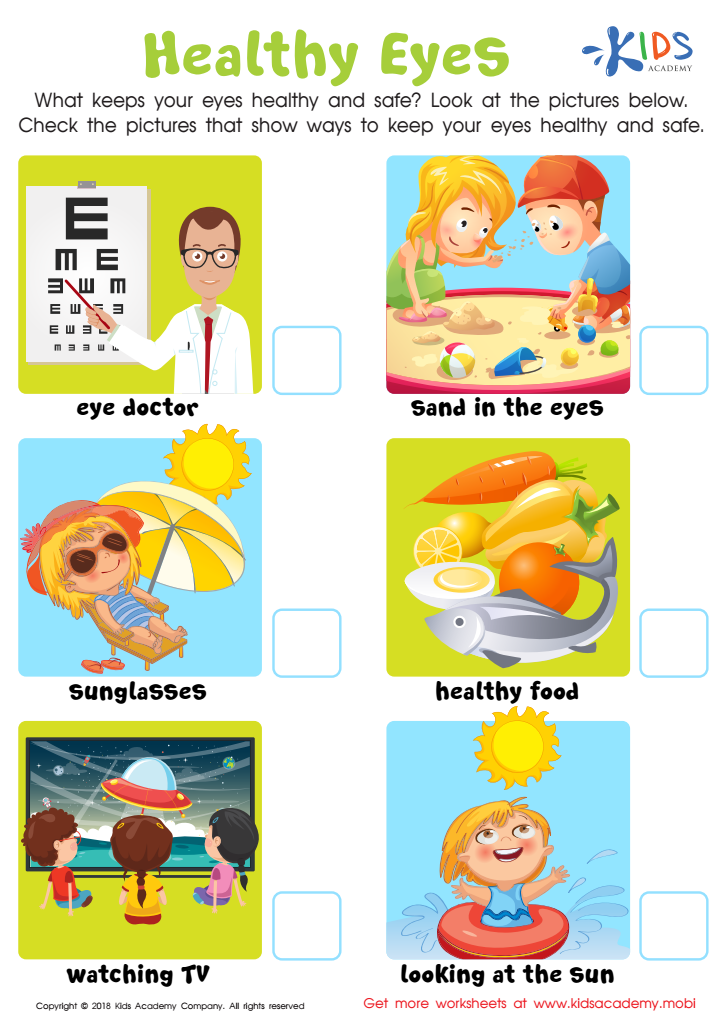
Healthy Eyes Worksheet
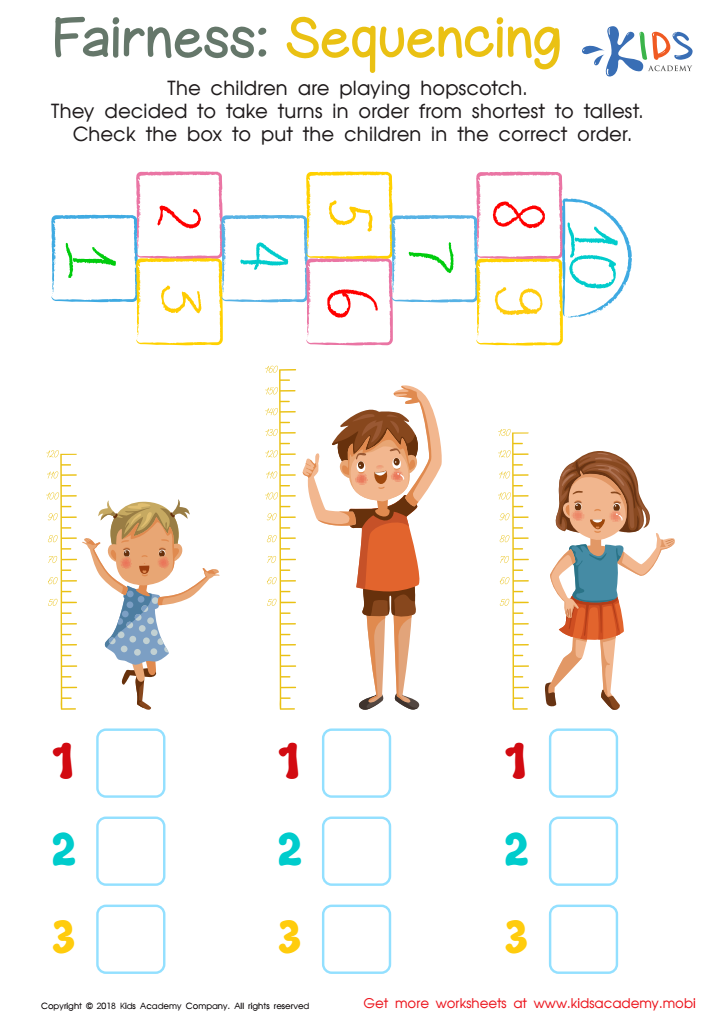
Fairness: Sequencing Worksheet
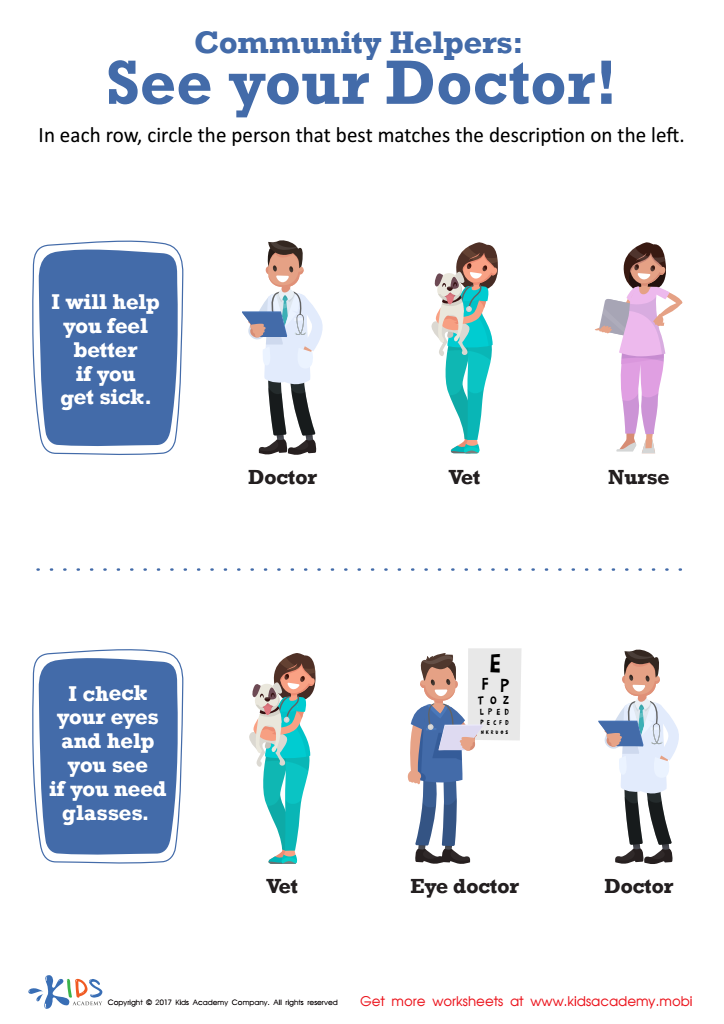
See Your Doctor (Part 1) Printable
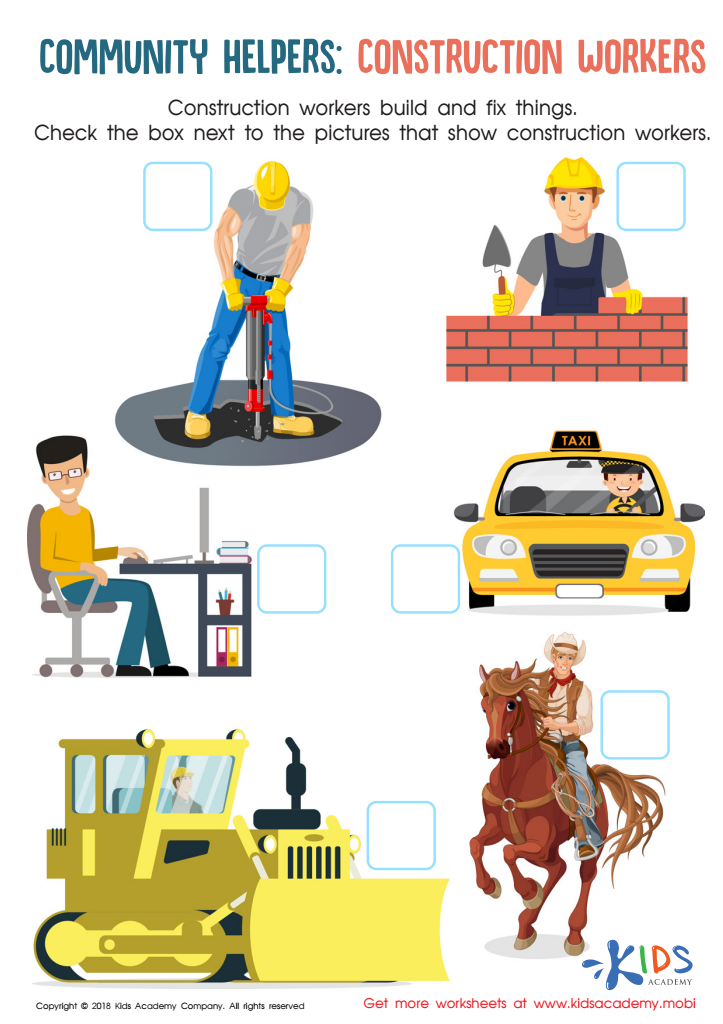
Construction Workers Community Helpers Worksheet
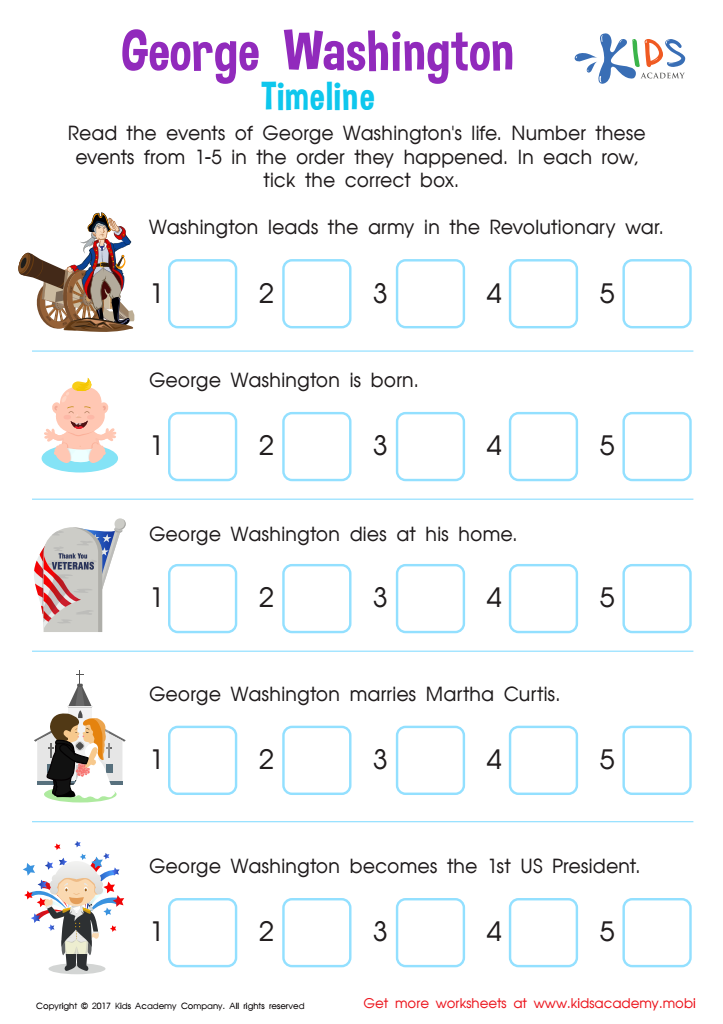
George Washington Timeline Worksheet
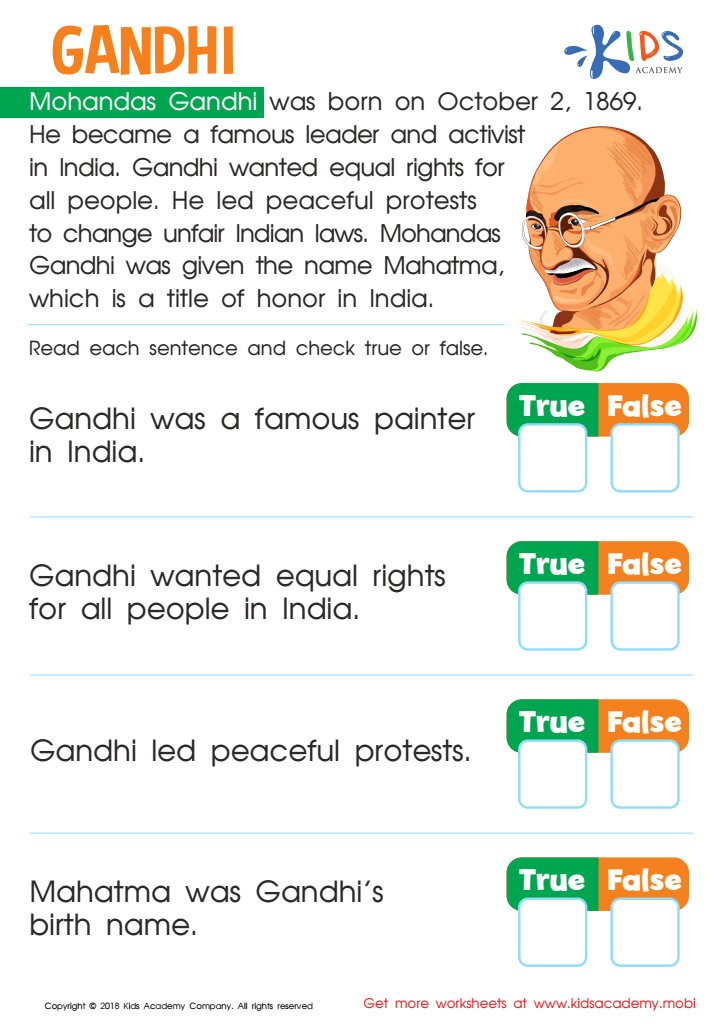
Gandhi Worksheet
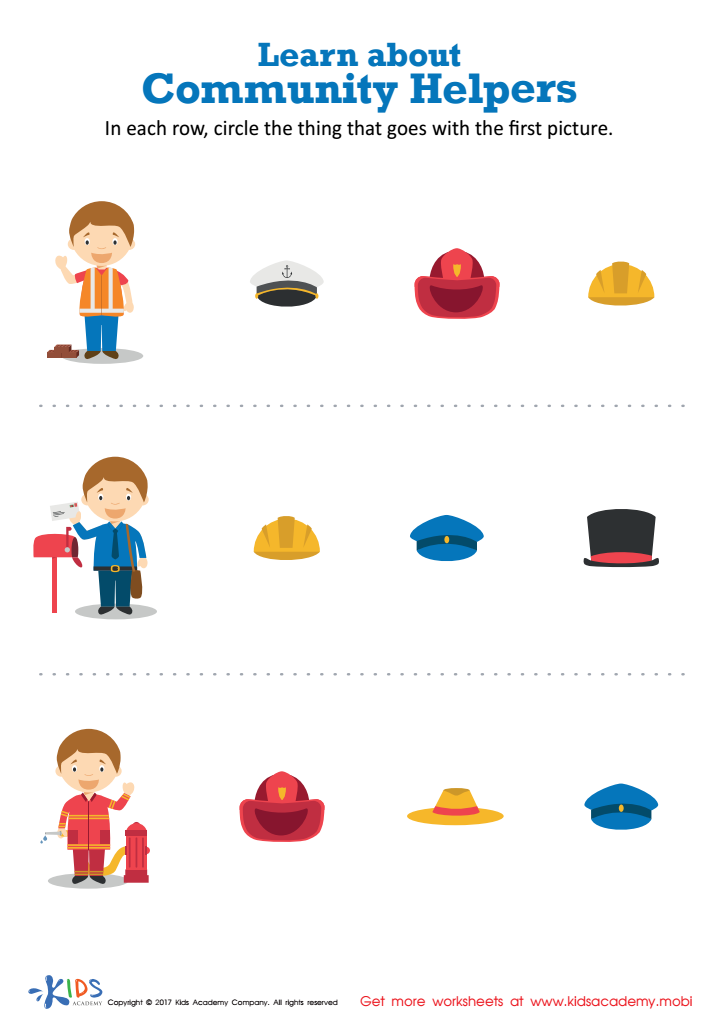
Learn about Community Helpers Printable
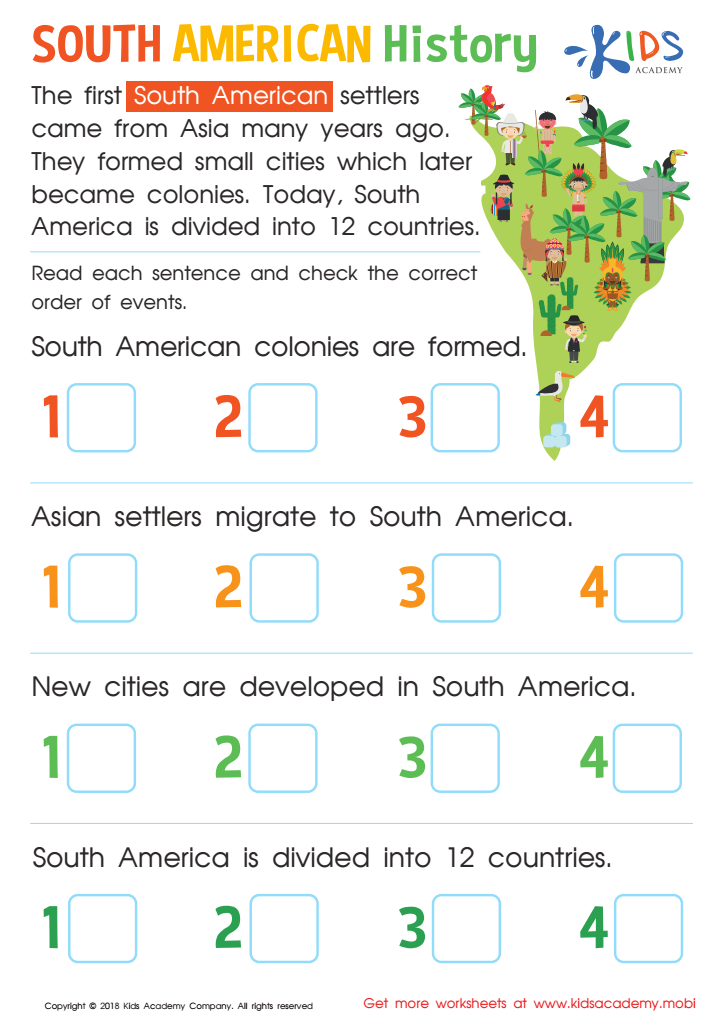
South American History Worksheet








Reading comprehension in Social Studies is essential for children aged 6-9 as it lays the groundwork for lifelong learning and informed citizenship. At this age, young students are beginning to transition from learning to read to reading to learn. Focusing on Social Studies helps them develop critical thinking, knowledge retention, and understanding of the world around them.
Firstly, Social Studies encompasses history, geography, economics, and cultural understanding, all of which are crucial areas that inform a child's sense of place and identity. Through reading about different cultures, historical events, and geographic locations, children can build empathy, respect for diversity, and a sense of global citizenship.
Additionally, the subject nurtures critical literacy skills. When children engage with various texts—whether stories, maps, or factual accounts—they learn to identify main ideas, recognize cause and effect, compare and contrast information, and think critically about sources. These skills are vital not just academically but also for navigating life outside the classroom.
Moreover, reading comprehension in Social Studies fosters curiosity and a love for learning. When children see connections between the past and the present, or between their lives and those of others around the world, they become more motivated to explore and understand their own societal contexts.
In essence, investing in reading comprehension in Social Studies equips young learners with the intellectual tools and empathetic viewpoints necessary for becoming thoughtful, informed, and engaged members of society.








