Fine Motor Skills ABC Letters Worksheets for 6-Year-Olds - Page 2
37 filtered results
-
From - To
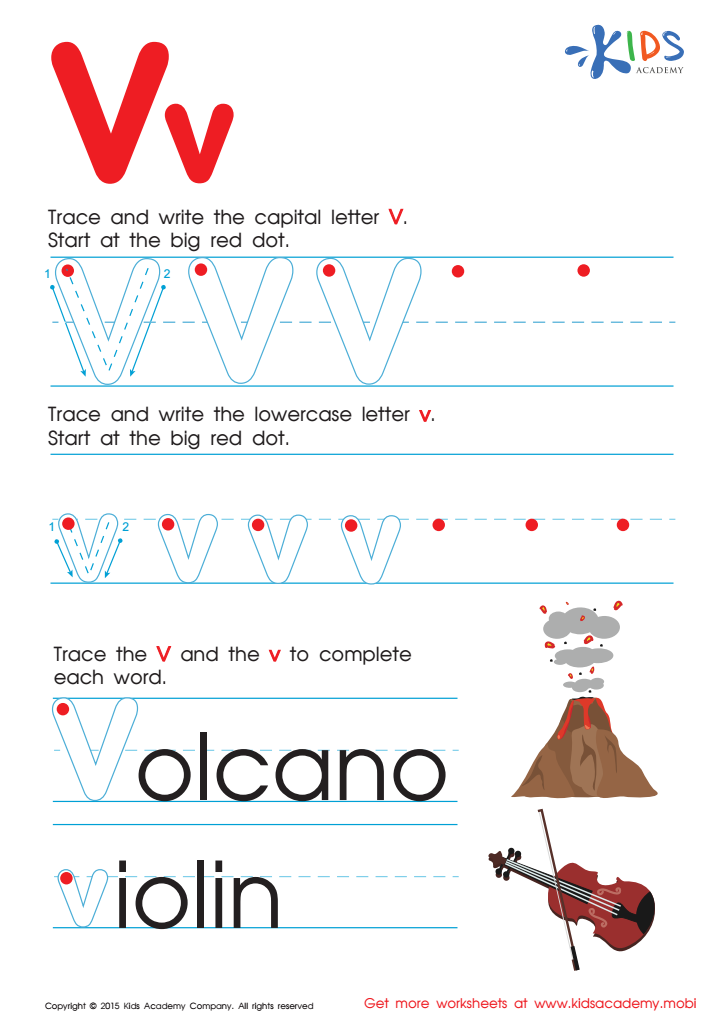
Letter V Tracing Page











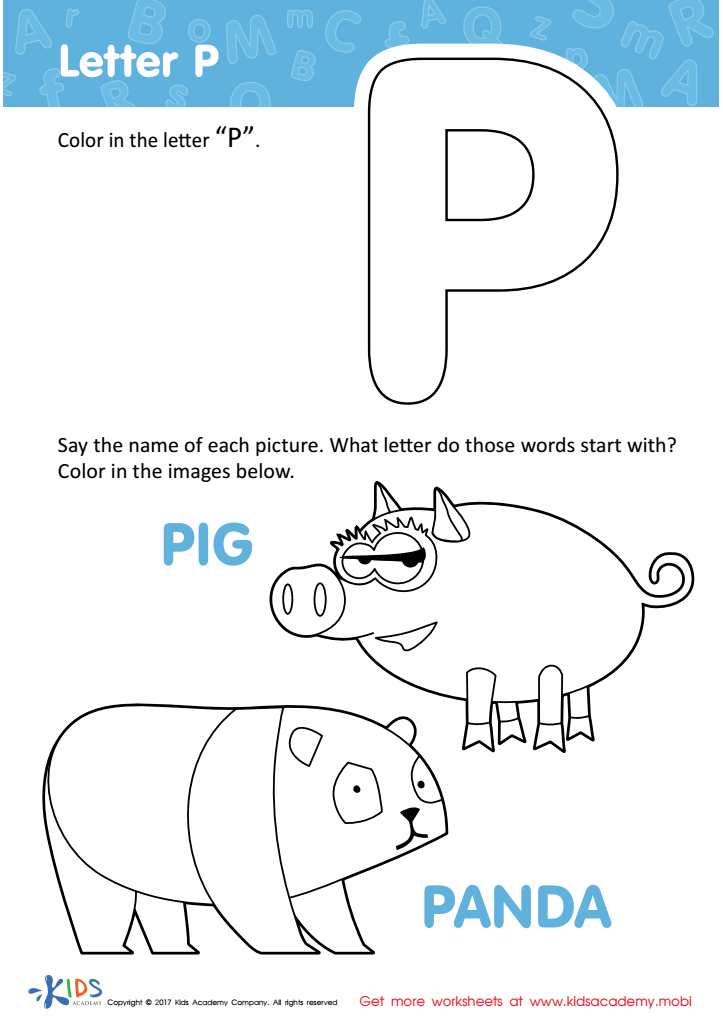
Letter P Coloring Sheet
 Assign to My Students
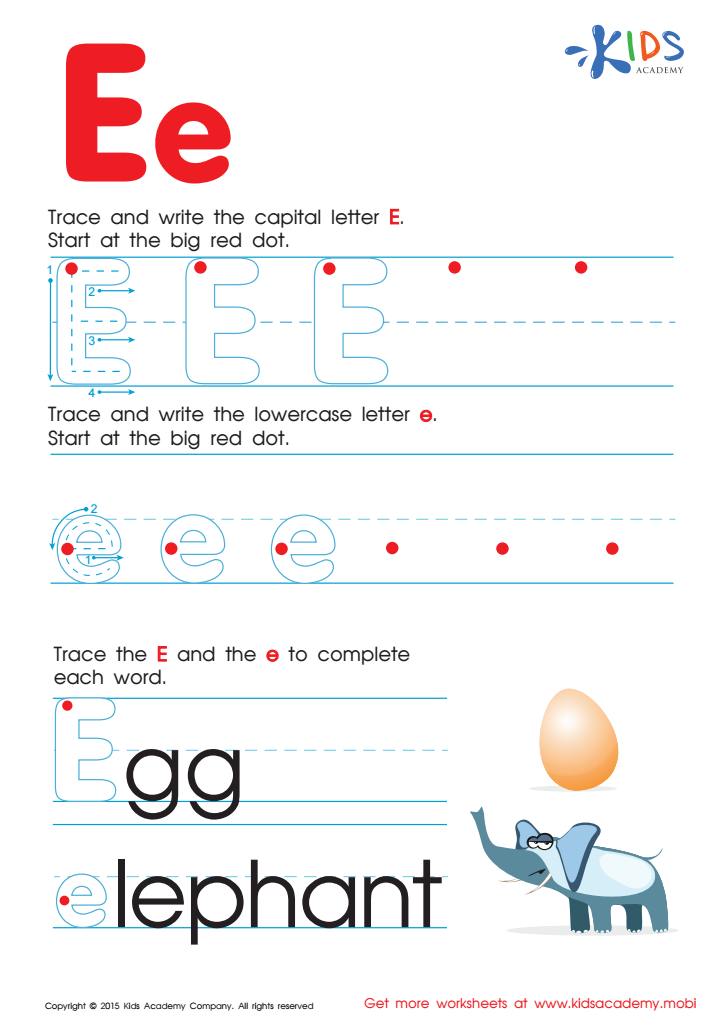
Letter E Tracing Page
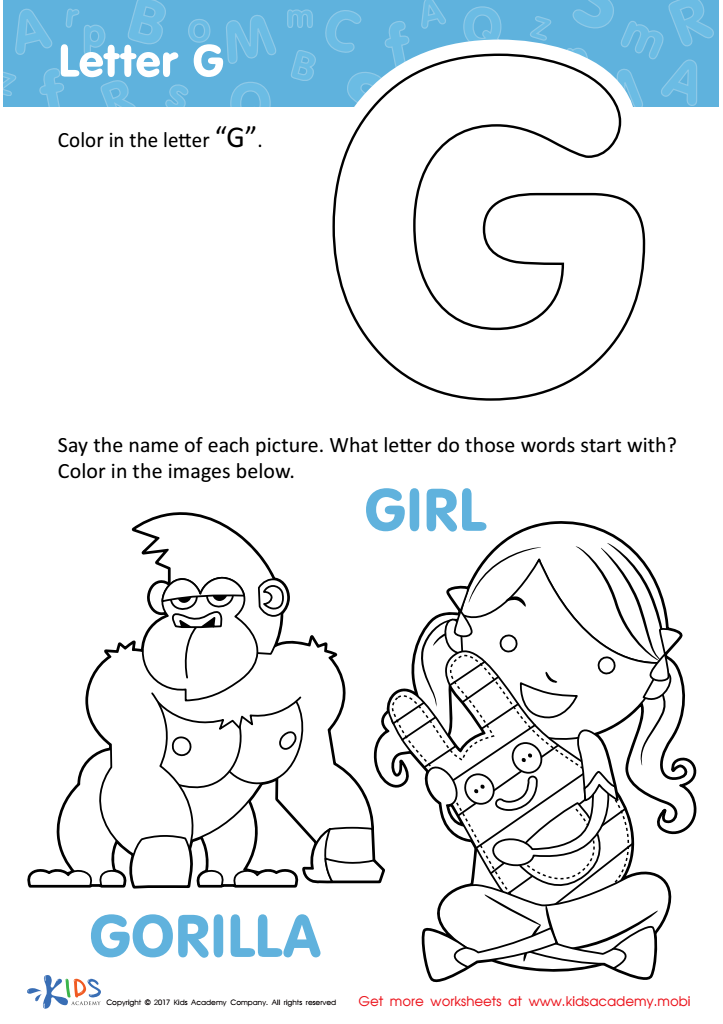
Letter G Coloring Sheet
Assign to My Students
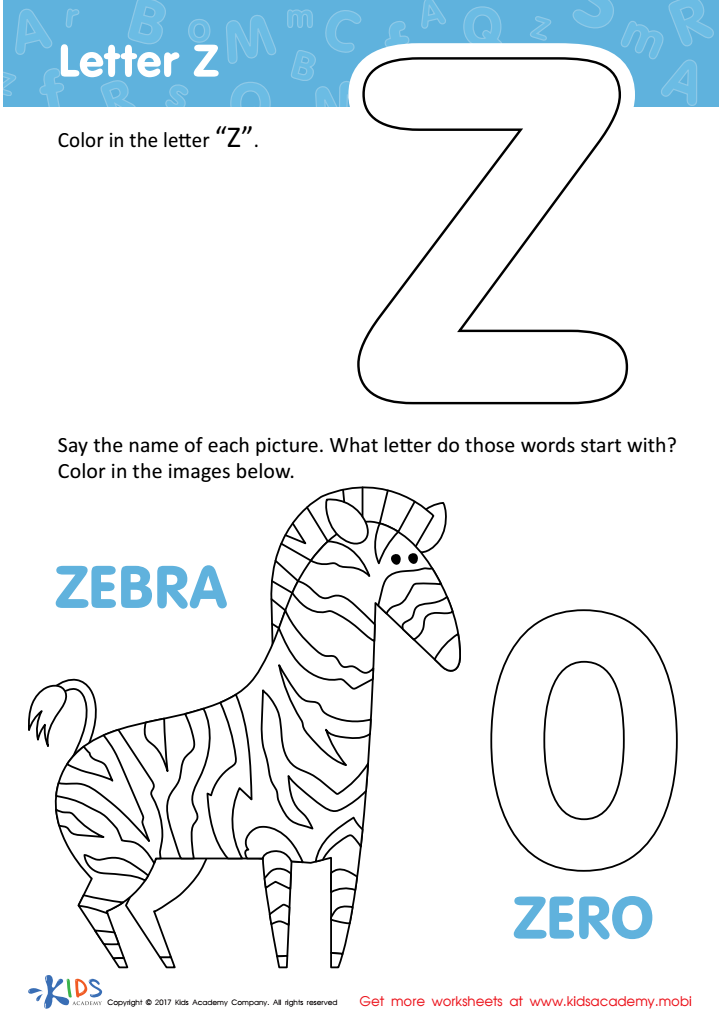
Letter Z Coloring Sheet
Assign to My Students
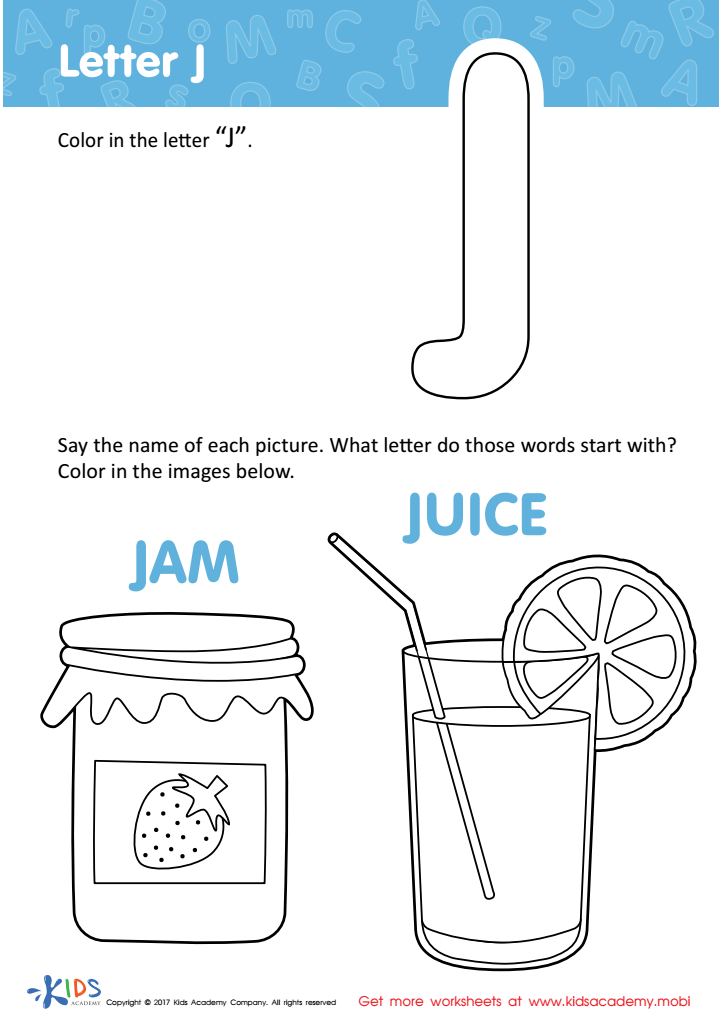
Letter J Coloring Sheet
Assign to My Students
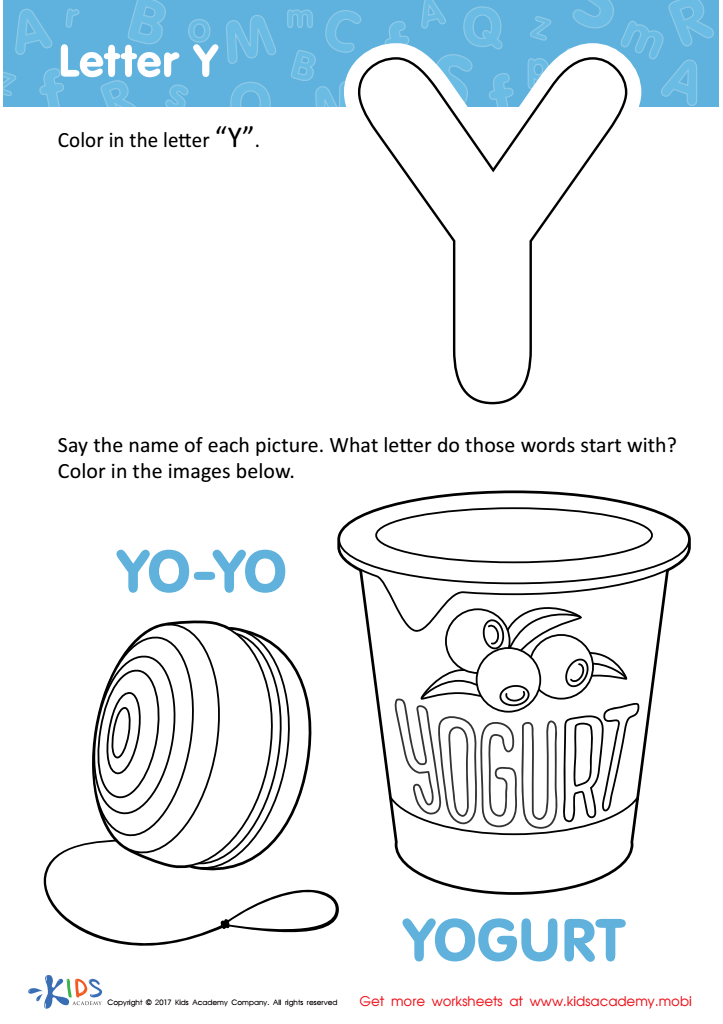
Letter Y Coloring Sheet
Assign to My Students
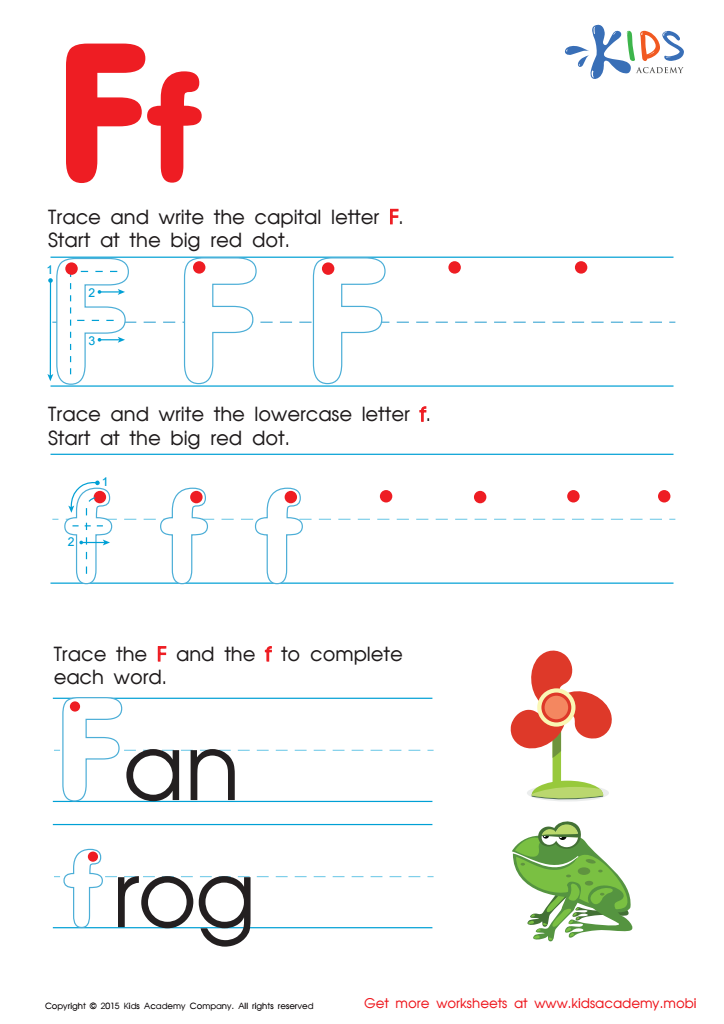
Letter F Tracing Page
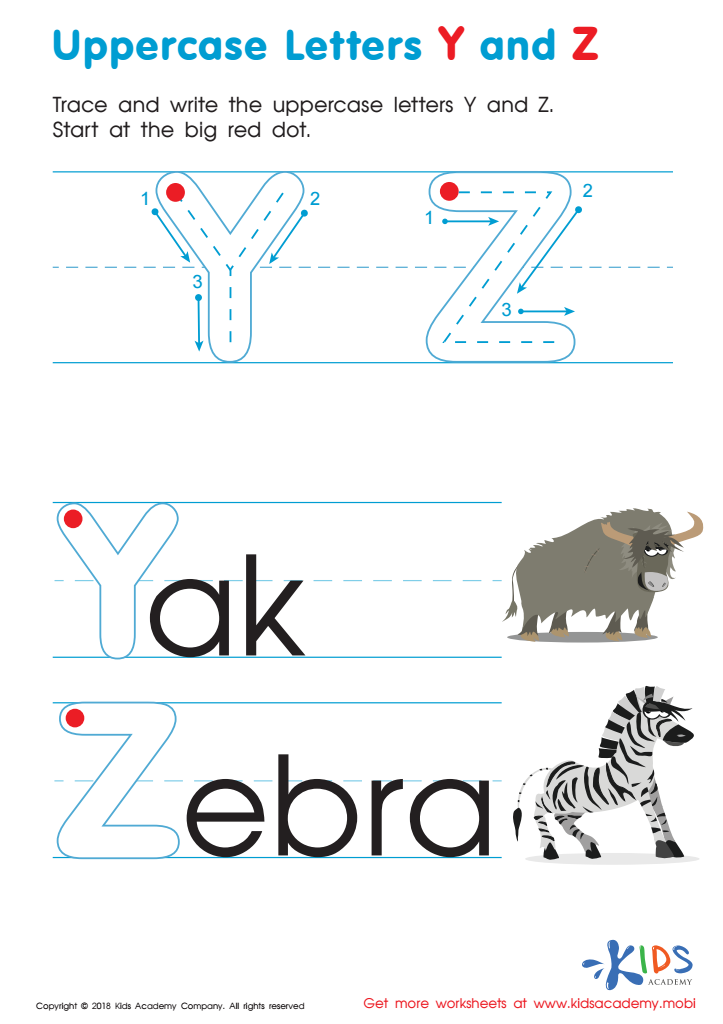
Uppercase Letters Y Z Worksheet
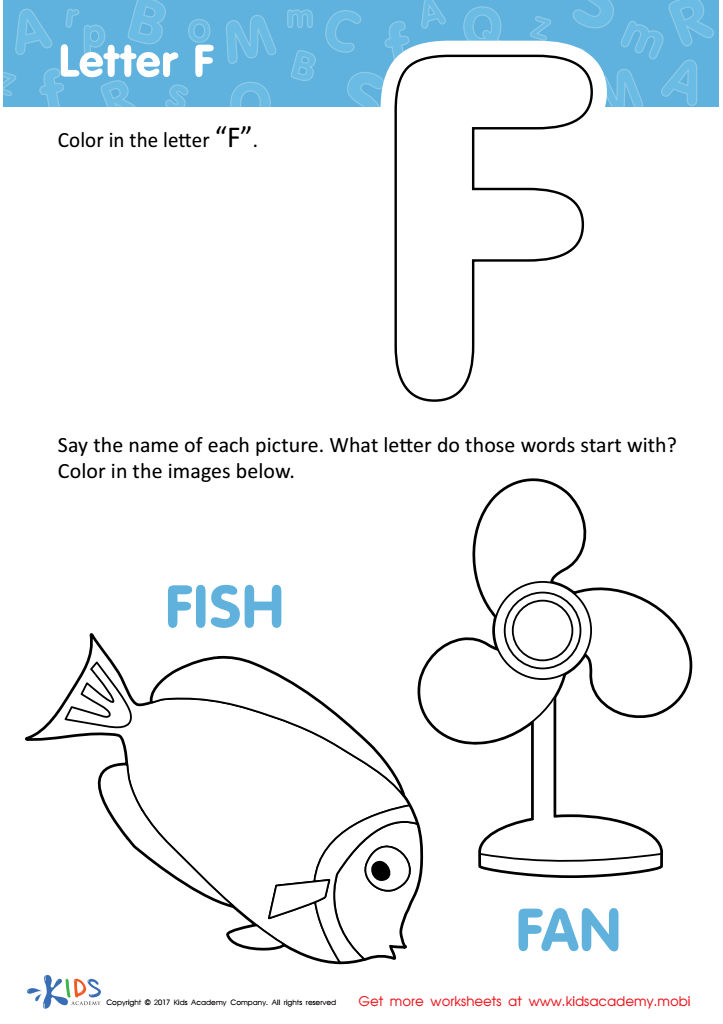
Letter F Coloring Sheet
Assign to My Students
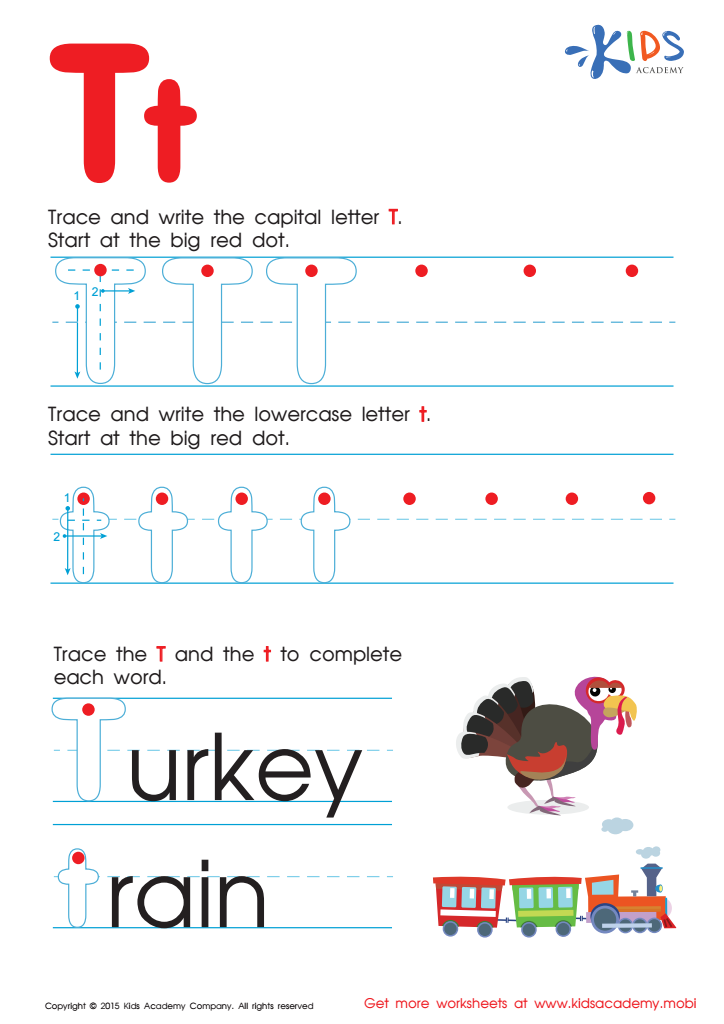
Letter T Tracing Page
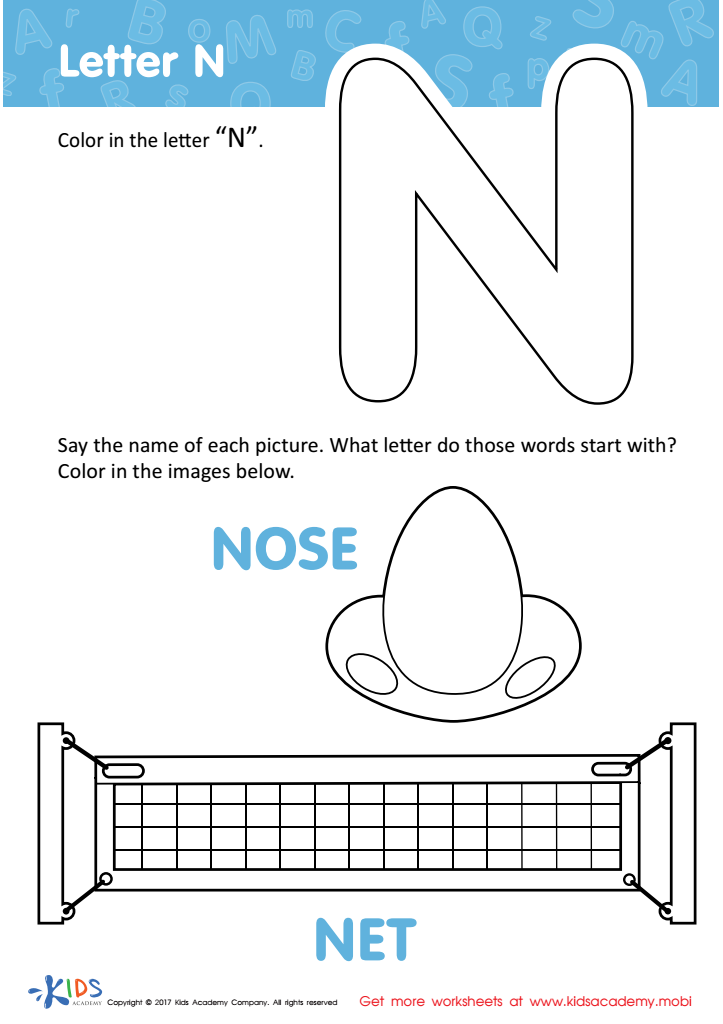
Letter N Coloring Sheet
Assign to My Students

Letter D Tracing Page







Fine motor skills are essential for young children's development, especially for 6-year-olds who are refining their abilities for tasks such as writing, drawing, and manipulating objects. Mastery of fine motor skills enables children to gain confidence in their academic capabilities, particularly in literacy, as they begin to recognize and write letters.
By focusing on fine motor skills, parents and teachers can support a child’s ability to form and connect letters, which is a precursor for reading and writing fluency. Activities that promote fine motor development, such as cutting with scissors, using tweezers, or engaging in crafts, not only strengthen their hand coordination and dexterity but also enhance cognitive skills through problem-solving and creativity.
Additionally, developing fine motor skills contributes to a child's capacity to perform daily tasks independently, setting a foundation for self-esteem and personal responsibility. Ensuring that children have ample opportunities to practice these skills at home and in school will empower them academically and socially. As parents and teachers collaborate in this important aspect of childhood development, they foster a love for learning and a sense of accomplishment in children's early educational journey.







