Handwriting practice English for Beginners Worksheets for 6-Year-Olds - Page 2
43 filtered results
-
From - To
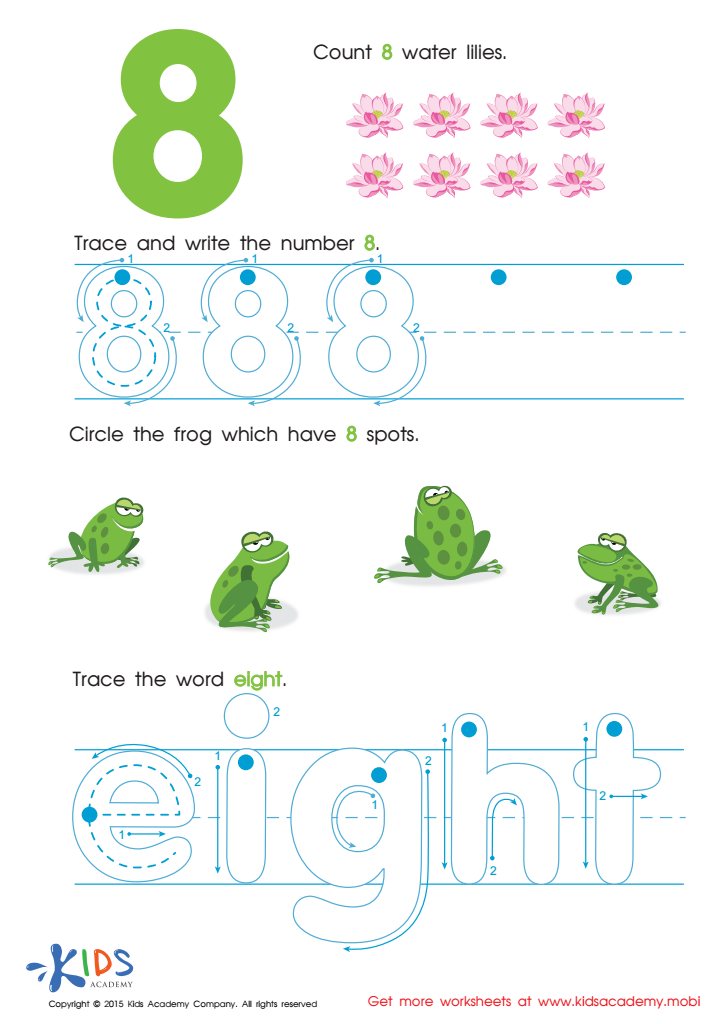
Learn Number 8 Easily Worksheet
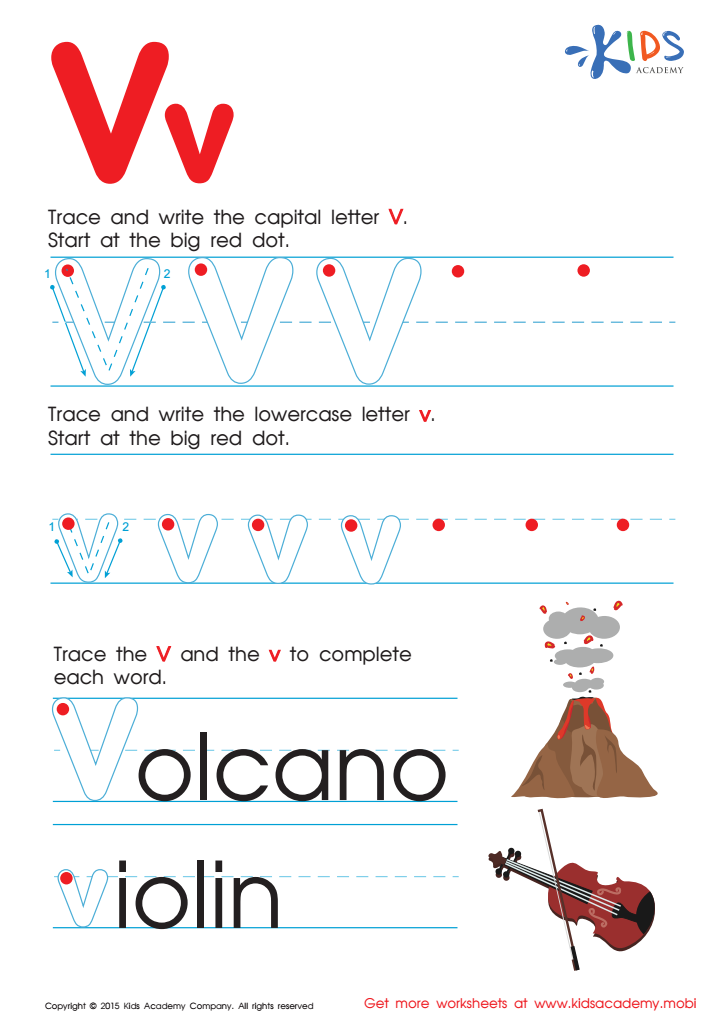
Letter V Tracing Page
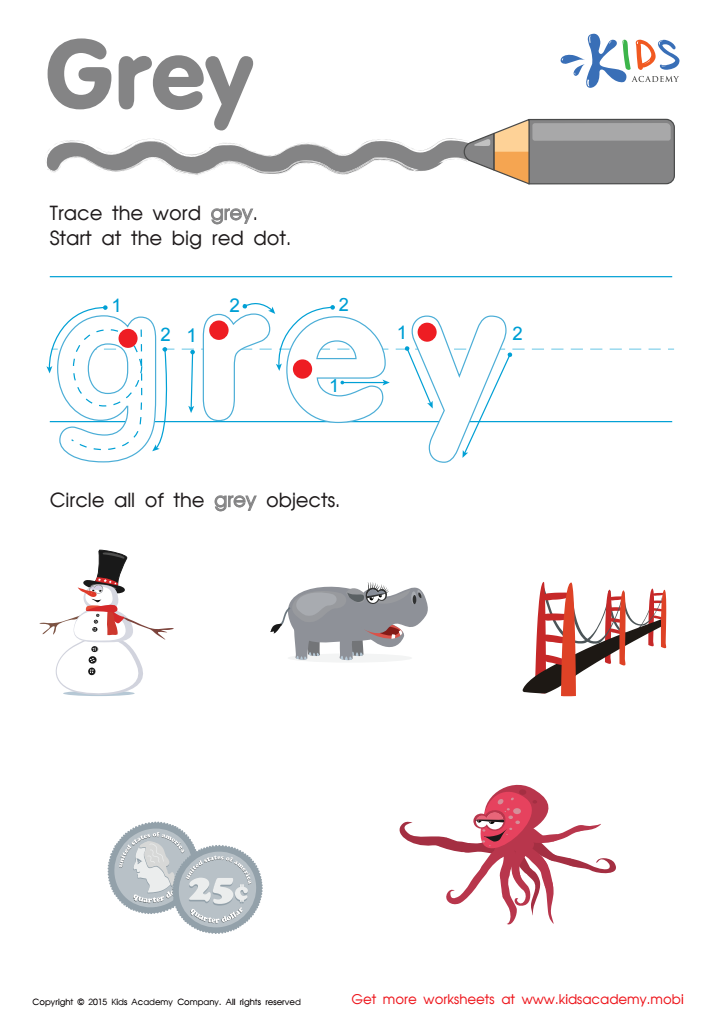
Grey Tracing Color Words Worksheet
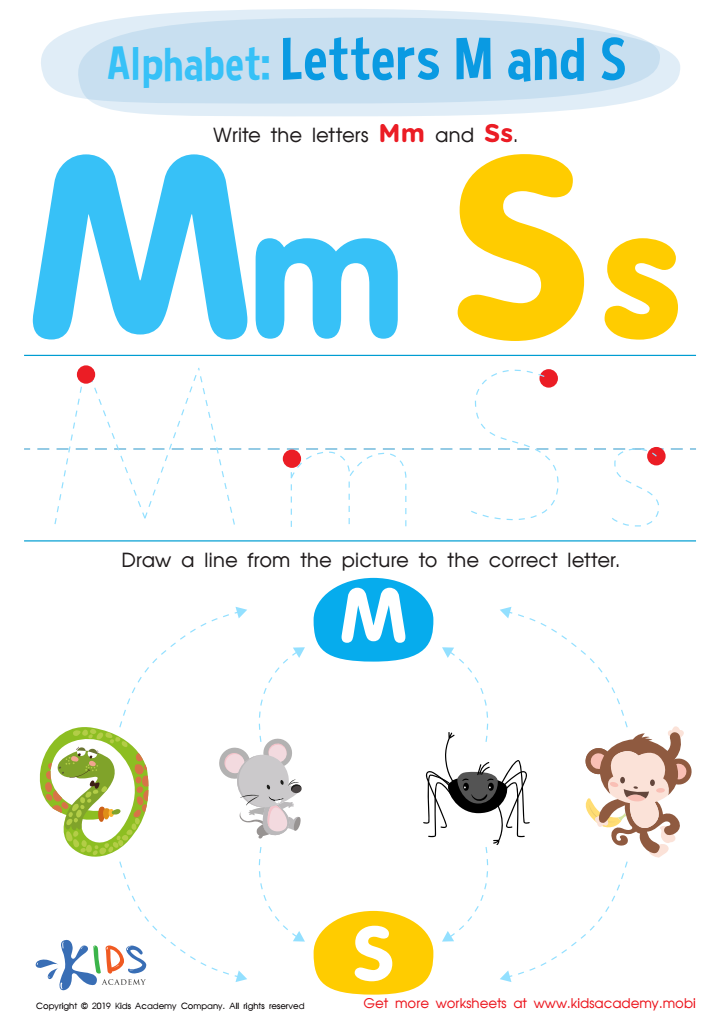
Letters M and S Tracing Worksheet
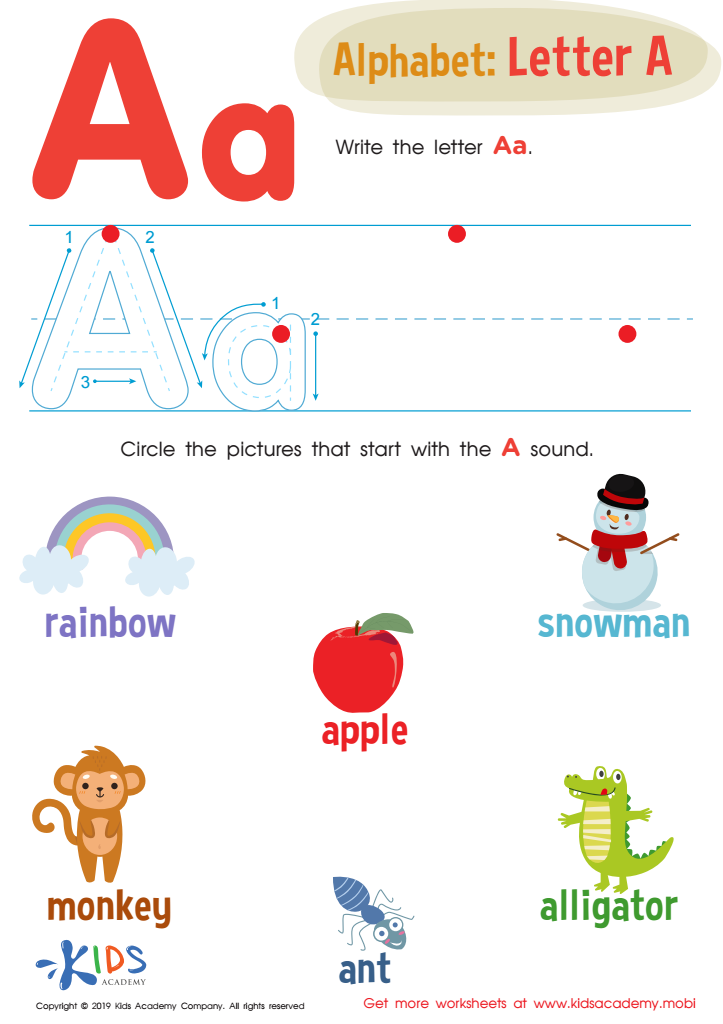
Letter A Tracing Worksheet
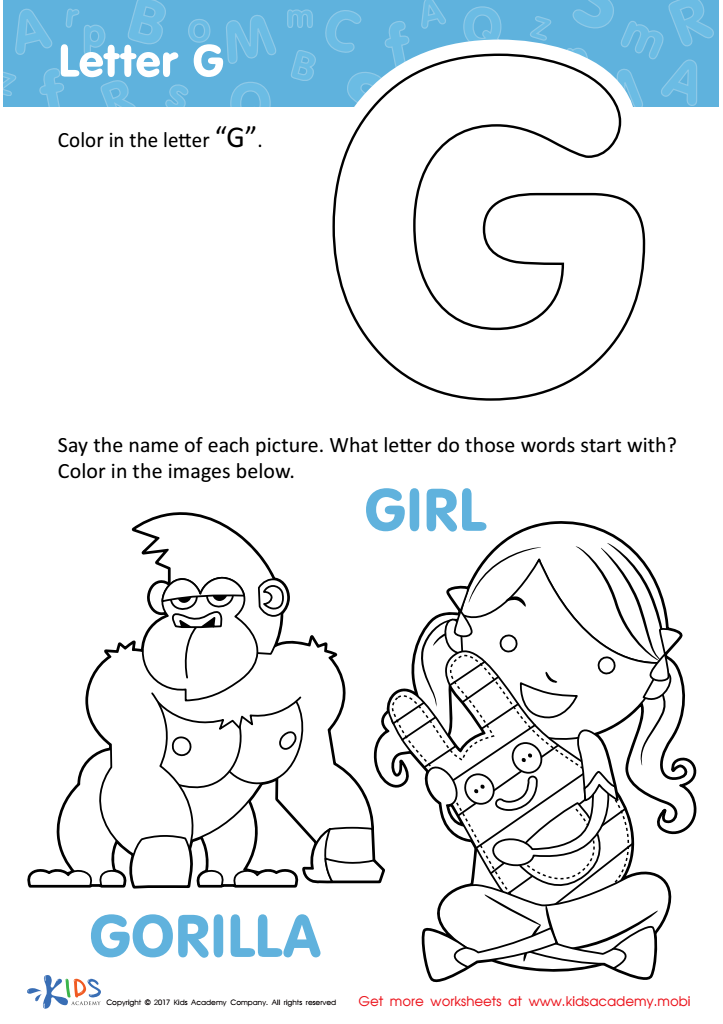
Letter G Coloring Sheet
 Assign to My Students
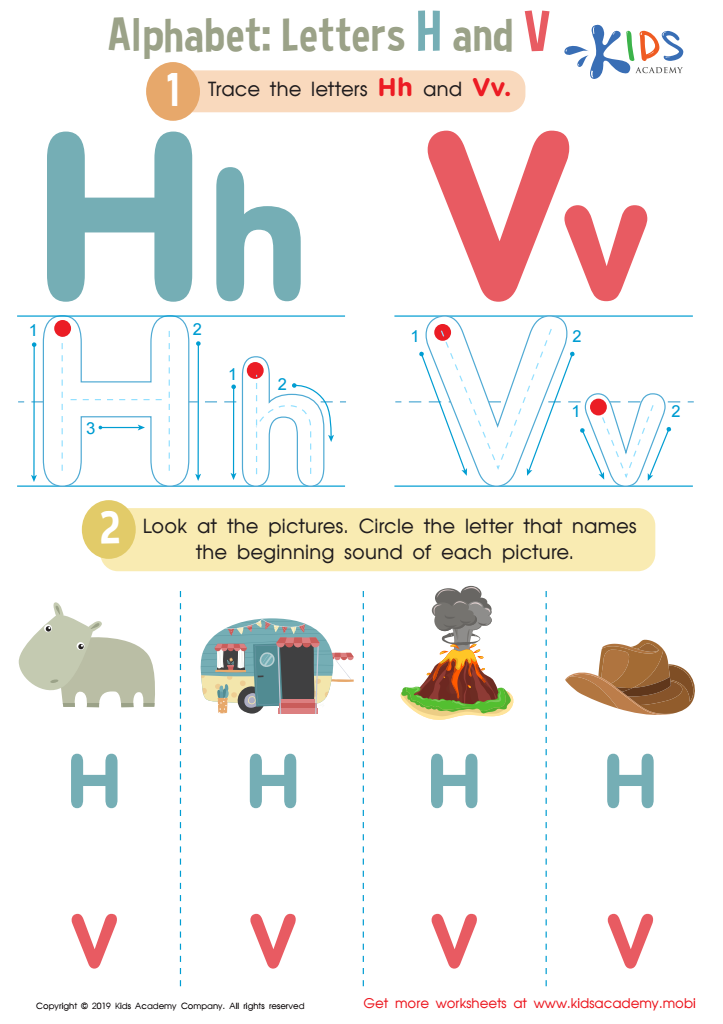
Letters H and V Tracing Worksheet
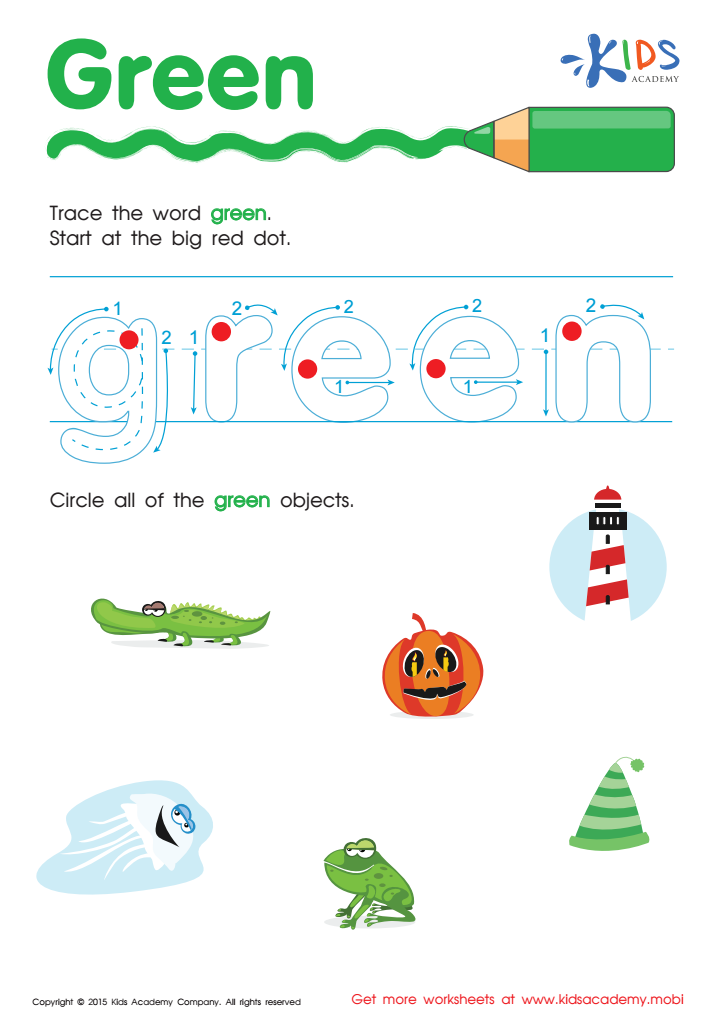
Green Tracing Color Words Worksheet
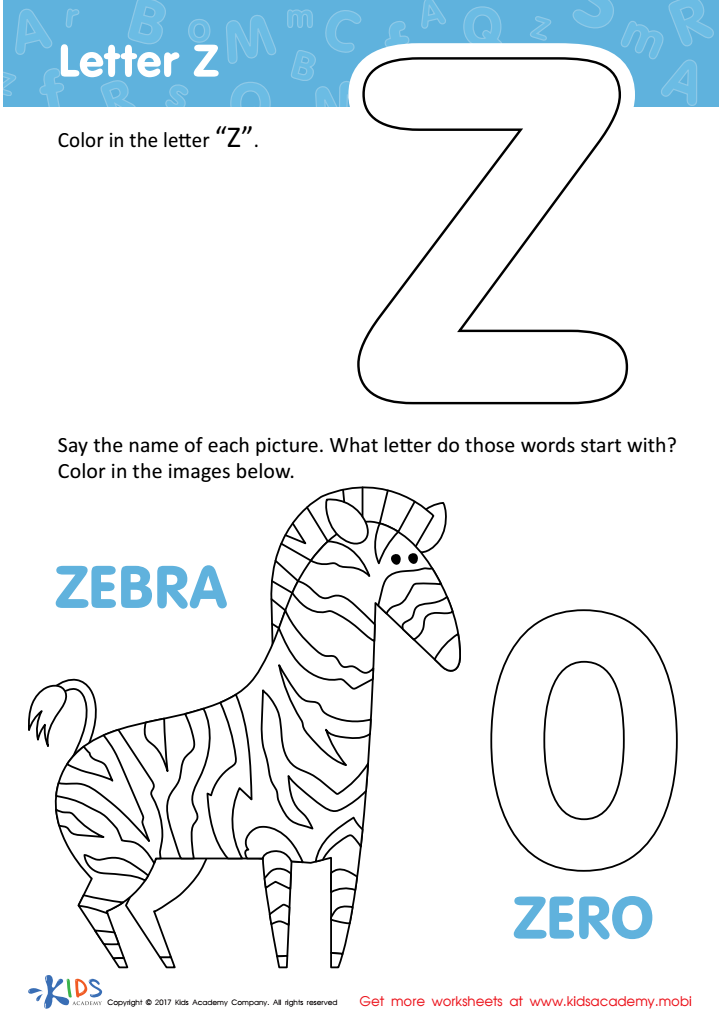
Letter Z Coloring Sheet
Assign to My Students
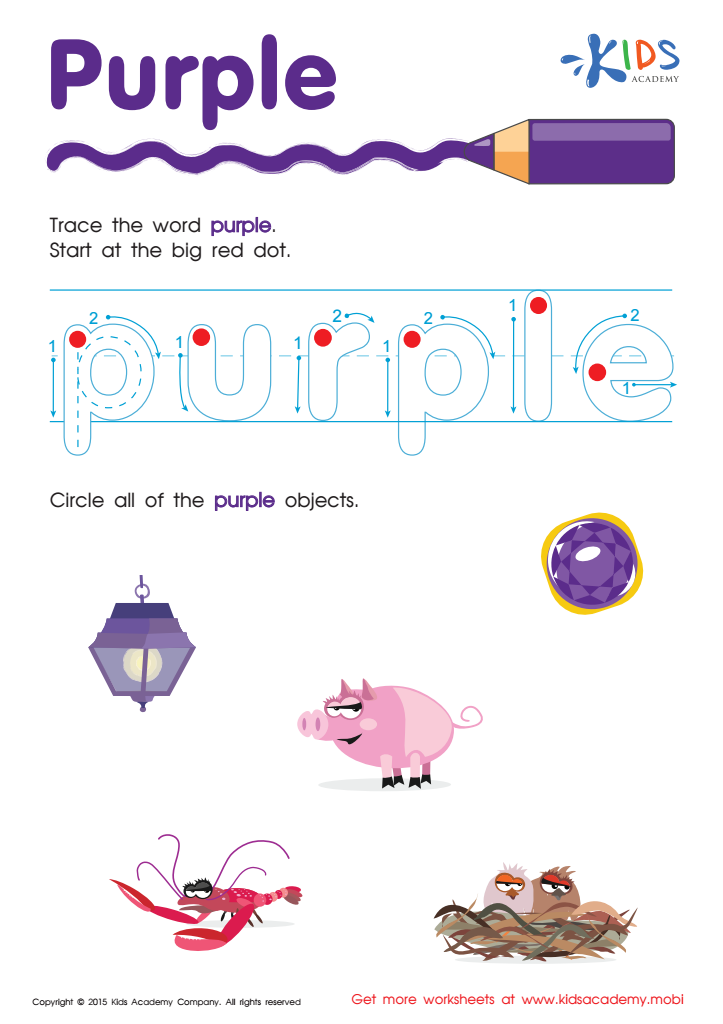
Purple Tracing Color Words Worksheet
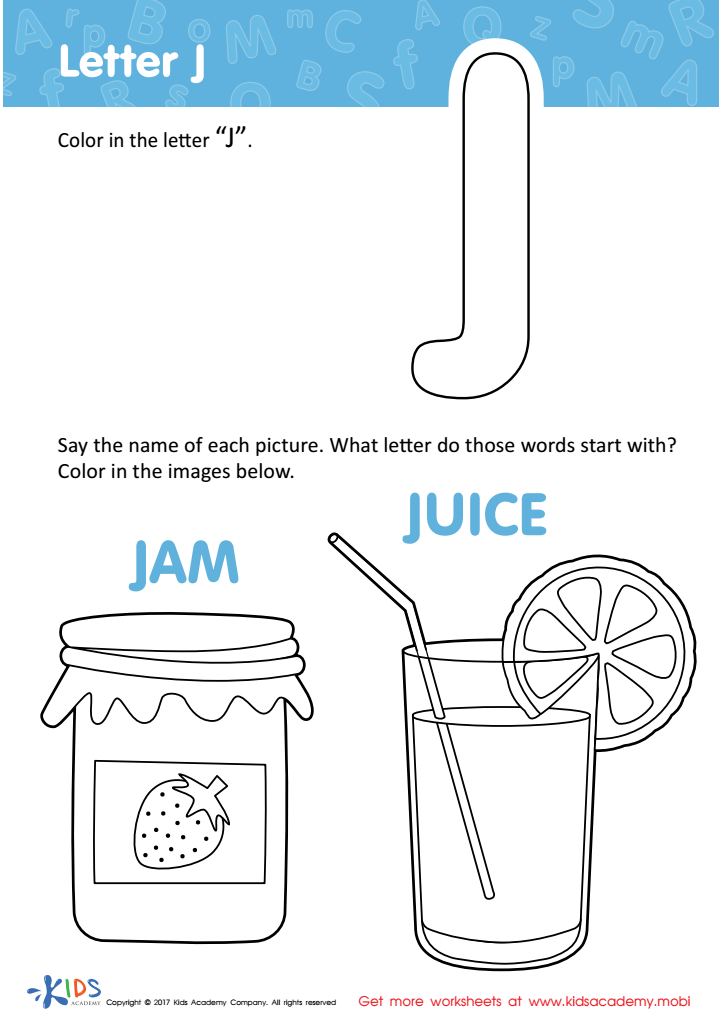
Letter J Coloring Sheet
Assign to My Students
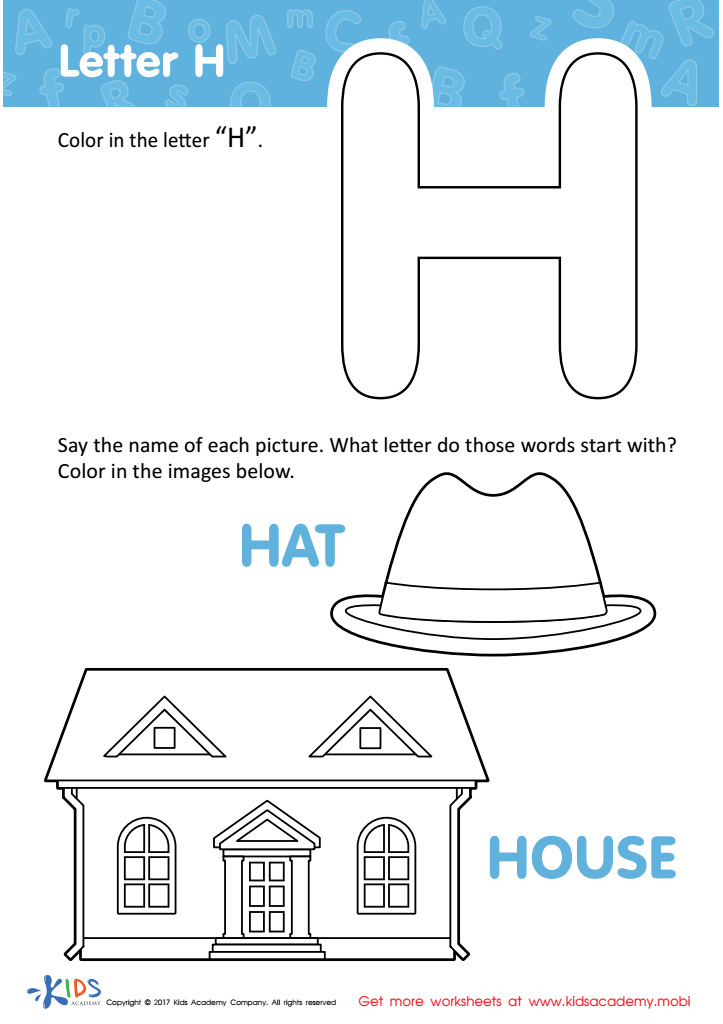
Letter H Coloring Sheet
Assign to My Students
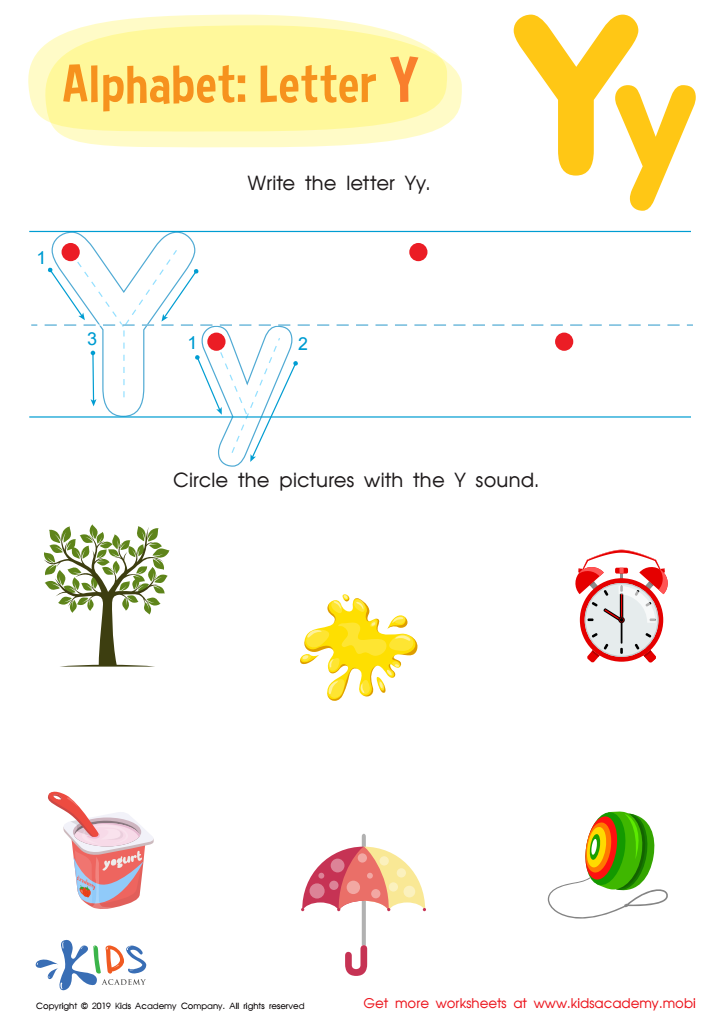
Letter Y Tracing Worksheet
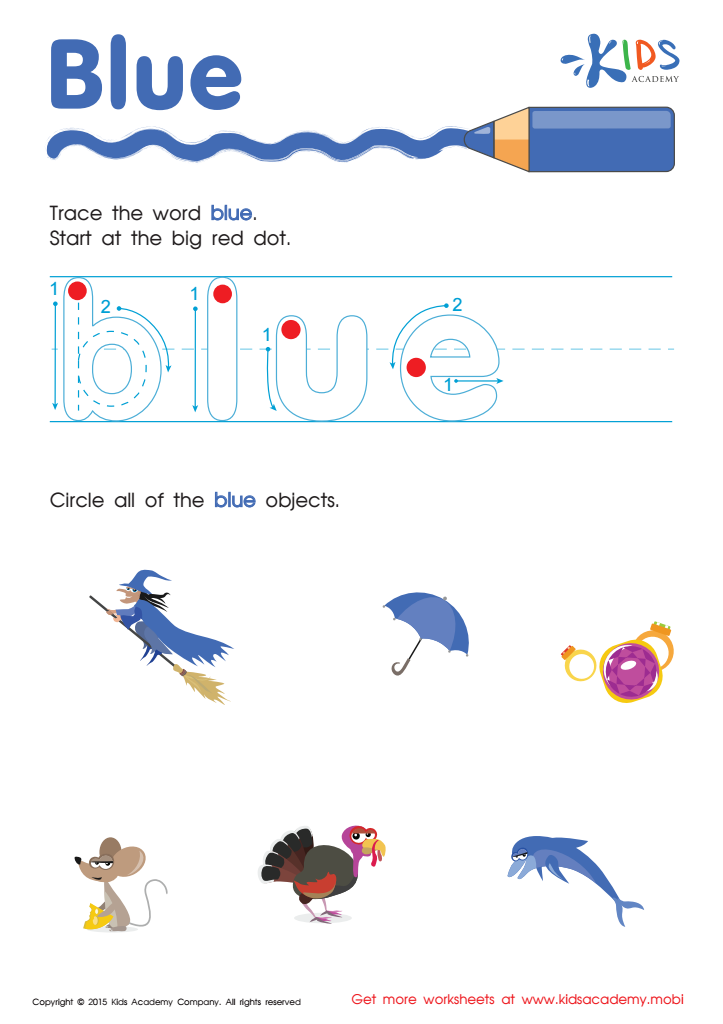
Blue Tracing Color Words Printable
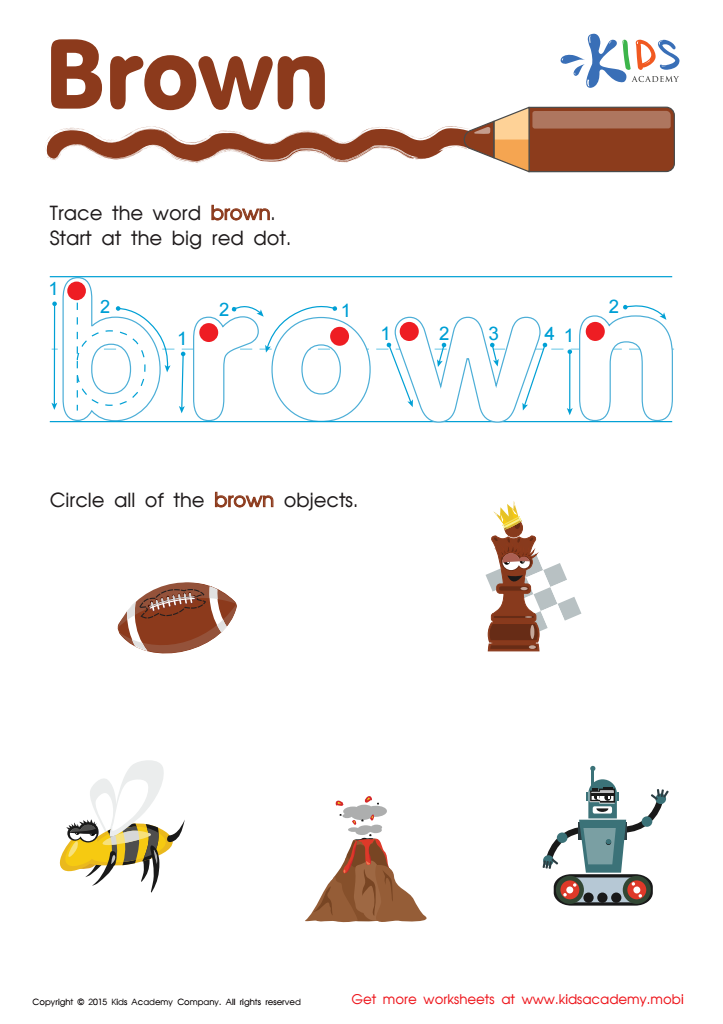
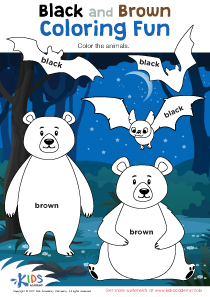
Brown Tracing Color Words Worksheet
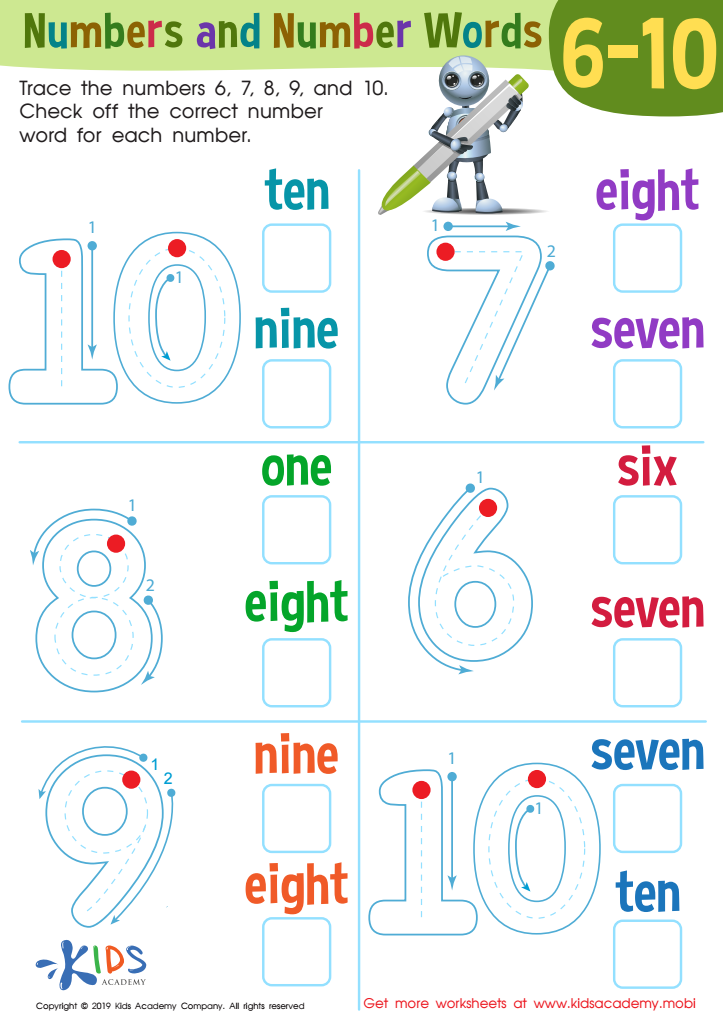
Numbers and Number Words 6–1 Worksheet
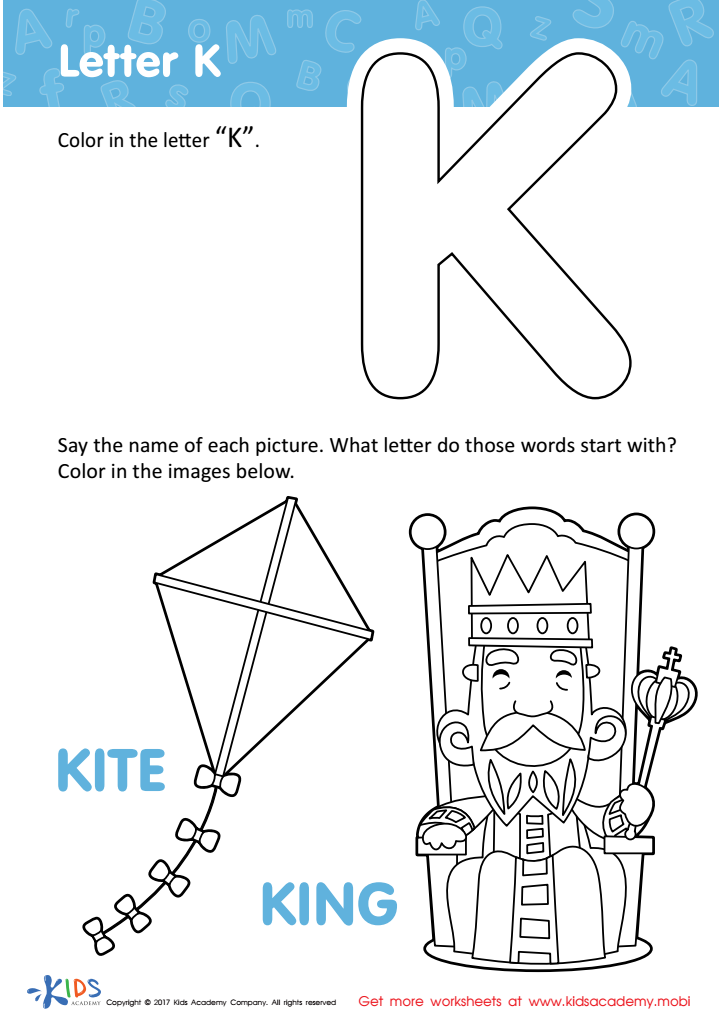
Letter K Coloring Sheet
Assign to My Students
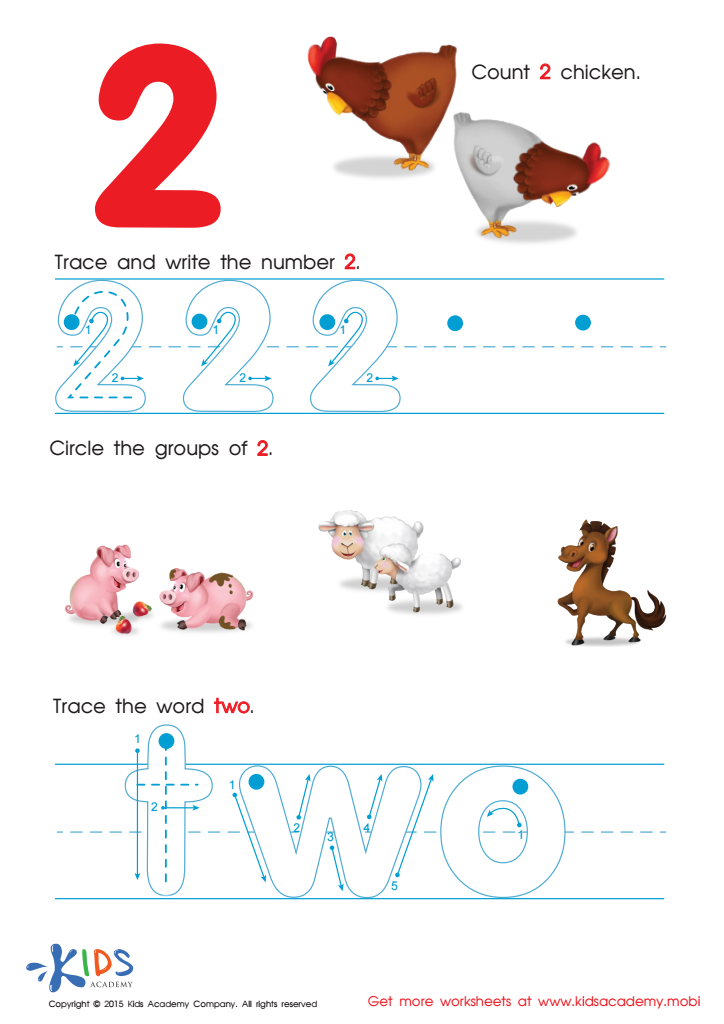
Learn to Write the Number 2 Worksheet
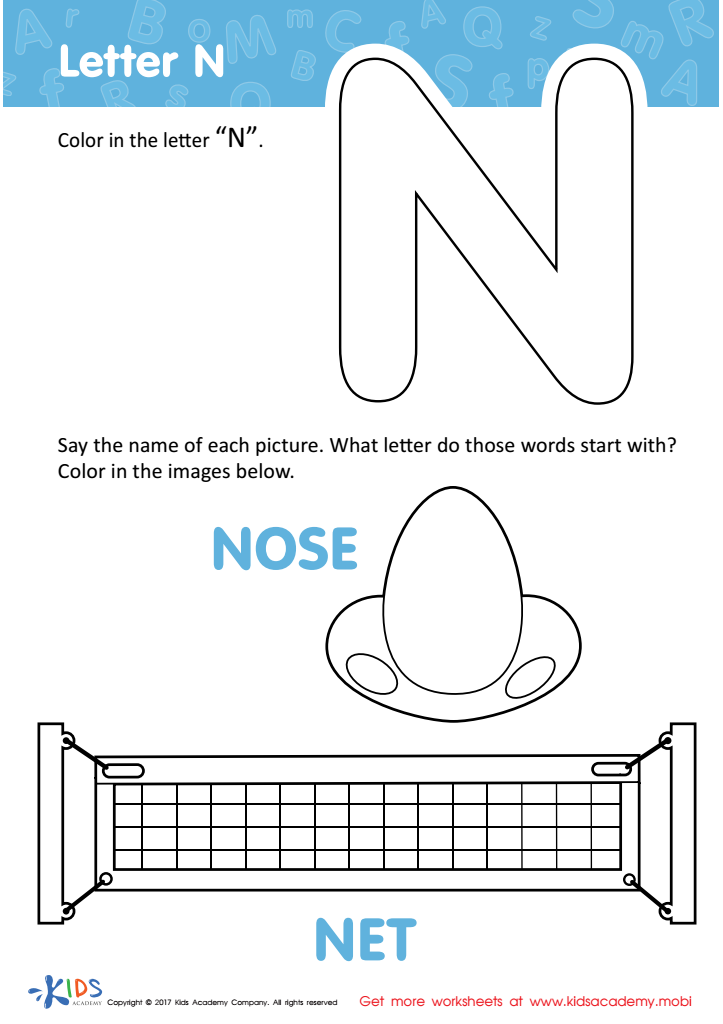
Letter N Coloring Sheet
Assign to My Students





Parents and teachers should prioritize handwriting practice in English for 6-year-olds because it serves as a foundational skill that impacts a child’s educational journey and overall cognitive development. At this age, children are at a crucial developmental stage where their motor skills are rapidly evolving. Practicing handwriting helps refine their fine motor skills, enhancing their ability to perform tasks like buttoning clothes and using utensils.
Handwriting practice also promotes literacy. As children learn to form letters and words, they concurrently strengthen their reading and spelling abilities, forming a solid base for fluency in languages. This interconnected development enhances their vocabulary and printing grip and spacing efficiency, making written communication clearer.
Moreover, consistent handwriting practice nurtures patience, attentiveness, and discipline, fostering a positive attitude toward learning and laying the groundwork for academic success. Notably, the act of writing by hand has been shown to improve memory and comprehension skills, as it requires neural connections that typing or other forms of digital input do not engage as deeply.
Ensuring that children master handwriting also prevents future frustrations associated with legible writing tasks, saving them from potential academic and self-esteem issues. By valuing handwriting practice, parents and teachers support holistic development, making learning an enriched and skillful endeavor for young children.