Fine Motor Skills Worksheets for 6-Year-Olds - Page 5
277 filtered results
-
From - To
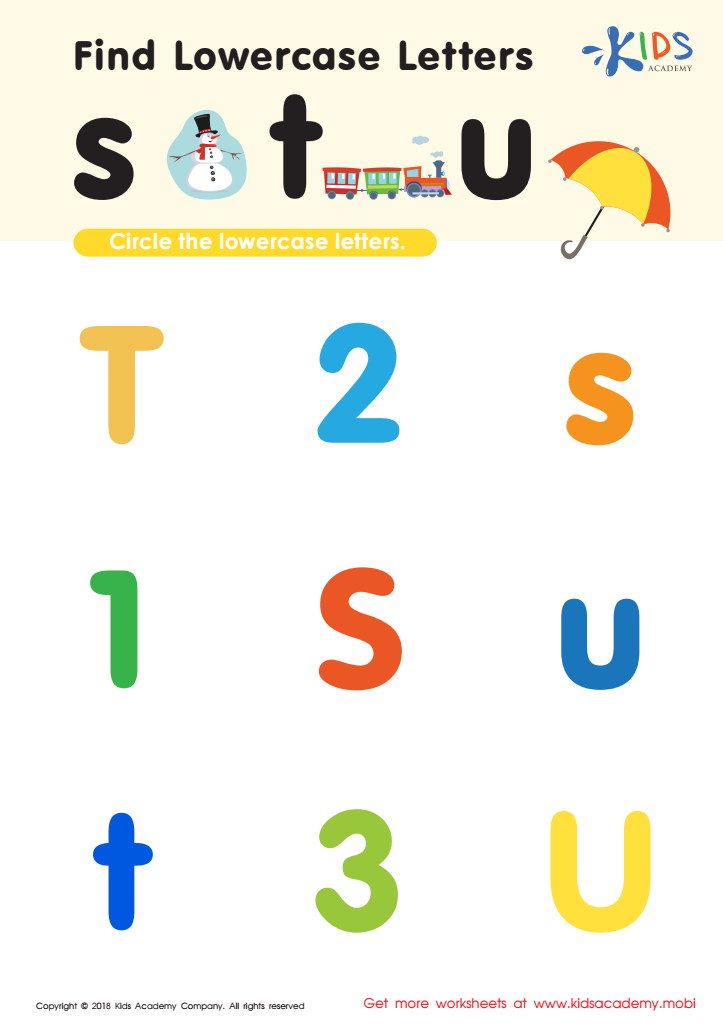
Find lowercase Letters s t u Worksheet
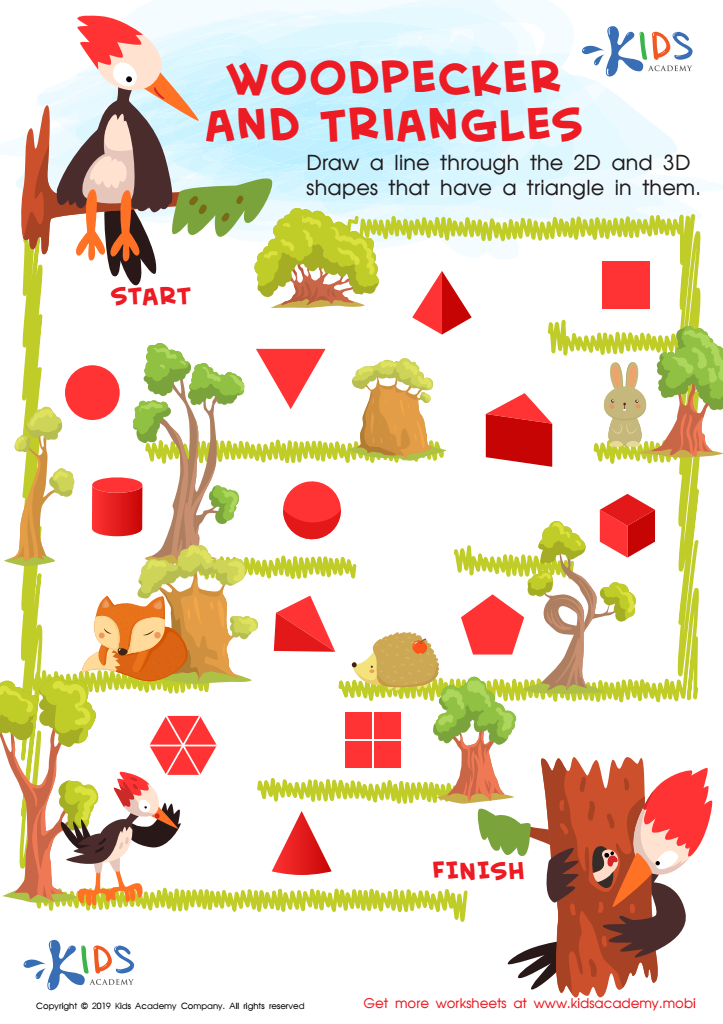
Woodpecker and Triangles Worksheet
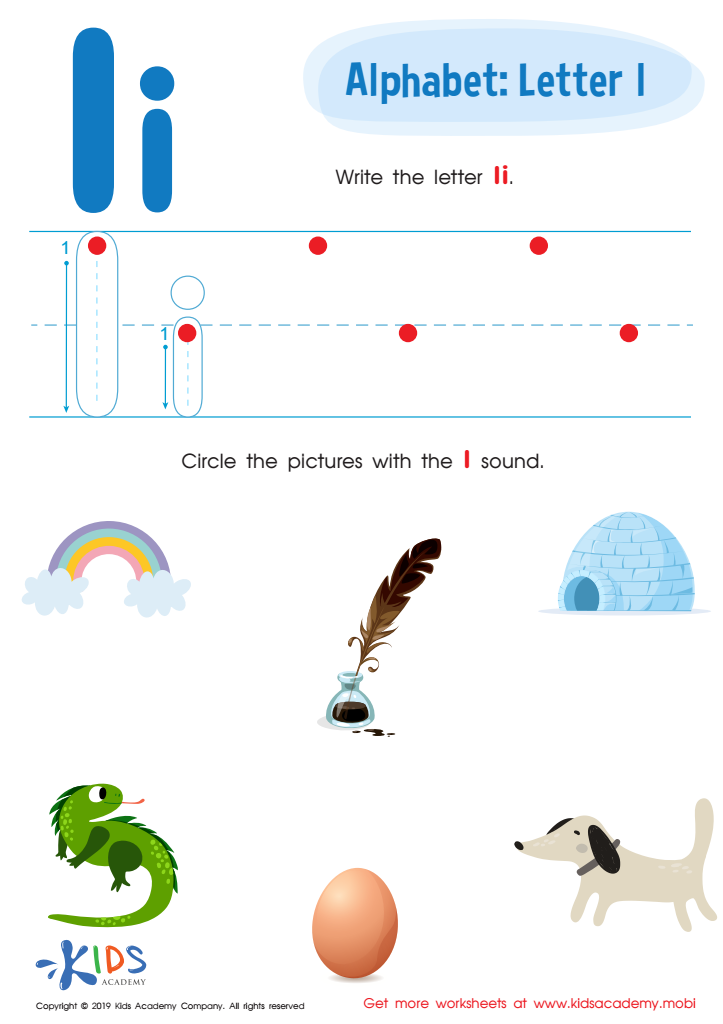
Letter I Tracing Worksheet
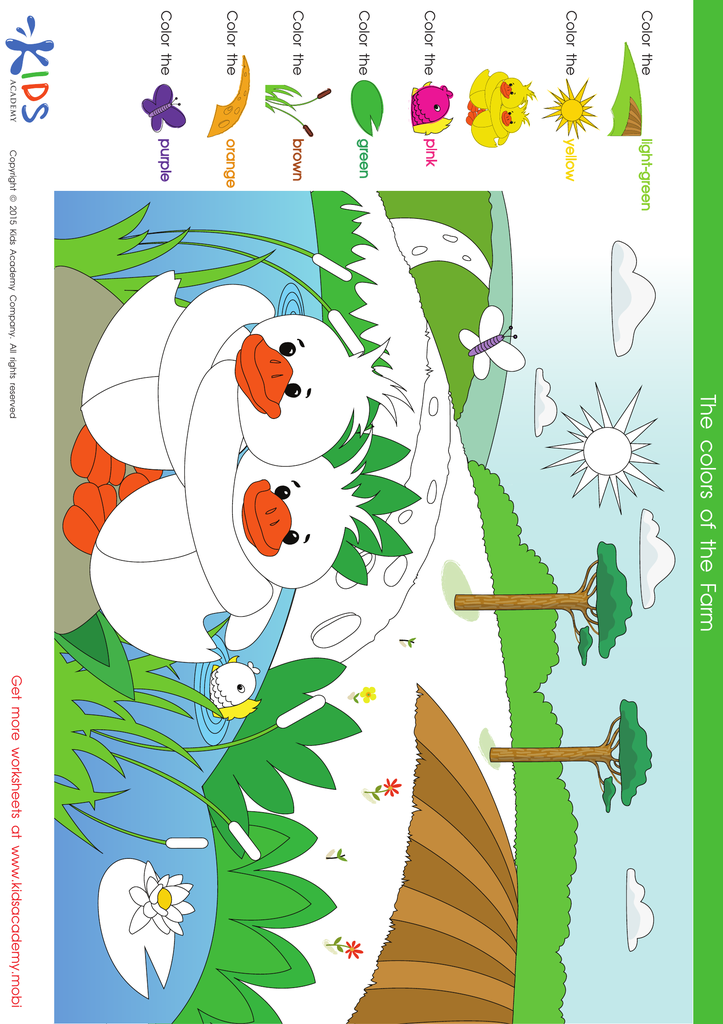
Color the Ducklings near the Pond Coloring Pages
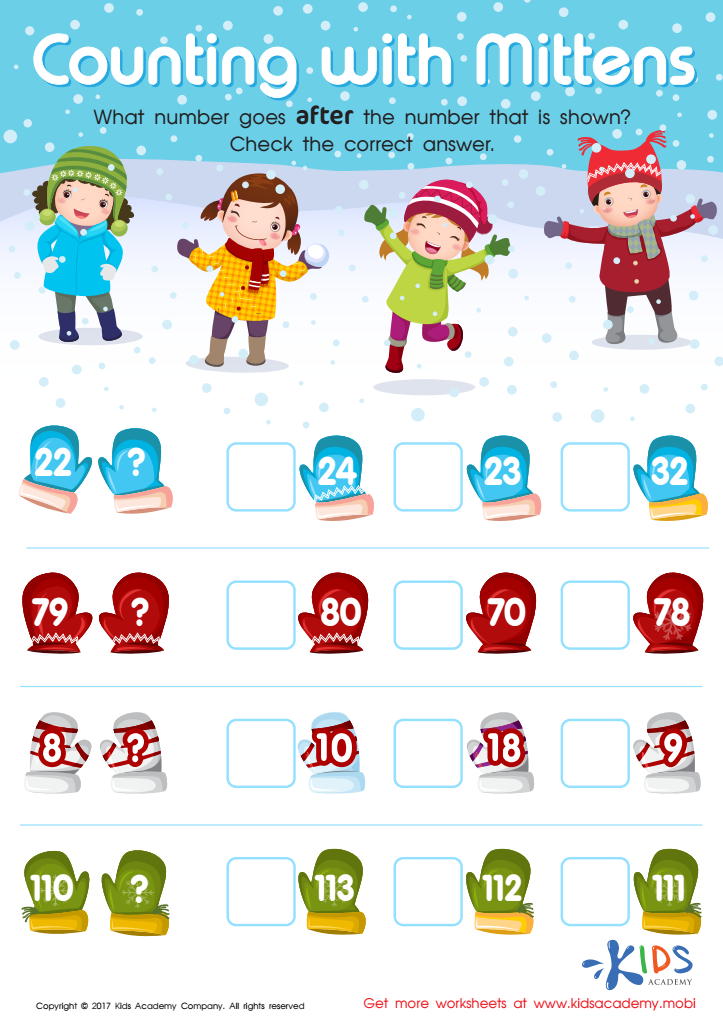
Counting with Mittens Worksheet
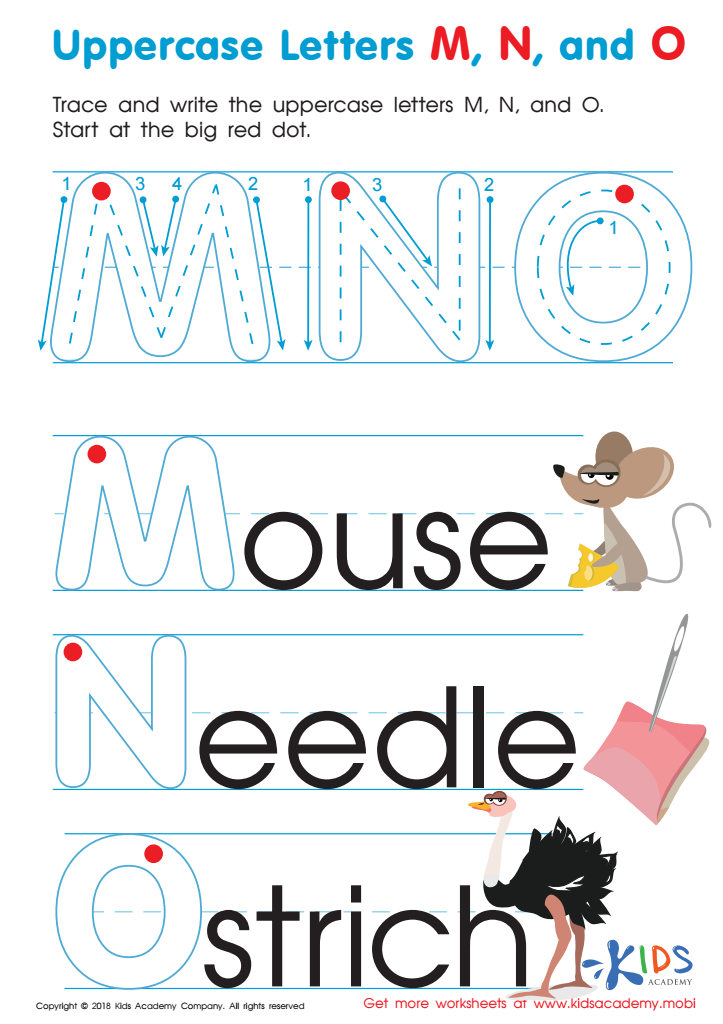
Uppercase Letters M, N, and O Worksheet
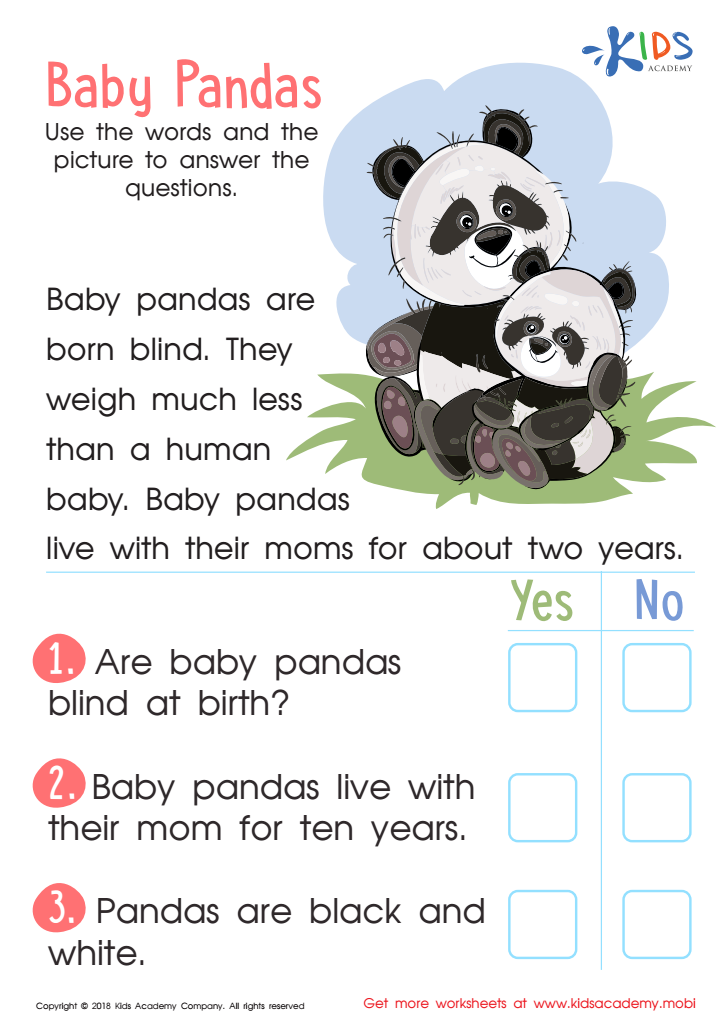
Baby Pandas Worksheet
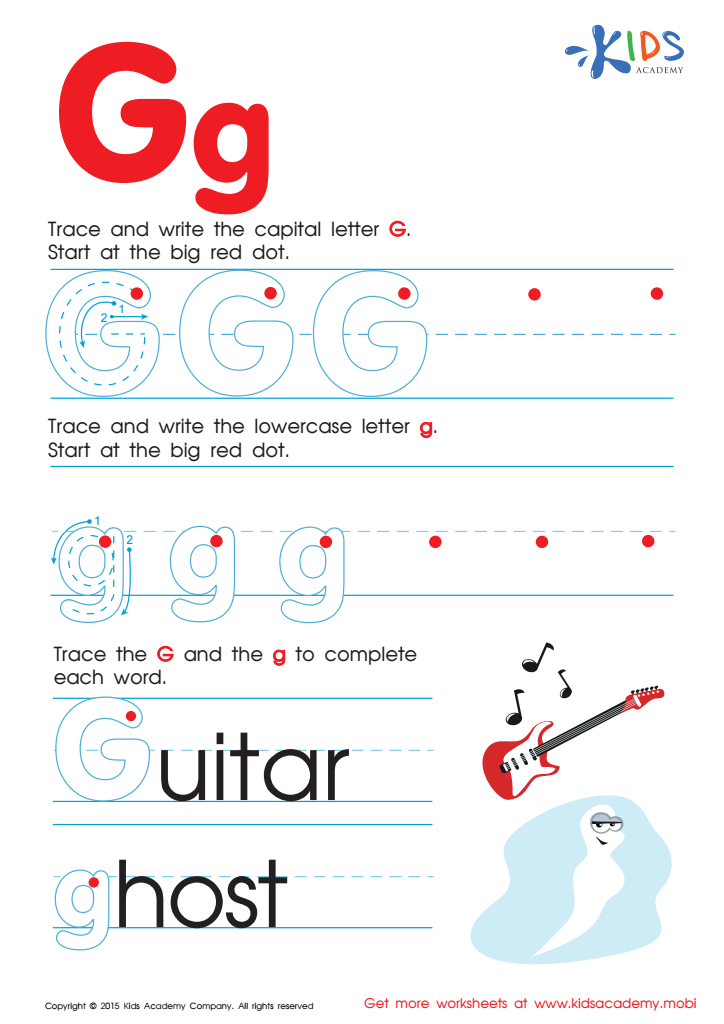
Letter G Tracing Page
Drummer Maze Worksheet
Easter Holiday Printable

Letter R Coloring Sheet
 Assign to My Students
Piecing Together 18 Worksheet
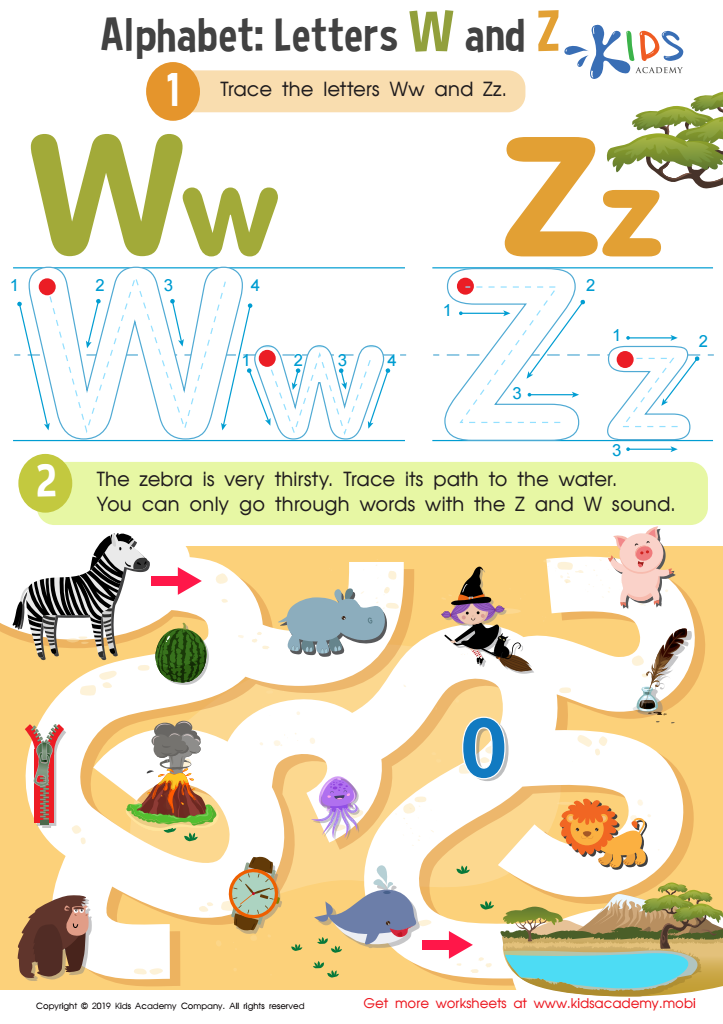
Letters W and Z Tracing Worksheet
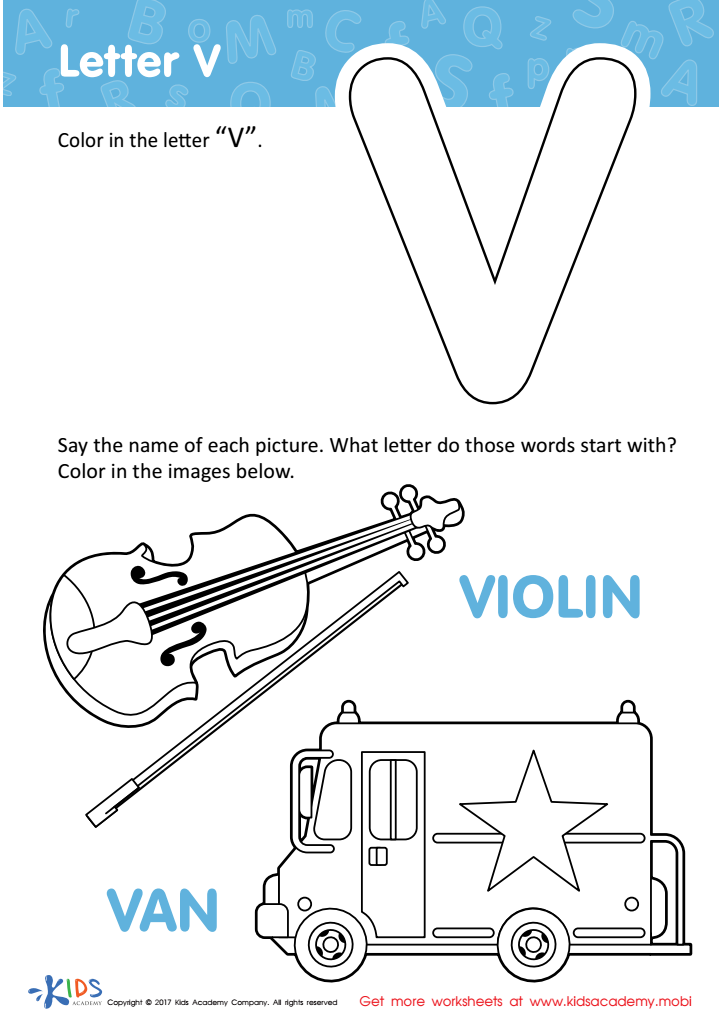
Letter V Coloring Sheet
Assign to My Students
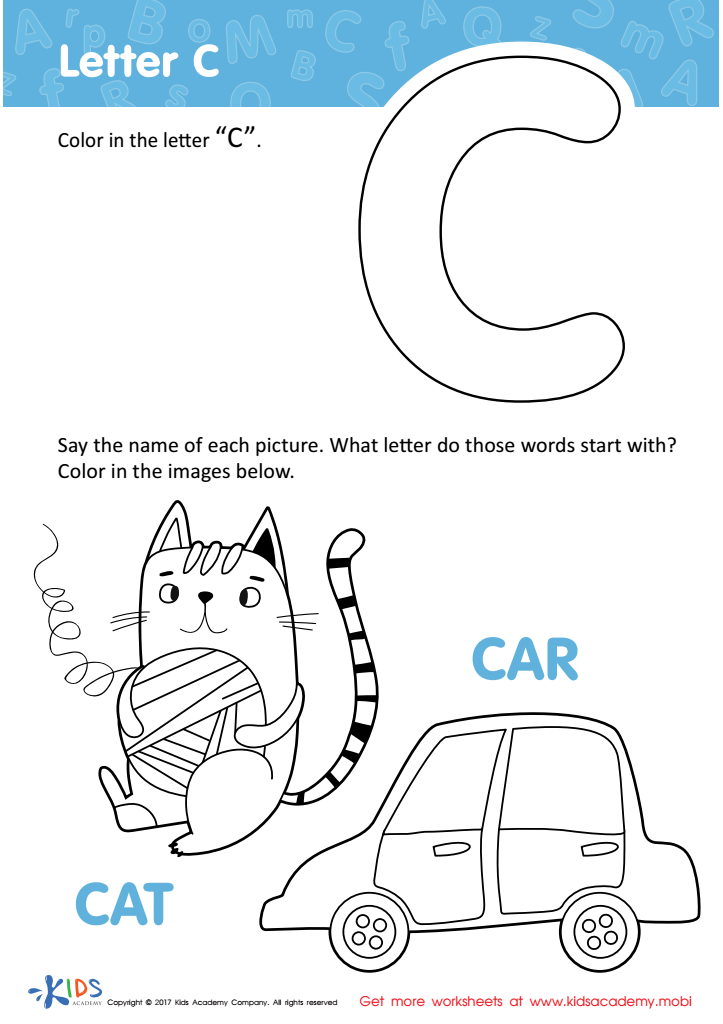
Letter C Coloring Sheet
Assign to My Students
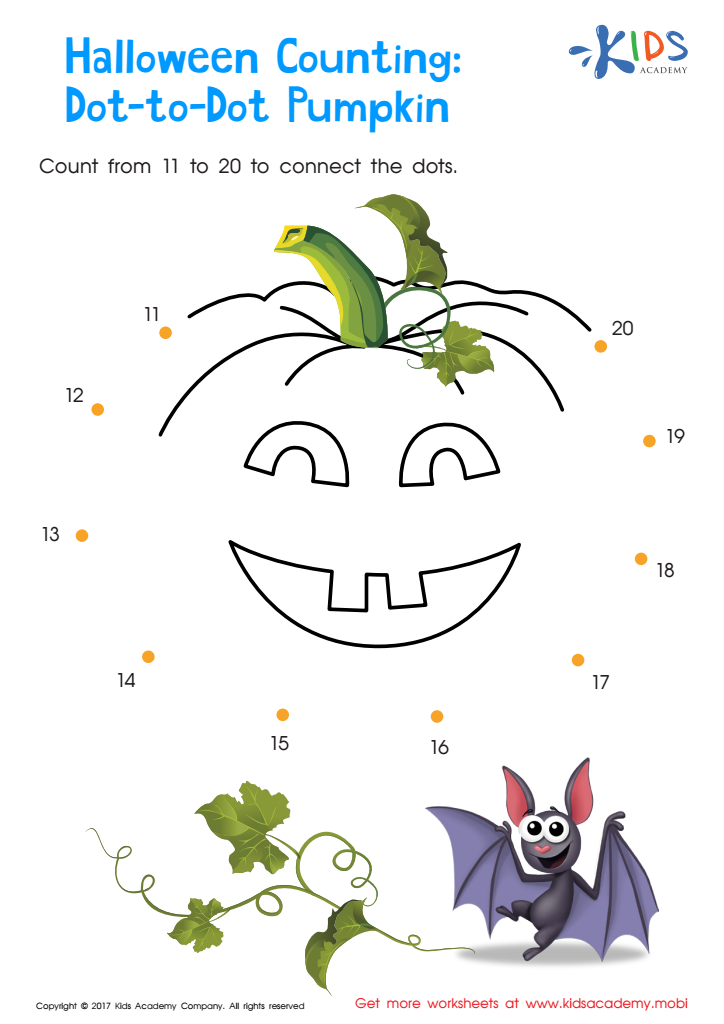
Ordering 11–20: Halloween Counting Worksheet
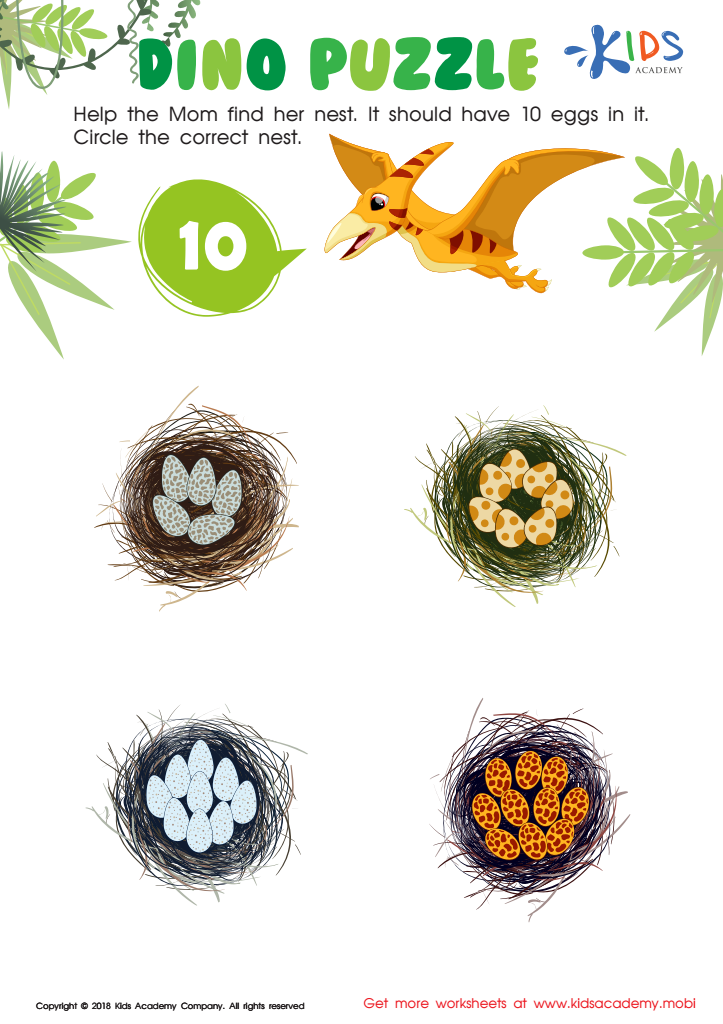
Learn Number For Kindergarten Worksheet
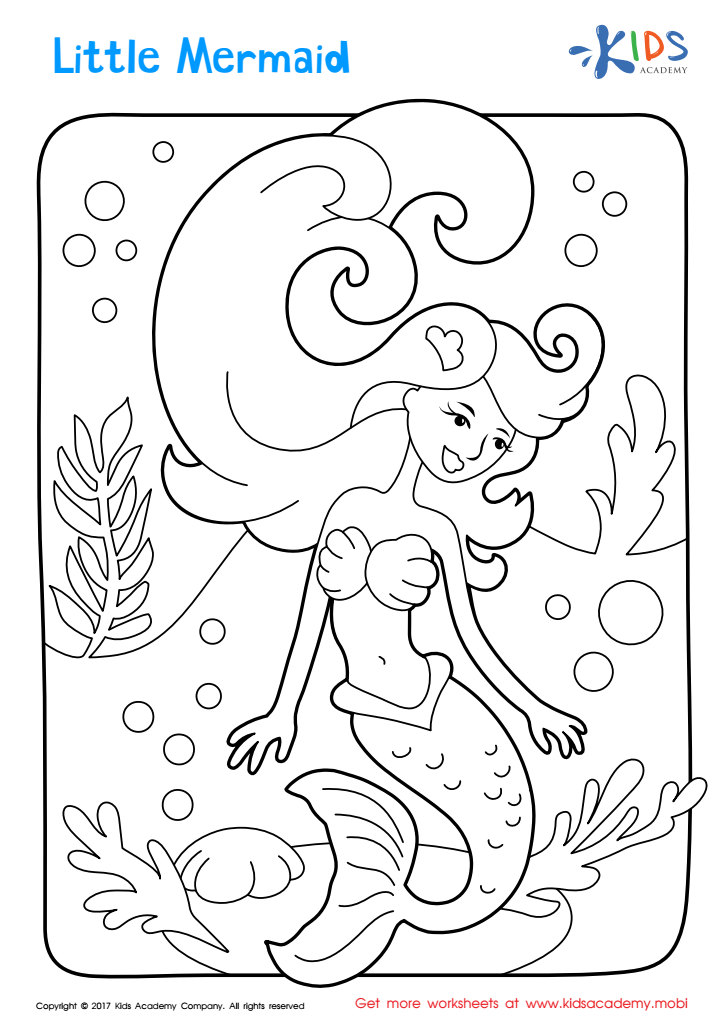
Little Mermaid Coloring Page
Assign to My Students
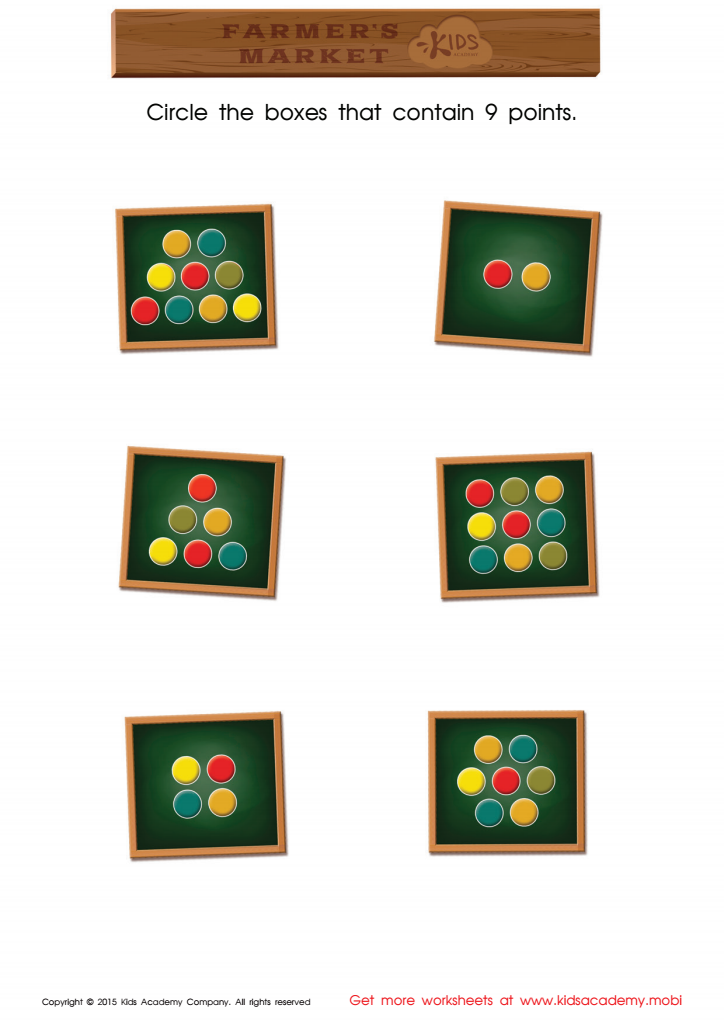
Count and Match Points 9 Math Worksheet
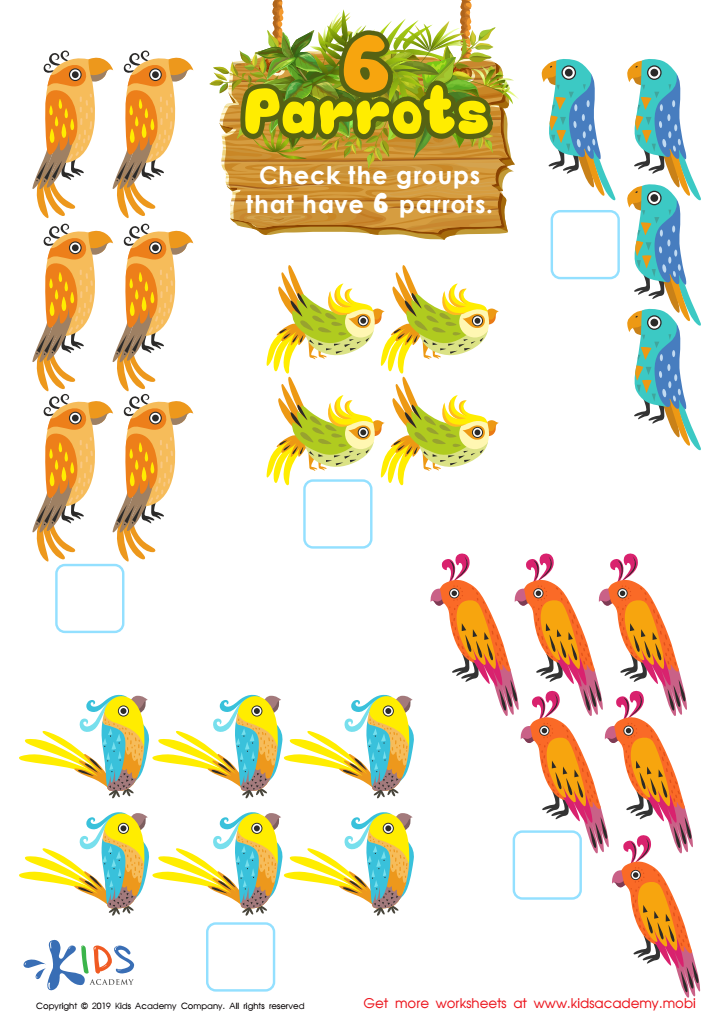
6 Parrots Worksheet
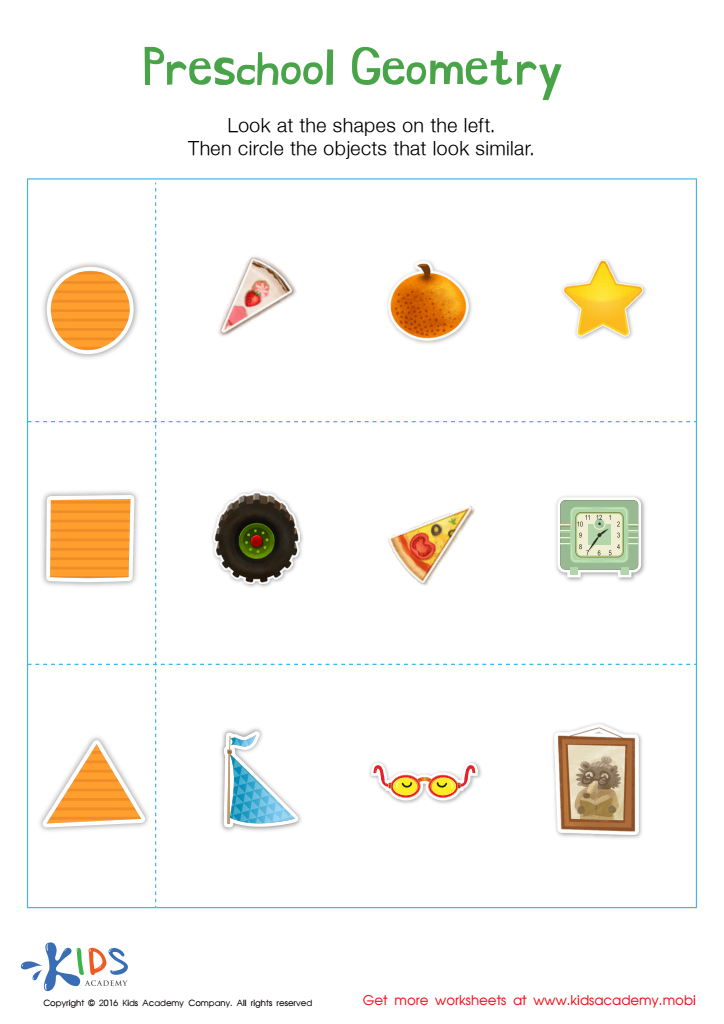
Preschool Geometry Match Up Worksheet
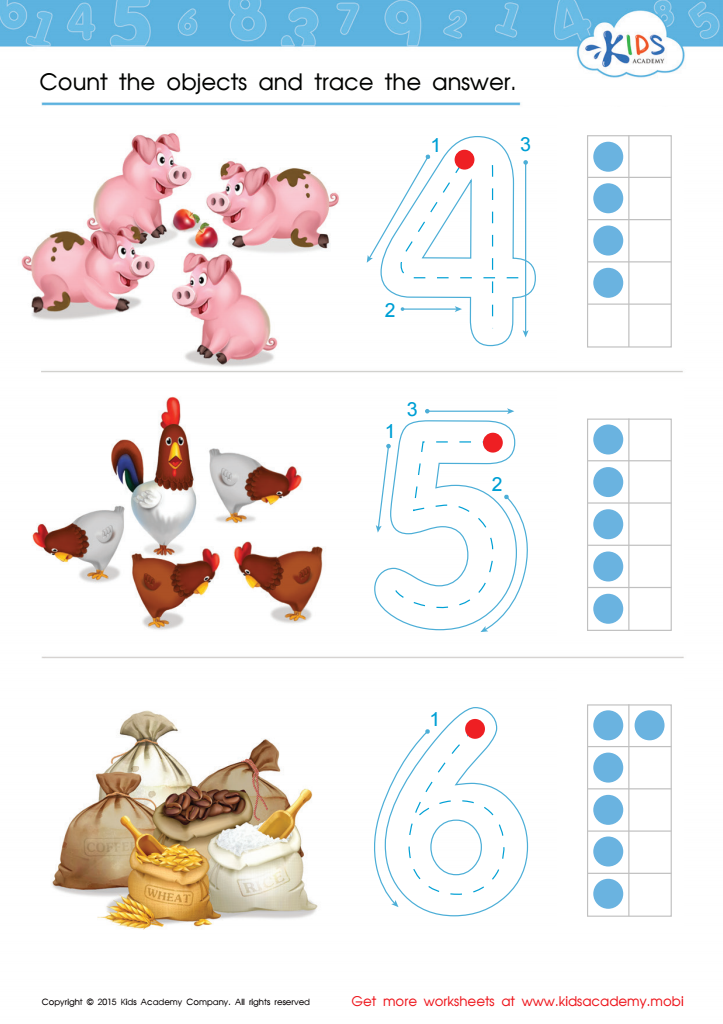
Count and Trace 4 – 6 Worksheet
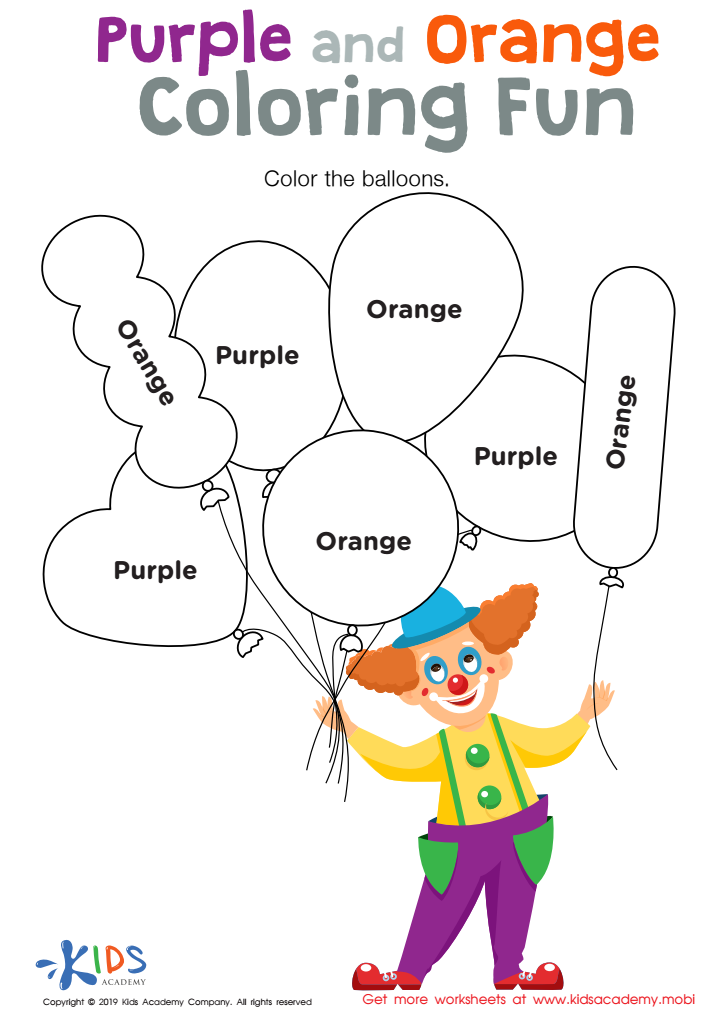
Purple and Orange Coloring Fun Worksheet
Assign to My Students








Fine motor skills are crucial for 6-year-olds as they form the foundation for a child's overall development. At this age, children are typically engaged in activities that require coordination and dexterity, such as writing, drawing, and self-care tasks like buttoning a shirt or tying shoelaces. Proficient fine motor skills not only facilitate these everyday activities but also foster independence and self-confidence.
Development of these skills enhances a child’s cognitive processes, promoting concentration, problem-solving, and creativity. When children can manipulate small objects, they gain better hand-eye coordination and spatial awareness, leading to improved learning outcomes in subjects like math and science. As teachers and parents, fostering fine motor skills can also provide insight into a child's developmental progress. Difficulty with fine motor tasks may indicate challenges that need addressing, such as a learning disability or sensory processing issues.
Engaging children in play-based, hands-on activities—such as arts and crafts, puzzles, and building blocks—encourages the development of these skills in fun and enjoyable ways. By prioritizing fine motor skill development, parents and teachers help children build a solid foundation for future learning, self-sufficiency, and overall confidence in their abilities.








