
Understanding habitats Worksheets for 6-Year-Olds
8 filtered results
Difficulty Level
Grade
Age
-
From - To
Subject
Activity
Standards
Explore our engaging "Understanding Habitats Worksheets for 6-Year-Olds" designed to foster curiosity about the natural world! These worksheets are tailored for young learners, offering a fun way to discover various habitats such as forests, oceans, and deserts. Each activity encourages critical thinking and environmental awareness through colorful visuals and simple questions that challenge children to identify and categorize different animals and plants within their habitats. Ideal for home or classroom use, our worksheets promote creativity, enhance fine motor skills, and support early science education. Make learning about habitats an adventurous experience for your little ones with these interactive worksheets!
Favorites
With answer key
Interactive
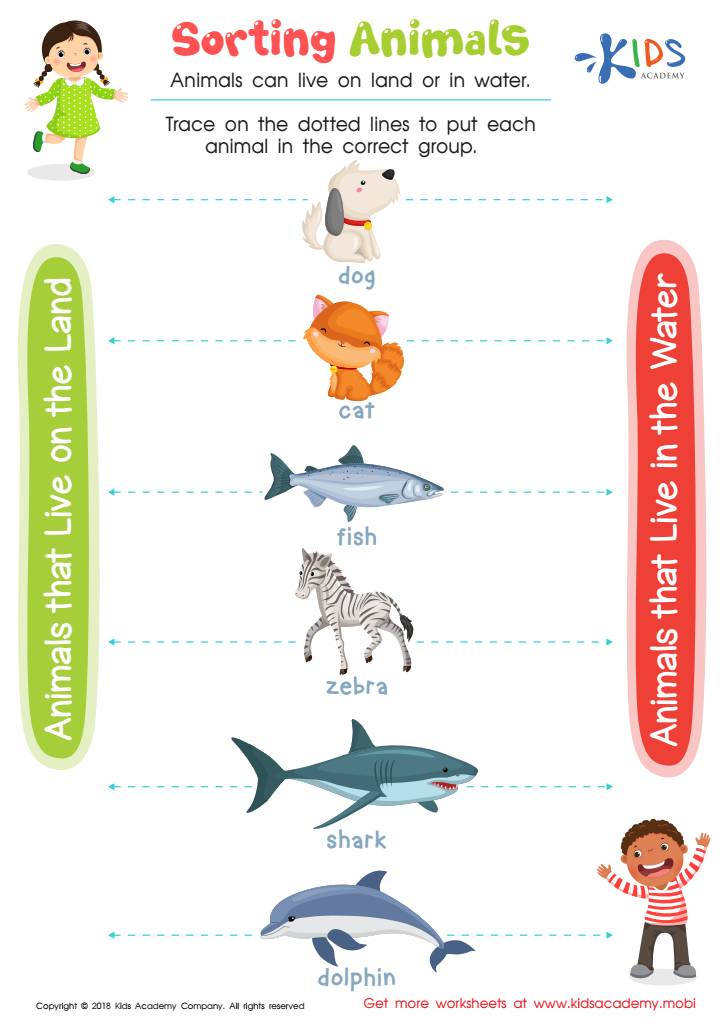
Sorting Animals Worksheet
Your kids will love this free, interactive worksheet! With image clues, they can read and trace the animal names, and then sort them into groups of land or water animals. It's an enjoyable way to boost their critical thinking, fine motor and prior knowledge skills.
 Assign to My Students
Sorting Animals Worksheet
Worksheet
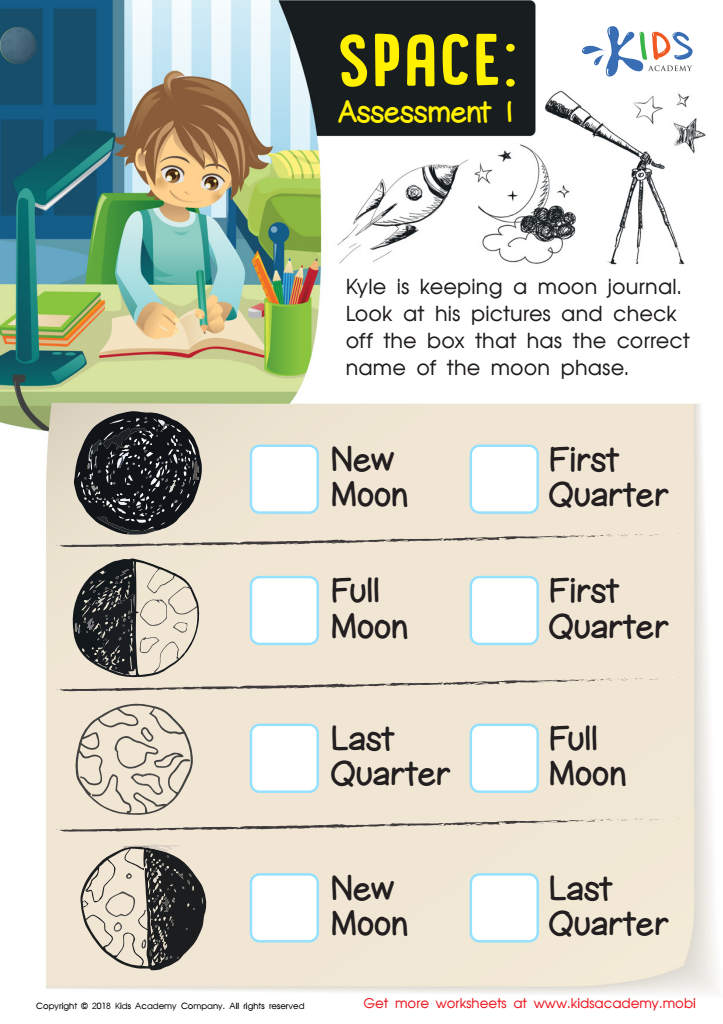
Space: Assessment 1 Worksheet
Introduce Kyle and his moon journal to your kids! Ask if they know what it is, or if they keep one too. Together, look at Kyle's pics and help them identify the phases of the moon. Have them check off the correct name of each. It's a great way to get kids interested in space!
Space: Assessment 1 Worksheet
Worksheet
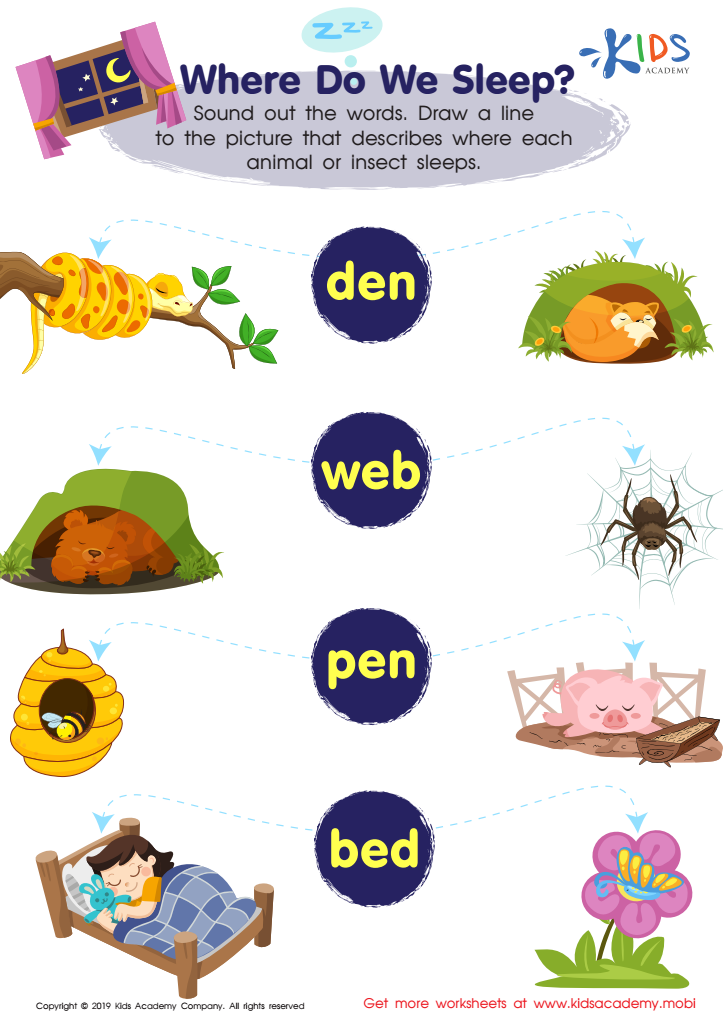
Where Do We Sleep Worksheet
Help your kids understand the importance of a safe space with this activity: Ask them to draw a line connecting the different animals and insects to the words that describe where they sleep. Remind them that everyone needs a sanctuary to rest – like the animals and insects in this printout.
Where Do We Sleep Worksheet
Worksheet
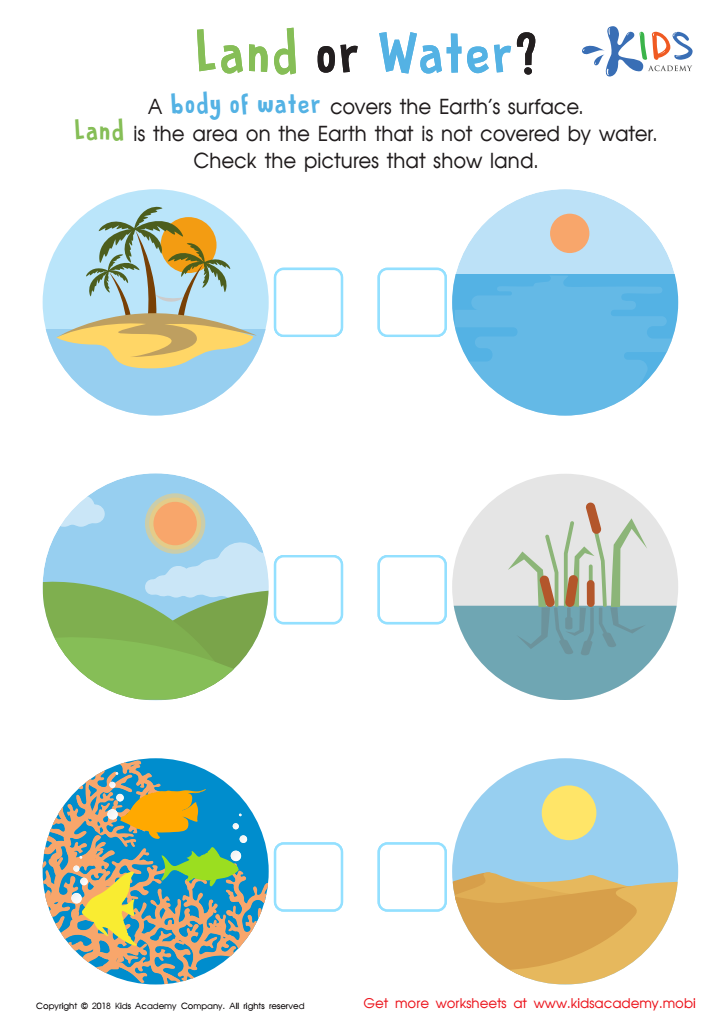
Land or Water Worksheet
The Earth is mostly covered by water. Ask your kids to name examples of land and water, then look at a worksheet with them. Ask them to identify pictures that show land and water, then help them check.
Land or Water Worksheet
Worksheet
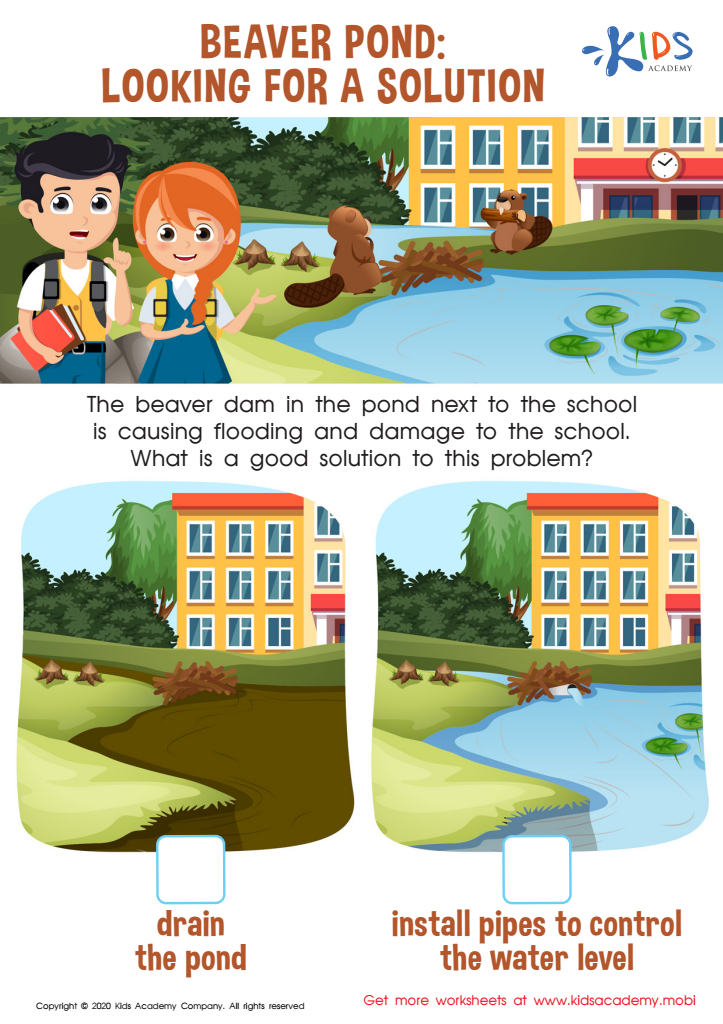
Beaver Pond: Looking for a Solution Worksheet
Beavers are building dams and flooding the local pond! Help your child practice problem-solving skills by reading through and selecting from possible solutions, with this fun PDF worksheet. See how your child's skills are improved!
Beaver Pond: Looking for a Solution Worksheet
Worksheet
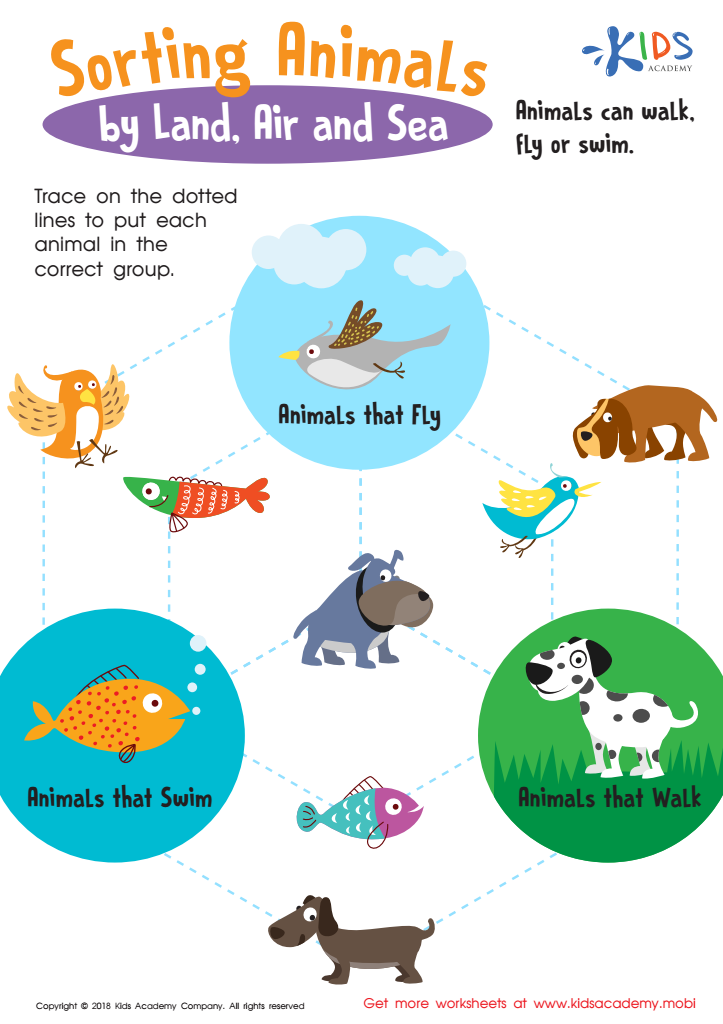
Sorting Animals by Land, Air and Sea Worksheet
Kids will use critical thinking and fine motor skills with this worksheet! They'll analyze animal traits and draw lines to sort them into groups of those that fly, swim, or walk. It's a fun way to hone skills and have a great time!
Sorting Animals by Land, Air and Sea Worksheet
Worksheet
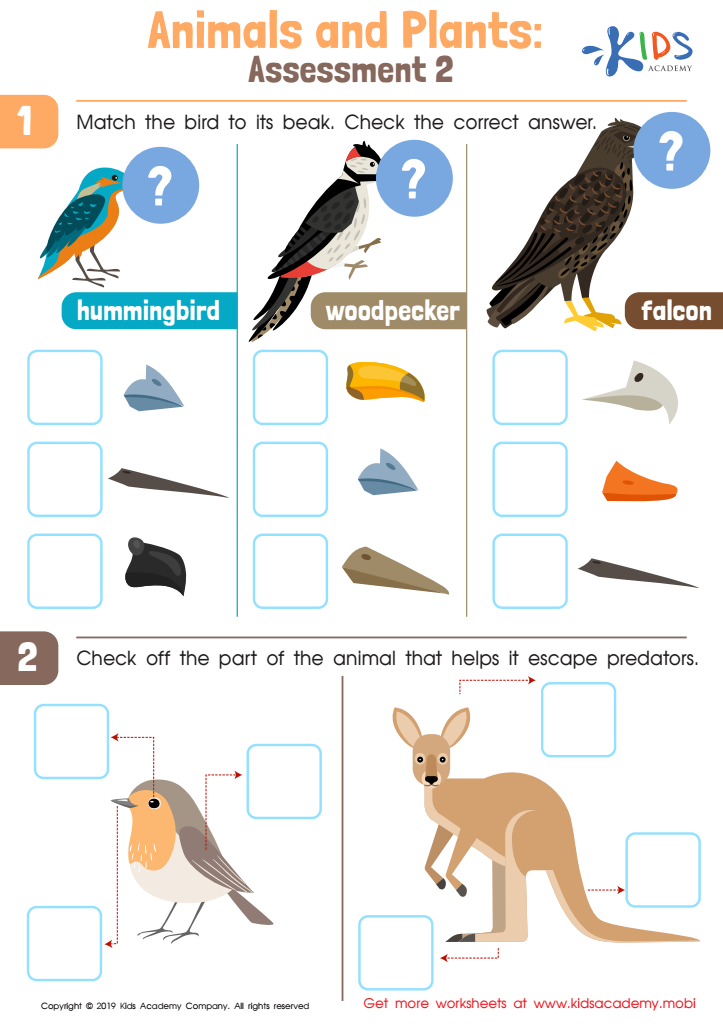
Animals and Plants: Assessment 2 Worksheet
This free PDF is ideal to quickly test your child's knowledge of animal adaptations. They'll select the right beak patterns for hummingbird, woodpecker and falcon, and identify which parts of animals help them escape predators. It's easy to assess your kid's understanding.
Animals and Plants: Assessment 2 Worksheet
Worksheet
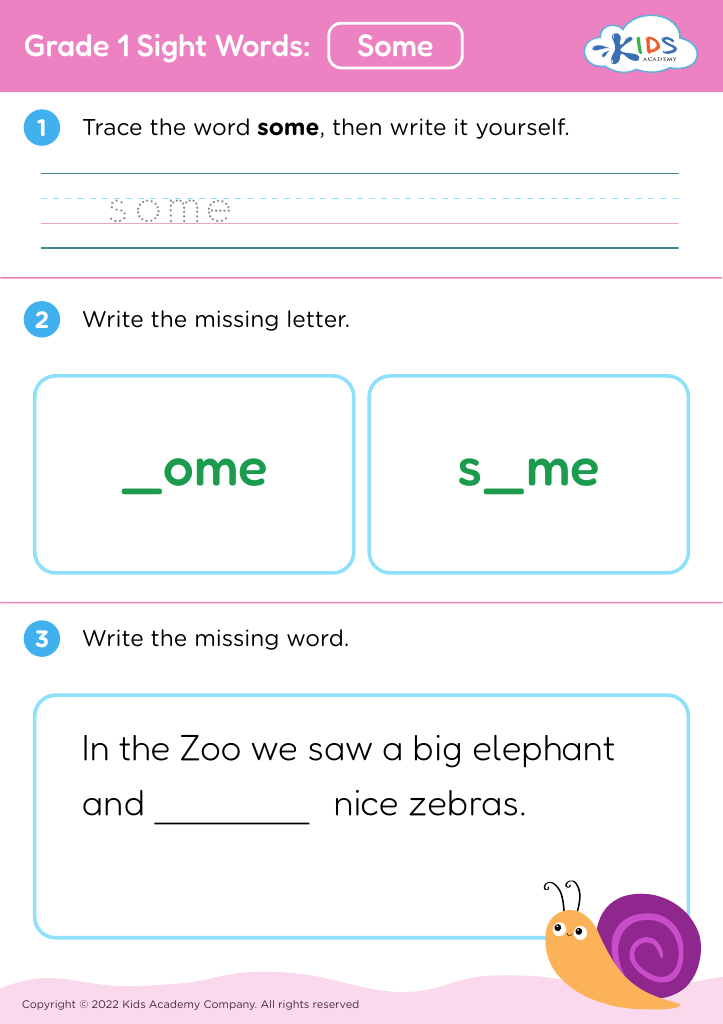
Join Kids Academy for Free
Who is primarily going to use this learning content?






Understanding habitats is crucial for 6-year-olds as it fosters a sense of curiosity and respect for the natural world. At this age, children are naturally inquisitive, making it the perfect time to introduce them to the concept of different environments, such as forests, oceans, and wetlands. By learning about habitats, children develop an understanding of the diverse ecosystems where plants and animals live, which is fundamental to their awareness of wildlife and biodiversity.
Moreover, familiarizing young learners with habitats promotes environmental stewardship. Children who recognize the significance of their surroundings are more likely to appreciate and engage in conservation efforts as they grow older. This knowledge empowers them to make informed decisions about the environment and encourages them to become responsible citizens.
Additionally, discussing habitats enhances critical thinking and observational skills. When children explore the attributes of various ecosystems, they learn to ask questions, collect information, and draw conclusions about how life interacts with the environment. This hands-on discovery is engaging and essential for cognitive development. Ultimately, incorporating the concept of habitats into early education benefits children's intellectual growth and helps cultivate a compassionate, environmentally aware generation. This understanding lays the foundation for a healthier planet and sustainable future.








