Basic Math Skills Math Worksheets for 6-Year-Olds
81 filtered results
-
From - To
Explore our engaging Basic Math Skills Worksheets designed specifically for 6-year-olds! These fun and interactive activities foster foundational math concepts, including addition, subtraction, counting, and number recognition. Tailored to support young learners, our worksheets help nurture critical thinking and problem-solving abilities in a playful manner. Ideal for home or classroom use, they reinforce essential skills through colorful illustrations and clear instructions, making math enjoyable. Perfect for early grade teachers and parents alike, these printable worksheets are a valuable resource to enhance your child's mathematical confidence and proficiency. Dive into the world of numbers with Kids Academy today!
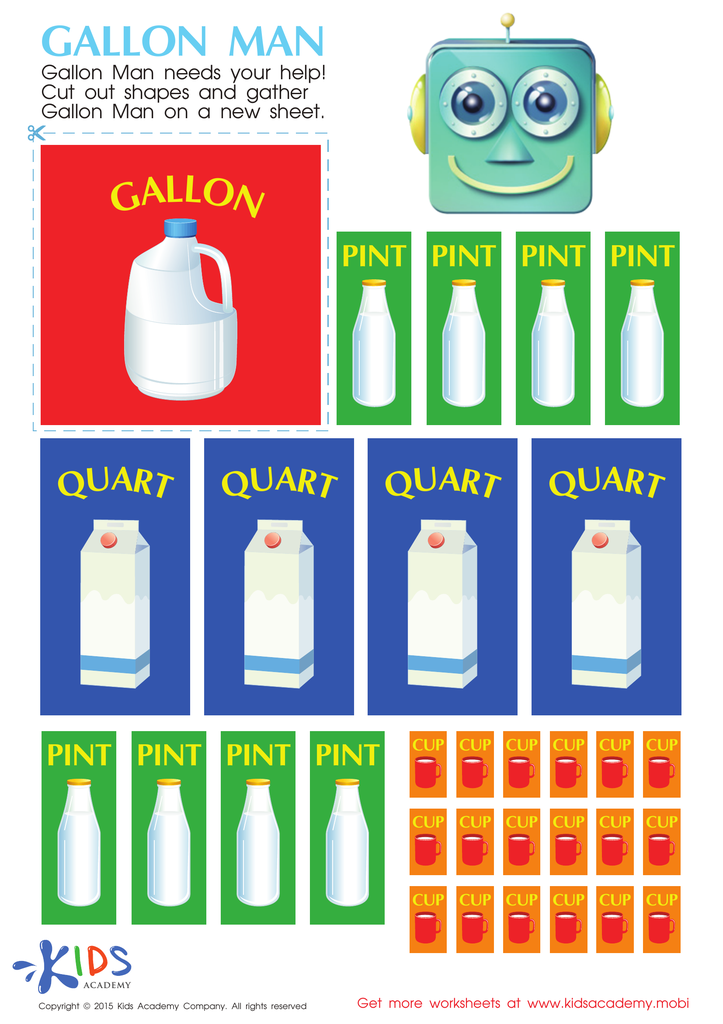
Cups, Pints and Quarts With Gallon Man Worksheet
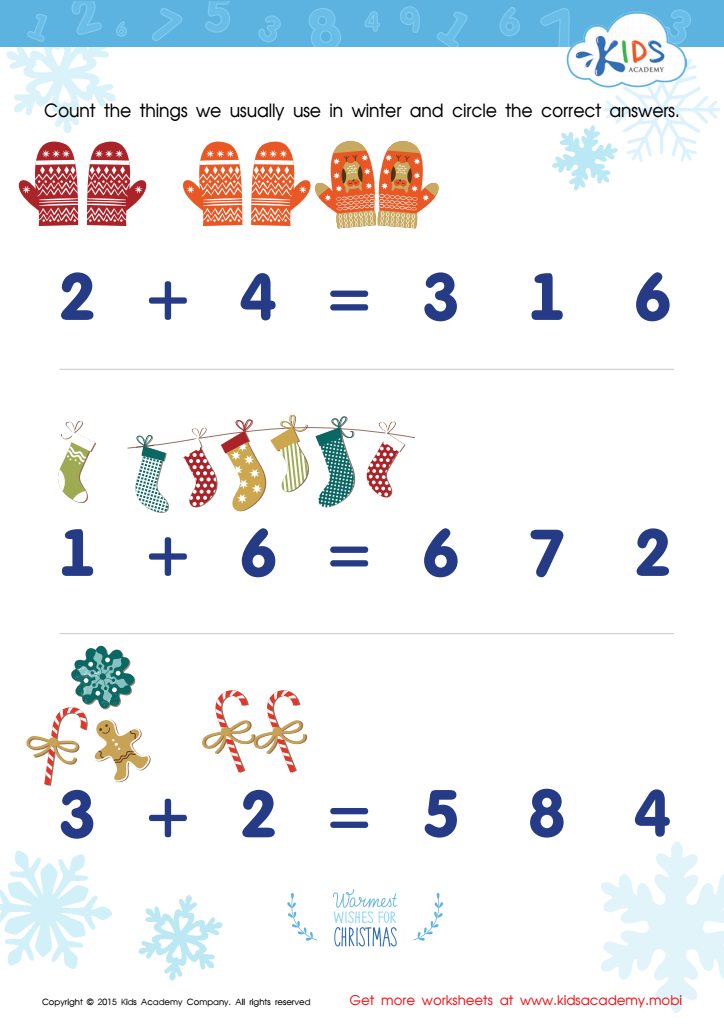
Count Winter Things Worksheet
 Assign to My Students
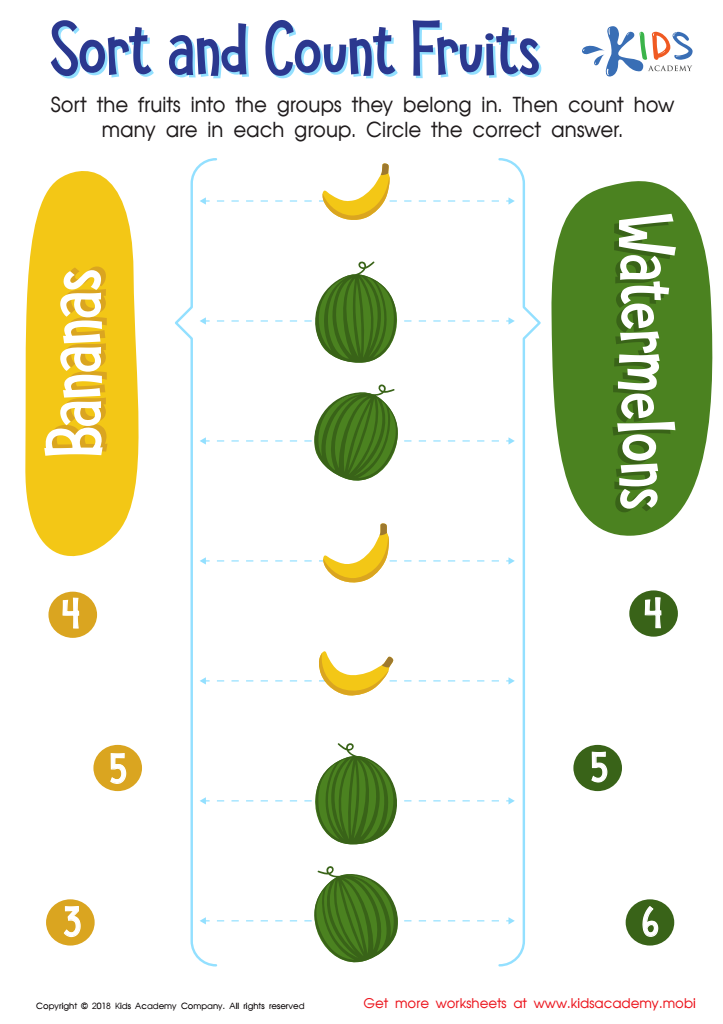
Sort and Count Fruits Worksheet
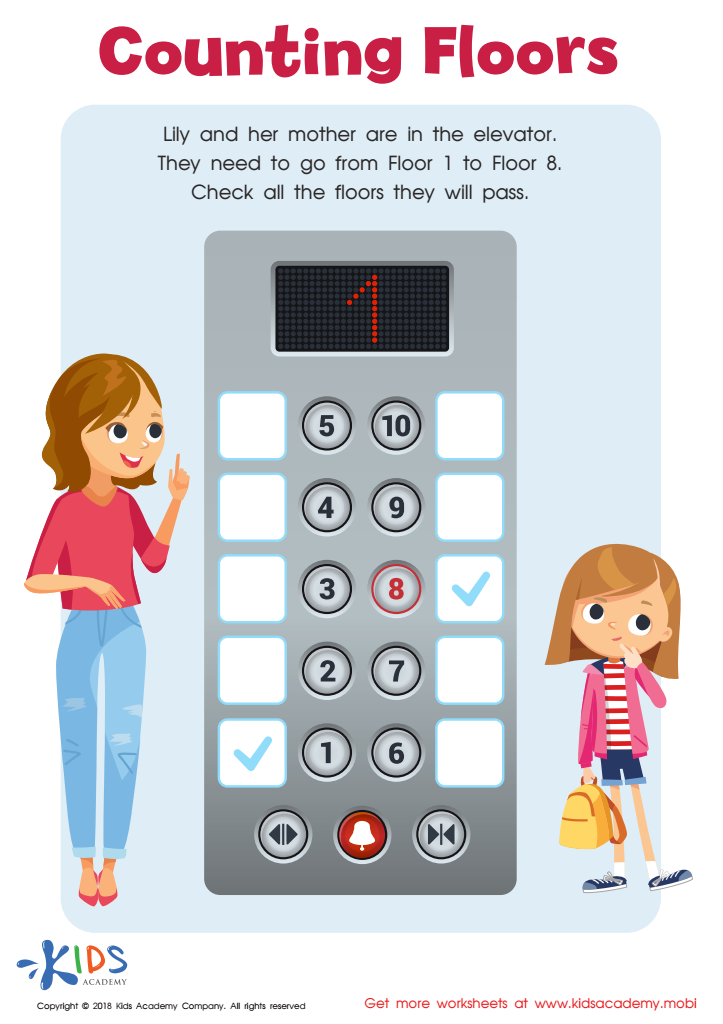
Counting Floors Worksheet
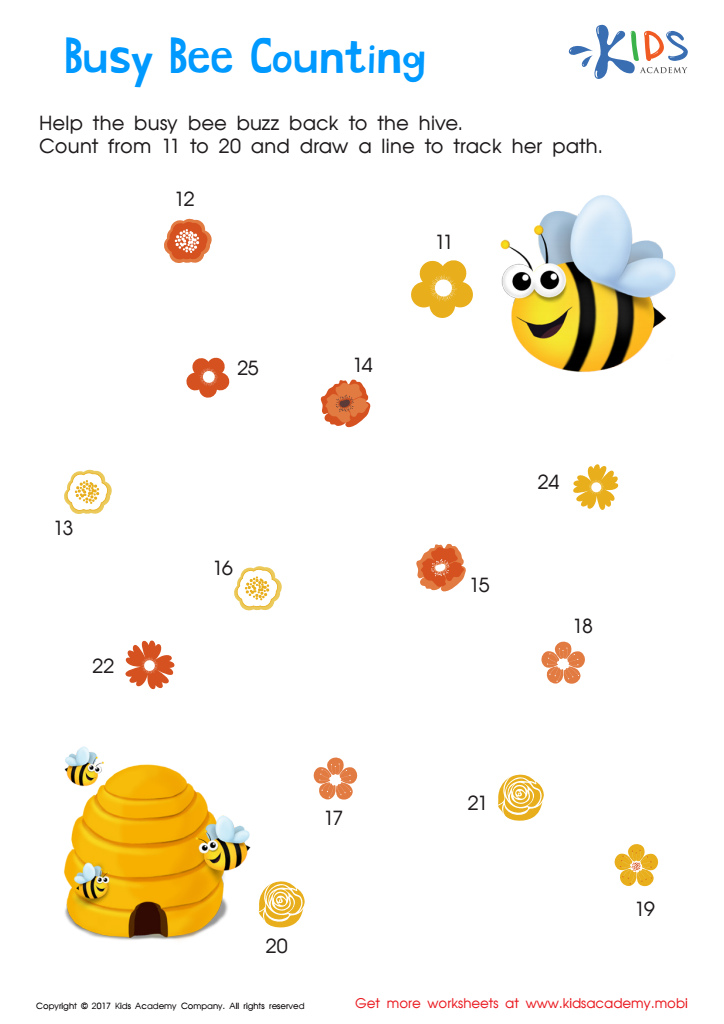
Ordering 11–20: Busy Bee Counting Worksheet
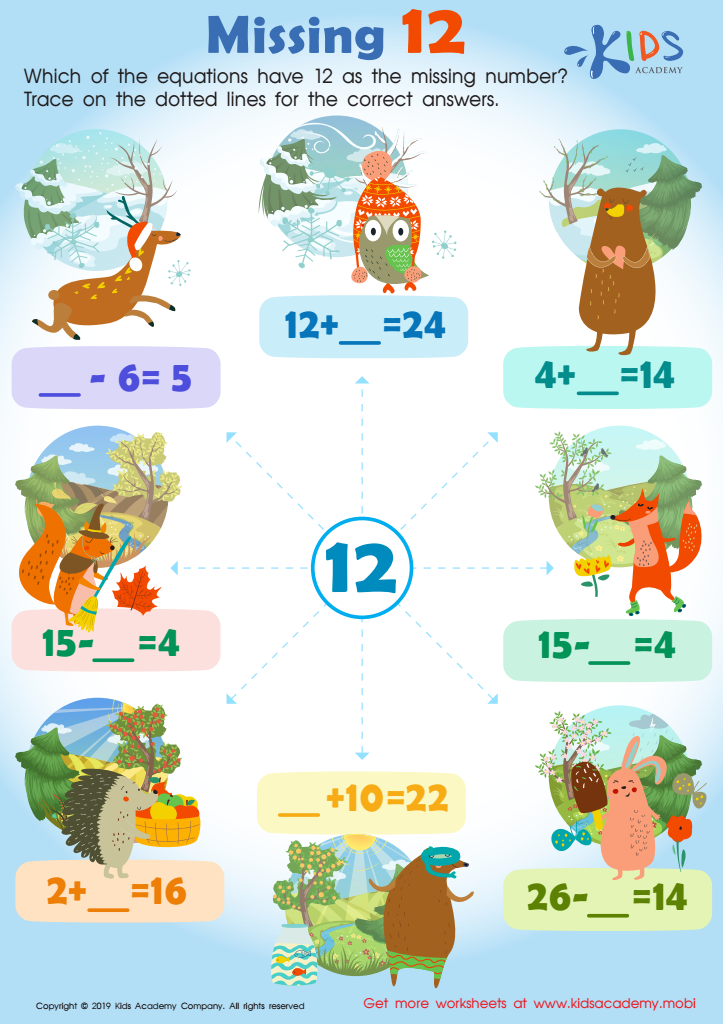
Missing 12 Worksheet
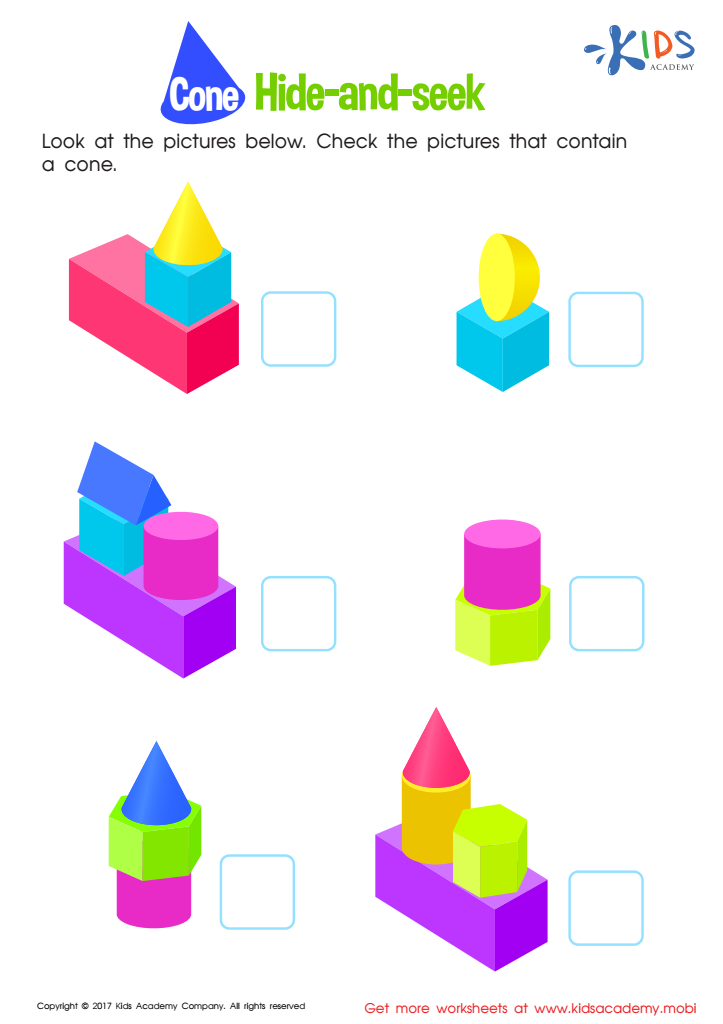
Cone Hide-and-Seek Worksheet
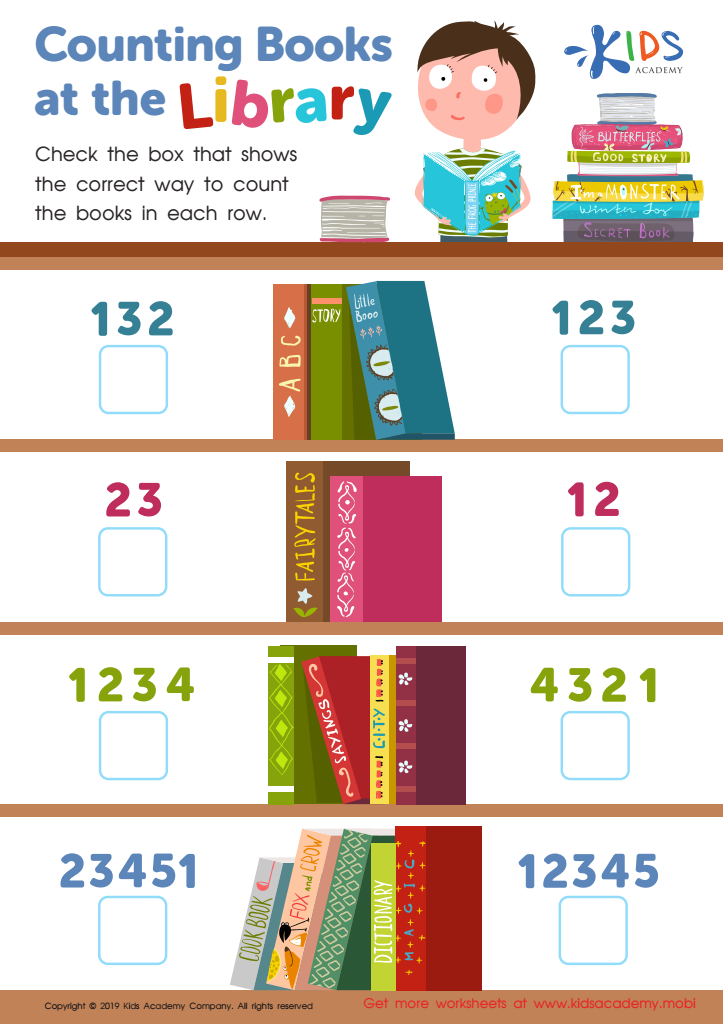
Counting Books at the Library Worksheet
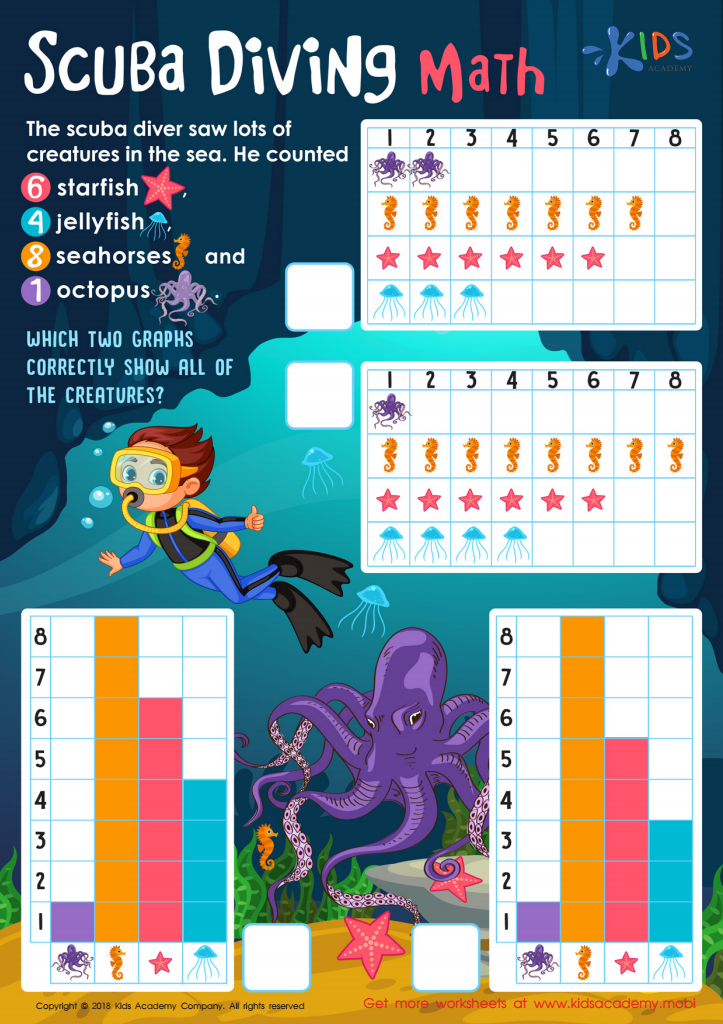
Scuba Diving Math Worksheet
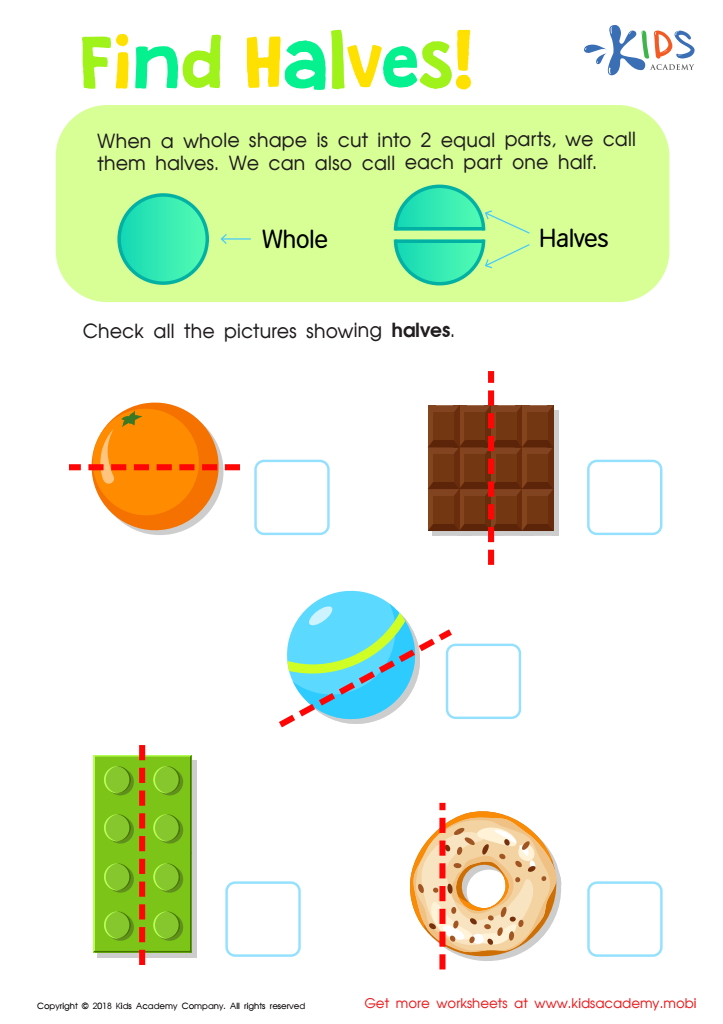
Find Halves Worksheet
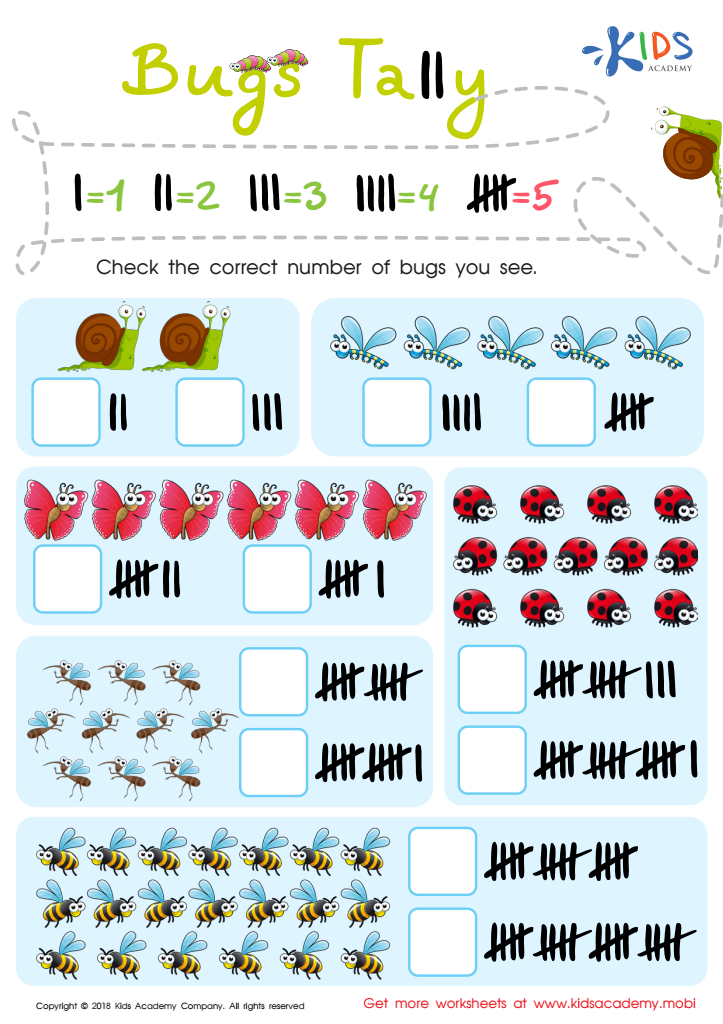
Bugs Tally Worksheet
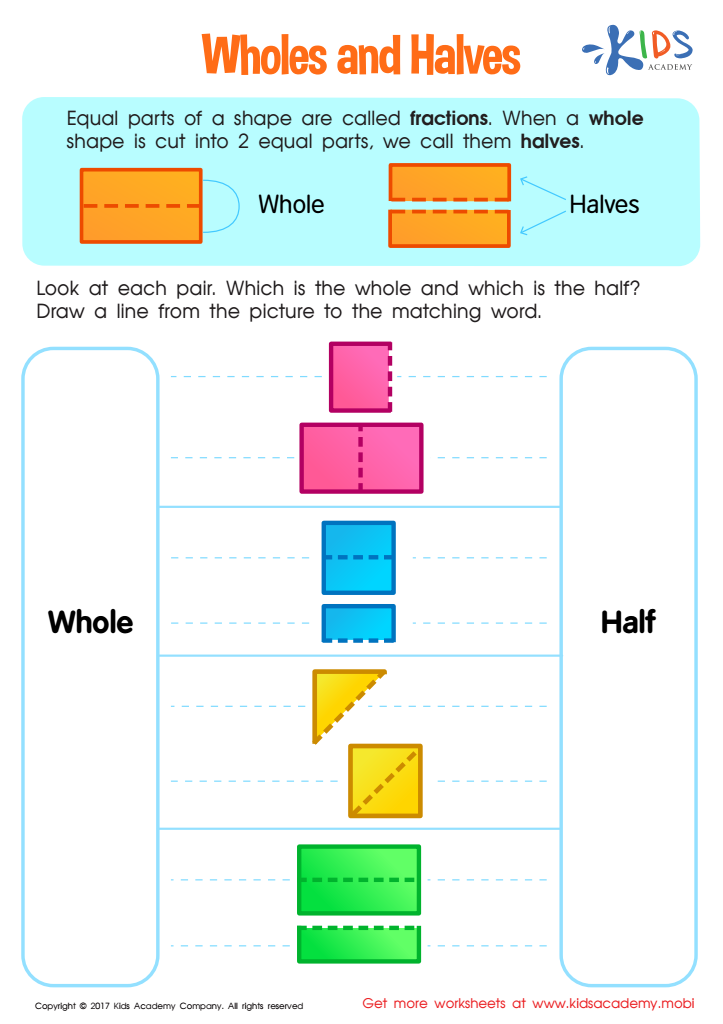
Wholes and Halves Worksheet
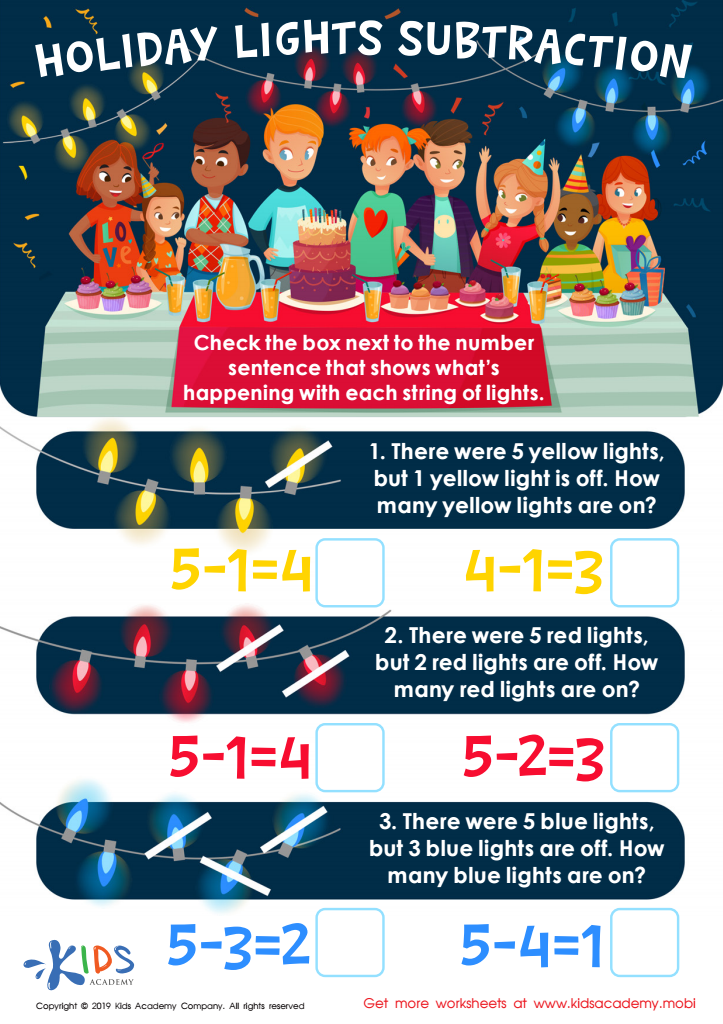
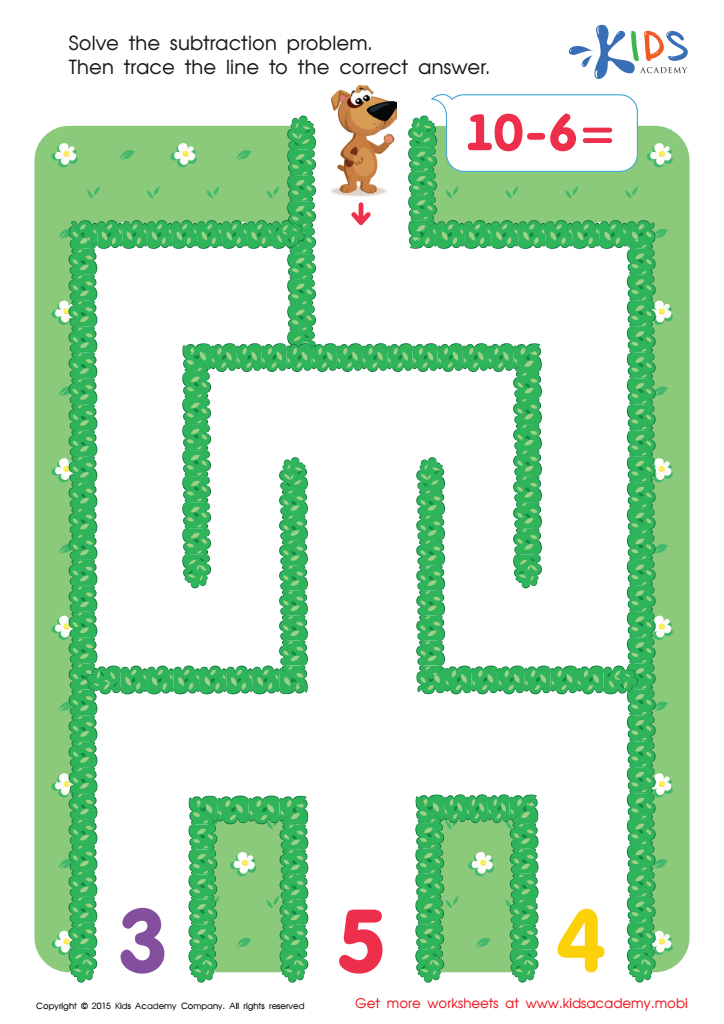
Holiday Lights Subtraction Worksheet
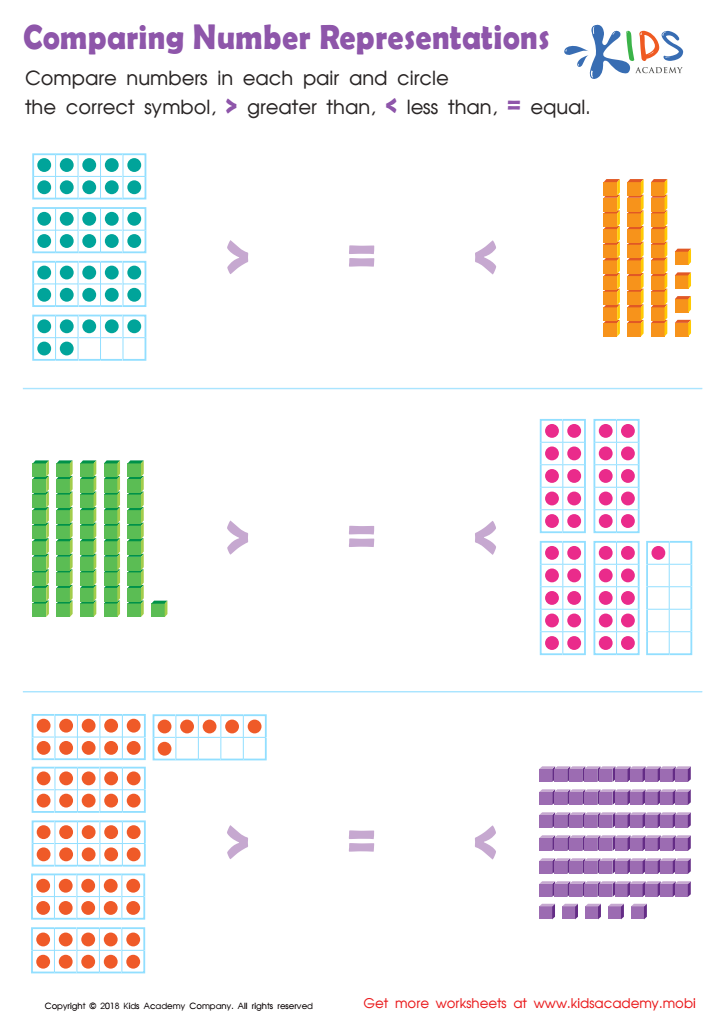
Comparing Number Representations Worksheet
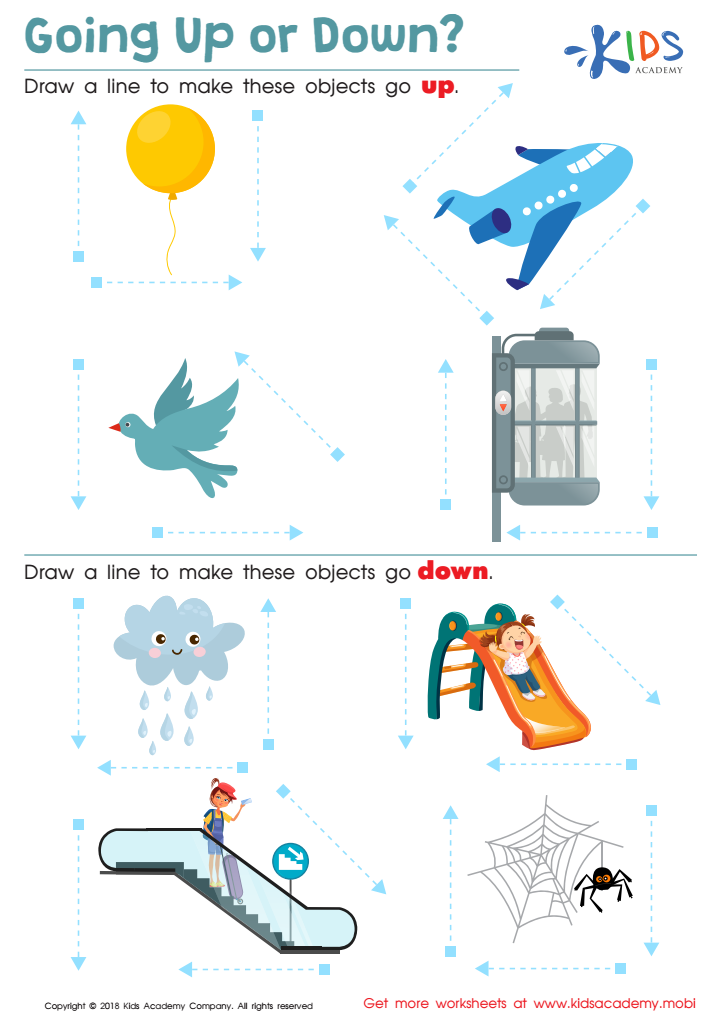
Going up or Down? Worksheet
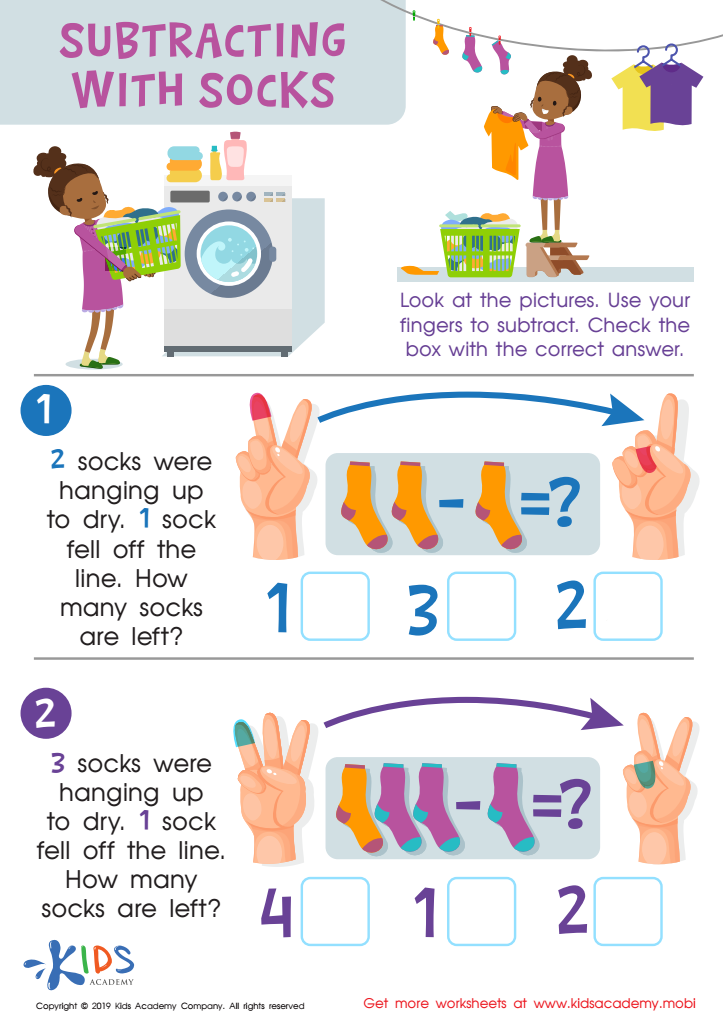
Subtracting Socks Worksheet
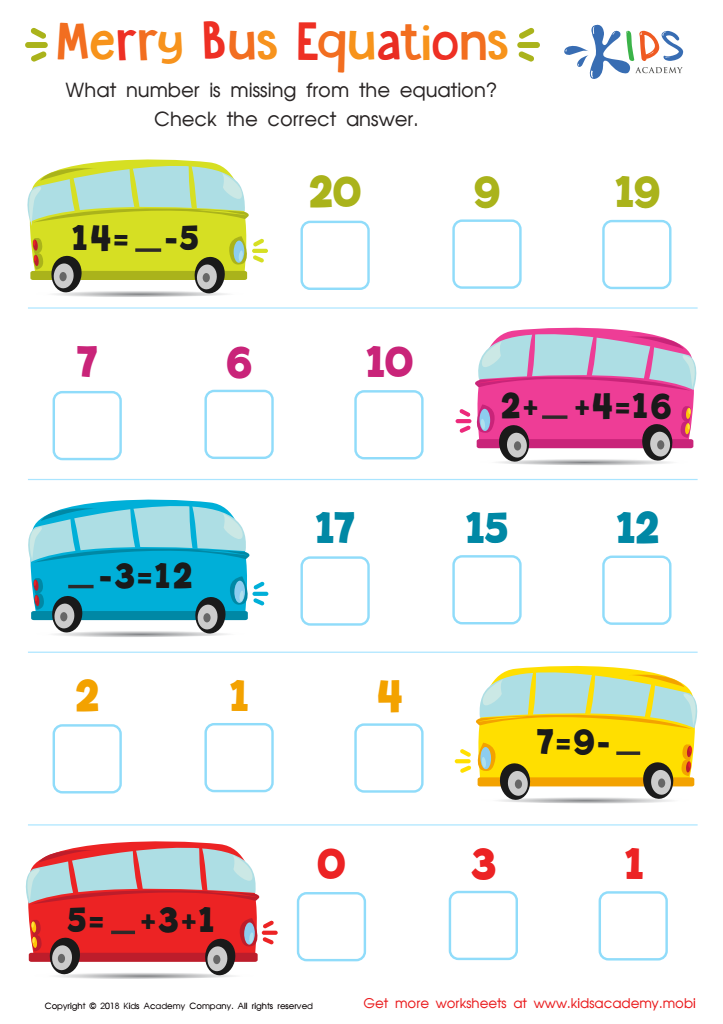
Merry Bus Equations Worksheet
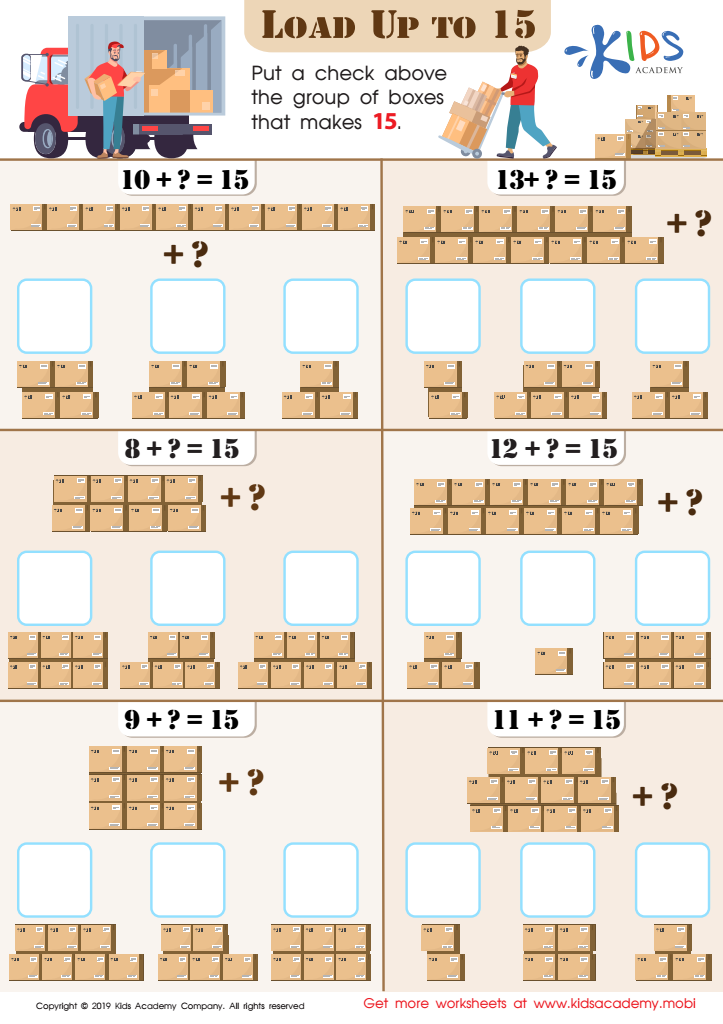
Load up to 15 Worksheet
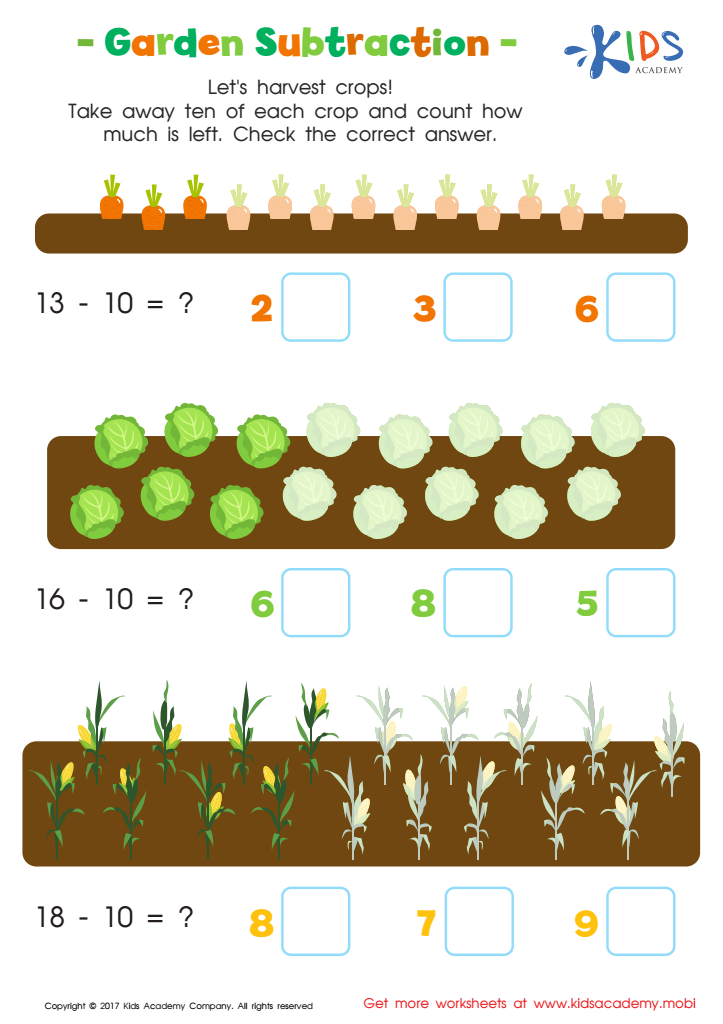
Garden Subtraction Worksheet
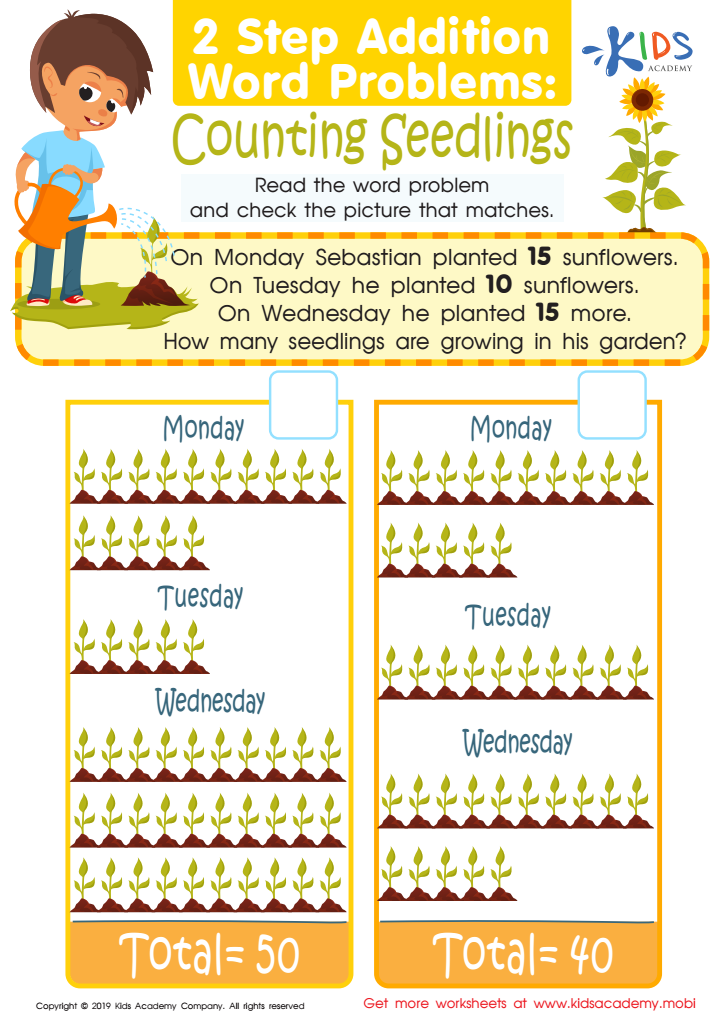
Counting Seedlings Worksheet
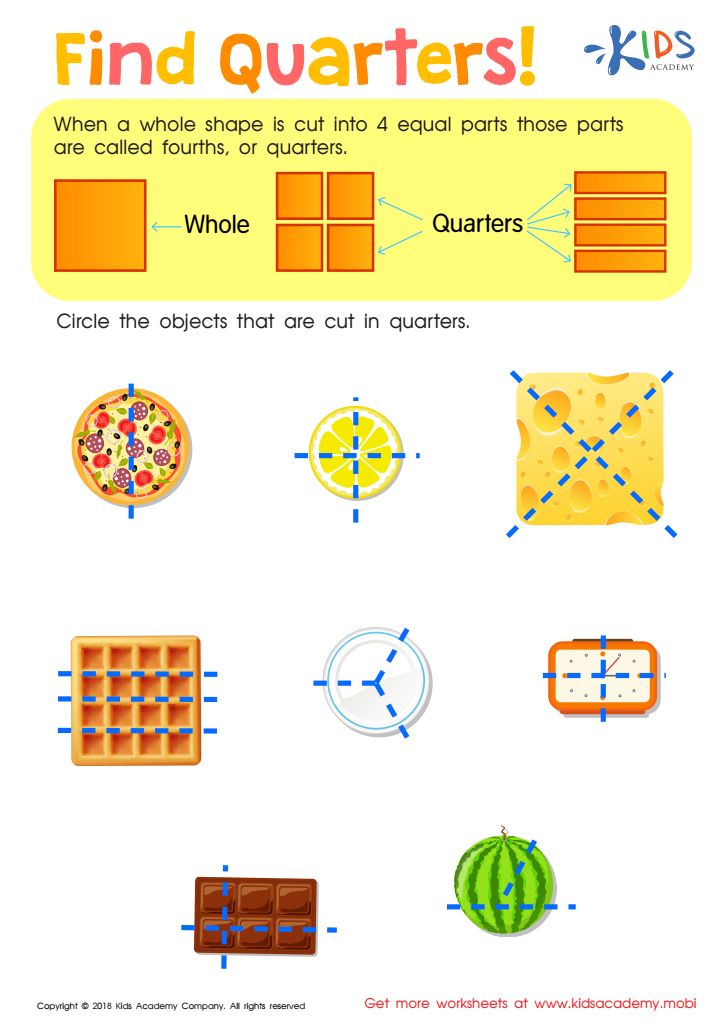
Find Quarters Worksheet
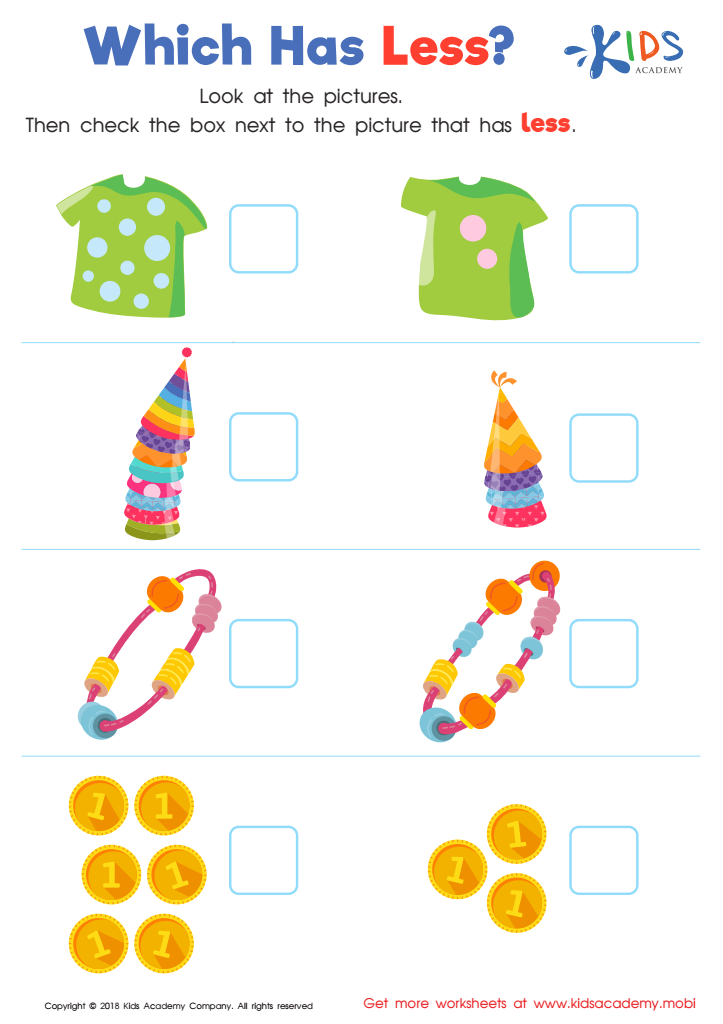
Which Has Less? Worksheet
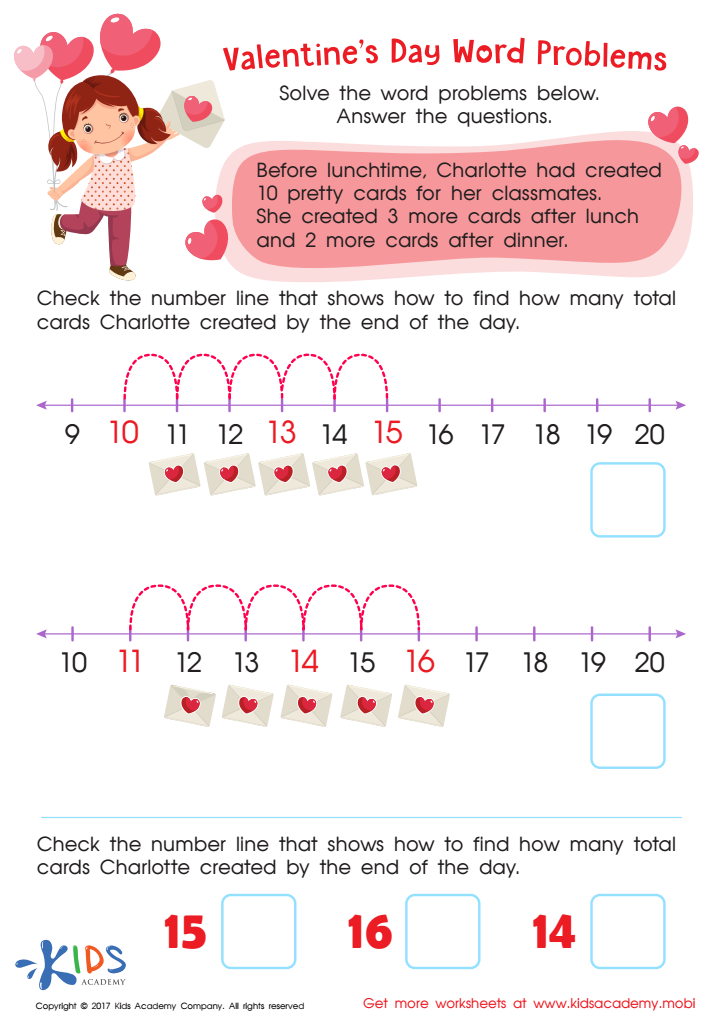
Valentines Day Word Problem Worksheet







Parents and teachers should prioritize basic math skills for 6-year-olds because these foundational abilities set the stage for a child's future academic success and everyday problem-solving. At this age, children are highly receptive to learning, and grasping basic concepts such as numbers, addition, subtraction, and simple patterns provides them with essential cognitive tools. Mastery of these skills not only enhances their confidence but also fosters a positive attitude towards learning.
Basic math skills are crucial for daily life. They help children make sense of the world around them, from dividing snacks equally among friends to understanding time and money. Moreover, early math literacy contributes to better performance in other subjects, particularly when they encounter concepts related to science and technology later in their education.
Additionally, engaging children in mathematical conversations and activities nurtures critical thinking and problem-solving abilities. Incorporating math into games and real-life situations makes learning enjoyable and memorable. By focusing on basic math skills, parents and teachers help cultivate a curious and capable mind, laying a strong foundation for the challenges and complexities of advanced mathematics and critical analytical skills in the future. Thus, prioritizing math at an early age is an investment in a child’s lifelong learning journey.








