Counting skills Subtraction Worksheets for 6-Year-Olds
11 filtered results
-
From - To
Enhance your child's arithmetic abilities with our Counting Skills Subtraction Worksheets designed specifically for 6-year-olds. These engaging worksheets introduce young learners to the fundamentals of subtraction through counting techniques, making the learning process enjoyable and effective. With colorful illustrations and varied activities, children will improve their number recognition and foundational subtraction skills. Each worksheet carefully balances fun and education, helping kids grasp the concept of taking away through practical examples. Perfect for home or classroom use, our resources support early math readiness while fostering a love for learning. Explore our collection today and watch your child's confidence grow!
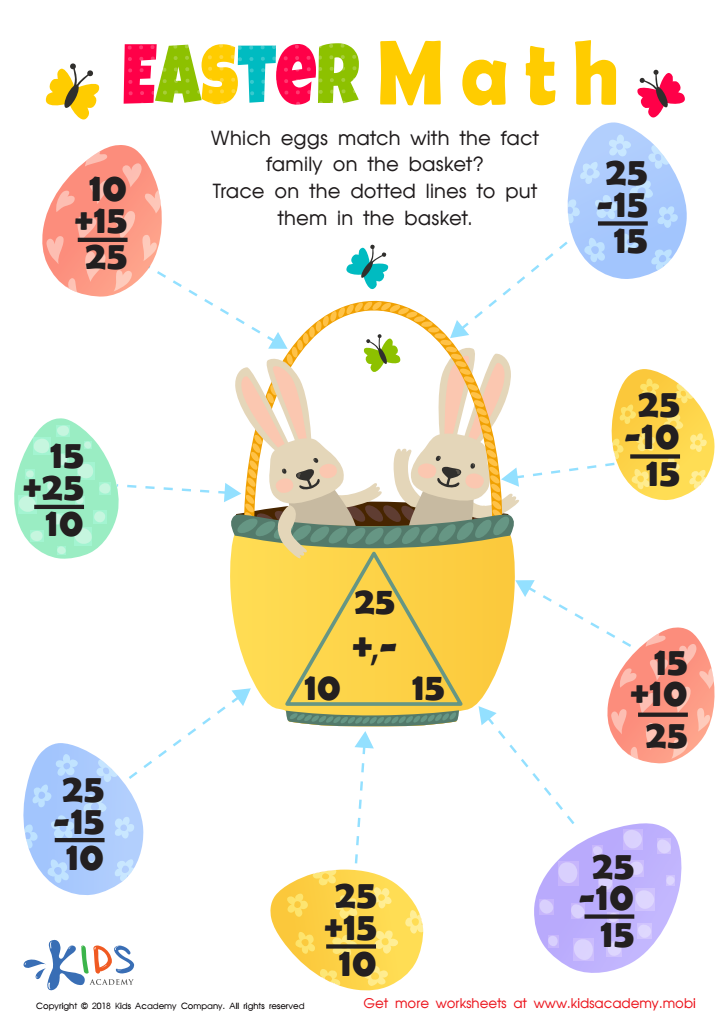
Fact Families: Easter Math Worksheet
 Assign to My Students
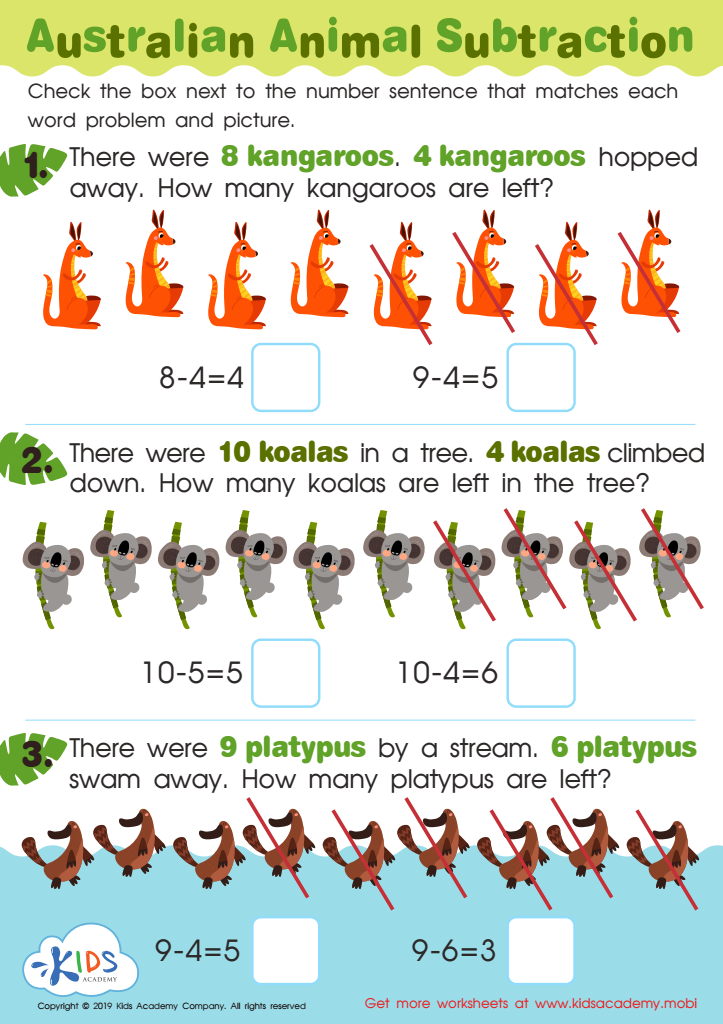
Australian Animal Subtraction Worksheet
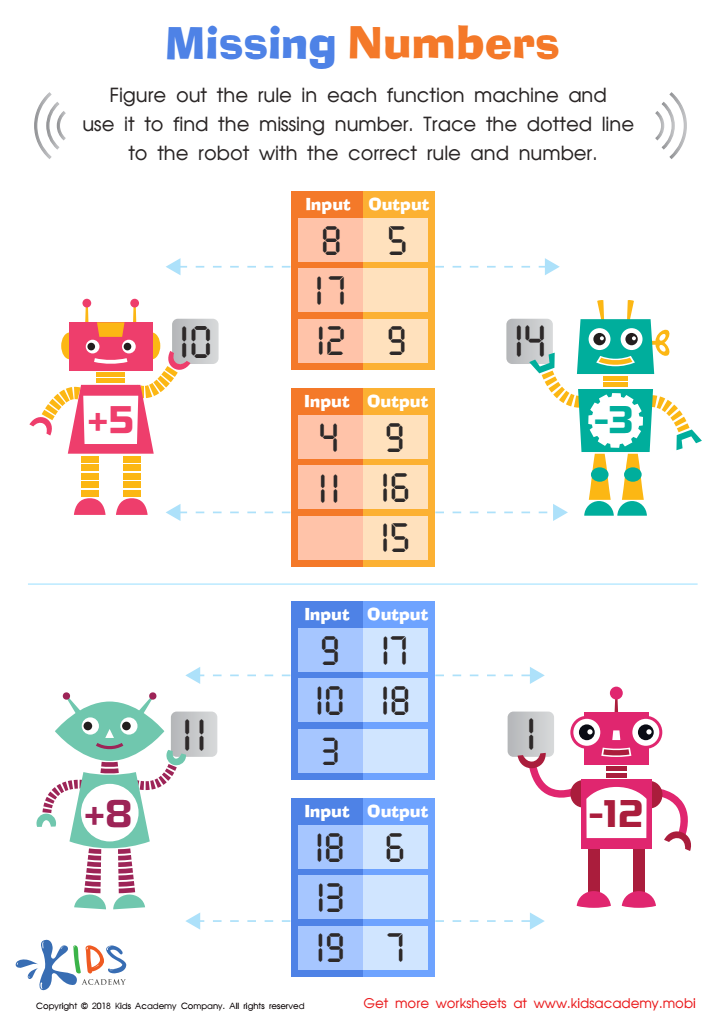
Missing Numbers Worksheet
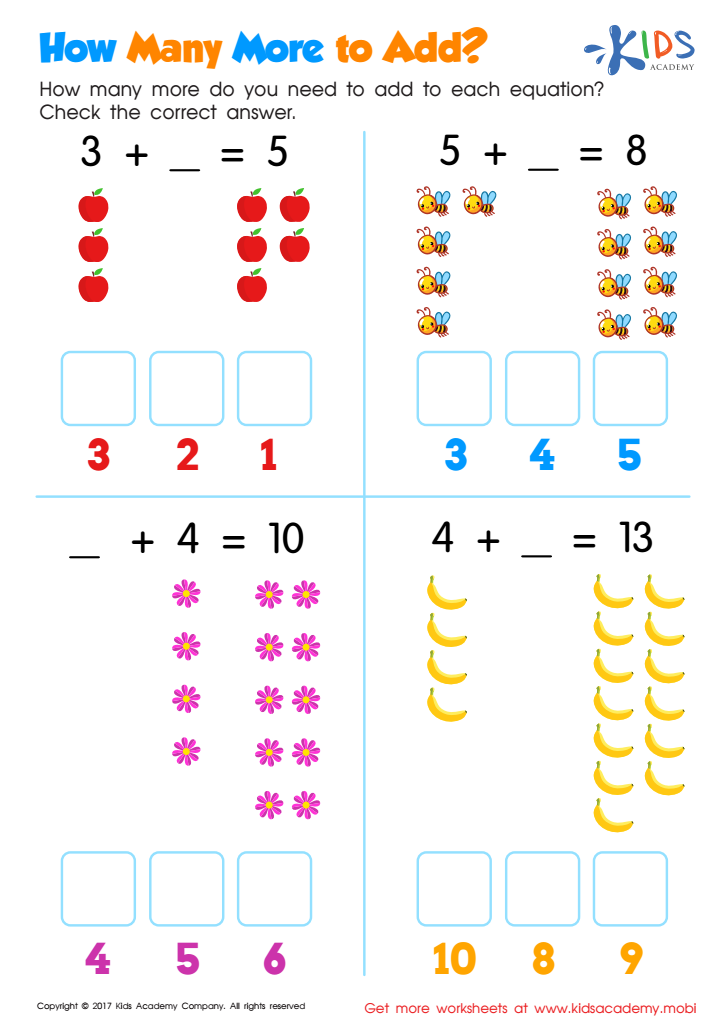
How Many More to Add Worksheet
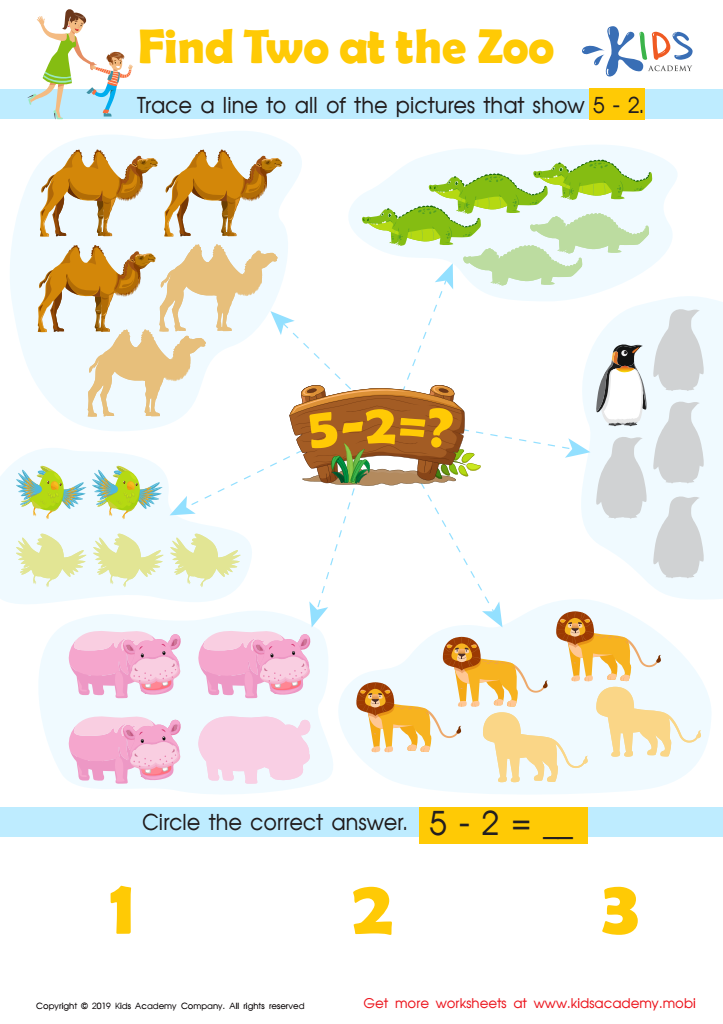
Find Two at the Zoo Worksheet
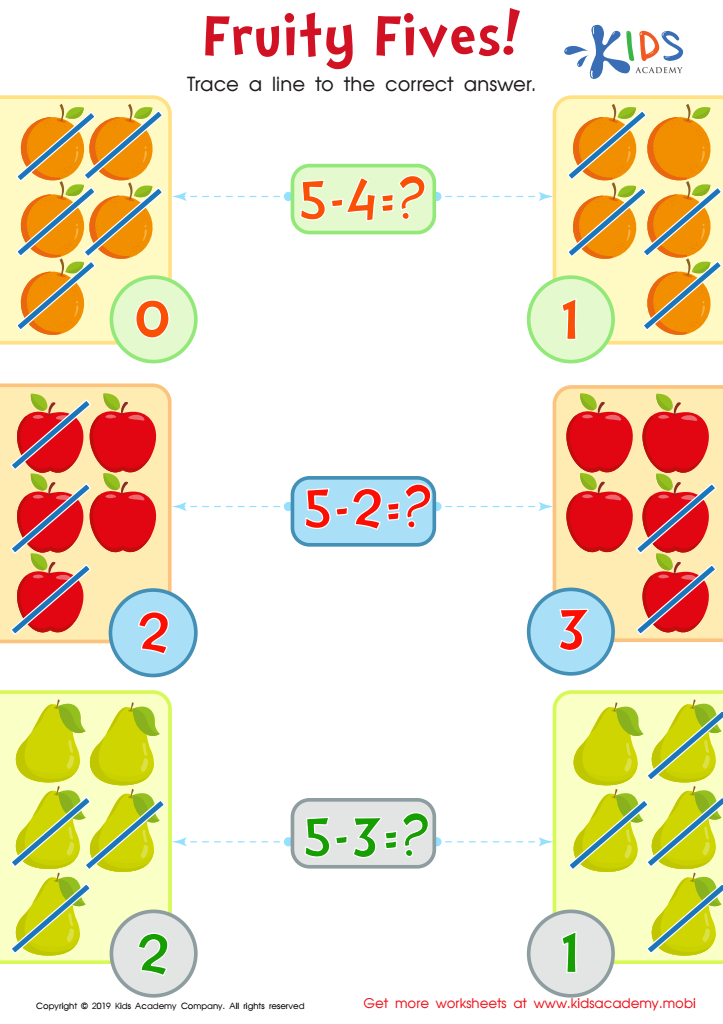
Fruity Fives! Worksheet
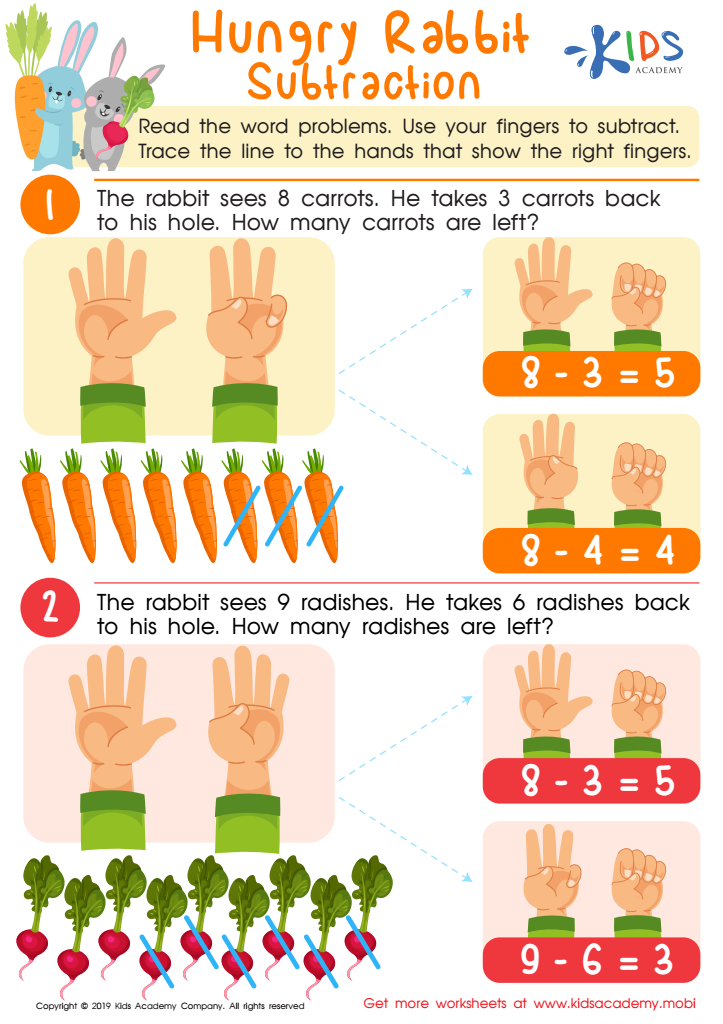
Hungry Rabbit Subtraction Worksheet
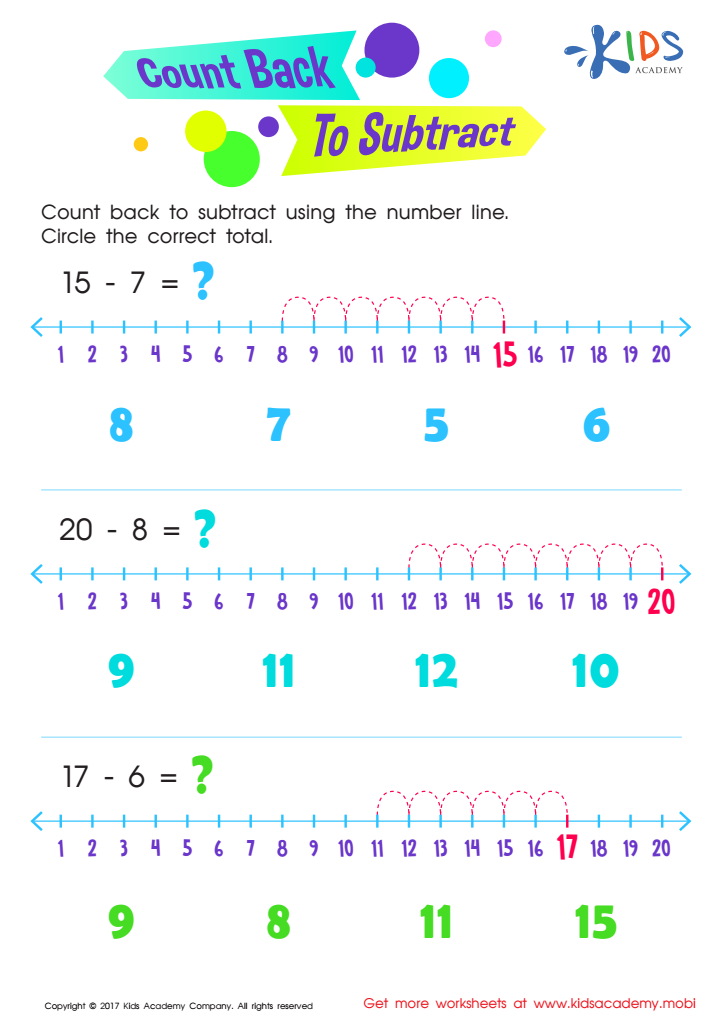
Count Back to Subtract Substraction Worksheet
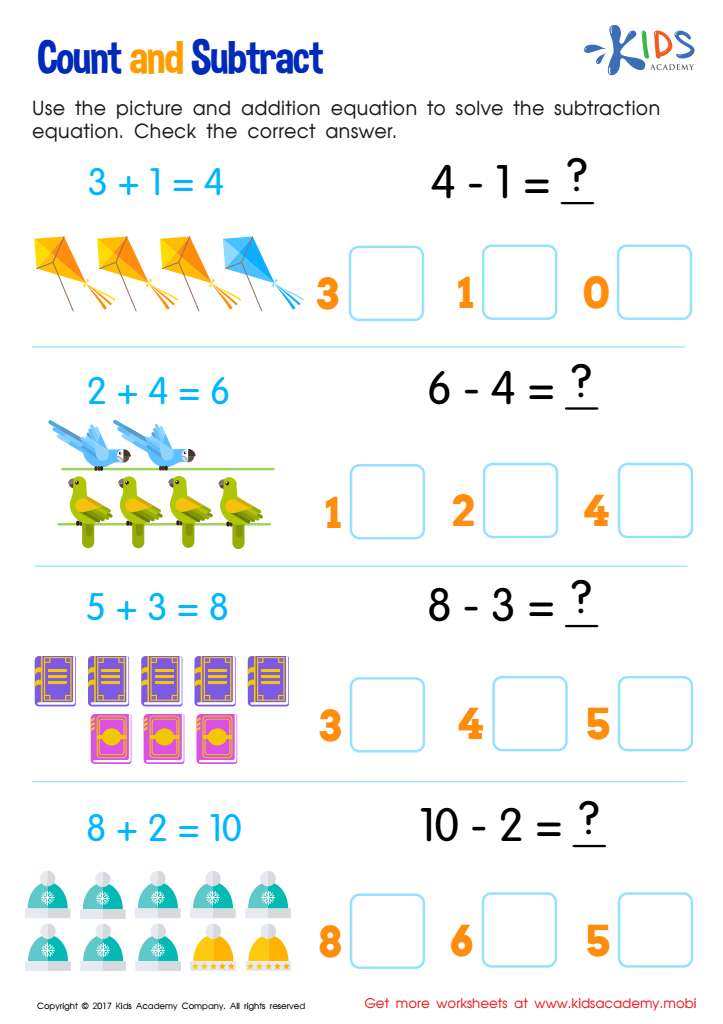
Count and Subtract Worksheet
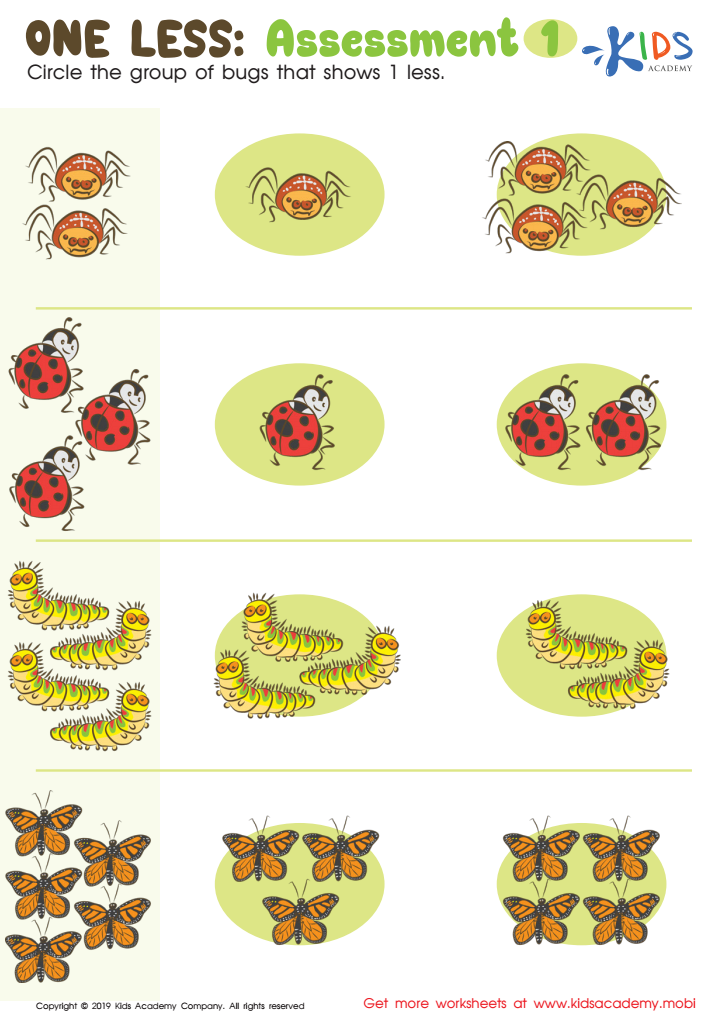
One Less: Assessment 1 Worksheet
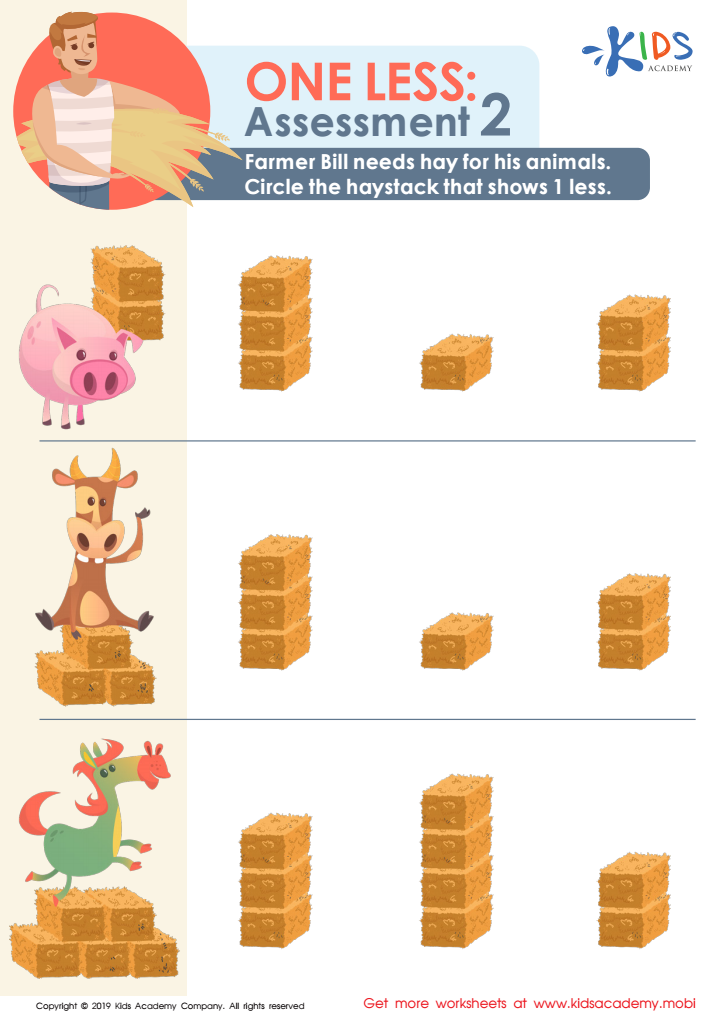
One Less: Assessment 2 Worksheet








Counting skills and subtraction are foundational components of early mathematics that significantly impact a child's academic success. For six-year-olds, mastering subtraction not only contributes to their mathematical comprehension but also enhances critical cognitive skills, such as problem-solving and logical reasoning. When parents and teachers prioritize counting and subtraction, they help children establish a solid mathematical base, fostering confidence in their abilities.
Increasing proficiency in subtraction can aid in the development of number sense, allowing children to grasp the idea of quantities and their relations. This skill is crucial not just for future mathematics classes, but for practical day-to-day tasks, such as managing time and finances. Moreover, a solid understanding of subtraction can feed into other areas of learning, promoting resilience and adaptability when facing more complex math concepts later on, such as addition, multiplication, and division.
Incorporating engaging and relevant activities around counting and subtraction—like games, story problems, and hands-on manipulatives—can make learning enjoyable and reduce anxiety around math. When parents and teachers work collaboratively to emphasize these skills, they empower children to discover and appreciate the importance of mathematics in their daily lives. This support builds a strong foundation for lifelong learning and success in academics.








