Fine Motor Skills Reading Comprehension Worksheets for 6-Year-Olds
8 filtered results
-
From - To
Boost your 6-year-old's learning journey with our Fine Motor Skills Reading Comprehension Worksheets! These engaging, age-appropriate resources not only enhance reading comprehension but also develop essential fine motor skills through interactive activities. Worksheets are designed to encourage children to read short passages and answer questions while practicing letter formation, drawing, and cutting. Each activity is crafted to make learning fun and multifaceted, promoting critical thinking and dexterity. Perfect for parents and teachers, our worksheets support language development in a hands-on way. Dive into a creative learning experience that bridges literacy and motor skills for better educational outcomes!

Baa Baa Black Sheep Printable
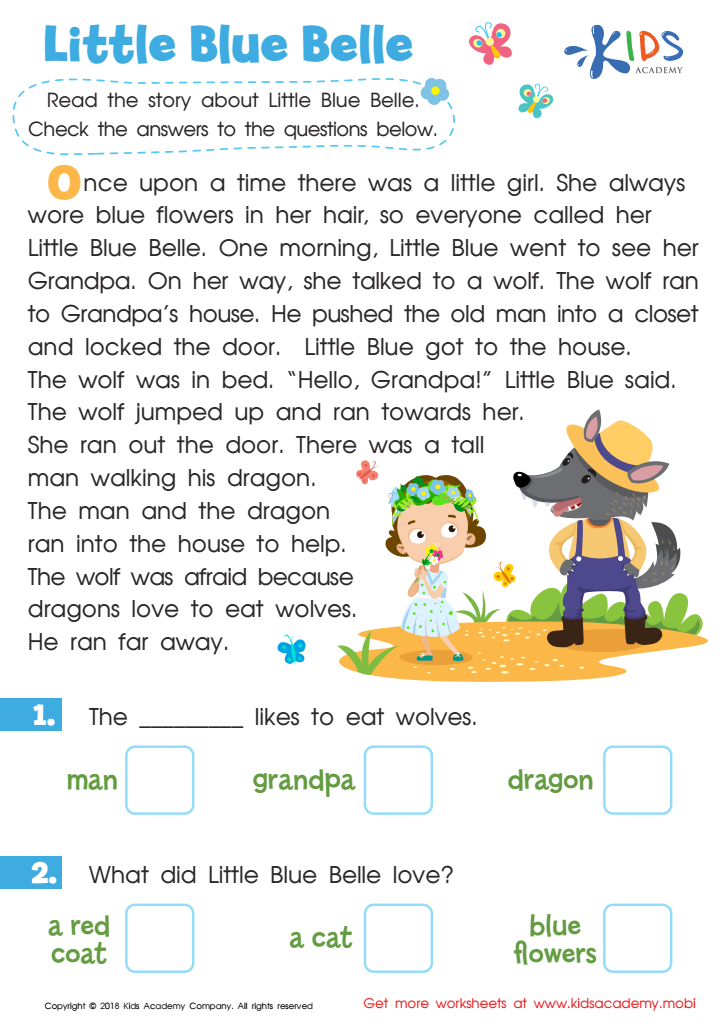
Little Blue Belle Worksheet

Twinkle Twinkle Little Star Coloring Page
 Assign to My Students
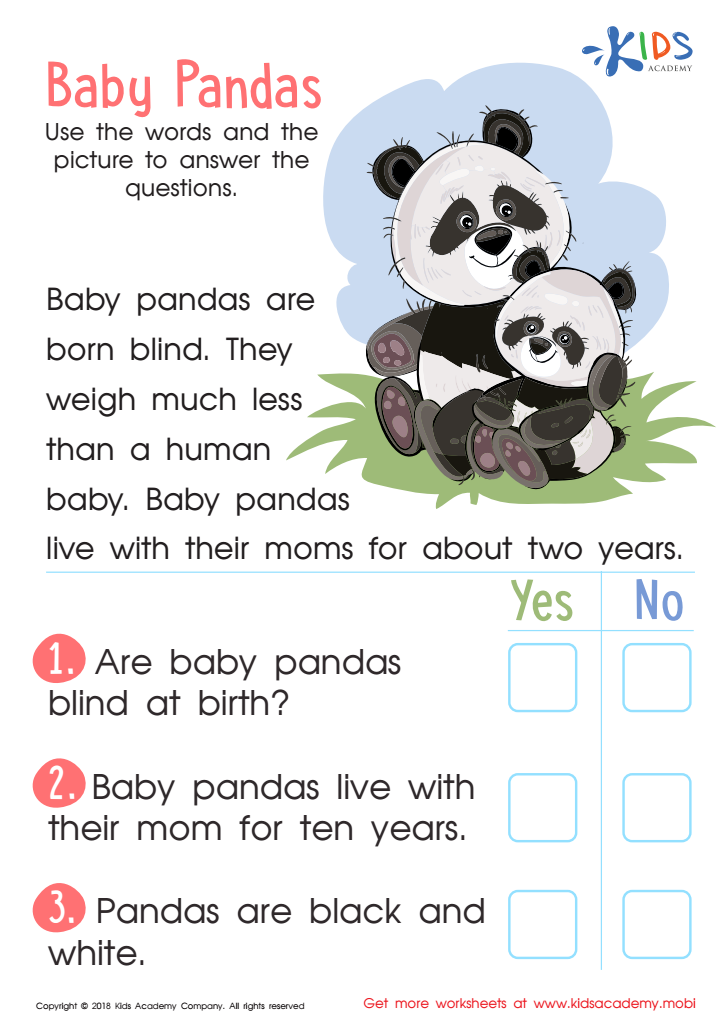
Baby Pandas Worksheet
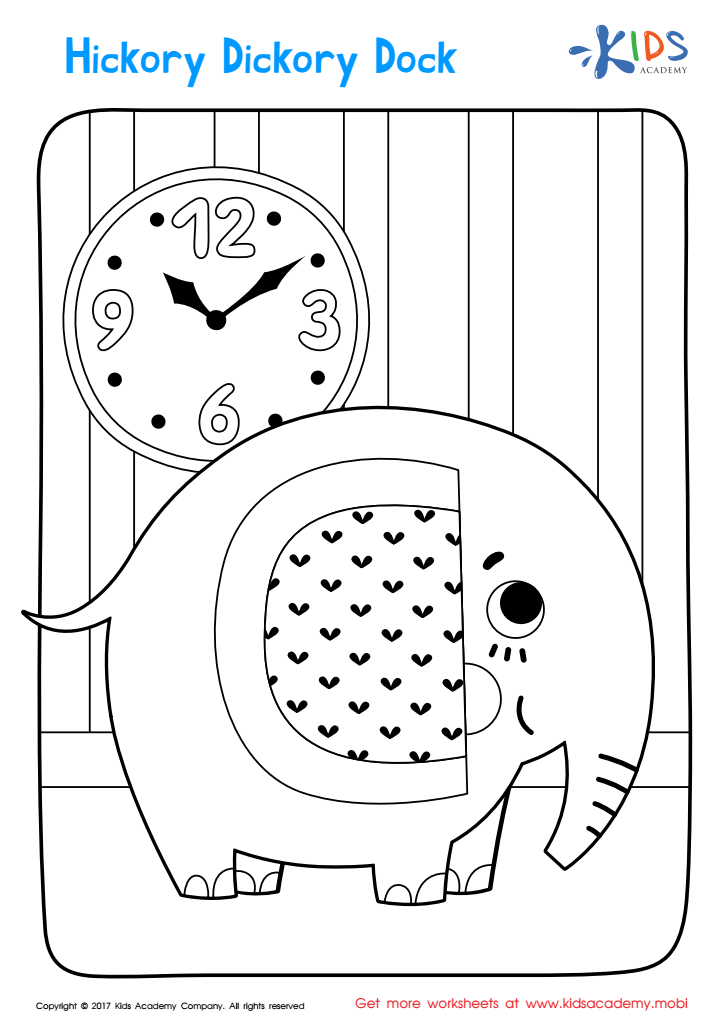
Hickory Dickory Dock Coloring Page
Assign to My Students
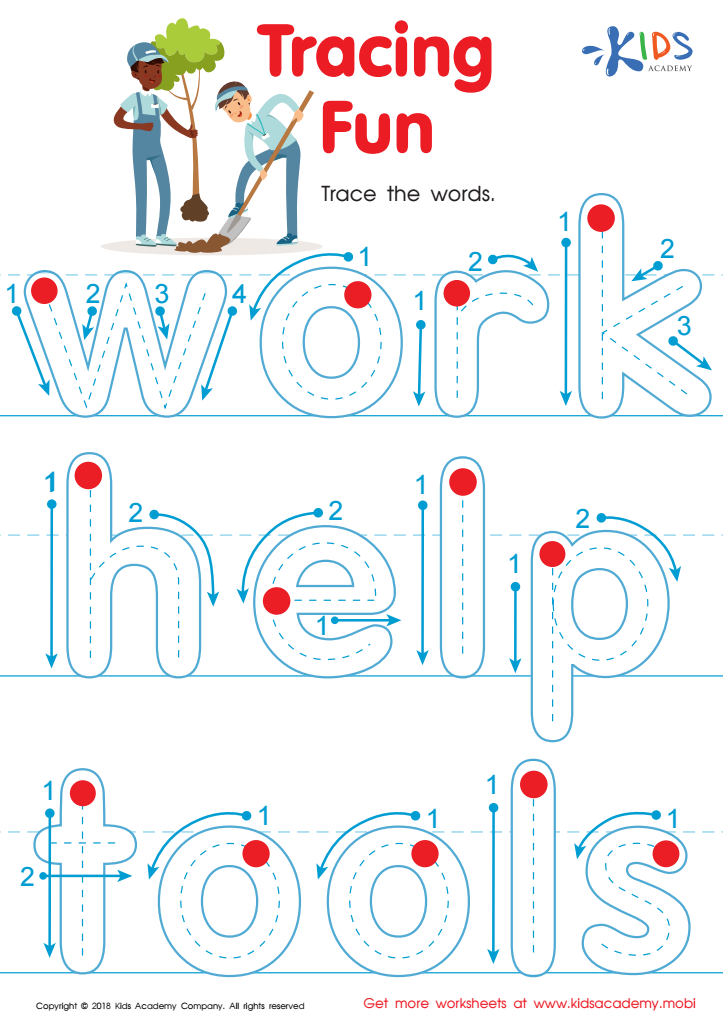
Tracing Fun Worksheet

Red Riding Hood Coloring Page
Assign to My Students
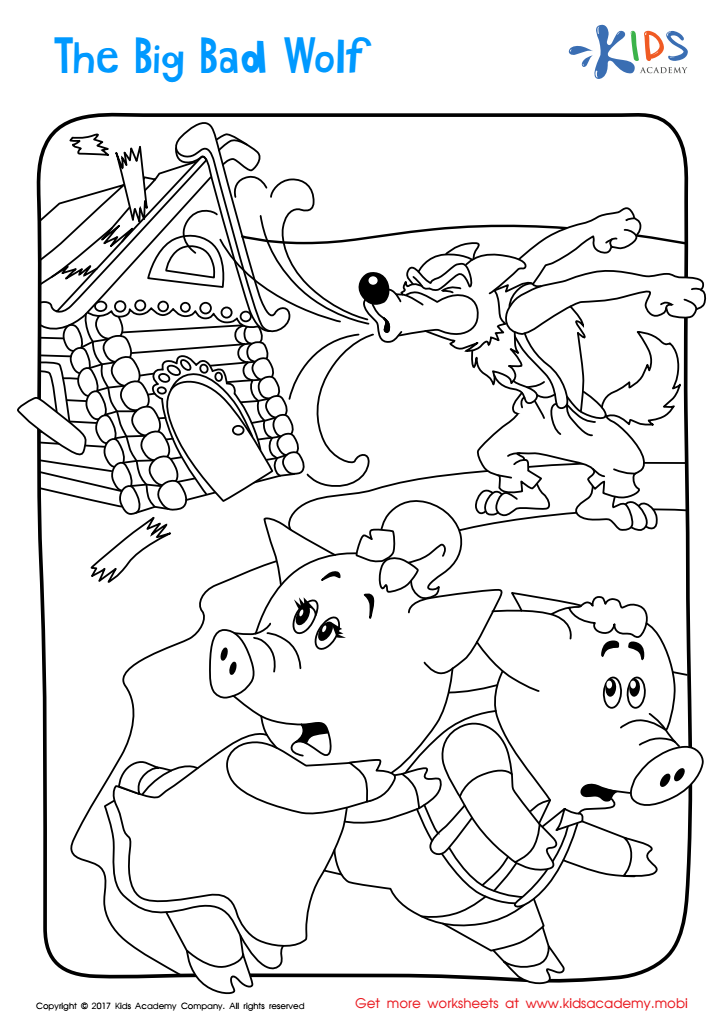
Big Bad Wolf Printable Coloring Page
Assign to My Students








Fine motor skills play a crucial role in the overall development and reading comprehension of 6-year-olds. As children engage in activities that enhance their fine motor skills, such as writing, drawing, or manipulating small objects, they also strengthen their ability to focus and concentrate. These skills contribute to a child's capacity to hold a pencil properly, form letters, and eventually progress to writing words and sentences—all foundational skills for reading.
When fine motor skills are well-developed, children can better manage the physical aspects of reading, such as turning pages or tracking text with their finger. Additionally, strong fine motor skills often boost confidence, making children more willing to participate in reading activities. This participation enhances their understanding of stories and vocabulary, leading to improved reading comprehension.
Moreover, parents and teachers who prioritize fine motor development provide children with engaging experiences that stimulate critical thinking and problem-solving abilities essential for academic success. Ultimately, understanding the link between fine motor skills and reading comprehension is key to supporting children's literacy growth, ensuring they are well-prepared for the challenges of more complex texts as they advance in their education. By fostering these skills early, educators and parents help lay a solid foundation for lifelong learning.








