Animal identification Science Worksheets for 6-Year-Olds
6 filtered results
-
From - To
Discover our engaging Animal Identification Science Worksheets for 6-year-olds, designed to cultivate curiosity and enhance learning. These worksheets make science fun while teaching children to recognize various animals and their characteristics. Through interactive activities, kids will explore habitats, classify animals, and understand their roles in the ecosystem. Each worksheet is tailored to align with early educational standards, promoting critical thinking and observation skills. Perfect for home or classroom use, our resources help spark interest in the natural world, supporting foundational knowledge in science. Download our Animal Identification worksheets today and watch your child thrive in their exploration of wildlife!
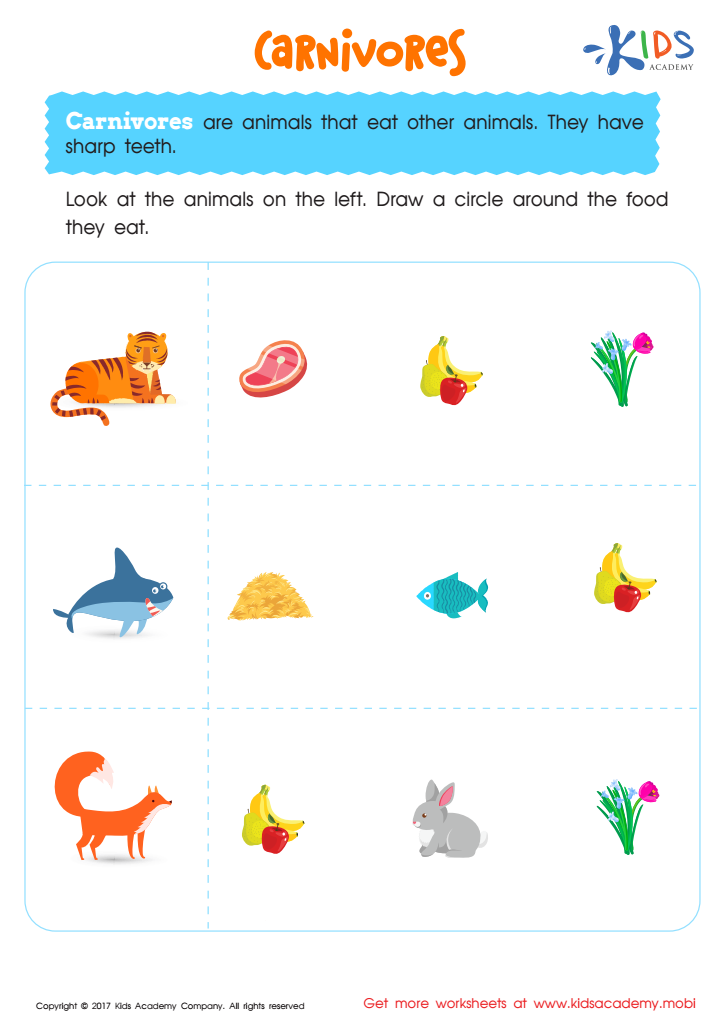
Carnivores Worksheet
 Assign to My Students
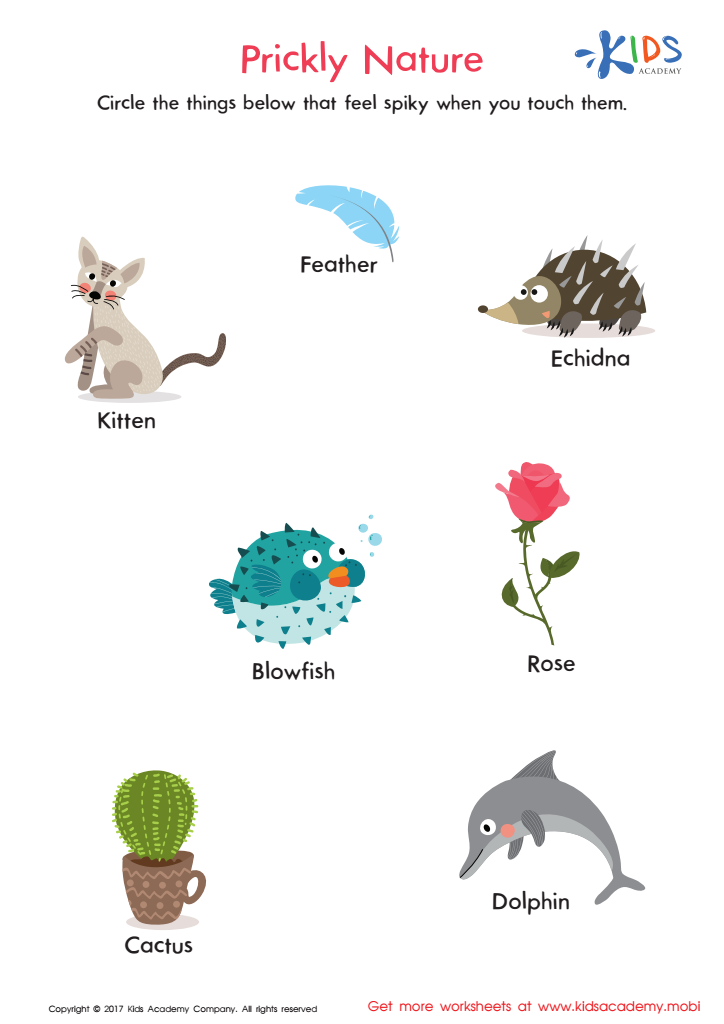
Prickly Nature Worksheet
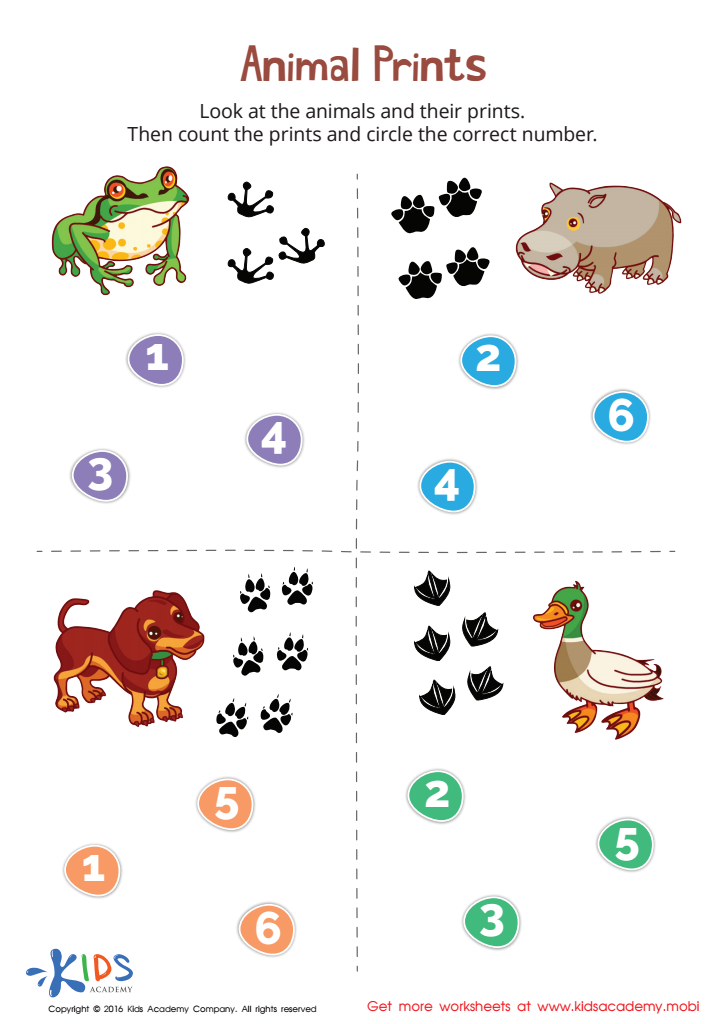
Animal Prints Match-Up Worksheet
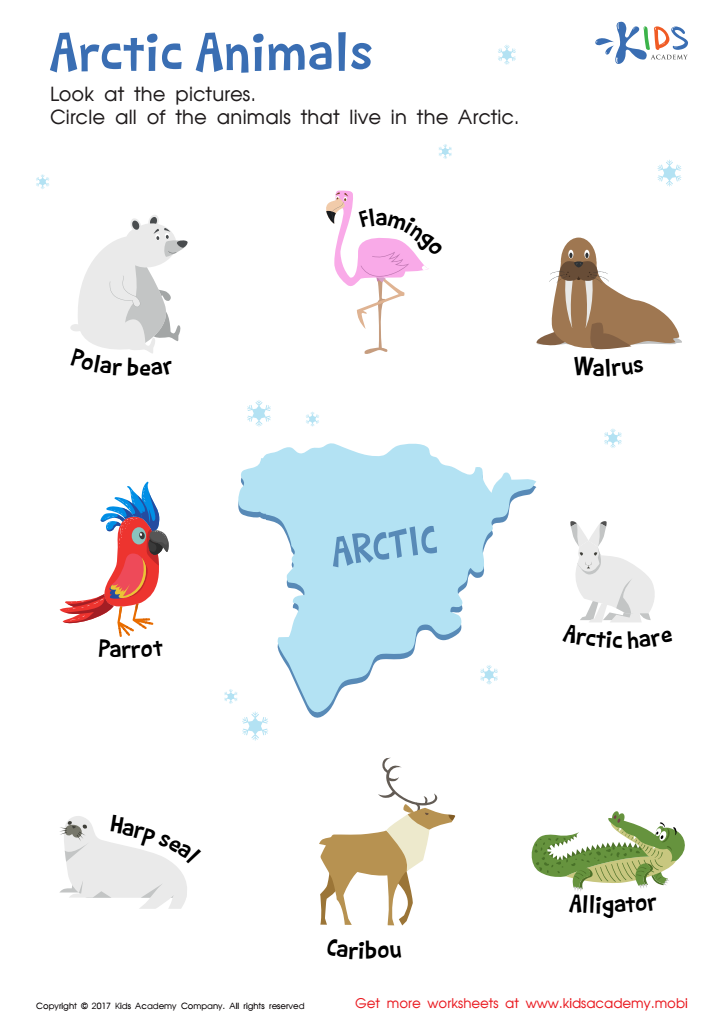
Arctic Animals Worksheet
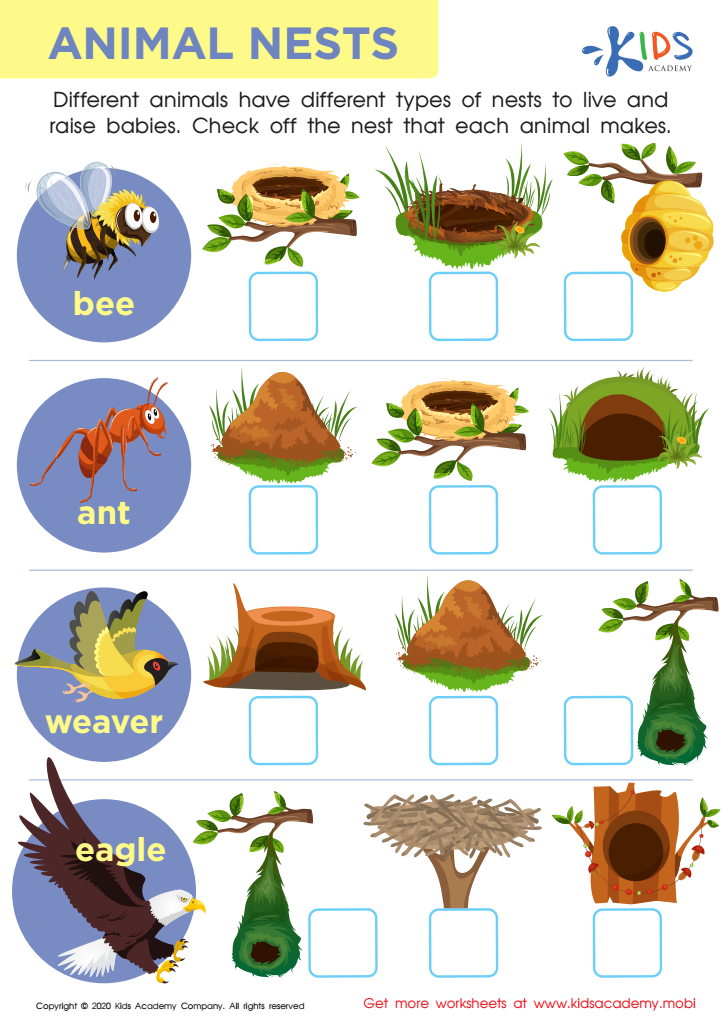
Animal Nests Worksheet
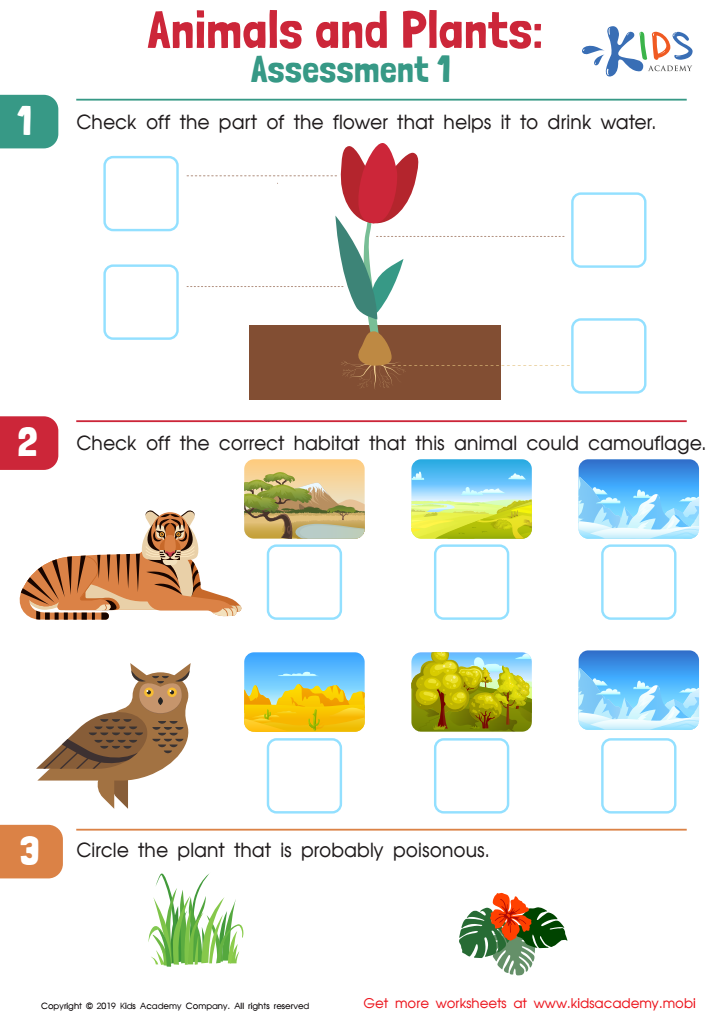
Animals and Plants: Assessment 1 Worksheet








Animal identification science is an exciting and vital field that can significantly benefit 6-year-olds. For parents and teachers, engaging young children in this area fosters a deep appreciation for nature and fosters curiosity about the animal kingdom. Learning to identify various animals not only enhances their observational skills but also promotes critical thinking as they begin to understand the ecological roles these animals play.
Introducing children to animal identification can also support essential academic skills, including literacy, as they read books and labels about different species, and numeracy, through activities that count and categorize them. Furthermore, this science encourages responsibility, as children learn about the importance of protecting wildlife and respecting biodiversity.
Understanding animal identification is also a gateway to discussions about habitats, conservation, and environmental stewardship, encouraging empathy and a sense of belonging to a larger world. This awareness builds the foundation for future environmental literacy and responsible citizenship. Overall, empowering young learners with knowledge about animal identification fuels their imagination, nurtures their vital connection with the natural world, and lays the groundwork for lifelong learning and environmental advocacy.







