Counting practice Science Worksheets for 6-Year-Olds
3 filtered results
-
From - To
Boost your child's counting skills with our engaging Counting Practice Science Worksheets designed specifically for 6-year-olds! These vibrant and interactive worksheets merge fundamental counting concepts with scientific themes, providing an enjoyable learning experience. Your little ones will explore numbers while observing nature, measuring objects, and even engaging in fun experiments. Each worksheet caters to varying skill levels, ensuring every child can join in the fun. Perfect for home or classroom use, our printable resources help turn counting practice into an exciting adventure. Spark your child's curiosity about the world while reinforcing essential math skills today! Explore our collection now!
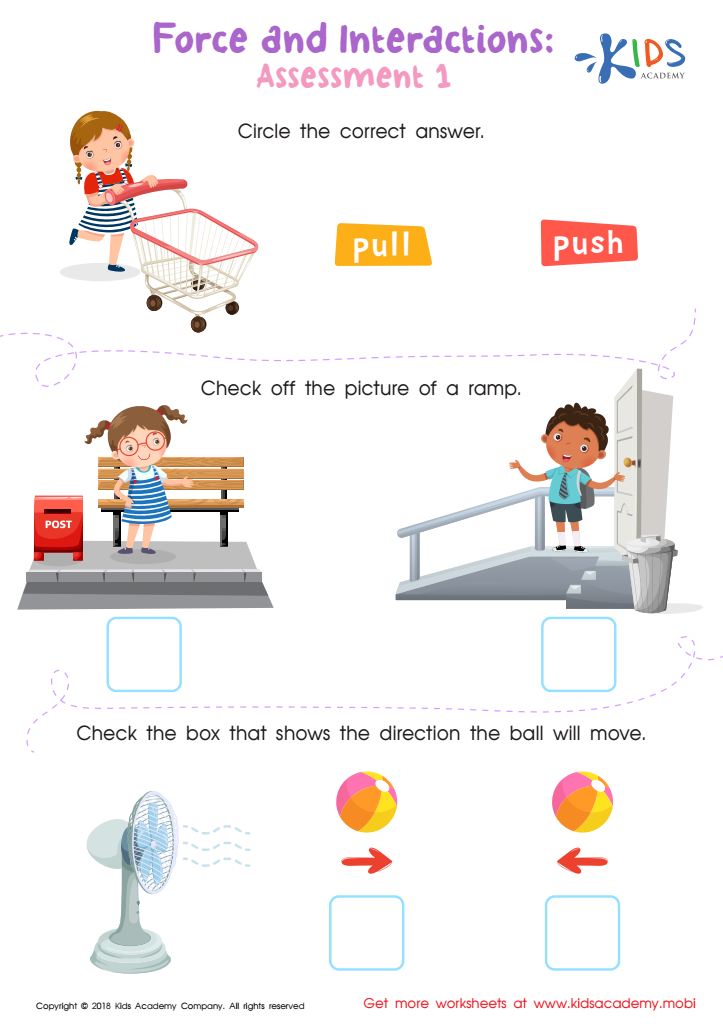
Force and Interactions: Assessment 1 Worksheet
 Assign to My Students
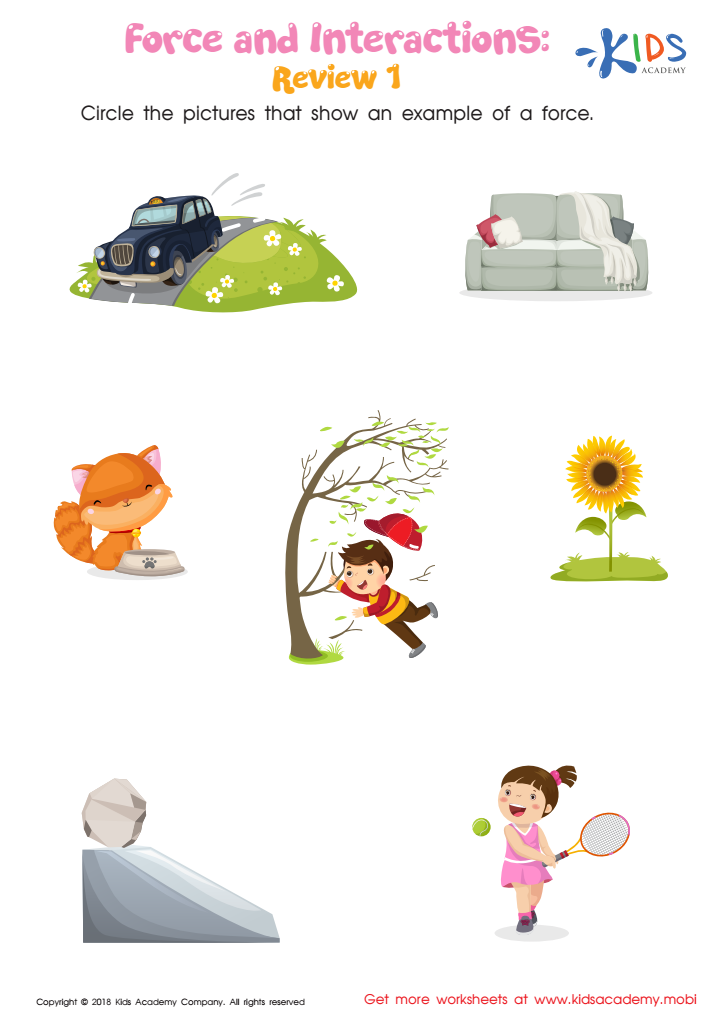
Force and Interactions: Review 1 Worksheet
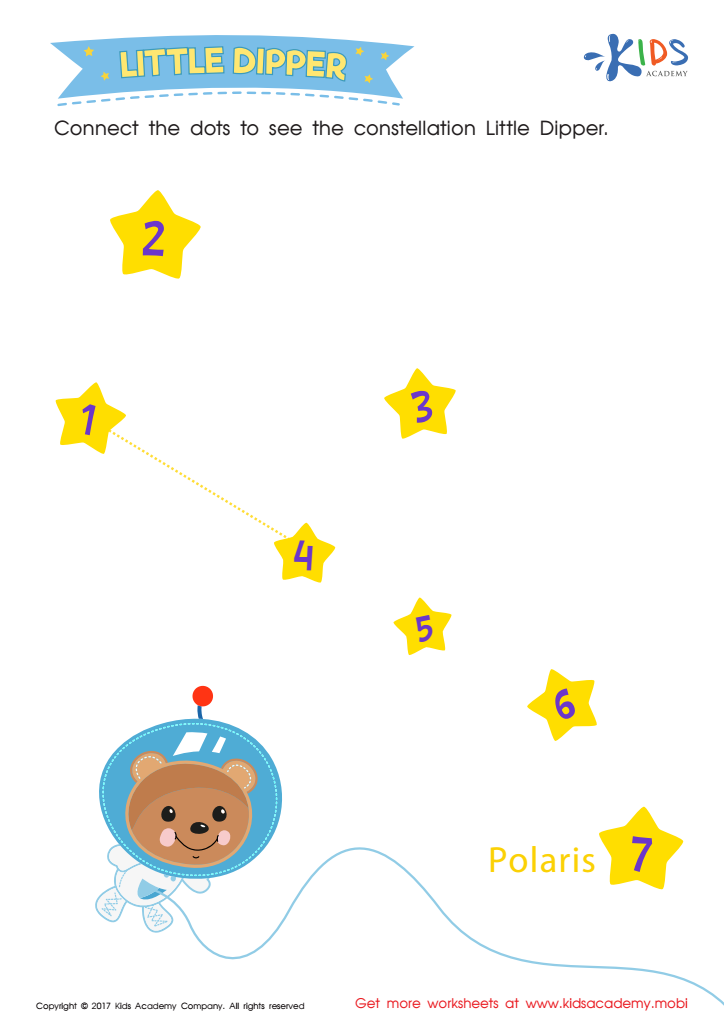







Counting practice in the context of science is vital for 6-year-olds as it lays the foundation for critical thinking and analytical skills. At this age, children are naturally curious about the world around them. Integrating counting into science lessons—such as measuring ingredients during a simple kitchen experiment or counting objects in nature—makes learning engaging and interactive. This approach fosters a love for learning while reinforcing key mathematical concepts.
Parents and teachers should care about this practice because it helps children develop essential skills in both disciplines. Counting nurtures numerical fluency and promotes an understanding of measurements and patterns, crucial elements in science. When children learn to count in a scientific context, they build a stronger grasp of quantities, data collection, and interpretation, which are foundational skills for future learning.
Moreover, hands-on counting activities in scientific exploration encourage teamwork, communication, and problem-solving abilities. These experiences not only support academic growth but also develop social skills. In a rapidly advancing world where STEM (science, technology, engineering, and mathematics) skills are increasingly essential, early counting practice in science helps prepare children for future educational opportunities and career paths. By prioritizing this practice, caregivers empower children to thrive both academically and socially.







