Science knowledge Science Worksheets for 6-Year-Olds
3 filtered results
-
From - To
Discover our engaging Science Knowledge Worksheets for 6-Year-Olds, designed to ignite your child's curiosity and foster a love for learning! These worksheets introduce foundational science concepts in a fun and interactive way, covering topics such as the environment, simple machines, and living organisms. Each worksheet encourages critical thinking, enhances observation skills, and engages young minds through colorful illustrations and easy-to-follow activities. Perfect for homeschooling or classroom use, our printable resources support early science education, making it exciting and accessible. Inspire your child's scientific journey today with worksheets that promote exploration, discovery, and a deeper understanding of the world around them!
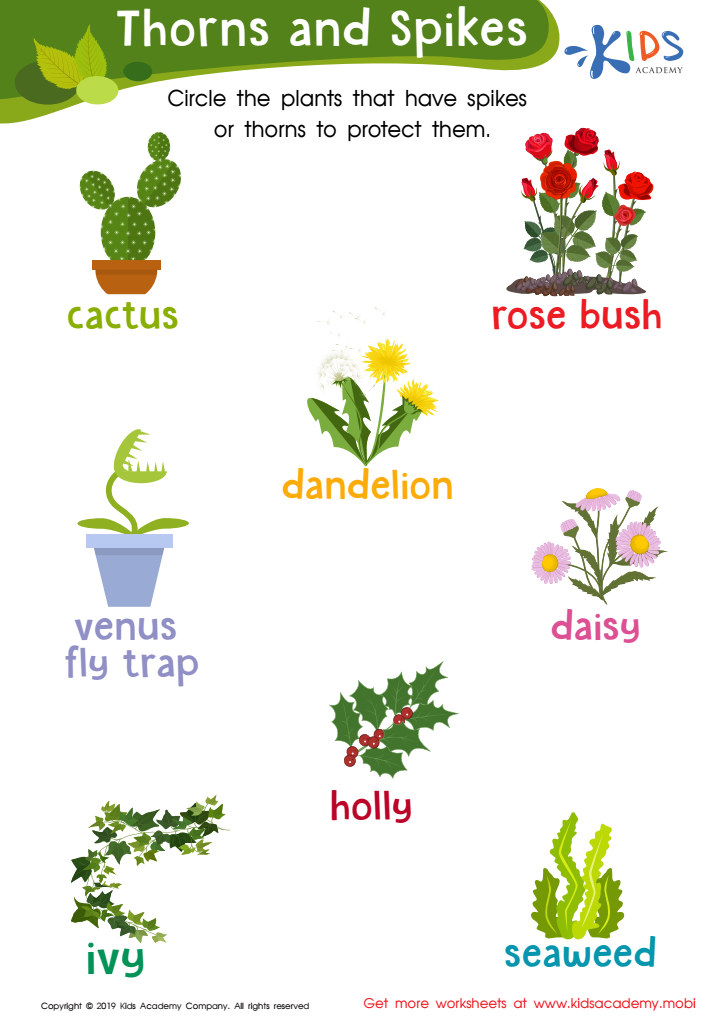
Thorns and Spikes Worksheet
 Assign to My Students
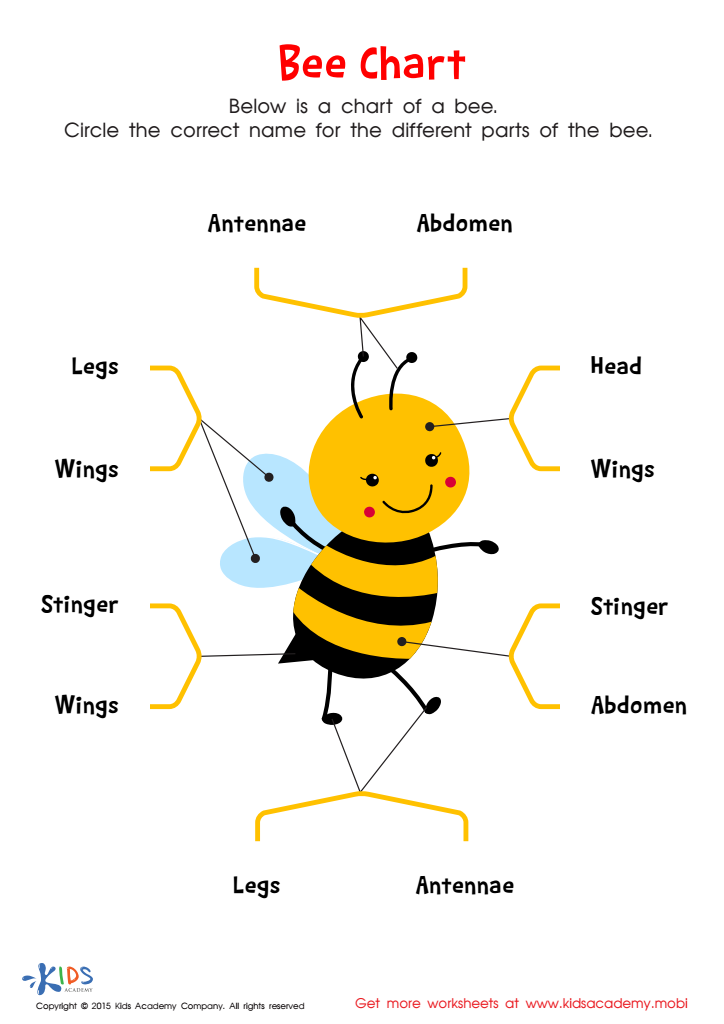
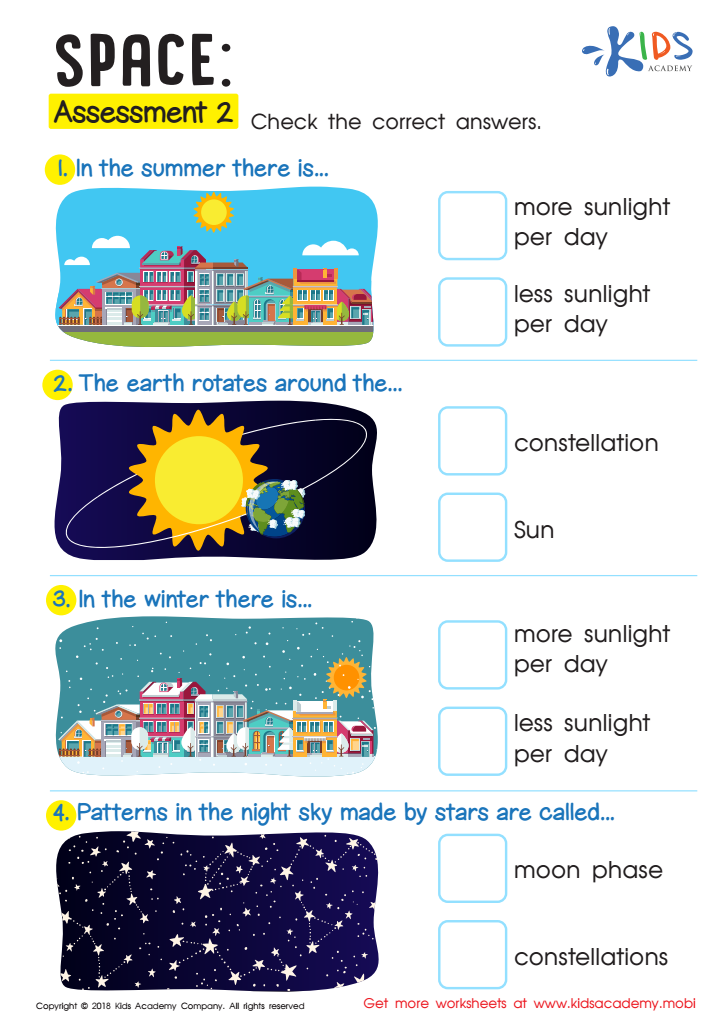
Space: Assessment 2 Worksheet








Science knowledge is crucial for 6-year-olds as it lays the foundation for critical thinking and inquiry-based learning. At this age, children possess an innate curiosity about their surroundings, and science taps into this curious nature, encouraging them to ask questions and explore the world around them. Understanding basic scientific concepts helps them develop essential skills like observation, experimentation, and reasoning.
Moreover, early science education promotes creativity and problem-solving abilities. When children engage in scientific activities, they learn to hypothesize and test their ideas, fostering a mindset that welcomes exploration and innovation. Engaging in science also enhances literacy and numeracy skills, as children learn to read instructions, categorize items, and conduct simple measurements.
Additionally, science education brings awareness to important real-world issues, such as environmental conservation and health, nurturing responsible citizens of the future. Encouraging an early interest in science can steer children towards various career opportunities in STEM fields, diverse and essential in today’s economy.
For parents and teachers, prioritizing science knowledge not only enriches a child's educational experience but also cultivates a lifelong love for learning, making it an invaluable aspect of childhood development. By nurturing scientific curiosity, we empower children to become inquisitive, informed, and engaged members of society.







