Color recognition Social Studies Worksheets for 6-Year-Olds
5 filtered results
-
From - To
Our "Color Recognition Social Studies Worksheets for 6-Year-Olds" offer engaging and educational activities to enhance children's understanding of colors and social studies concepts. These thoughtfully designed worksheets combine color recognition with essential social studies topics, making learning fun and interactive. Perfect for young learners, the activities encourage creativity and critical thinking while introducing important aspects of community, geography, and history. Suitable for classroom and home use, our worksheets are a fantastic resource for early-grade teachers and parents striving to build a strong educational foundation in their children's formative years. Unlock the joy of learning with our vibrant, high-quality worksheets today!

Happy Diwali Printable
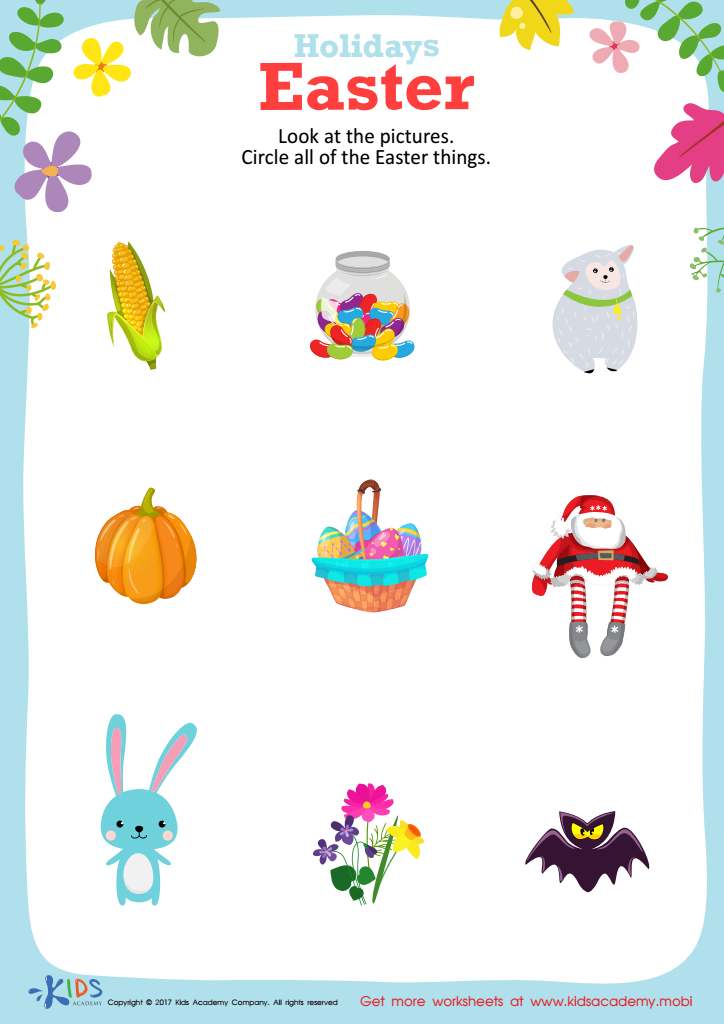
Easter Holiday Printable

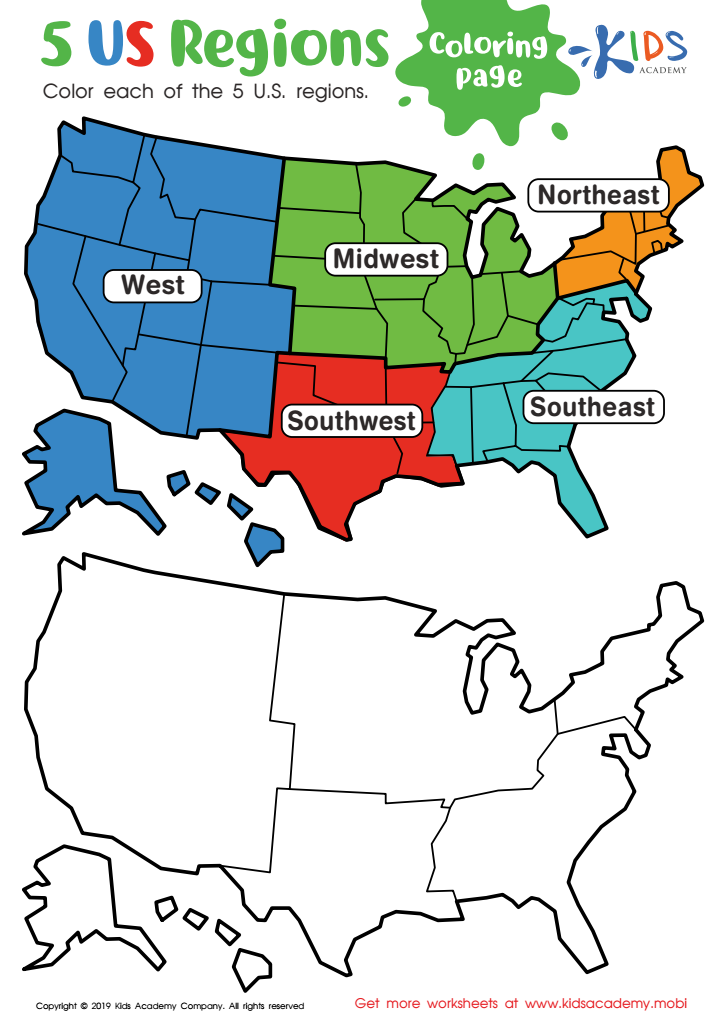
US Regions Coloring Page Worksheet
 Assign to My Students

Globe Coloring Page Worksheet
Assign to My Students








Color recognition is a fundamental aspect of early childhood education that plays a crucial role in a 6-year-old’s social studies learning. Understanding colors aids in cognitive development, which is essential for grasping more complex concepts as the child grows.
Firstly, colors help children make sense of the world around them, providing them a simple framework to categorize and identify objects, people, and places. When learning about different cultures, historical events, or geographical locations, children can use colors to remember flags, landmarks, and cultural attire better.
Secondly, color recognition improves visual discrimination, a necessary skill for reading maps and globes, interpreting charts, and understanding classroom materials. For instance, understanding different shades on a map can help kids differentiate between regions, bodies of water, and other geographical features.
Additionally, associating emotions and societal norms with colors offers a comprehensive understanding of both the natural and social environment. Discussing diverse holidays and celebrations, which often have distinct, color-based symbols, enhances social awareness and inclusivity.
Lastly, engaging with colors in social studies projects stimulates creativity, ownership, and pride in young learners, fostering a positive attitude toward learning. Thus, both parents and teachers should emphasize the importance of color recognition as it lays a colorful foundation for interdisciplinary learning and social development.