Critical Thinking Social Studies Worksheets for 6-Year-Olds
13 filtered results
Difficulty Level
Grade
Age
-
From - To
Subject
Activity
Standards
Enhance your 6-year-old's learning experience with our engaging Critical Thinking Social Studies Worksheets. Designed specifically for young learners, these worksheets foster critical analysis, problem-solving, and creative thinking in the context of social studies. Kids will explore their world, learning about communities, cultures, and important societal concepts through fun activities and thought-provoking questions. Each worksheet encourages curiosity and helps develop essential skills that are foundational for future learning. Perfect for classroom use or at-home practice, our products ensure that your child will gain valuable insights while enjoying the learning process. Start nurturing your child's critical thinking abilities today!
Favorites
With answer key
Interactive
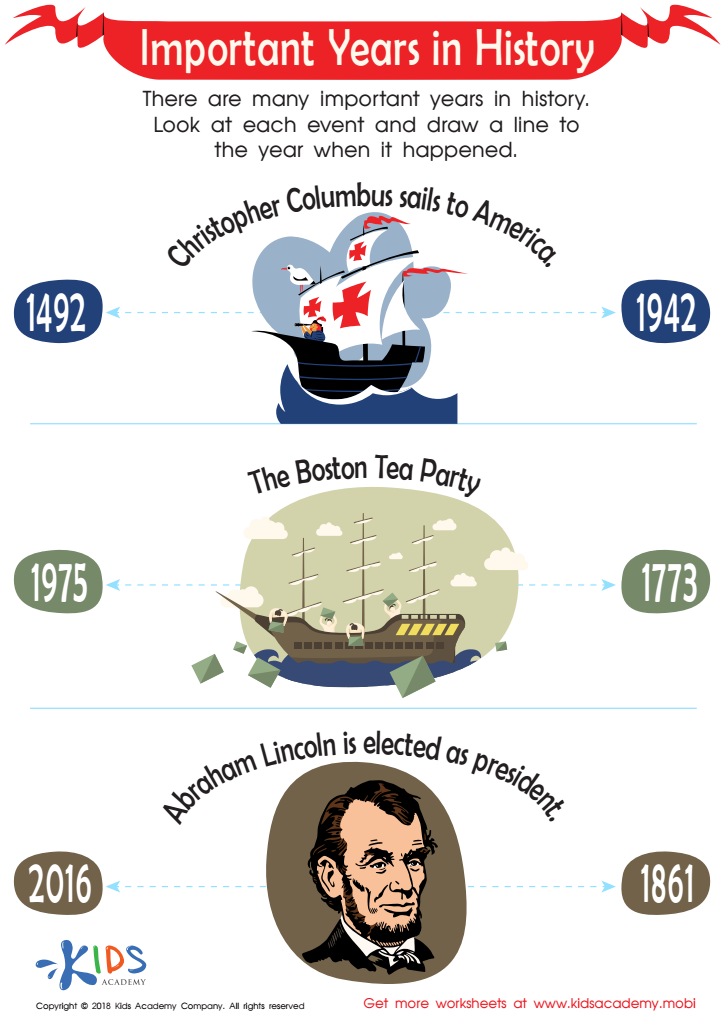
Important Years in History Worksheet
Ask your students if they can name any important dates in history. Then, look at the images in the worksheet with them. Read the sentences above each one to them and have them trace a line to the year when the event occurred.
Important Years in History Worksheet
Worksheet
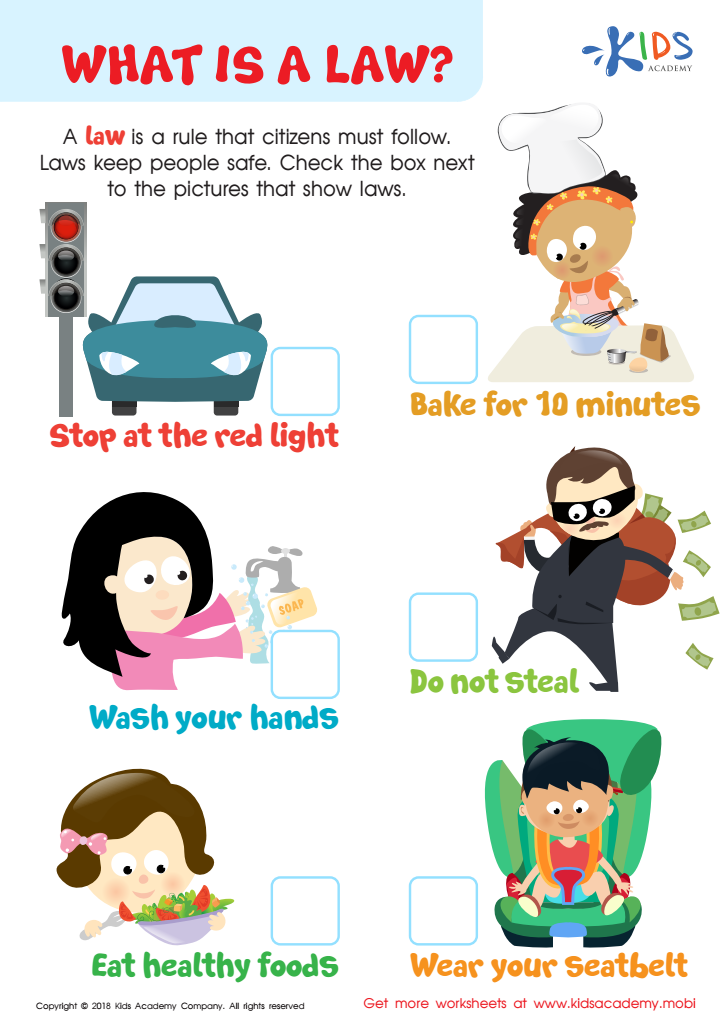
What is a Law? Worksheet
Encourage your students to think about the laws they abide by - at home, school, and the playground. Explain the importance of laws in keeping us safe, then ask them to check the box next to the pictures depicting different laws in a worksheet.
What is a Law? Worksheet
Worksheet
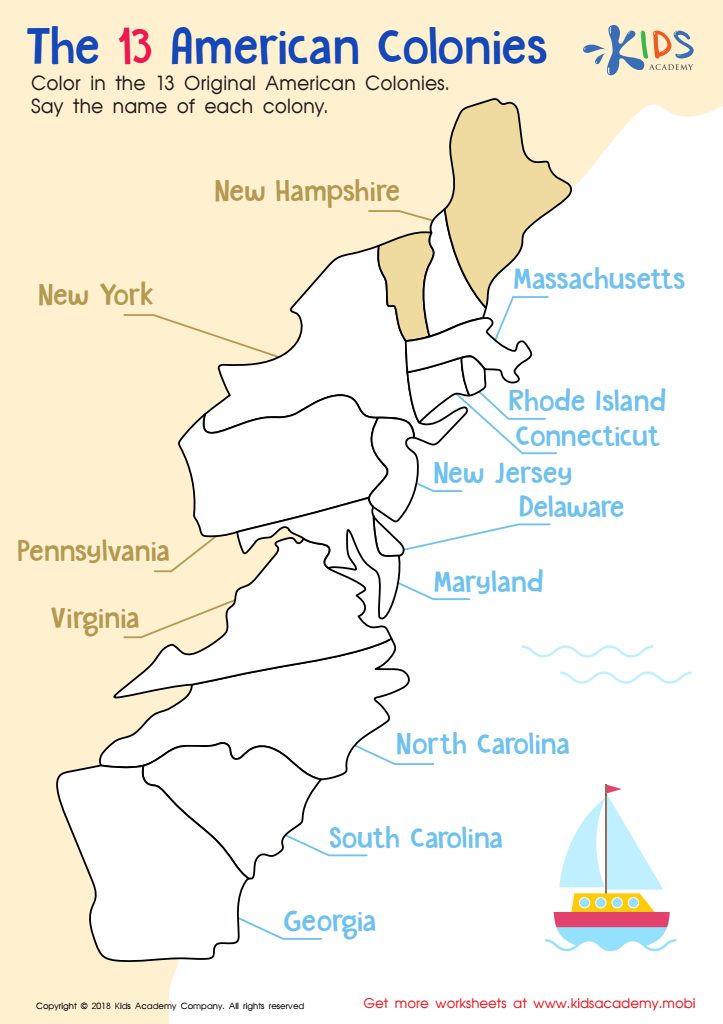
The 13 American Colonies Worksheet
Ensure kids are knowledgeable in maths, English, science, history, and geography. Test their American knowledge: Can they name the 13 Original American Colonies? Use the worksheet; have them color each colony and name it out loud.
Download (PDF)
 Assign to My Students
Assign to My Students
The 13 American Colonies Worksheet
Worksheet
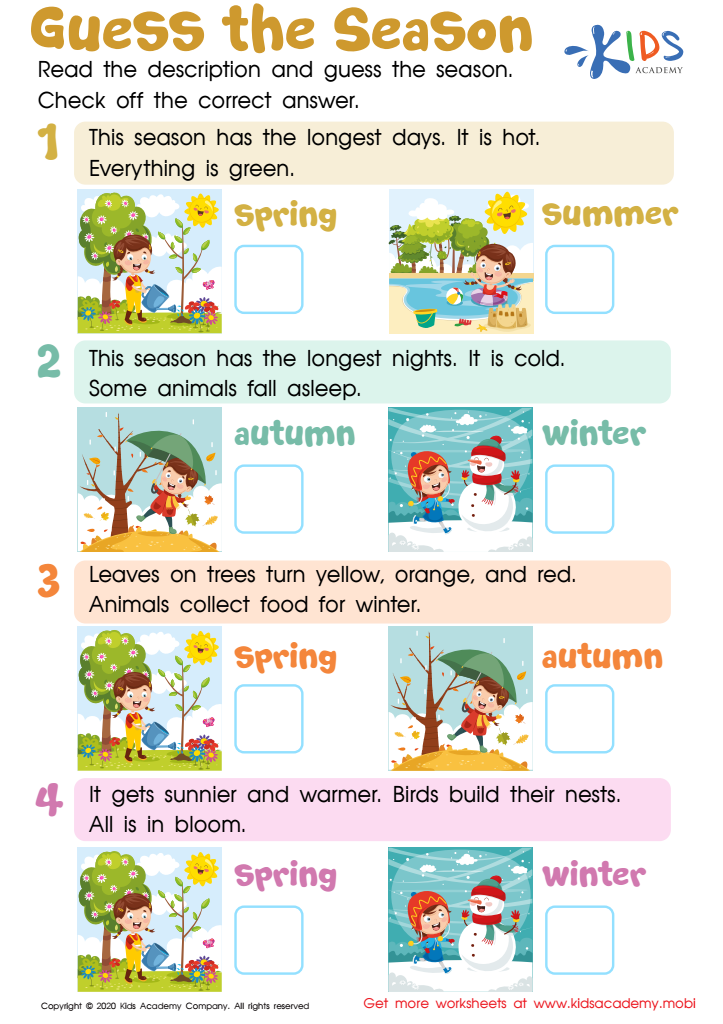
Guess the Season Worksheet
Winter and summer bring different weather! Help kids recognize the changes with this free Kids Academy PDF worksheet. Students read each description, look at the pictures, and check the box next to the season depicted. Make learning fun and easy with interactive activities.
Guess the Season Worksheet
Worksheet
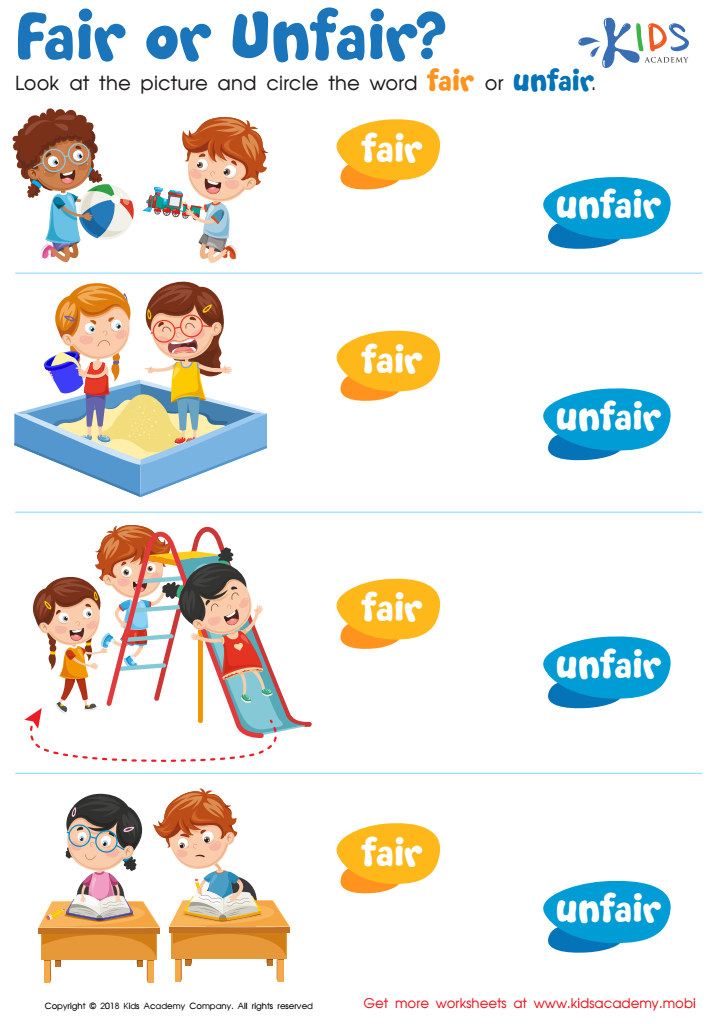
Fair or Unfair Worksheet
Look at the pictures in this worksheet with kids. Can they tell if the actions are fair or unfair? Help them decide and circle the appropriate option. When something causes harm to one person, it is unfair; when all parties benefit, it is fair.
Fair or Unfair Worksheet
Worksheet
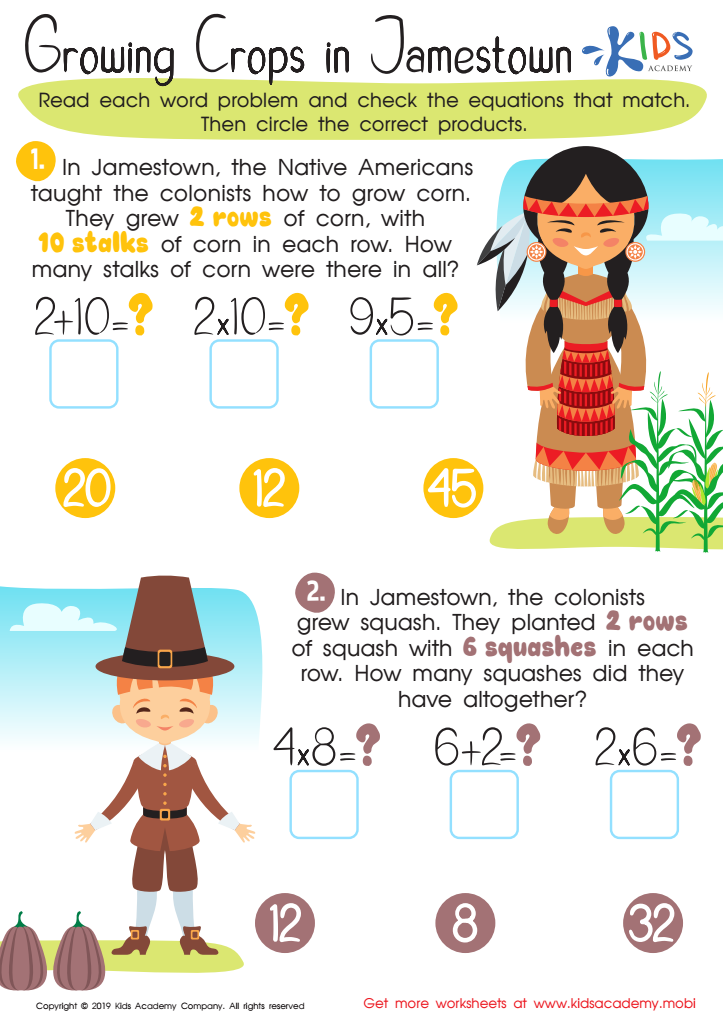
Growing Jamestown Worksheet
This exciting multiplication worksheet from Kids Academy uses American history facts as its theme. Kids learn about Native Americans helping early Americans at Jamestown, then read the word problems, match the equations and solve for the product. Finally, circle the correct answer!
Growing Jamestown Worksheet
Worksheet
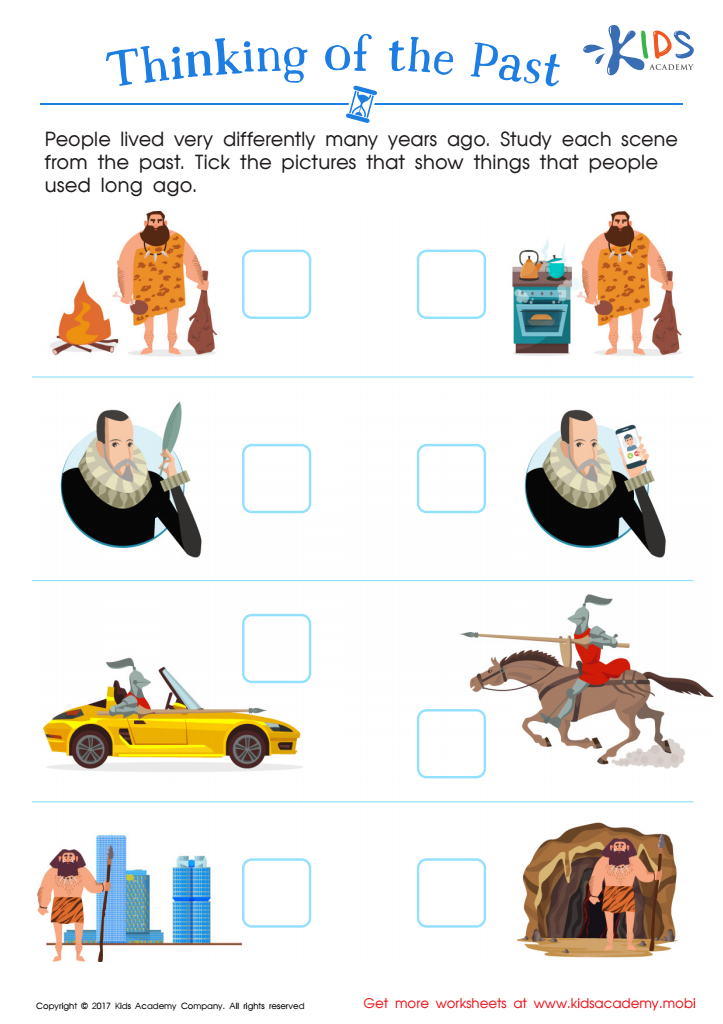
Thinking Past Printable
Bring the past to life for your kid with this fun worksheet! They'll use logic to choose the right answer, learning about different eras and how people lived in them. With a colorful caveman and modern skyscraper side by side, they won't even realize they're building historical knowledge.
Thinking Past Printable
Worksheet
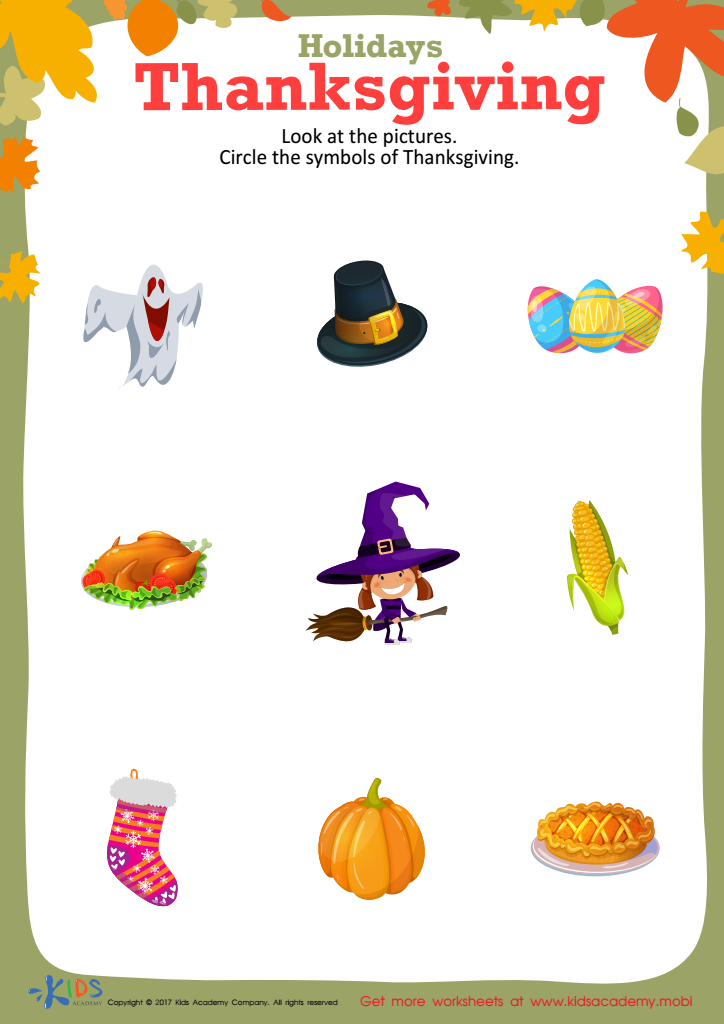
Thanksgiving Holiday Printable
Thanksgiving is here! Celebrate by showing appreciation and giving thanks. Teach your kids about the iconic symbols of the holiday with this free printable worksheet. Enjoy America's most famous feast!
Thanksgiving Holiday Printable
Worksheet
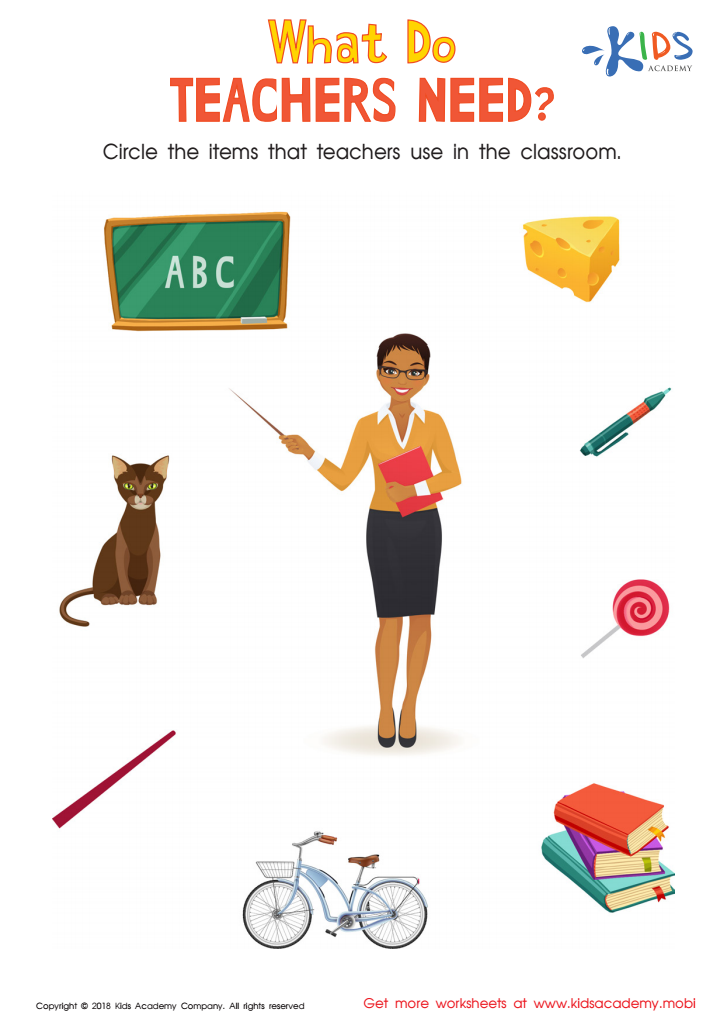
What Do Teachers Need Worksheet
This interactive worksheet tasks kindergarten students with identifying essential items a teacher needs in a classroom. They will be asked to circle items, helping them learn what teachers need to have in their classrooms.
What Do Teachers Need Worksheet
Worksheet
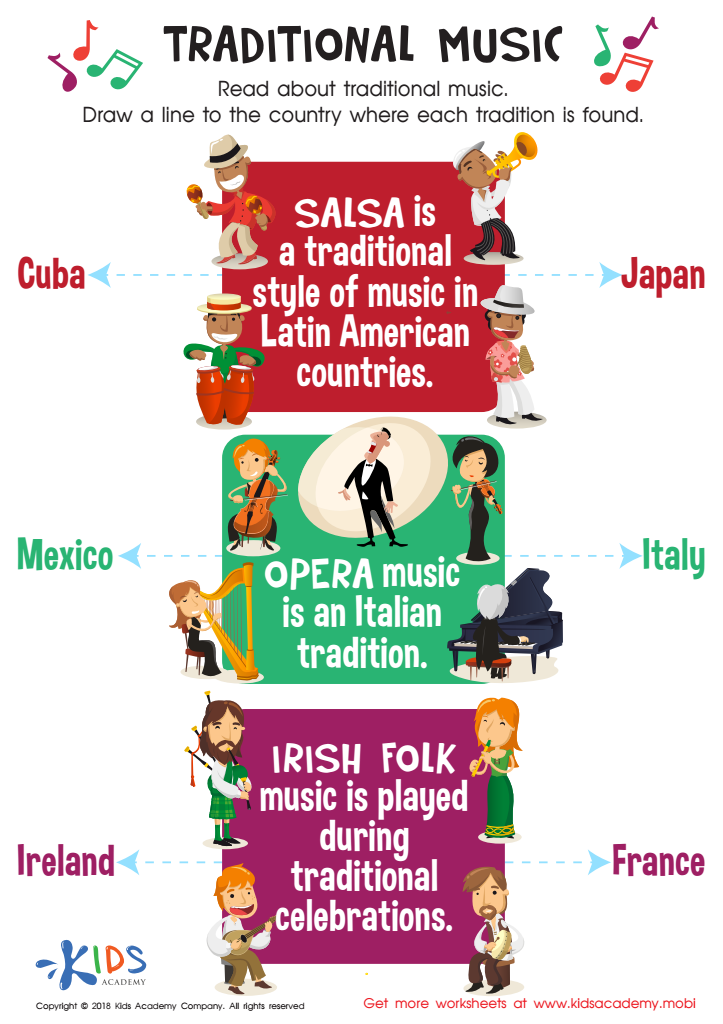
Traditional Music Worksheet
Exploring different countries' music is a great way for global learners to appreciate their place in the world. This worksheet helps them match music - like Salsa and Irish Folk - to various geographic regions with colorful visuals. It boosts reading comprehension while supporting their cultural understanding.
Traditional Music Worksheet
Worksheet
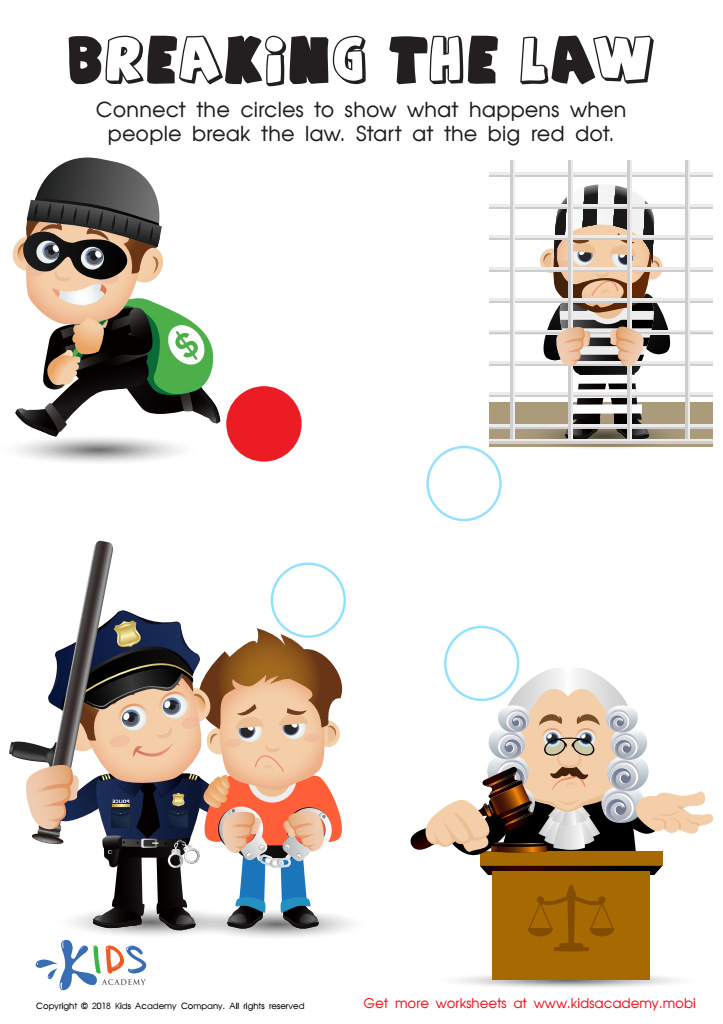
Breaking the Law Worksheet
Explain to your child why people go to jail. Show them this worksheet; it illustrates the stages a criminal goes through from breaking the law to receiving their punishment. Guide them in connecting the circles from the big red dot. Finish with a discussion on why it's important to follow the law.
Breaking the Law Worksheet
Worksheet
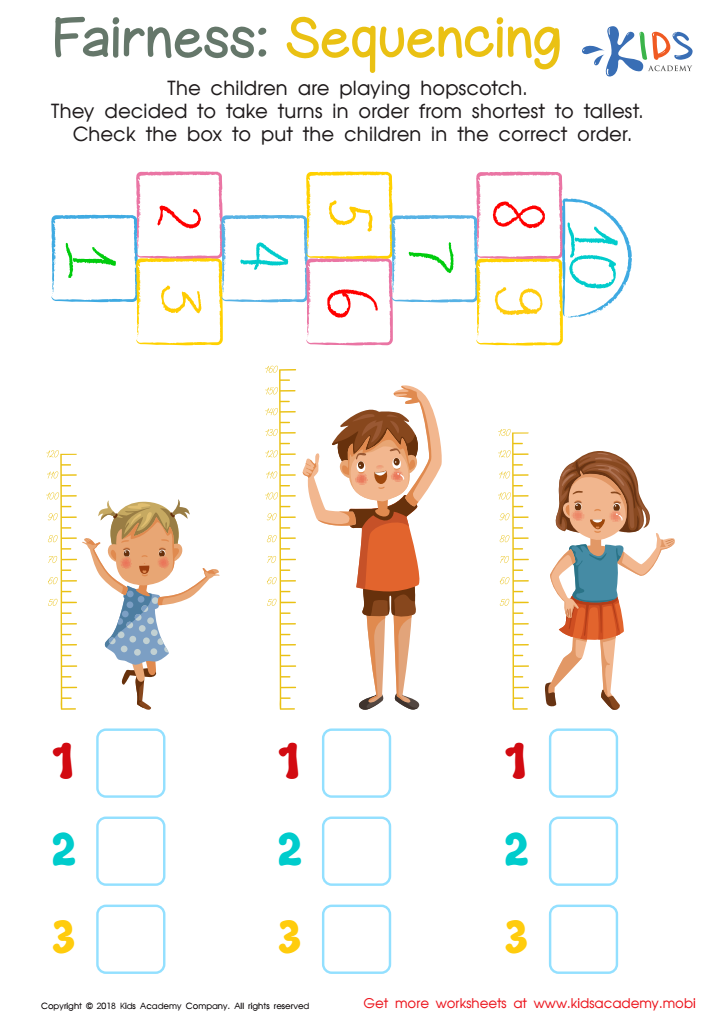
Fairness: Sequencing Worksheet
Kids likely already know how to play hopscotch. Ask them to show you the shortest, tallest and middle child in the worksheet. Then, help them order them from shortest to tallest by checking the boxes.
Fairness: Sequencing Worksheet
Worksheet
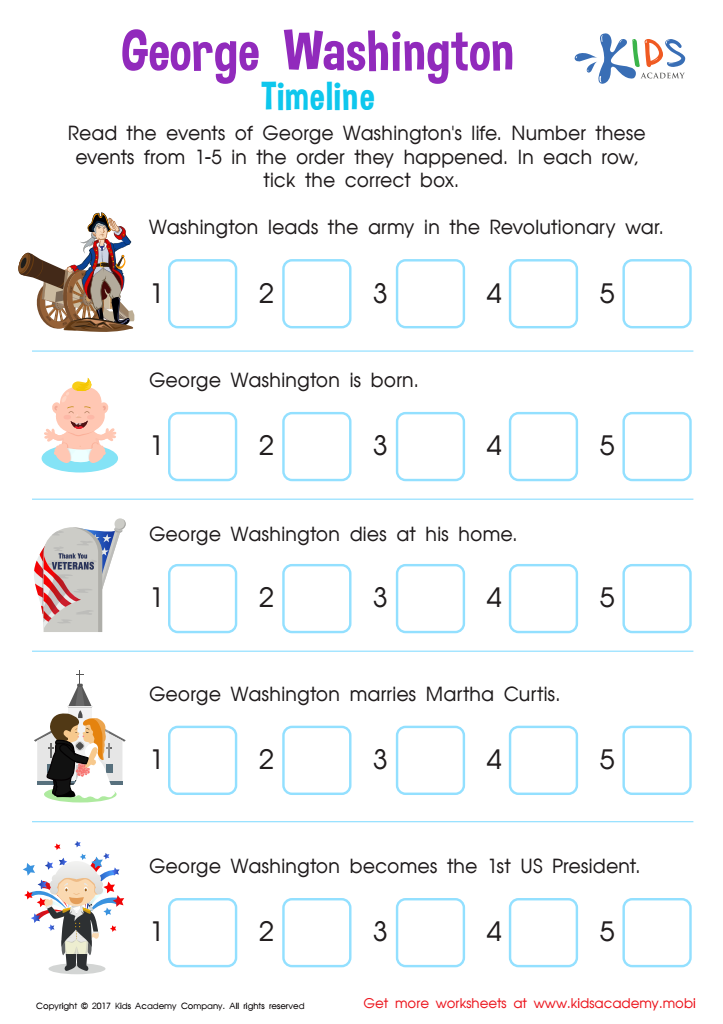
George Washington Timeline Worksheet
Help your child learn about George Washington and practice sequencing events! This printable worksheet will boost their reading and comprehension skills while they review historical facts. It's a great challenge to keep them engaged and learning.
George Washington Timeline Worksheet
Worksheet
Join Kids Academy for Free
Who is primarily going to use this learning content?




.jpg)



Critical thinking in social studies for 6-year-olds is essential for several reasons. Firstly, children at this age are beginning to develop their cognitive abilities and are curious about the world around them. Encouraging critical thinking helps them make sense of complex social interactions, cultural differences, and historical contexts, fostering a deeper understanding of various communities and perspectives.
Secondly, incorporating critical thinking into social studies promotes independence in learning. Kids learn to ask questions, gather information, and analyze situations, which empowers them to think for themselves rather than passively accepting information. This skill is crucial for their overall educational journey and personal development.
Furthermore, critical thinking nurtures empathy and social awareness. As children explore different cultures, histories, and societal structures, they begin to grasp the importance of diversity and inclusion. This lays the foundation for respectful interactions and collaboration with peers from various backgrounds.
Finally, teaching critical thinking in social studies encourages lifelong learning. It cultivates an inquisitive attitude, motivating children to explore, question, and understand their world in greater depth. Ultimately, fostering these skills equips young learners with the tools they need to engage constructively in society as informed citizens.