Fine Motor Skills Alphabet Worksheets for Ages 7-8 - Page 2
54 filtered results
-
From - To
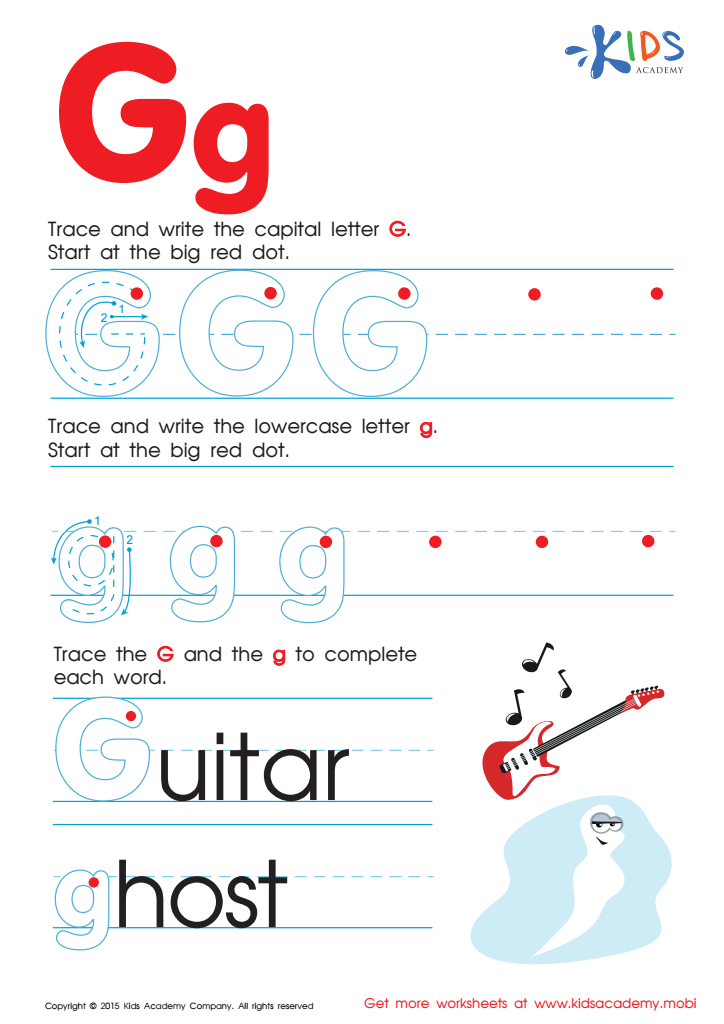
Letter G Tracing Page
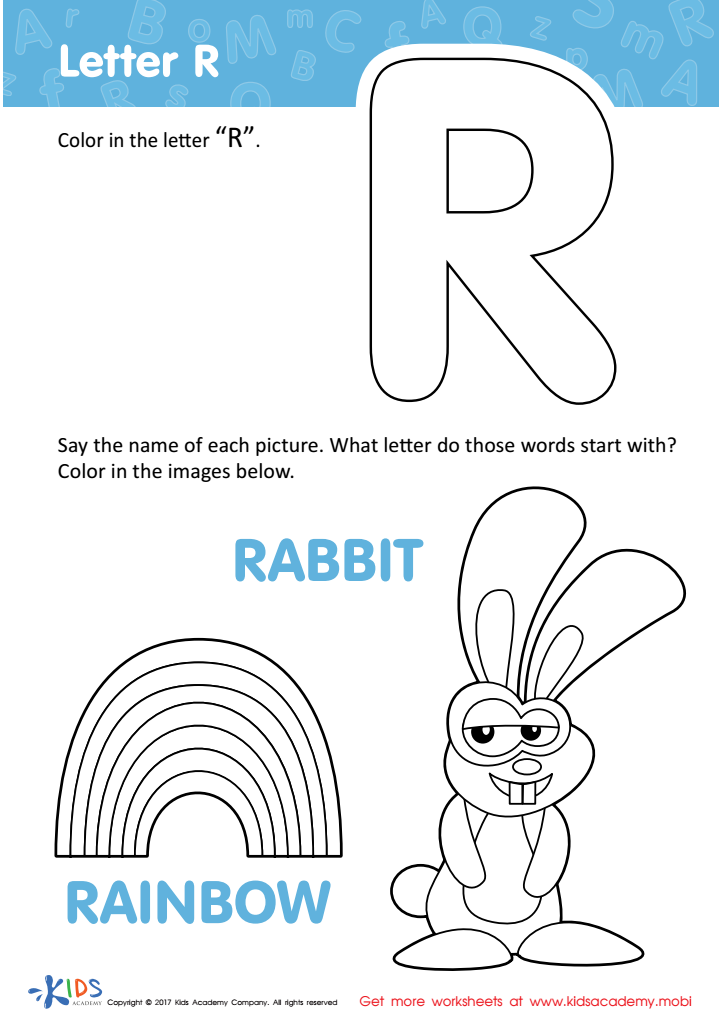
Letter R Coloring Sheet
 Assign to My Students
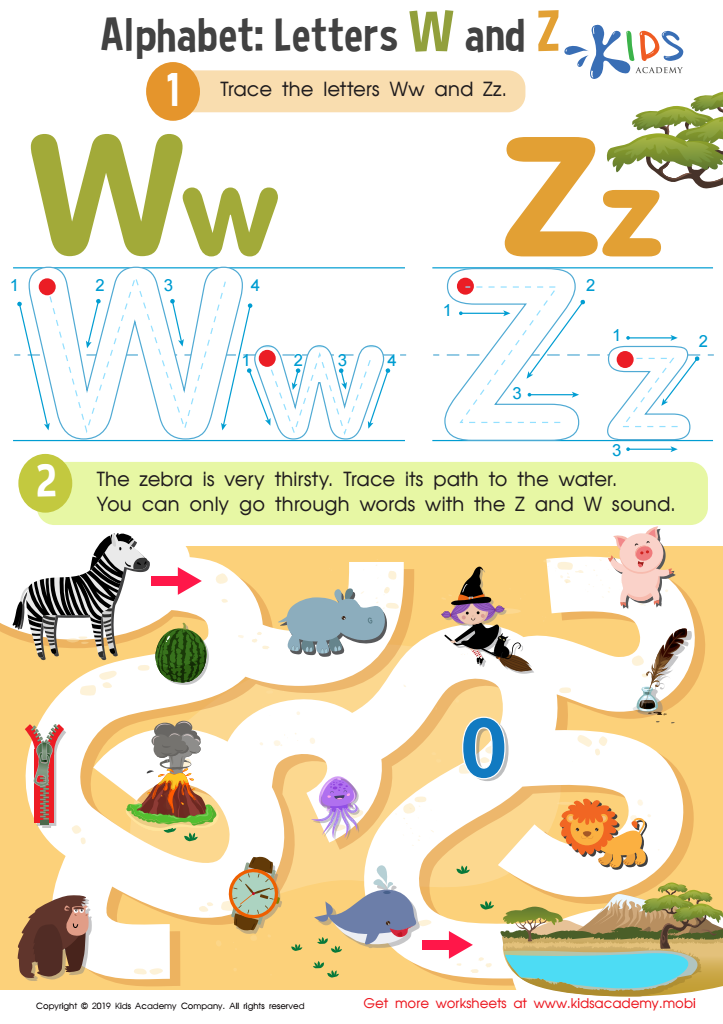
Letters W and Z Tracing Worksheet
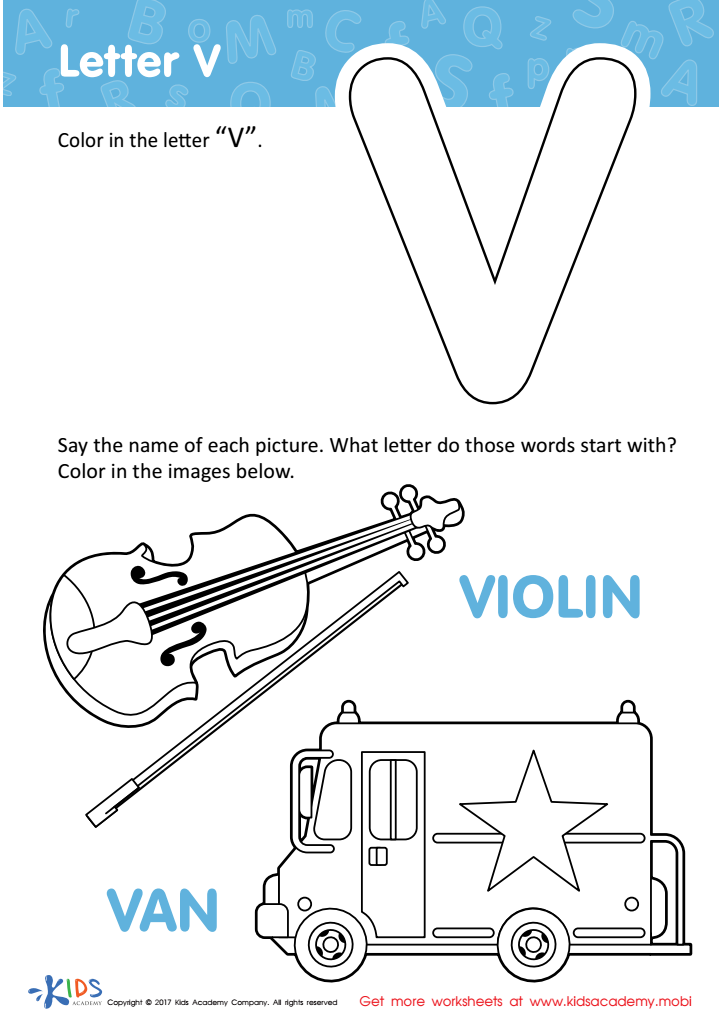
Letter V Coloring Sheet
Assign to My Students
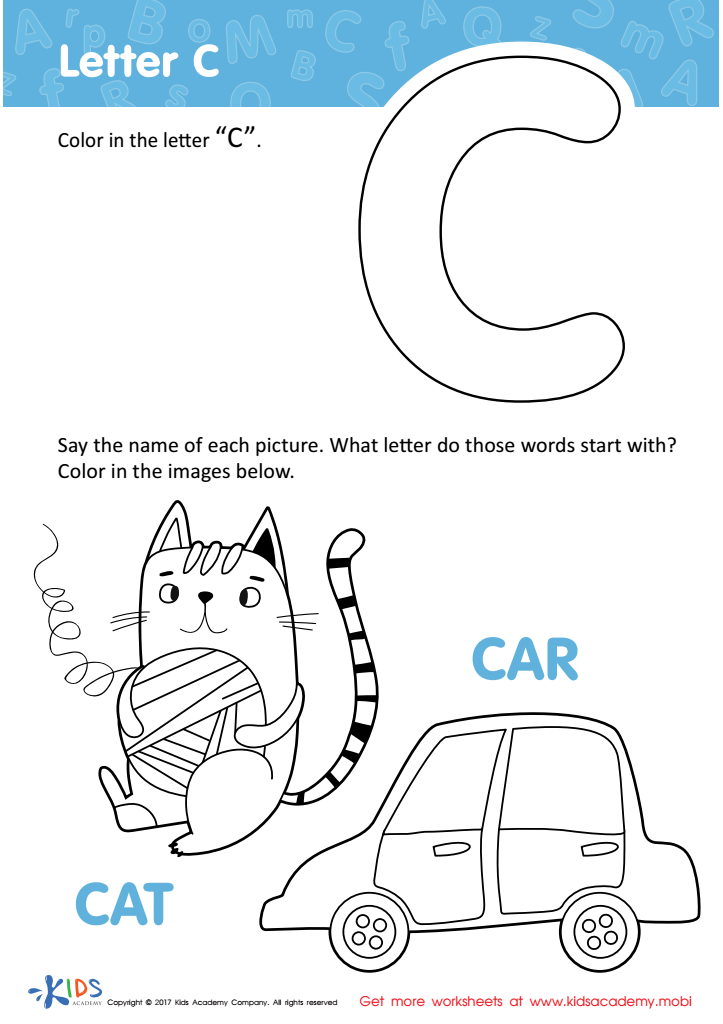
Letter C Coloring Sheet
Assign to My Students
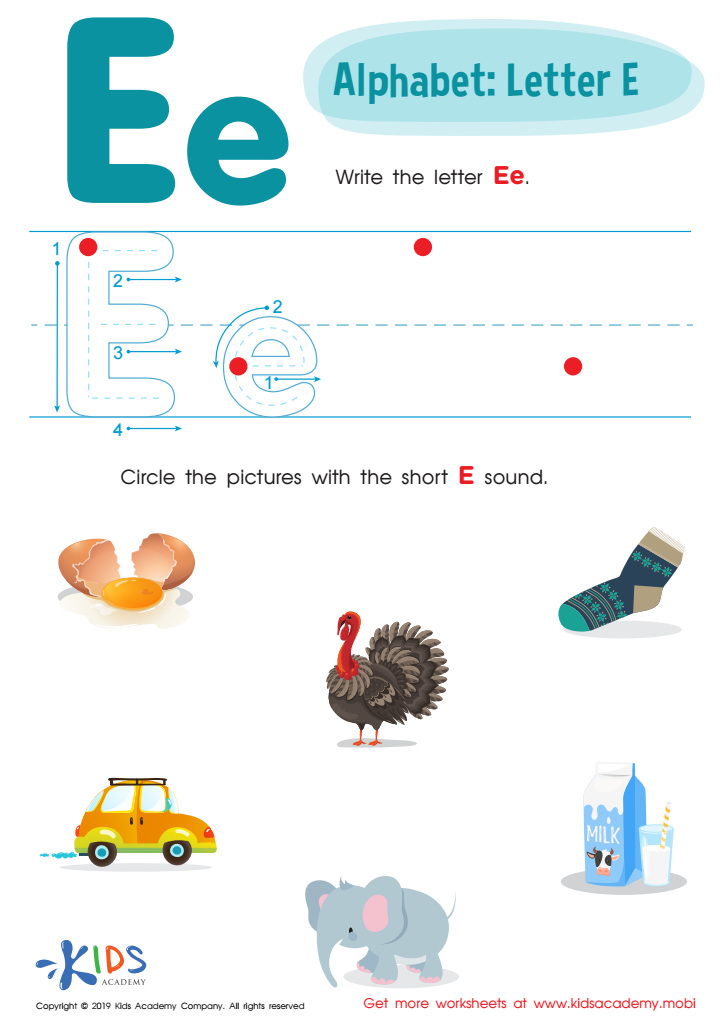
Letter E Tracing Worksheet
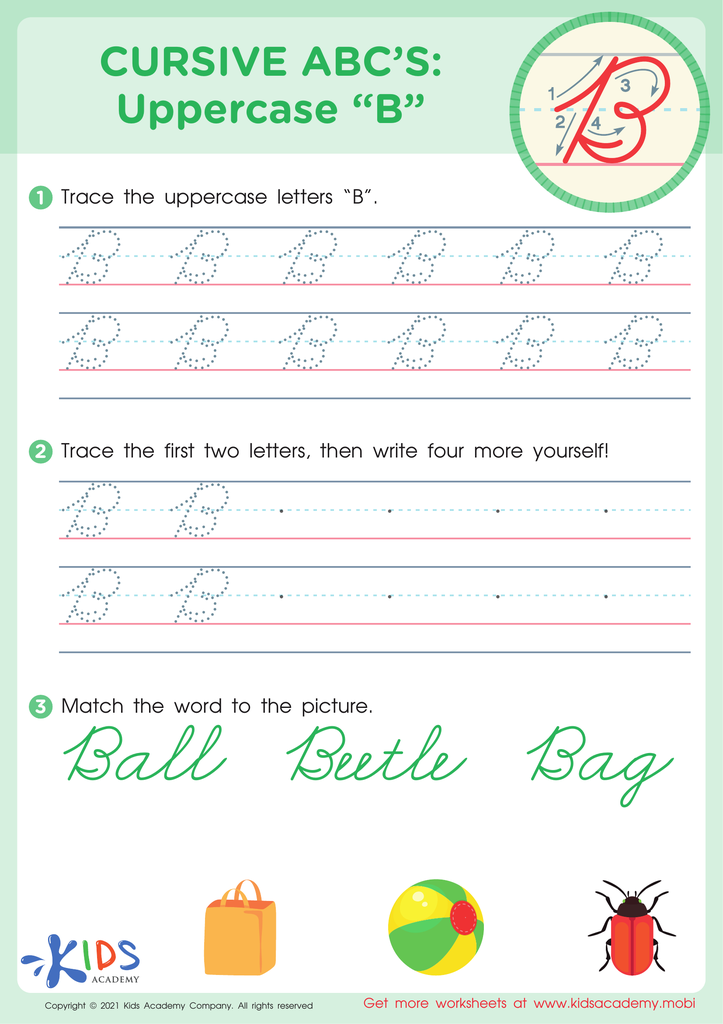
Cursive ABCs: Uppercase B
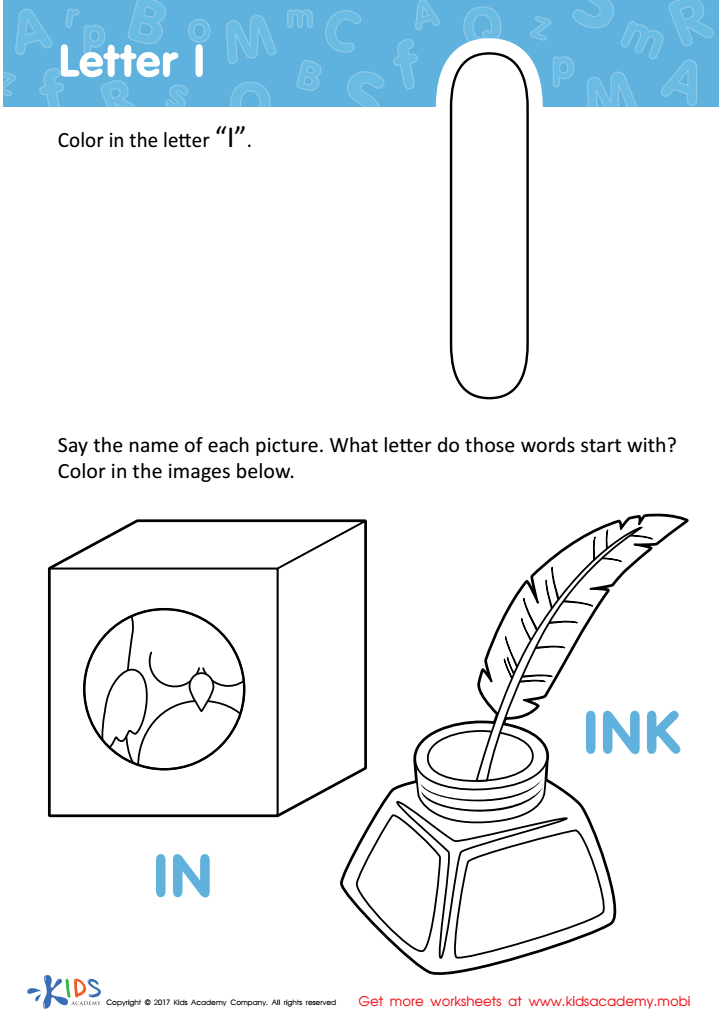
Letter I Coloring Sheet
Assign to My Students
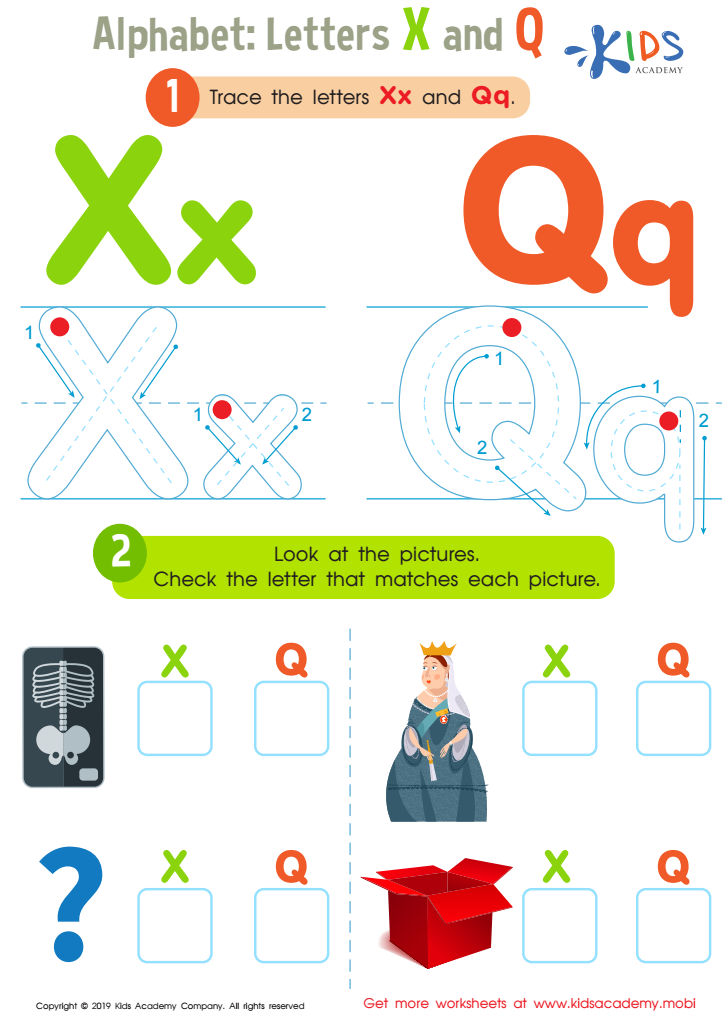
Letters X and Q Tracing Worksheet

Long and Short U Worksheet
Assign to My Students
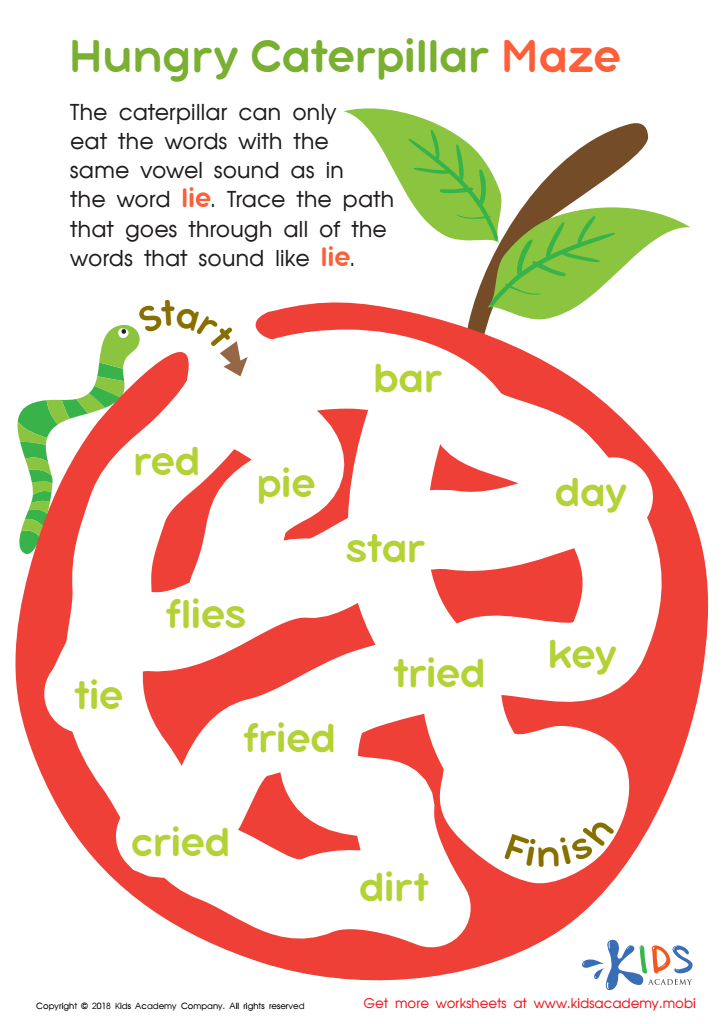
Hungry Caterpillar Maze Worksheet
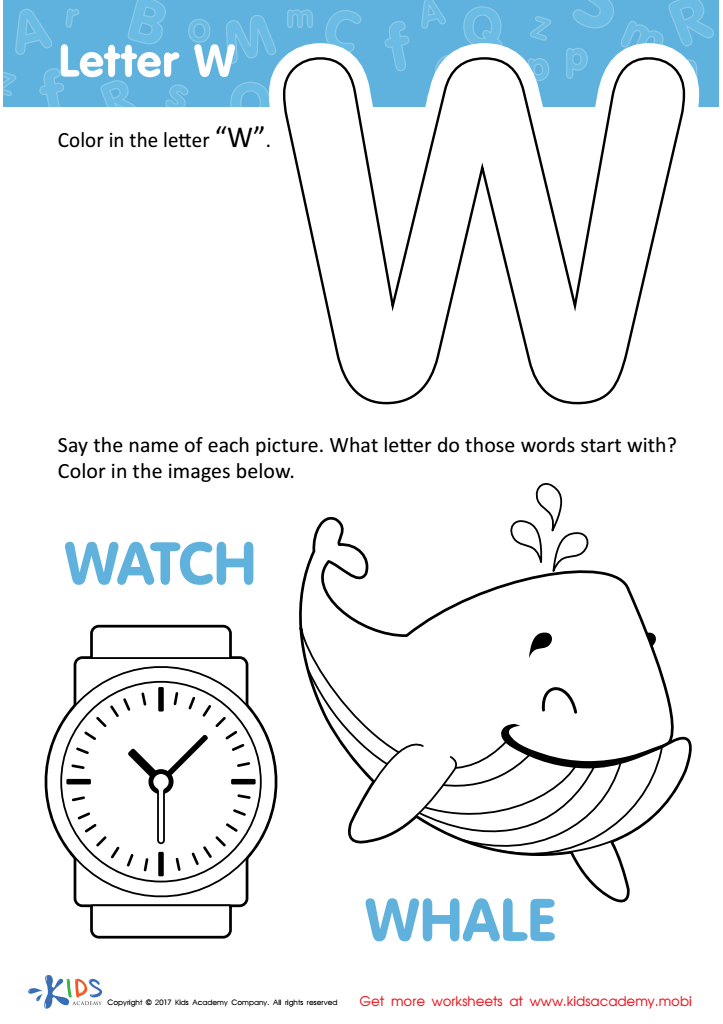
Letter W Coloring Sheet
Assign to My Students
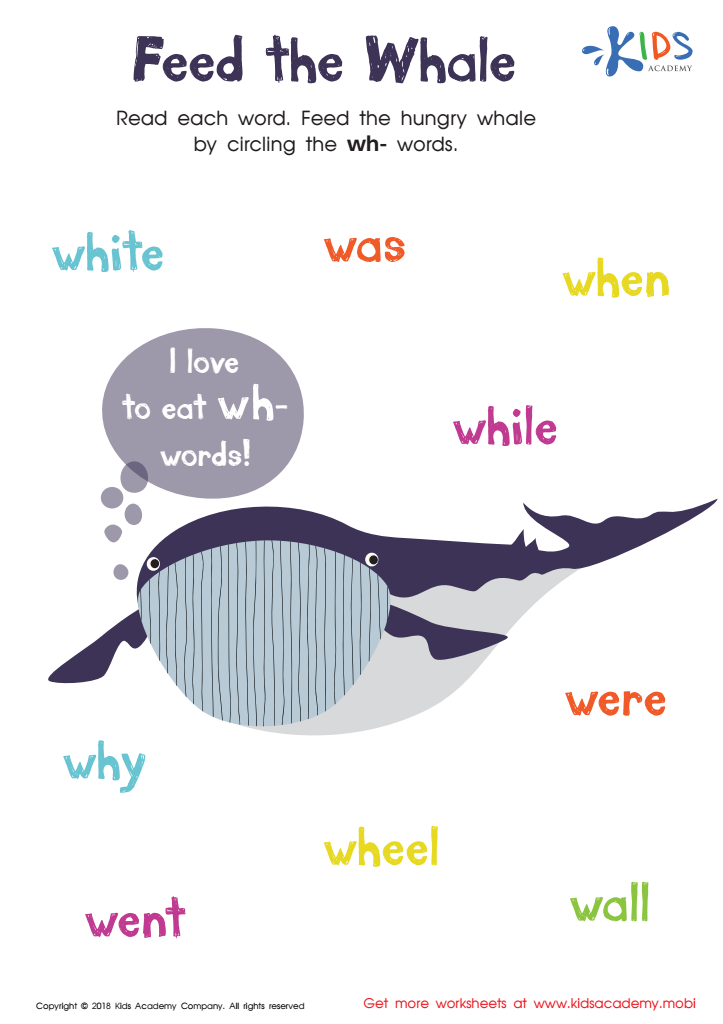
Feed the Whale Worksheet
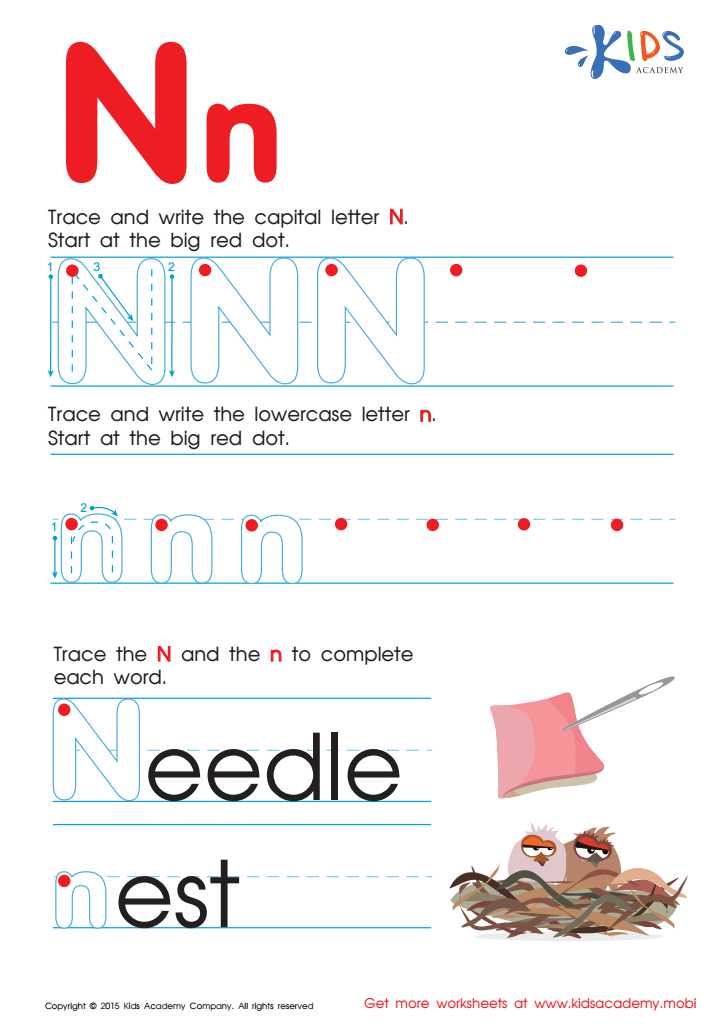
Letter N Tracing Page
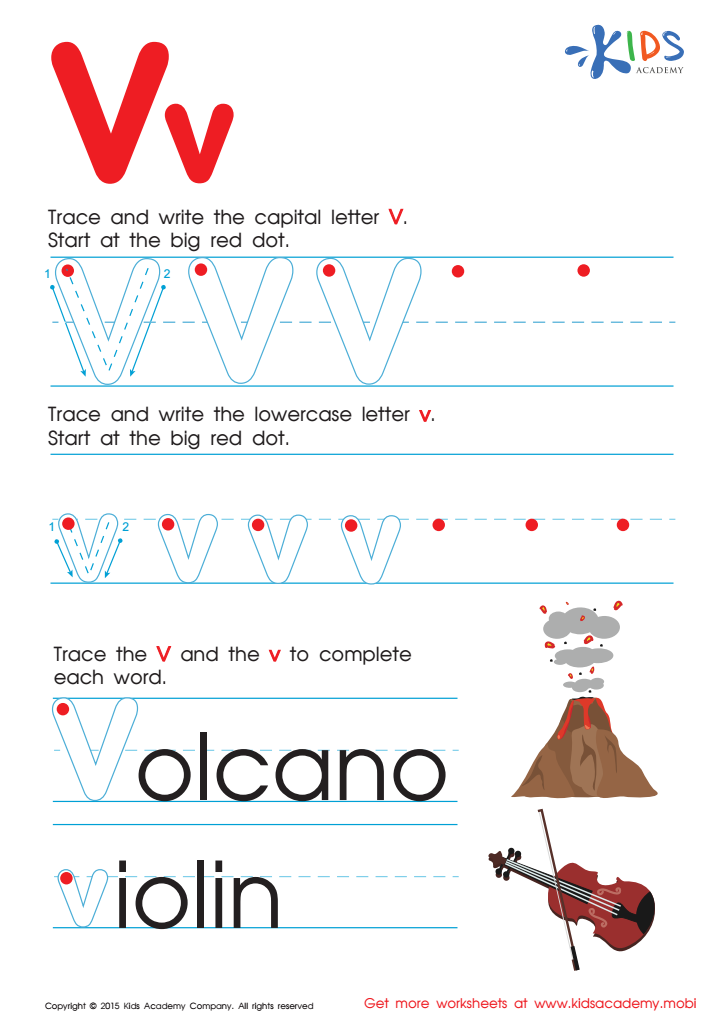
Letter V Tracing Page
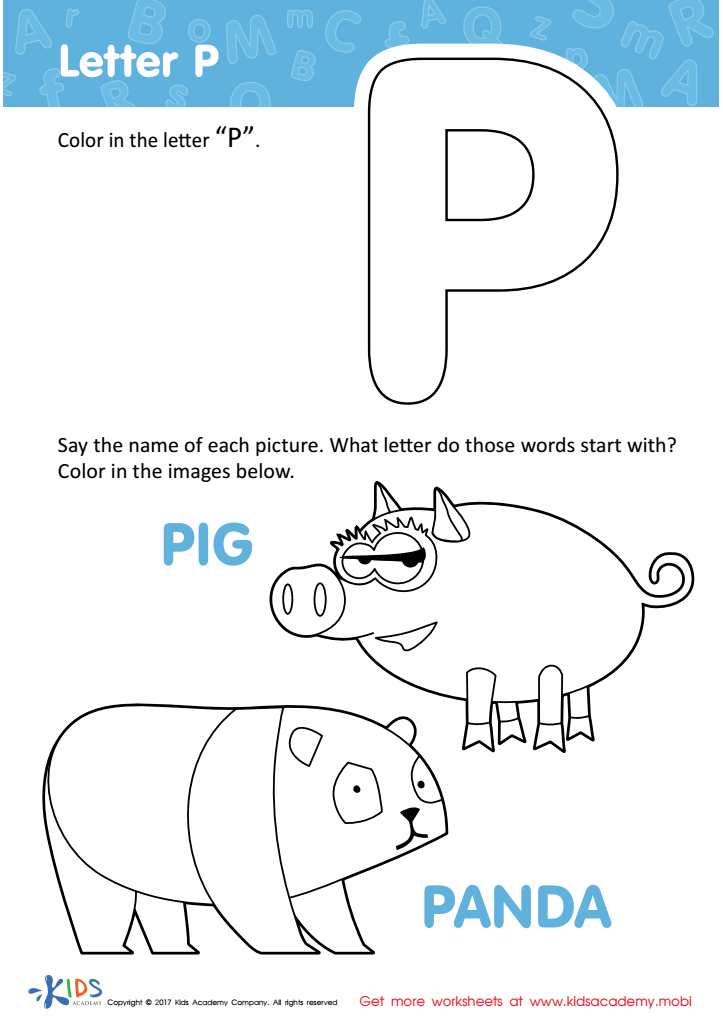
Letter P Coloring Sheet
Assign to My Students
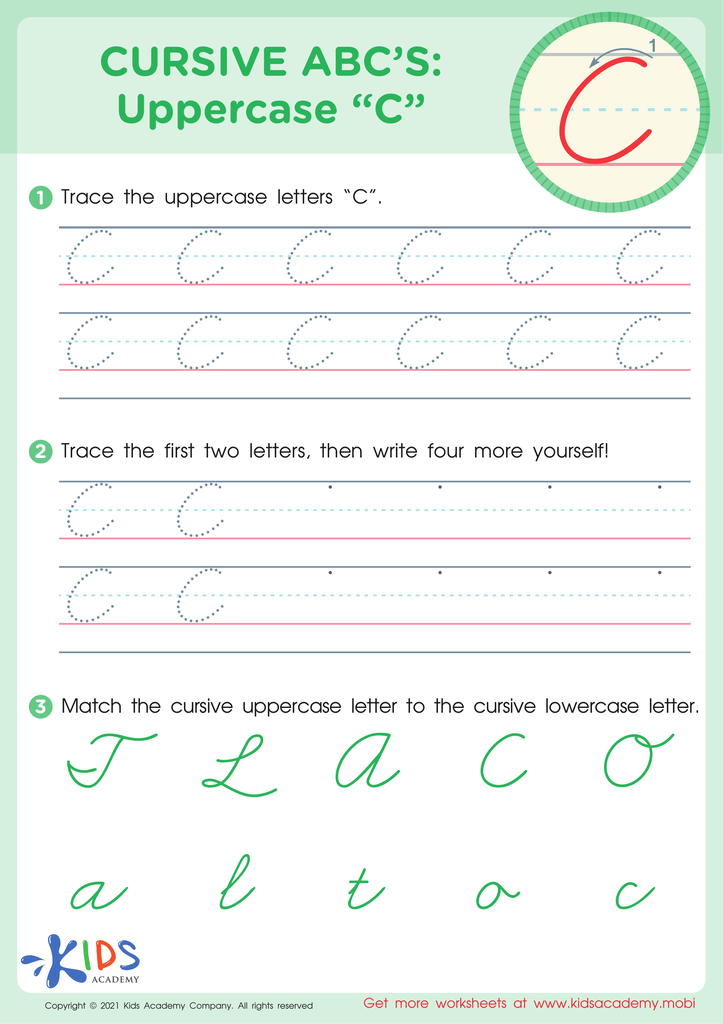
Cursive ABCs: Uppercase C
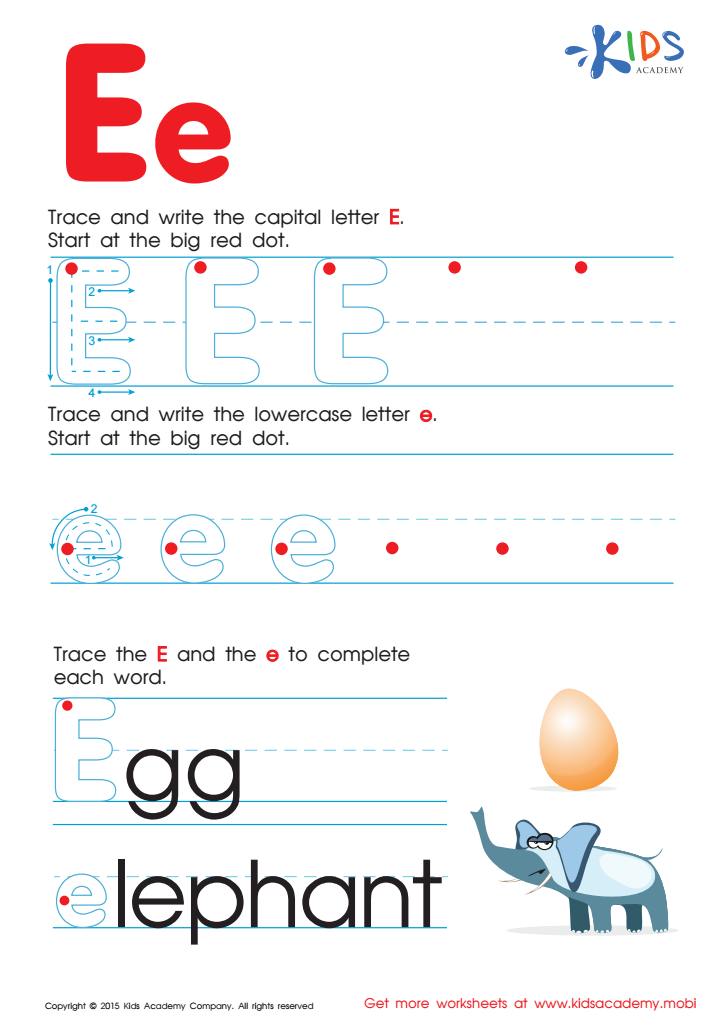
Letter E Tracing Page
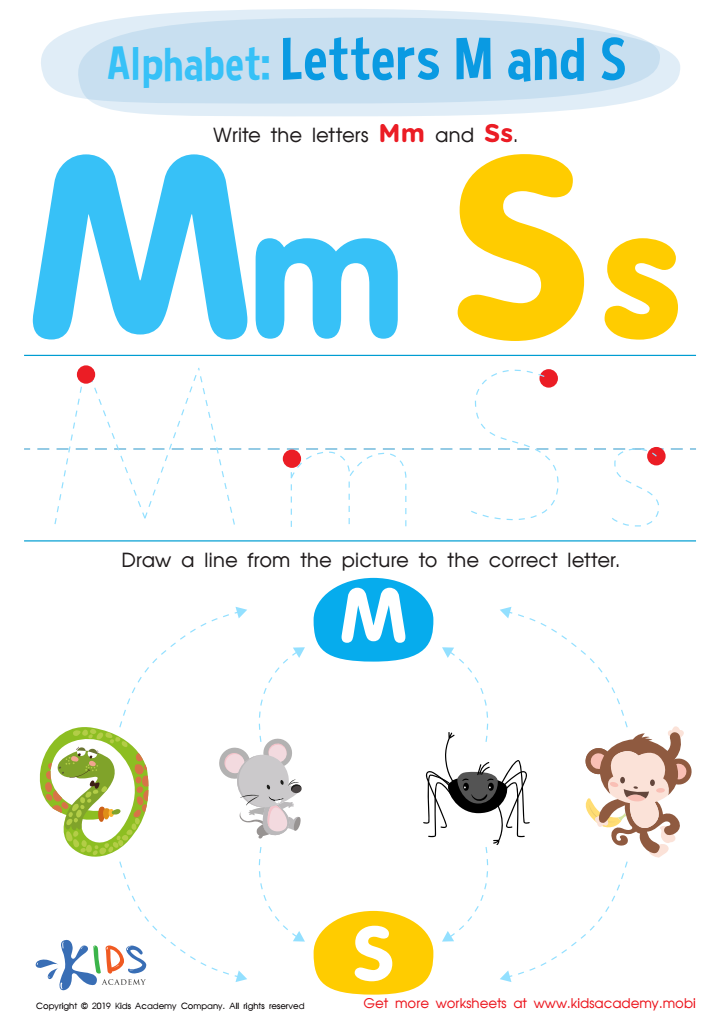
Letters M and S Tracing Worksheet
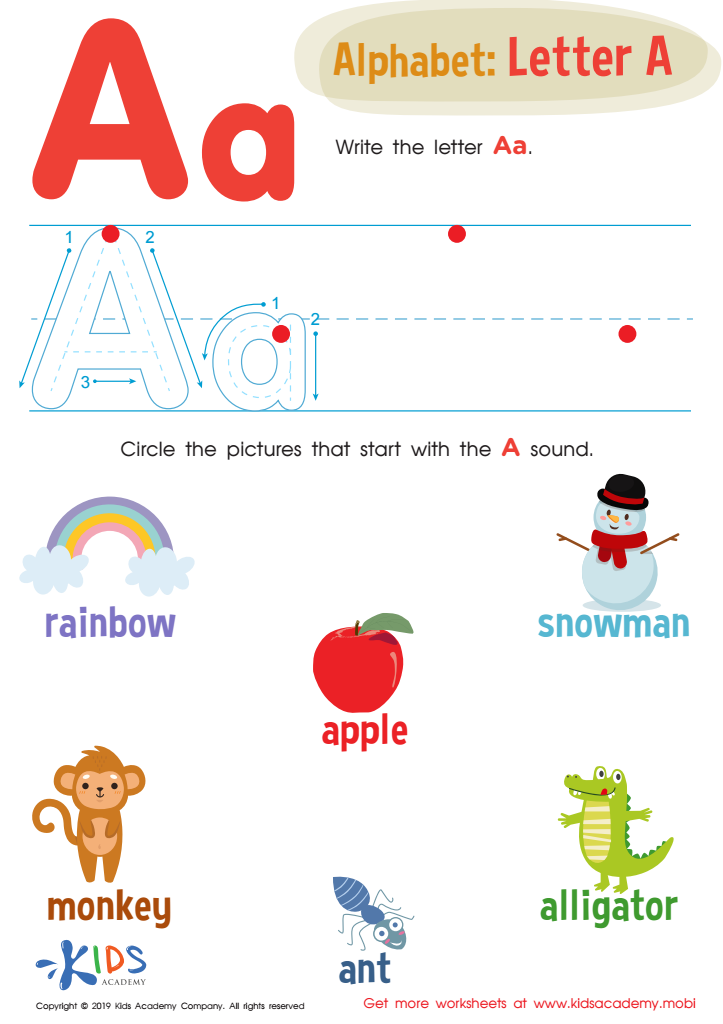
Letter A Tracing Worksheet
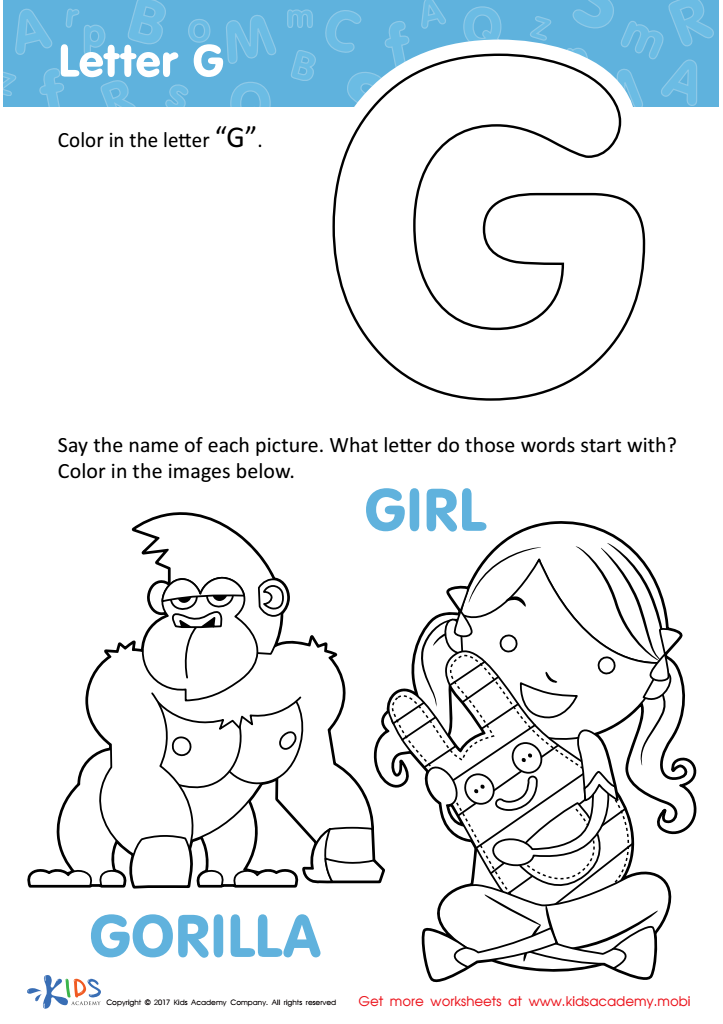
Letter G Coloring Sheet
Assign to My Students
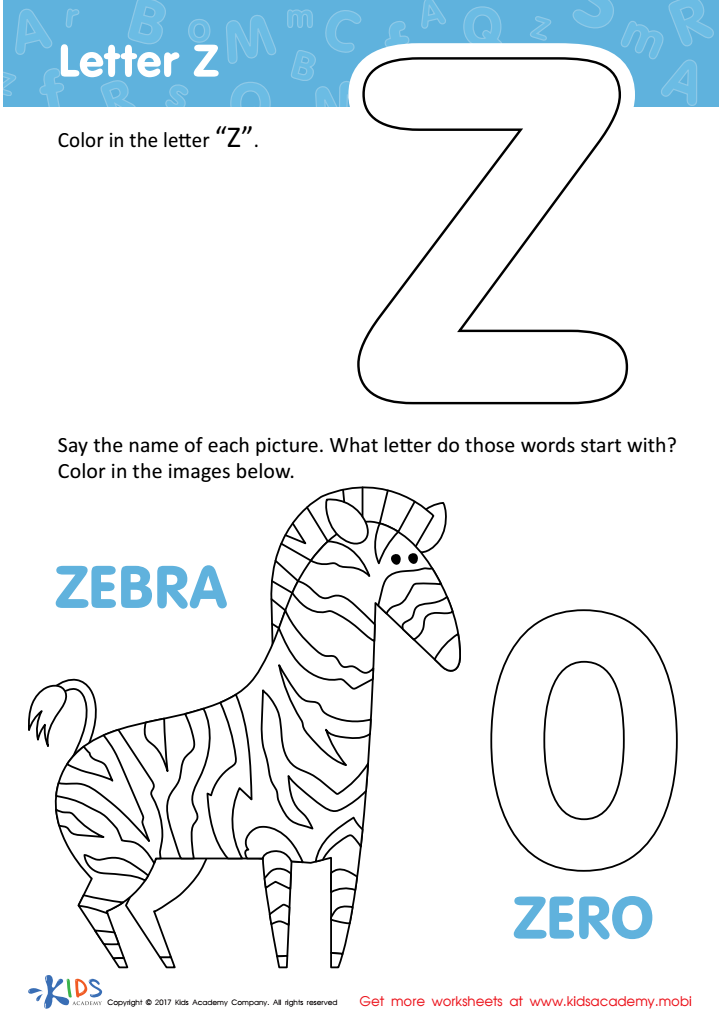
Letter Z Coloring Sheet
Assign to My Students
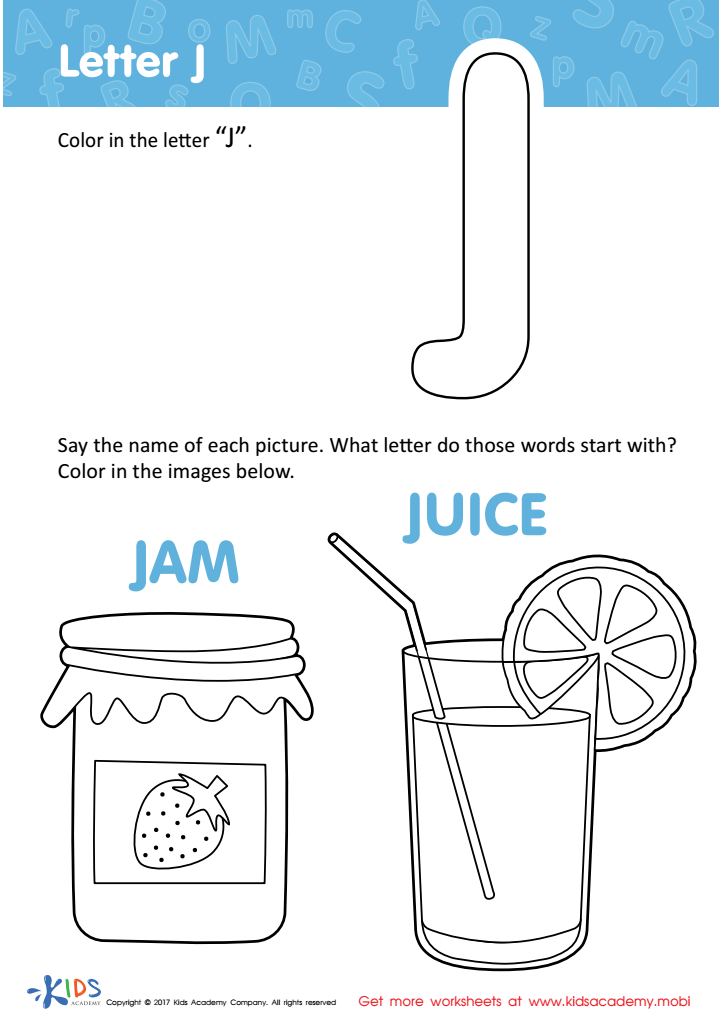
Letter J Coloring Sheet
Assign to My Students
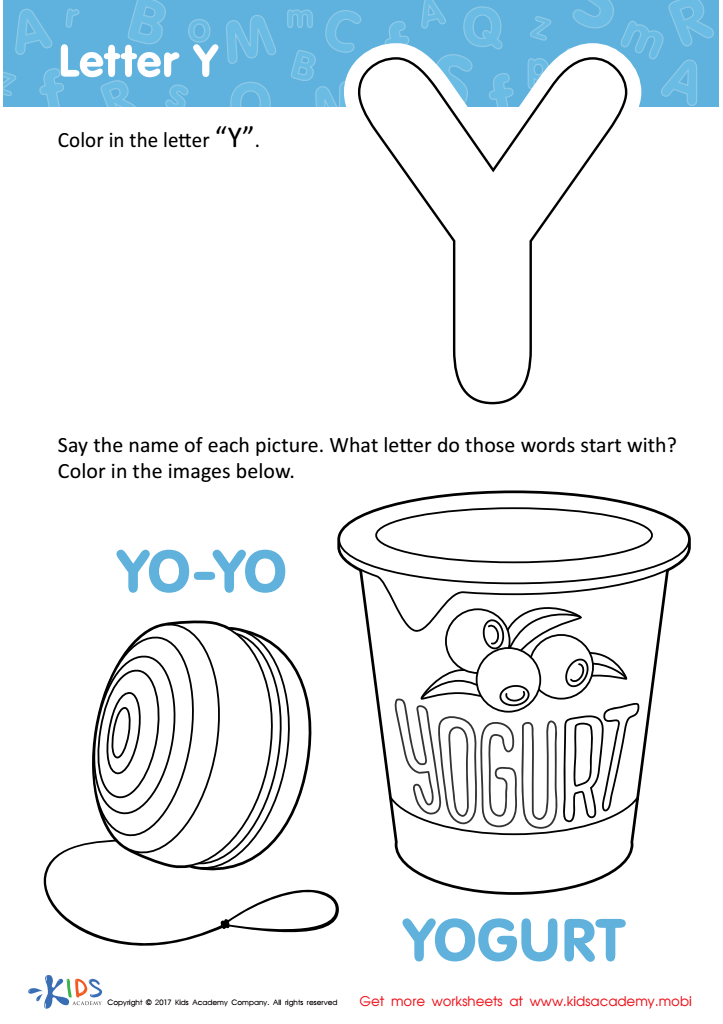
Letter Y Coloring Sheet
Assign to My Students






Fine motor skills are crucial for children aged 7-8 as they significantly impact their academic performance and daily functioning. At this age, children are refining their ability to perform precise movements, which is essential for activities like writing, tying shoelaces, and manipulating small objects.
An emphasis on fine motor skills, particularly regarding the alphabet, promotes letter formation, spelling, and overall literacy. Children proficient in fine motor tasks can write more swiftly and legibly, fostering their confidence in classroom tasks. As they start to engage with more complex writing assignments, proper muscle control and coordination become increasingly important.
Parents and teachers should prioritize fine motor skills to ensure children can fully participate in grade-level activities. Children who struggle with fine motor tasks may face challenges in expressing their ideas on paper, leading to frustration and potentially negative self-esteem. Moreover, fine motor skills are refreshed through playful activities such as crafting, drawing, and complex puzzles, making this developmental focus enjoyable rather than a chore.
Supporting a child's fine motor development not only aids academic achievement but also enhances their independence, problem-solving abilities, and creativity. Ensuring they master these skills paves the way for successful future learning experiences.







