Reading comprehension Addition & Subtraction Worksheets for Ages 7-8 - Page 2
62 filtered results
-
From - To
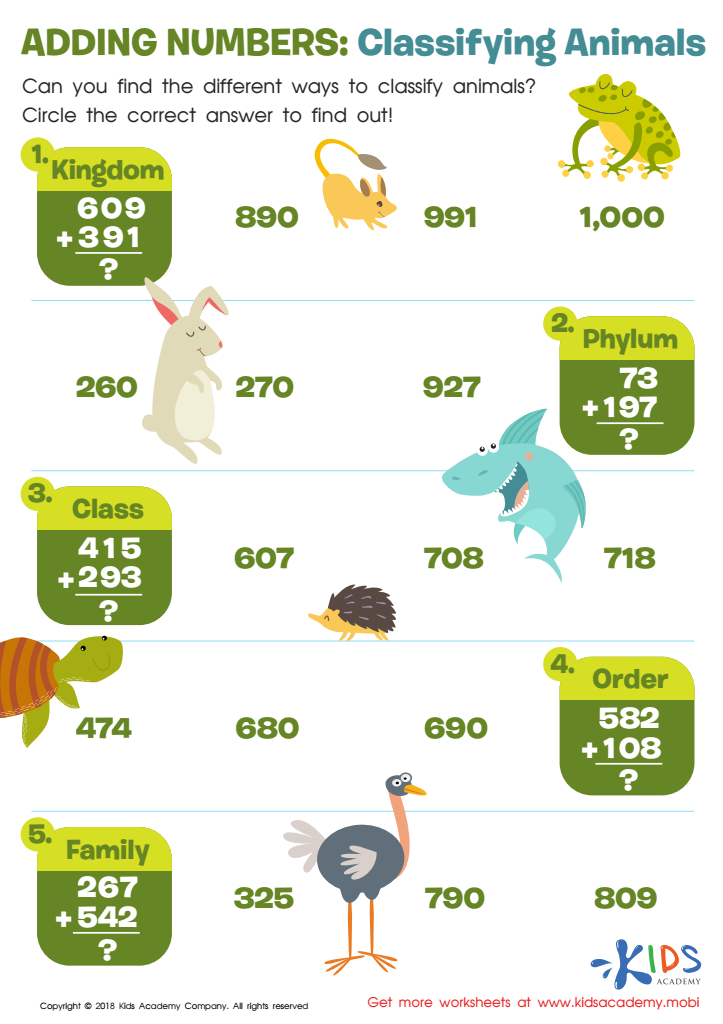
Adding Numbers: Classifying Animals Worksheet
 Assign to My Students
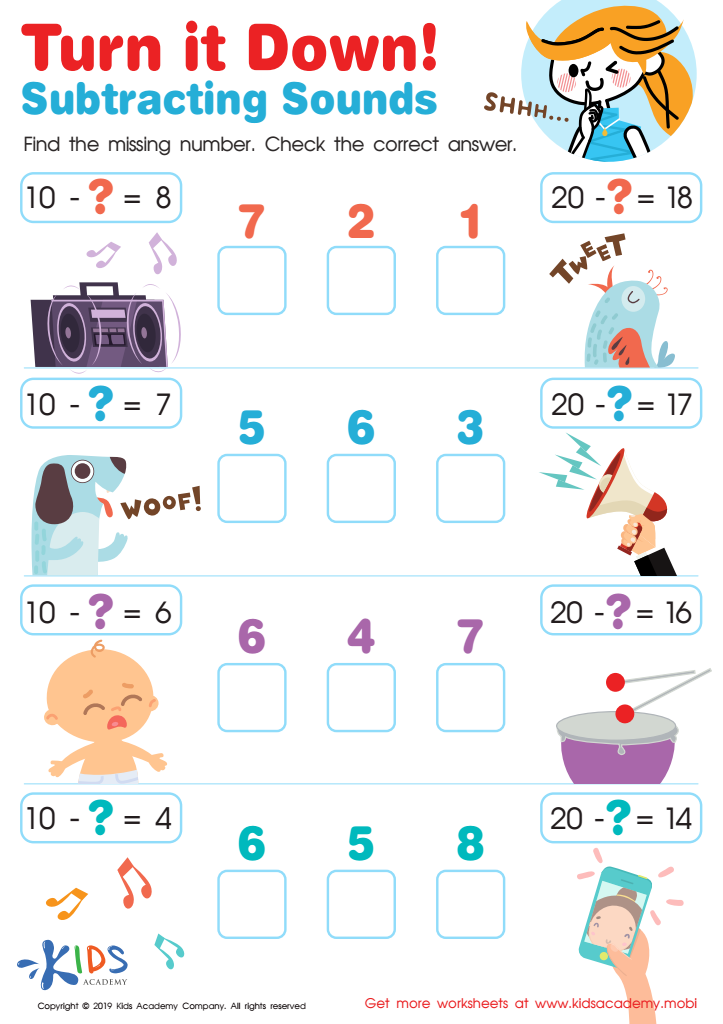
Turn It down! Subtracting Sounds Worksheet
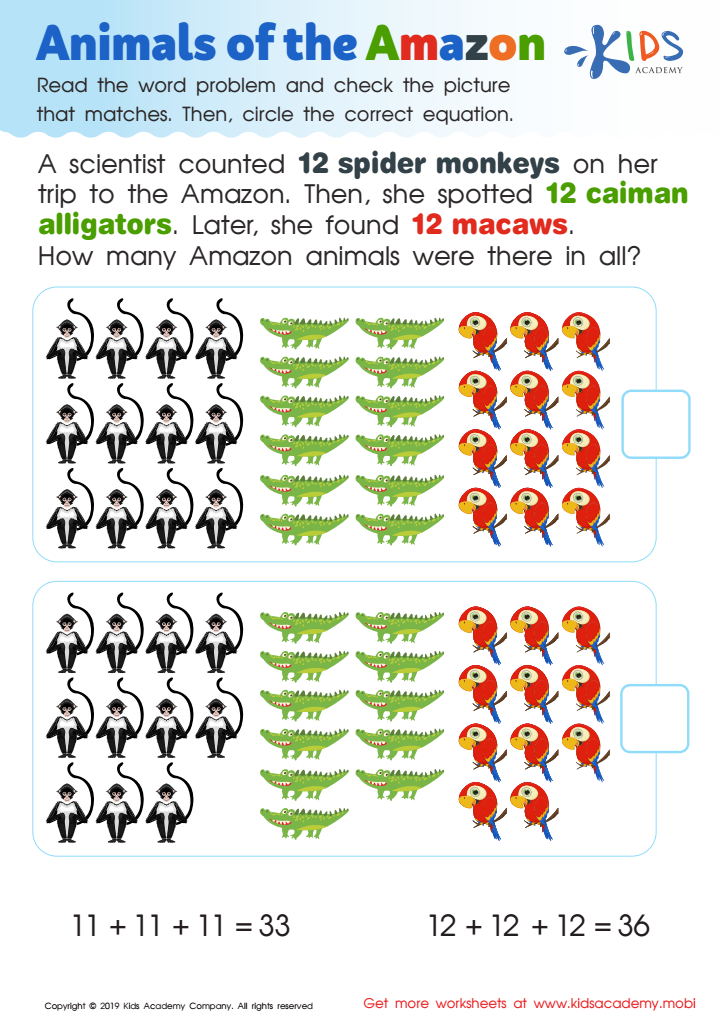
Animals of Amazon Worksheet
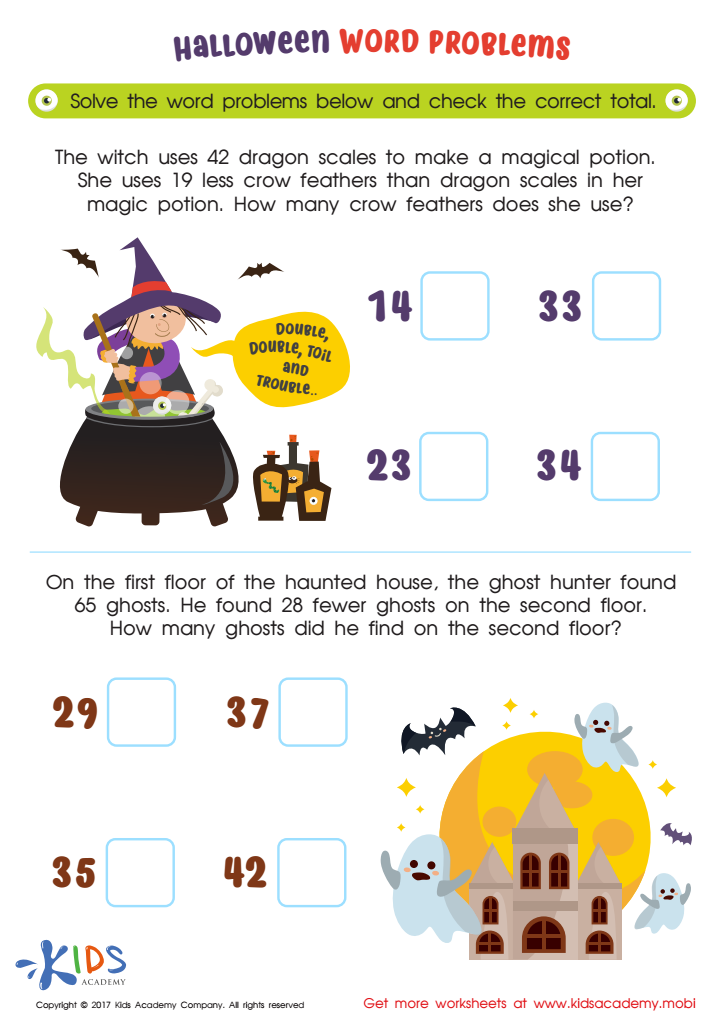
Halloween Word Problems Printable
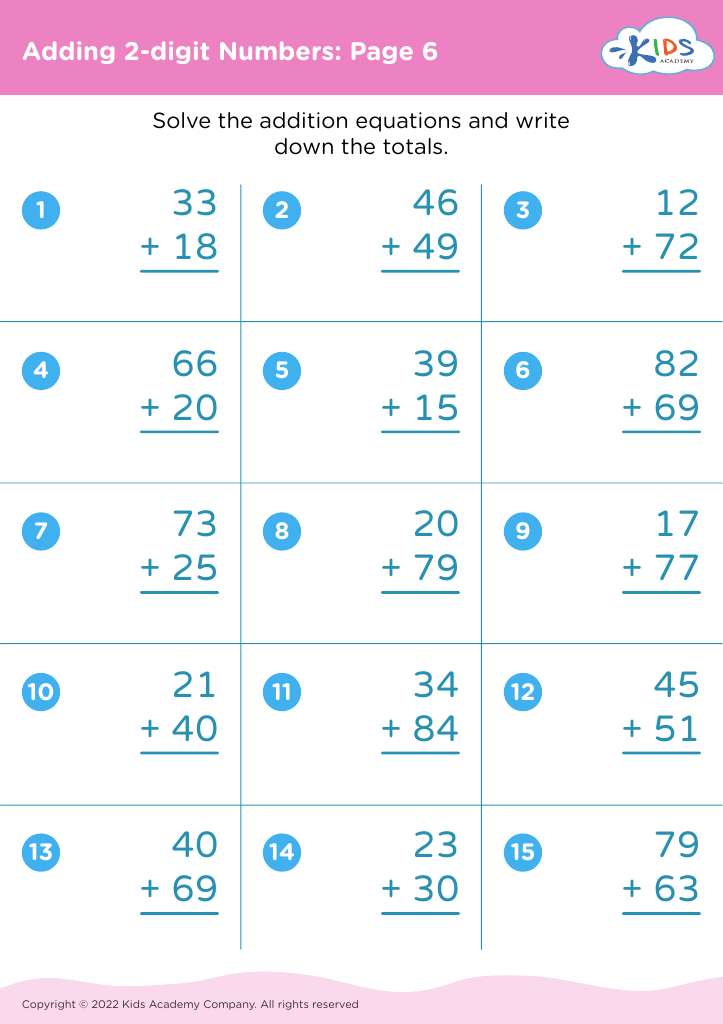
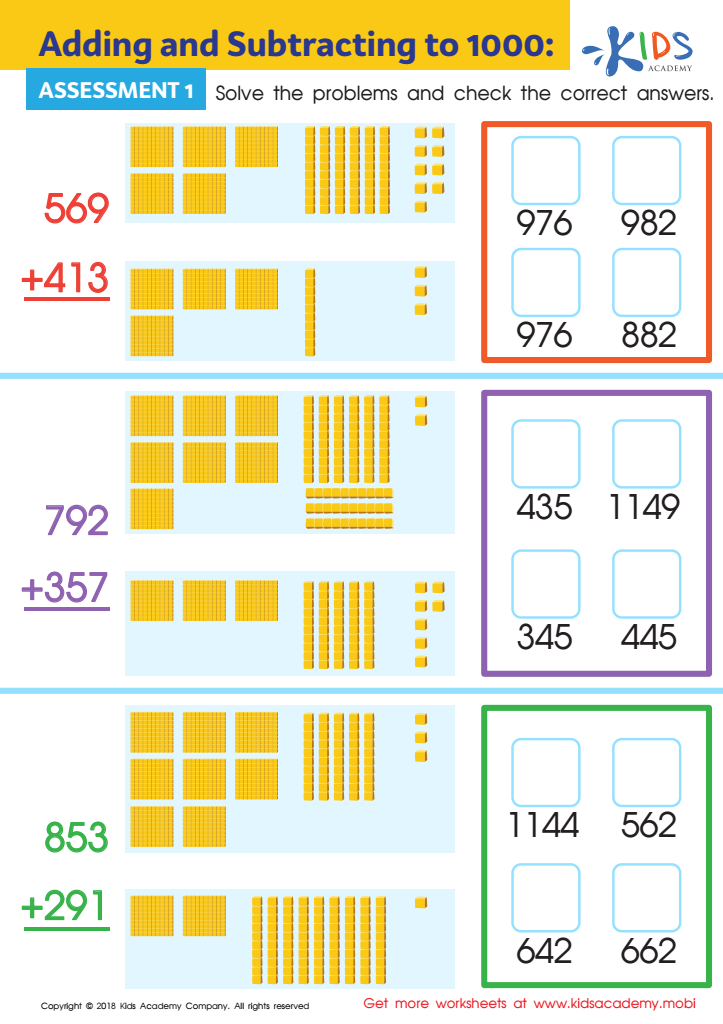
Adding and Subtracting to 1 Worksheet: Assessment 1
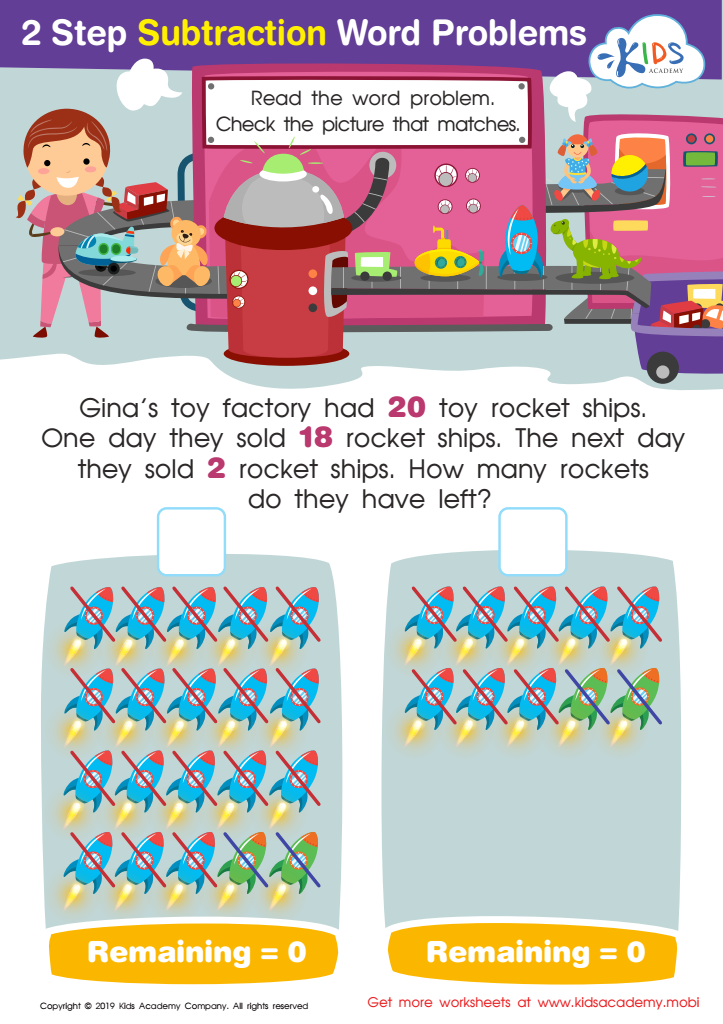
Step Subtraction Word Problems Worksheet
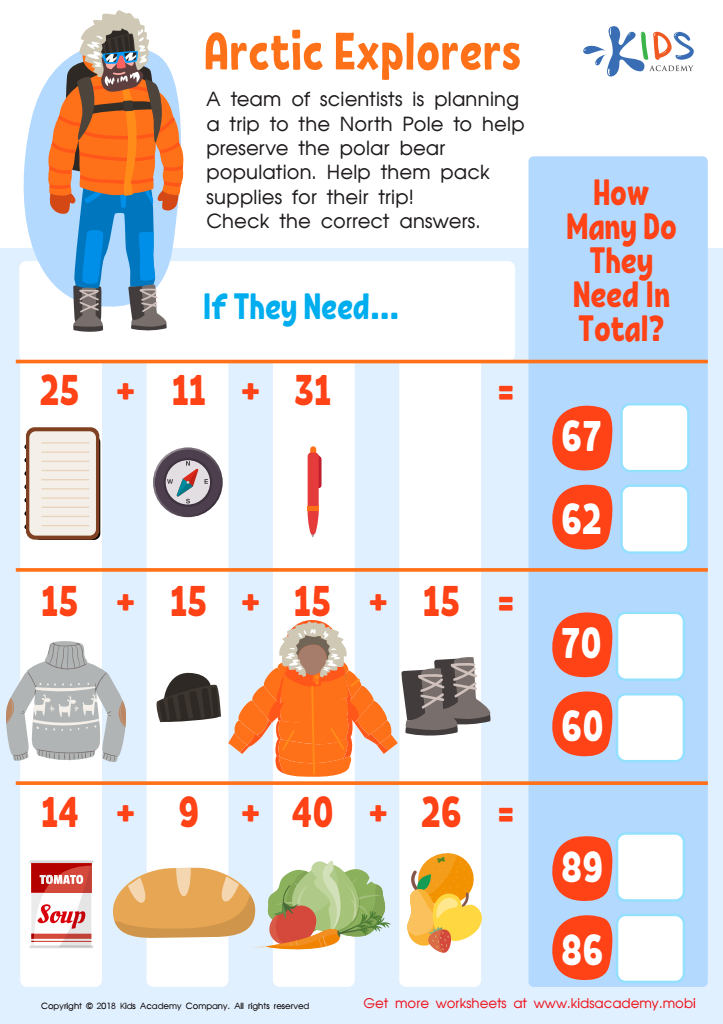
Arctic Explorers Worksheet
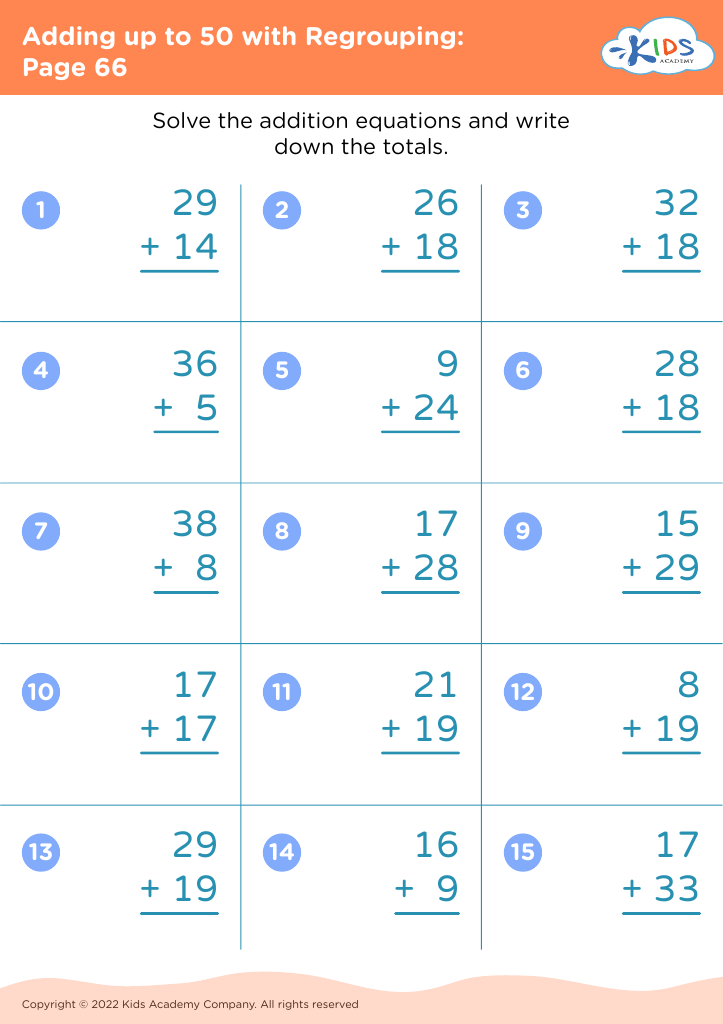
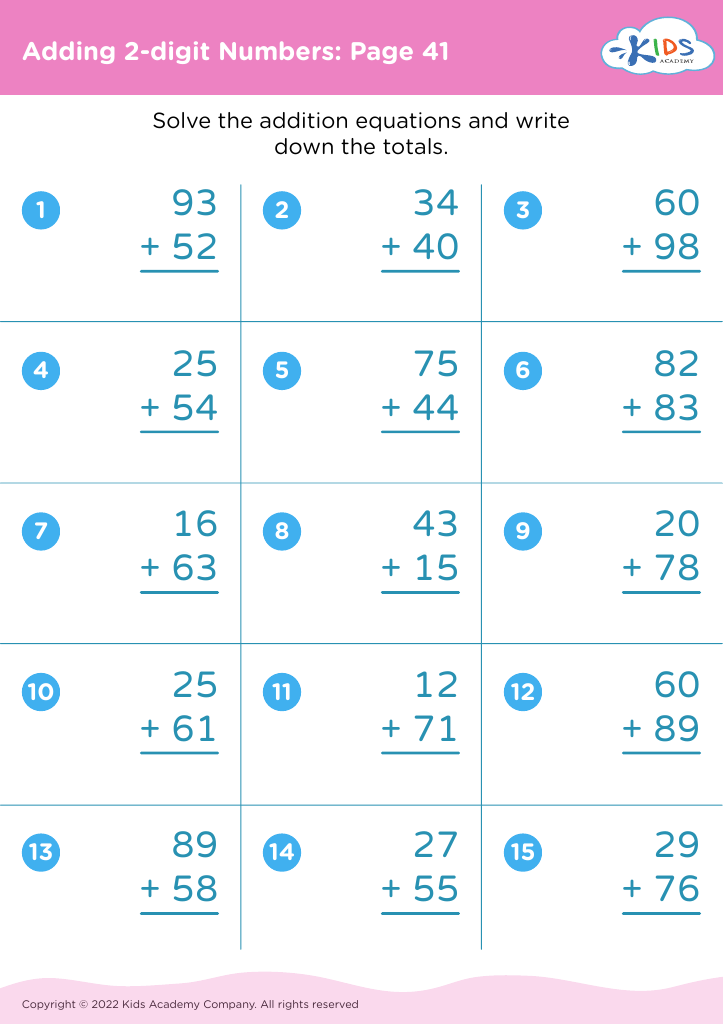
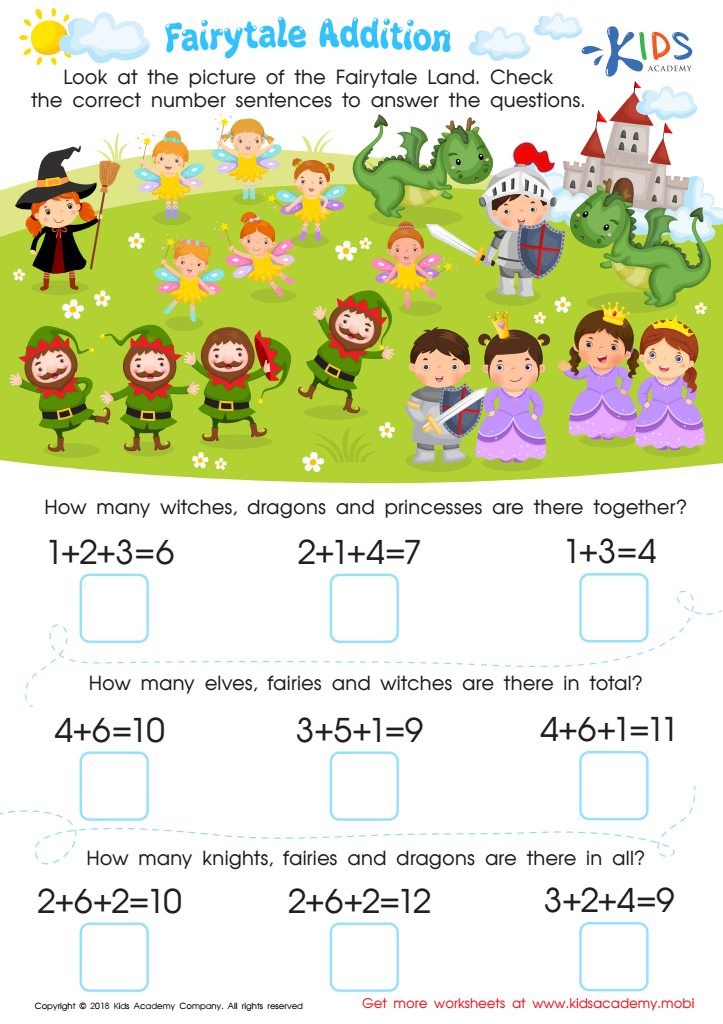
Fairytale Addition Worksheet
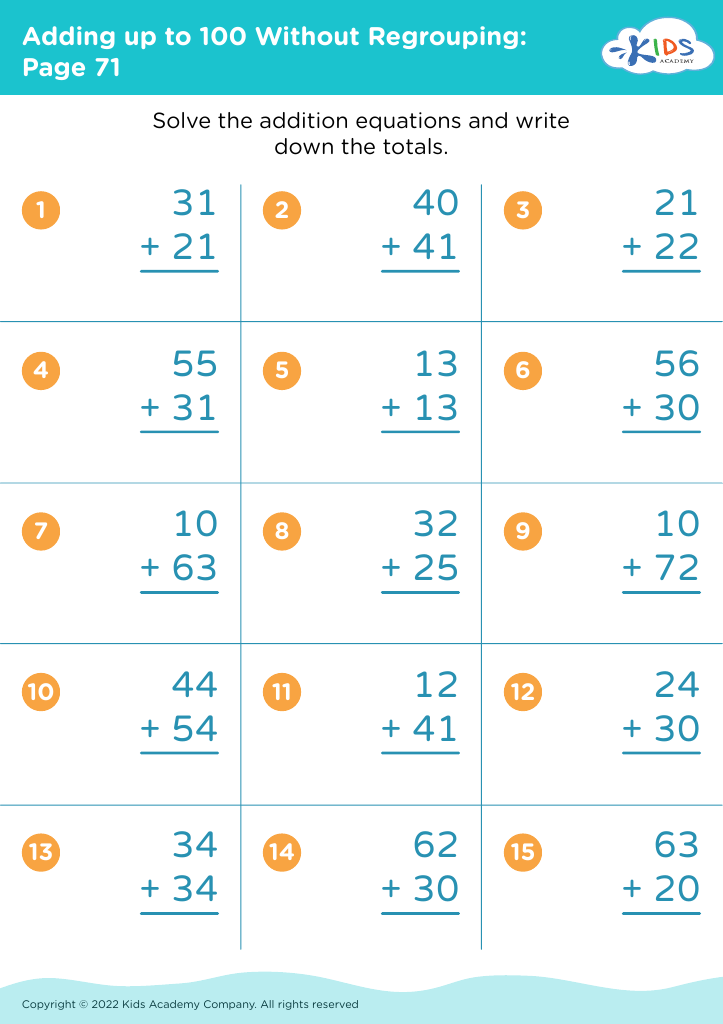
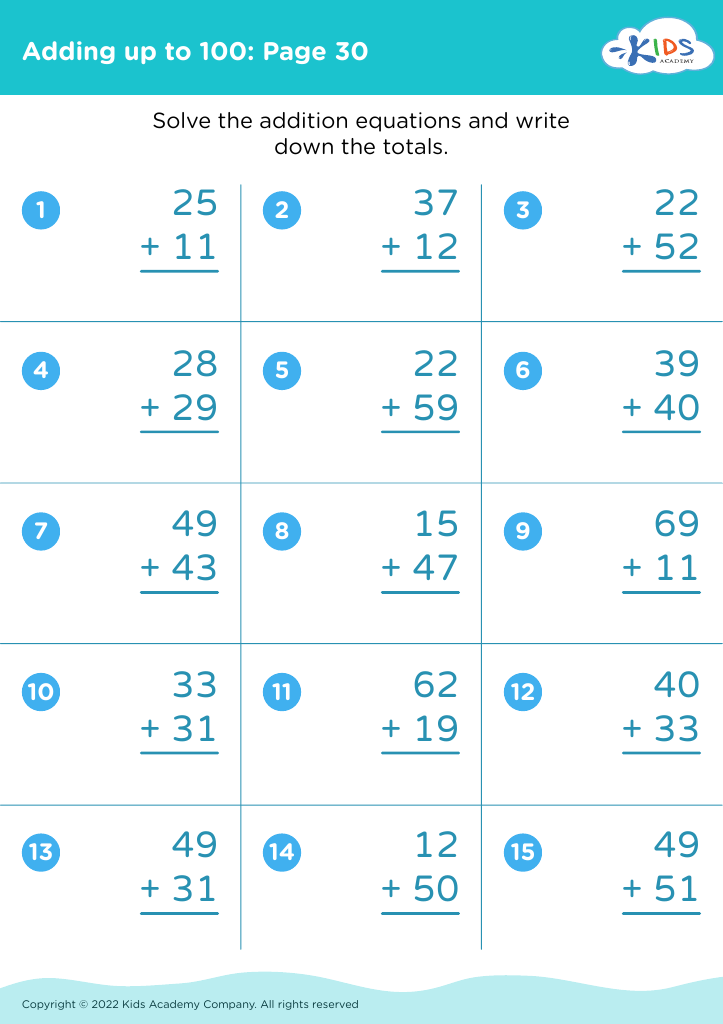
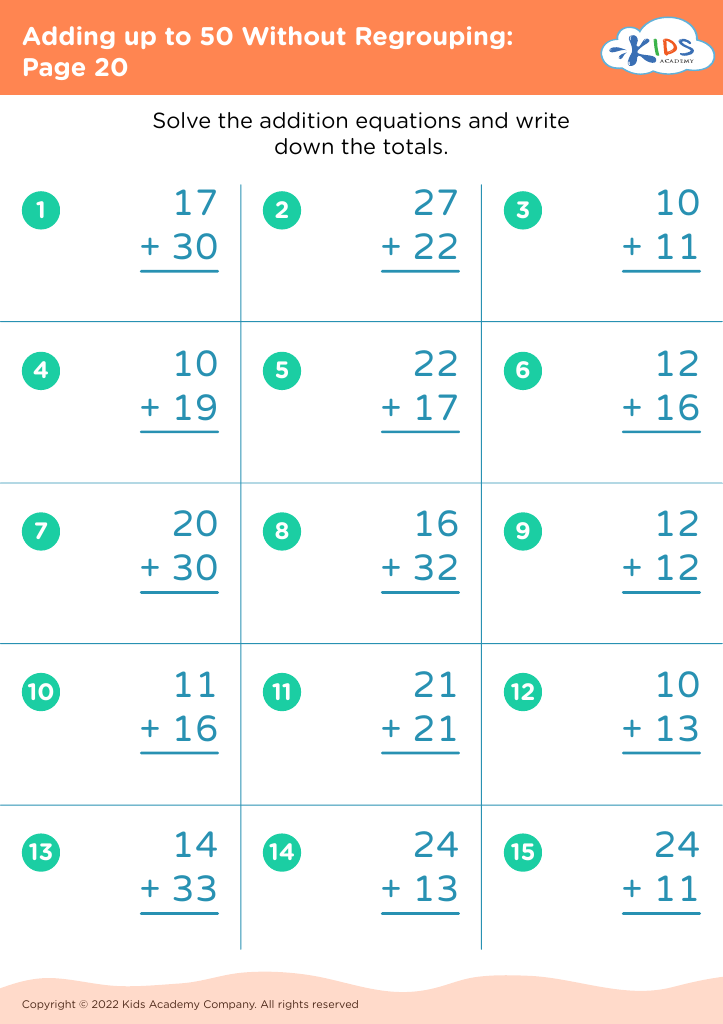
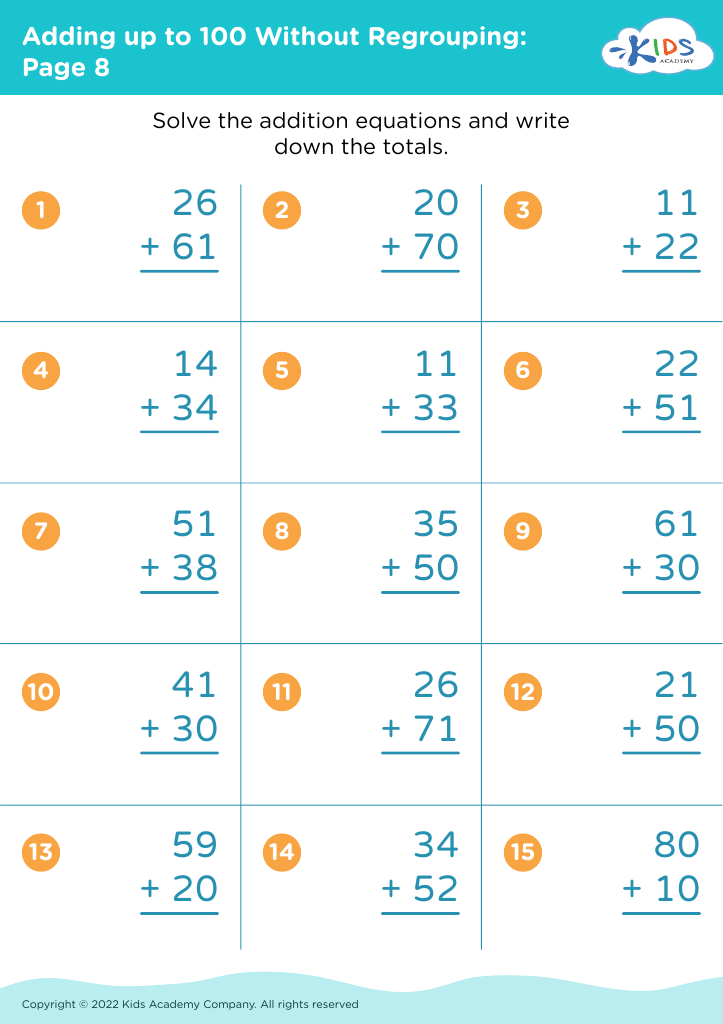
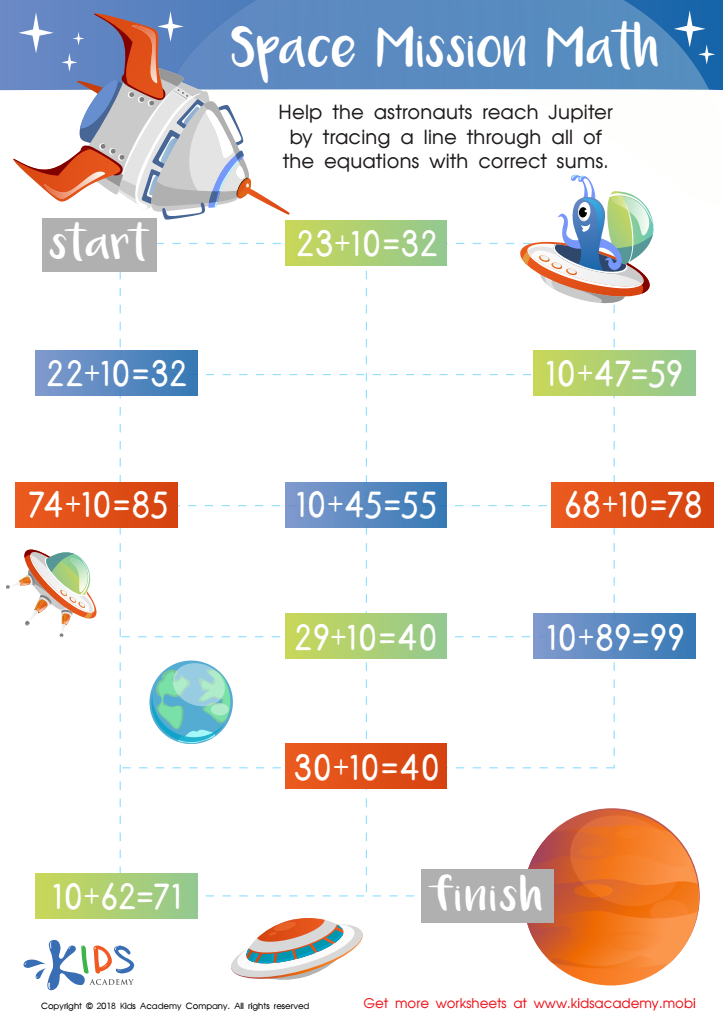
Space Mission Math Worksheet
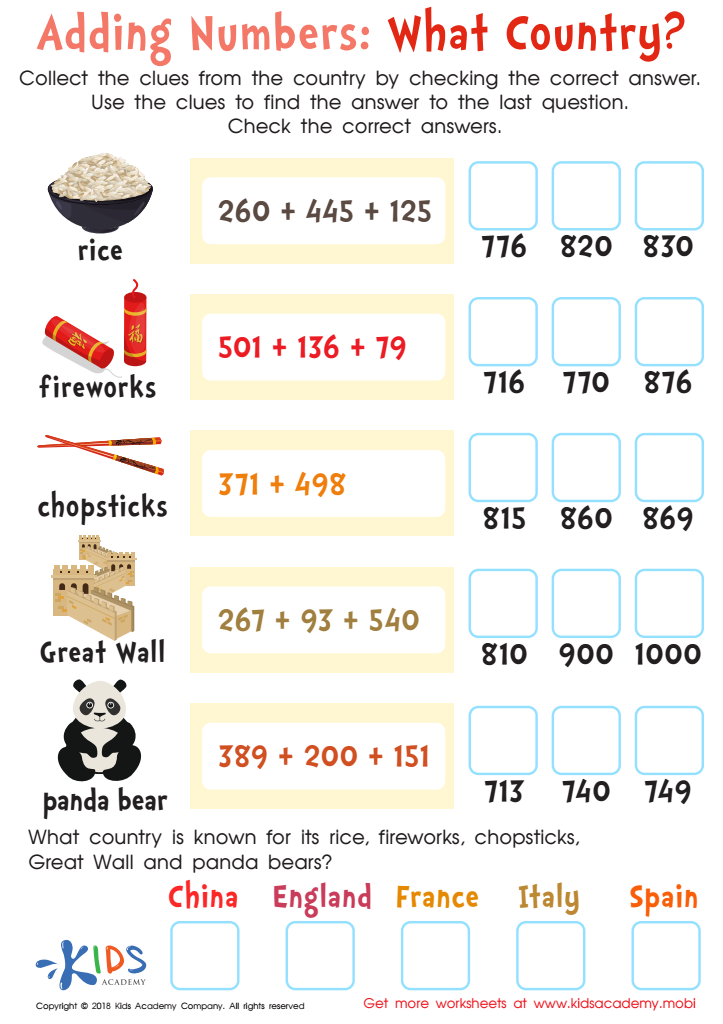
Adding Numbers: What Country Worksheet
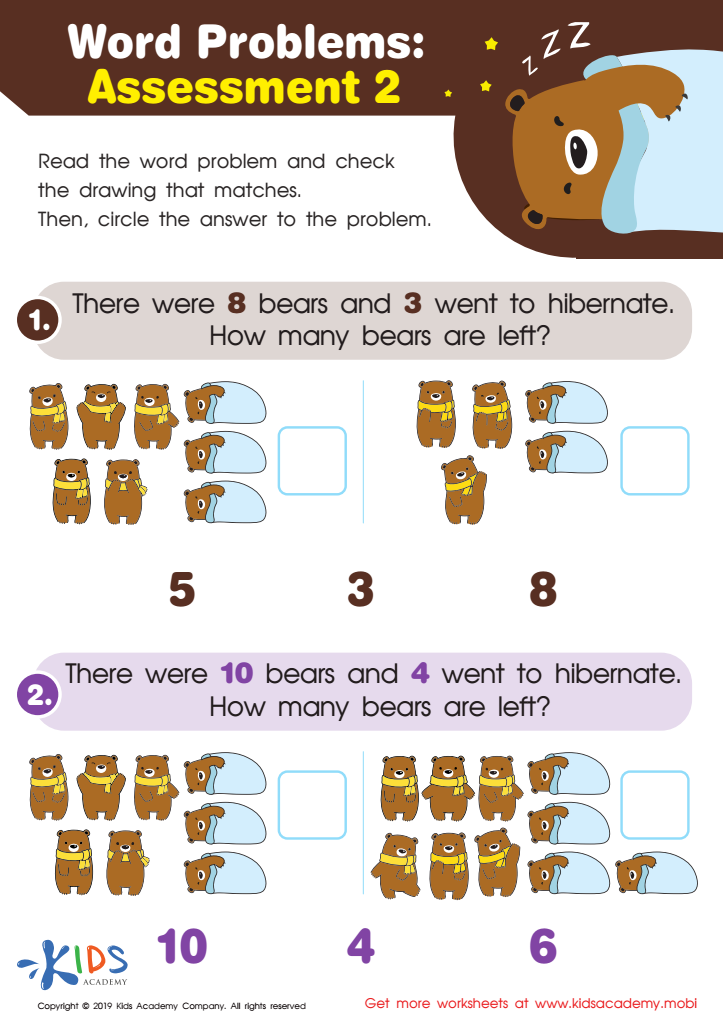
Word Problems: Assessment 2 Worksheet
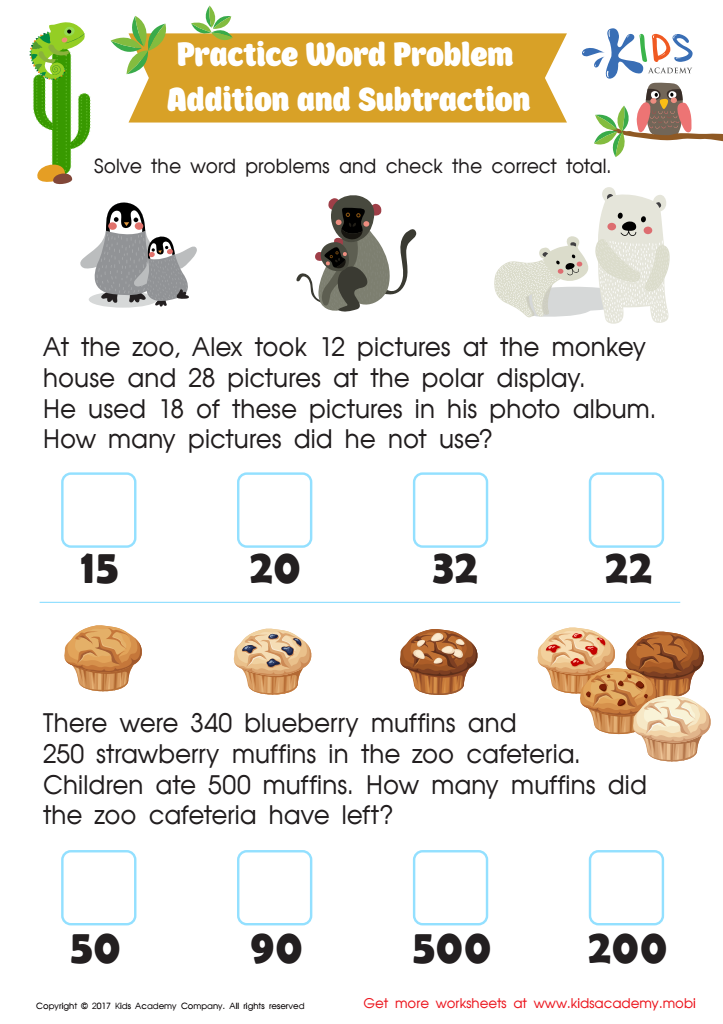
Addition and Subtraction: Word Problems Worksheet
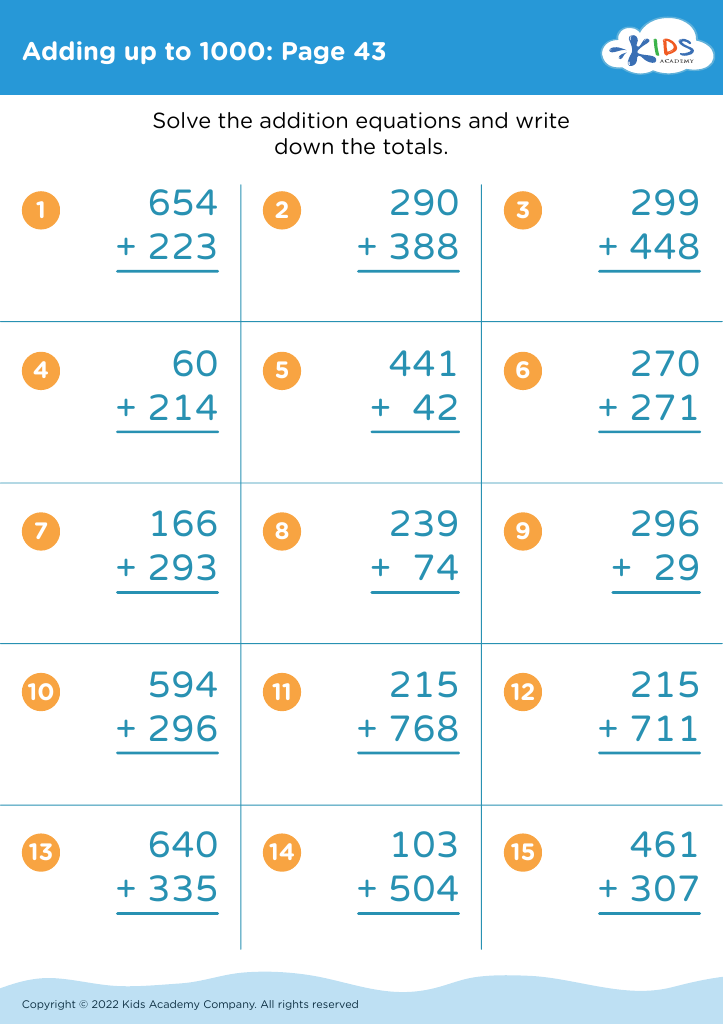








Reading comprehension is a foundational skill that significantly impacts a child's ability to understand and solve mathematical problems, particularly in addition and subtraction. For children aged 7-8, choosing words and phrases that describe mathematical concepts fosters a deeper understanding of how mathematics relates to real-world scenarios. Through reading comprehension, students learn to interpret word problems correctly, identify key information, and apply their math skills effectively.
Monitoring reading comprehension alongside addition and subtraction also cultivates critical thinking. When students engage with texts that require mathematical interpretation, they sharpen their analytical skills, enabling them to connect ideas and solve complex problems.
Additionally, strong reading comprehension can enhance fluency in mathematical language. Children will learn to communicate their understanding clearly and articulately, whether in writing their thought processes or discussing solutions with peers.
Parents and teachers should prioritize fostering these skills because they set the stage for continued academic success in math and other subjects. An integrated approach that emphasizes both literacy and numeracy at this age encourages a lifelong love for learning. This synergy is crucial for developing well-rounded students who can adapt and thrive in various learning environments.








