Cognitive Development Numbers Worksheets for Ages 7-8
18 filtered results
-
From - To
Enhance your child's cognitive development with our engaging Numbers Worksheets, specifically designed for ages 7-8. These worksheets offer a fun and interactive way for young learners to master essential math skills. Through a variety of activities, children will improve their number recognition, counting skills, and problem-solving abilities while building confidence in mathematics. Our thoughtfully crafted worksheets cater to different learning styles, ensuring that each child finds the right approach to thrive. Parents and educators can easily access and print these resources, making learning both convenient and enjoyable. Give your child the tools they need to succeed in math with our Cognitive Development Numbers Worksheets!
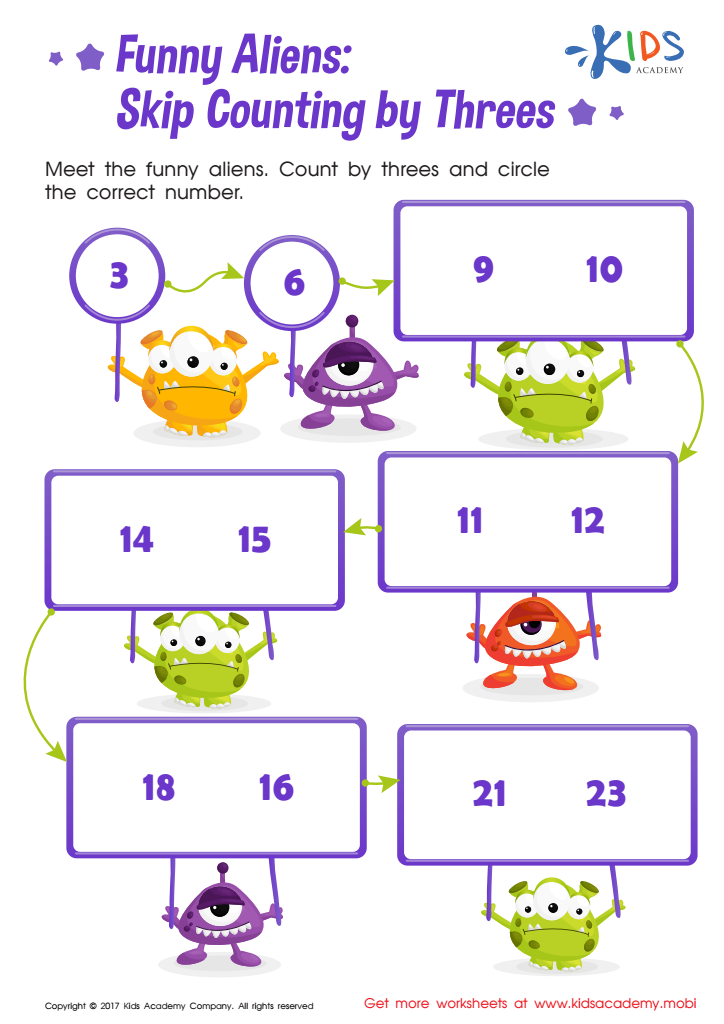
Skip Counting by 3s: Funny Aliens Printable

Cargo Matchup: Hundreds Worksheet
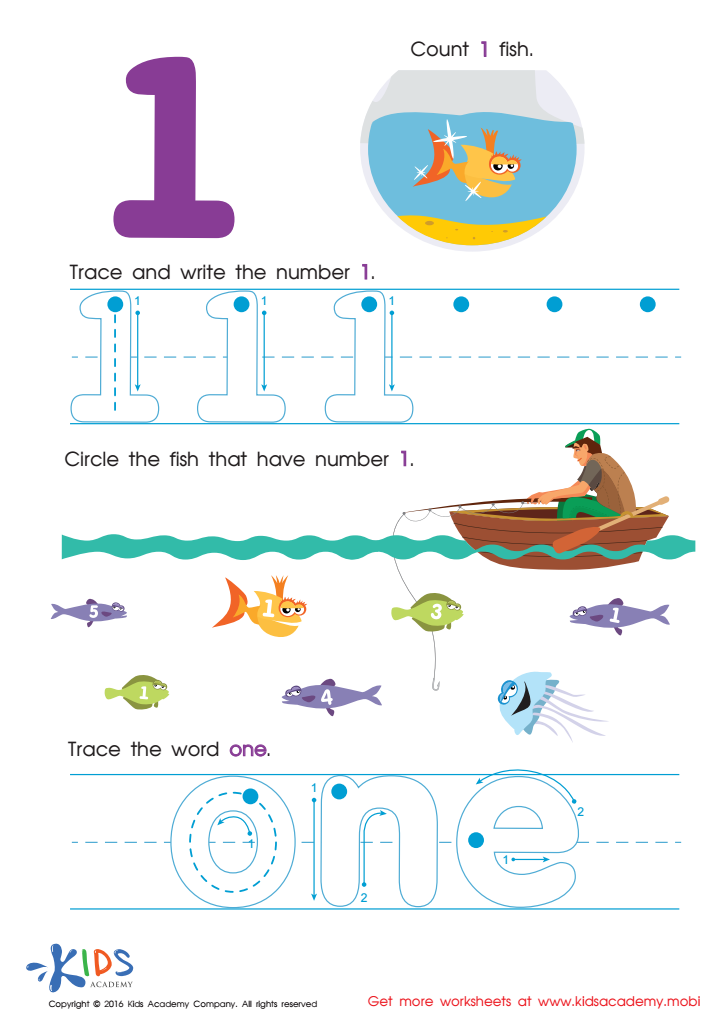
Learning to Write 1 Worksheet

Trace And Write Number 7 with Fun Worksheet
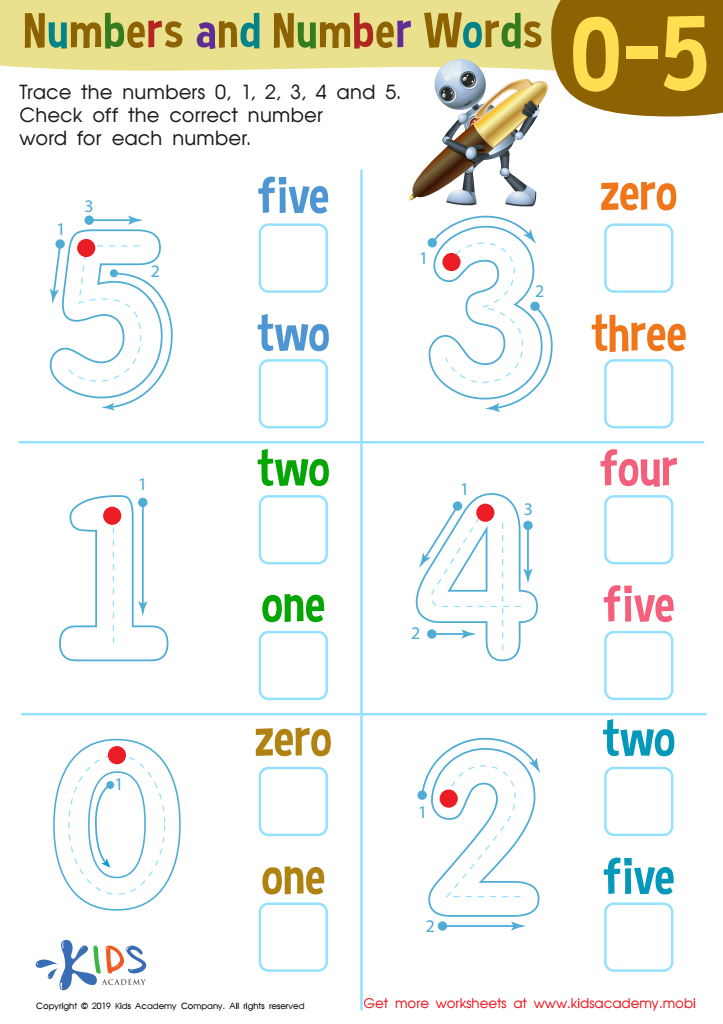
Numbers and Number Words Worksheet
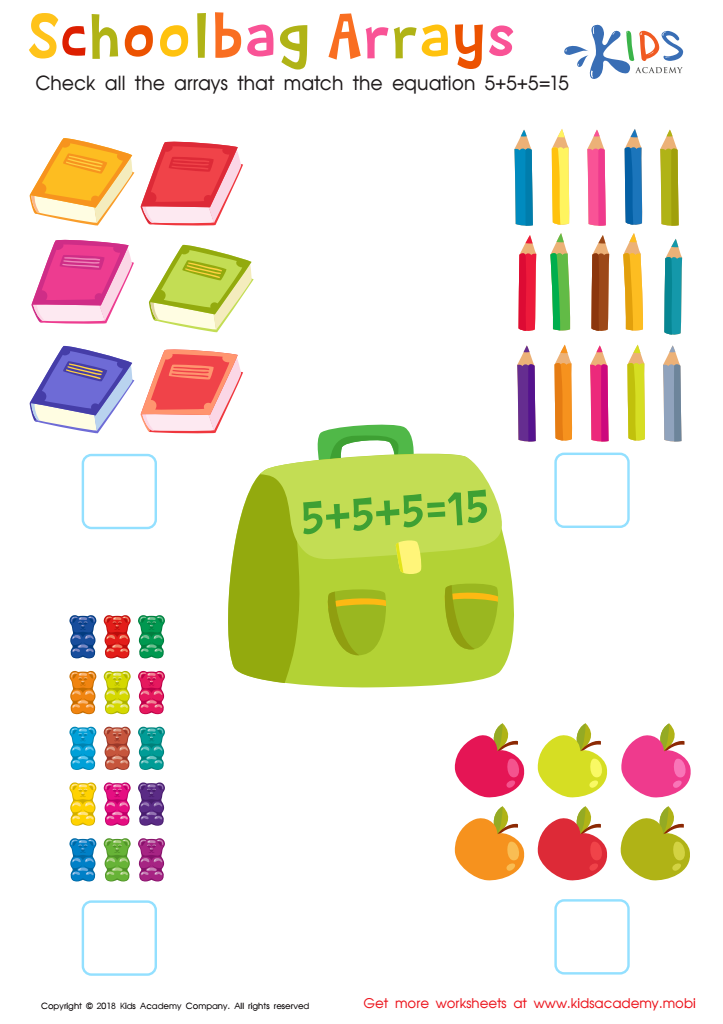
Schoolbag Arrays Worksheet
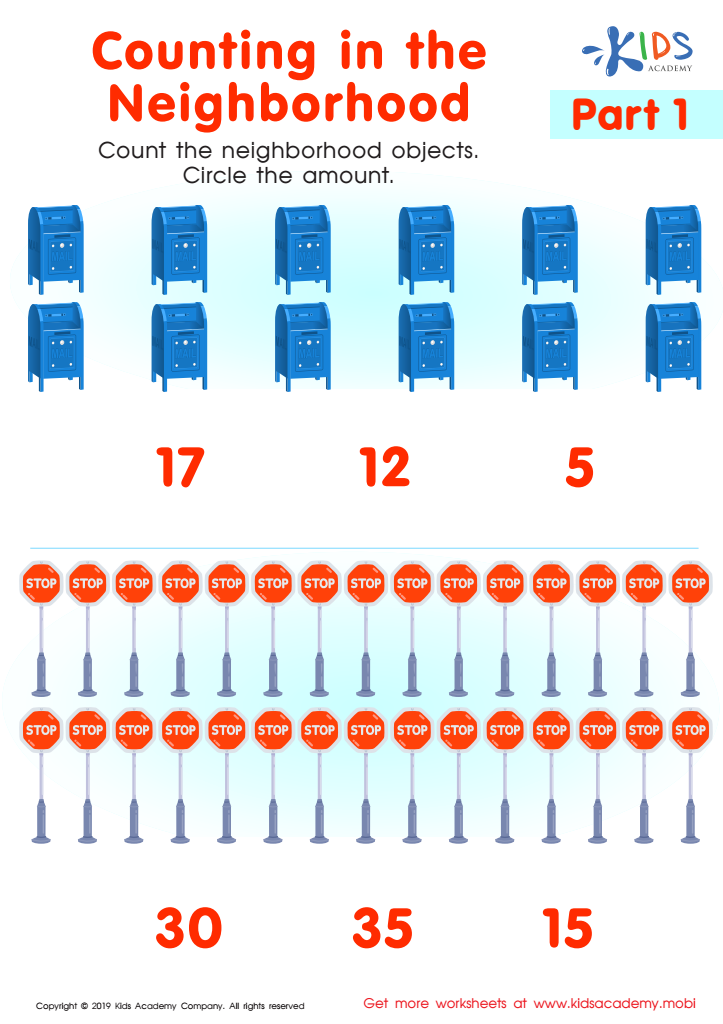
Counting in the Neighborhood Part1 Worksheet
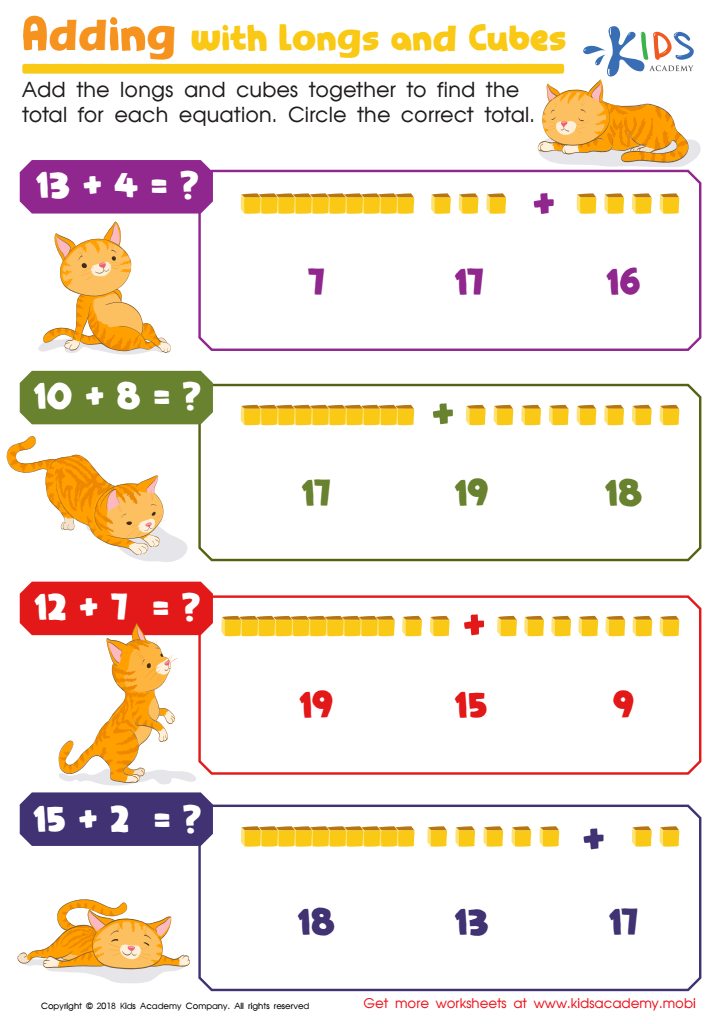
Adding With Longs and Cubes Worksheet
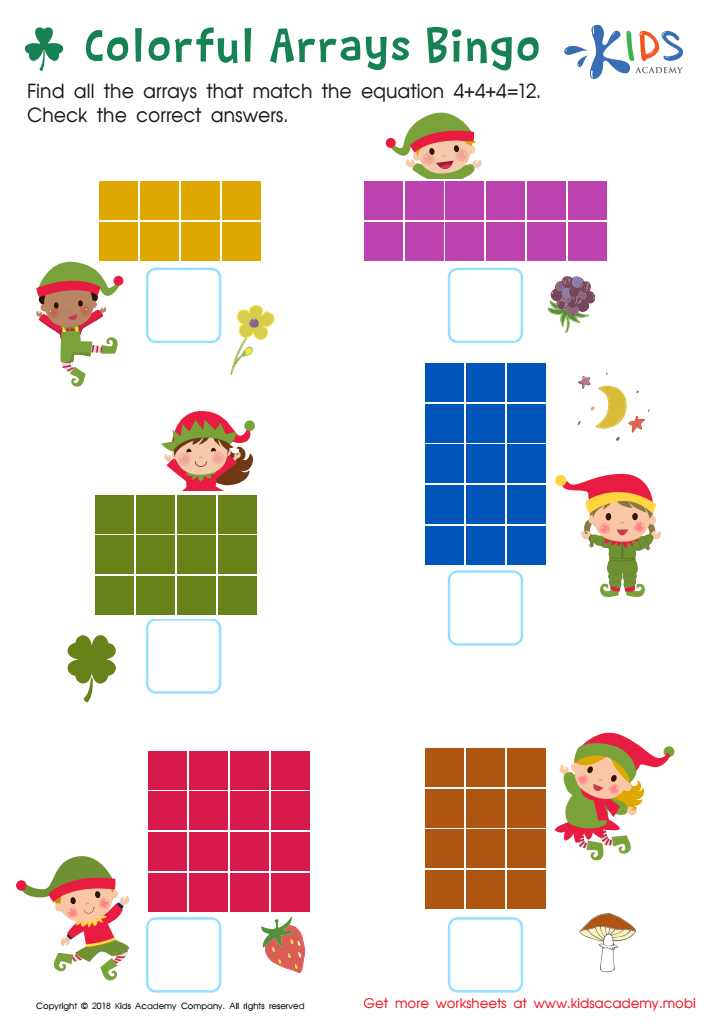
Colorful Arrays Bingo Worksheet
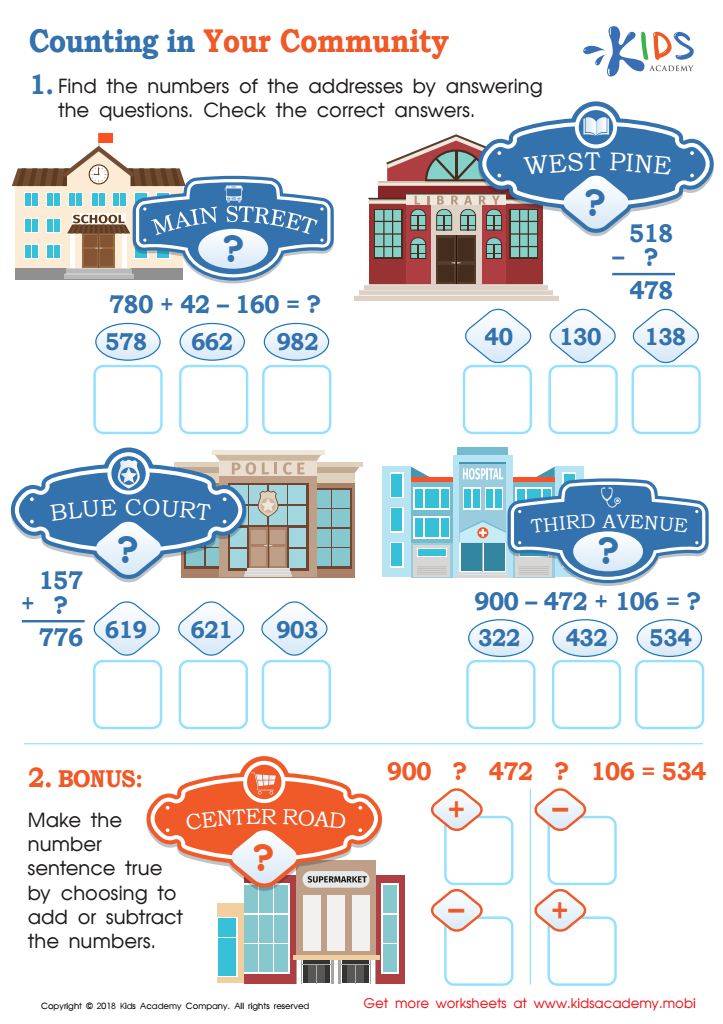
Counting in Your Community Worksheet
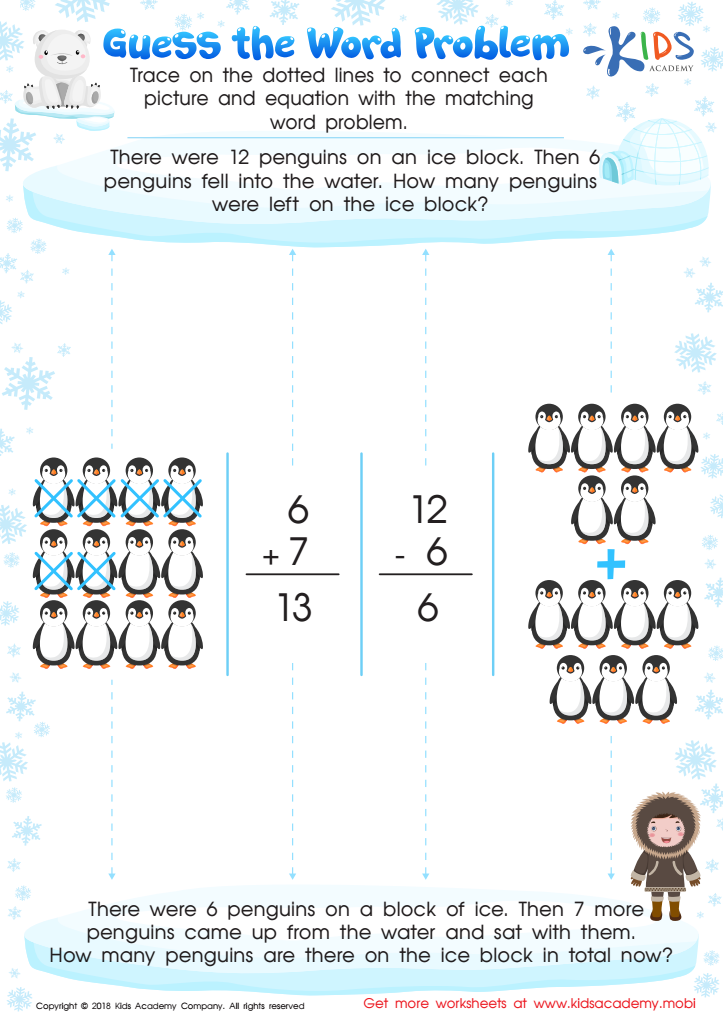
Guess the Word Problem Worksheet
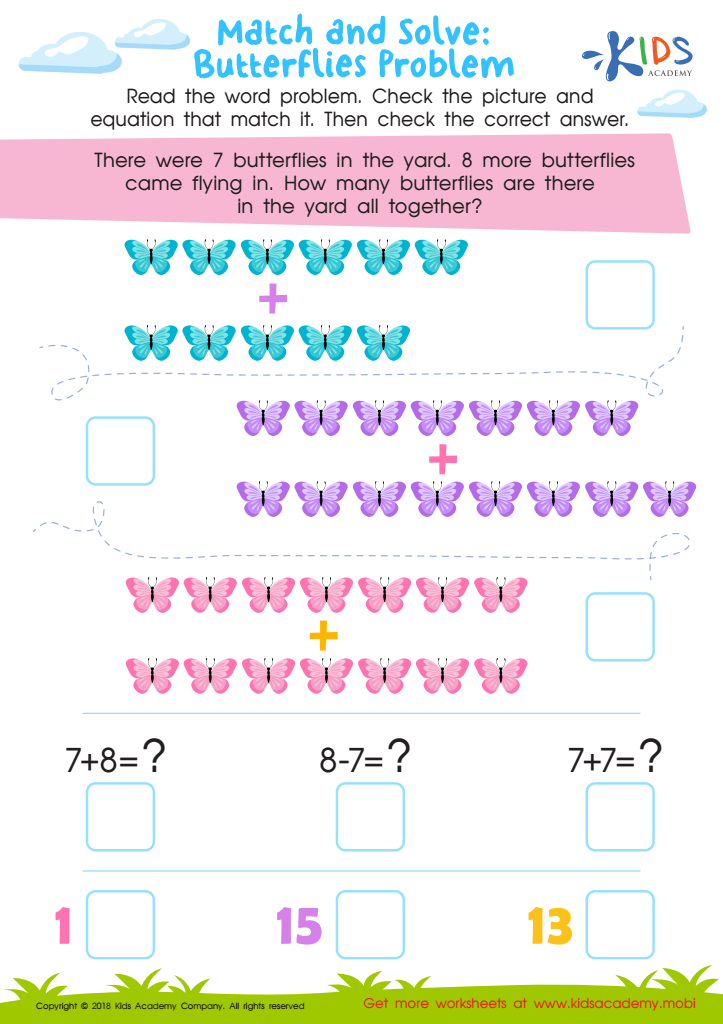
Match and Solve: Butterfly Problem Worksheet
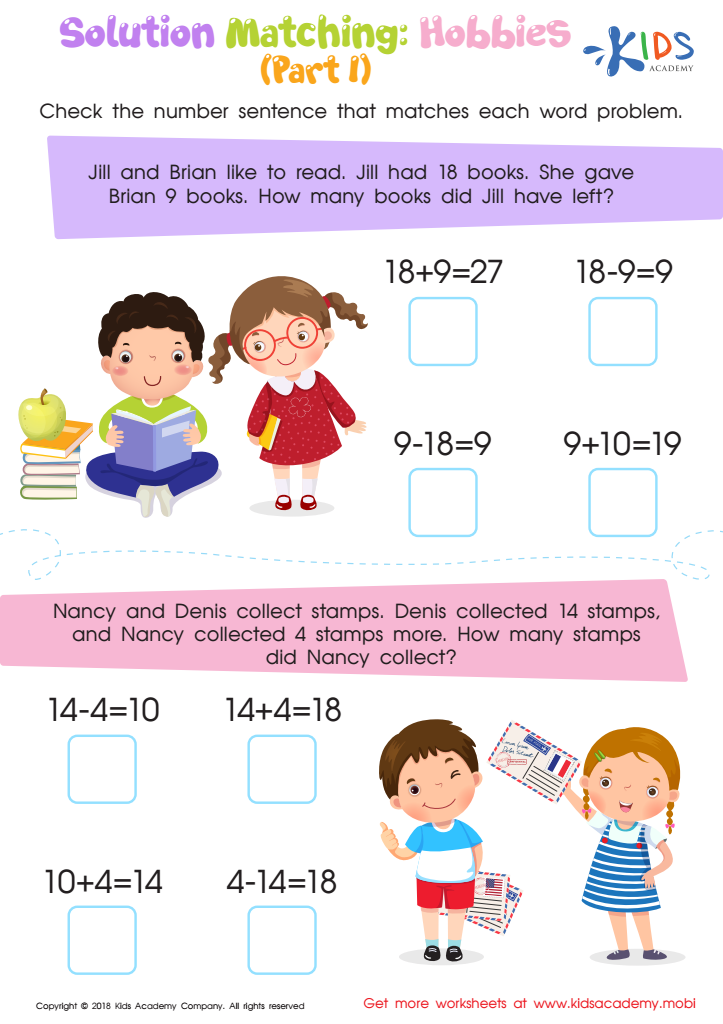
Solution Matching: Hobbies. Part 1 Worksheet

Number 9 Printable
 Assign to My Students
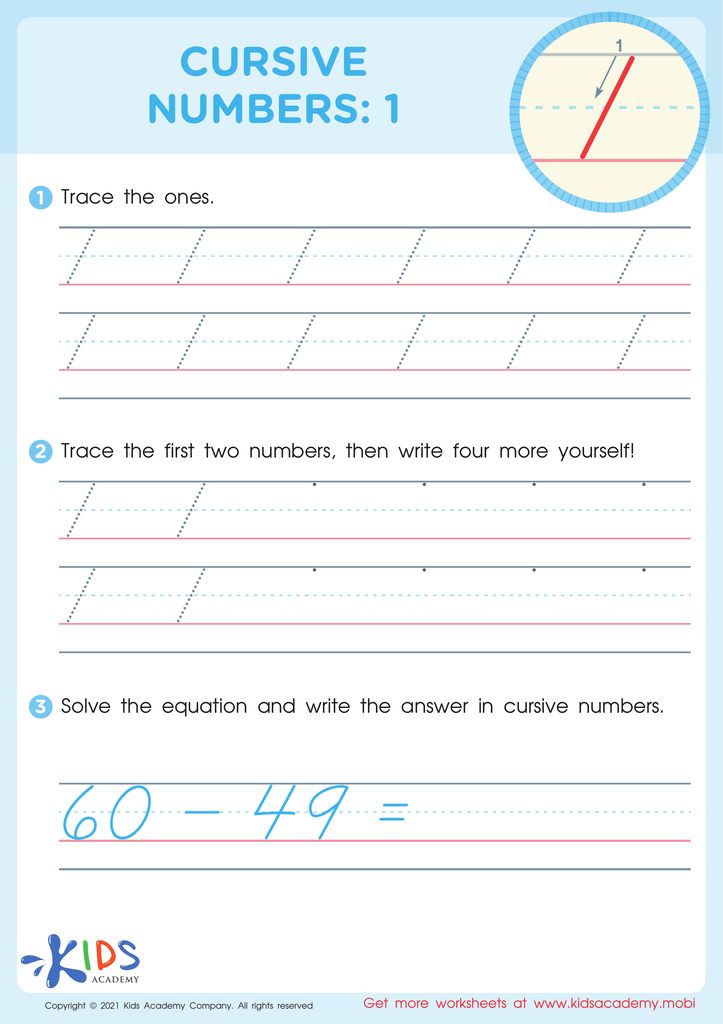
Cursive Numbers: 1 Worksheet
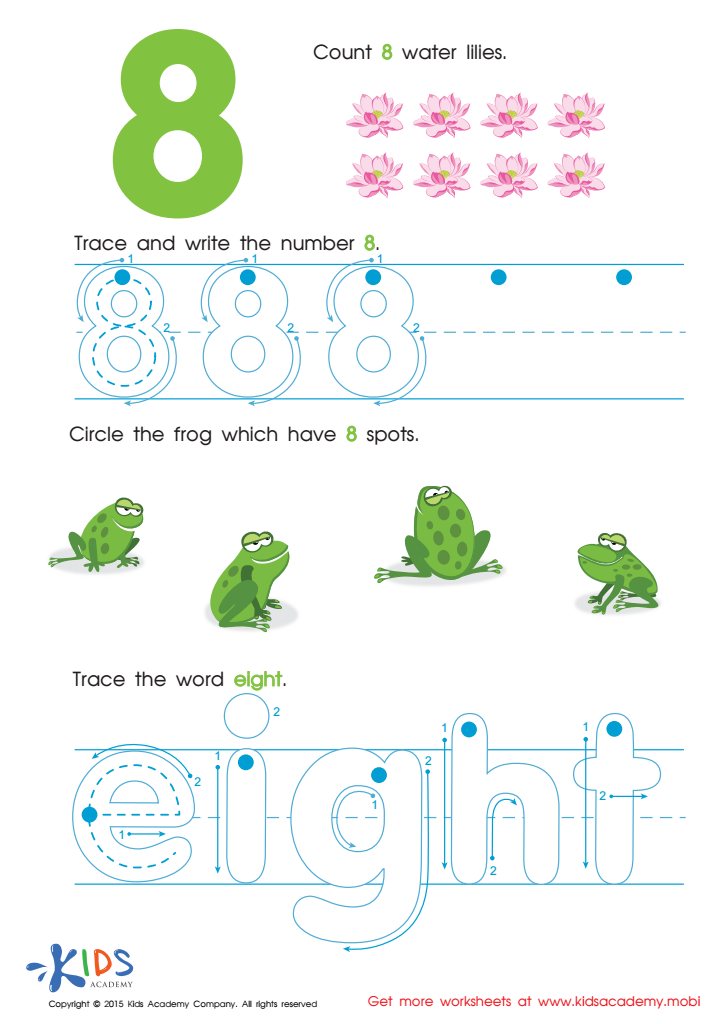
Learn Number 8 Easily Worksheet
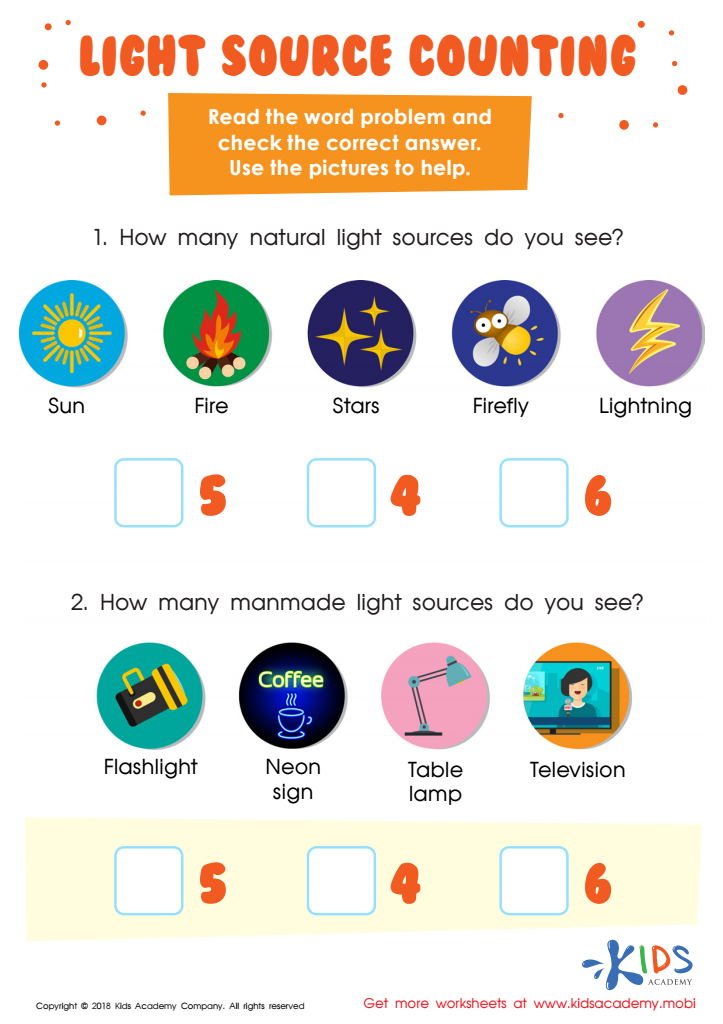
Light Source Counting Worksheet
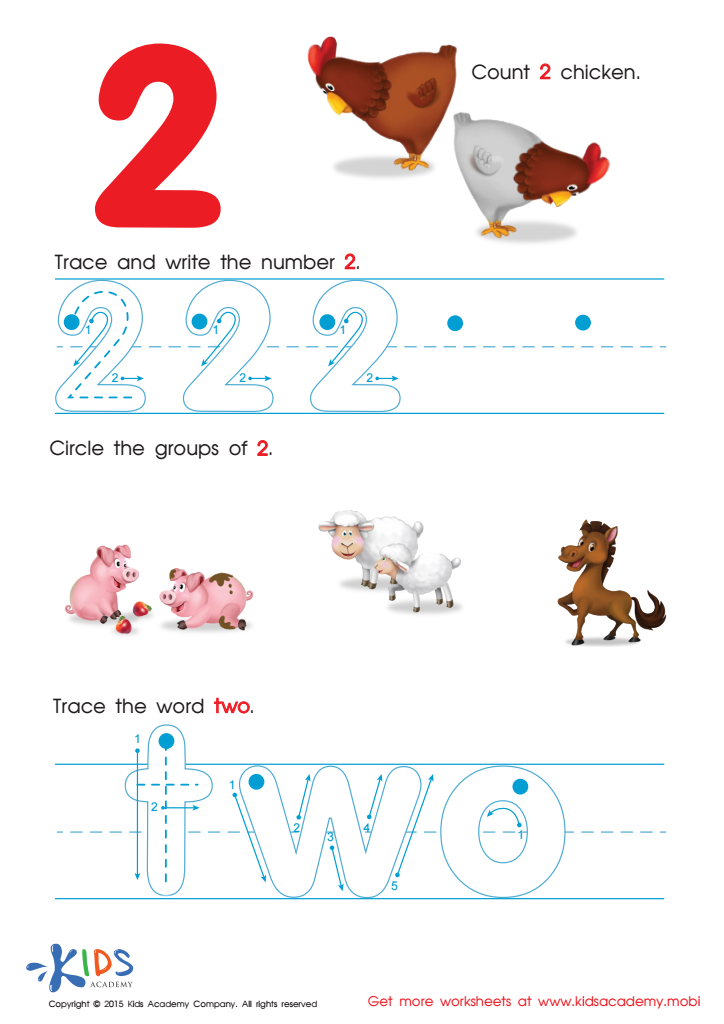
Learn to Write the Number 2 Worksheet








Cognitive development in children aged 7-8 is a critical period where they make significant strides in thinking, reasoning, and understanding complex concepts. Parents and teachers should be particularly attentive to cognitive development during these years, as it lays the groundwork for future learning and problem-solving skills. At this age, children transition from concrete operational thought, where they rely heavily on hands-on experiences, to being able to think more abstractly.
Understanding cognitive milestones, such as improved memory, logical reasoning, and the ability to categorize information, enables parents and teachers to tailor activities that foster these skills. Engaging children in tasks that promote critical thinking—such as puzzles, challenging math problems, and discussion-based learning—can enhance their cognitive abilities.
Moreover, awareness of cognitive development allows educators and parents to identify potential learning challenges early on. Providing support and resources can help children overcome setbacks. Encouraging a growth mindset during this crucial stage instills resilience and a love for learning. Ultimately, investment in cognitive development during these formative years can lead to improved academic performance, enhanced social skills, and a stronger foundation for lifelong learning. Hence, both parents and teachers play an essential role in nurturing these vital cognitive advancements.








