Fine Motor Skills Numbers Worksheets for Ages 7-8 - Page 2
40 filtered results
-
From - To
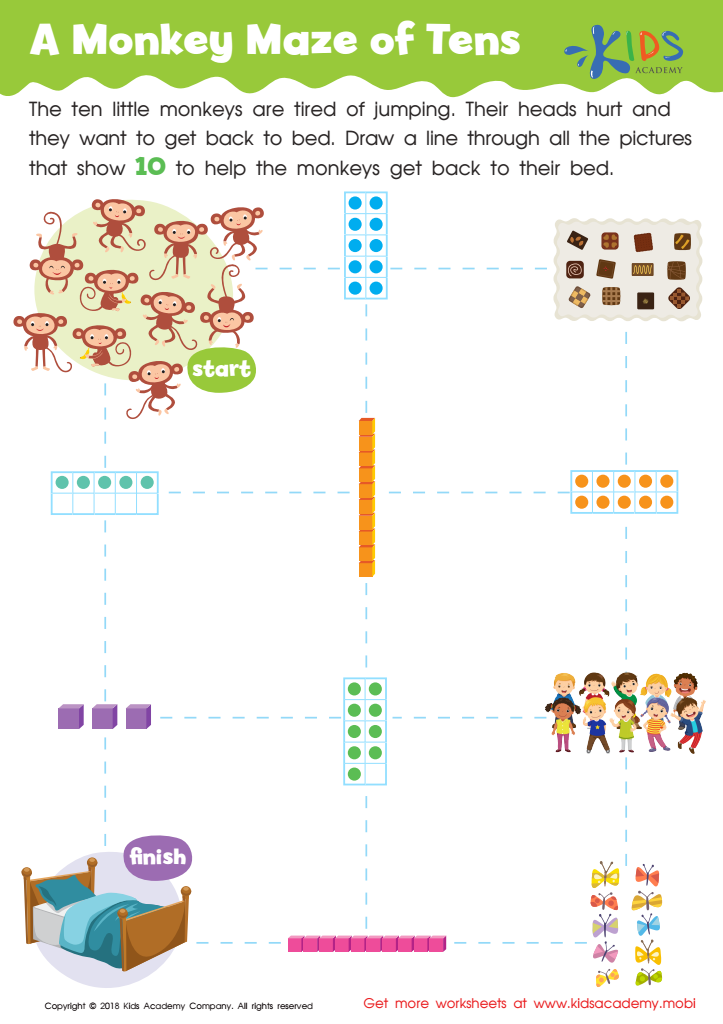
A Monkey Maze of Tens Worksheet
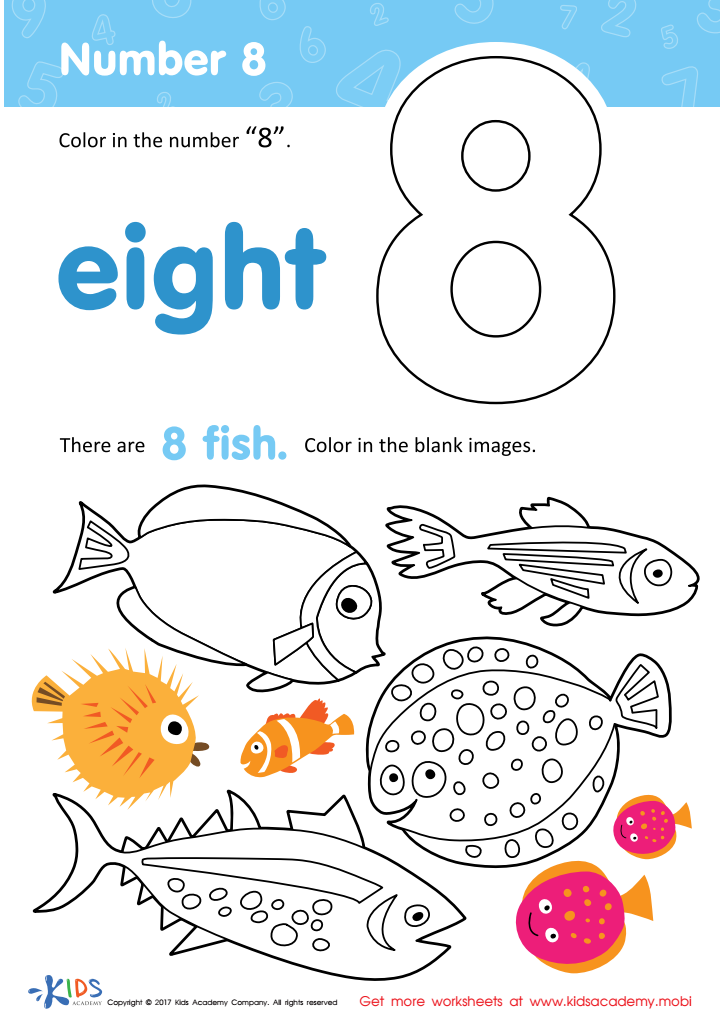
Number 8 Printable
 Assign to My Students
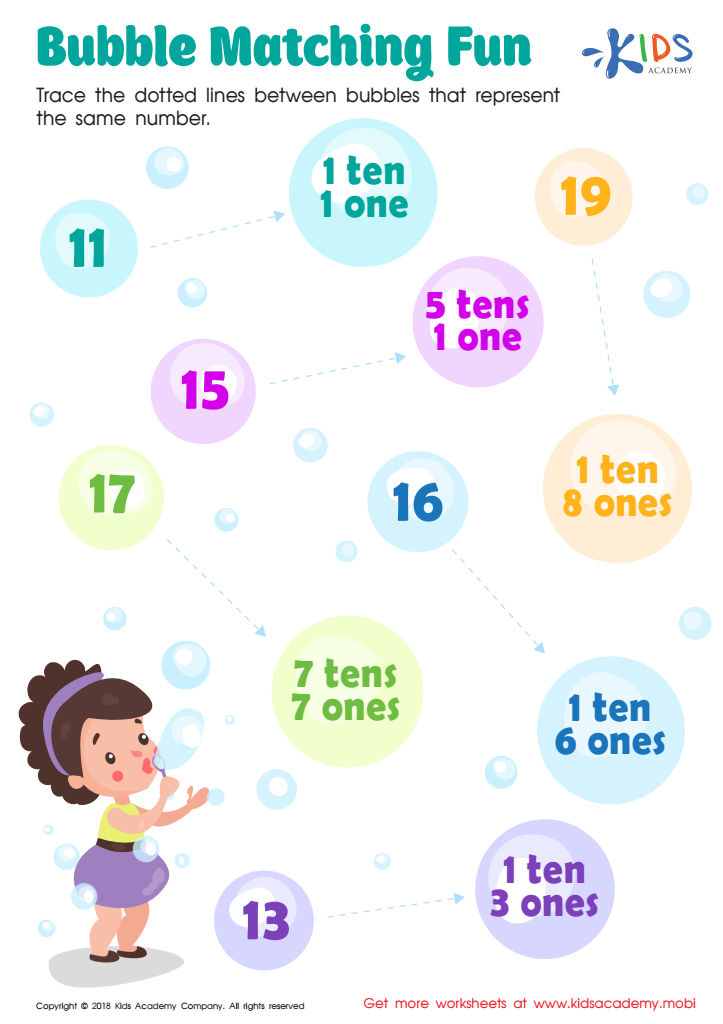
Bubble Matching Fun Worksheet
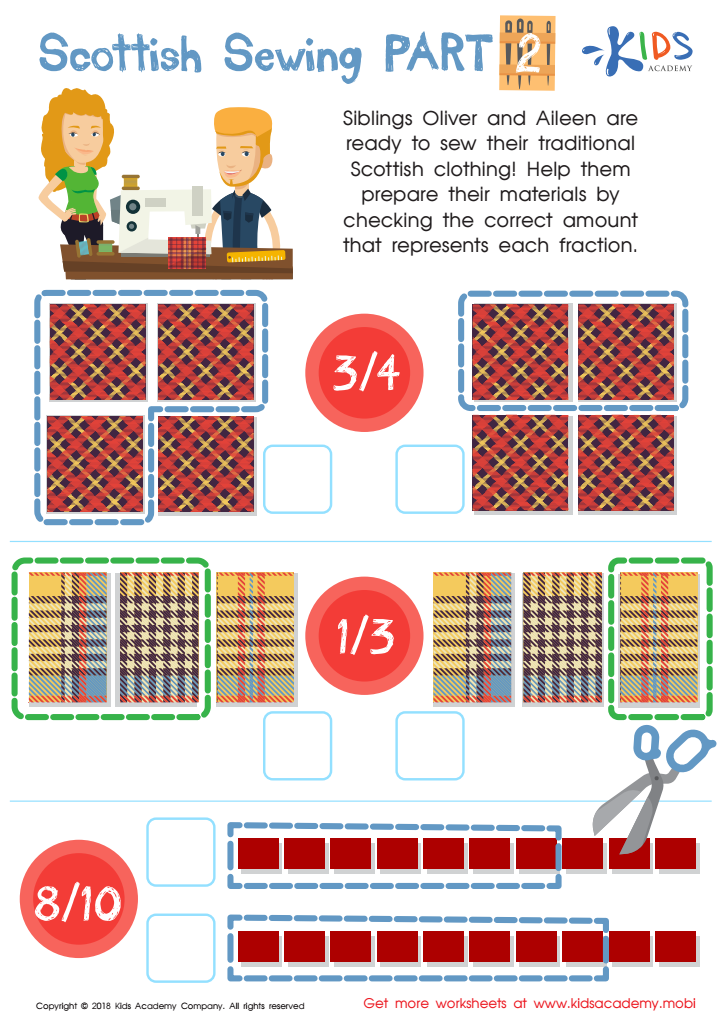
Scottish Sewing Part 2 Worksheet
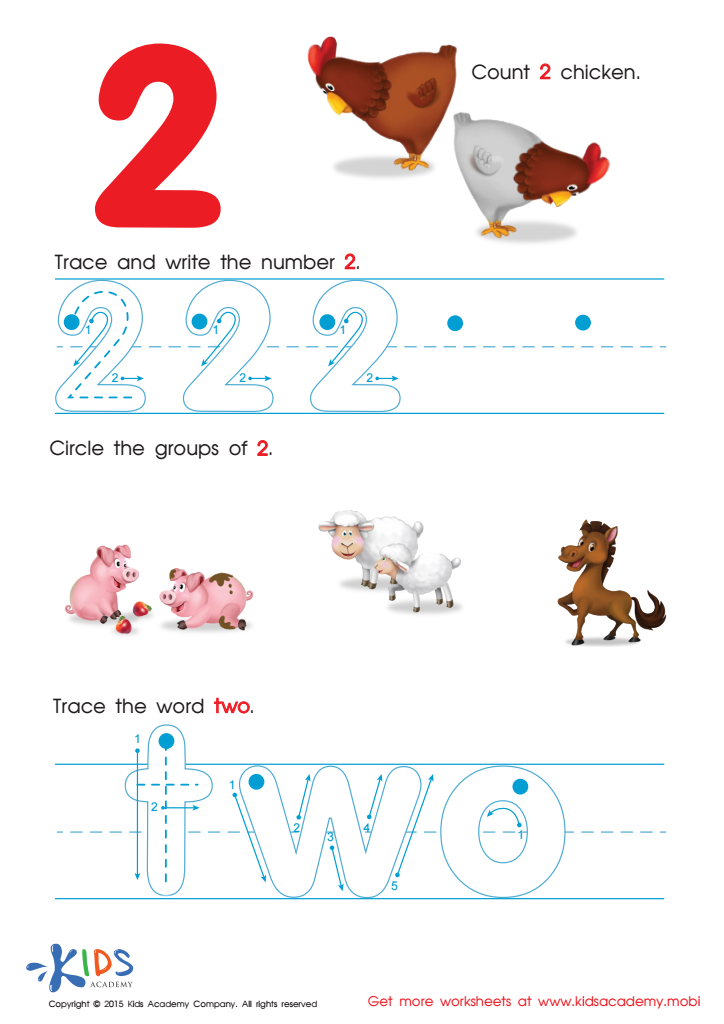
Learn to Write the Number 2 Worksheet
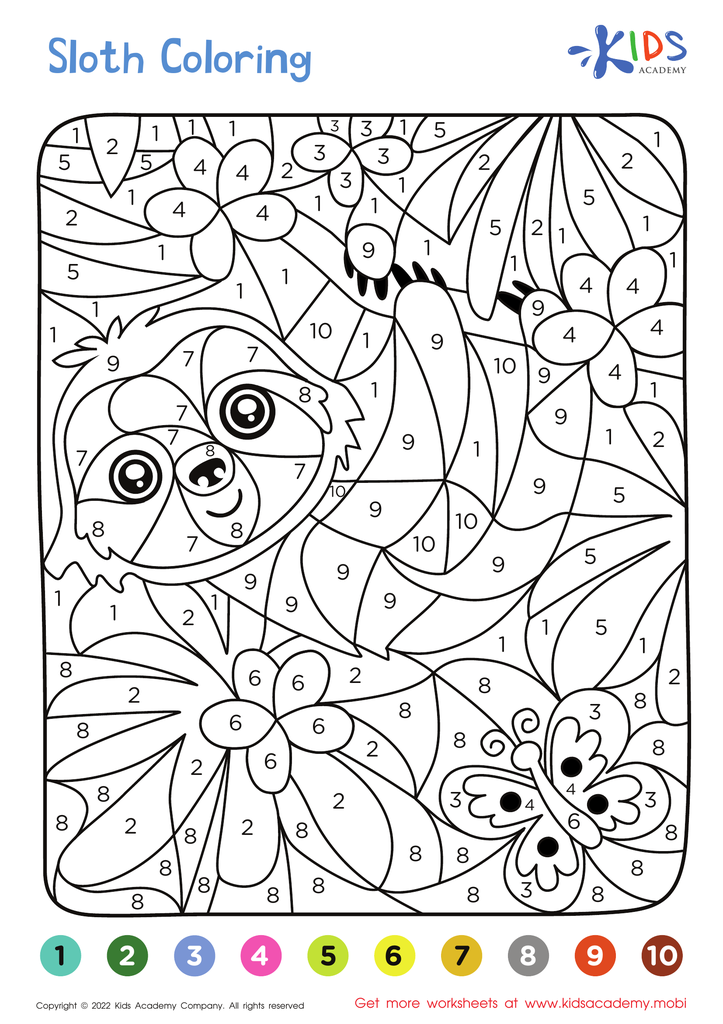
Sloth – Coloring by Numbers
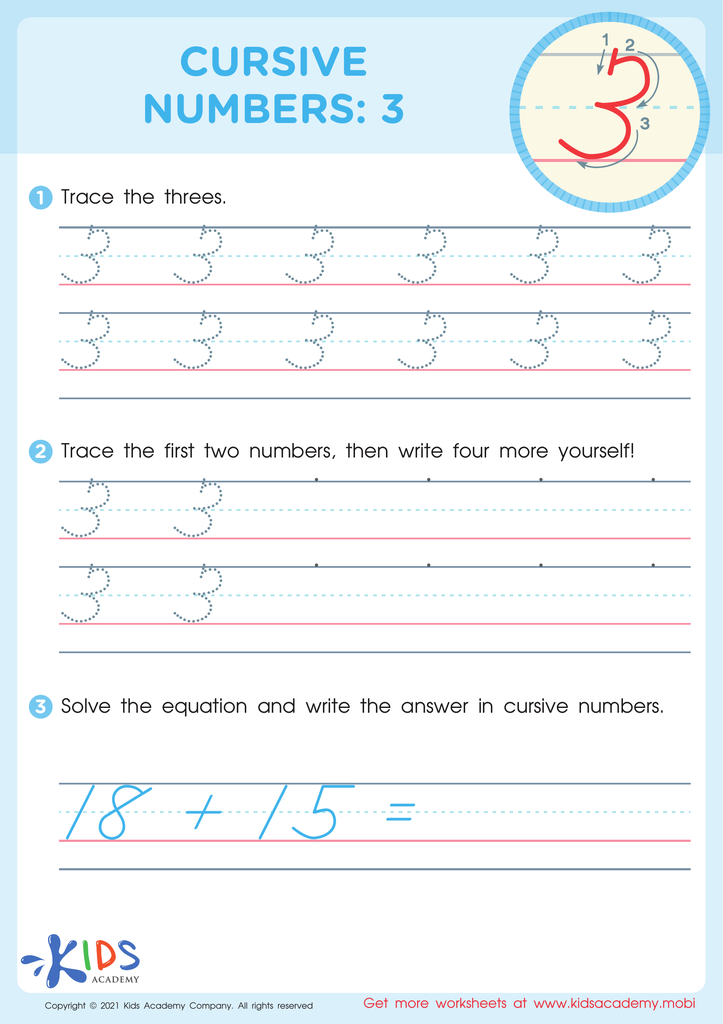
Cursive Numbers: 3 Worksheet
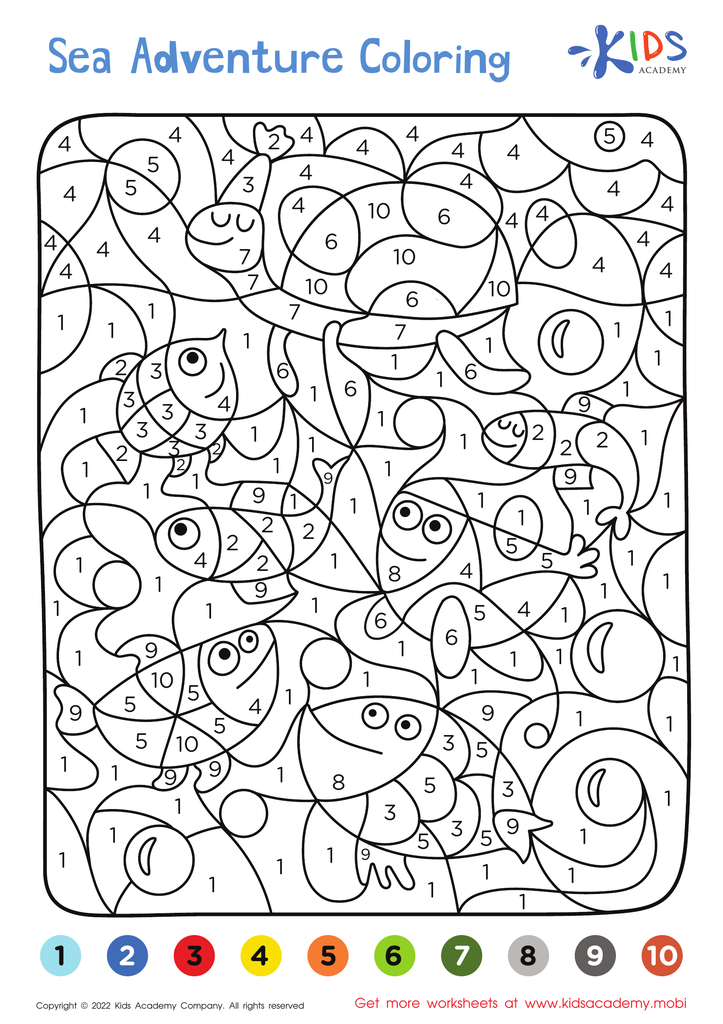
Sea Adventure – Coloring by Numbers
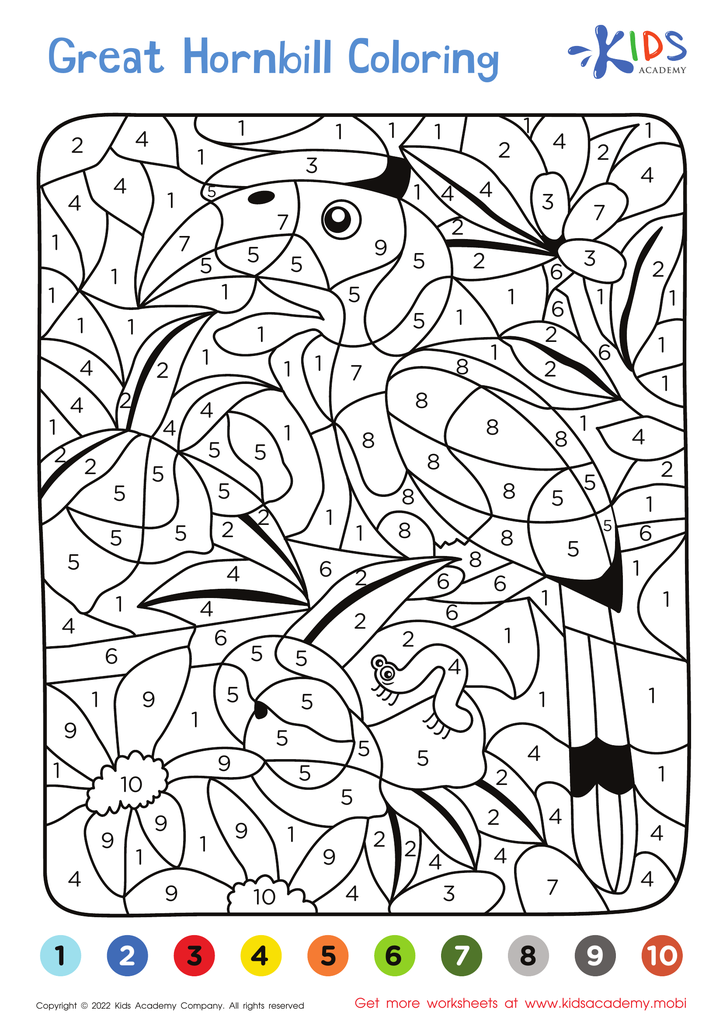
Great Hornbill – Coloring by Numbers

Counting on the City Skyline: Dot-to-Dot Worksheet
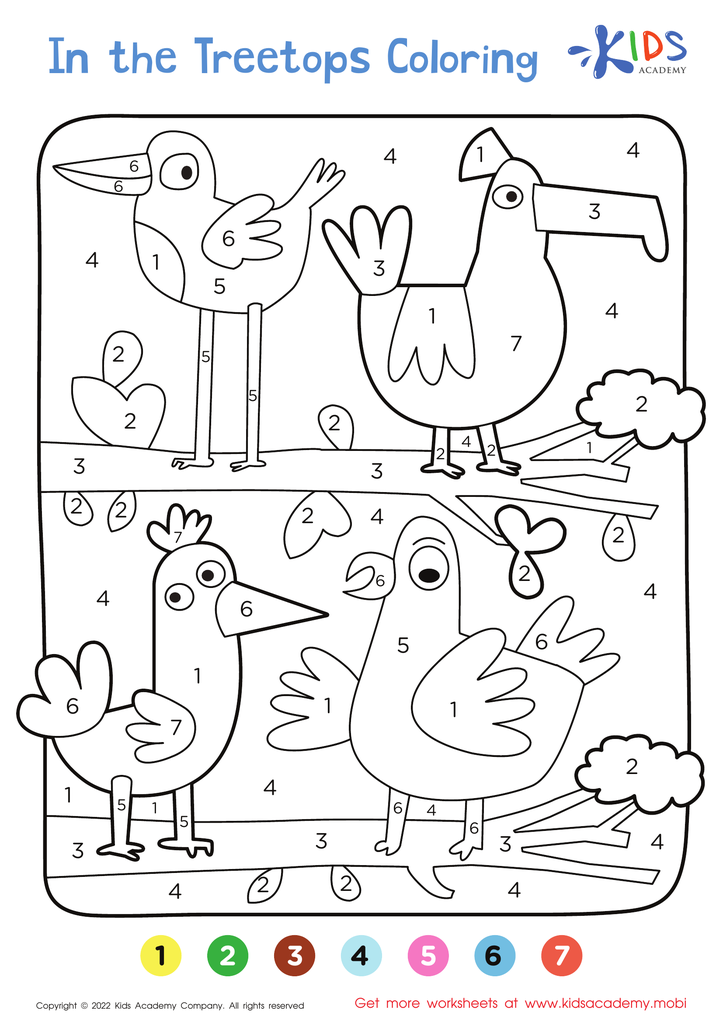
In the Treetops – Coloring Page
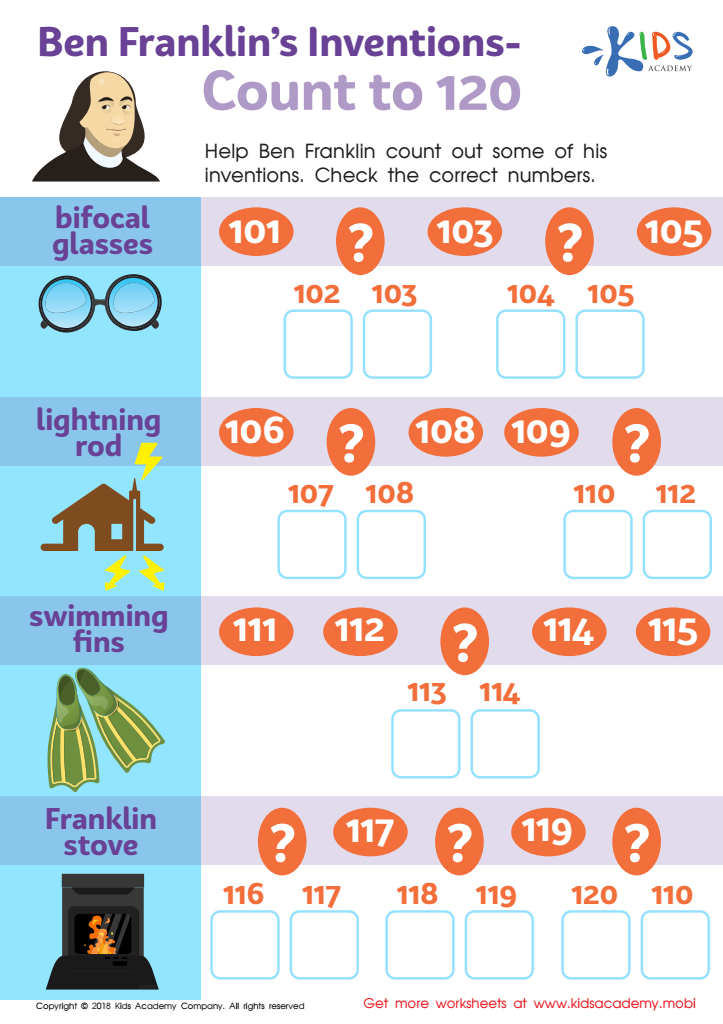
Ben Franklin’s Inventions – Count to 120 Worksheet
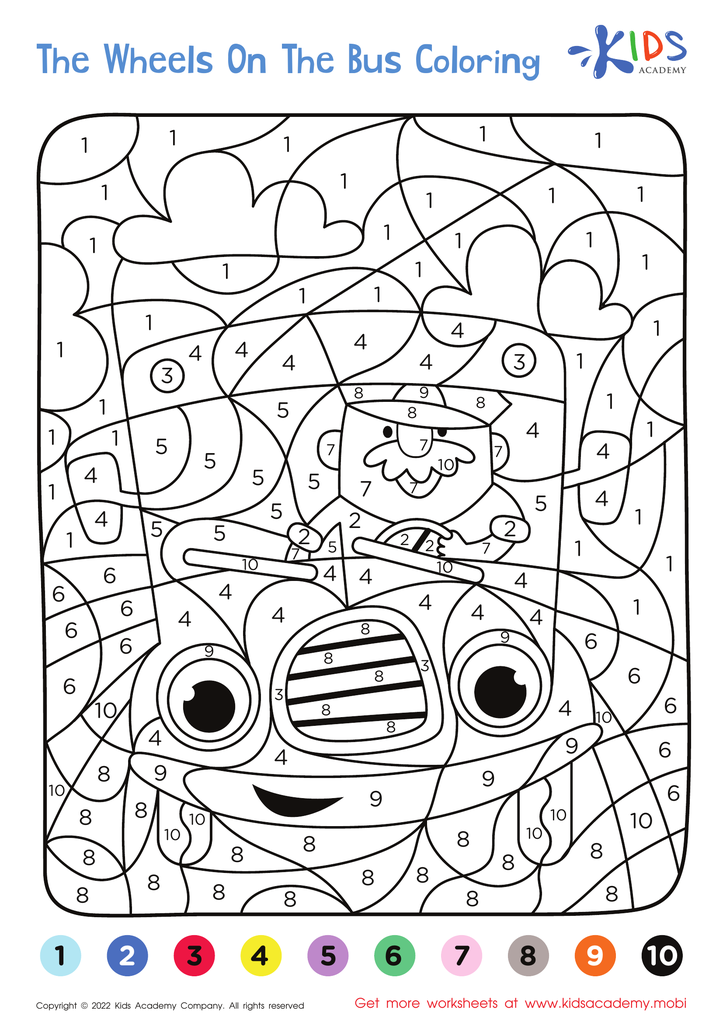
Wheels on the Bus – Coloring by Numbers
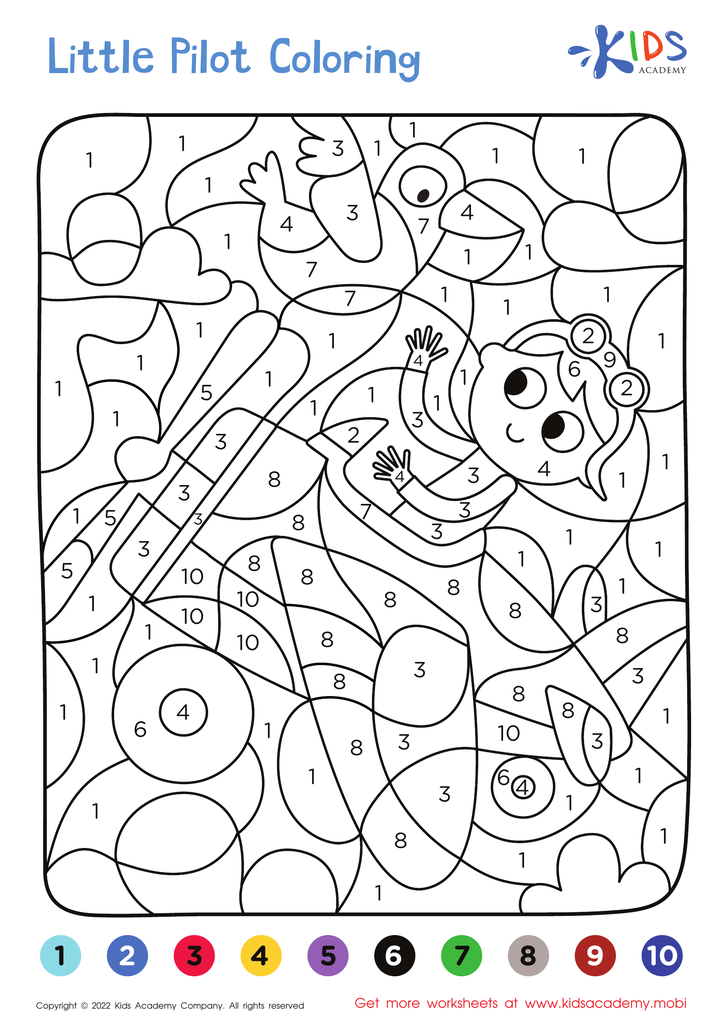
Little Pilot – Coloring by Numbers
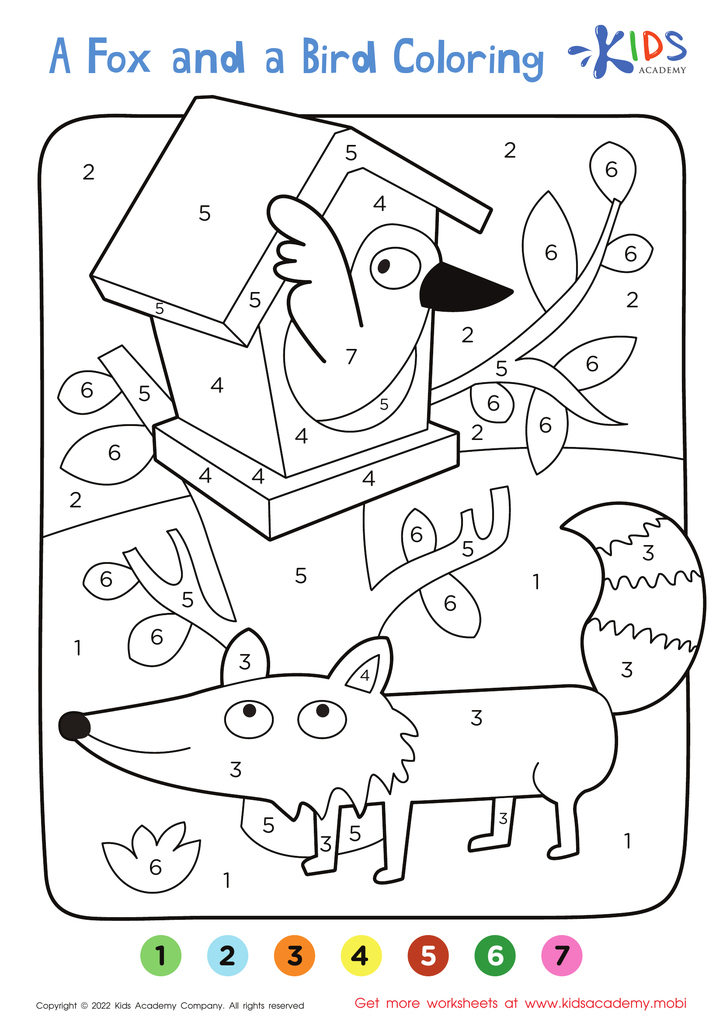
A Fox and a Bird – Coloring by Numbers
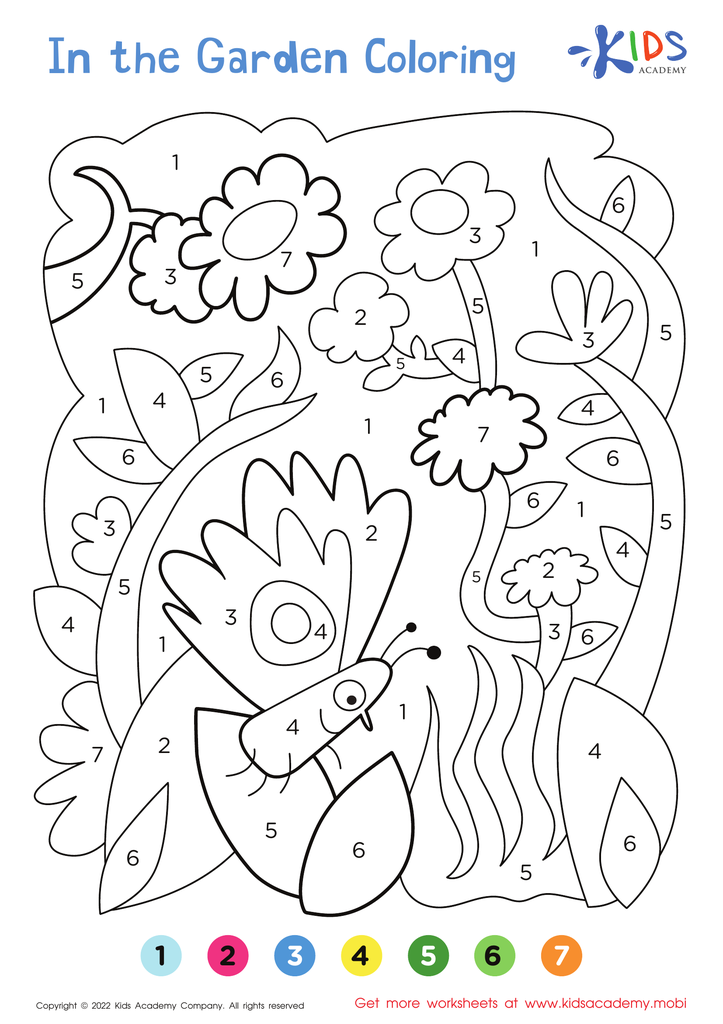
In the Garden – Coloring by Numbers








Fine motor skills development is crucial for children aged 7-8 because it significantly impacts their academic and everyday activities. Fine motor skills involve the coordination of small muscles in the hands and fingers, which is essential for tasks such as writing, drawing, and using tools. At this age, children transition from learning to write to writing to learn, and without well-developed fine motor skills, they may struggle to keep up academically.
Parents and teachers should care about these skills because poor fine motor abilities can lead to frustration, decreased motivation, and a lack of confidence. For example, if a child has a hard time holding a pencil correctly or cutting with scissors, they may avoid these activities, which are integral parts of the curriculum. This avoidance can delay academic progress and affect self-esteem.
Moreover, fine motor skills are interconnected with cognitive development and hand-eye coordination. Activities that enhance these skills also foster problem-solving abilities and attention to detail. Encouraging activities such as tracing, playing with building blocks, and practicing cursive writing can make a significant difference.
Ultimately, focusing on fine motor skills helps ensure that children are not only able to perform essential tasks more effectively but are also more likely to stay engaged and succeed in their educational journeys.








