Problem-Solving Skills Subtraction Worksheets for Ages 7-8
17 filtered results
-
From - To
Enhance your child's mathematical abilities with our engaging Problem-Solving Skills Subtraction Worksheets designed specifically for ages 7-8. These worksheets offer a creative approach to mastering subtraction through real-life scenarios and challenging word problems. As children work through these exercises, they’ll not only improve their calculation skills but also develop critical thinking and analytical reasoning essential for academic success. Each worksheet is crafted to be interactive and fun, fostering a love for learning while building confidence in subtraction. Perfect for home practice or classroom activities, our worksheets are an excellent resource to support a well-rounded math education. Get started today!
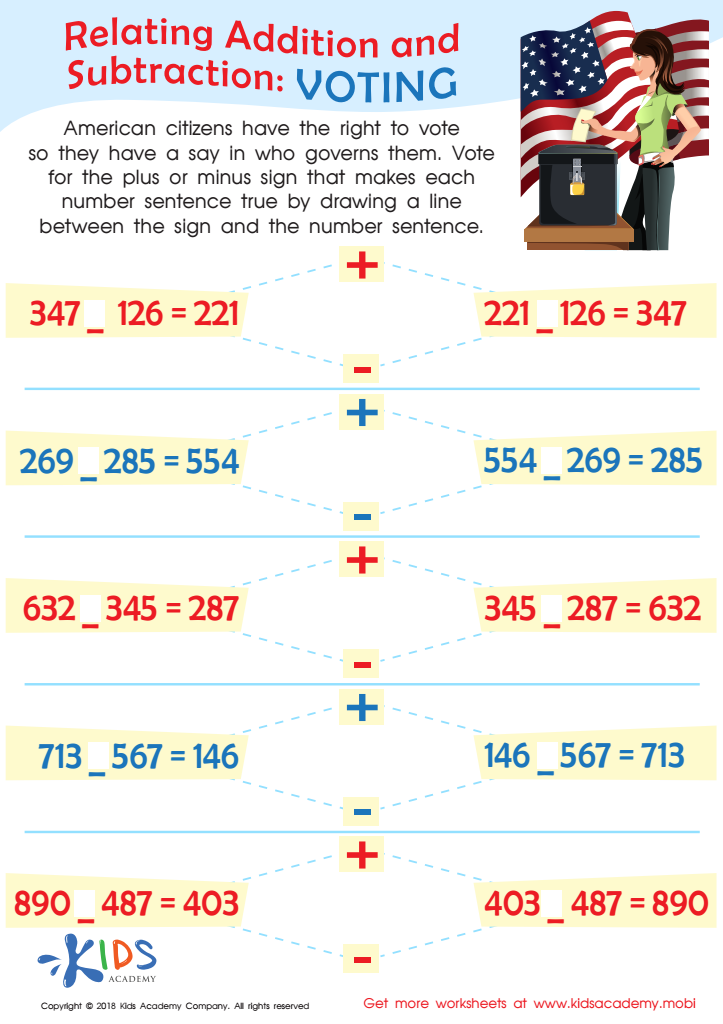
Voting Worksheet
 Assign to My Students
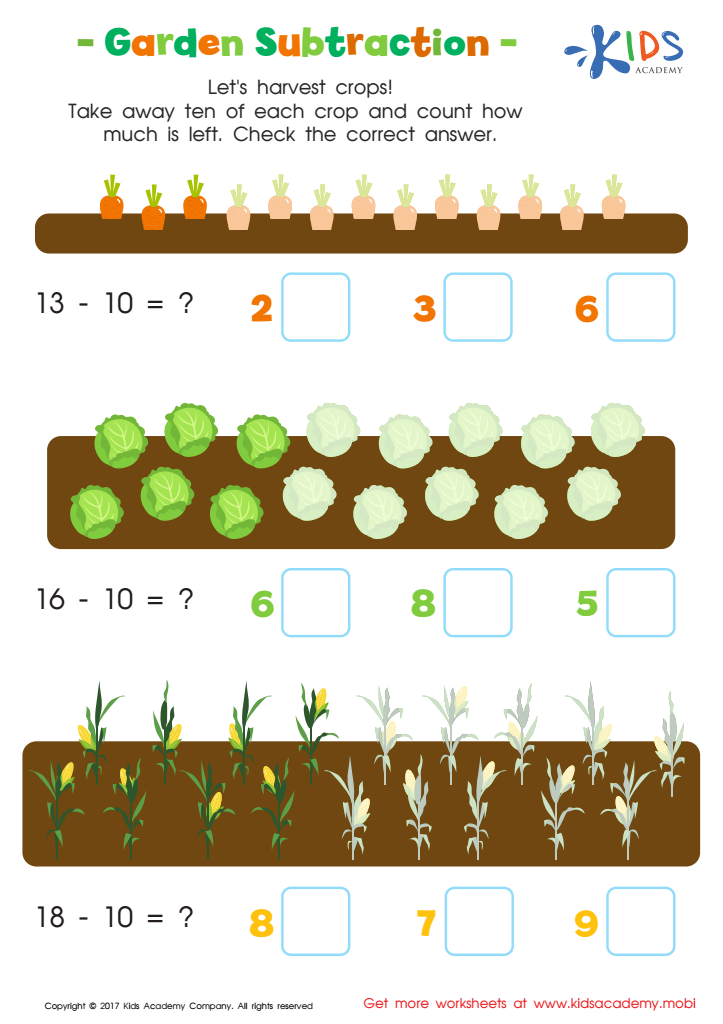
Garden Subtraction Worksheet
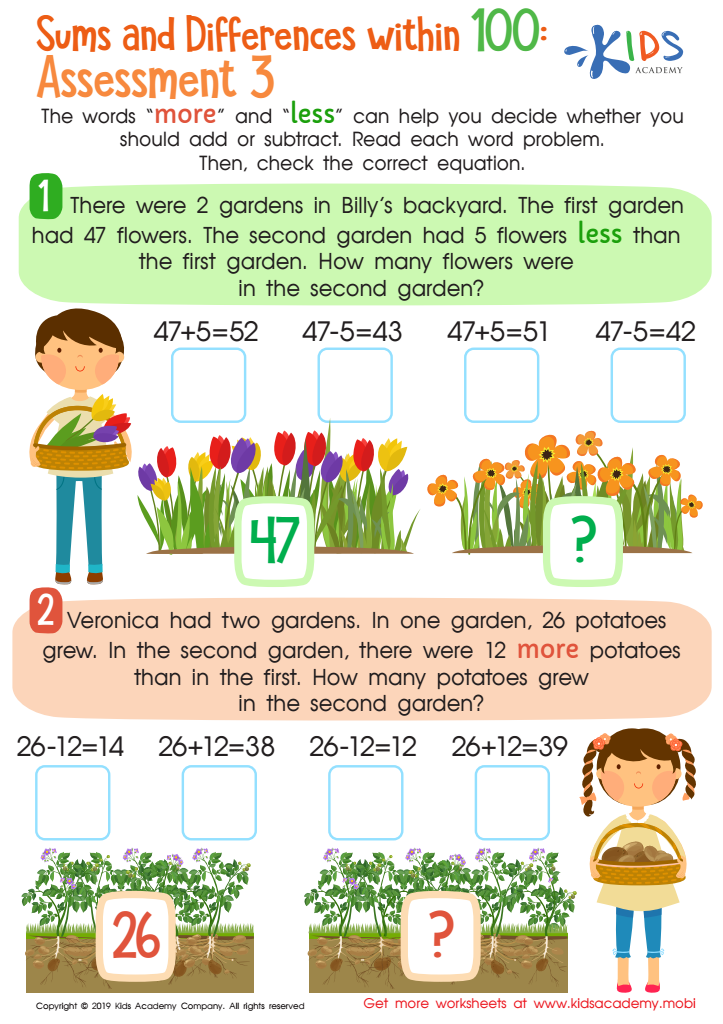
Sums and Differences Within 1 - Assessment 1 Worksheet
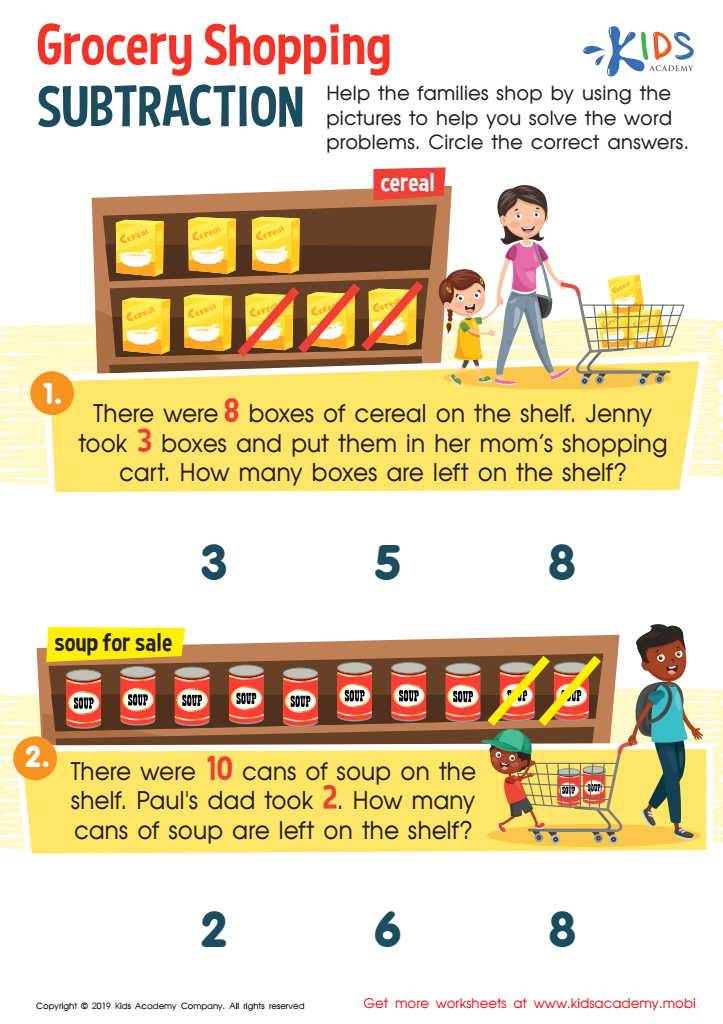
Grocery Shopping Subtraction Worksheet
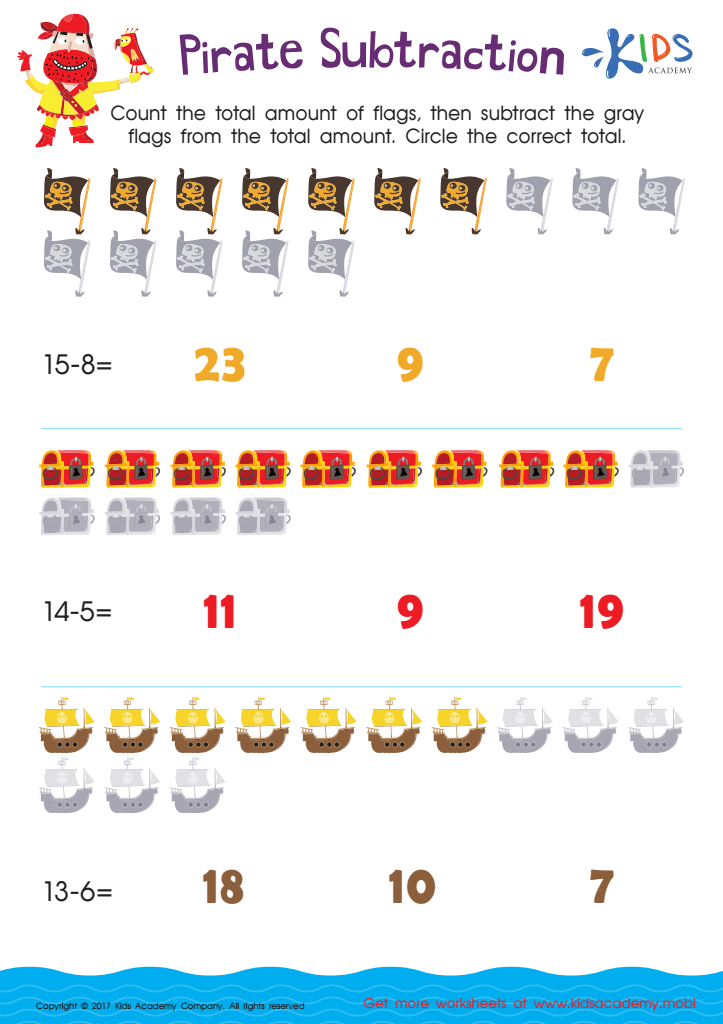
Pirate Subtraction Substraction Worksheet
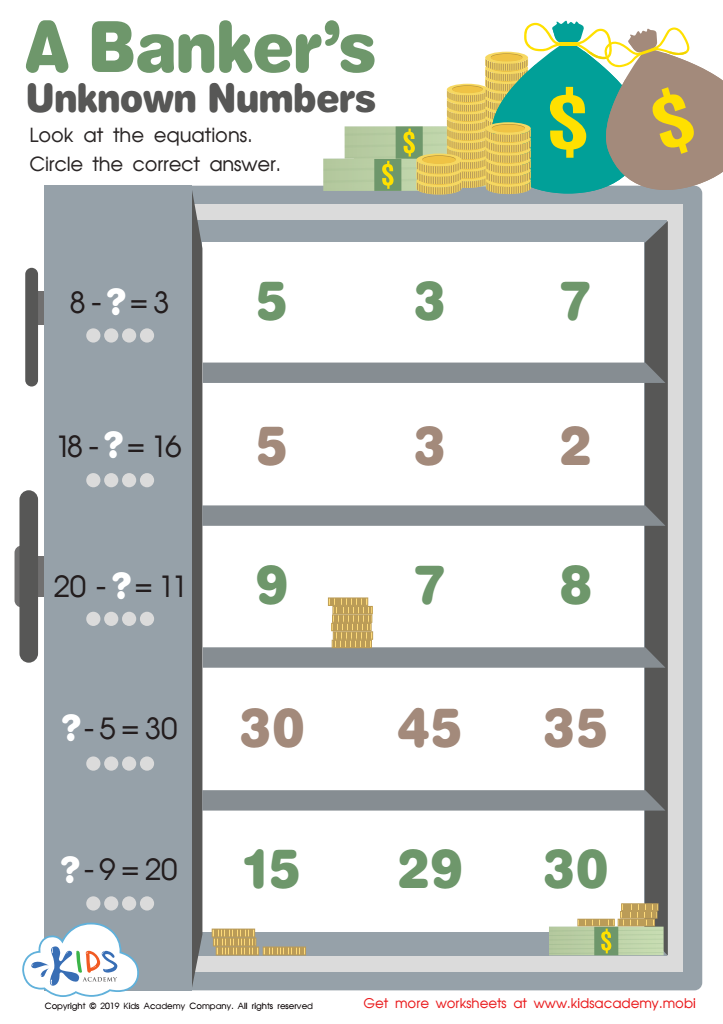
A Banker's Unknown Numbers Worksheet
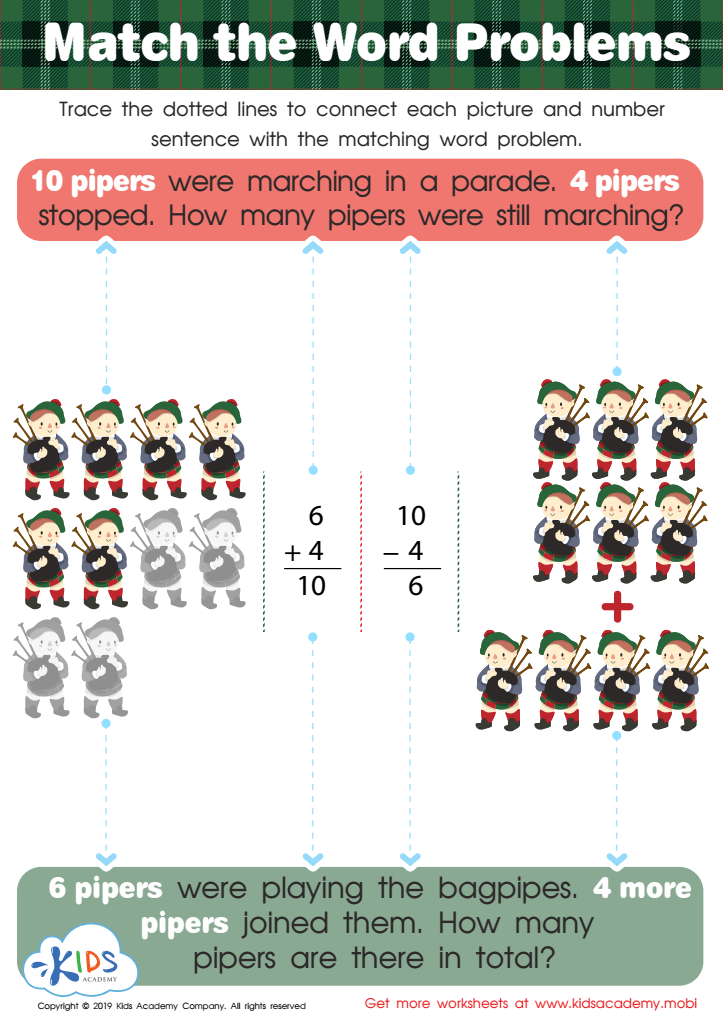
Match the Word Problems Worksheet
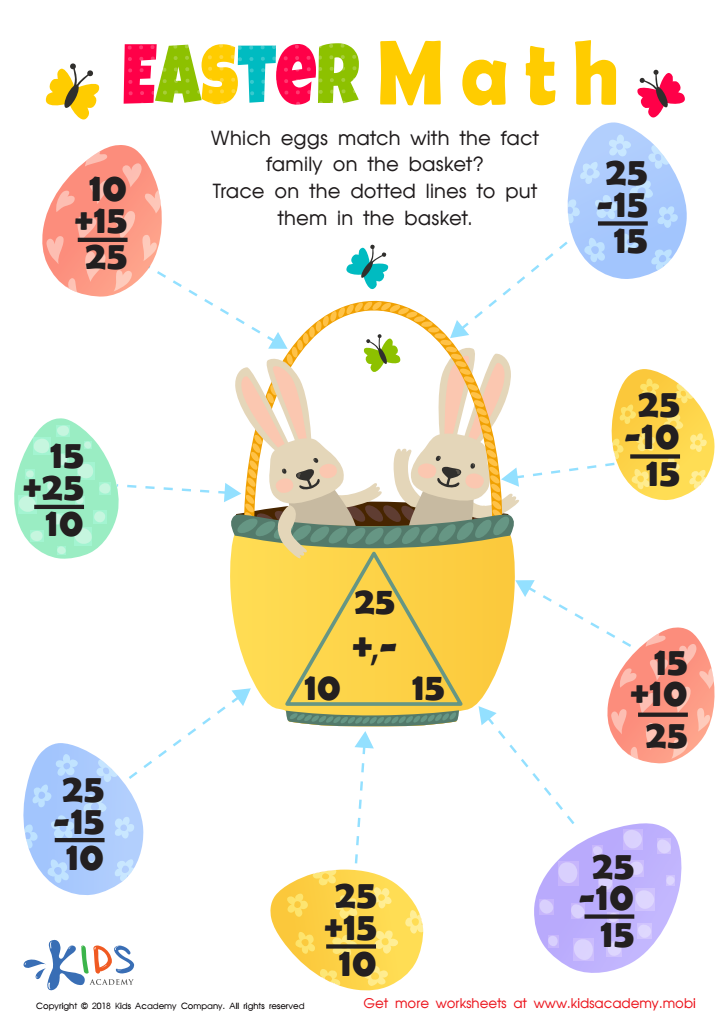
Fact Families: Easter Math Worksheet
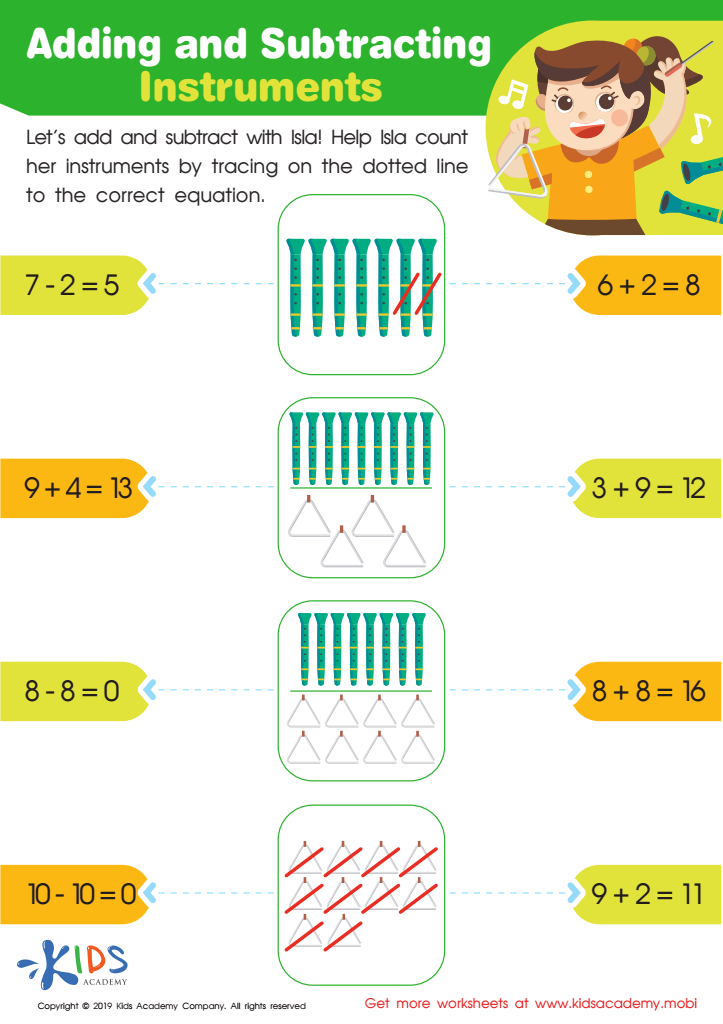
Adding and Subtracting: Instruments Worksheet
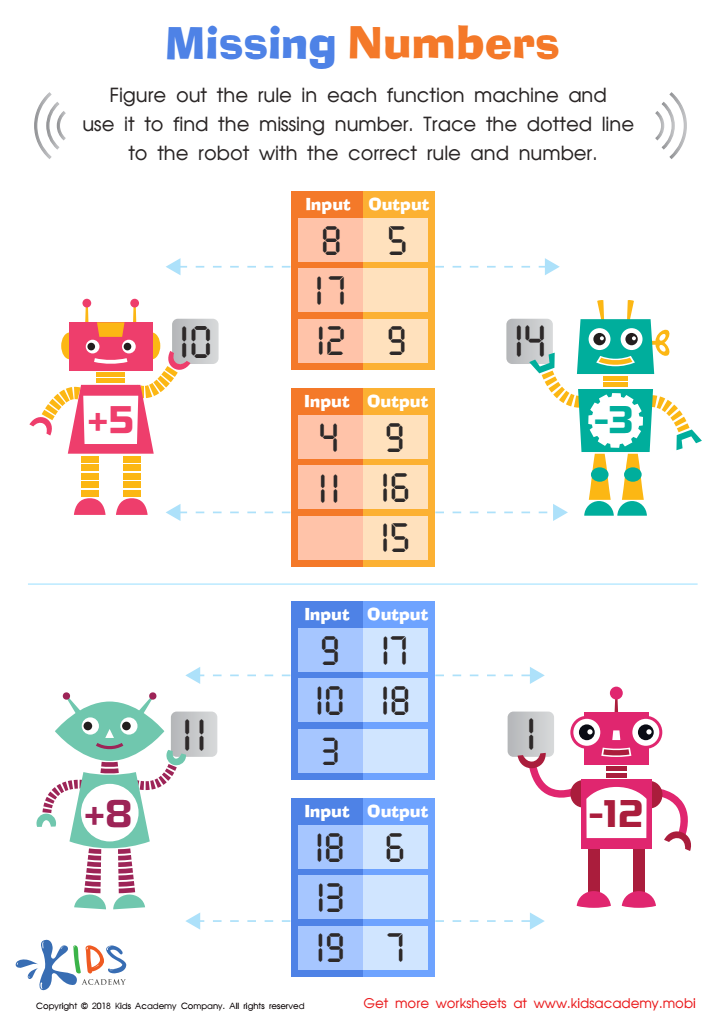
Missing Numbers Worksheet
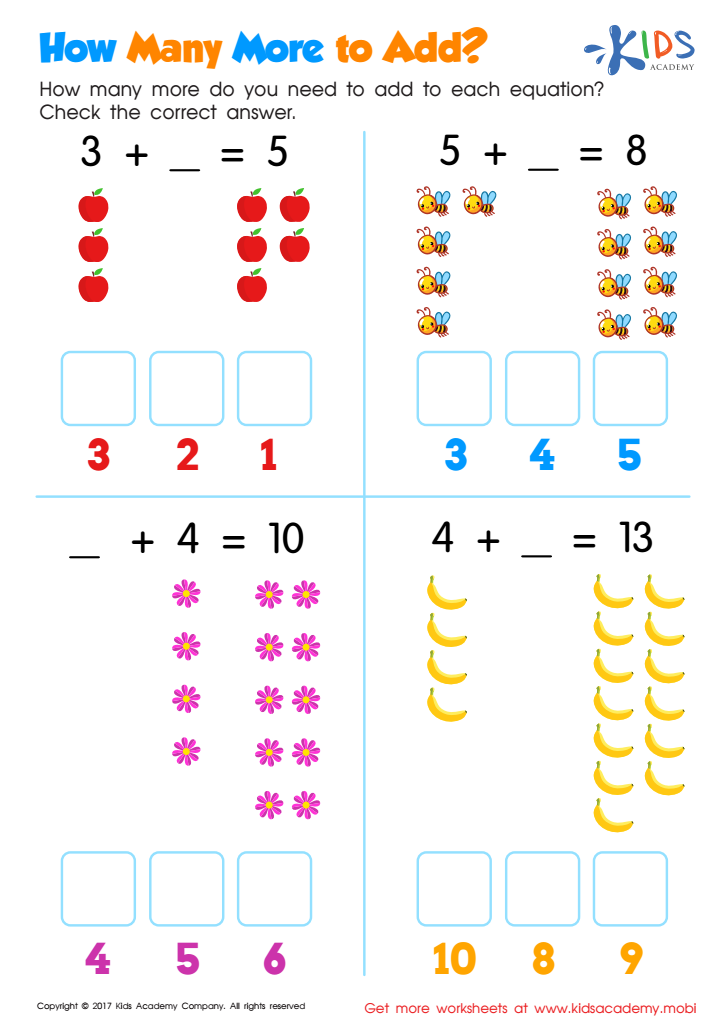
How Many More to Add Worksheet
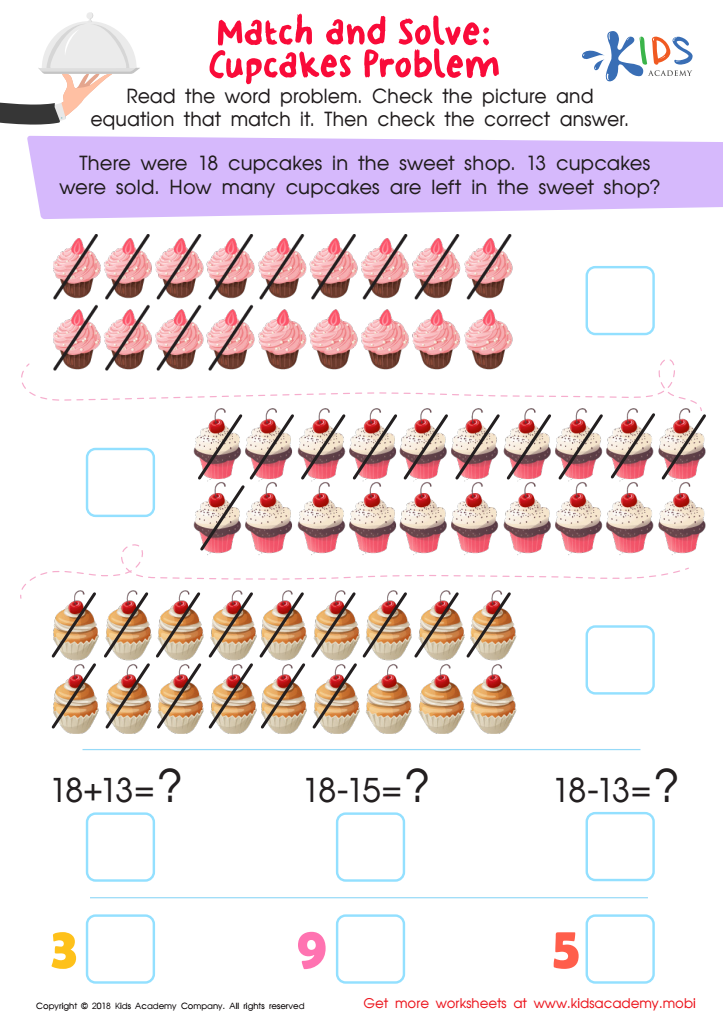
Match and Solve: Cupcakes Problem Worksheet
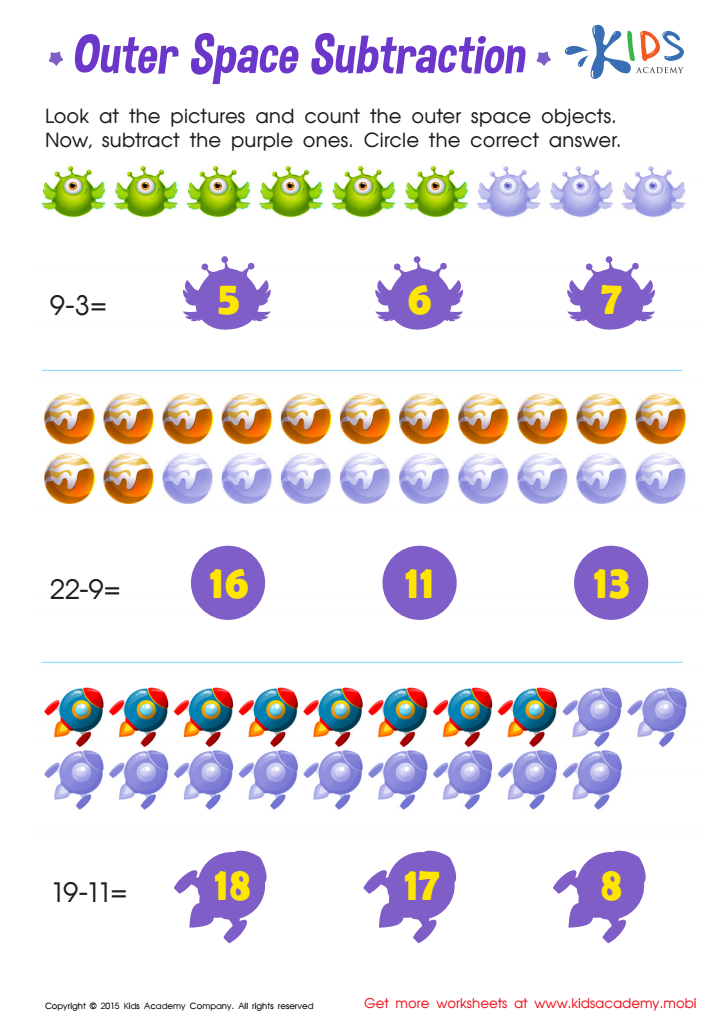
Outer Space Substraction Worksheet
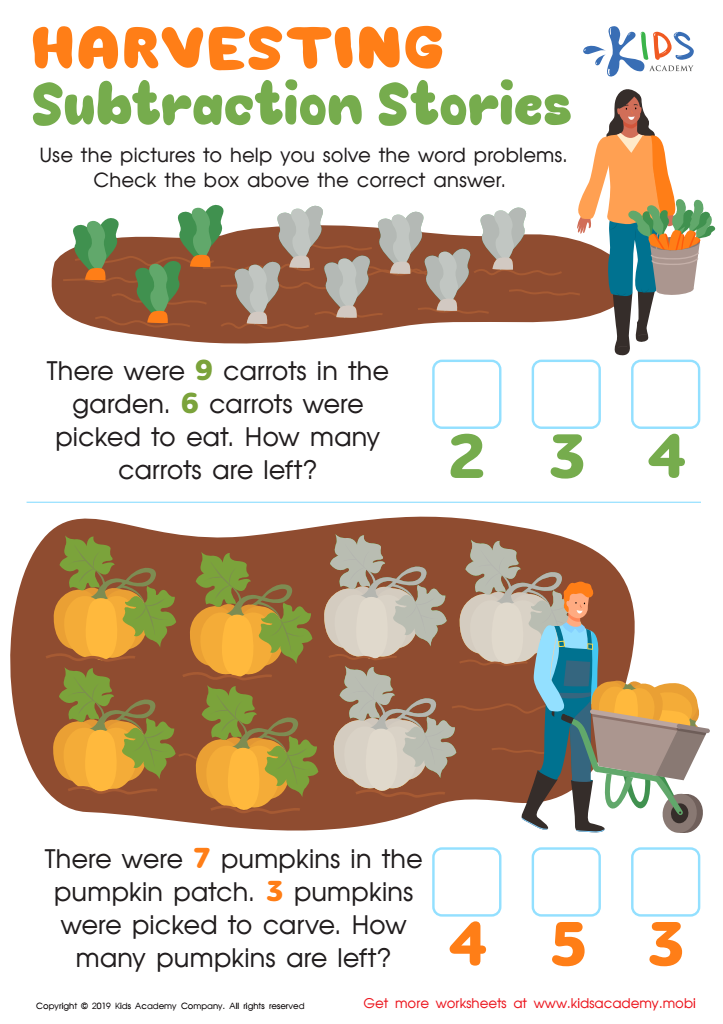
Harvesting Subtraction Stories Worksheet
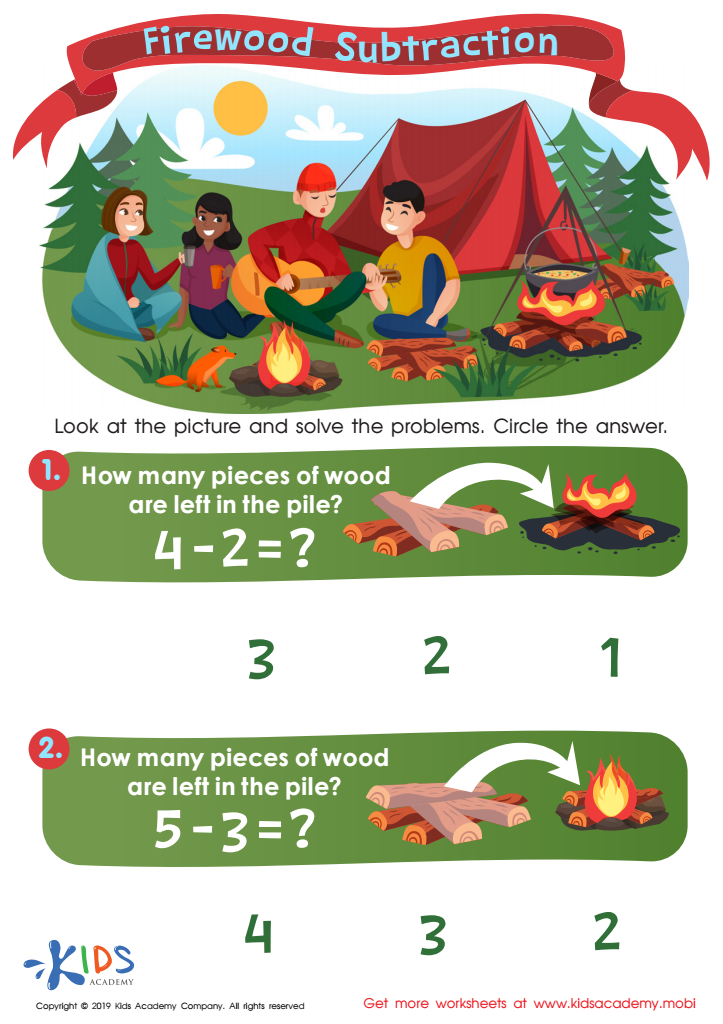
Firewood Subtraction Worksheet
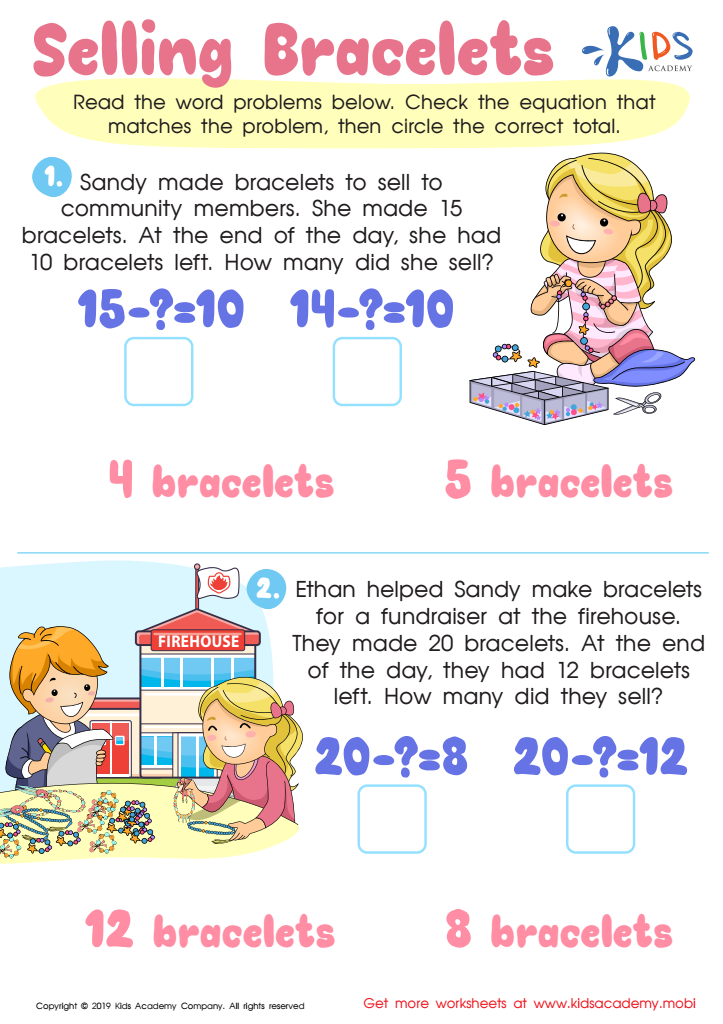
Selling the Bracelets Worksheet
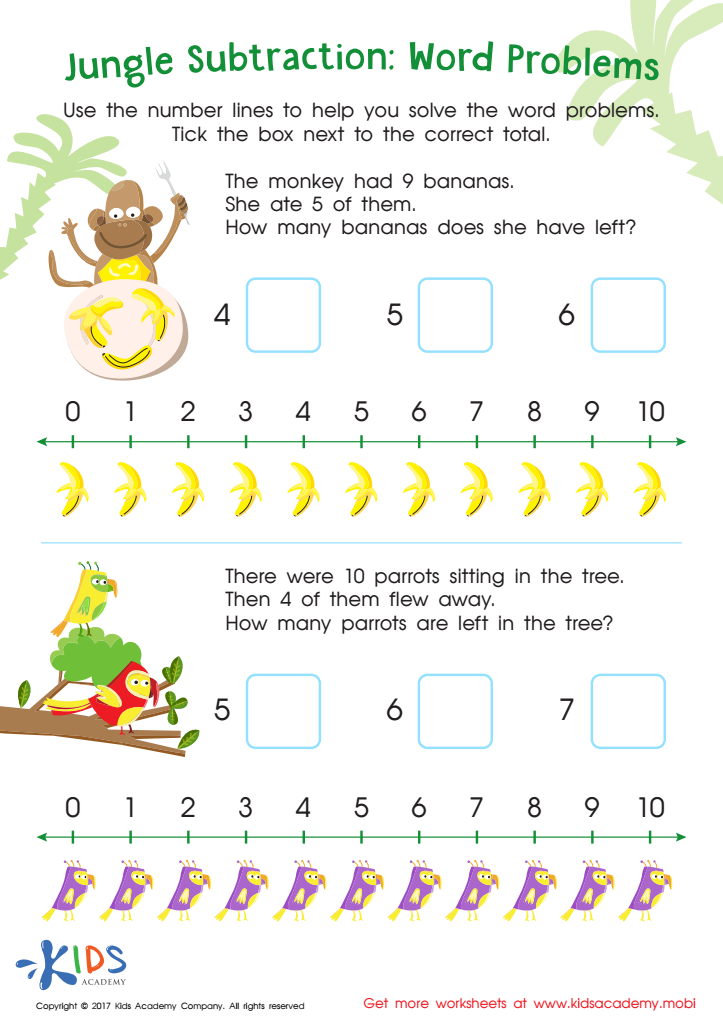
Jungle Subtraction Word Problems Substraction Worksheet








Problem-solving skills in subtraction are crucial for children aged 7-8, as they lay the foundation for critical thinking and independent learning. At this age, children transition from concrete operations to the ability to understand abstract concepts. Developing proficiency in subtraction problem-solving enables them to approach everyday situations logically and creatively.
Parents and teachers should prioritize these skills because they foster resilience and adaptability. Students learn to break down complex problems into manageable parts, enhancing their overall cognitive abilities. As subtraction often serves as an introductory gateway to more challenging math concepts like addition, multiplication, and division, mastering these skills at this stage will ease their learning journey in the future.
Furthermore, excellent problem-solving skills in subtraction promote confidence and a positive attitude towards mathematics. When students successfully tackle subtraction problems, they experience a sense of accomplishment, which reinforces their motivation to engage in further learning.
Parental and teacher involvement in developing these skills is essential, as it creates a supportive learning environment. By focusing on subtraction problem-solving, adults empower children to think critically, communicate effectively, and establish a lifelong love of learning. Thus, attention to these skills greatly contributes to holistic educational development.








