Problem-Solving Skills Word Problems Worksheets for Ages 7-8 - Page 2
44 filtered results
-
From - To
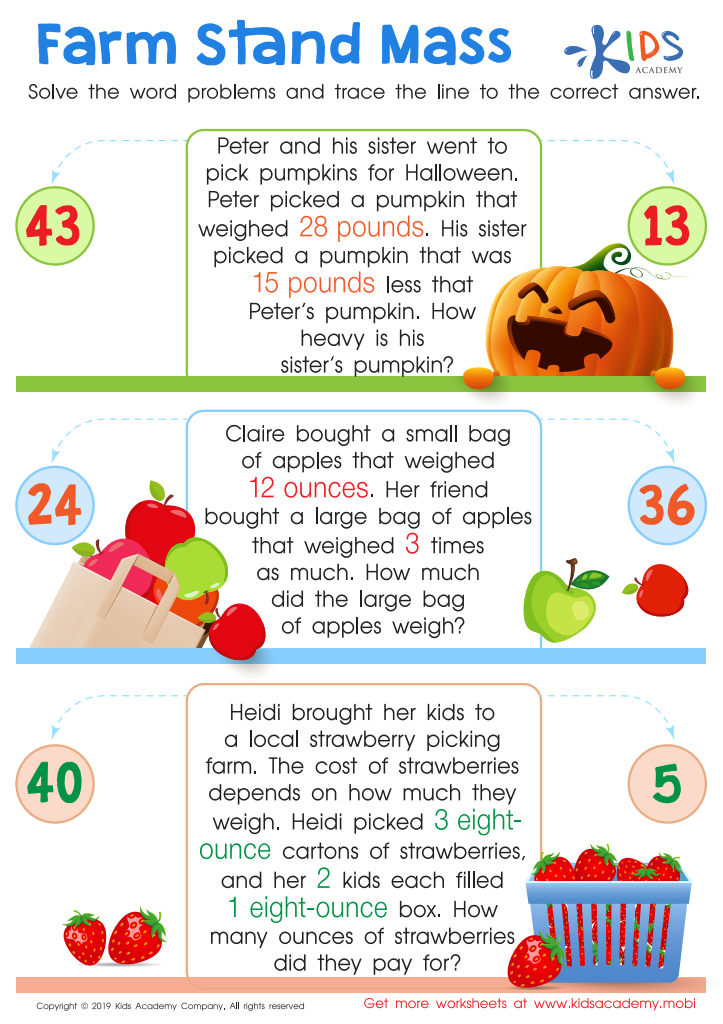
Farm Stand Mass Worksheet
 Assign to My Students
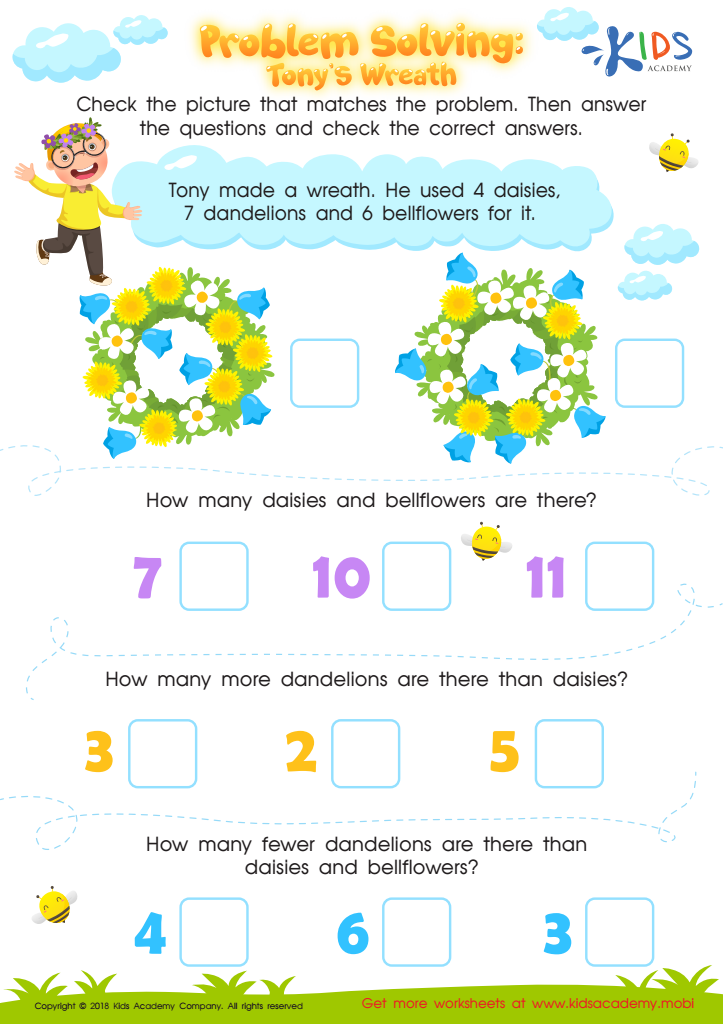
Problem Solving: Tony's Wreath Worksheet
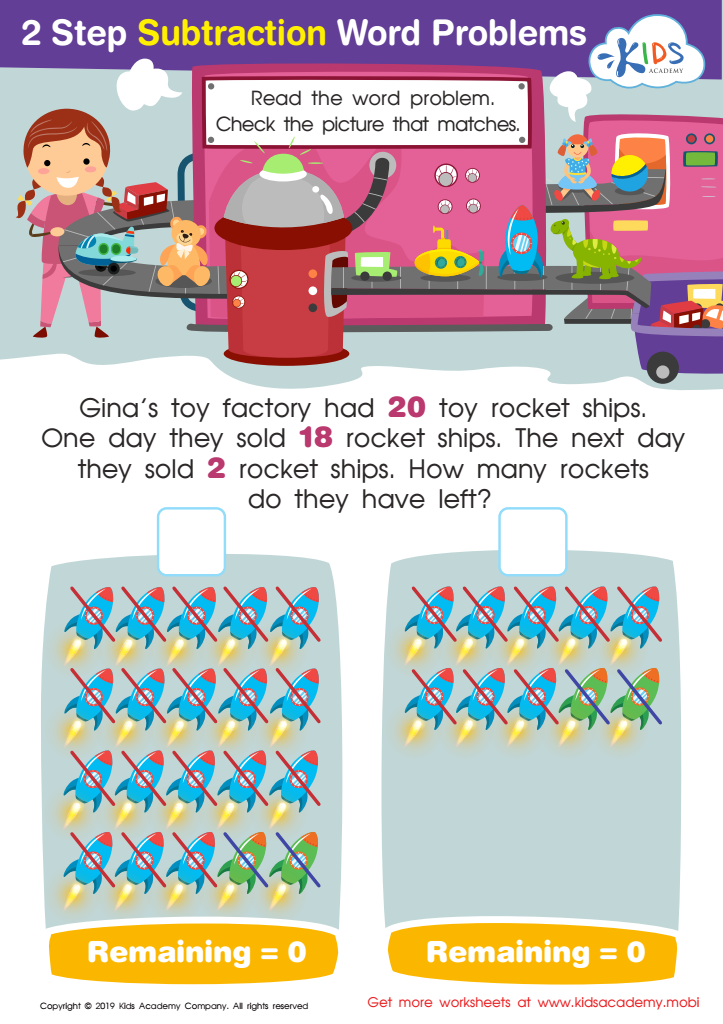
Step Subtraction Word Problems Worksheet
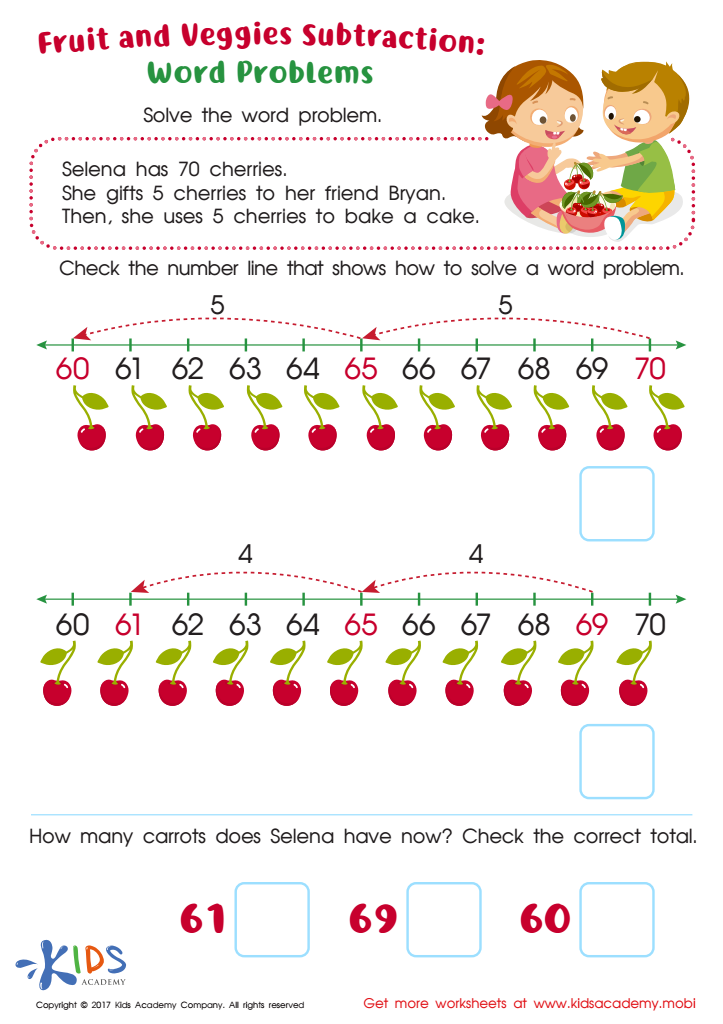
Subtraction Word Problems Free Printable
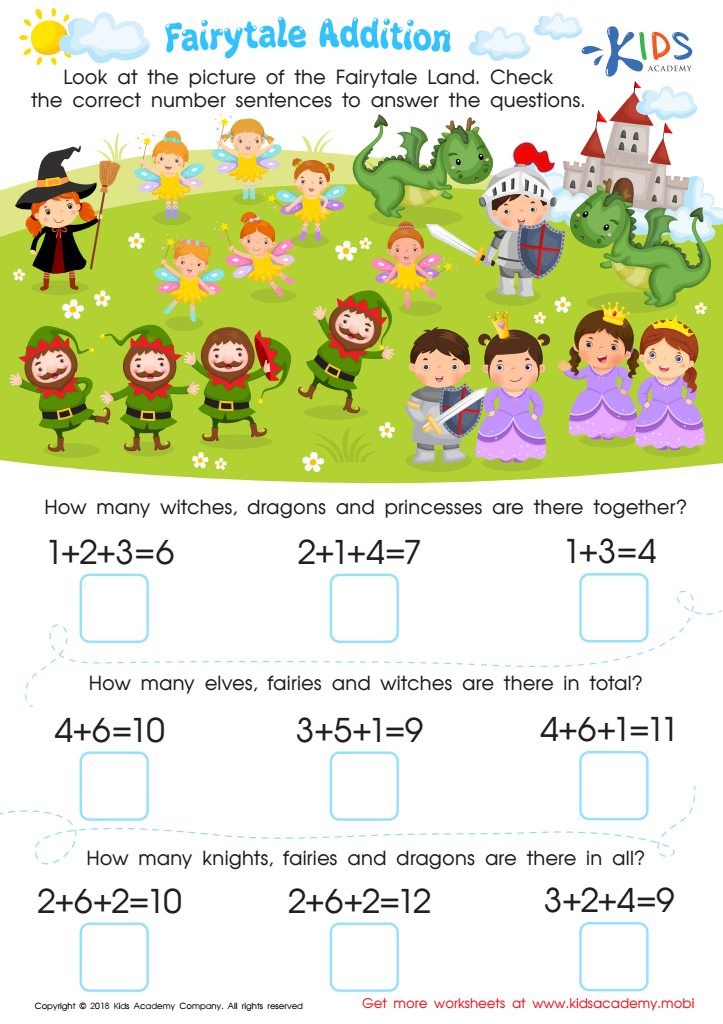
Fairytale Addition Worksheet
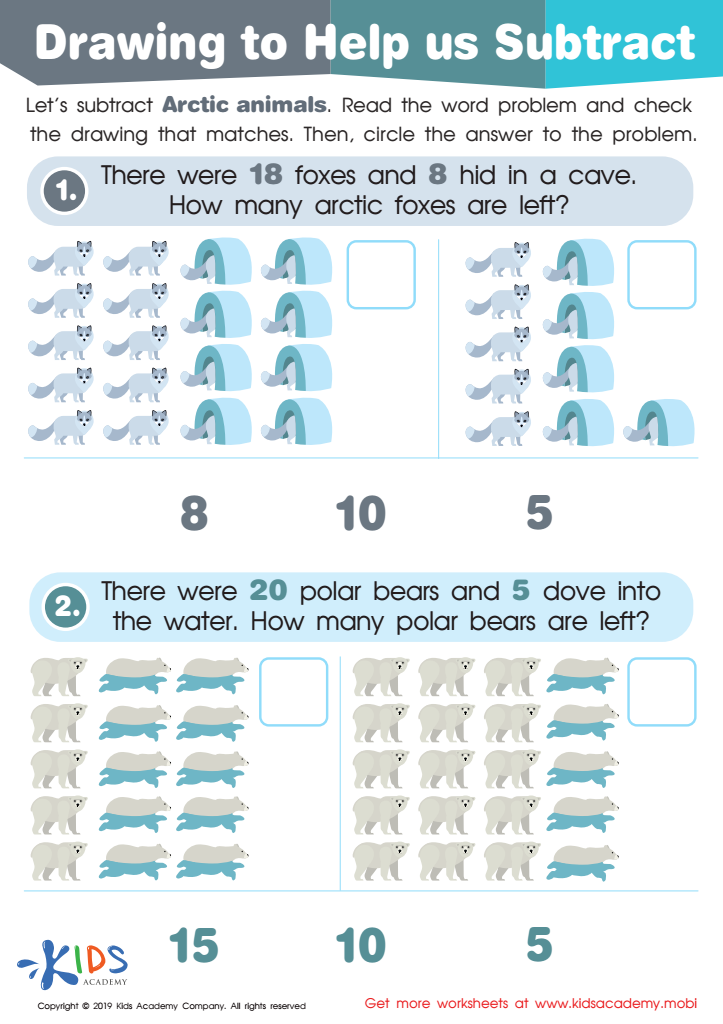
Drawing to Help Us Subtract Worksheet
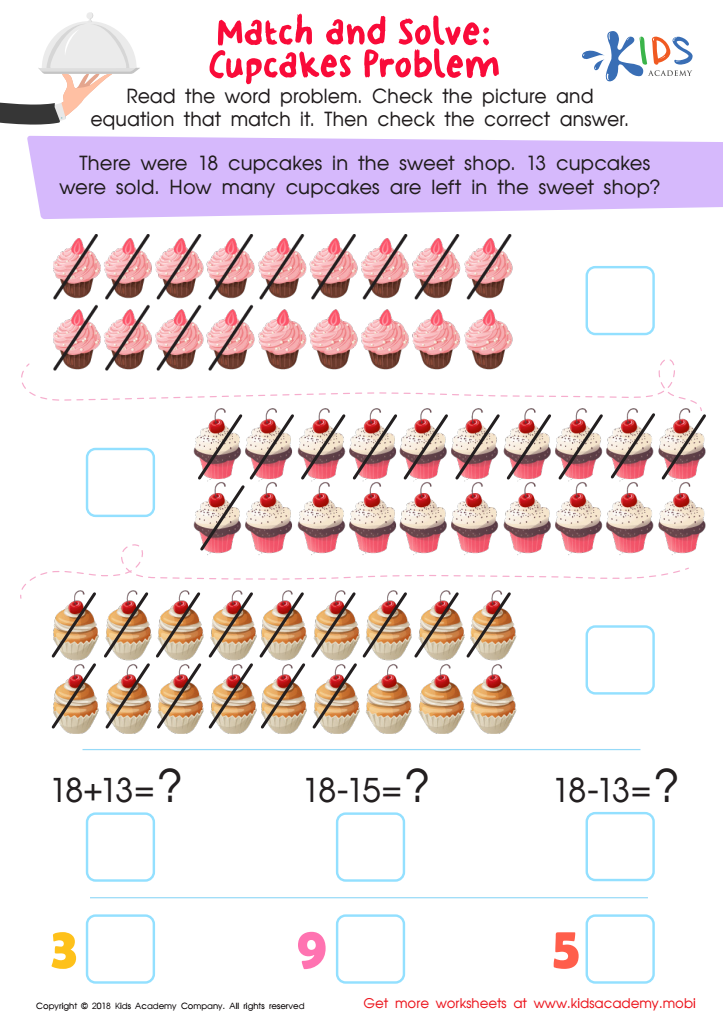
Match and Solve: Cupcakes Problem Worksheet
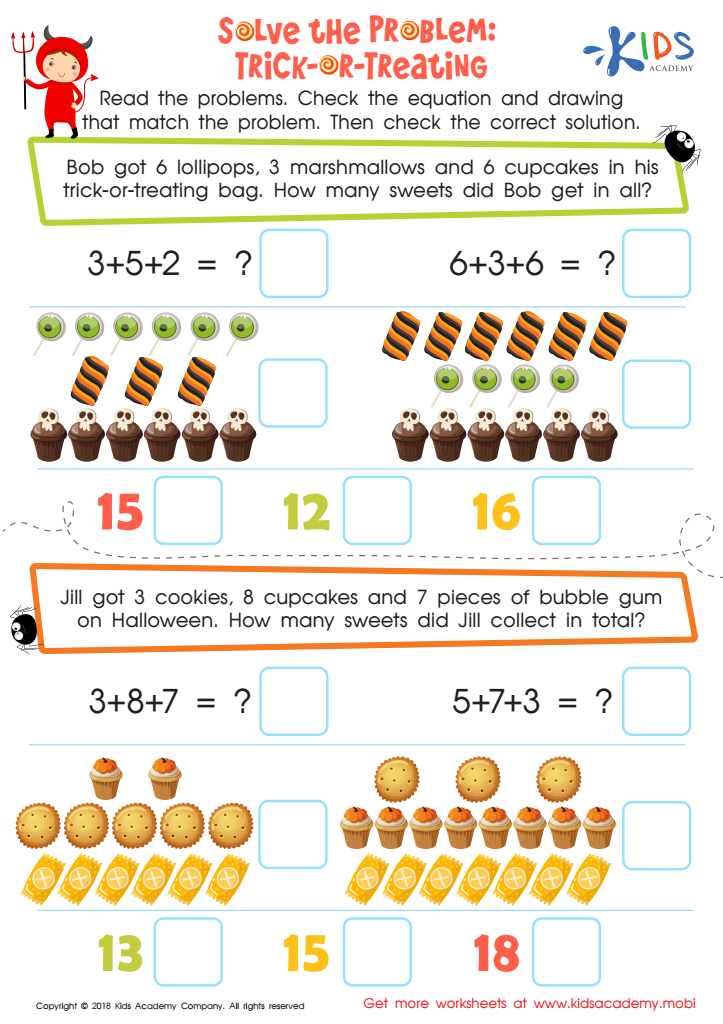
Solve the Problem: Trick–or–treating Worksheet
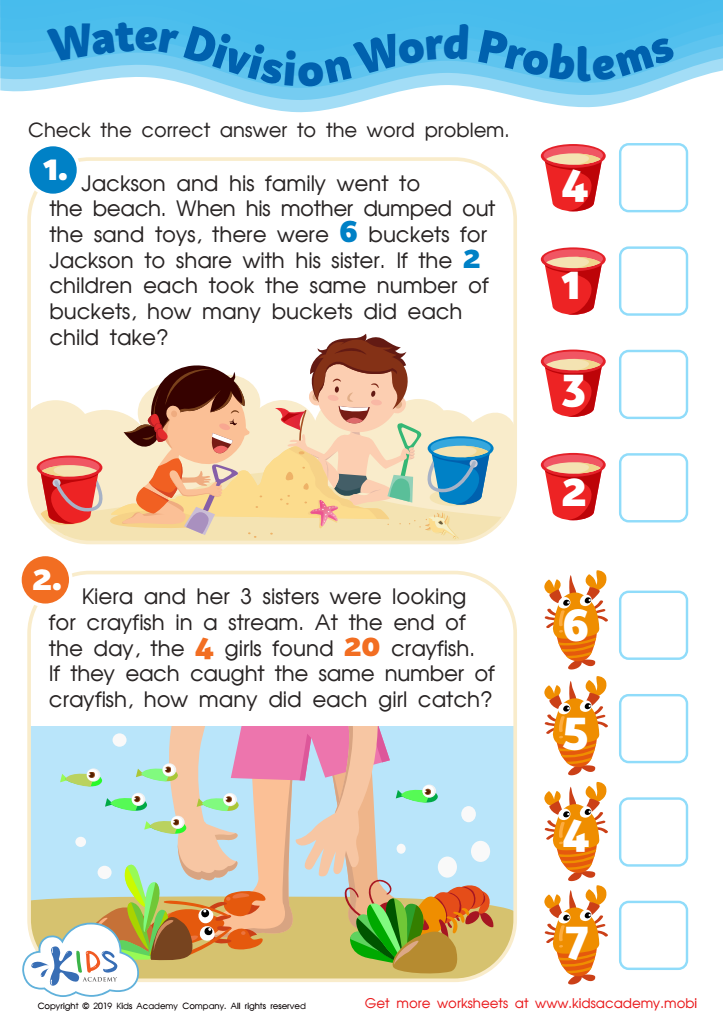
Water Division Word Problems Worksheet
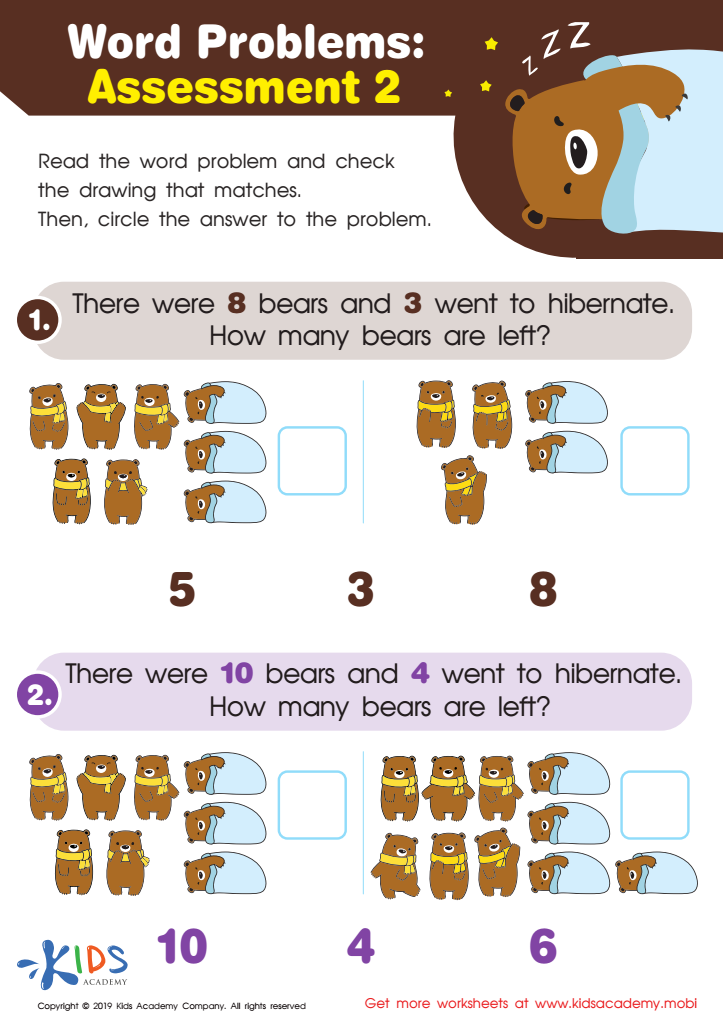
Word Problems: Assessment 2 Worksheet
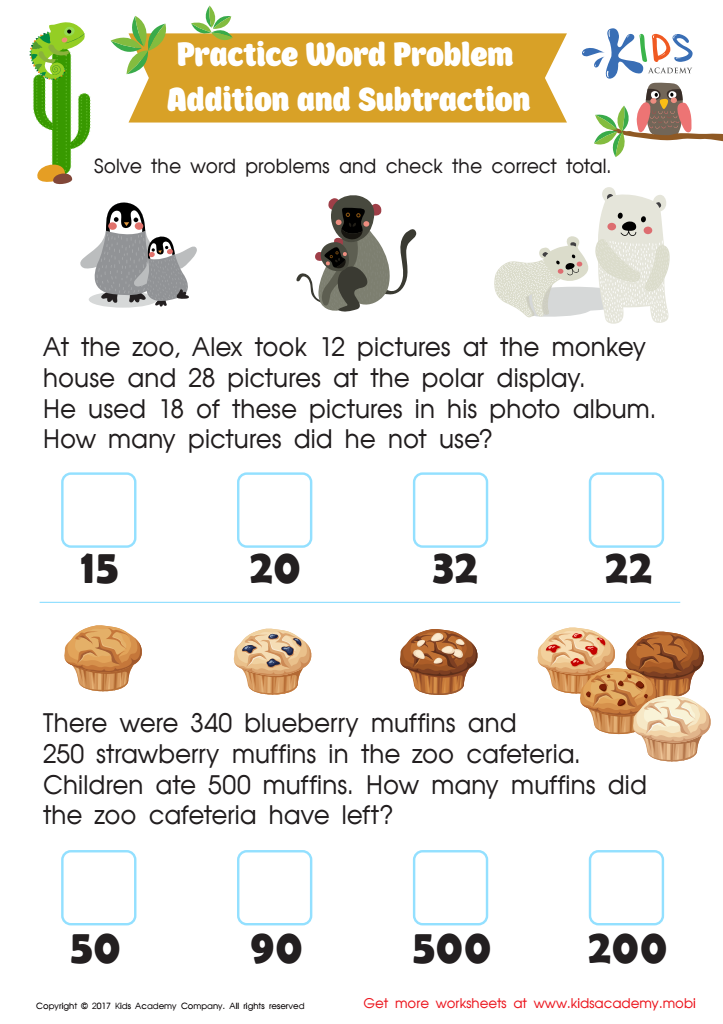
Addition and Subtraction: Word Problems Worksheet
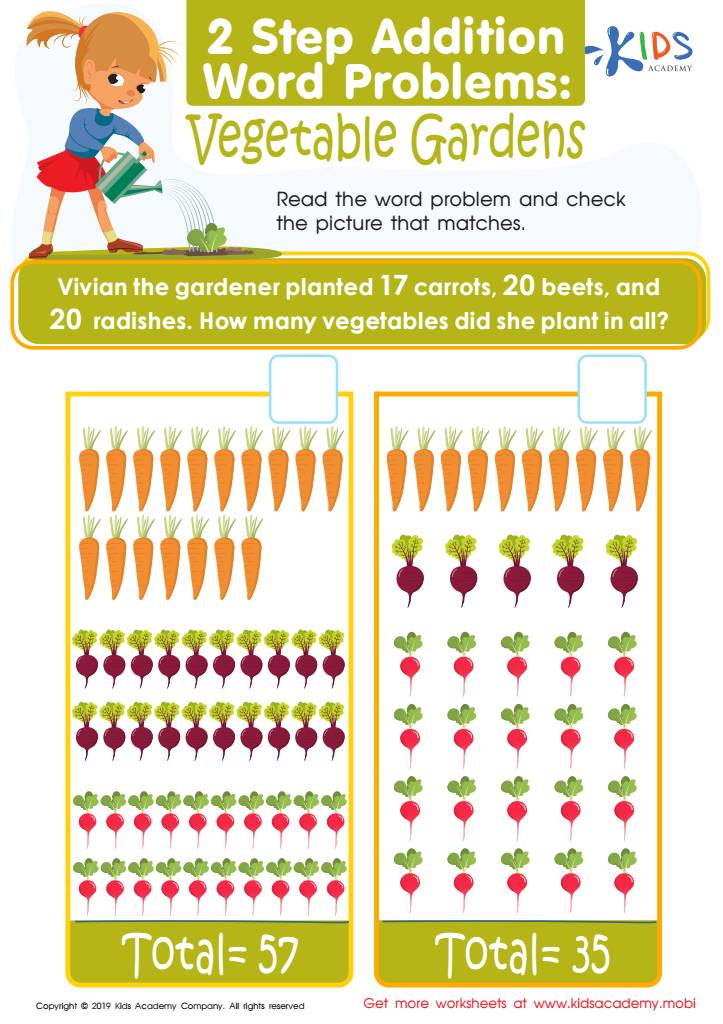
Vegetable Gardens Worksheet
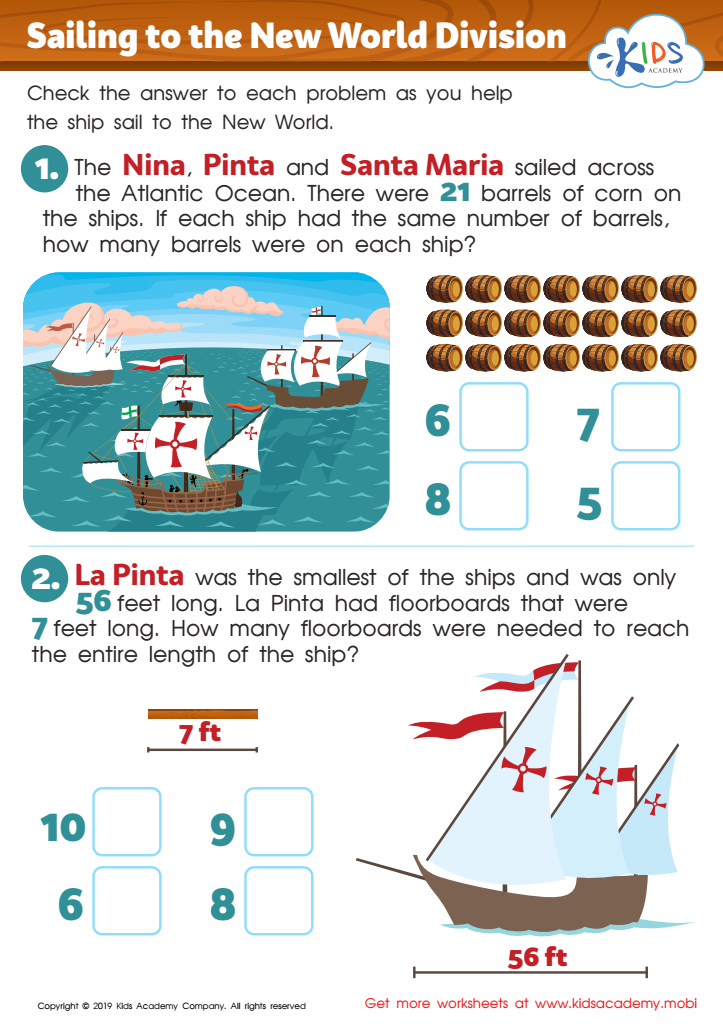
Sailing to the New World Division Worksheet
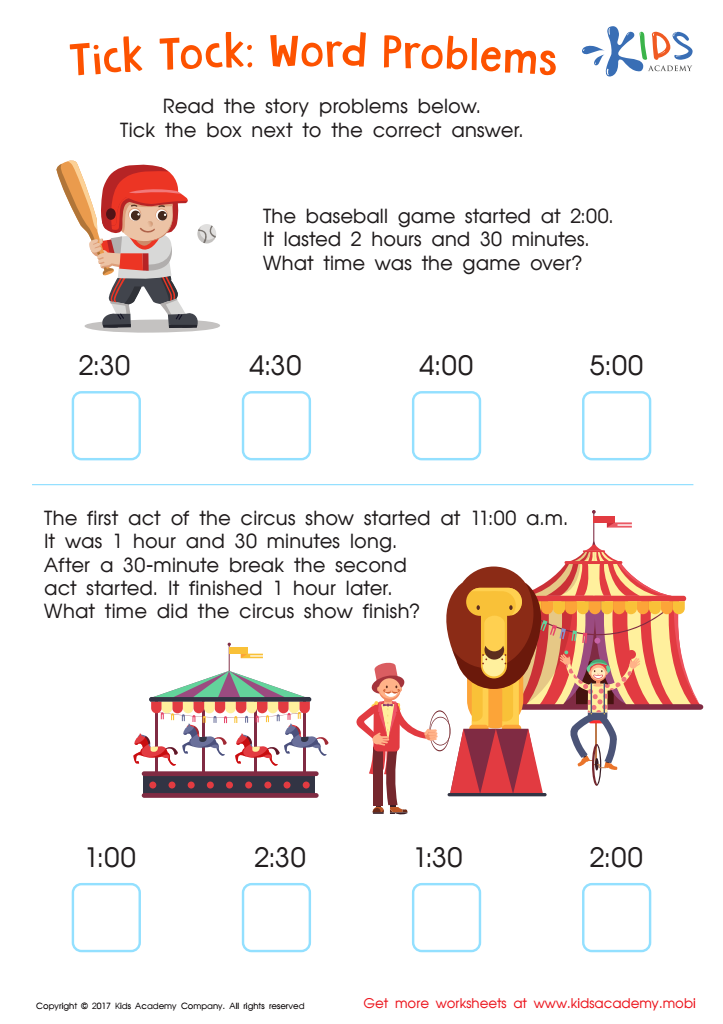
Tick Tock Word Problems Time Worksheet
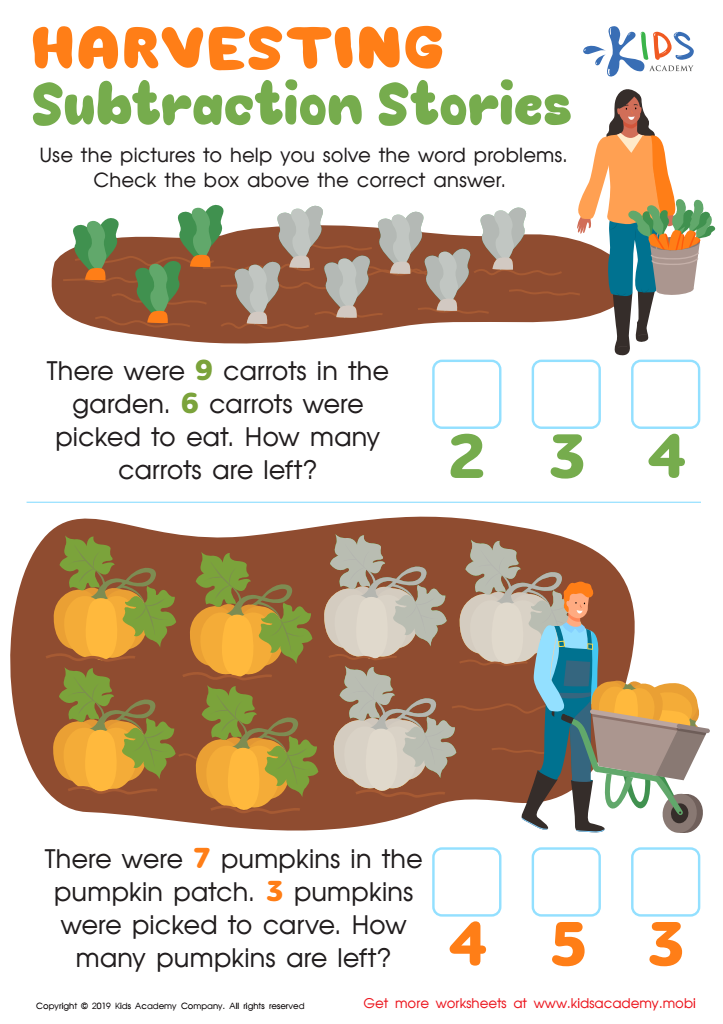
Harvesting Subtraction Stories Worksheet
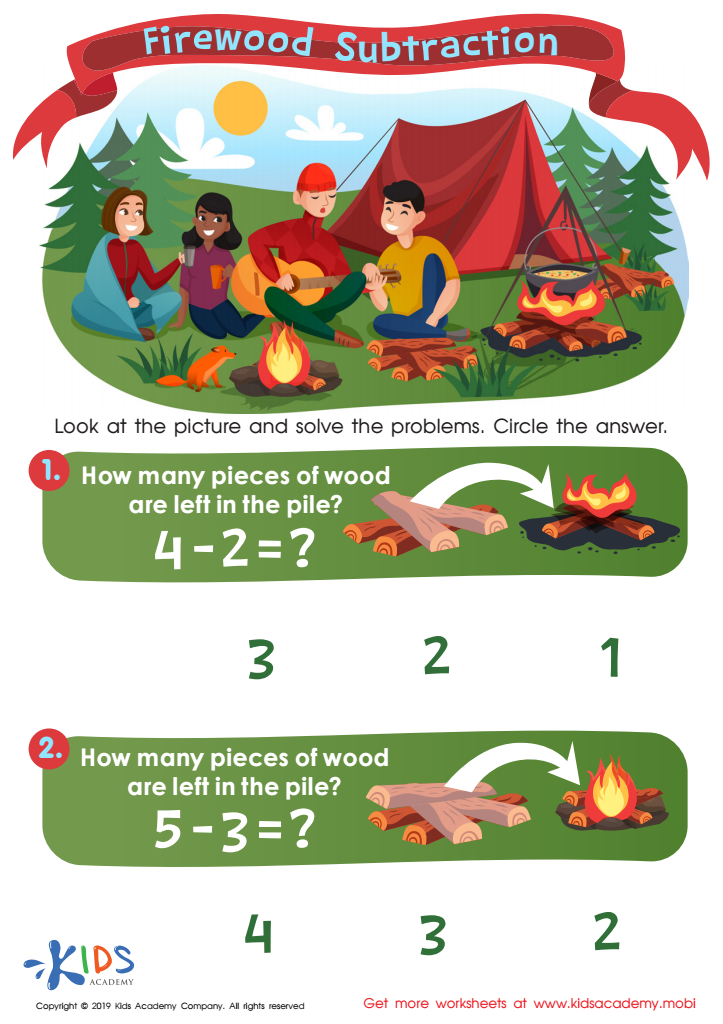
Firewood Subtraction Worksheet
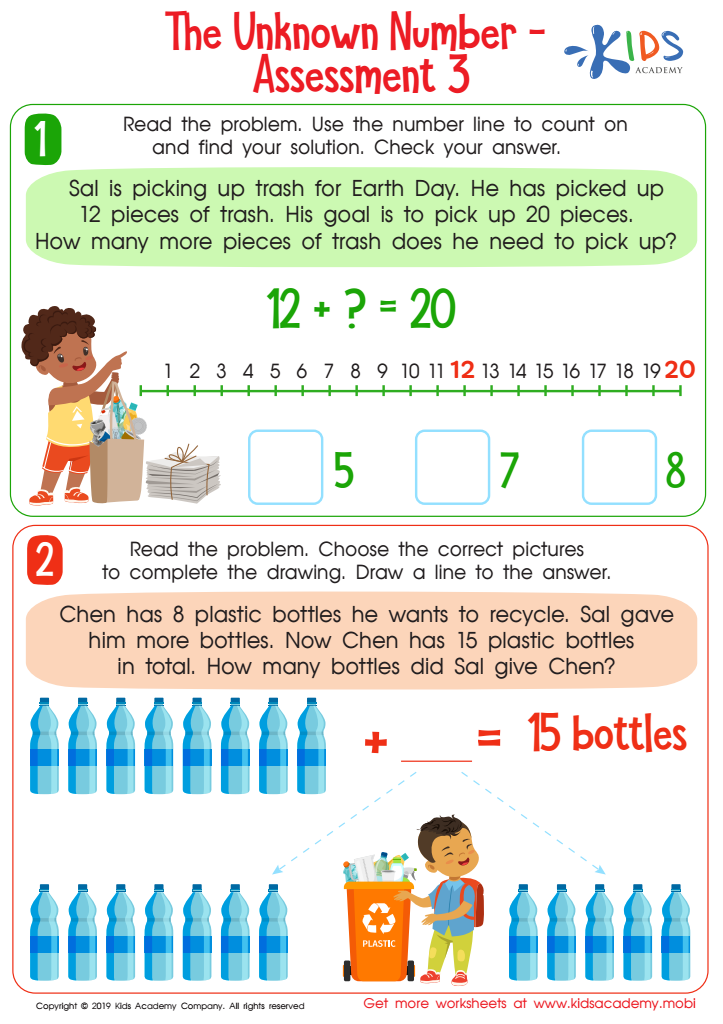
The Unknown Number - Assessment 3 Worksheet
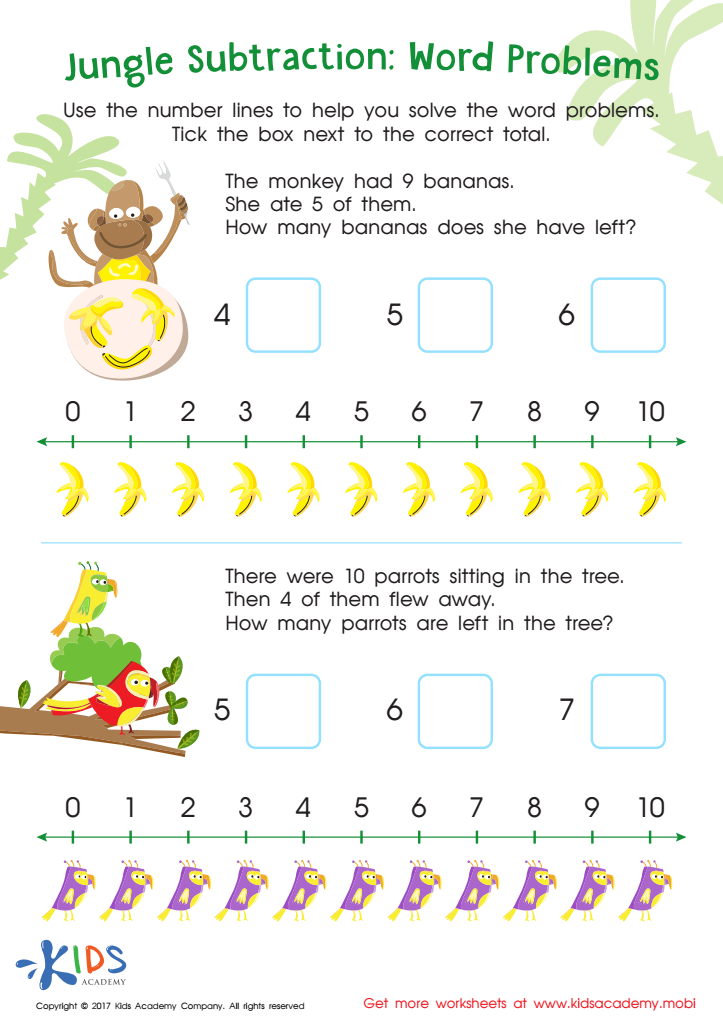
Jungle Subtraction Word Problems Substraction Worksheet
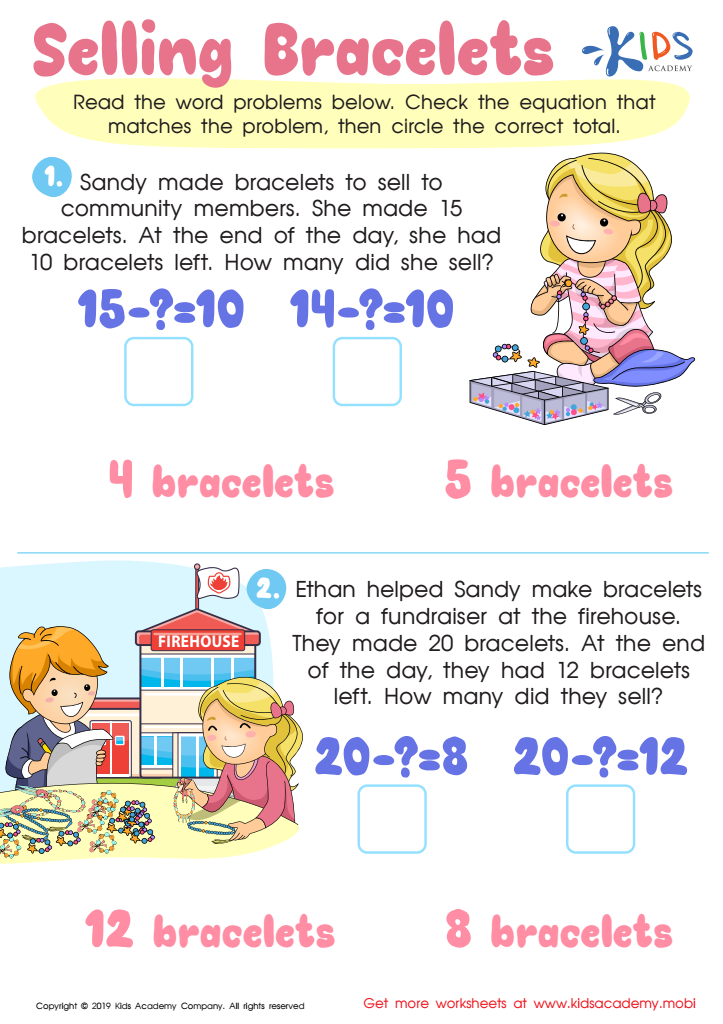
Selling the Bracelets Worksheet
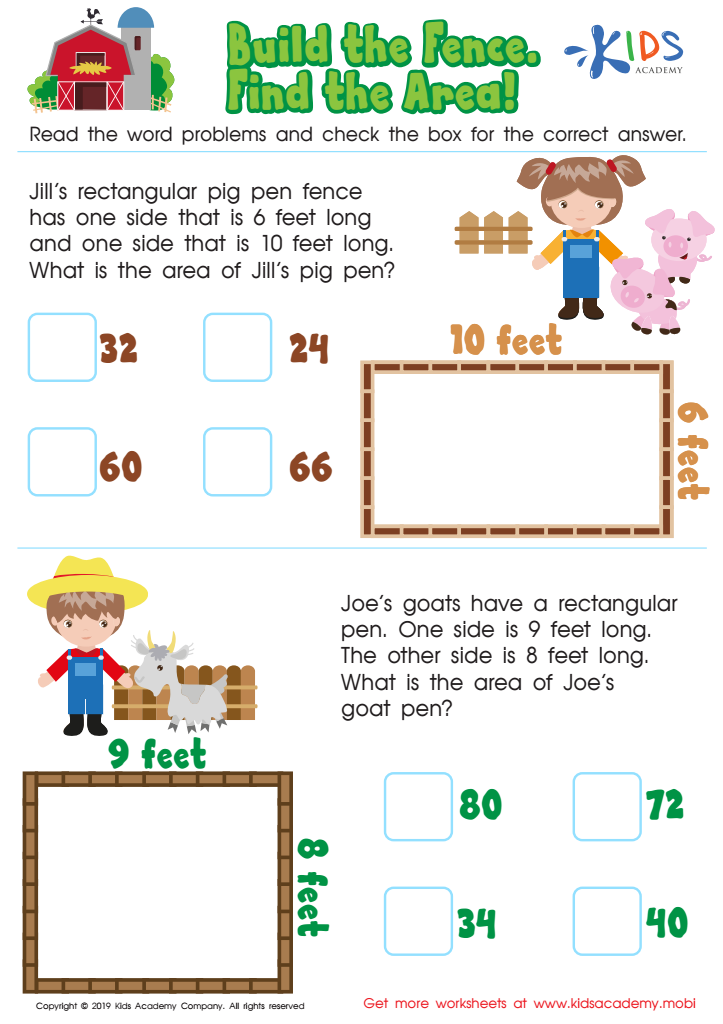
Build the Fence, Find the Area Worksheet








Problem-solving skills are foundational for cognitive development, making them essential for children ages 7-8. For parents and teachers, nurturing these skills through word problems has significant benefits. First, it enhances critical thinking; children learn to analyze situations, identify patterns, and come up with solutions. This kind of thinking extends beyond math class and into everyday decision-making and future challenges.
Second, tackling word problems helps improve reading comprehension. Children practice extracting relevant information, understanding context, and discerning what the problem is asking. This multifaceted approach harmonizes mathematical thinking with literacy skills, making learning more integrated and holistic.
Third, word problems teach persistence and resilience. Students understand that challenges can be complex and might require multiple attempts to solve. This can foster a growth mindset, where effort is appreciated, and mistakes are seen as learning opportunities.
Finally, problem-solving skills are highly valued in real-world contexts. The ability to think critically and solve problems is crucial in academic settings, in the workplace, and in daily life. By focusing on these skills early, parents and teachers prepare children not just for academic success, but for life's varied challenges and opportunities. Therefore, introducing and engaging children in problem-solving word problems provides a strong foundation for lifelong learning and success.








