Critical thinking skills Reading Comprehension Worksheets for Ages 7-8
5 filtered results
-
From - To
Enhance your child's reading understanding with our Critical Thinking Skills Reading Comprehension Worksheets tailored for ages 7-8. These engaging and educational worksheets are designed to nurture your child's critical thinking and comprehension through thoughtfully crafted questions and exercises centered around interesting narratives and informational texts. By encouraging kids to analyze, evaluate, and draw conclusions, these tools help them become better readers and thinkers. Perfect for classroom or at-home learning, our worksheets help young readers build a strong foundation in reading comprehension, paving the way for academic success. Download today and watch your child's reading prowess blossom!
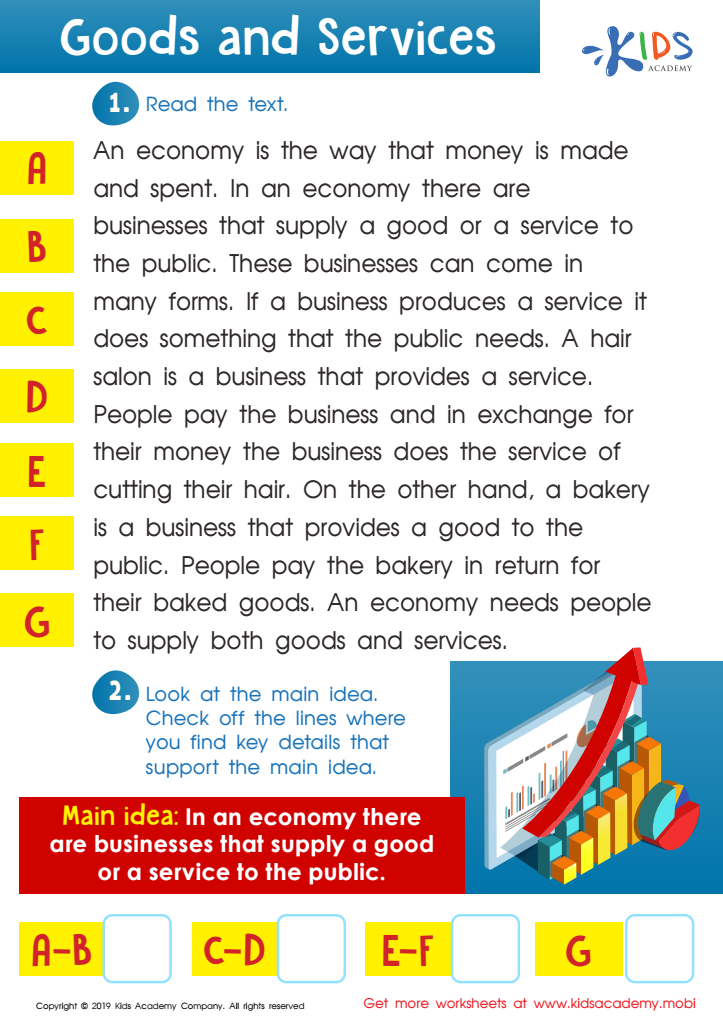
Goods and Services Worksheet
 Assign to My Students
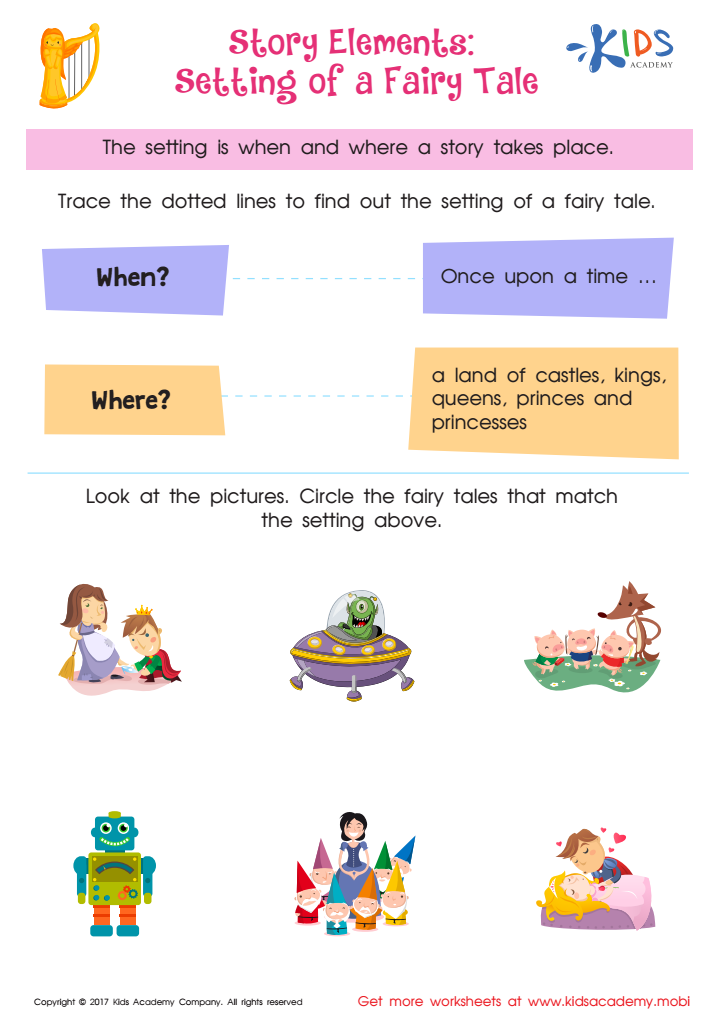
Story Elements: Setting of a Fairy Tale Printable
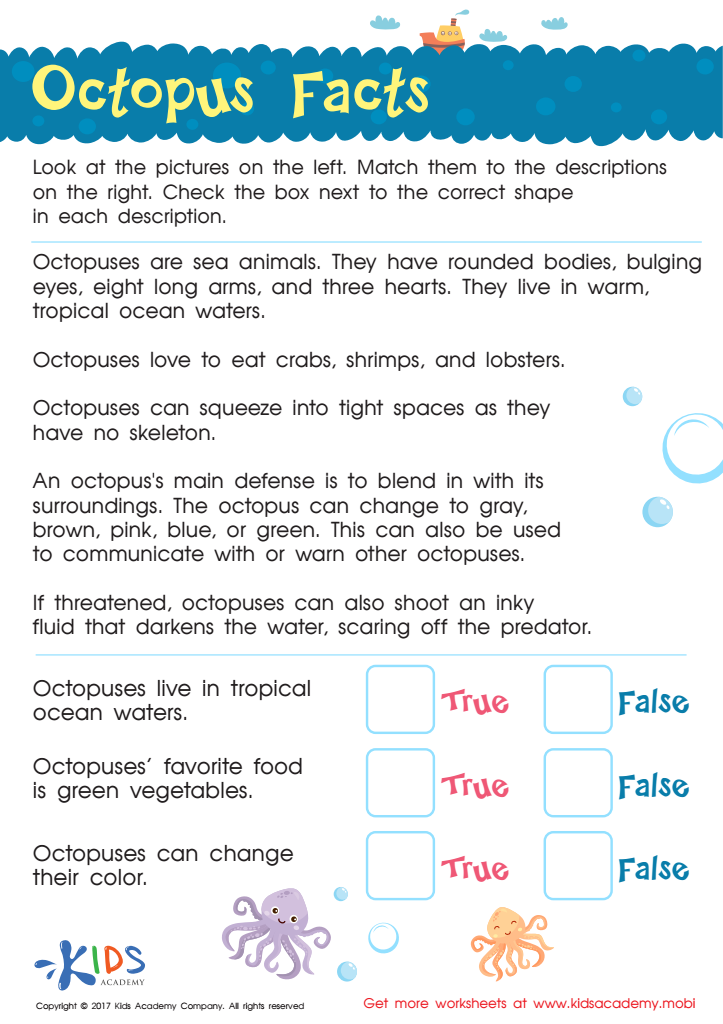
Octopus Facts Worksheet For Kids
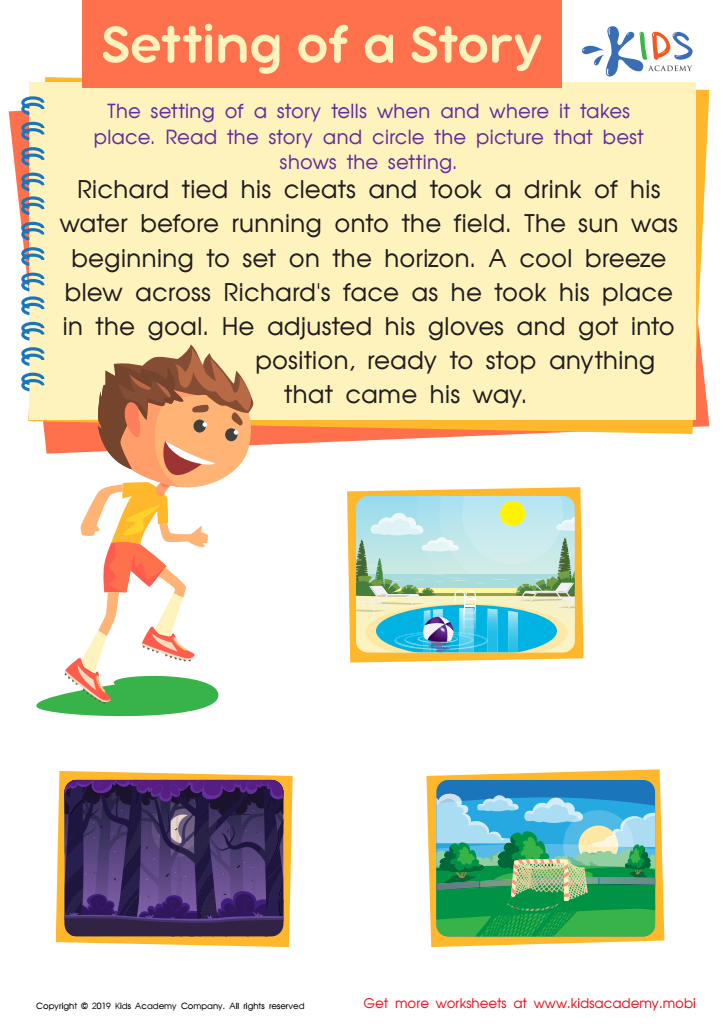
Setting of a Story Worksheet
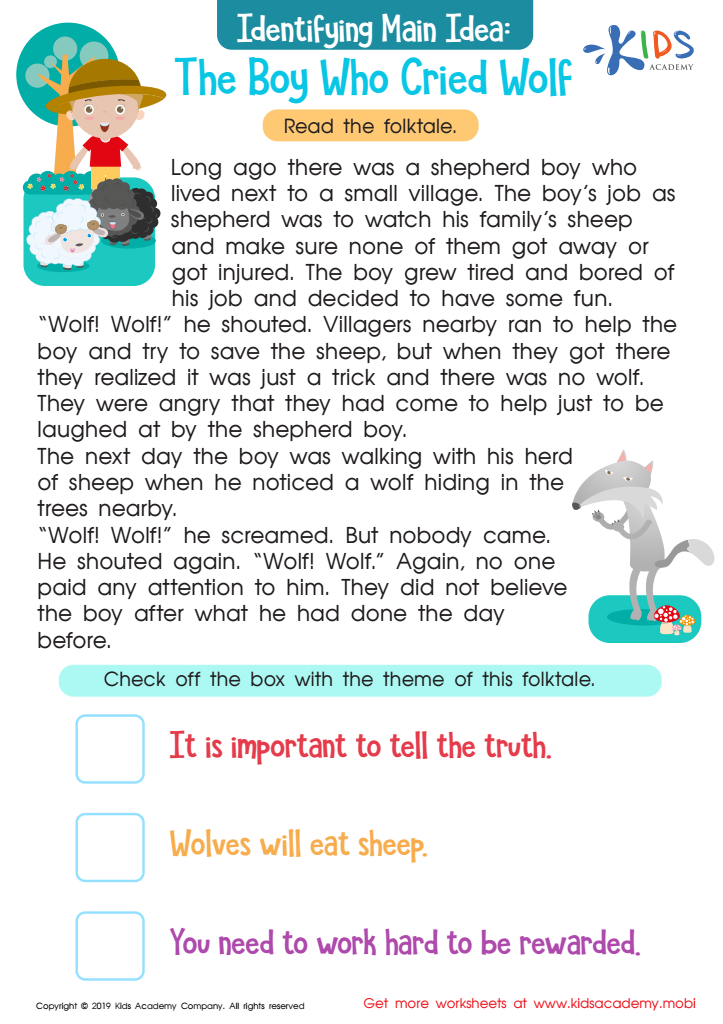
The Boy Who Cried Wolf Part 2 Worksheet








Critical thinking skills and reading comprehension in children ages 7-8 are foundational for their overall academic and personal development. At this age, children transition from learning to read to reading to learn—an important shift that underscores the significance of these skills.
Critical thinking involves analyzing information, making connections, and problem-solving. When children engage in critical thinking while reading, they don't just decode words; they understand and process the meaning behind the text. This not only enhances their ability to remember and recall information but also encourages deeper understanding. As children encounter various situations, critical thinking helps them apply learned knowledge in different contexts, fostering independent learning and decision-making.
Reading comprehension is equally crucial. It allows children to grasp the essence of what they read, enabling them to gain knowledge across various subjects. Comprehension skills help with vocabulary development and conceptual understanding, which are vital for successful communication. Moreover, these skills make reading an enjoyable activity, promoting a lifelong love for books and continuous learning.
In a rapidly evolving world, strong critical thinking and reading comprehension skills equip children to face future academic demands and everyday challenges. Encouraging these aptitudes in young learners ensures they grow as knowledgeable, thoughtful, and confident individuals. Parents and teachers play a pivotal role in nurturing these skills through reading activities, discussions, and thought-provoking questions.








