Cognitive Development Science Worksheets for Ages 7-8
12 filtered results
-
From - To
Discover our engaging Cognitive Development Science Worksheets for ages 7-8, designed to enhance critical thinking and problem-solving skills in young learners. These worksheets focus on various scientific concepts, encouraging children to explore and understand their world. Each printable activity promotes curiosity through fun, hands-on exercises that stimulate cognitive growth. Ideal for home or classroom use, our worksheets foster reasoning abilities, enhance comprehension, and challenge kids to think independently. Perfectly crafted to align with educational standards, these resources provide educators and parents with effective tools to support children's cognitive development while making learning enjoyable and interactive. Unlock your child's potential today!
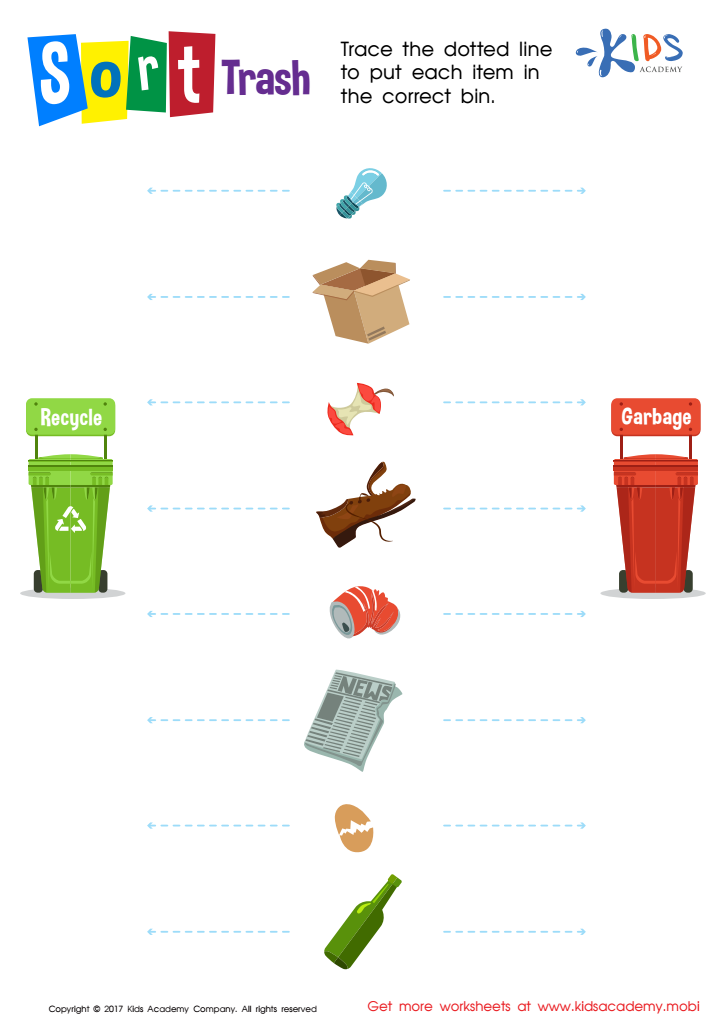
Trash Sorting Worksheet
 Assign to My Students
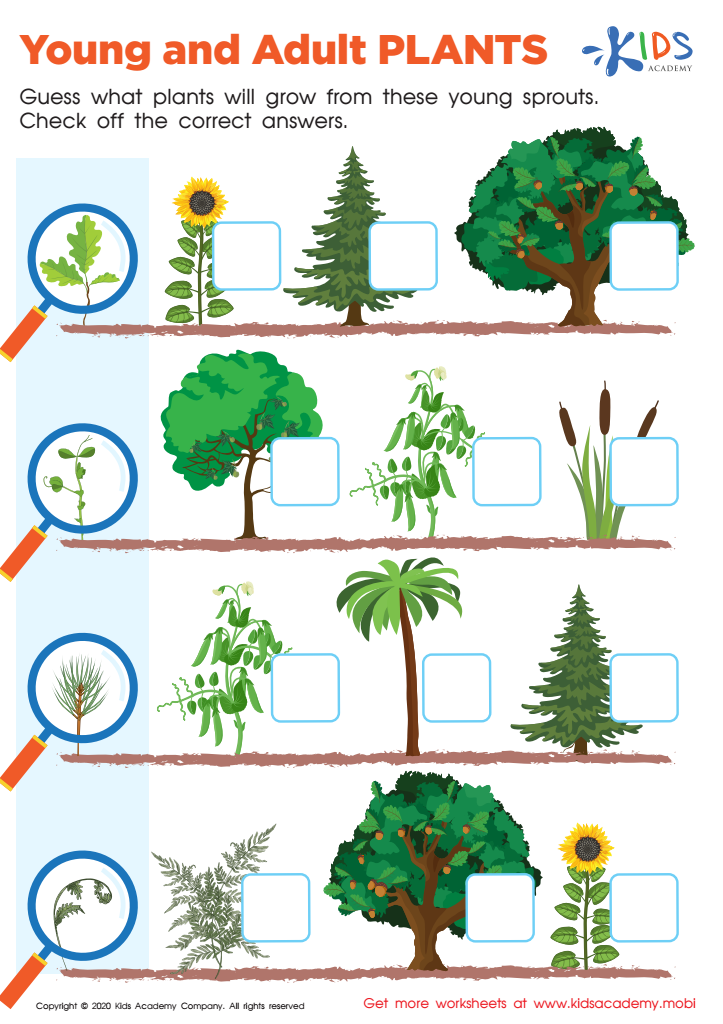
Young and Adult Plants Worksheet
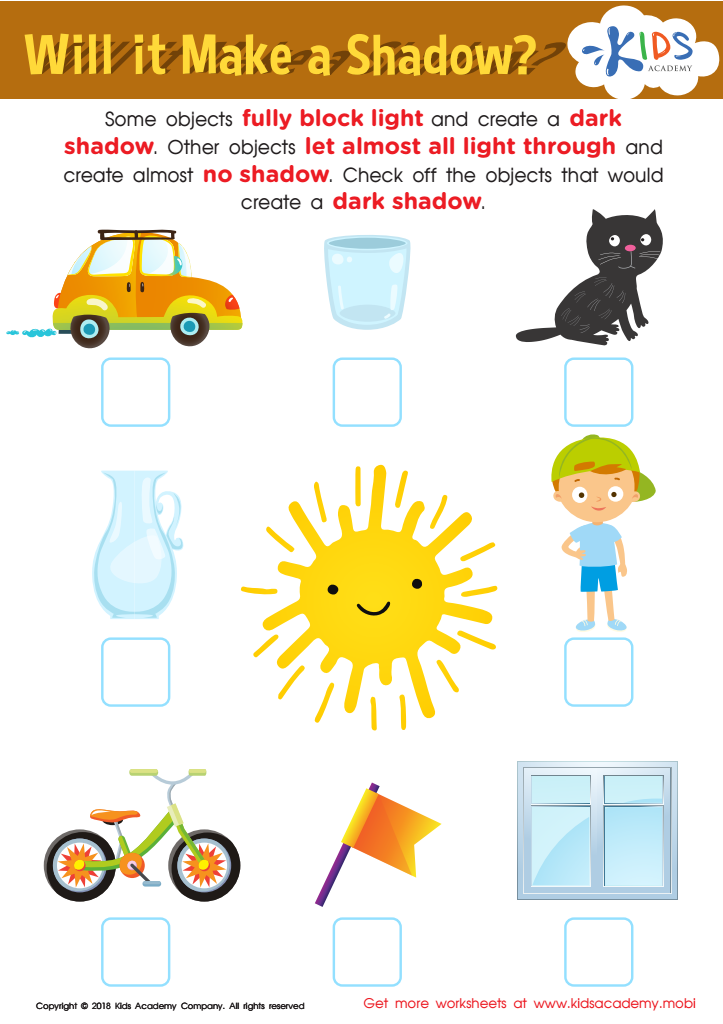
Will It Make a Shadow? Worksheet
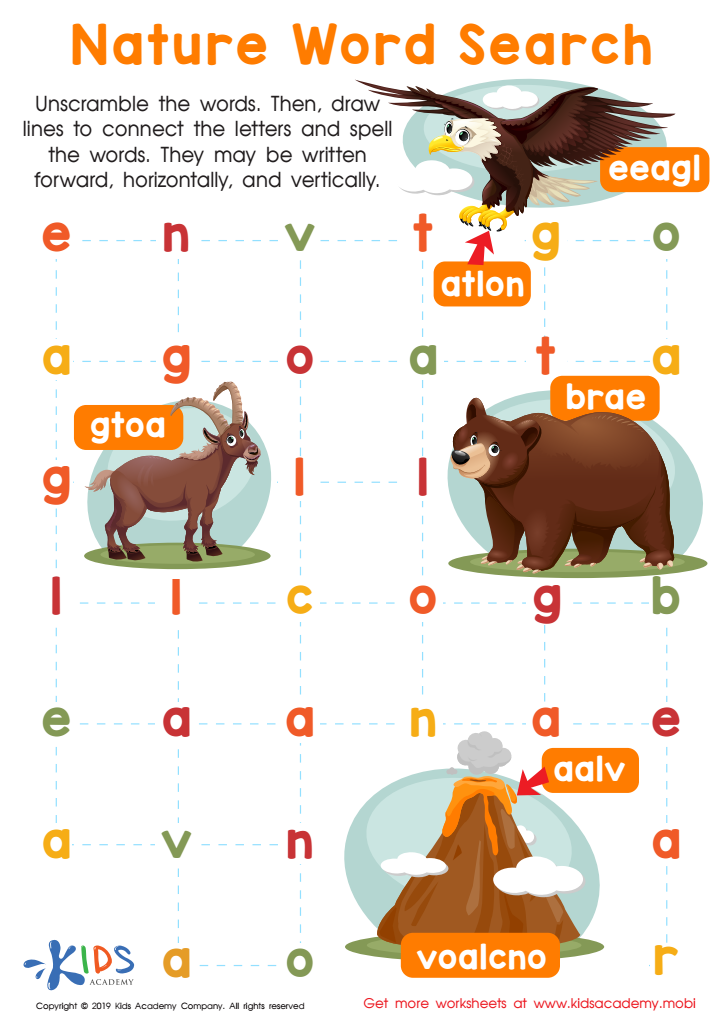
Nature Word Search Worksheet
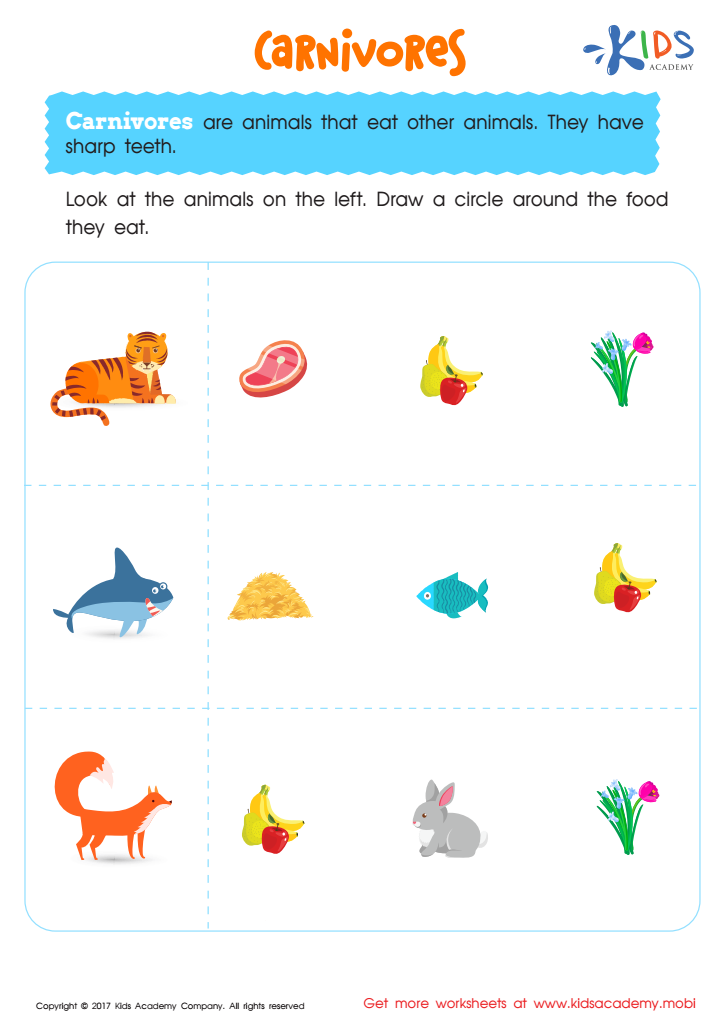
Carnivores Worksheet
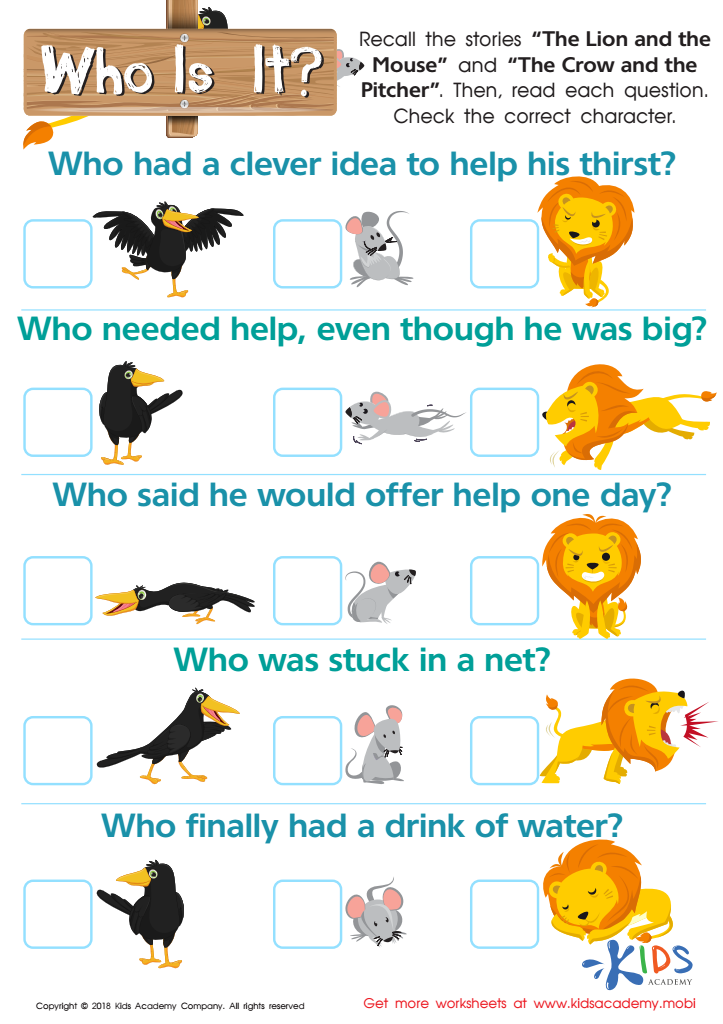
Who Is It? Worksheet

Light Sources and Shadows Worksheet
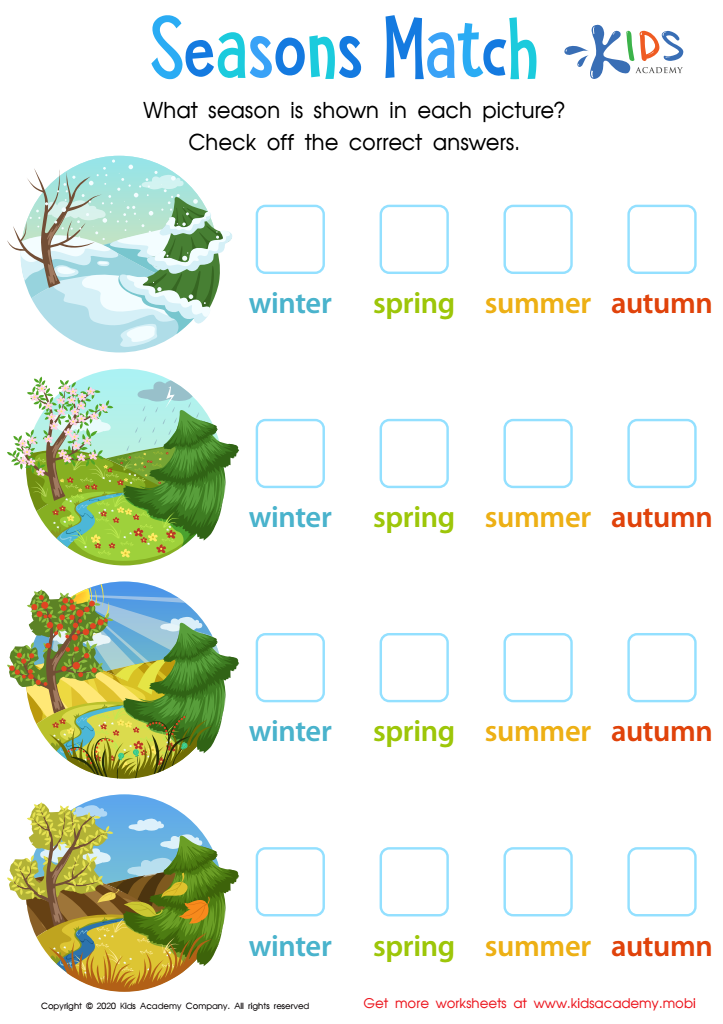
Seasons Match Worksheet
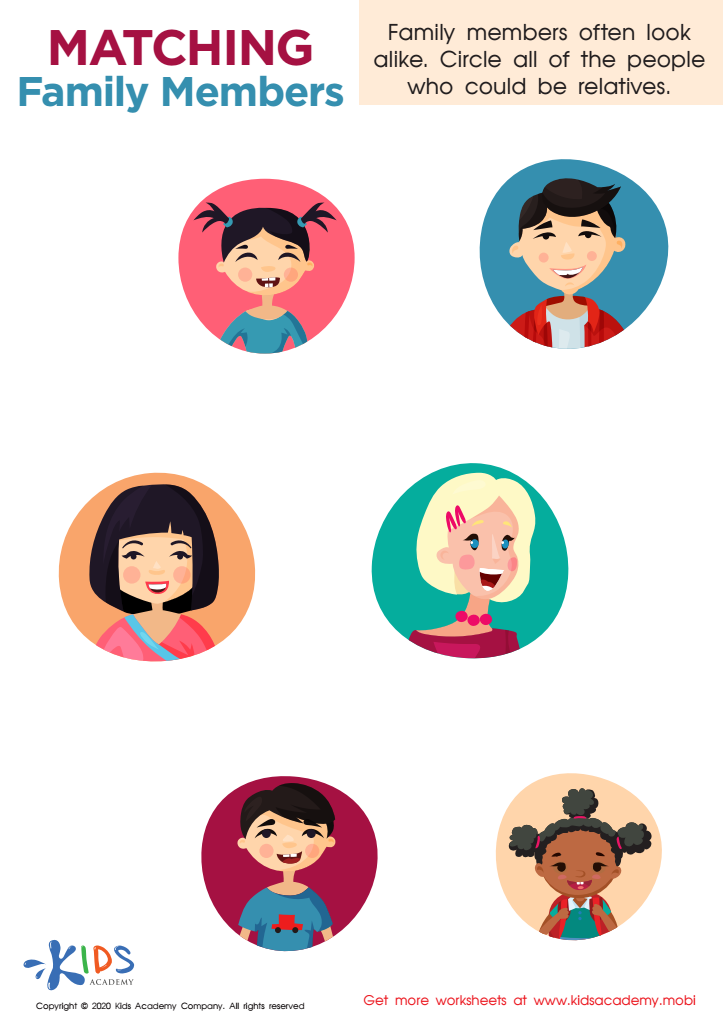
Matching Family Members Worksheet

Arctic Animals Worksheet
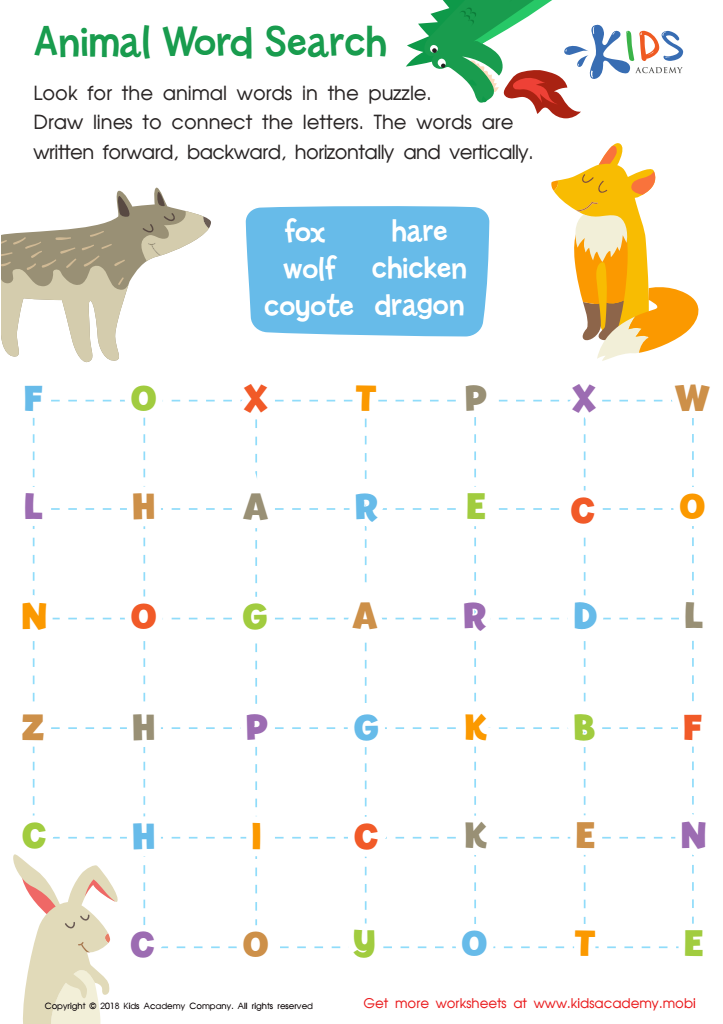
Animal Word Search Worksheet
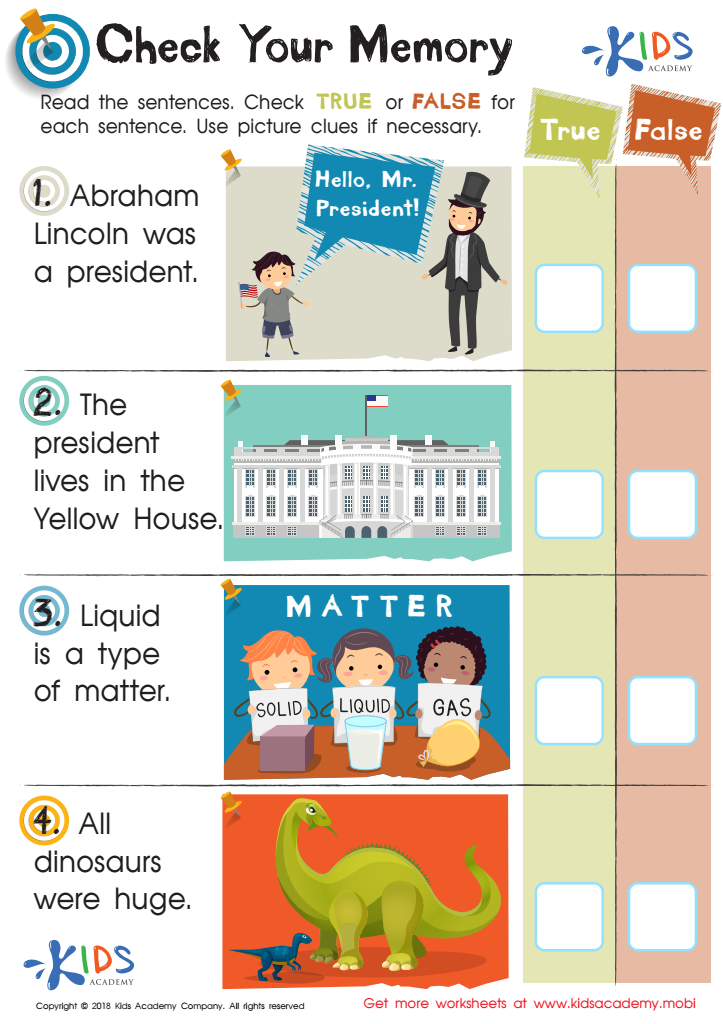
Check Memory Worksheet








Cognitive Development Science for ages 7-8 is crucial for parents and teachers because this stage plays a pivotal role in shaping a child's thinking and learning abilities. During these years, children experience significant growth in critical thinking, problem-solving, and understanding abstract concepts. They begin to think more logically and develop the ability to comprehend complex ideas, making this an ideal time for educators and parents to introduce enriching, stimulating activities.
Understanding the principles of cognitive development can help adults create an environment that promotes curiosity and motivation. This is the age when children heavily rely on social interactions; thus, fostering cooperation, empathy, and communication is essential. When parents and teachers are attuned to cognitive development milestones, they can tailor teaching methods to suit individual learners' needs, enhancing academic performance and self-esteem.
Moreover, recognizing signs of challenges, such as learning disabilities, allows for timely interventions. By engaging with Cognitive Development Science, adults can help children cultivate a strong foundation for lifelong learning, adaptability, and resilience. Ultimately, caring about these principles ensures that children are not just recipients of information but active, engaged thinkers capable of navigating the world around them successfully.







