Division practice Plants and Animals Worksheets for Ages 7-8
4 filtered results
-
From - To
Enhance your child’s division skills with our engaging “Division Practice Plants and Animals Worksheets” designed specifically for ages 7-8. These worksheets connect mathematical concepts with the fascinating world of plants and animals, providing a fun, interactive learning experience. Students will practice division through relatable themes, reinforcing both math and science knowledge. Our thoughtfully crafted activities are perfect for reinforcing classroom learning or as enjoyable home practice. Foster a love for math while exploring the wonders of nature! Download these worksheets for easy access and print them to guide your young learners on their path to mastering division effectively and enjoyably.
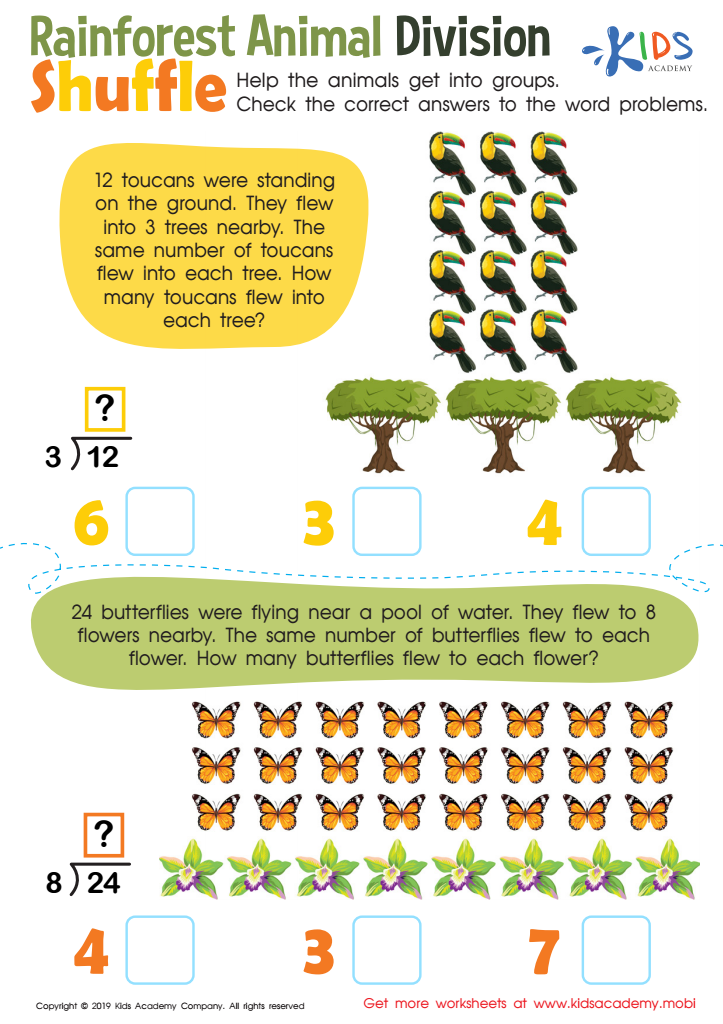
Rainforest Animal Division Worksheet
 Assign to My Students
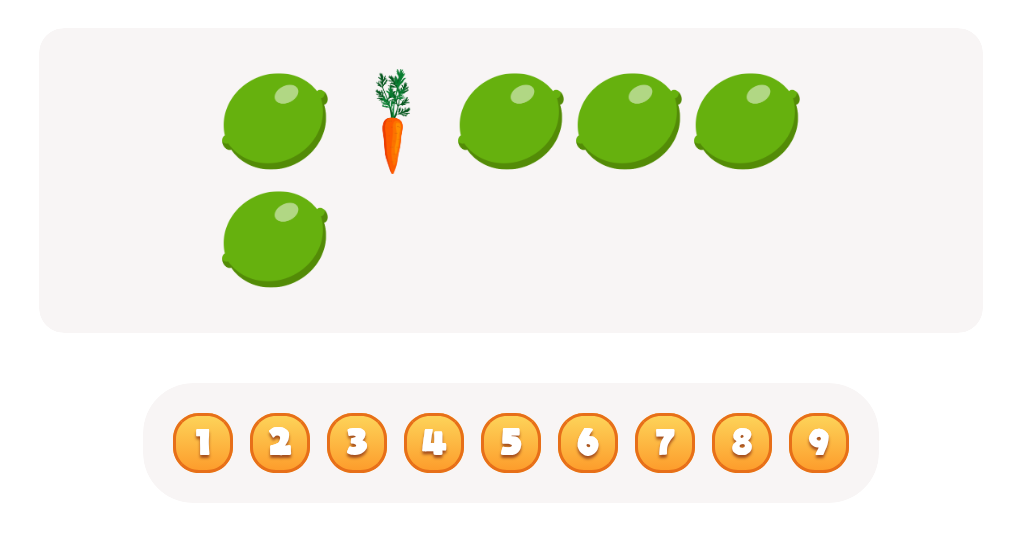

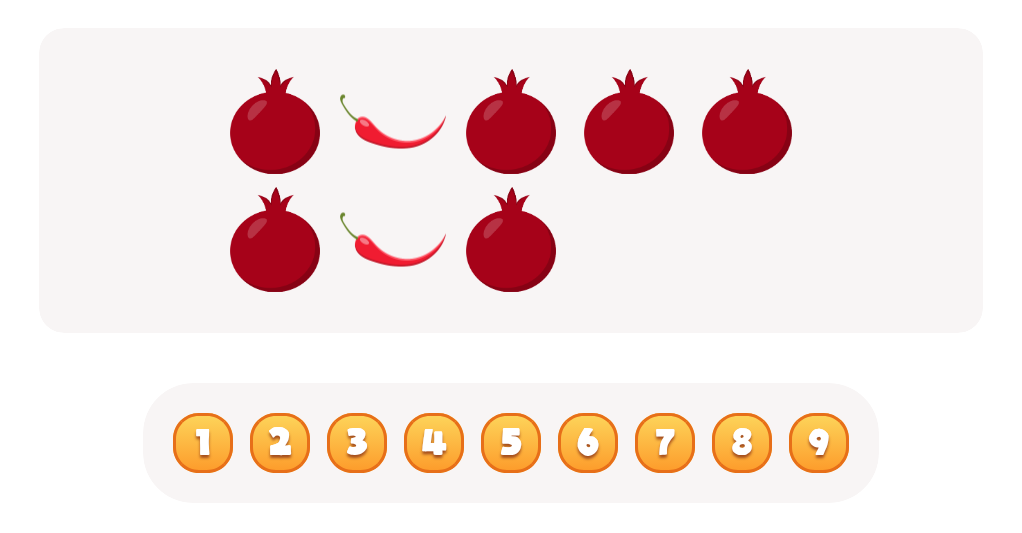
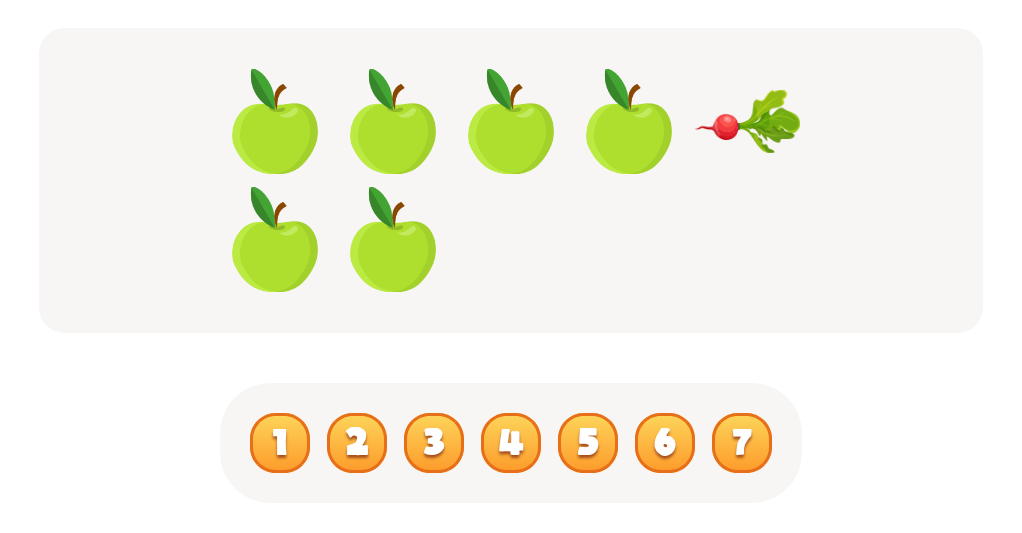
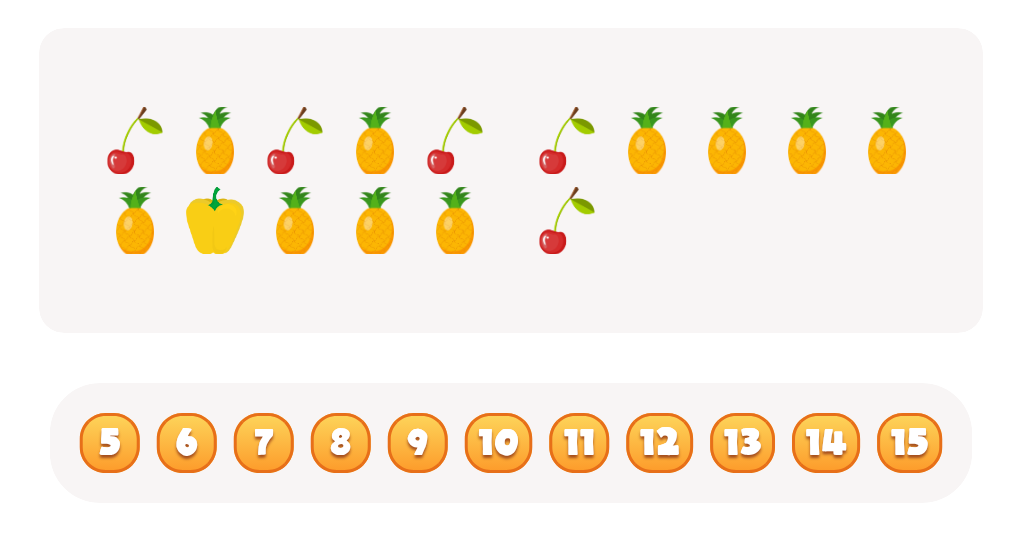
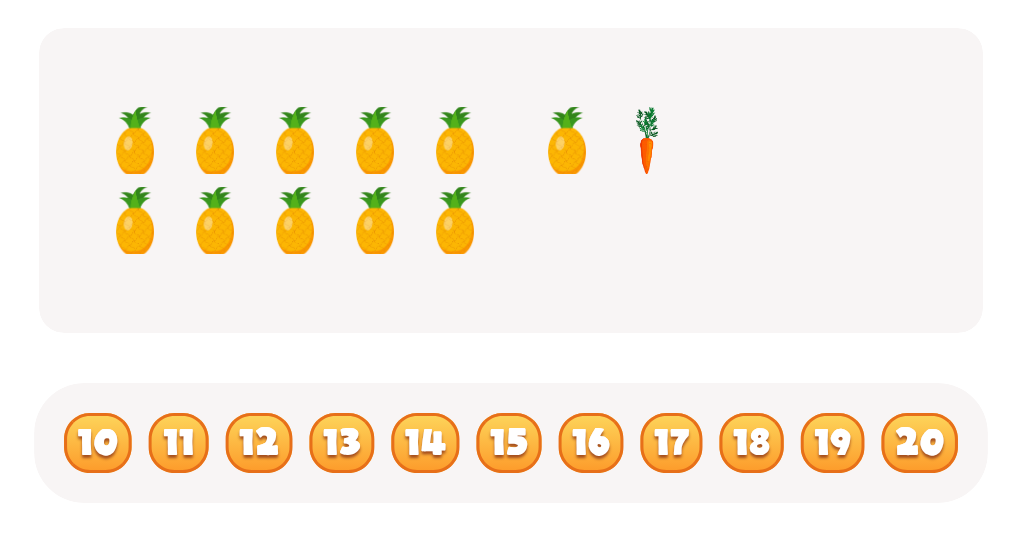
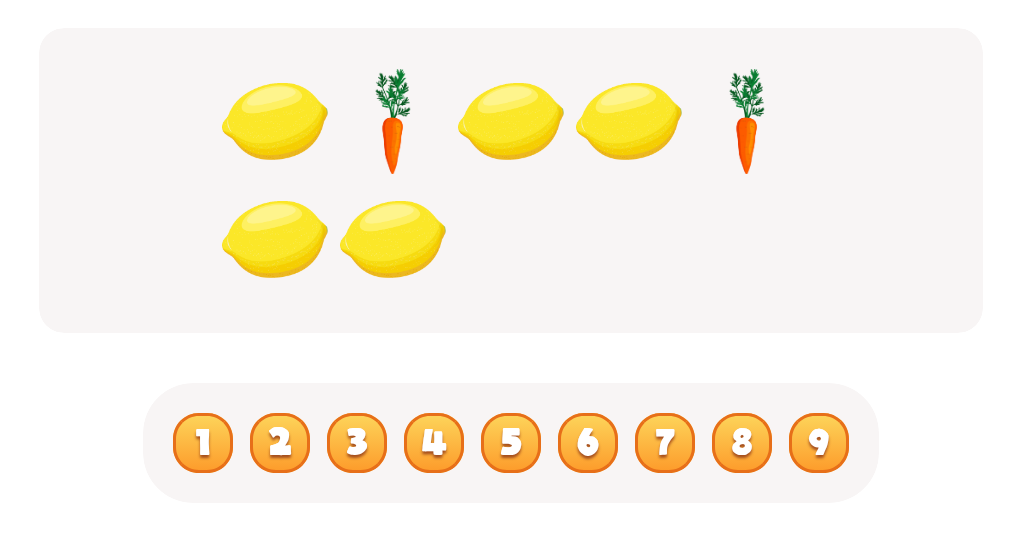
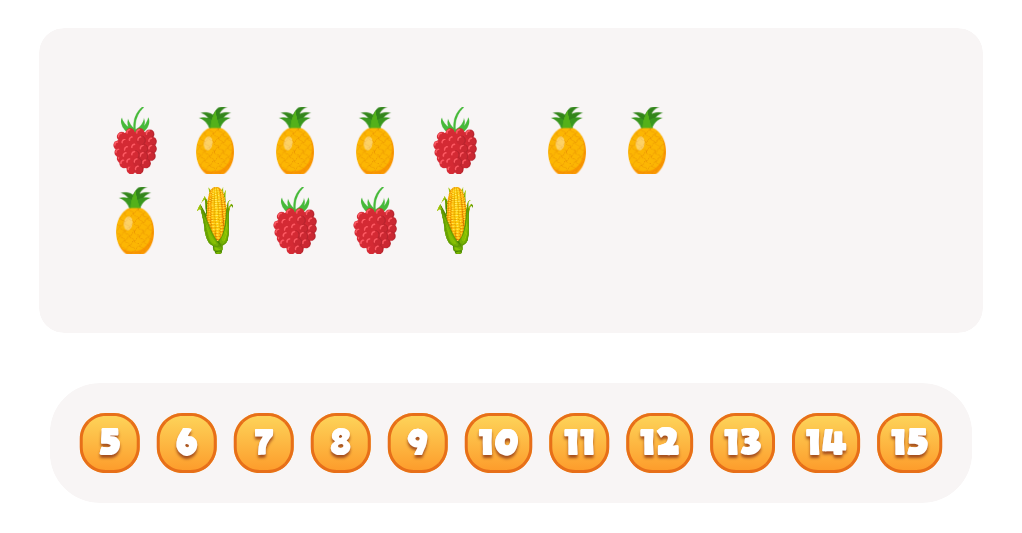
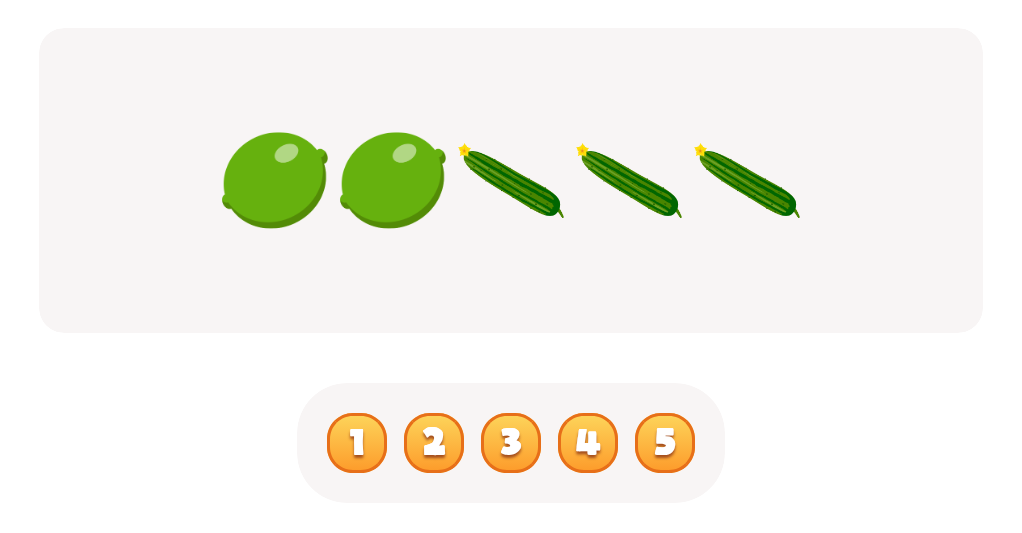
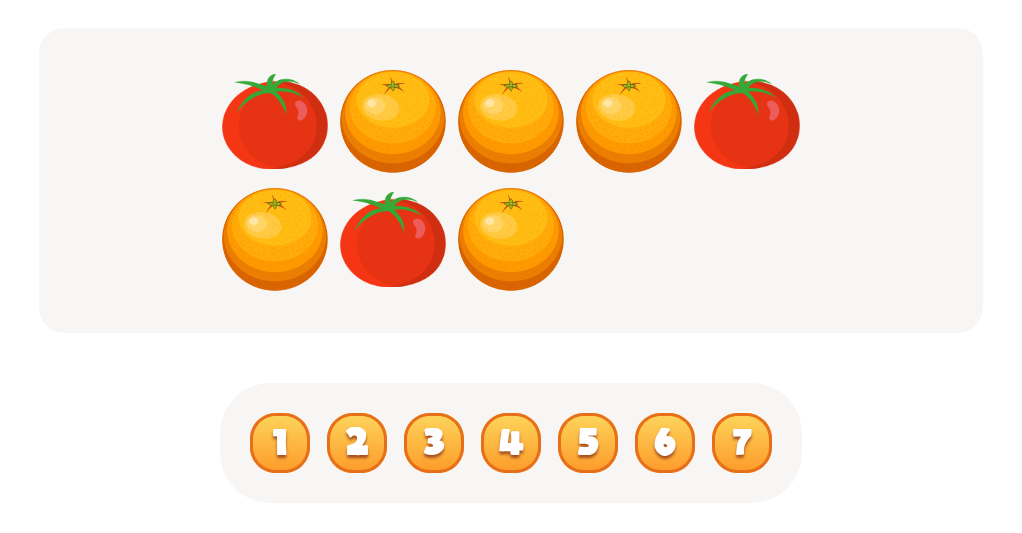
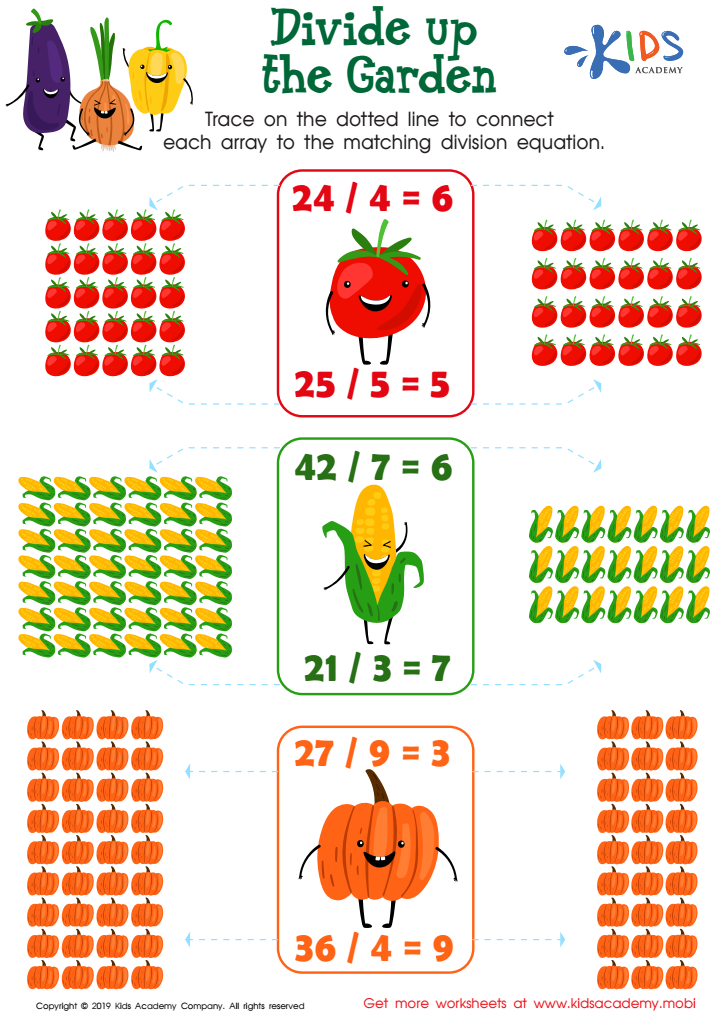
Divide up the Garden Worksheet
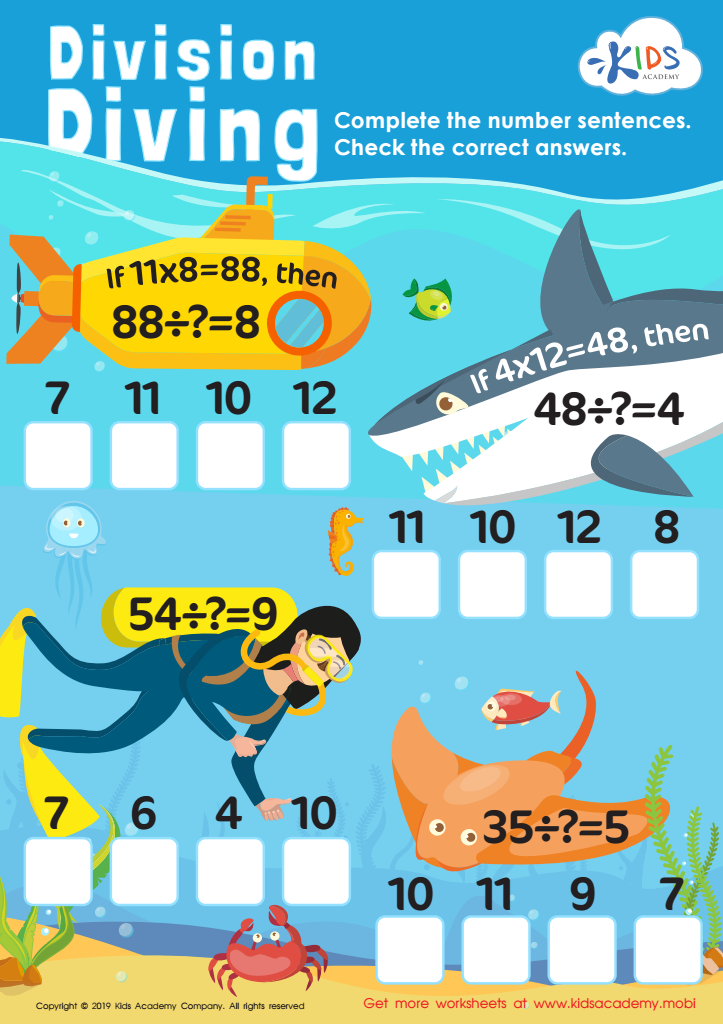
Division Diving Worksheet
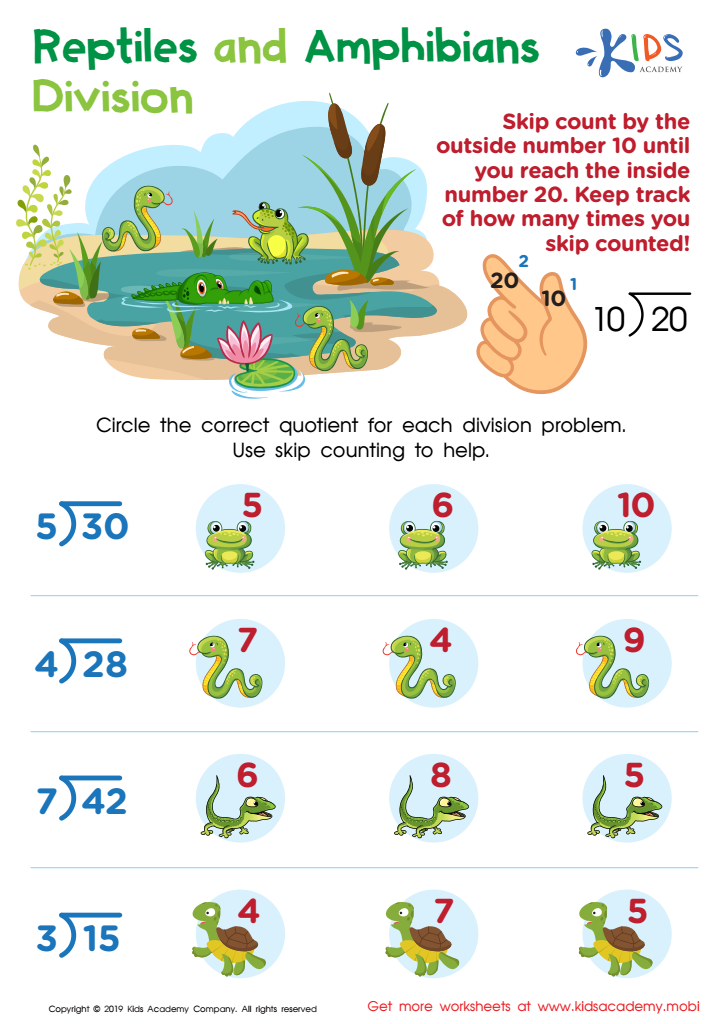
Reptile and Amphibians Division Worksheet







Division practice in the context of plants and animals is vital for children ages 7-8 because it combines essential math skills with engaging, real-world applications. At this age, children are developing critical thinking and problem-solving abilities. By incorporating division through relatable themes such as plants and animals, educators and parents can make abstract concepts more tangible and enjoyable, fostering a love for learning.
Understanding division, such as sharing plants among friends or distributing food for animals, requires students to grasp the concept of equal parts and grouping. This practice enhances their mathematical fluency while also encouraging them to connect math to their surroundings, deepening their understanding of ecosystems and interdependence among living things.
Moreover, introducing division through hands-on activities, like dividing seeds for planting projects or allocating resources in a class pet care scenario, can lead to profound engagement. This approach not only strengthens mathematical skills but also promotes collaboration, communication, and critical thinking. Ultimately, fostering this dual focus equips children with a solid foundation in both math and scientific literacy, preparing them for future learning while nurturing their curiosity about the natural world. Parents and teachers should prioritize this meaningful context to motivate children to excel academically and intellectually.