Handwriting practice English for Beginners Worksheets for Ages 7-9 - Page 2
43 filtered results
-
From - To
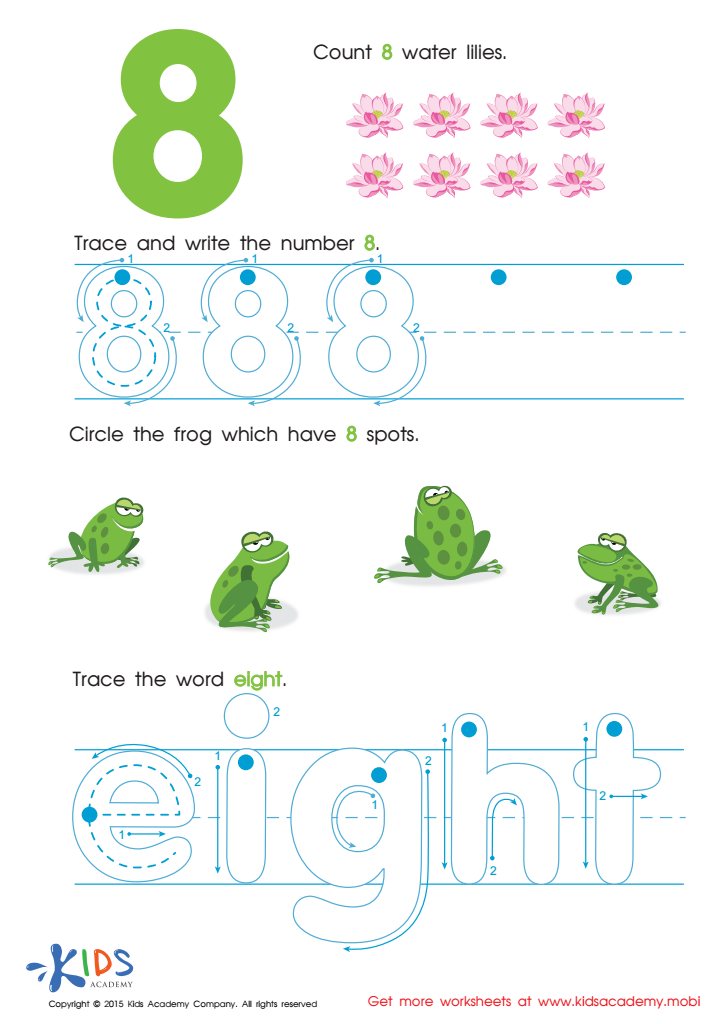
Learn Number 8 Easily Worksheet
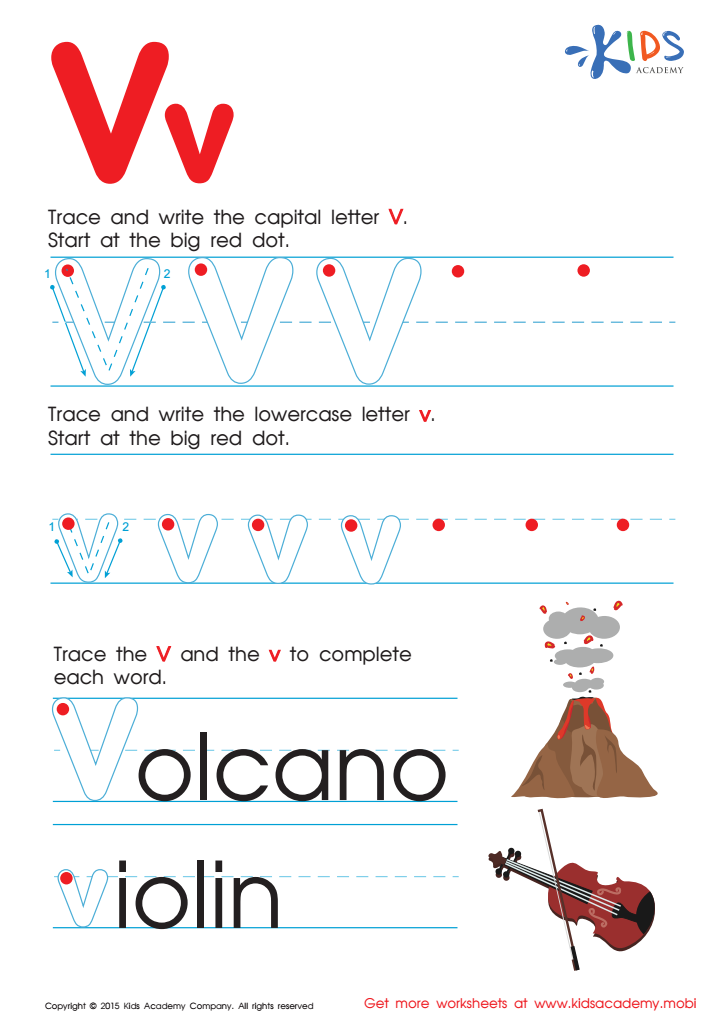
Letter V Tracing Page

Grey Tracing Color Words Worksheet
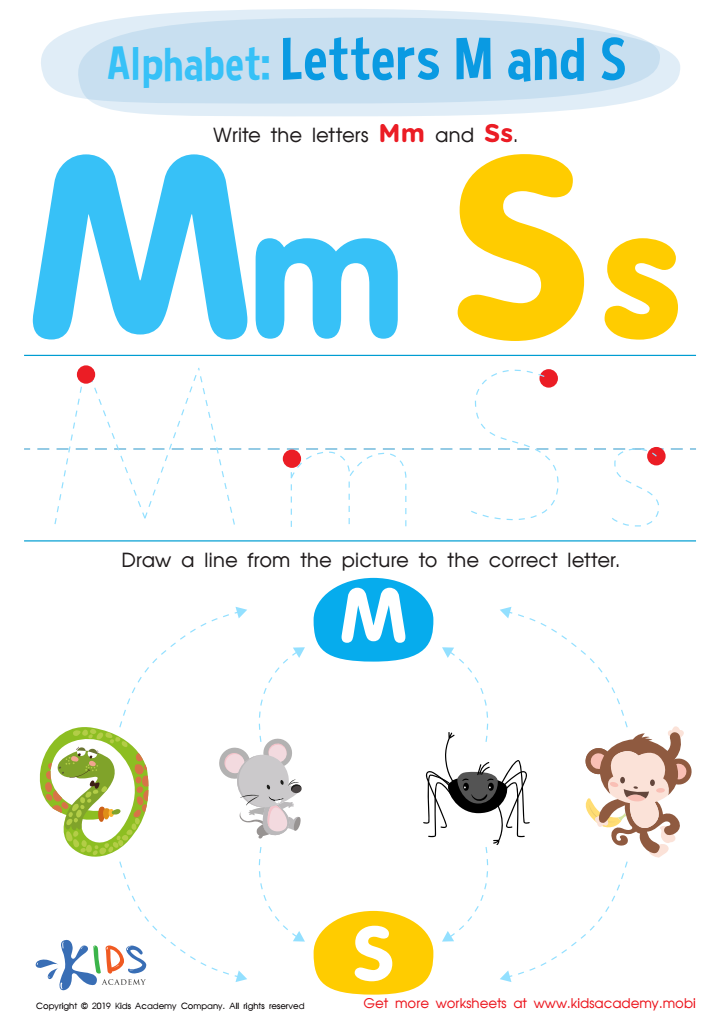
Letters M and S Tracing Worksheet
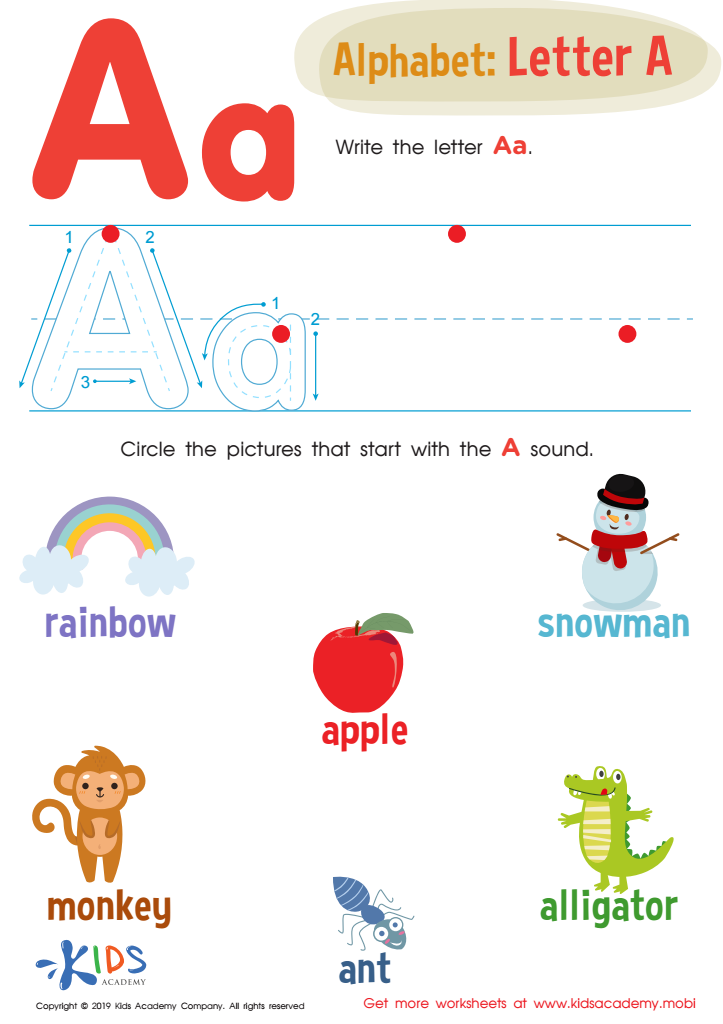
Letter A Tracing Worksheet
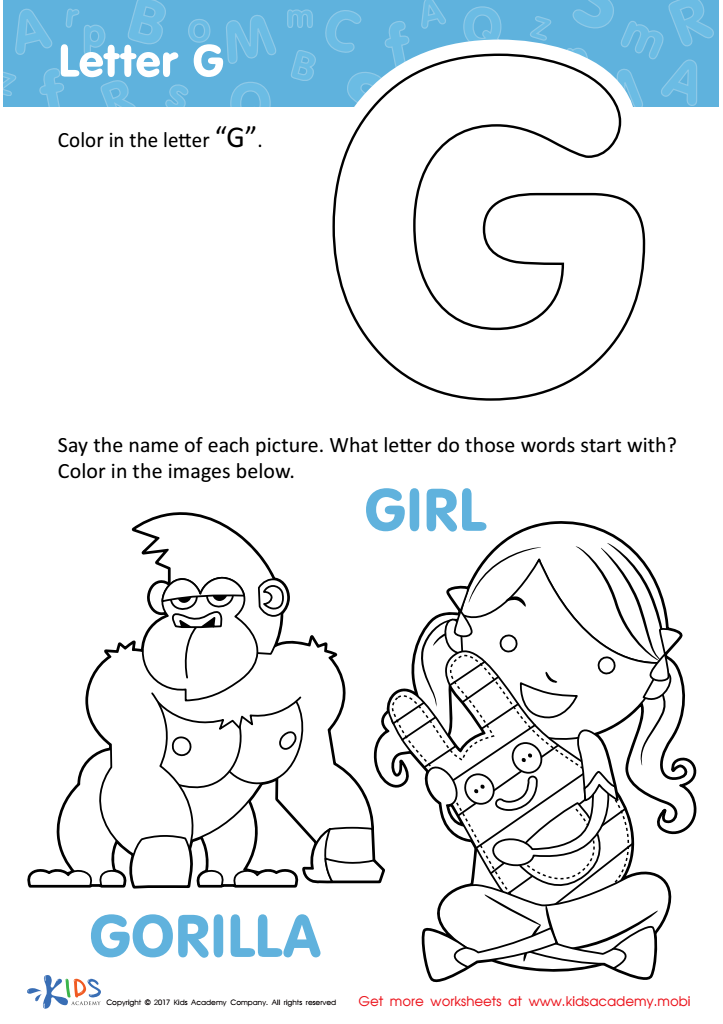
Letter G Coloring Sheet
 Assign to My Students
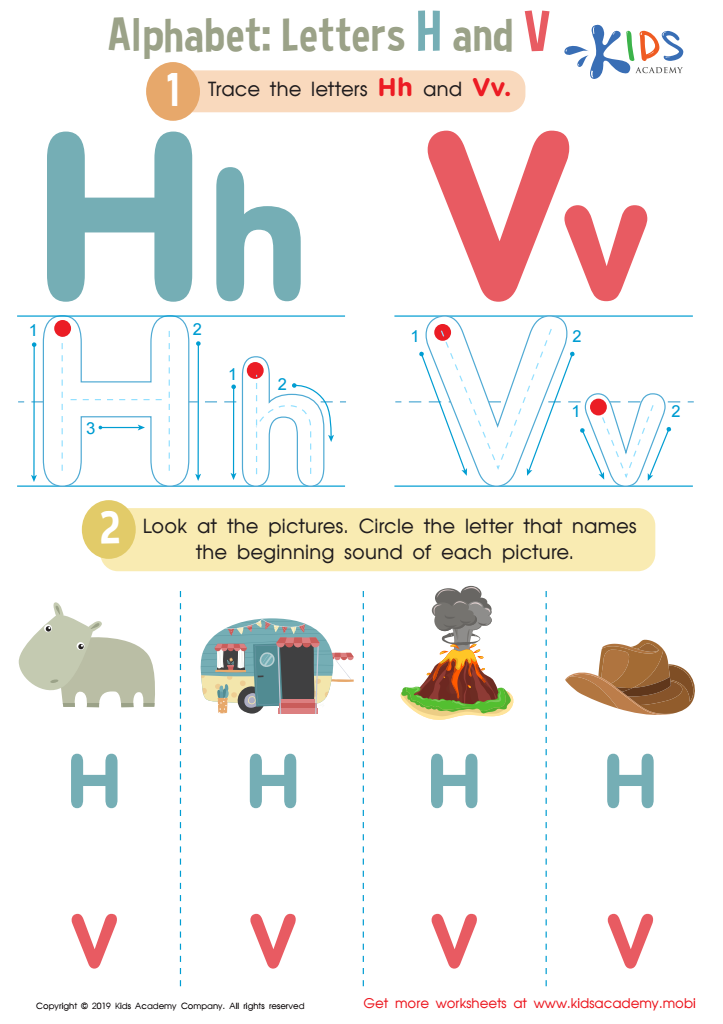
Letters H and V Tracing Worksheet
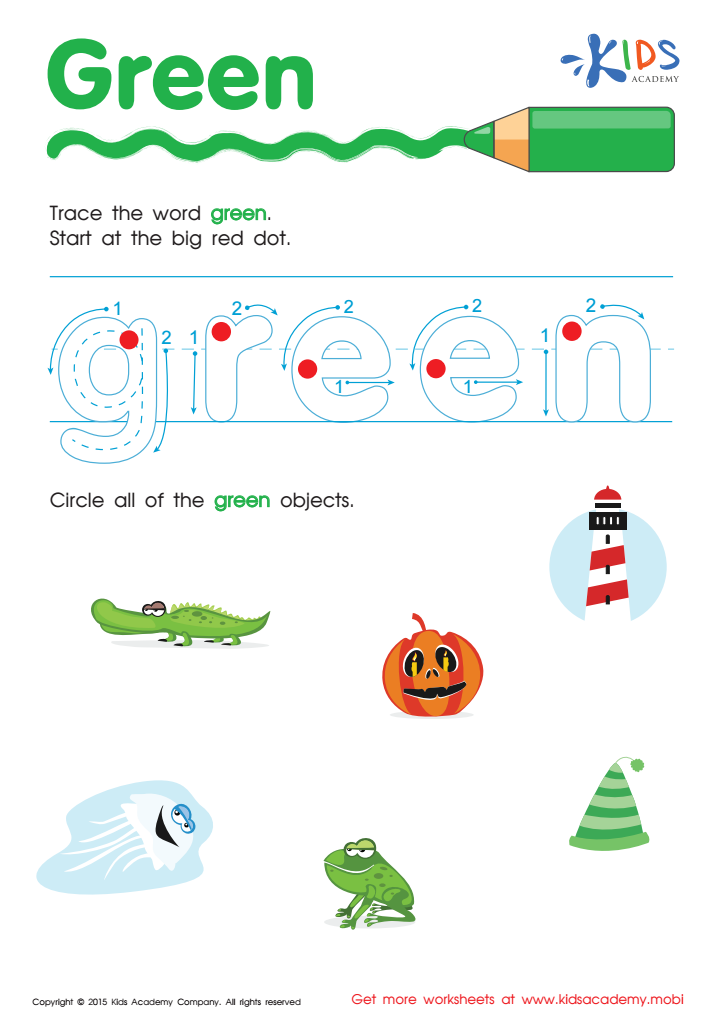
Green Tracing Color Words Worksheet
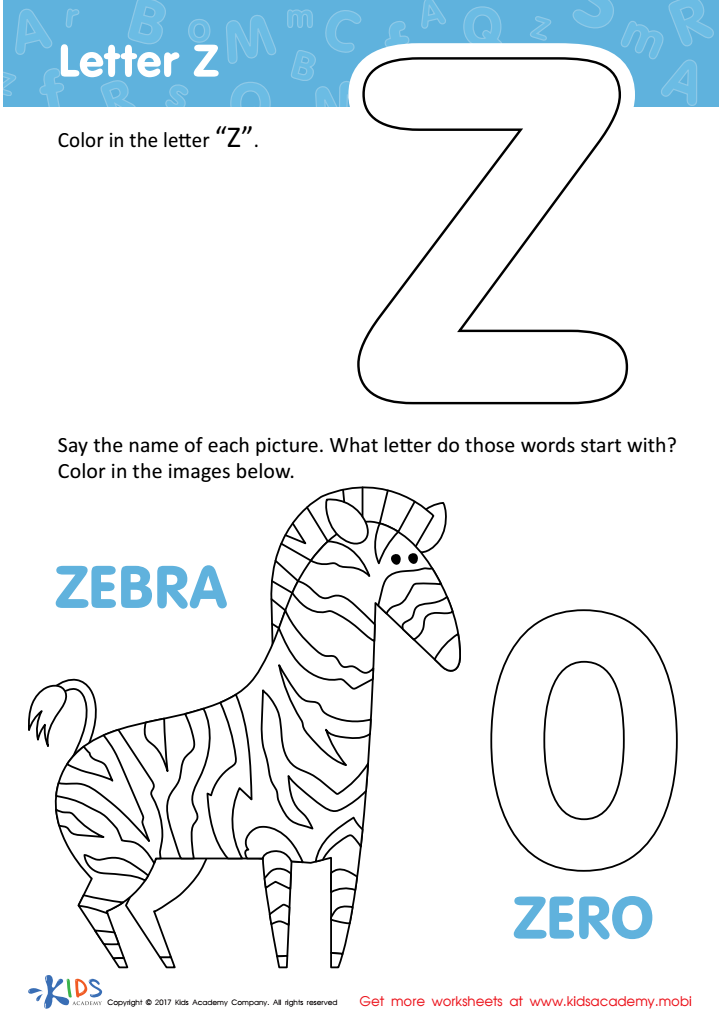
Letter Z Coloring Sheet
Assign to My Students
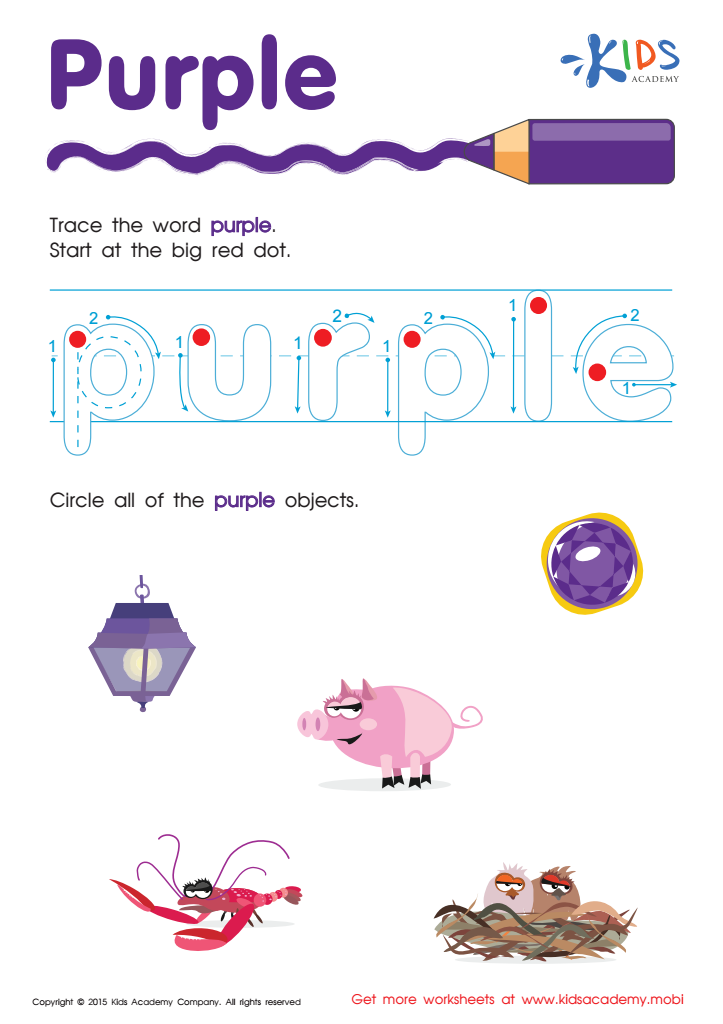
Purple Tracing Color Words Worksheet
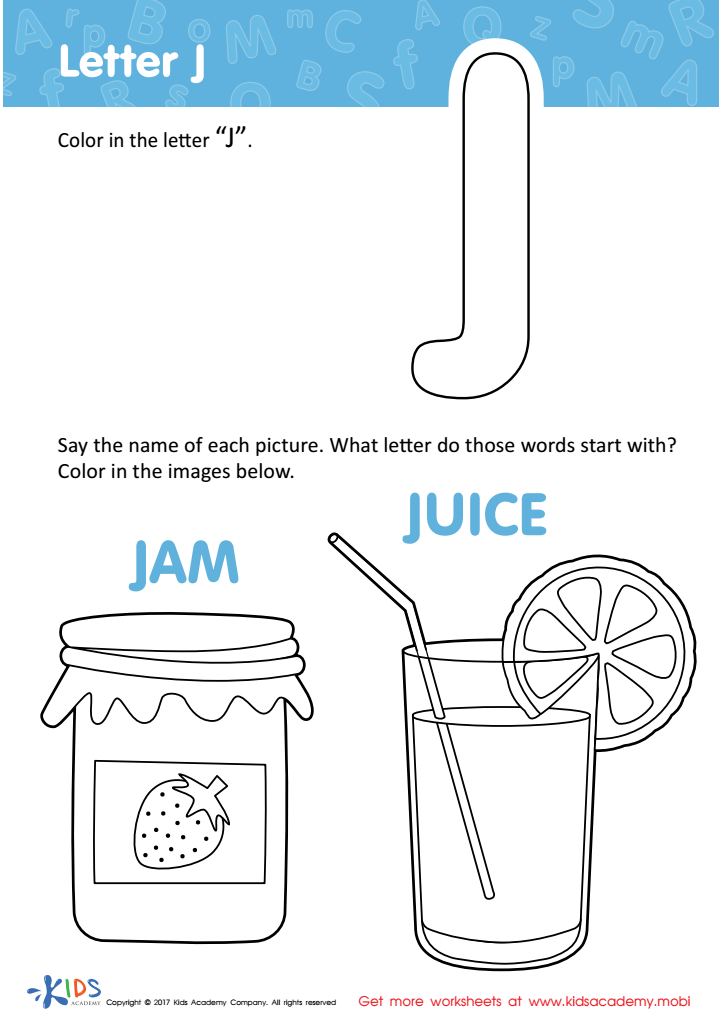
Letter J Coloring Sheet
Assign to My Students
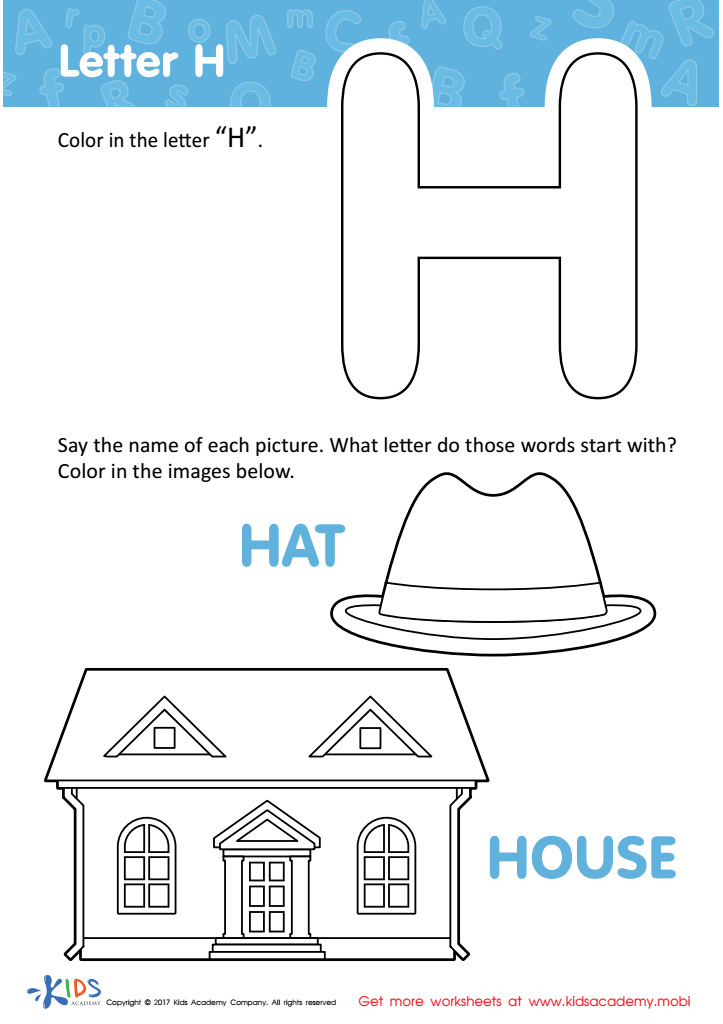
Letter H Coloring Sheet
Assign to My Students
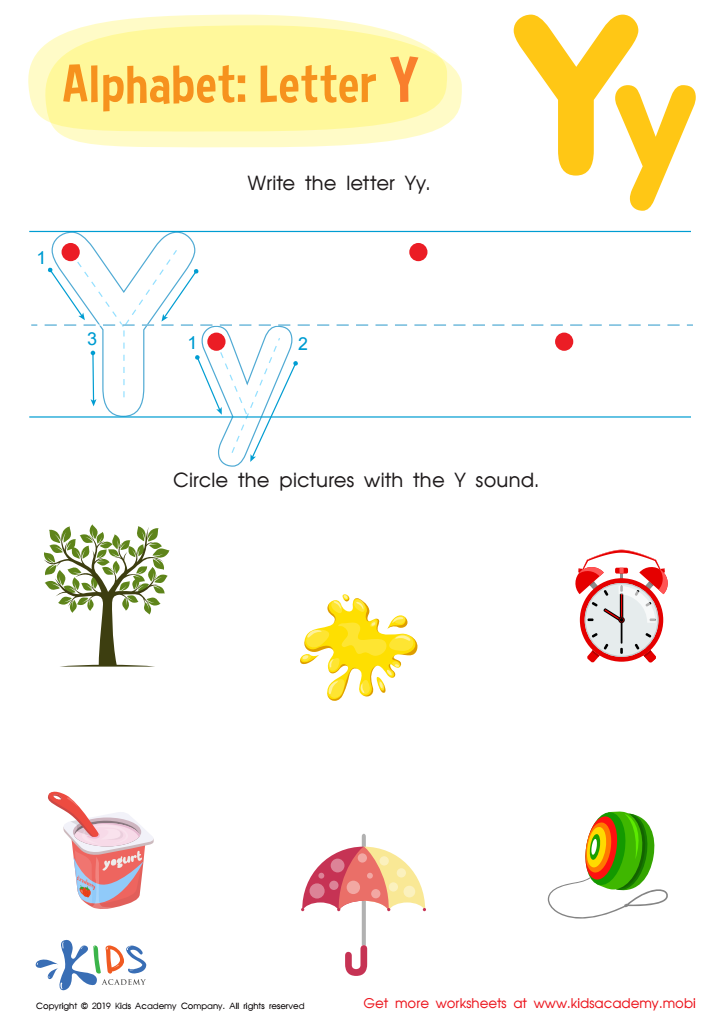
Letter Y Tracing Worksheet
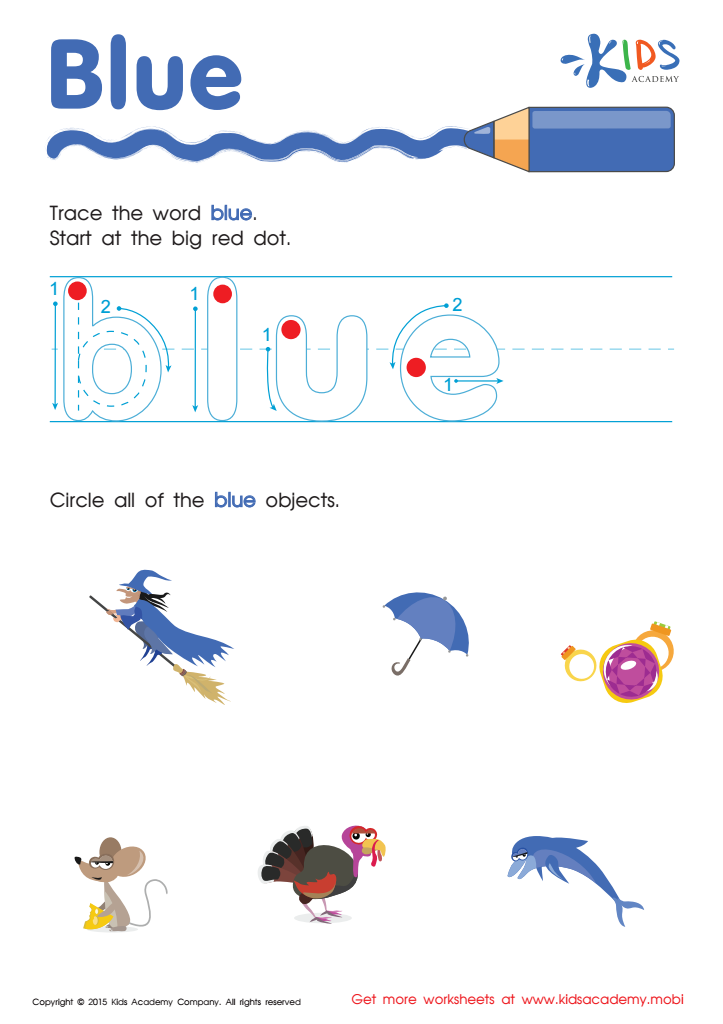
Blue Tracing Color Words Printable

Brown Tracing Color Words Worksheet
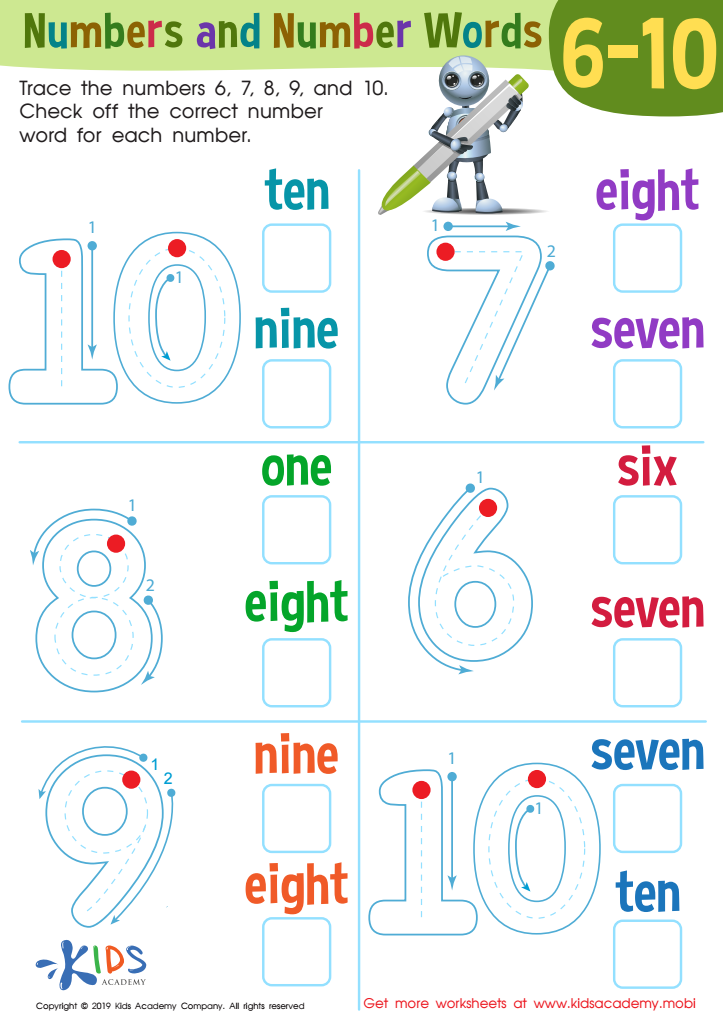
Numbers and Number Words 6–1 Worksheet
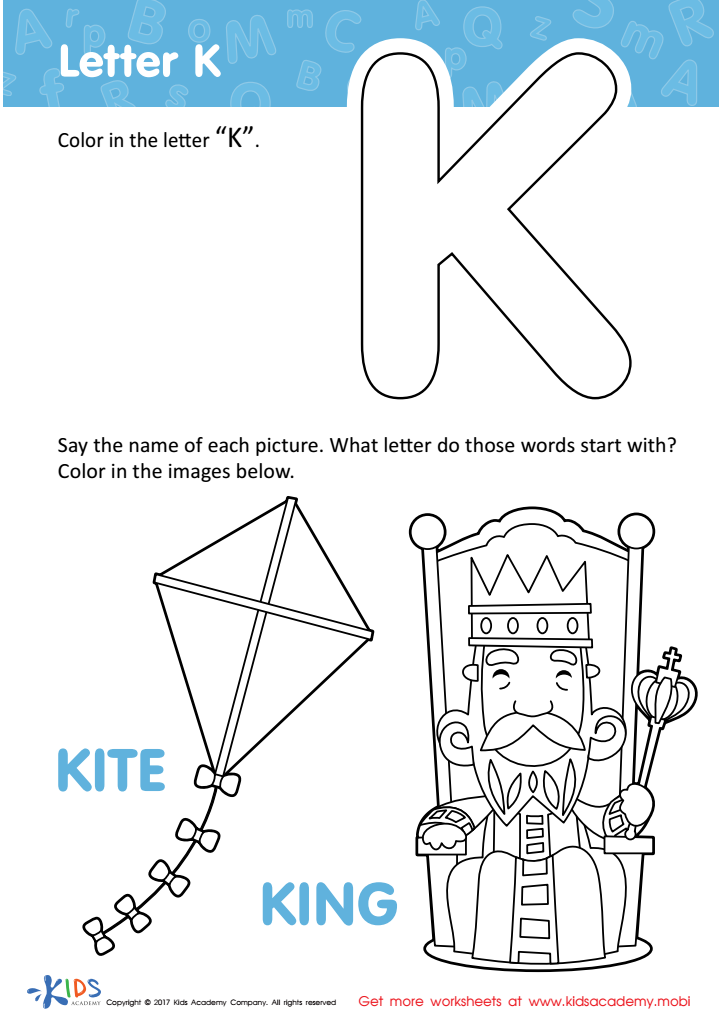
Letter K Coloring Sheet
Assign to My Students
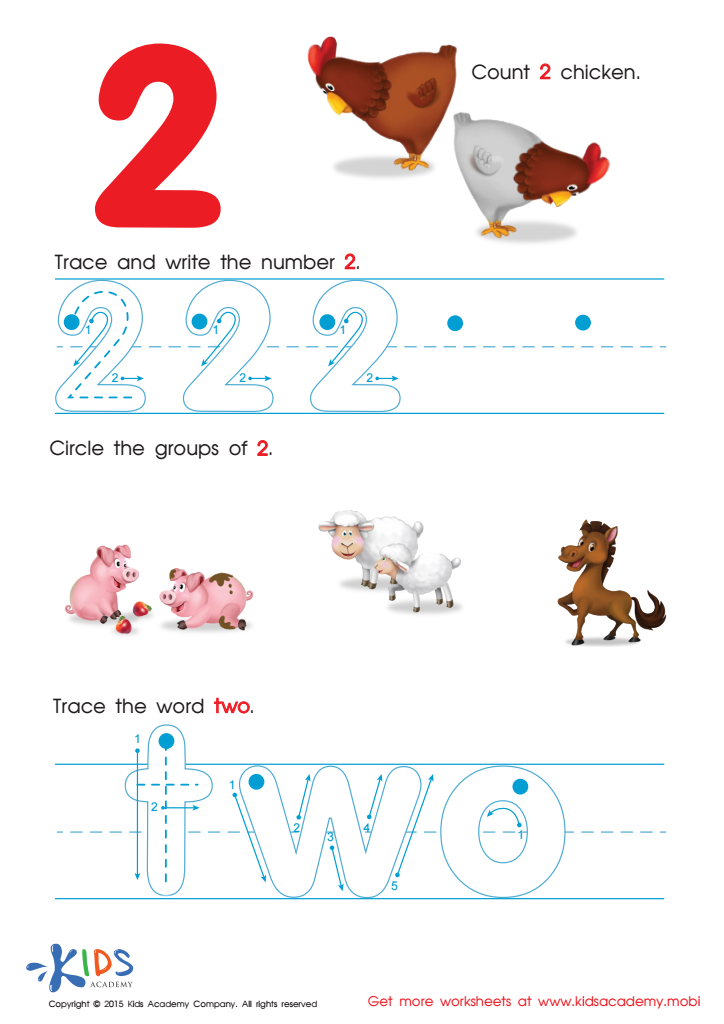
Learn to Write the Number 2 Worksheet
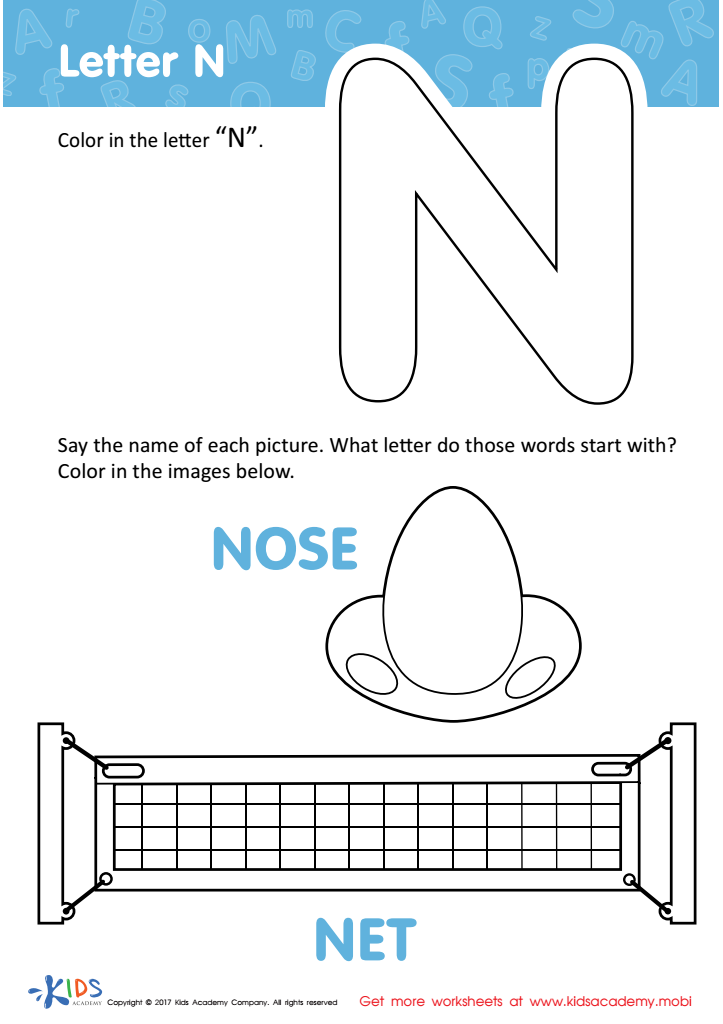
Letter N Coloring Sheet
Assign to My Students





Handwriting practice is essential for children aged 7-9 as it significantly impacts their cognitive development and academic success. At this formative age, mastering handwriting skills affords children a solid foundation for higher-level writing tasks. Clear and legible handwriting ensures effective communication, which is crucial for academic assessment and self-expression.
Engaging in handwriting practice enhances fine motor skills, hand-eye coordination, and muscle memory. These skills are not just limited to writing but are integral to various daily activities, thus promoting overall dexterity and efficiency. Additionally, research indicates that the physical act of writing supports memory retention and learning processes, underpinning a child's ability to grasp new concepts and remember them long-term.
Moreover, handwriting practice cultivates patience, attention to detail, and perseverance. As children work to improve their handwriting, they learn the value of practice, improving their sense of discipline and focus—skills that are advantageous both in and out of the classroom.
For teachers, encouraging handwriting practice ensures that children develop strong foundational skills, laying the groundwork for future academic achievements. Parents, likewise, find that supporting handwriting at home enriches their child’s cognitive development and strengthens their involvement in the child’s education. Therefore, consistent handwriting practice between ages 7-9 is key to nurturing well-rounded, capable learners.