Hand-eye Coordination Worksheets for Ages 7-9 - Page 2
62 filtered results
-
From - To
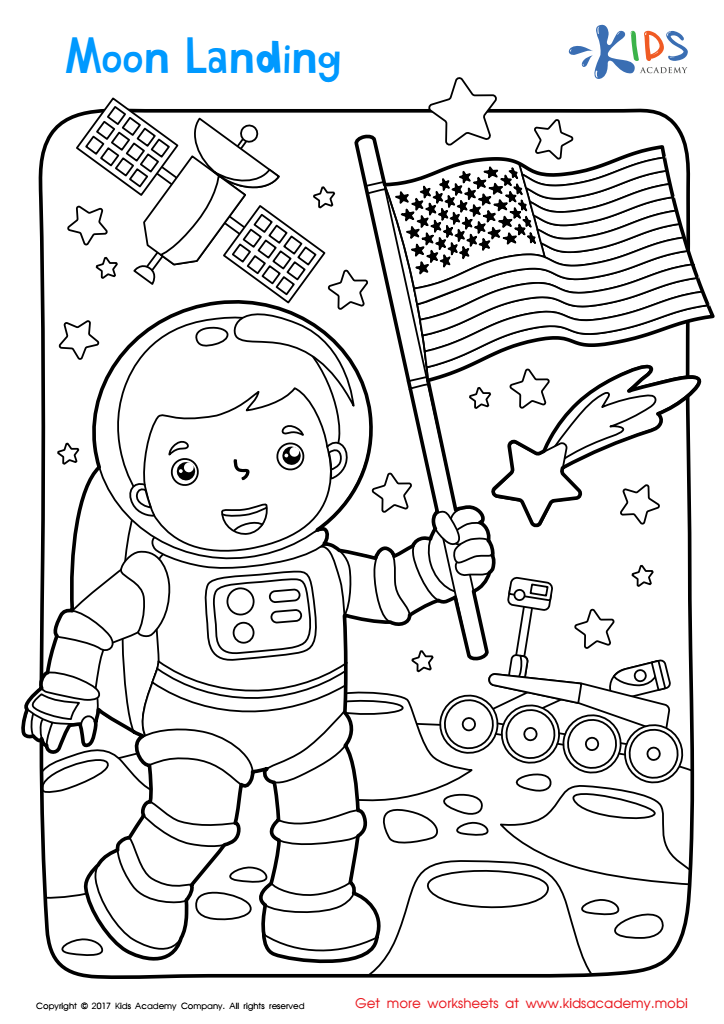
Moon Landing Coloring Page Printable
 Assign to My Students
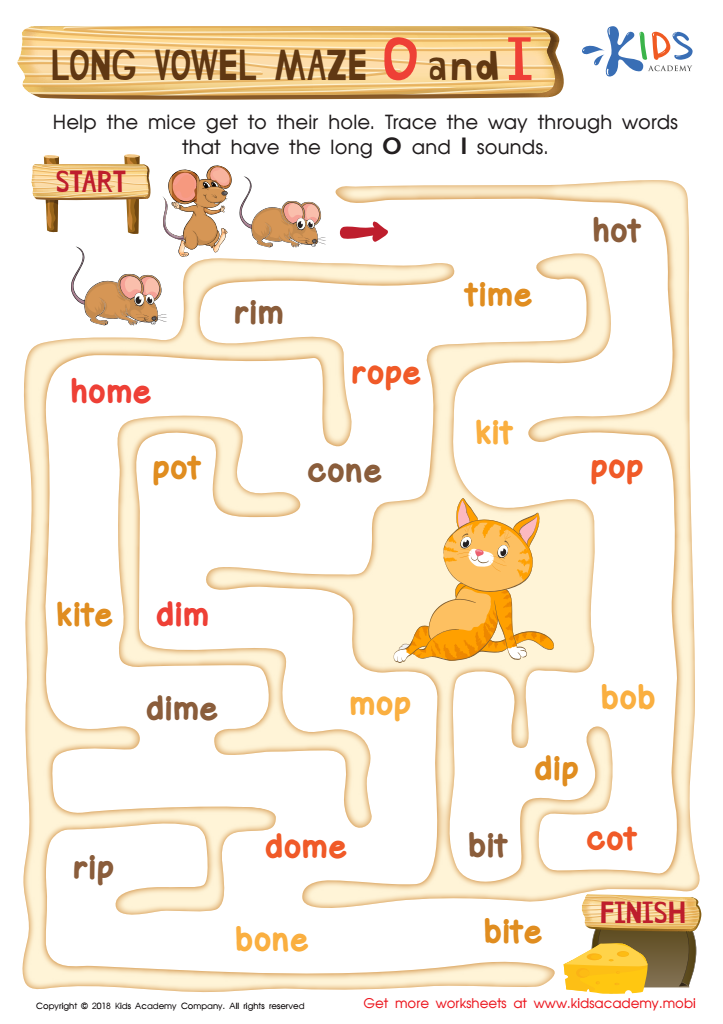
Long Vowel Maze /o/ and /i/ Worksheet
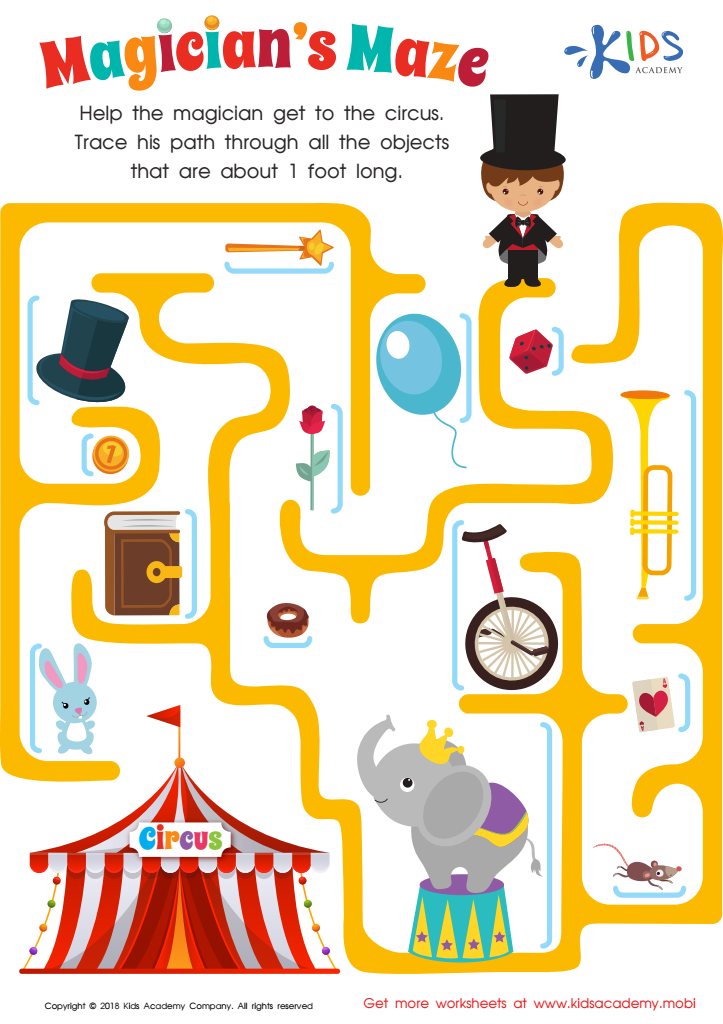
Estimating Length: Magician's Maze Worksheet
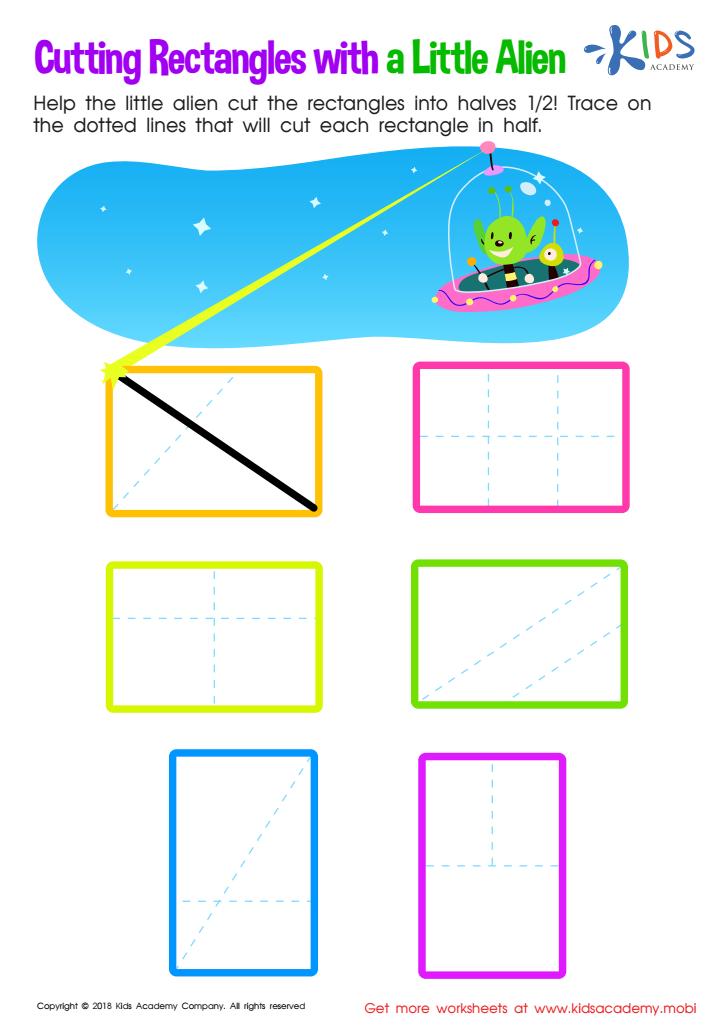
Cutting Rectangles with Alien Worksheet
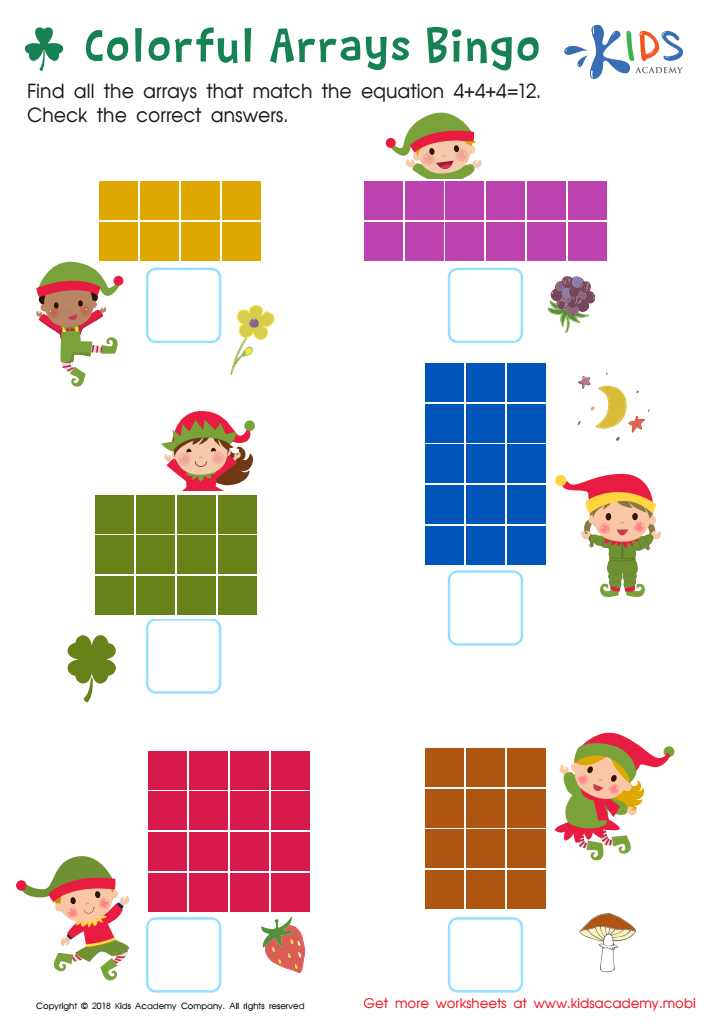
Colorful Arrays Bingo Worksheet
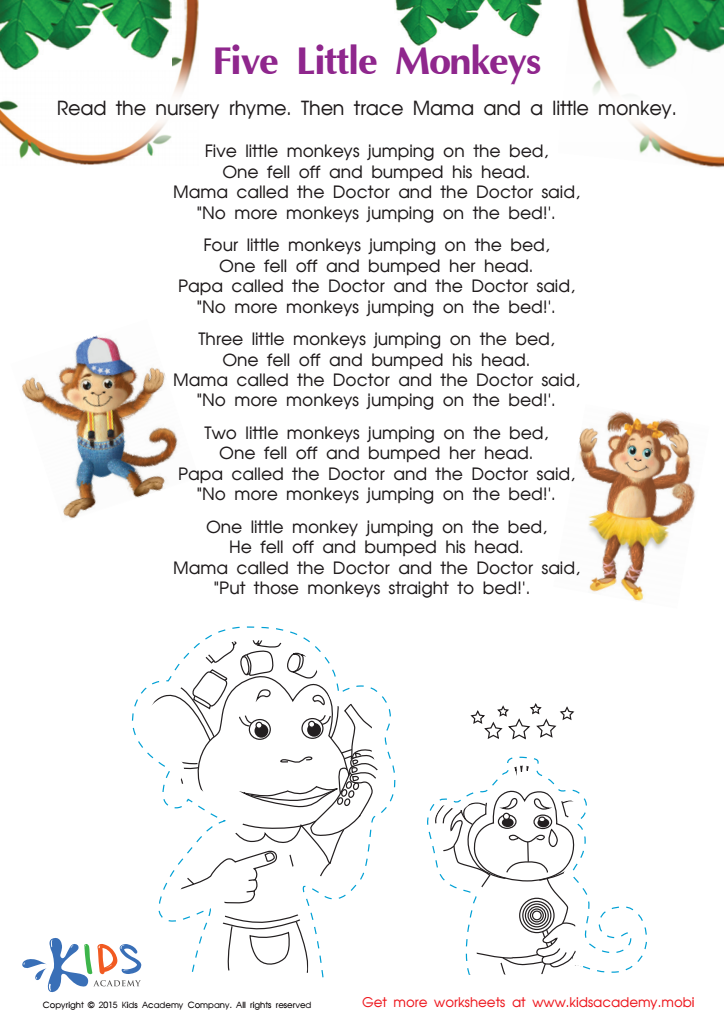
The Five Little Monkeys Nursery Rhyme Worksheet
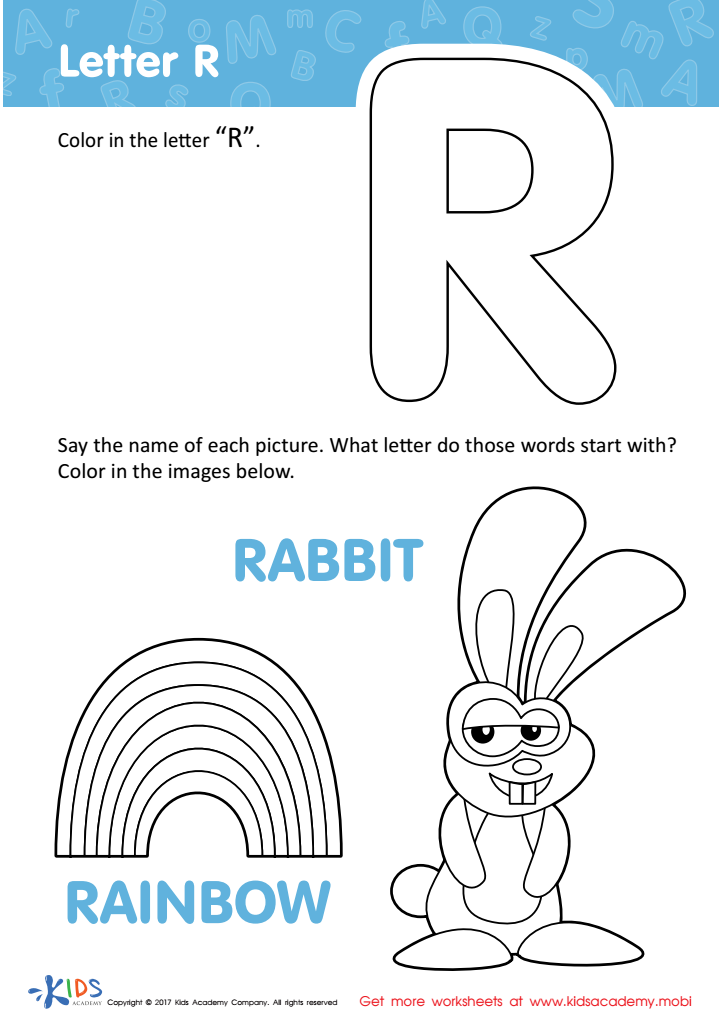
Letter R Coloring Sheet
Assign to My Students
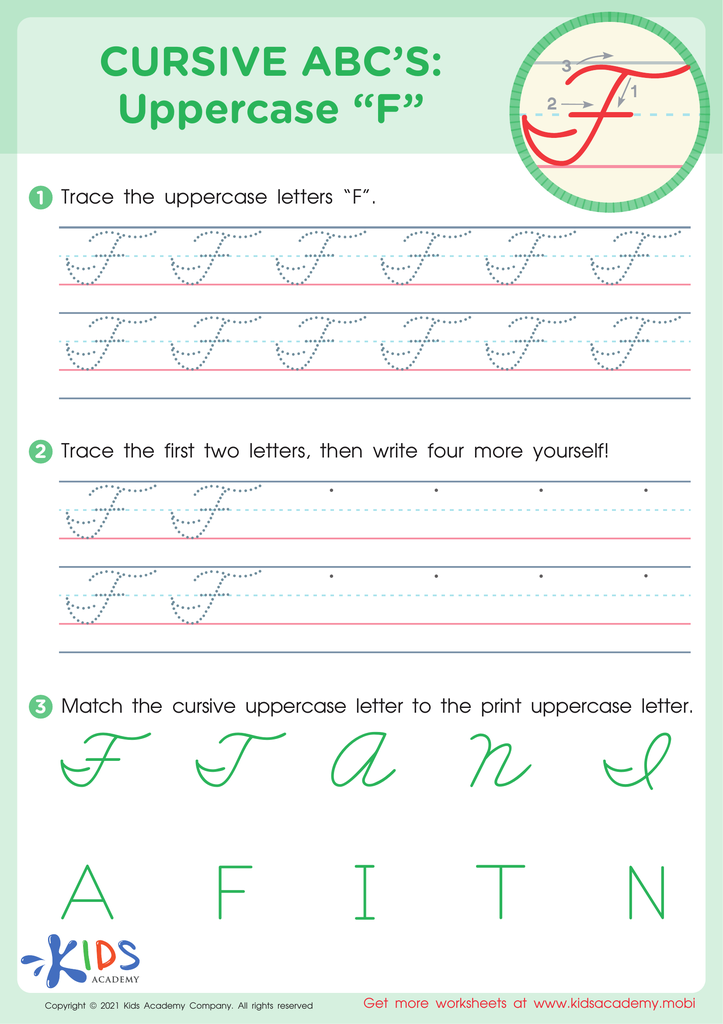
Cursive ABCs: Uppercase F
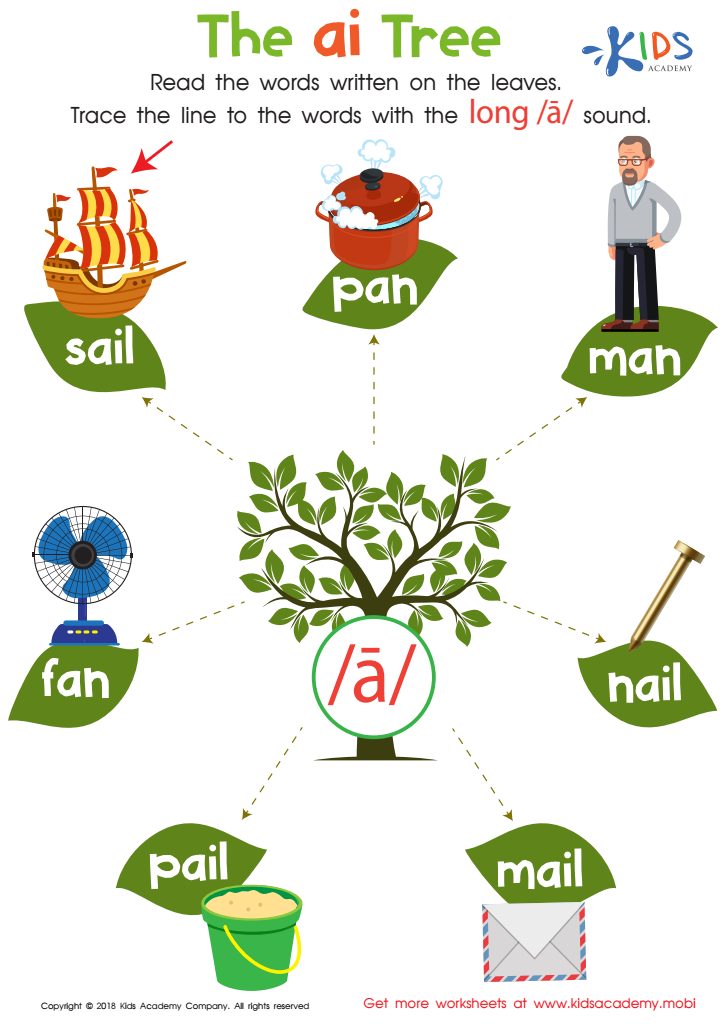
The AI Tree Worksheet
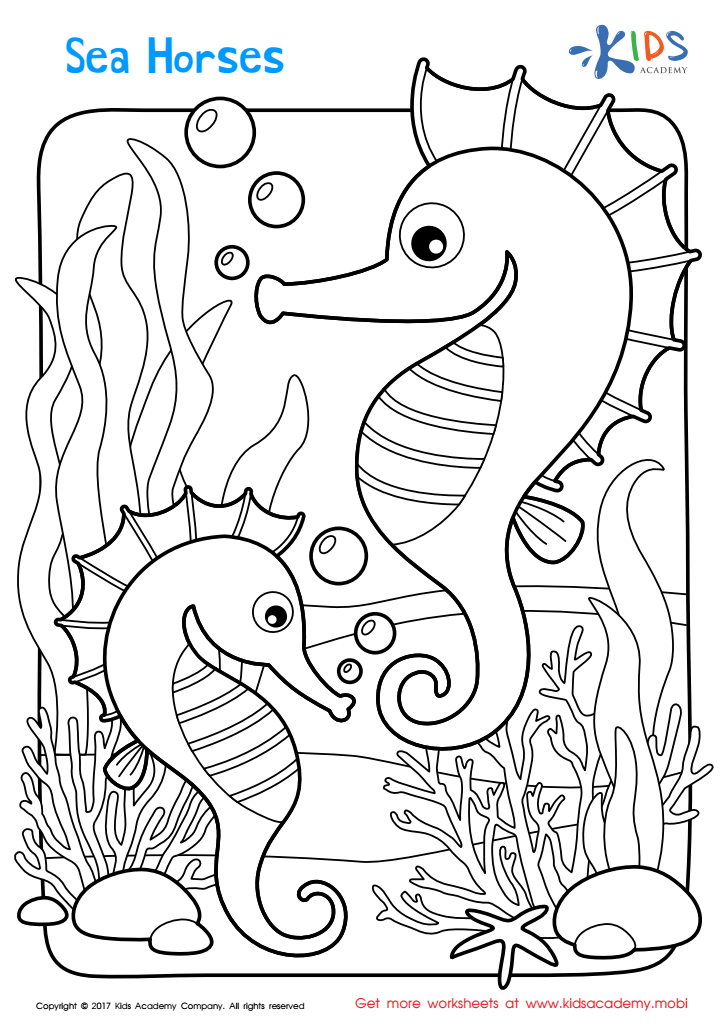
Sea Horses Printable
Assign to My Students
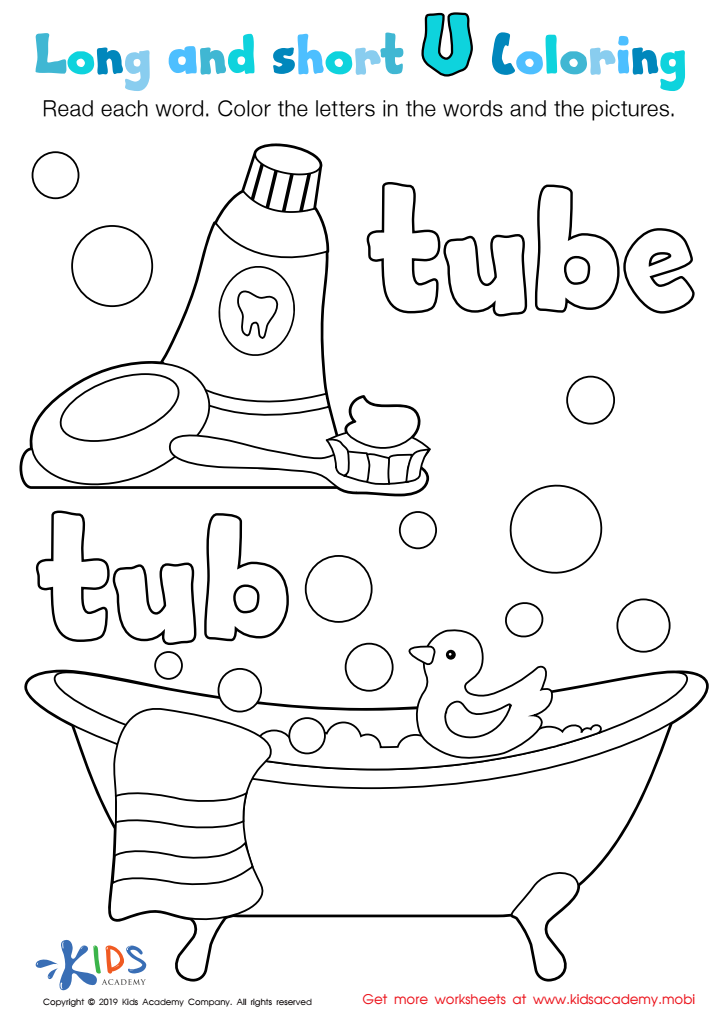
Long and Short U Worksheet
Assign to My Students
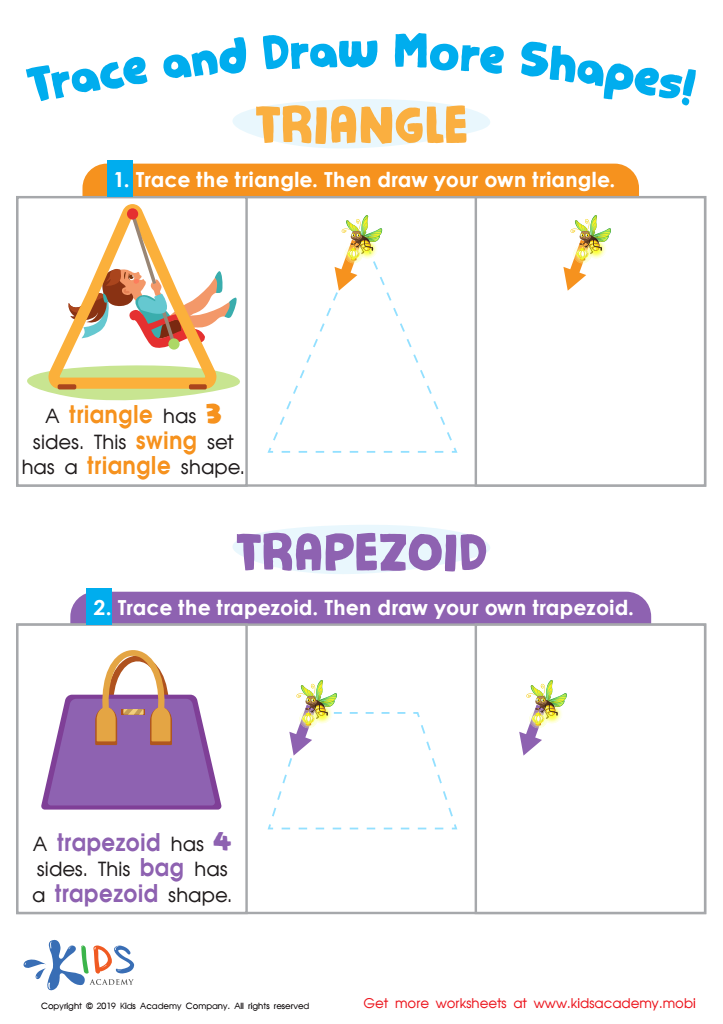
Trace and Draw More Shapes Worksheet
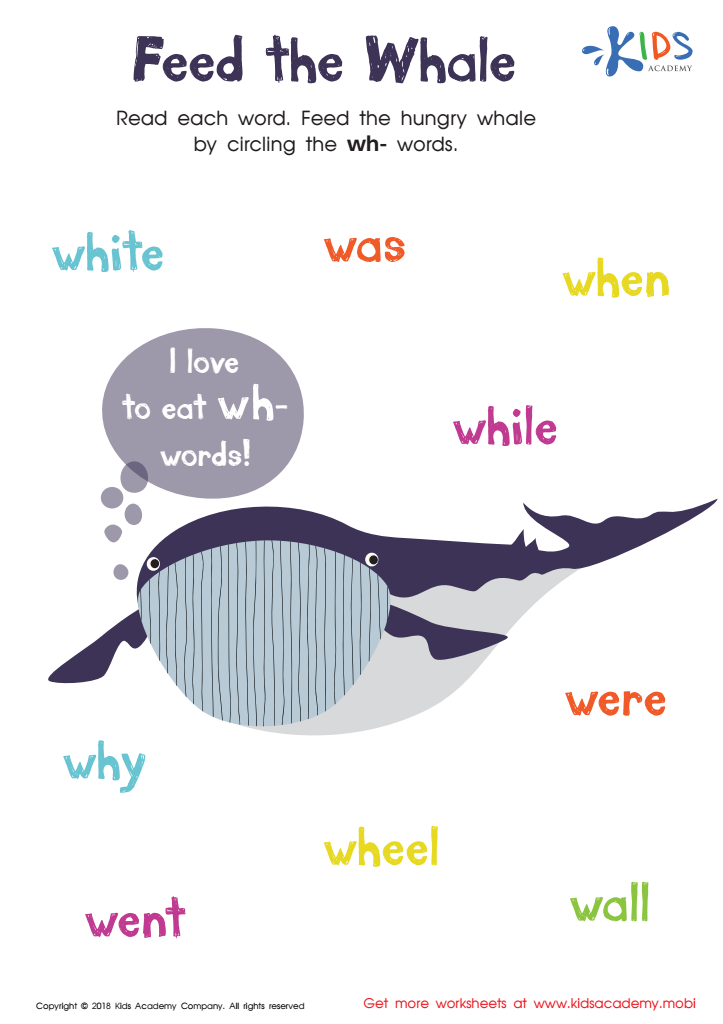
Feed the Whale Worksheet
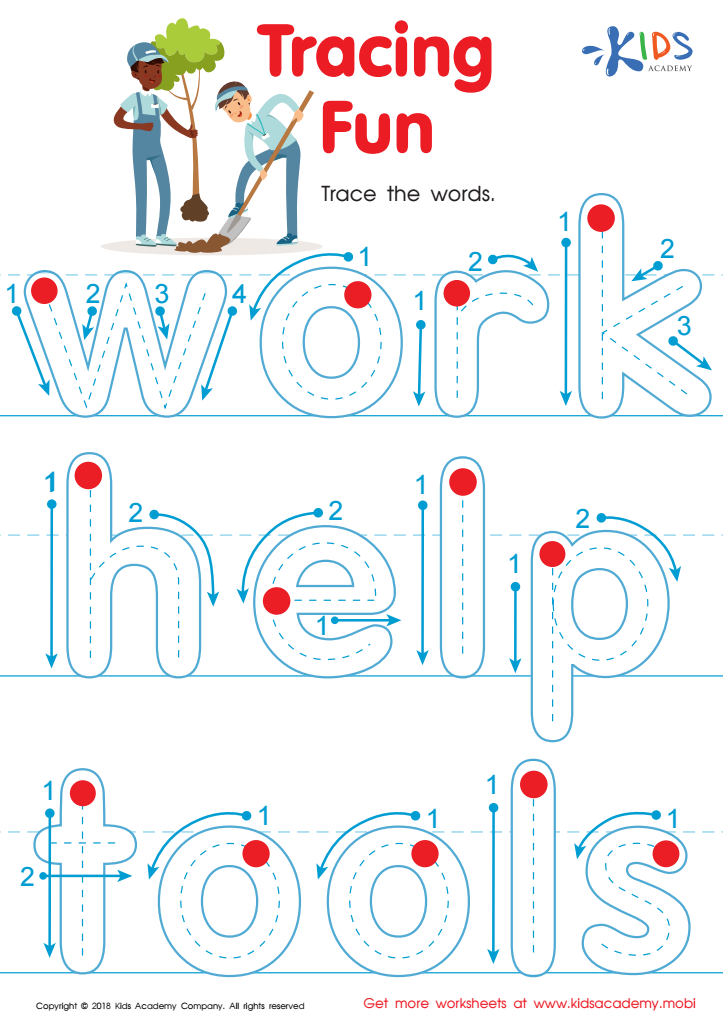
Tracing Fun Worksheet
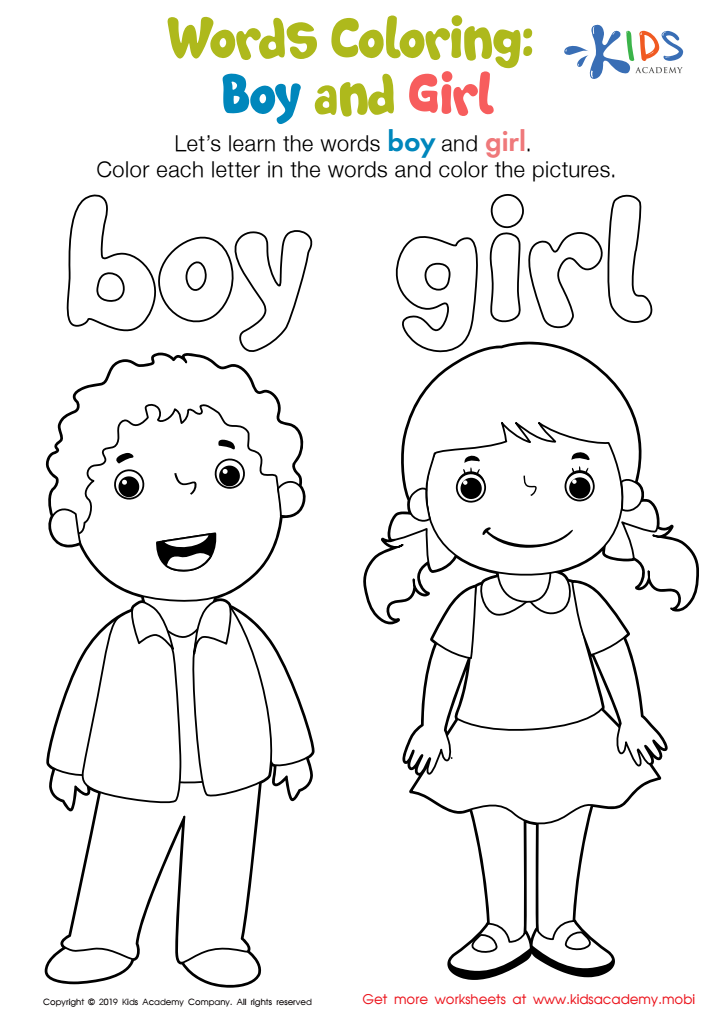
Boy and Girl Words Coloring Worksheet
Assign to My Students
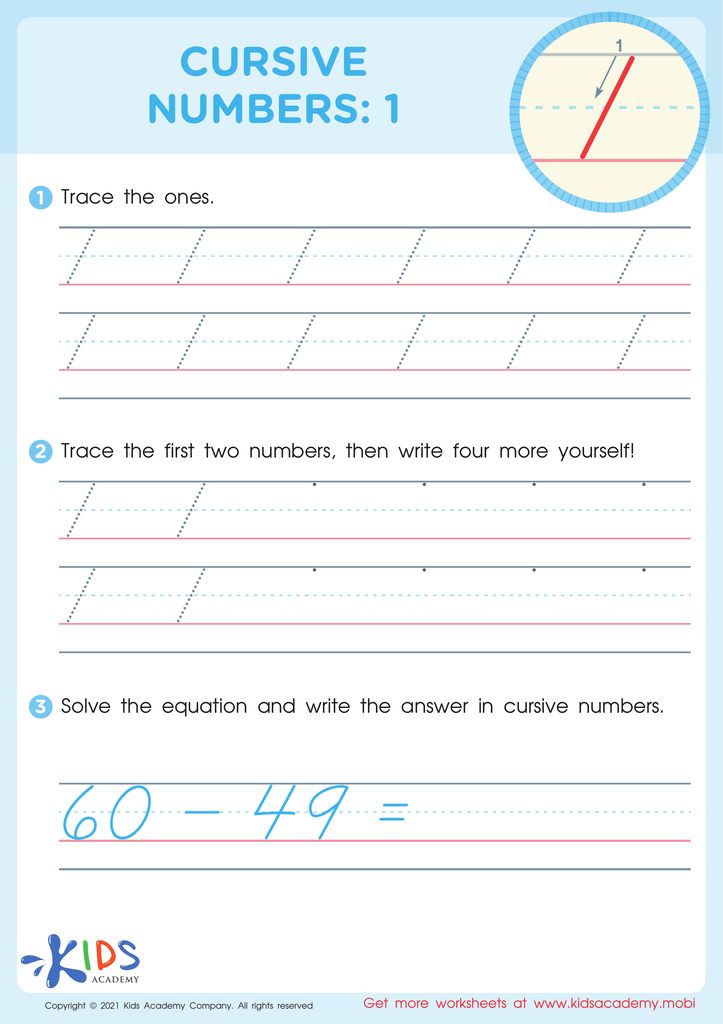
Cursive Numbers: 1 Worksheet
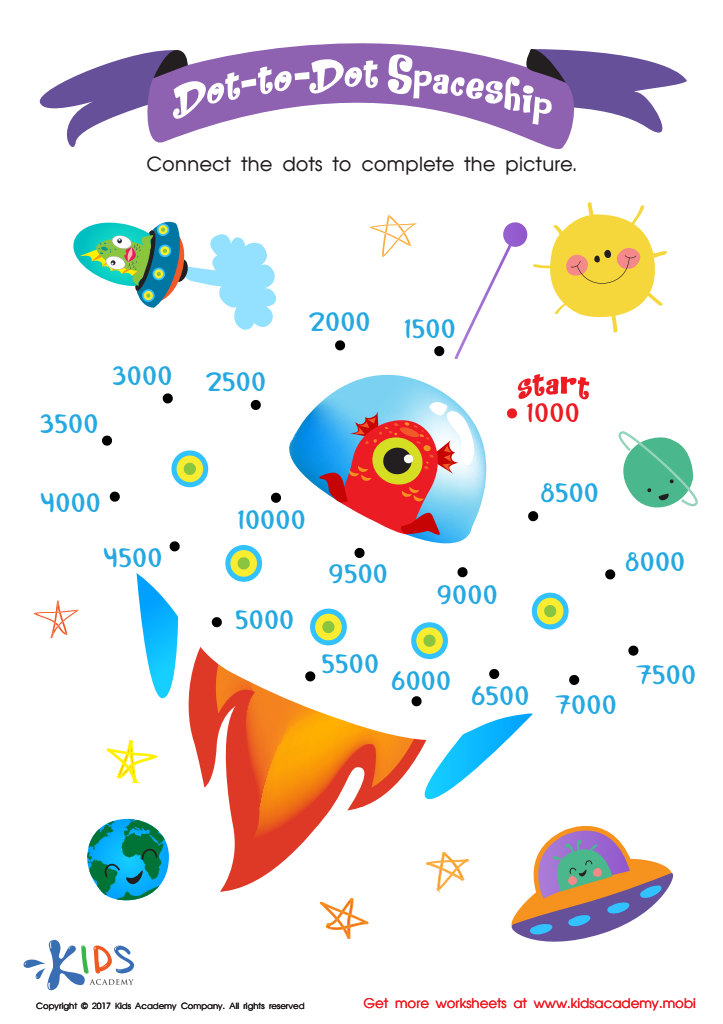
Dot to Dot Worksheet for 3rd Grade
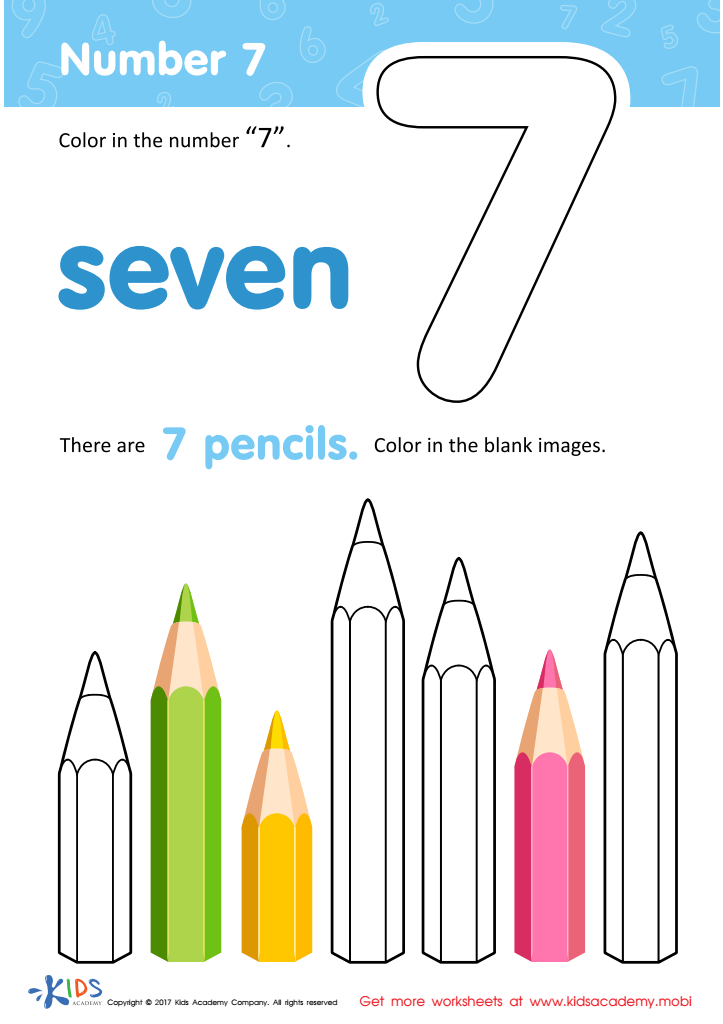
Number 7 Worksheet
Assign to My Students
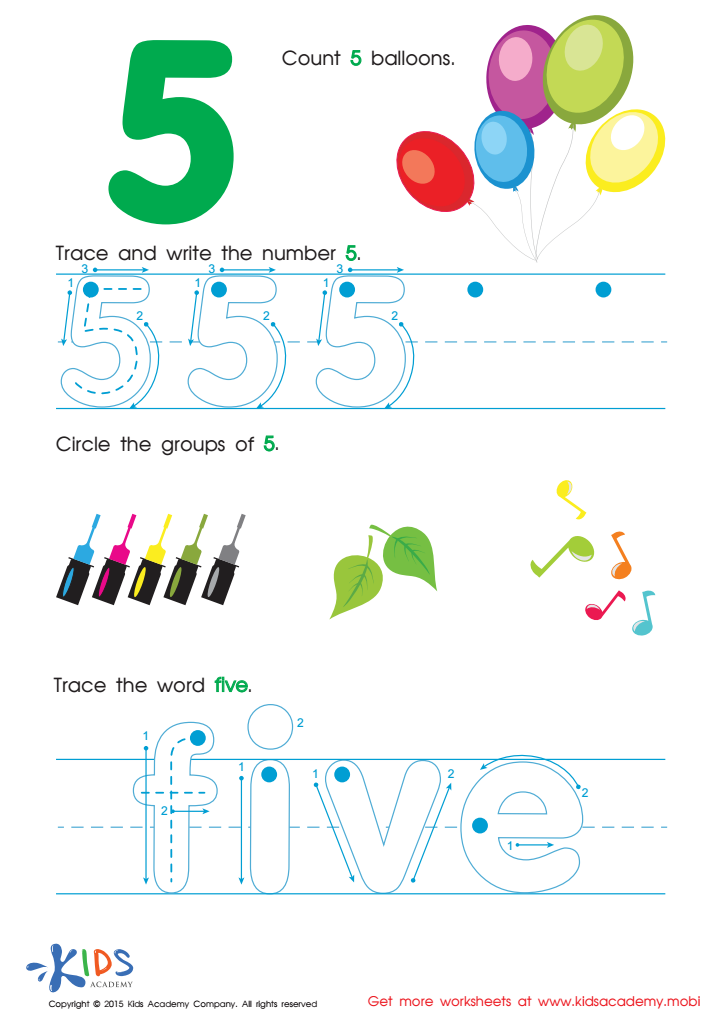
Practice Writing Number 5 Worksheet
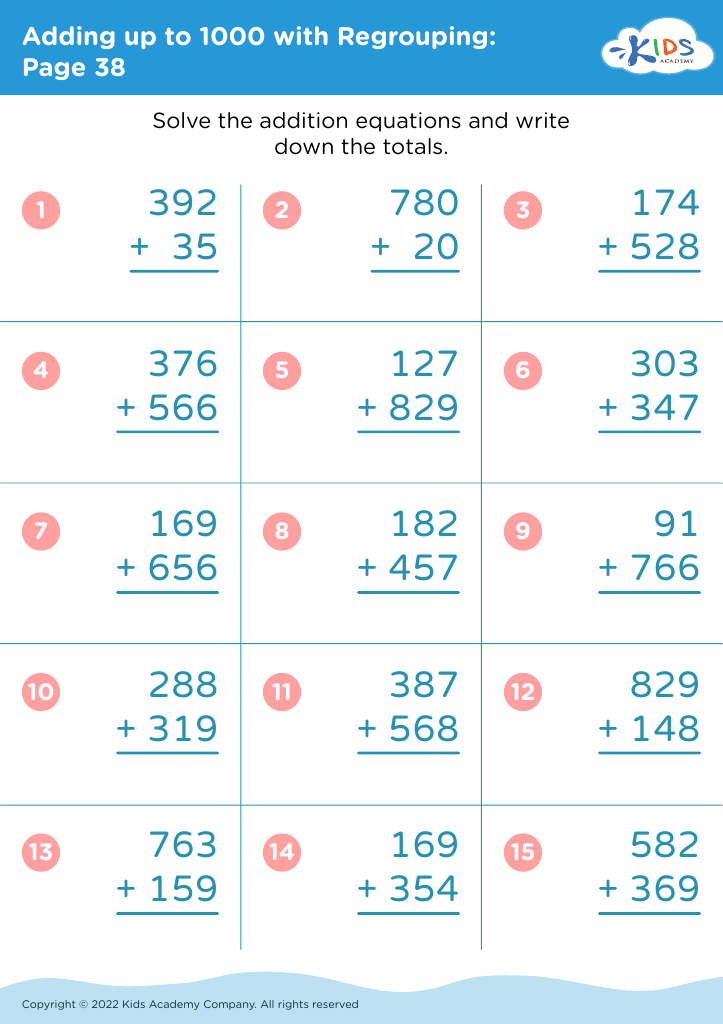
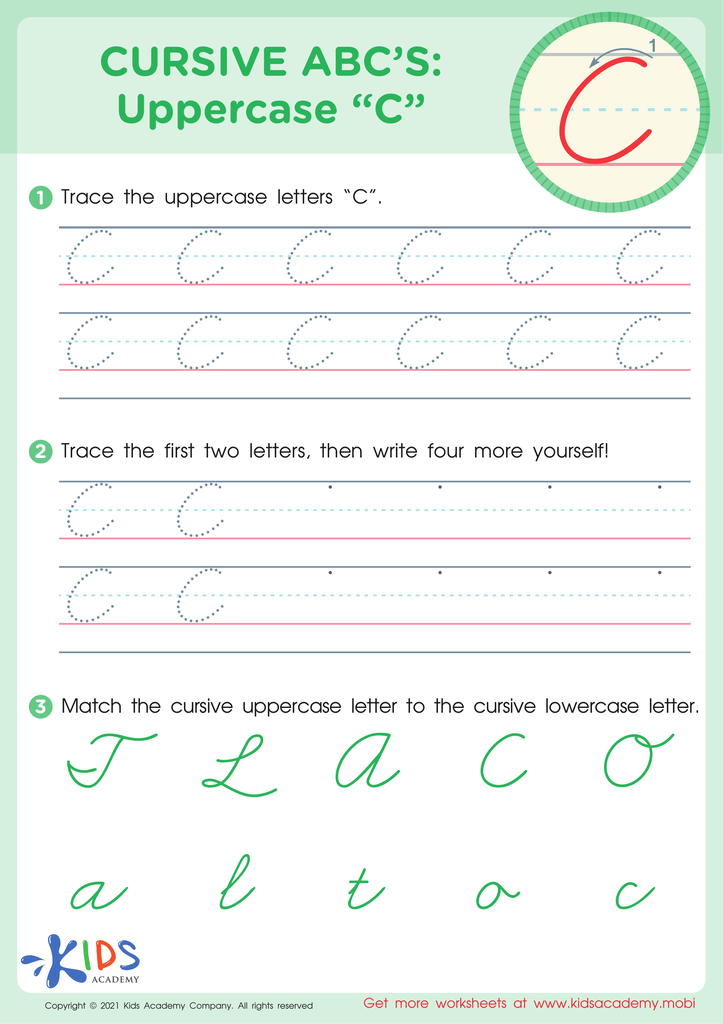
Cursive ABCs: Uppercase C


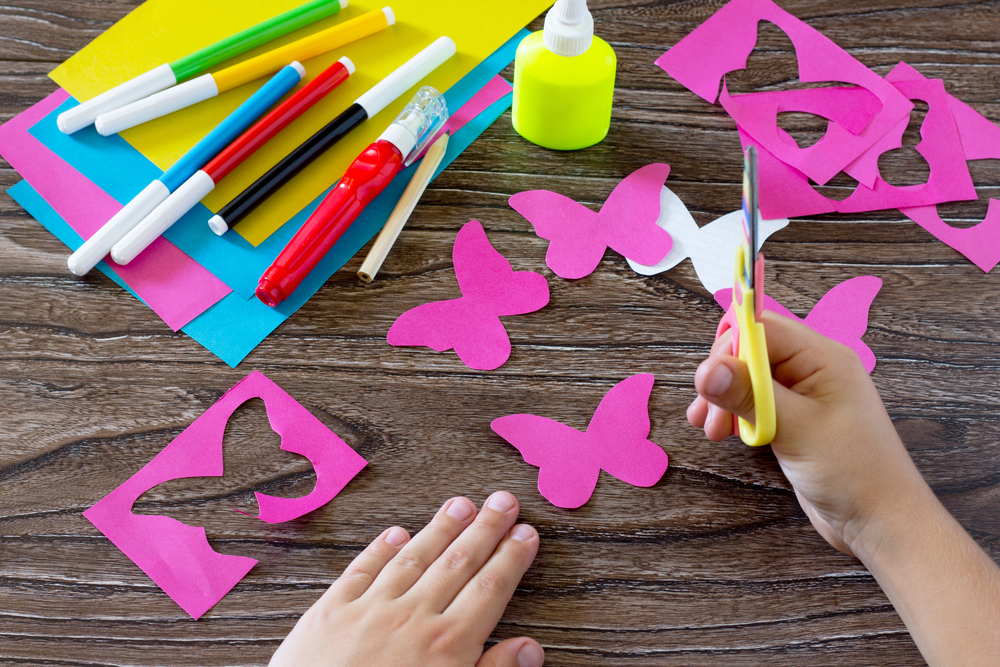


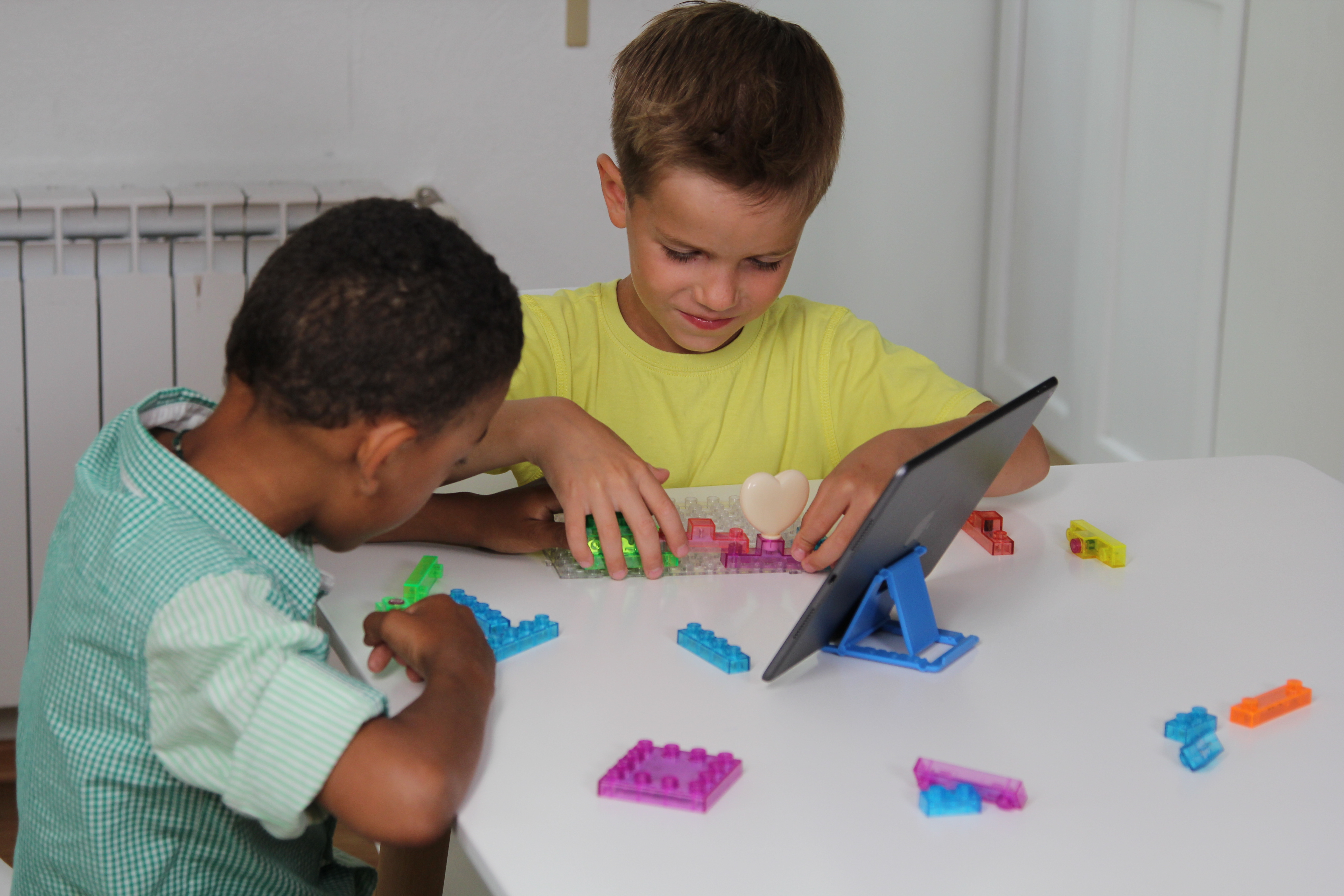
Hand-eye coordination is a fundamental skill that children ages 7 to 9 need to develop, as it significantly impacts their overall growth, academic success, and everyday life abilities. At this age, children are actively refining motor skills that are critical for both physical and cognitive activities. For example, good hand-eye coordination enhances their ability to participate in sports, draw, write legibly, use scissors effectively, and complete tasks that require precision. These activities do not only bolster their physical fitness but also build their confidence and social skills, setting a groundwork for a healthier lifestyle.
In the academic sphere, developing good hand-eye coordination supports better performance in tasks like reading and writing, enabling smoother transitions between visual information and physical responses. This coordination is also essential in activities like using a computer mouse, playing musical instruments, or conducting simple science experiments, which are increasingly being integrated into curricula.
Furthermore, poor hand-eye coordination can lead to frustration and affect a child's self-esteem, as they struggle to keep up with peers in both academic and recreational activities. By fostering this essential skill through fun and engaging exercises, parents and teachers empower children to navigate their environments more effectively, supporting their holistic development and well-being.








