Shape Recognition Worksheets for Ages 7-9 - Page 2
89 filtered results
-
From - To
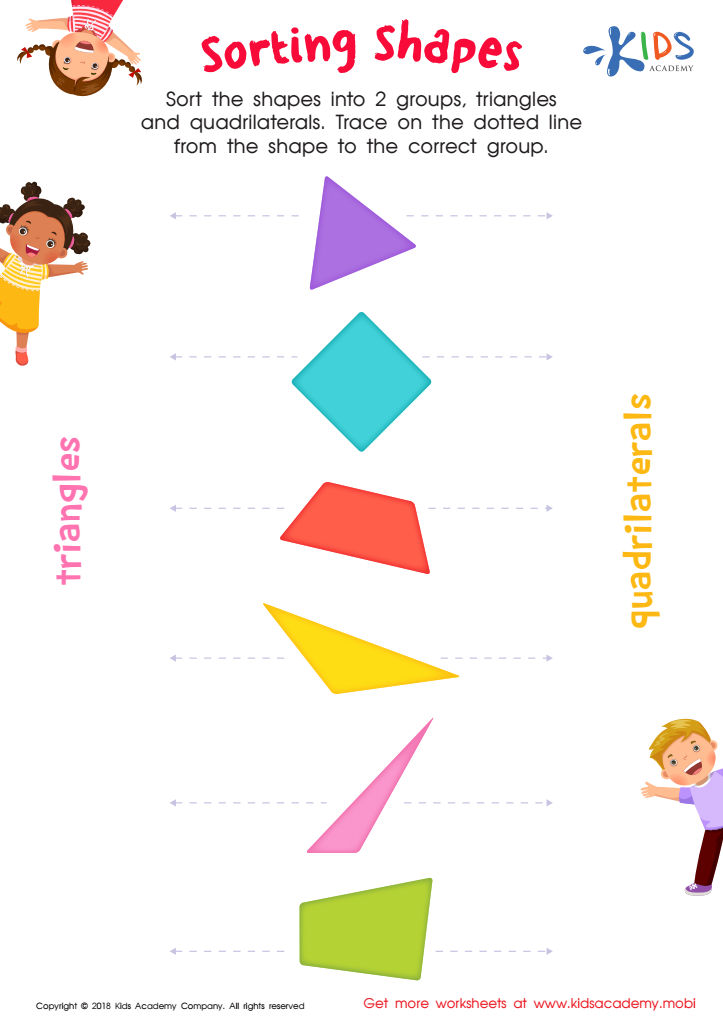
Sorting Shapes Worksheet
Halloween: A Funny Monster Worksheet
 Assign to My Students
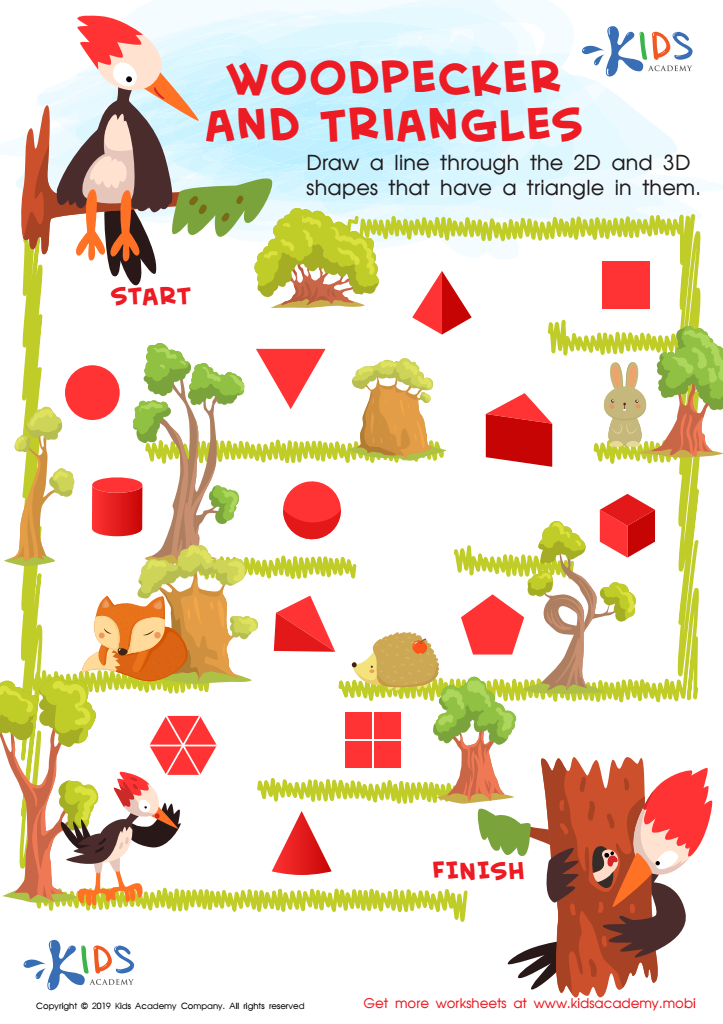
Woodpecker and Triangles Worksheet
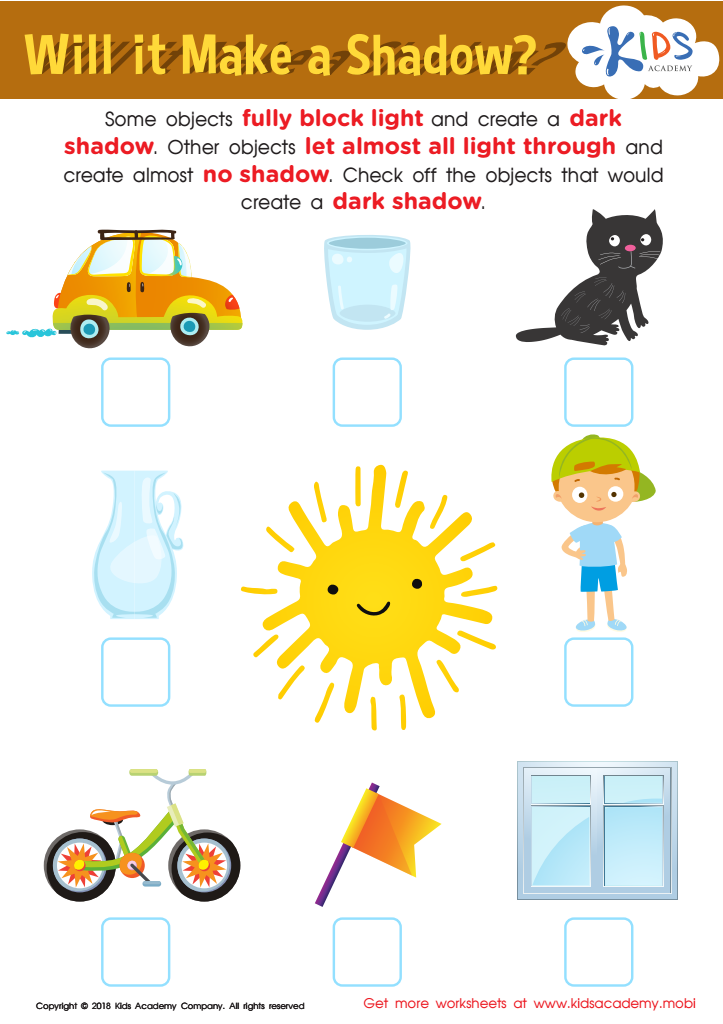
Will It Make a Shadow? Worksheet
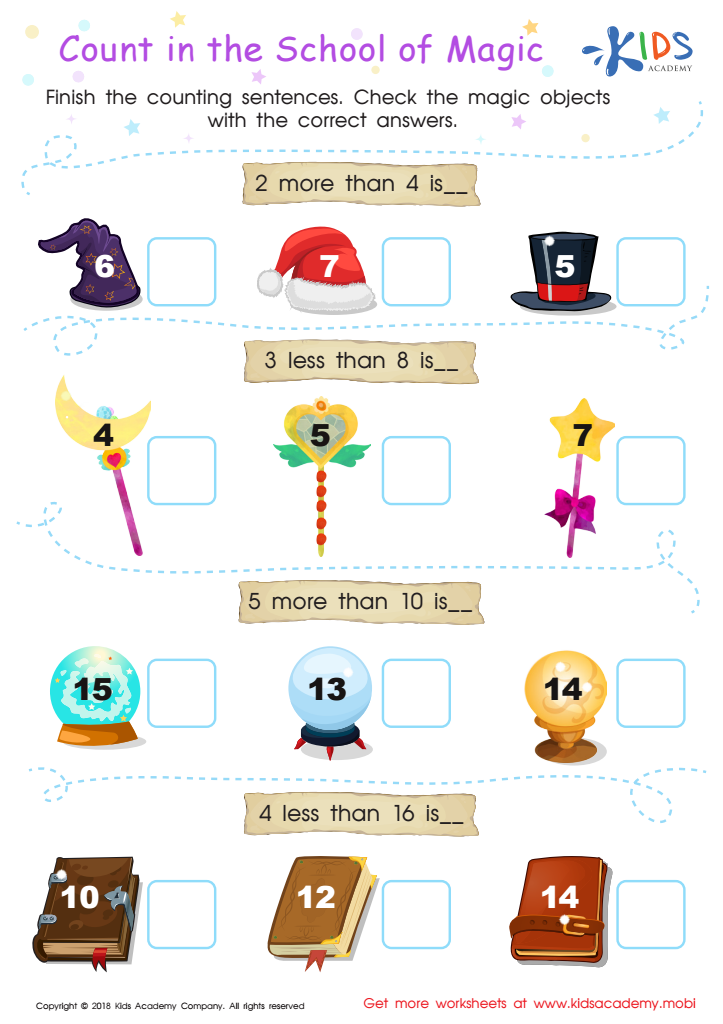
Count in the School of Magic Worksheet
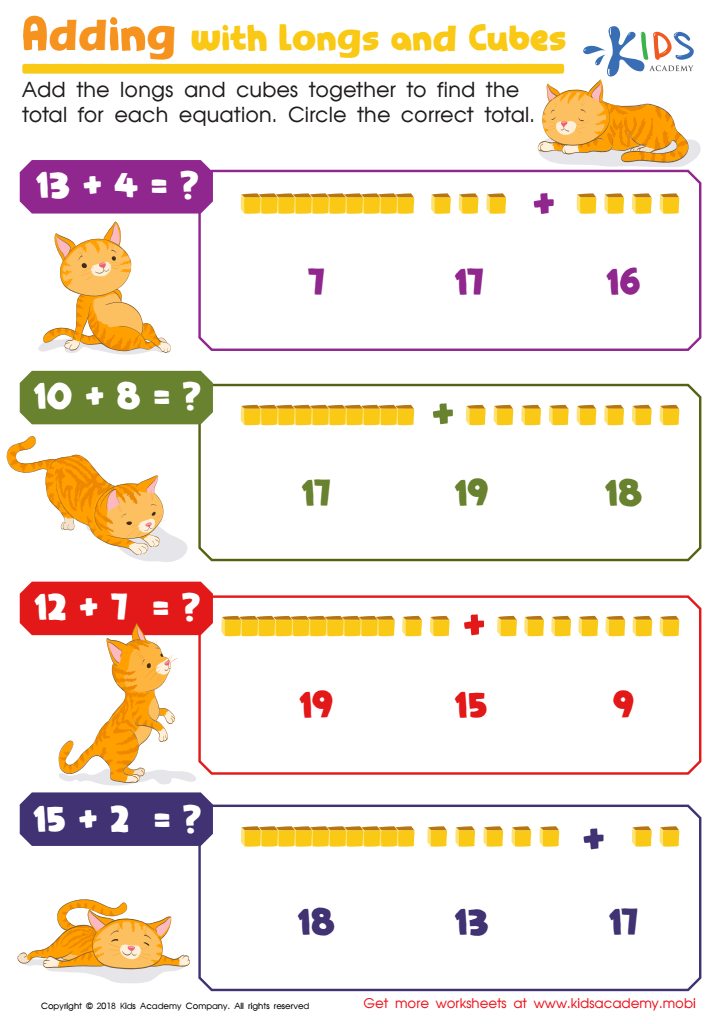
Adding With Longs and Cubes Worksheet
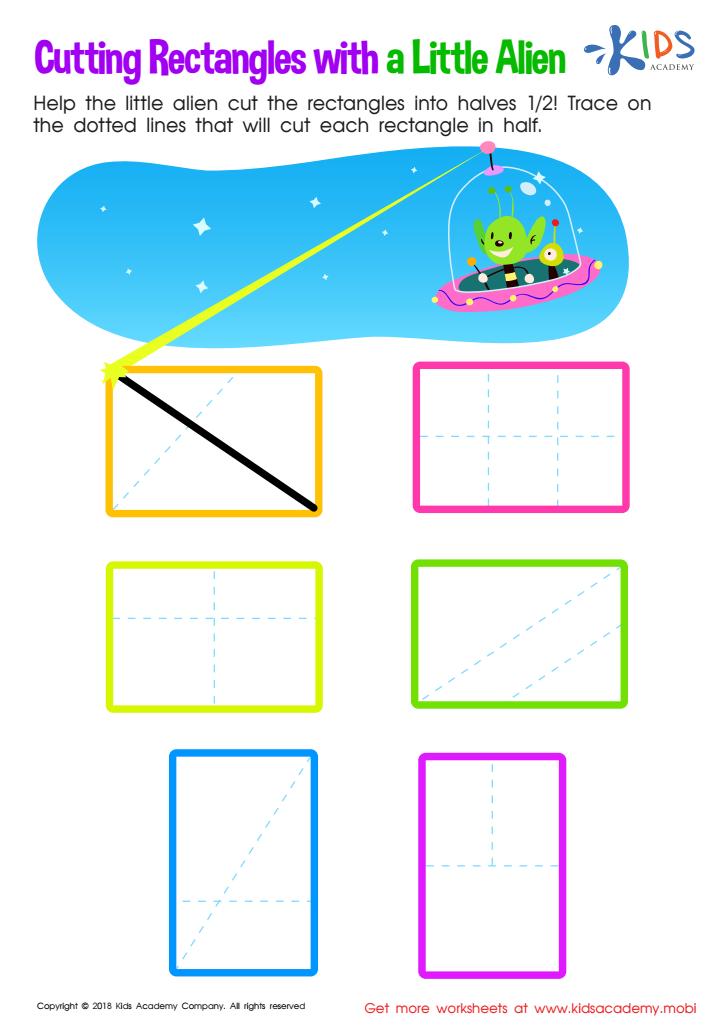
Cutting Rectangles with Alien Worksheet
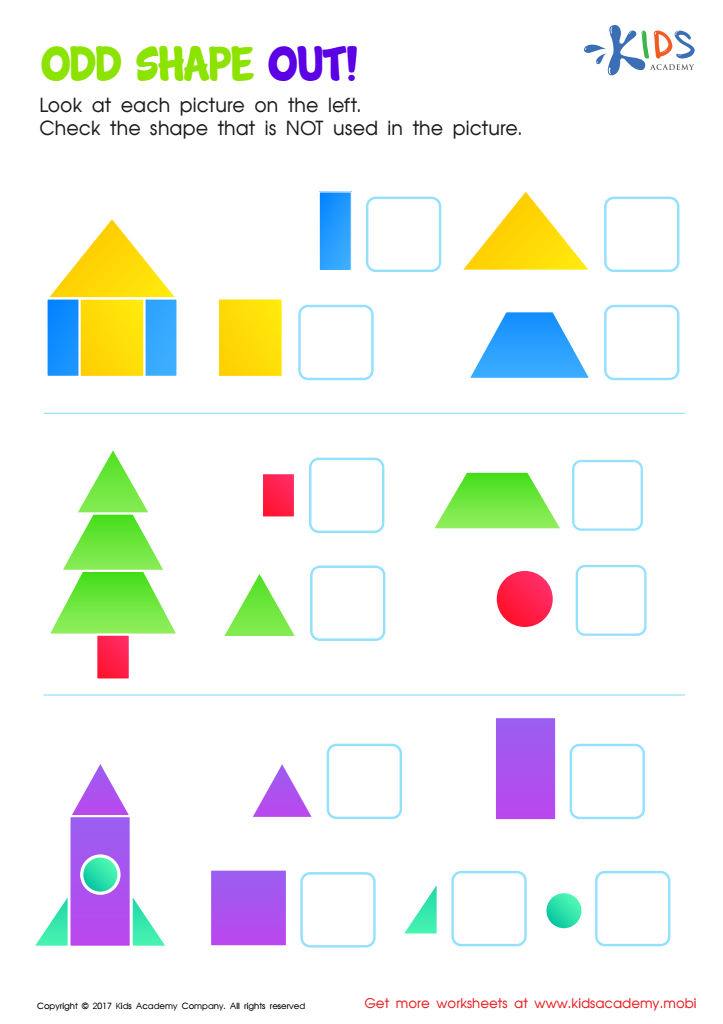
Odd Shape Out Worksheet for Grade 1
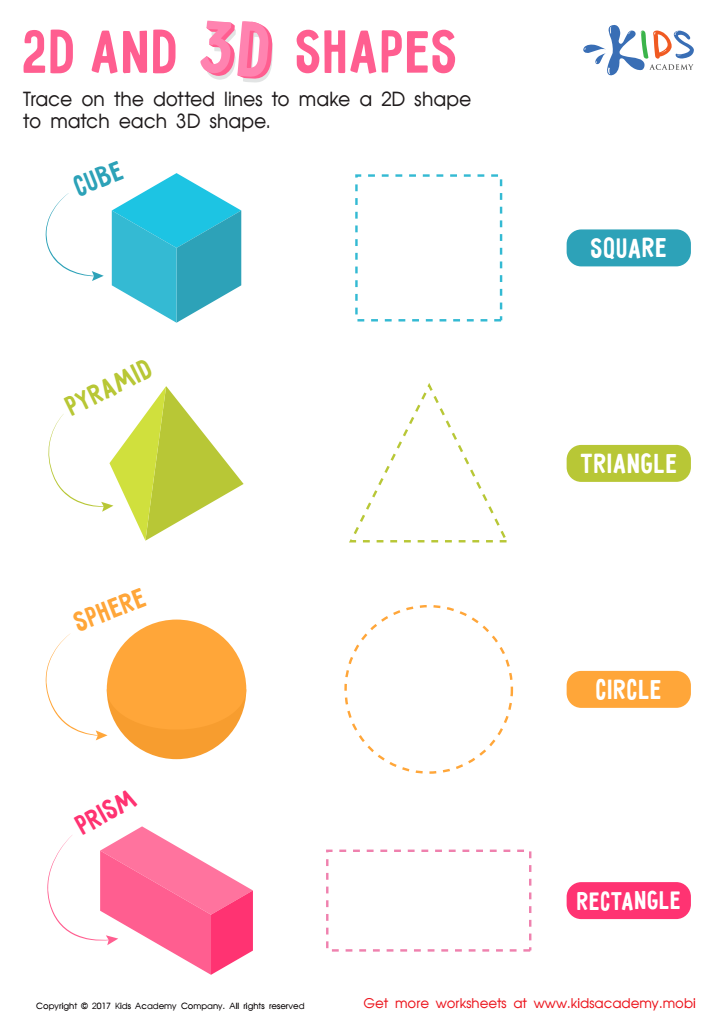
2D and 3D Shapes Worksheet
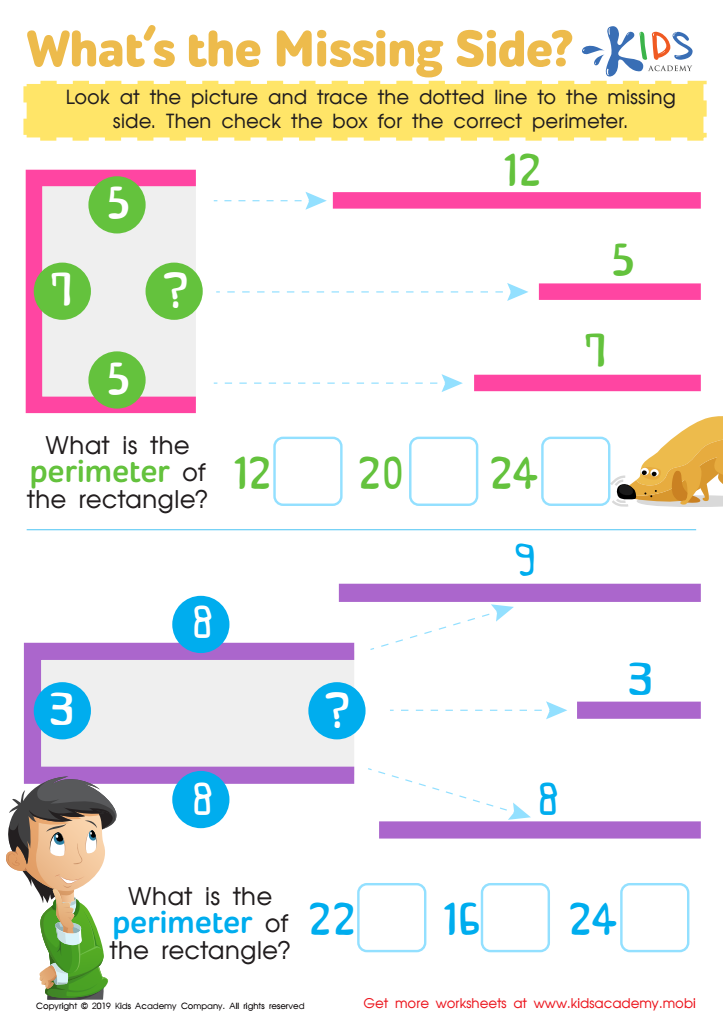
What's the Missing Side Worksheet
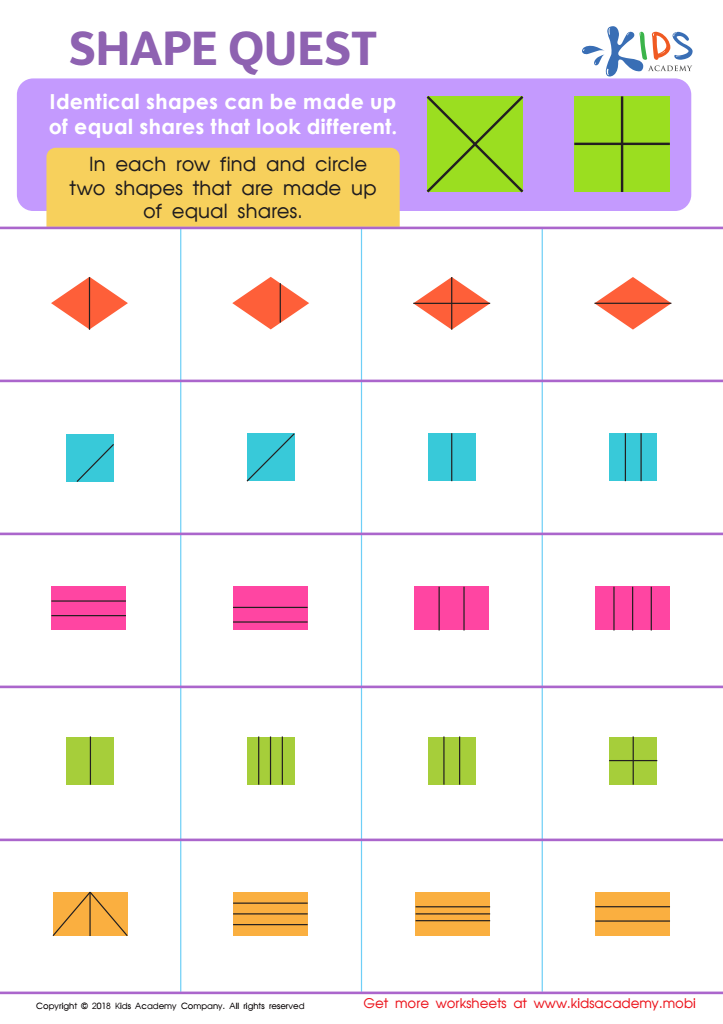
Shape Quest Worksheet
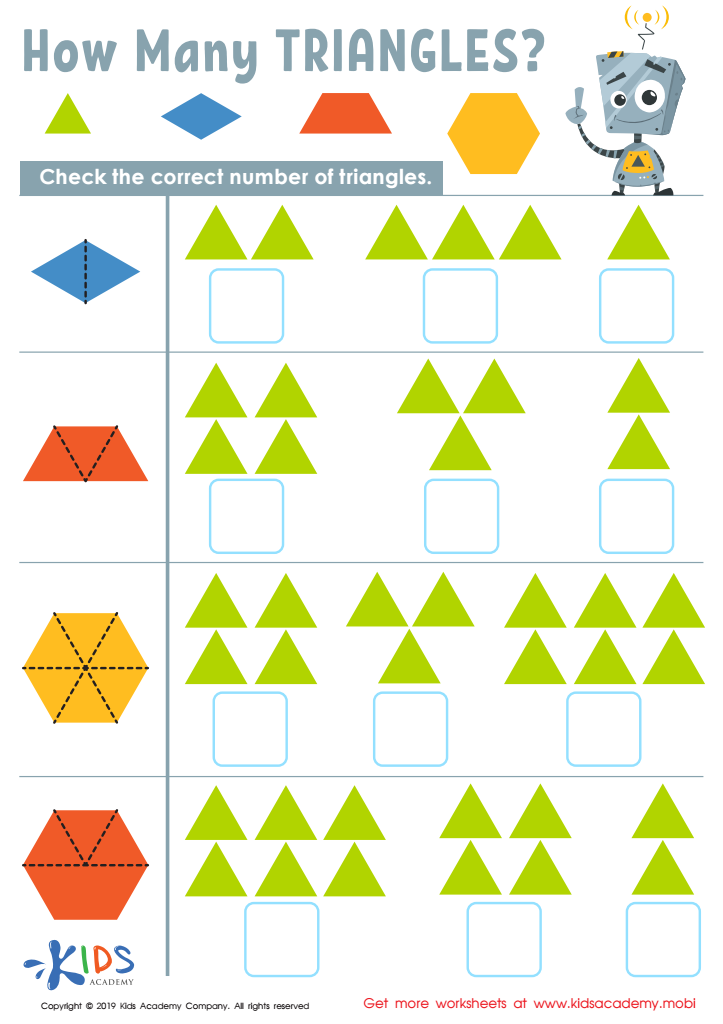
How Many Triangles Worksheet
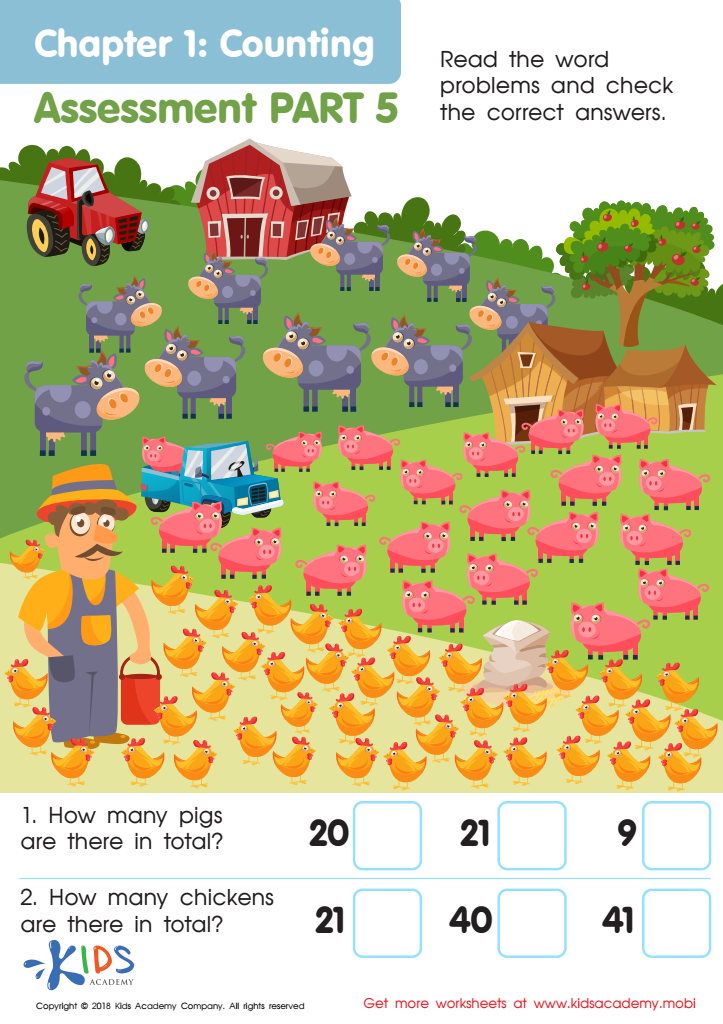
Counting: Assessment 5 Worksheet
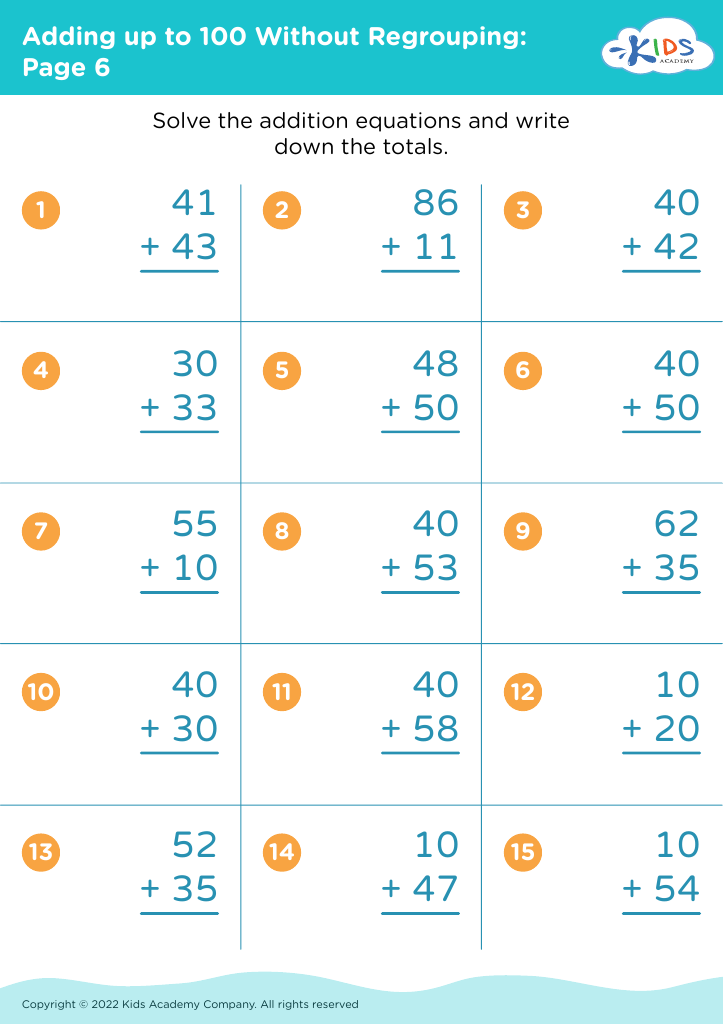
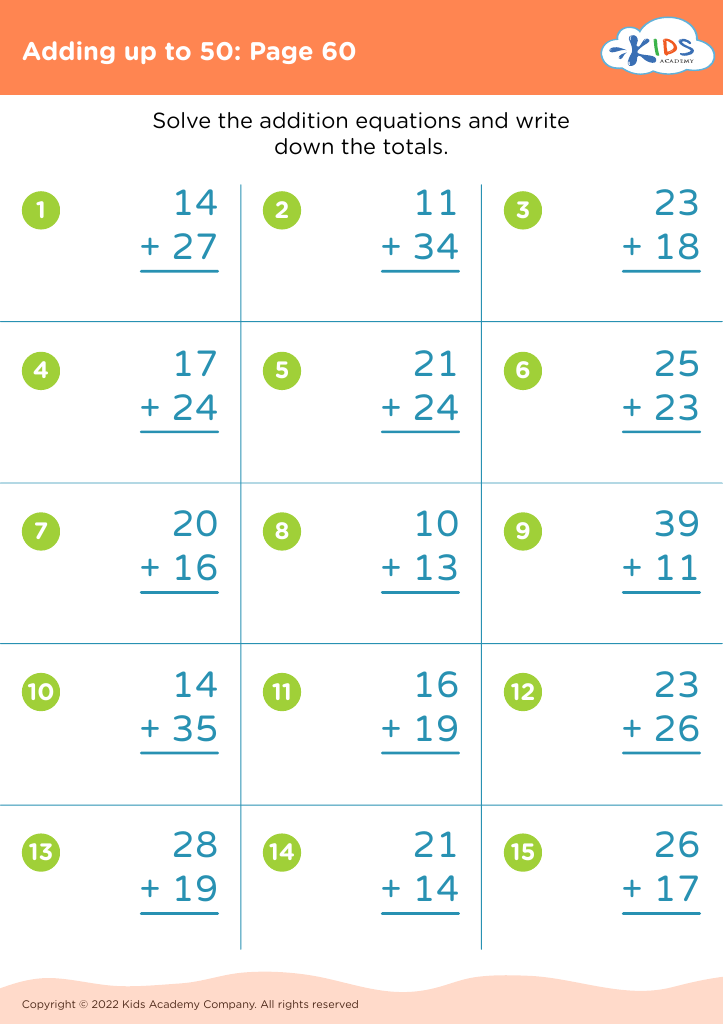
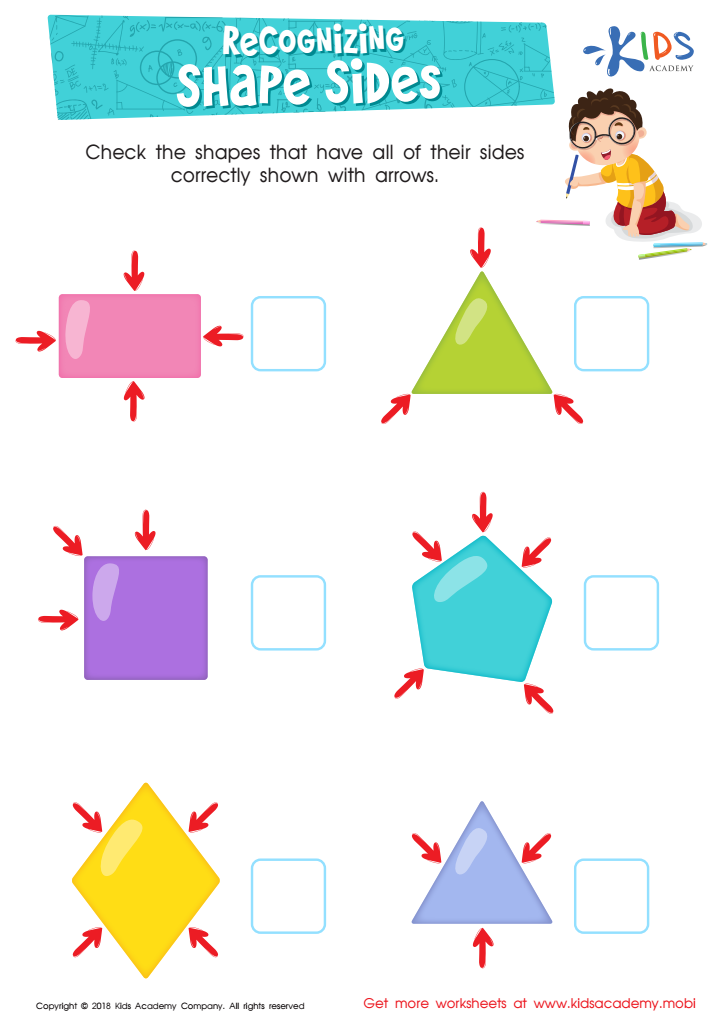
Recognizing Shape Sides Worksheet
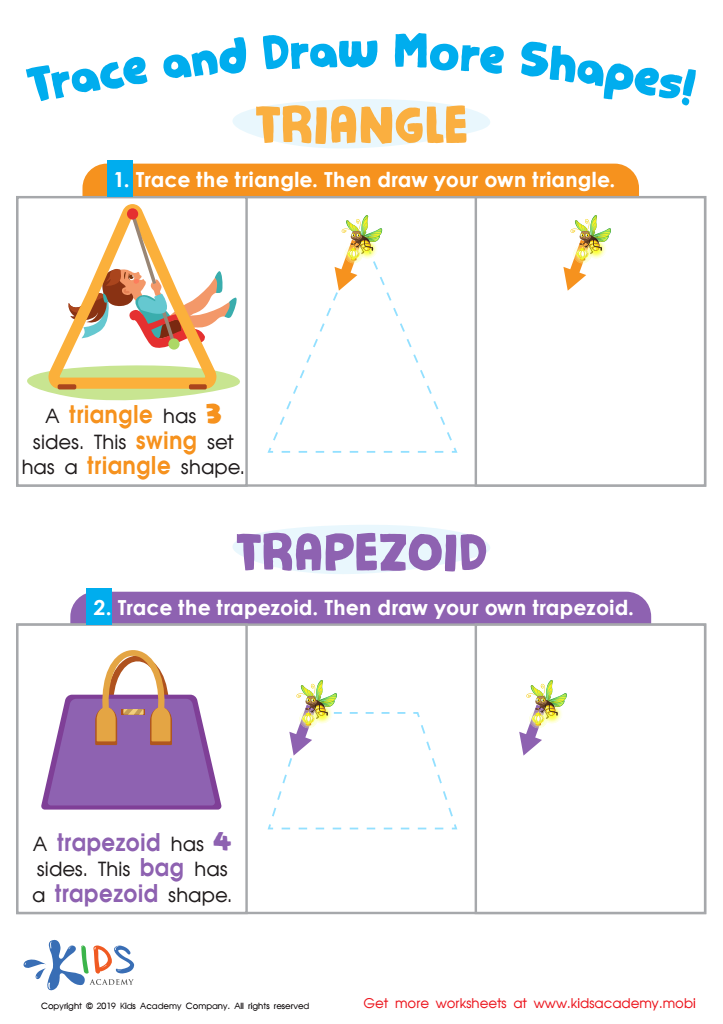
Trace and Draw More Shapes Worksheet
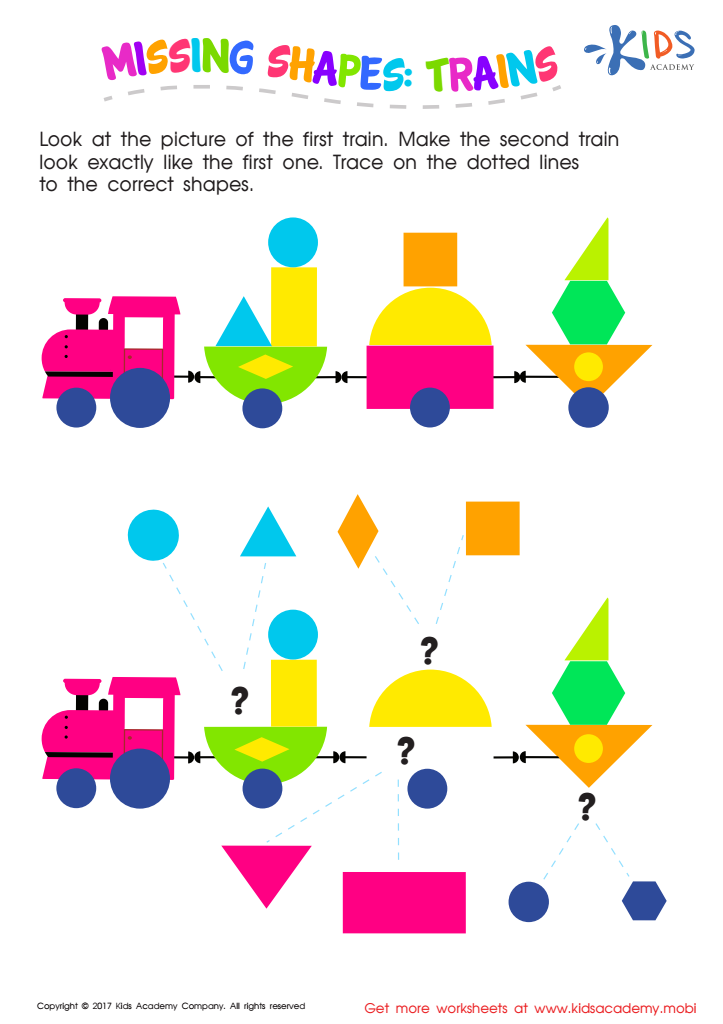
Missing Shapes: Trains Worksheet
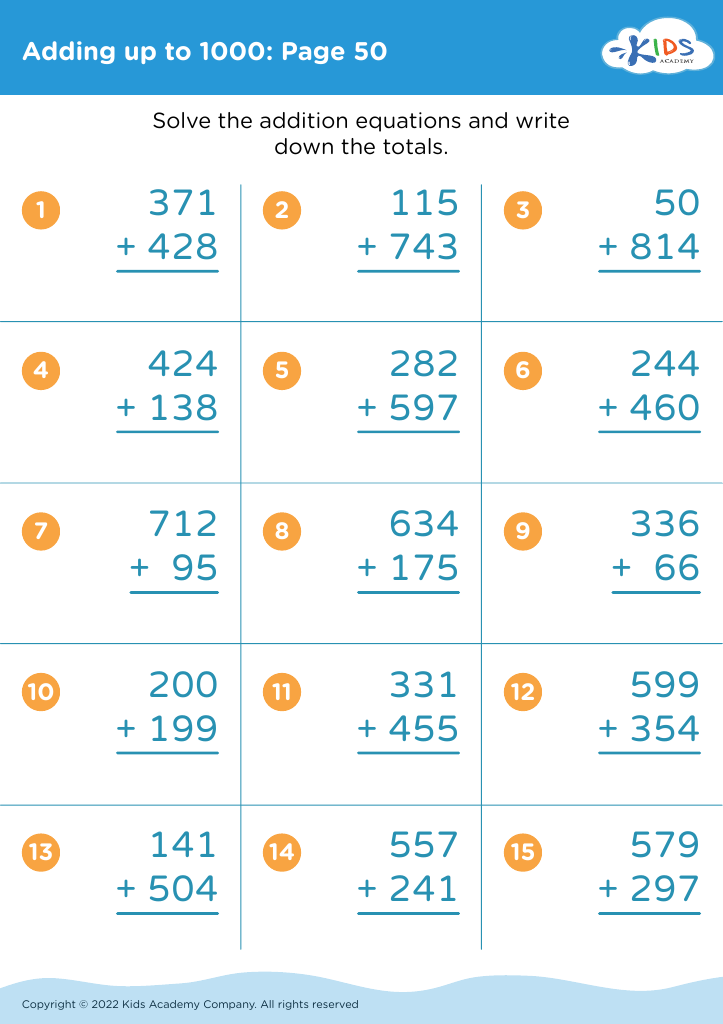
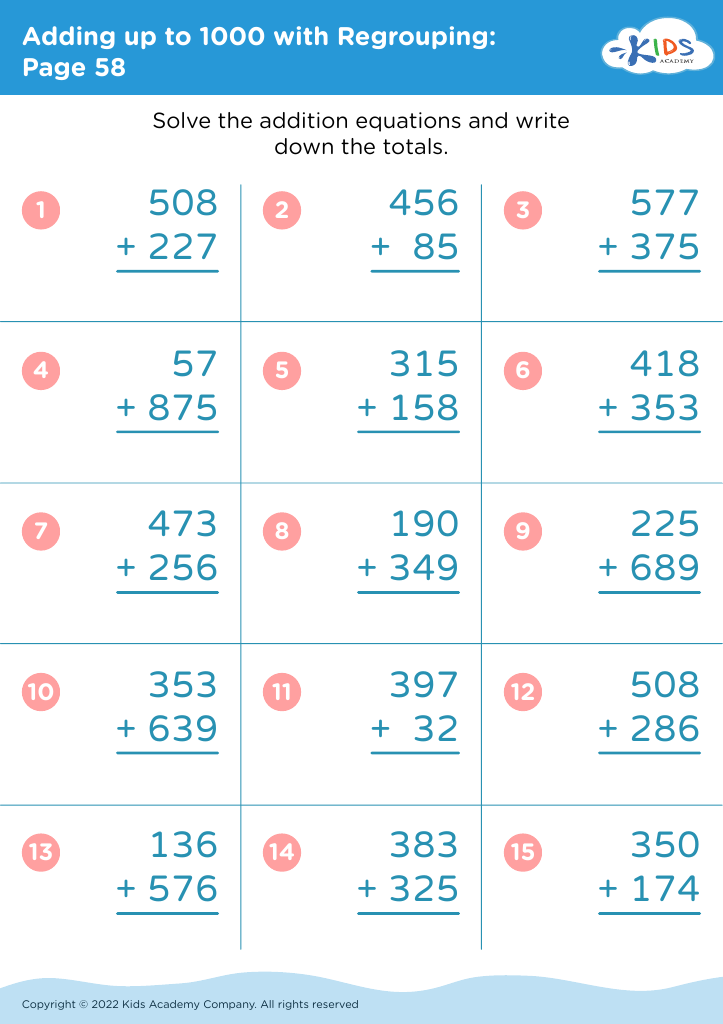






Shape recognition is a fundamental skill pivotal to a child’s cognitive and academic development, especially for ages 7-9. For parents and teachers, understanding its importance enables them to adequately support and enhance a child's learning experience.
Firstly, shape recognition acts as a building block for more complex mathematical concepts. Recognizing and understanding shapes lay the groundwork for geometry, encompassing skills such as spatial awareness and logical reasoning. Children who grasp these basic concepts can more easily transition to more advanced topics in math.
Secondly, shape recognition encourages visual-spatial intelligence. Recognizing shapes and understanding how they fit together bolsters problem-solving skills. This intelligence is crucial not only in mathematics but also in everyday tasks and other subjects like science and art.
Additionally, understanding shapes helps children make sense of the world around them. Whether navigating through a classroom, engaging in constructive play, or interpreting environmental cues, children apply shape recognition to interpret and interact with their environment effectively.
Engaging children in activities that enhance shape recognition, such as puzzles, drawing, and sorting games, will contribute to their cognitive growth and prepare them for future learning challenges. Therefore, parents and teachers who prioritize this skill are strengthening their child's overall intellectual development and future academic success.








