Time-telling skills Worksheets for Ages 7-9
7 filtered results
-
From - To
Enhance your child's time-telling skills with our engaging worksheets designed specifically for ages 7-9! Our carefully curated resources offer a variety of activities that make learning to tell time fun and accessible. From reading analog and digital clocks to understanding elapsed time, these worksheets cater to different learning styles. Each worksheet is crafted to support your child's critical thinking and problem-solving abilities. Perfect for home or classroom use, our time-telling worksheets help build essential math skills while boosting confidence. Unlock the joy of learning time concepts today with our interactive and enjoyable materials! Explore our collection now!
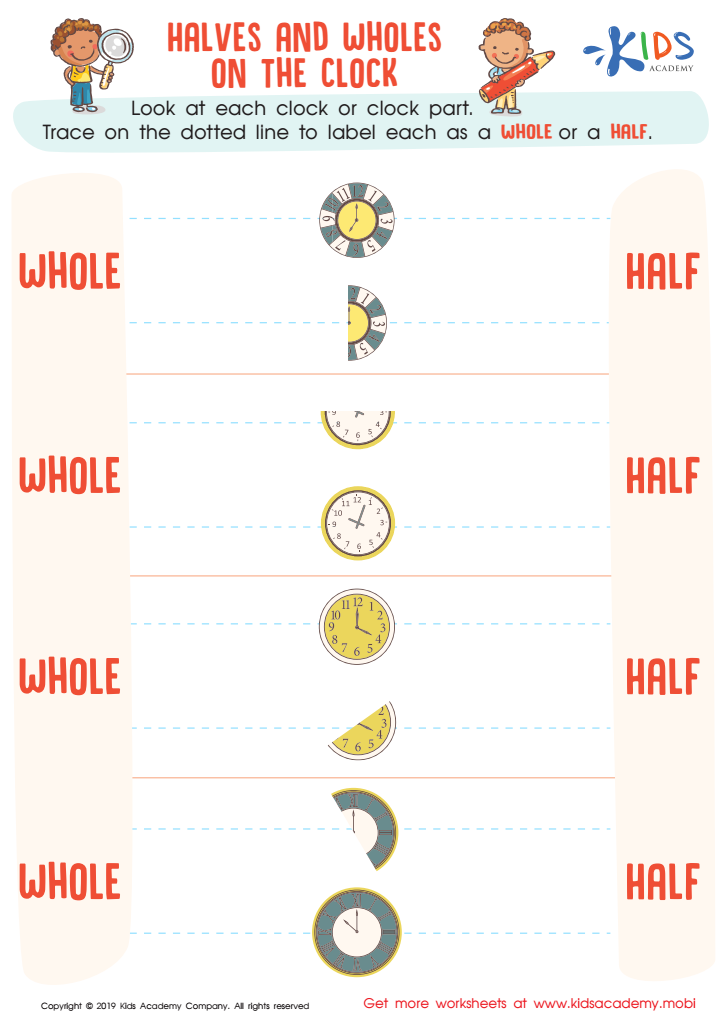
Halves and Wholes on the Clock Worksheet
 Assign to My Students
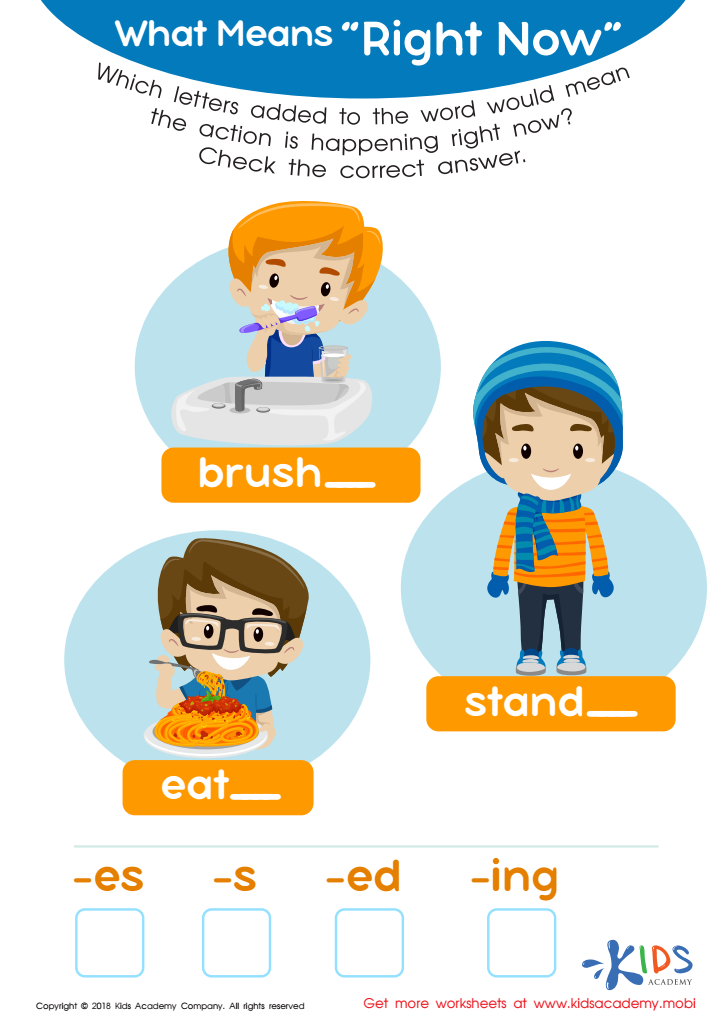
What Means "Right Now" Worksheet
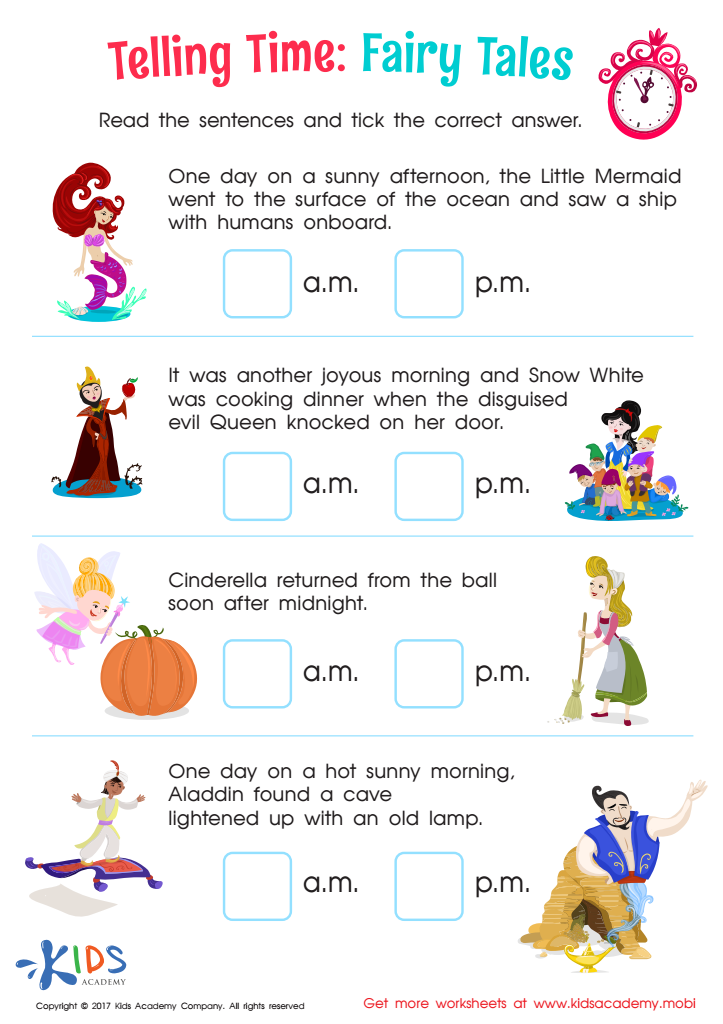
Telling Time: Fairy Tales Worksheet
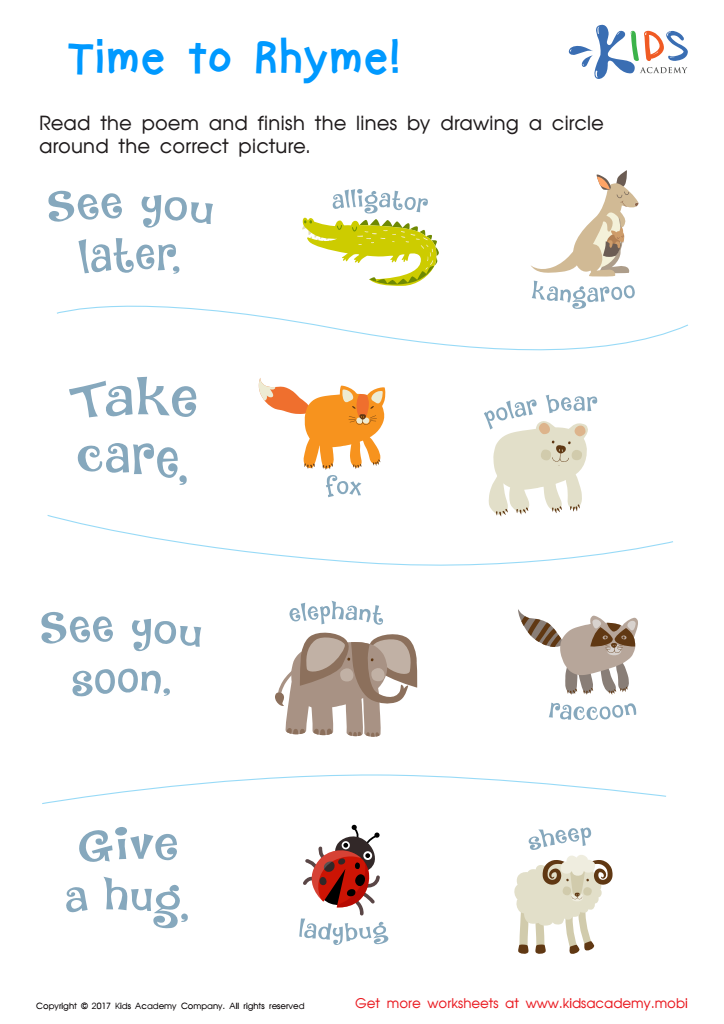
Time to Rhyme Rhyming Worksheet
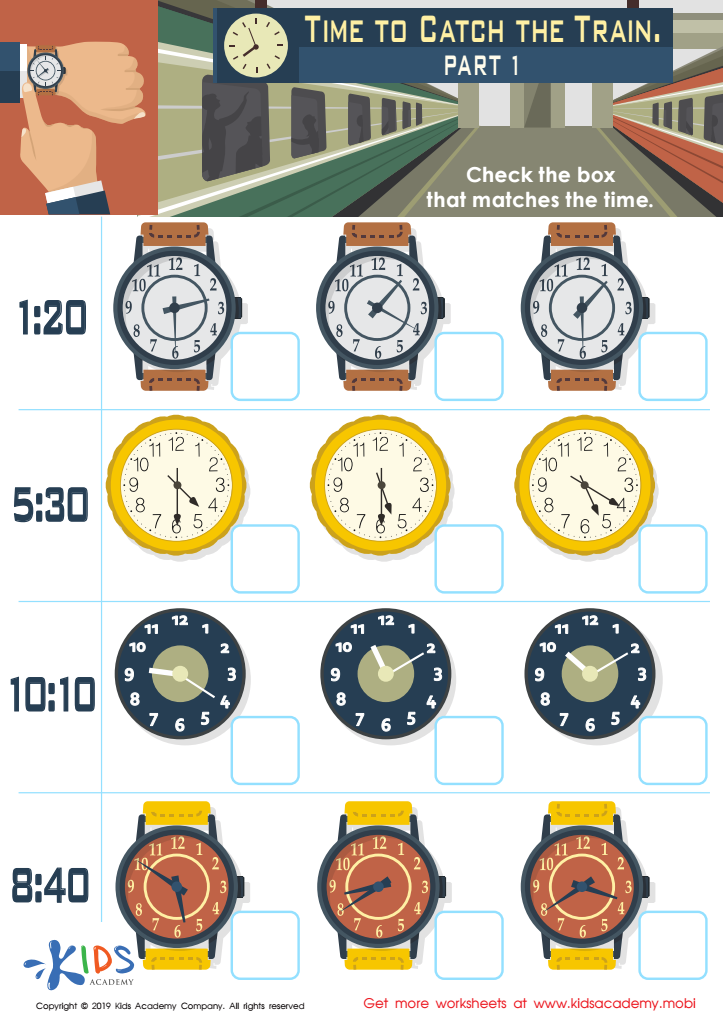
Time to Catch the Train Part 1 Worksheet
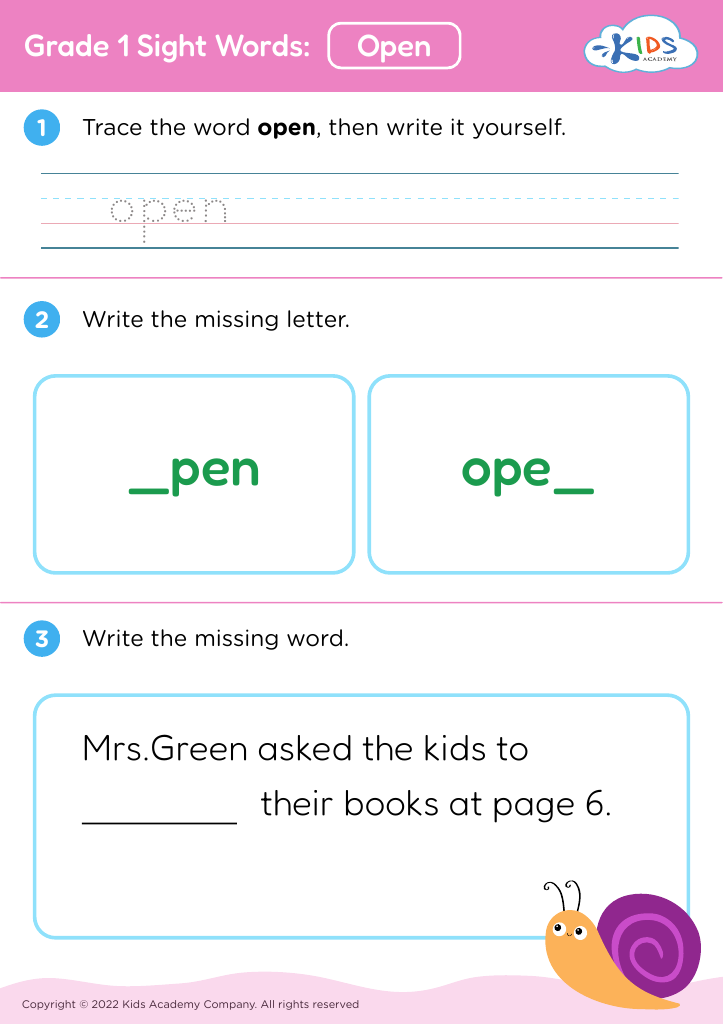








Teaching time-telling skills to children aged 7-9 is essential for their overall cognitive development and life skills. At this age, children are honing their abilities to understand concepts of time, which are crucial for planning their daily activities and fostering a sense of responsibility. By learning to tell time, children develop critical thinking and problem-solving skills as they navigate schedules, understand durations, and manage responsibilities effectively.
Moreover, time-telling skills enhance a child’s independence and self-regulation. They learn to anticipate upcoming events, such as meals, playdates, or homework time, which fosters better time management. This autonomy boosts their confidence and prepares them for more complex organizational skills needed in later schooling.
In addition, understanding time during this developmental stage supports communication skills. Children learn to express when they need help, share their daily plans, and engage in structured conversations about time with peers and adults.
Finally, time-telling lays the groundwork for grasping broader mathematical concepts, such as fractions and numerical reasoning, leading to a deeper appreciation of mathematics. For these reasons, both parents and teachers should prioritize time-telling skills, as they play a pivotal role in the holistic growth and everyday success of children.








