Understanding measurements Worksheets for Ages 7-9
24 filtered results
-
From - To
Discover our engaging "Understanding Measurements Worksheets for Ages 7-9," designed to make learning fun for young minds. These printable worksheets help children explore key measurement concepts, including length, weight, volume, and time. Through interactive activities, students will develop essential math skills while gaining confidence in practical applications. Perfect for use at home or in the classroom, our resources are crafted by educators to align with curriculum standards. Foster curiosity and boost comprehension with colorful, easy-to-follow exercises that challenge and inspire. Make learning measurements enjoyable and impactful for your 7-9 year-olds with our expertly designed worksheets!
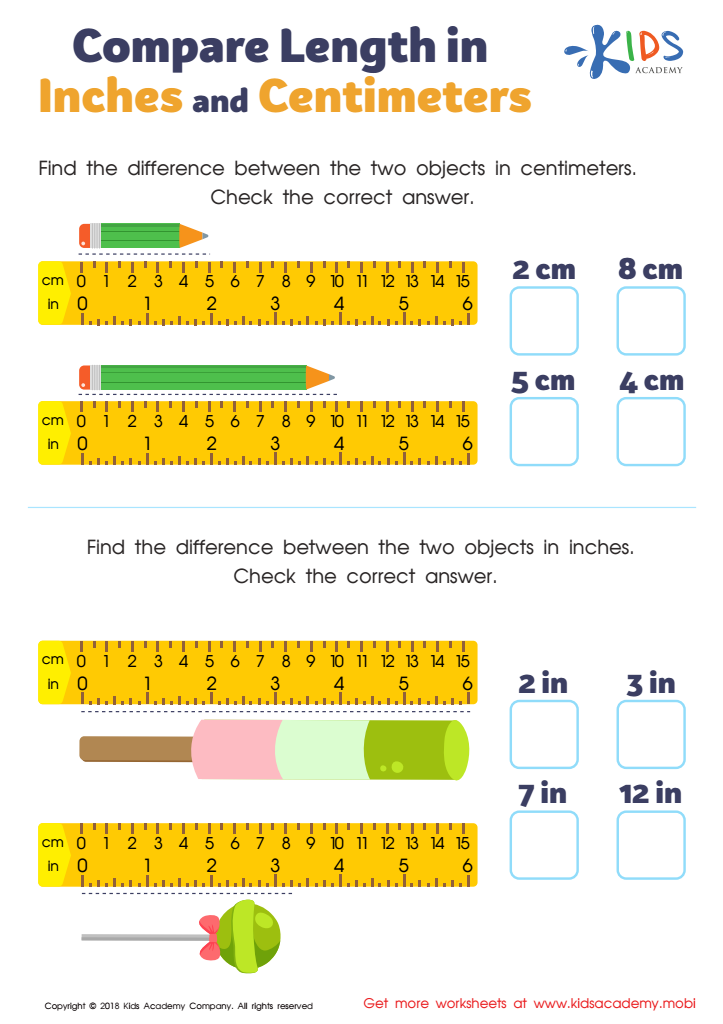
Compare Length in Inches and Centimeters Worksheet
 Assign to My Students
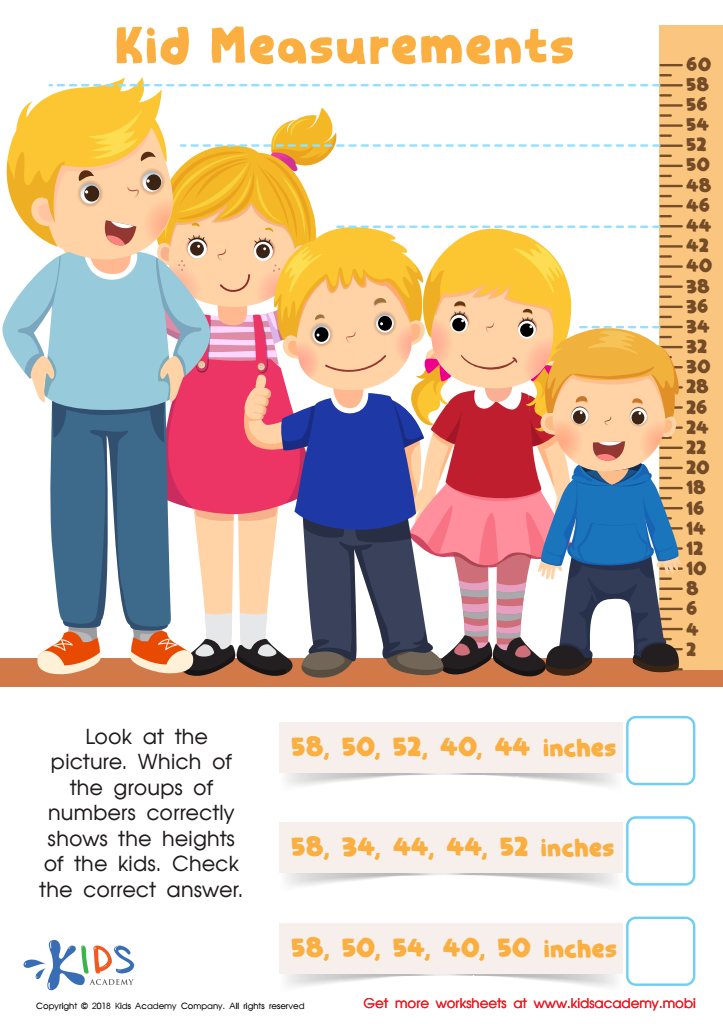
Kids Measurements Worksheet
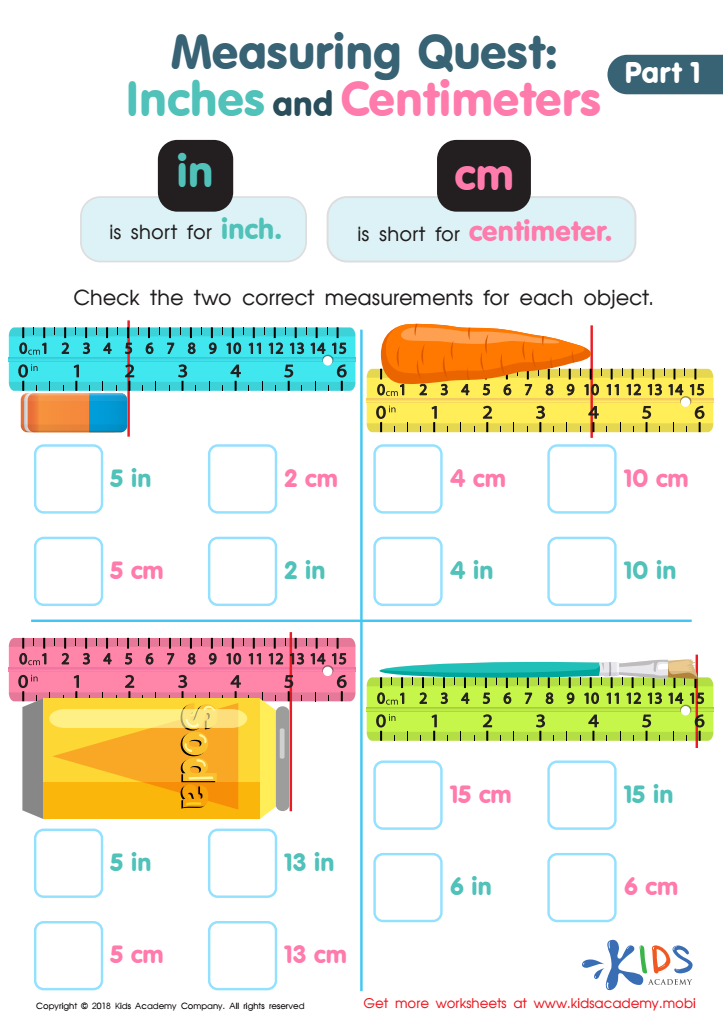
Measuring Quest: Inches and Centimeters Worksheet
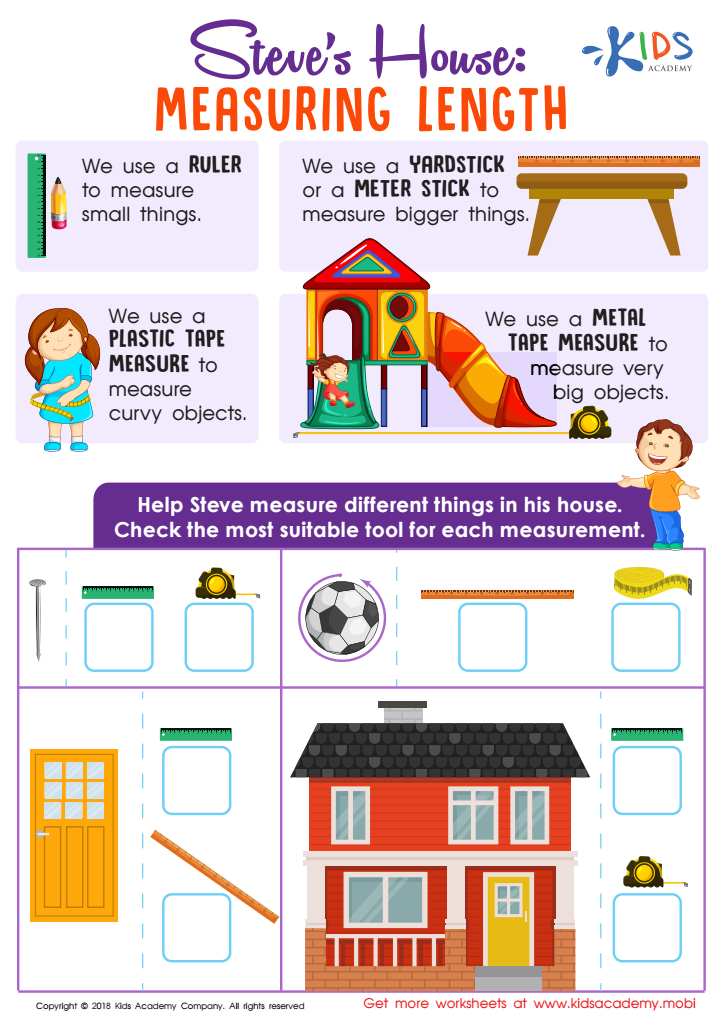
Steve's House: Measuring Length Worksheet
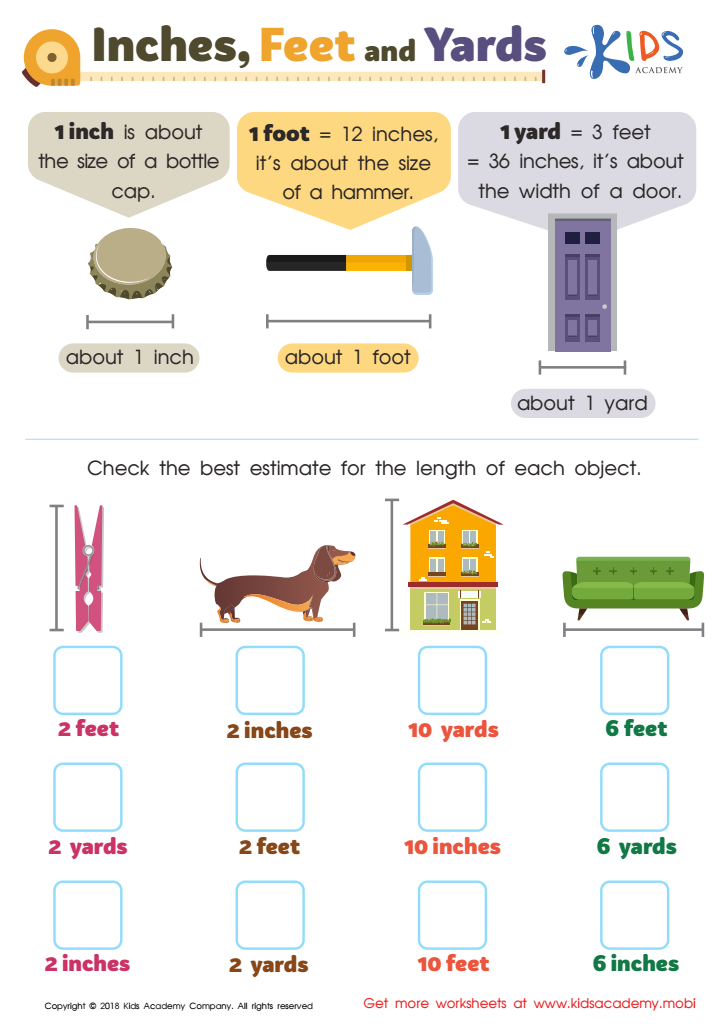
Inches, Feet and Yards Worksheet
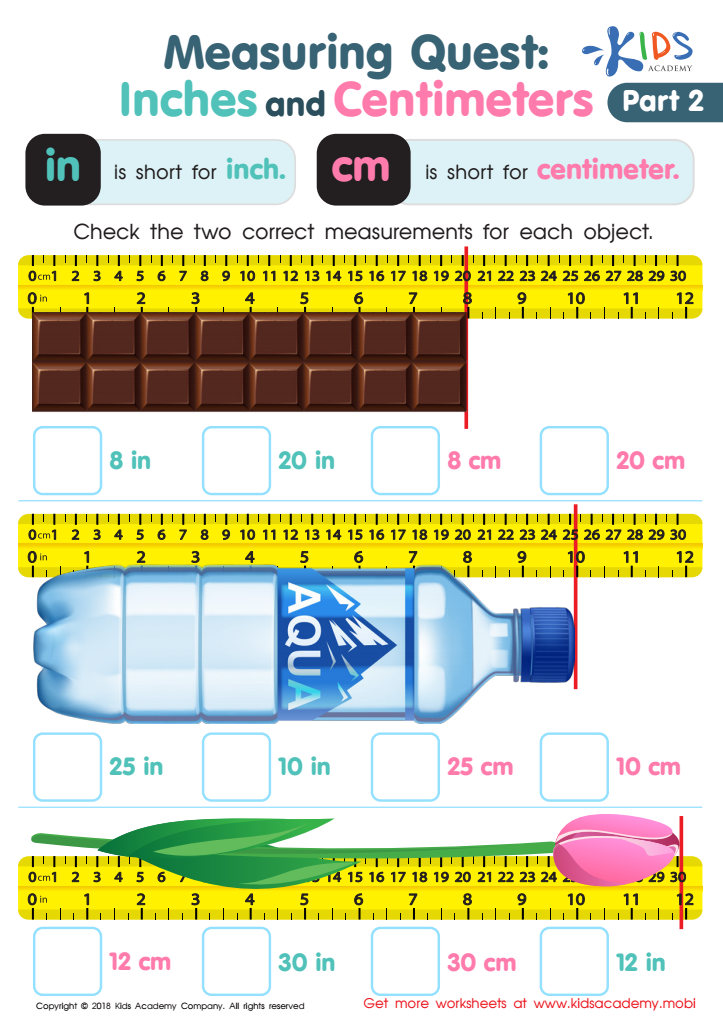
Measuring Quest: Inches and Centimeters - Part 2 Worksheet
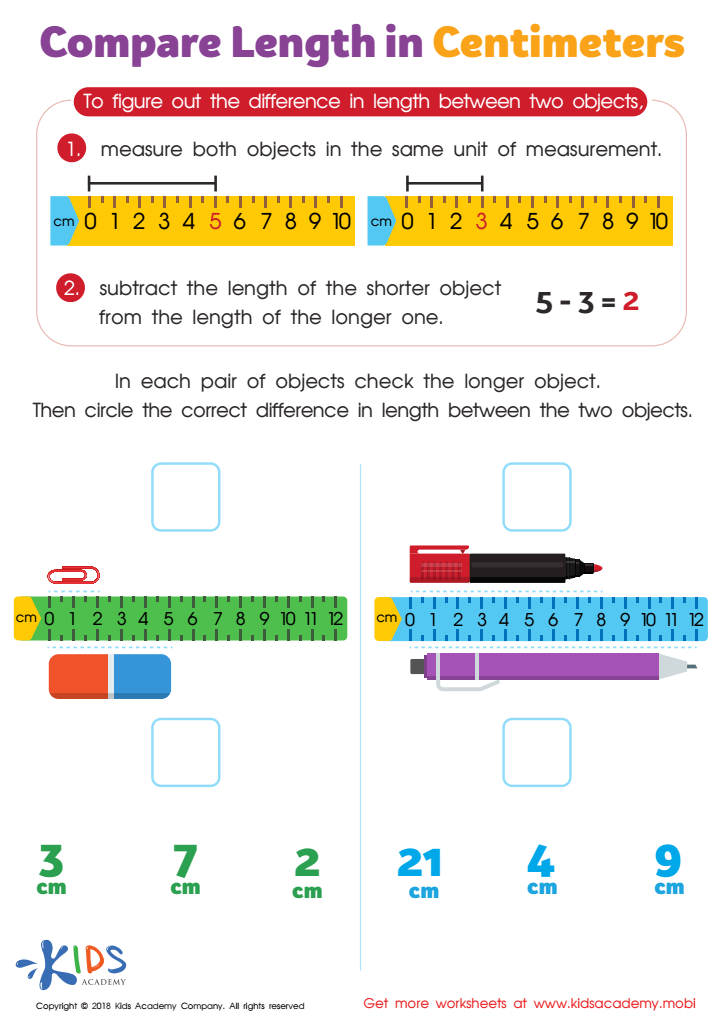
Compare Length in Centimeters Worksheet
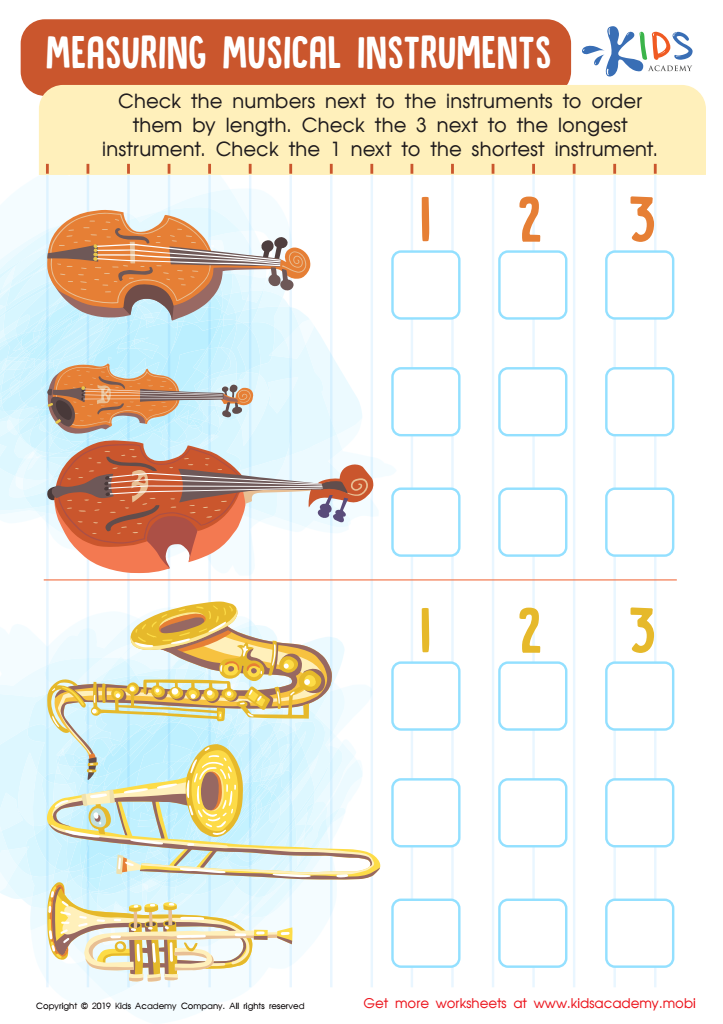
Measuring Musical Instruments Worksheet
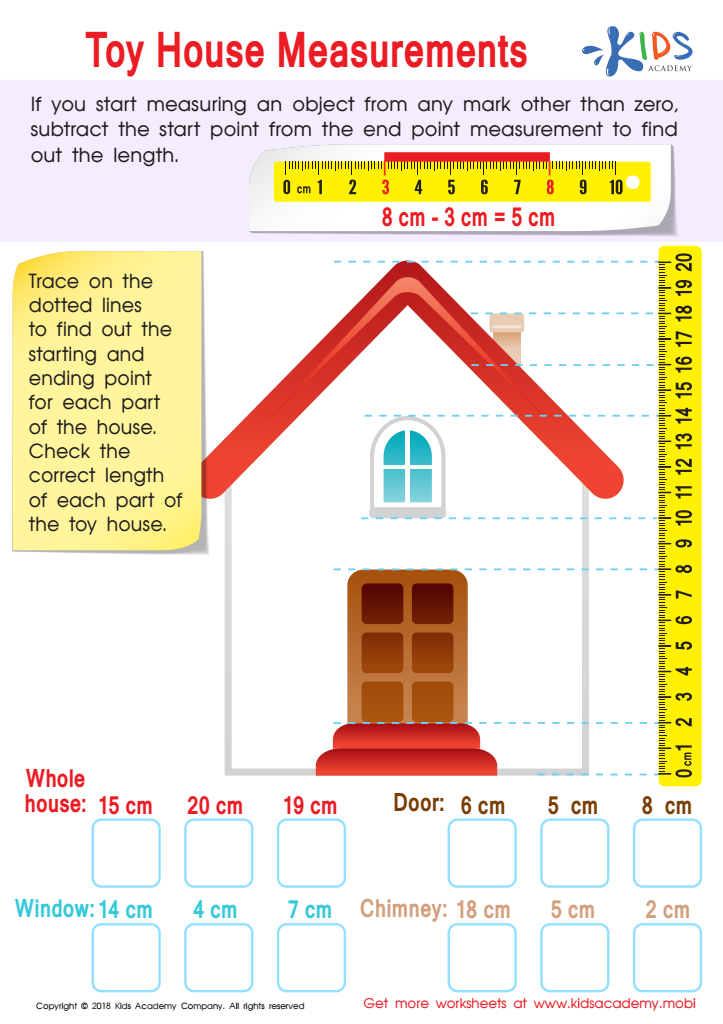
Toy House Measurements Worksheet
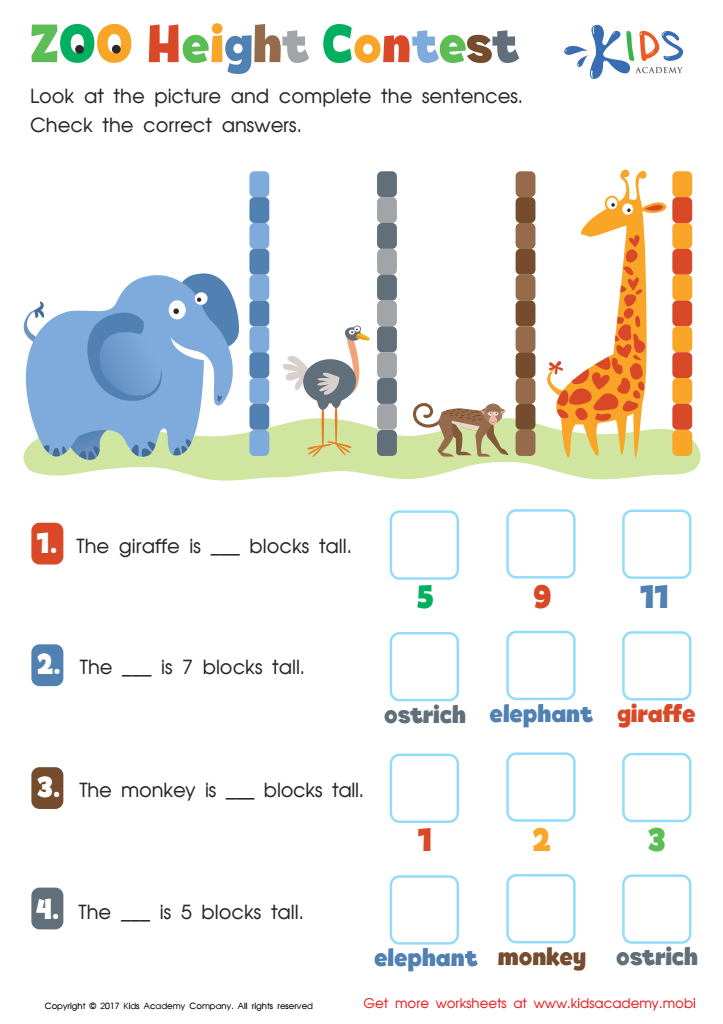
Zoo Height Contest Worksheet
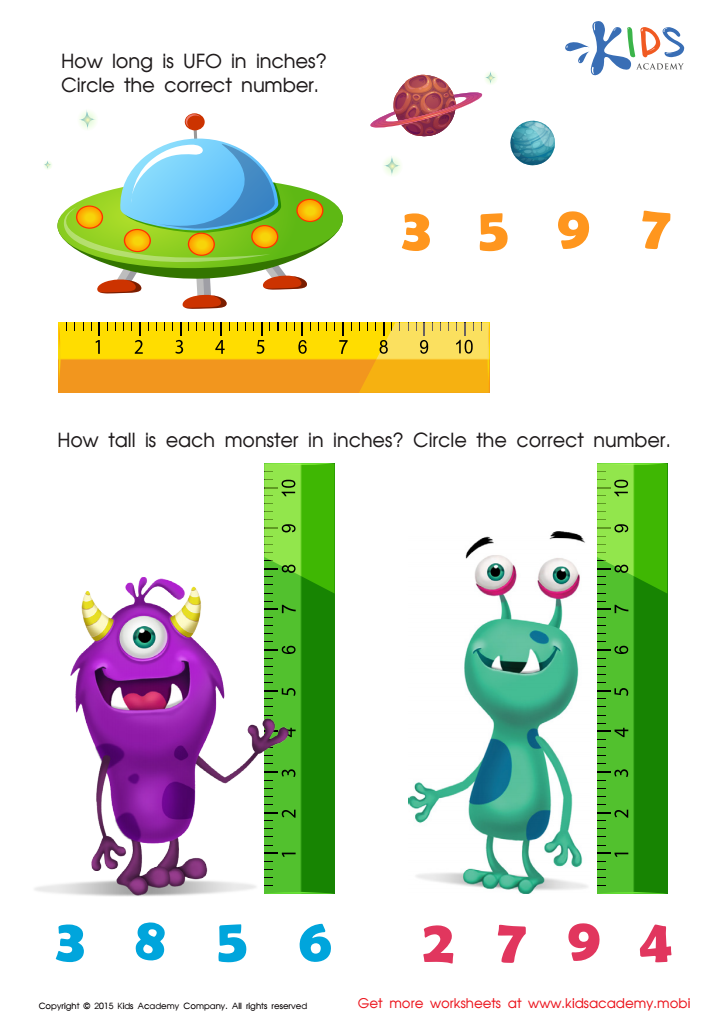
Measuring in Inches Worksheet
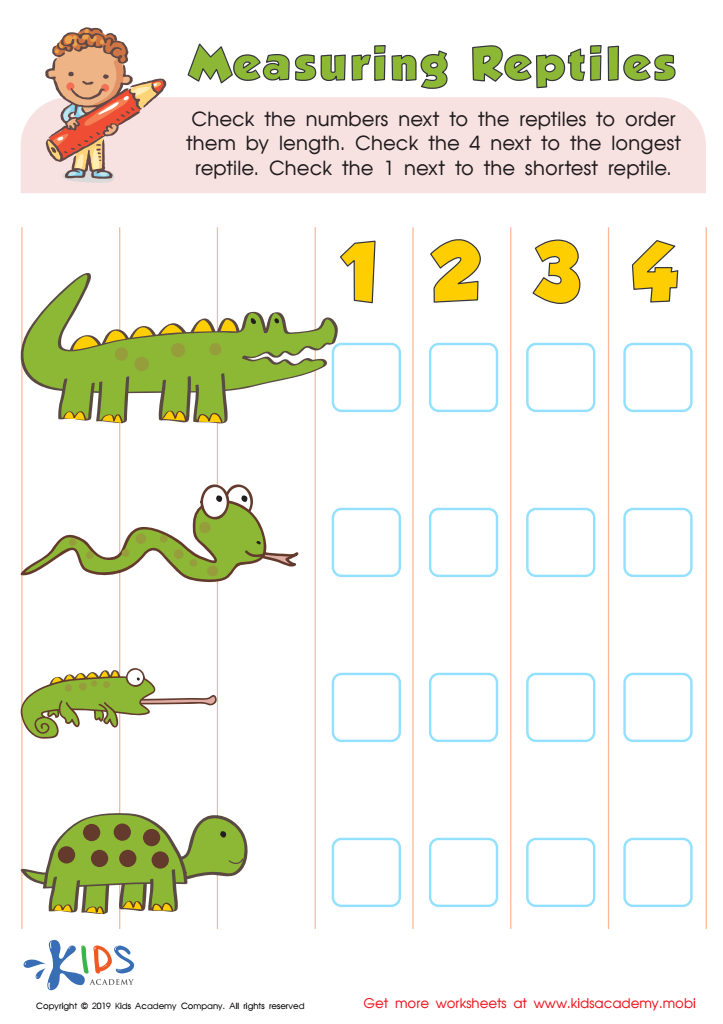
Measuring Reptiles Worksheet
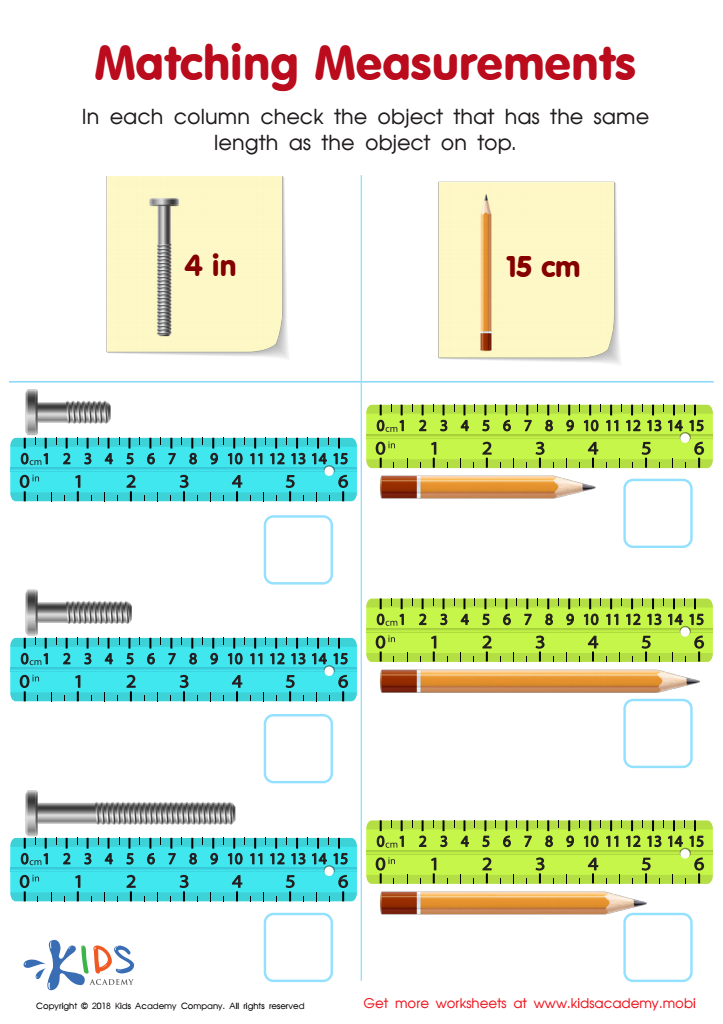
Matching Measurements Worksheet
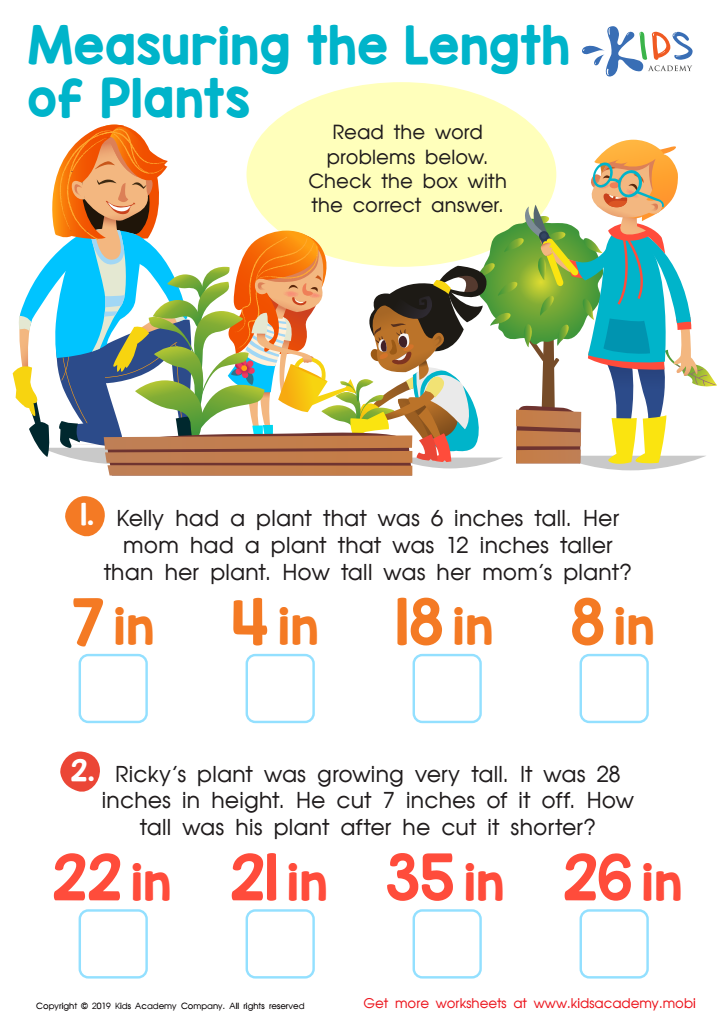
Measuring the Length of Plants Worksheet
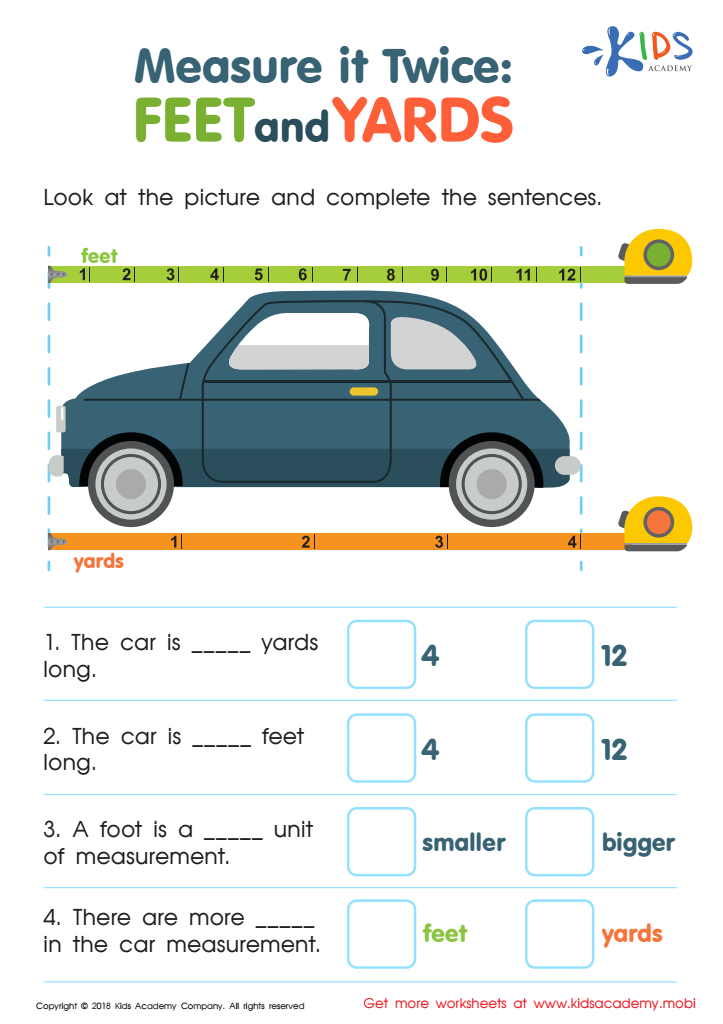
Measure It Twice: Feet and Yards Worksheet
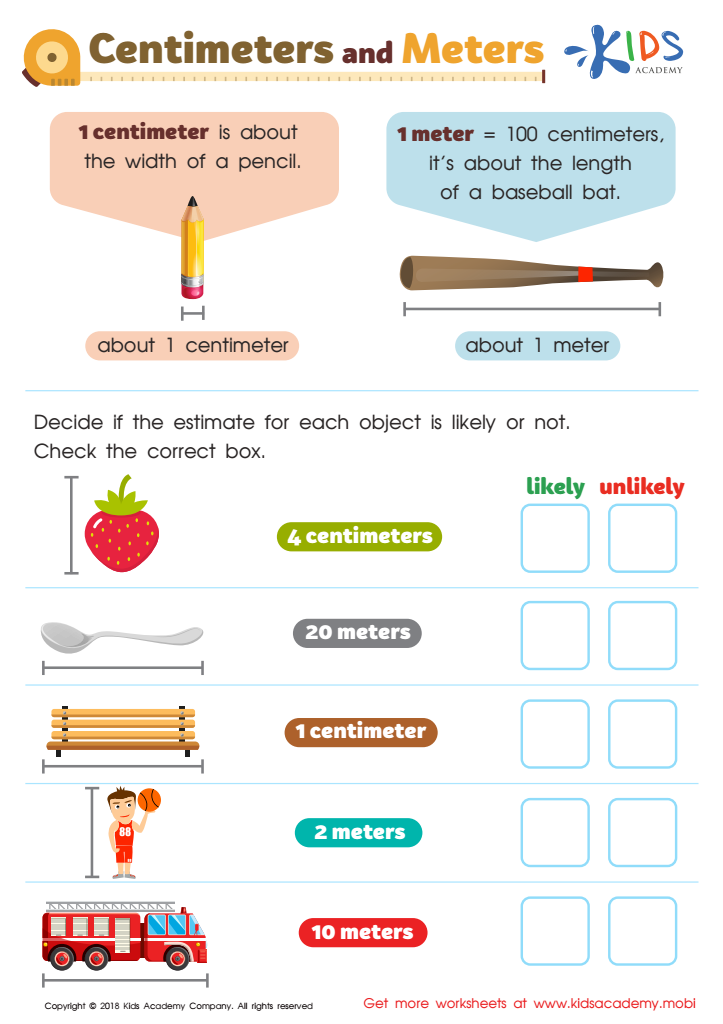
Centimeters and Meters Worksheet
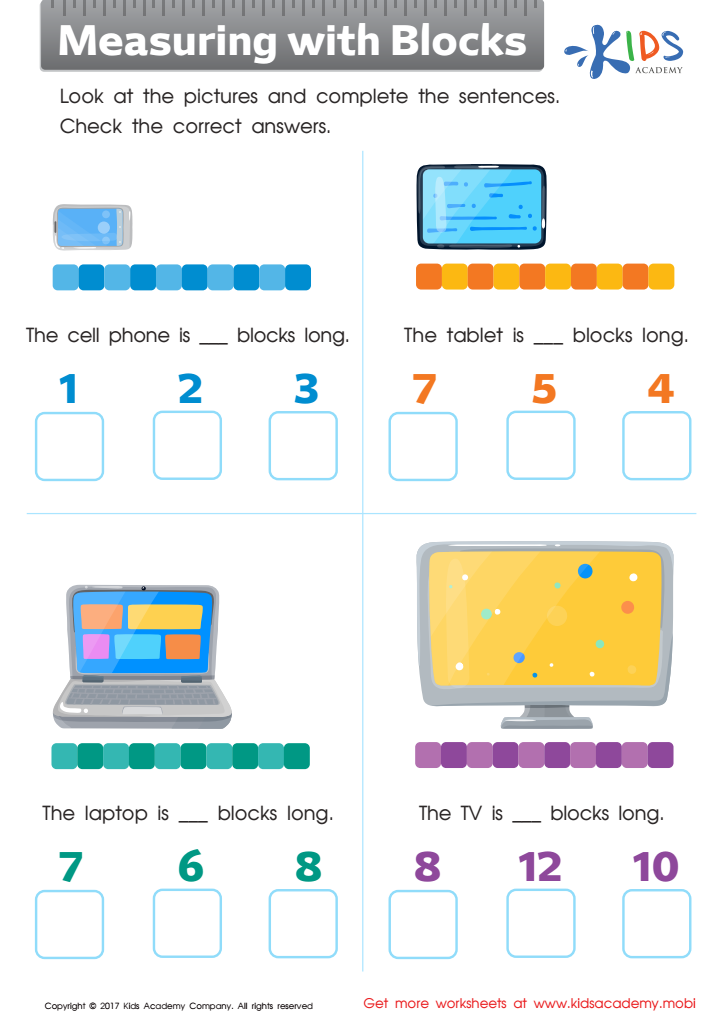
Measuring with Blocks Worksheet
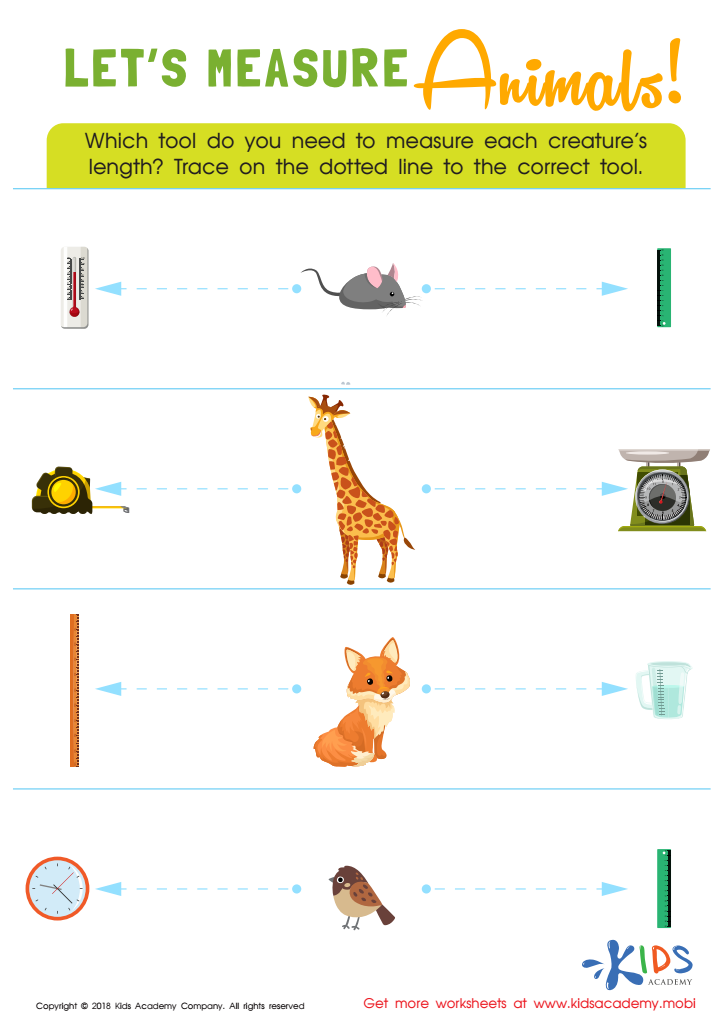
Let's Measure Animals! Worksheet
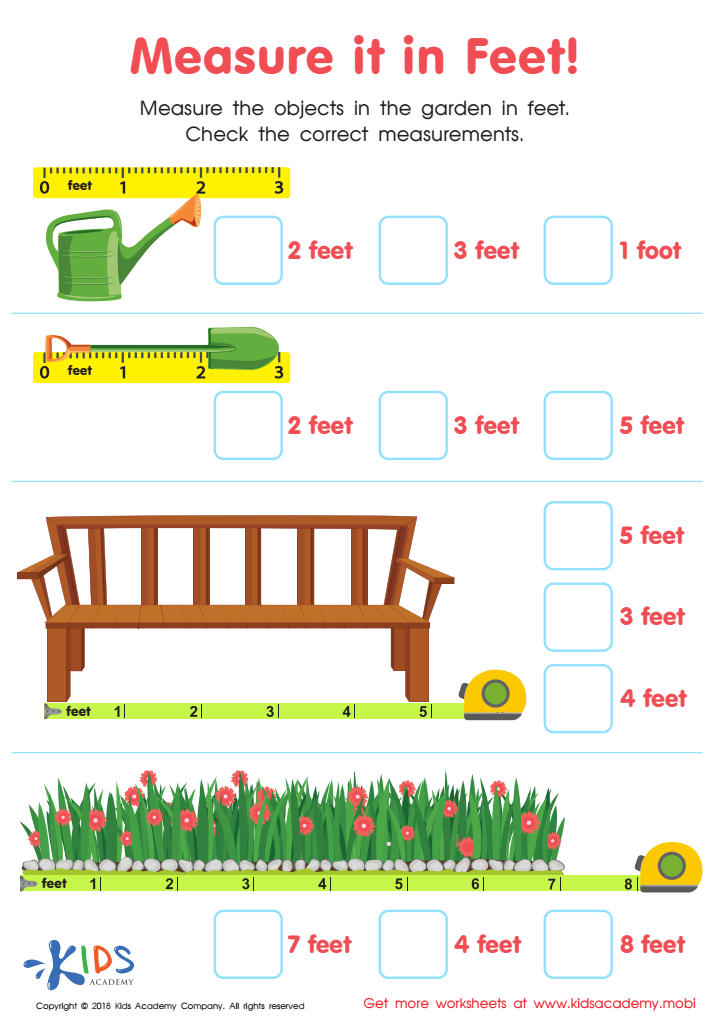
Measure it in Feet Worksheet
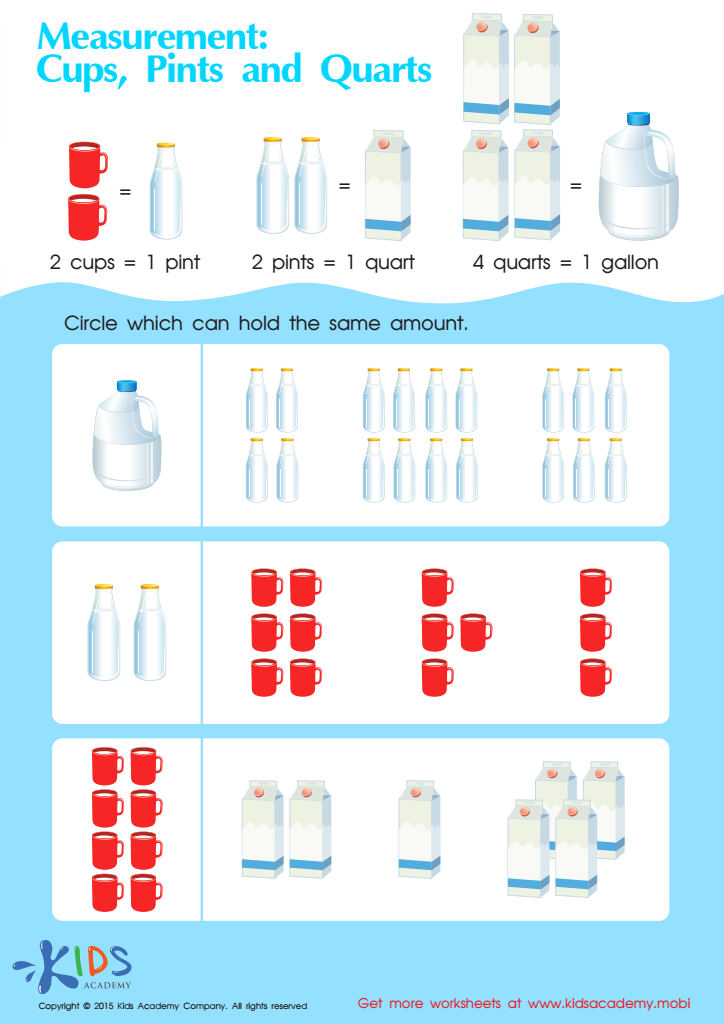
Cups, Pints and Quarts 2 Worksheet
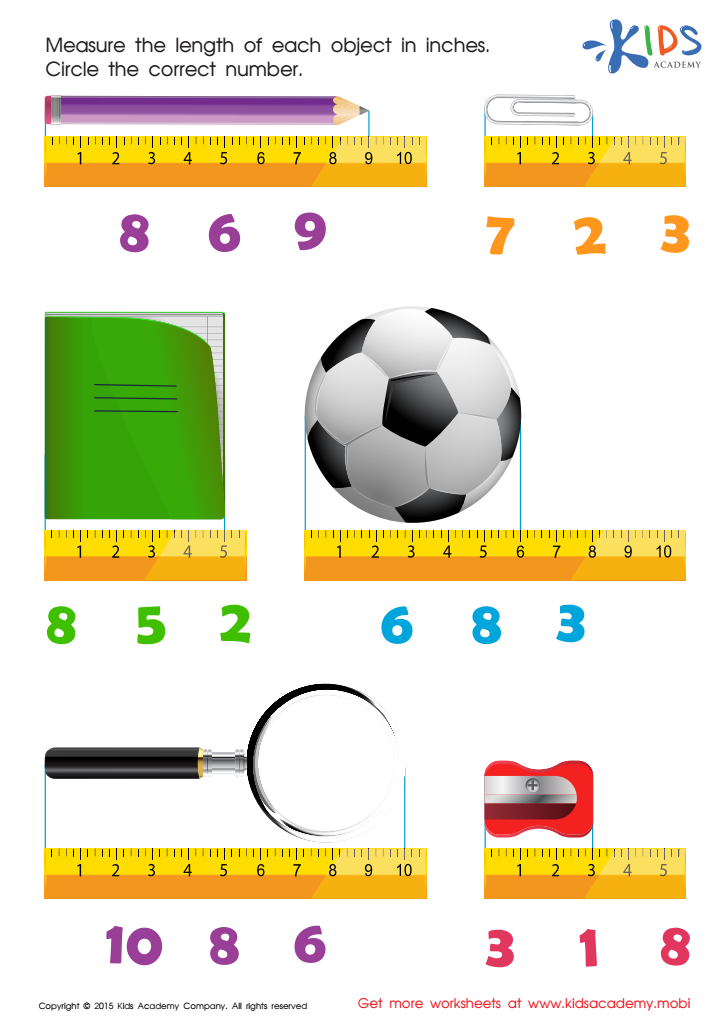
Learning measuring objects in inches Worksheet
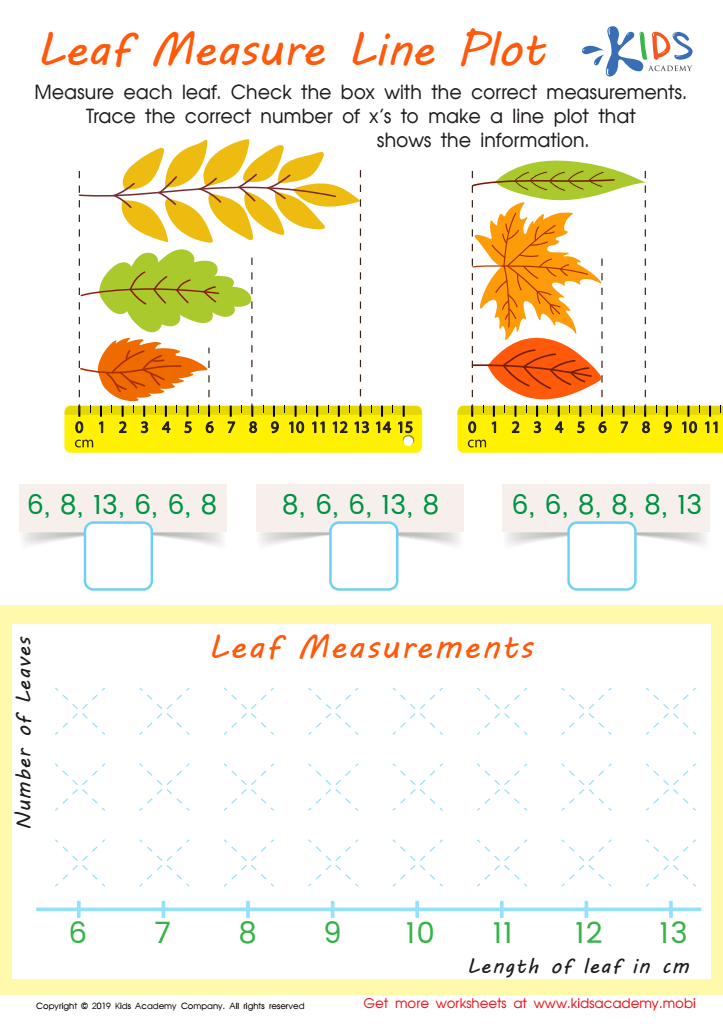
Leaf Measure Line Plot Worksheet







Understanding measurements at ages 7-9 is crucial for several reasons, appealing directly to parents and teachers who guide children's development. First, mastering measurements provides a strong foundation for their mathematical education. It helps children grasp key concepts like length, weight, volume, and time, which are fundamental not only in math classes but also in everyday problem-solving situations.
Second, knowing how to measure things boosts a child's critical thinking abilities. When kids start to compare quantities and use tools like rulers or scales, they are actively engaging in problem-solving and analytical thinking. This hands-on experience sharpens their observational skills and helps them draw logical conclusions.
Third, understanding measurements is essential for real-world applications. Activities such as cooking, crafting, playing sports, and even setting daily routines (like knowing how much time they need to get ready) involve measuring. By learning these skills early on, children become more independent and competent in daily tasks.
Lastly, a strong grasp of measurement concepts aligns with academic standards and ensures children are on the right track to meet grade-level expectations. It can significantly enhance their confidence and readiness for more advanced subjects in the future. Therefore, encouraging measurement learning supports overall cognitive development and prepares children for a range of life skills.








