Visual learning enhancement Worksheets for Ages 7-9
5 filtered results
-
From - To
Boost your child’s learning journey with our Visual Learning Enhancement Worksheets designed specifically for ages 7-9! These engaging, colorful worksheets promote visual literacy, enabling young learners to grasp complex concepts through appealing graphics and interactive activities. Each worksheet focuses on critical skills, such as problem-solving and comprehension, while catering to various learning styles. By combining visual elements with hands-on tasks, your child will develop a more profound understanding of subjects in a fun and stimulating way. Ideal for home or classroom use, these worksheets are an excellent resource for parents and teachers committed to enhancing visual learning and academic success.
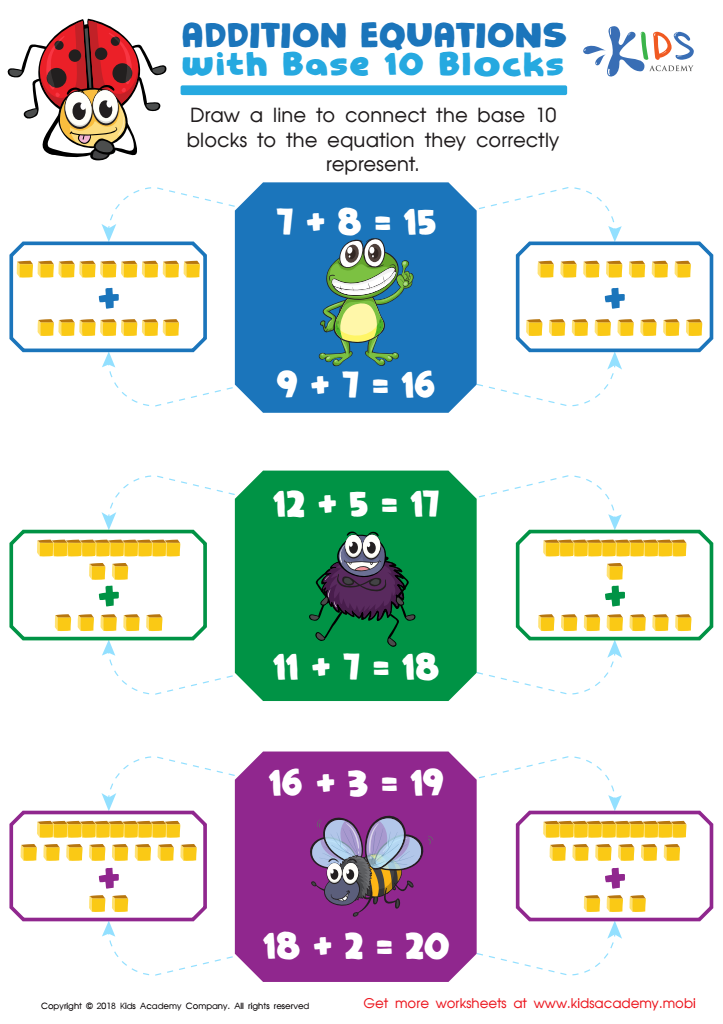
Addition Equations With Base 10 Blocks Worksheet
 Assign to My Students
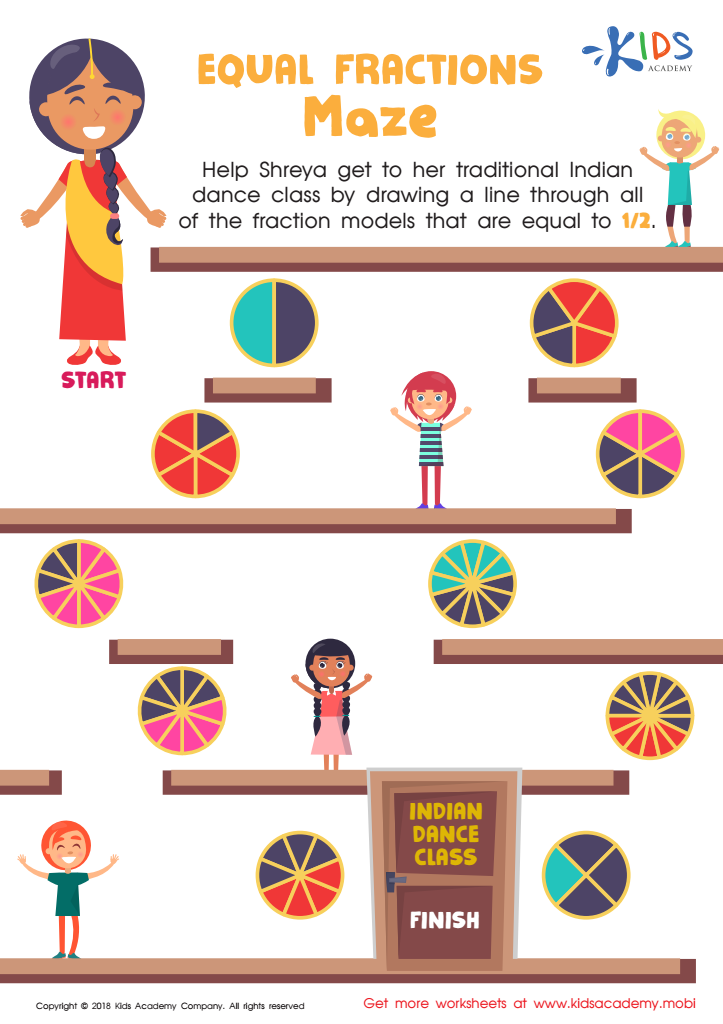
Equal Fractions Maze Worksheet
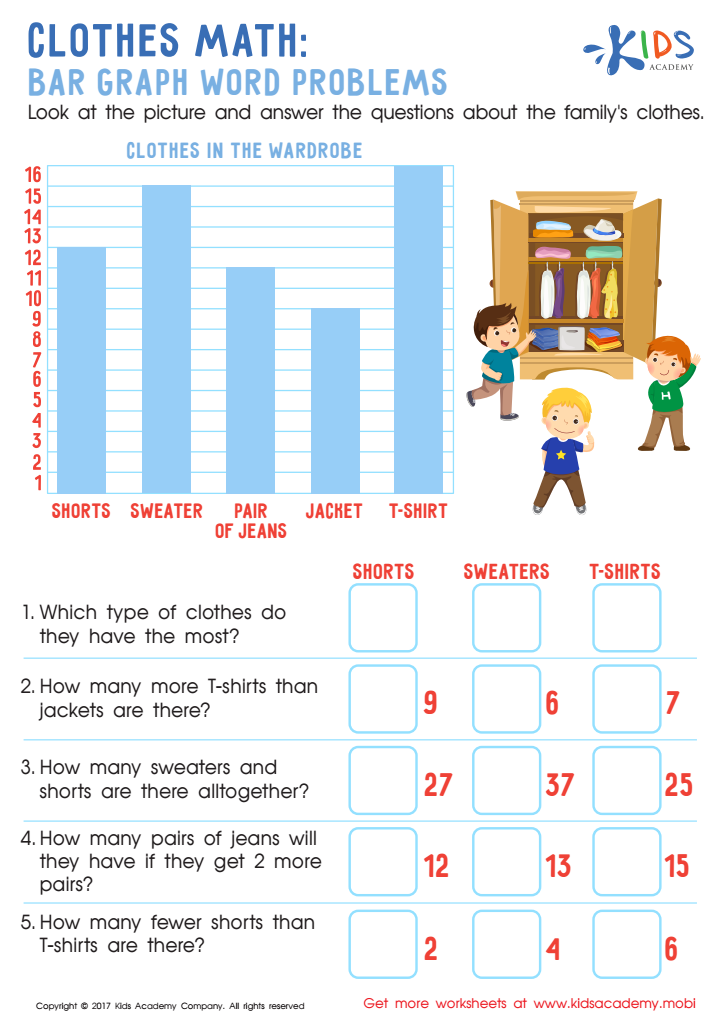
Clothes Math: Bar Graph Word Problems Worksheet
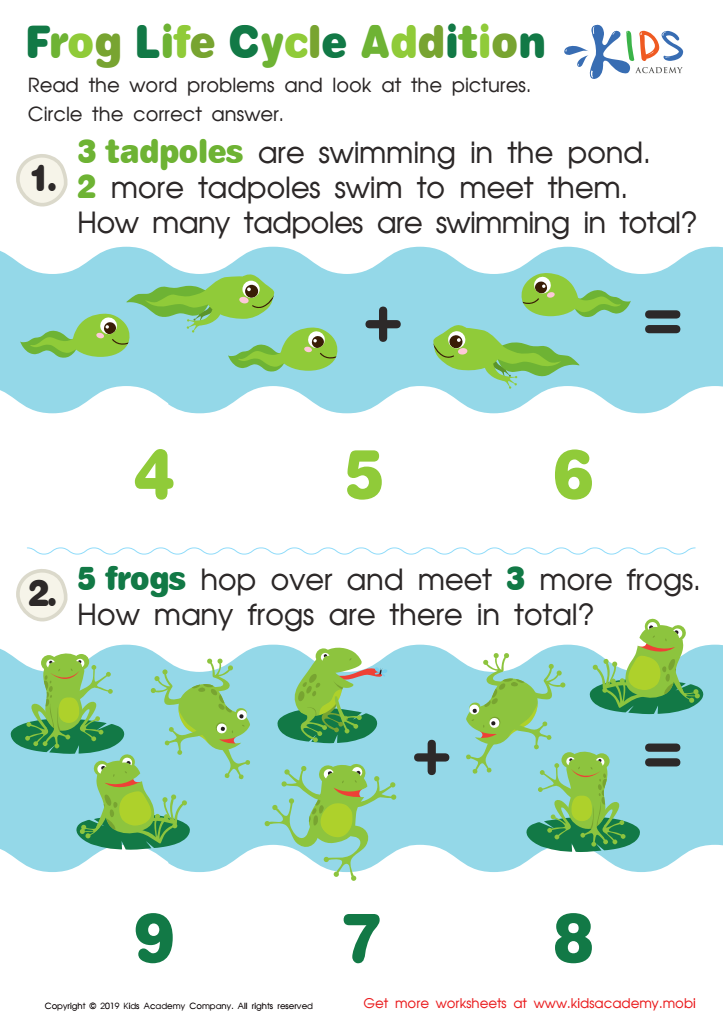
Frog Life Cycle Addition Worksheet

Life Cycle of Butterfly Printable








Visual learning enhancement is crucial for children aged 7-9 as this is a formative period when they develop cognitive skills, including memory, problem-solving, and critical thinking. At this age, children often respond more effectively to visual stimuli, making visual learning strategies—such as diagrams, charts, and multimedia presentations—vital for reinforcing concepts and fostering deeper understanding.
When parents and teachers focus on visual learning, they can accommodate diverse learning styles. Many children are visual learners who benefit from seeing information presented in graphs, illustrations, and videos, making lessons more engaging and accessible. This approach can also aid in breaking down complex subjects, allowing young learners to grasp challenging material more easily.
Additionally, visual learning promotes literacy skills. By interpreting visual aids, children enhance their observational skills and can better articulate thoughts and ideas, leading to improved communication abilities.
In today’s digital age, cultivating visual literacy is increasingly important, as technology plays a significant role in education. Encouraging visual learning prepares students for future academic and professional environments, where the ability to understand and interpret visual information is essential. Thus, prioritizing visual learning strategies in schools and homes paves the way for stronger educational outcomes.








