Vocabulary development Worksheets for Ages 7-9 - Page 2
47 filtered results
-
From - To
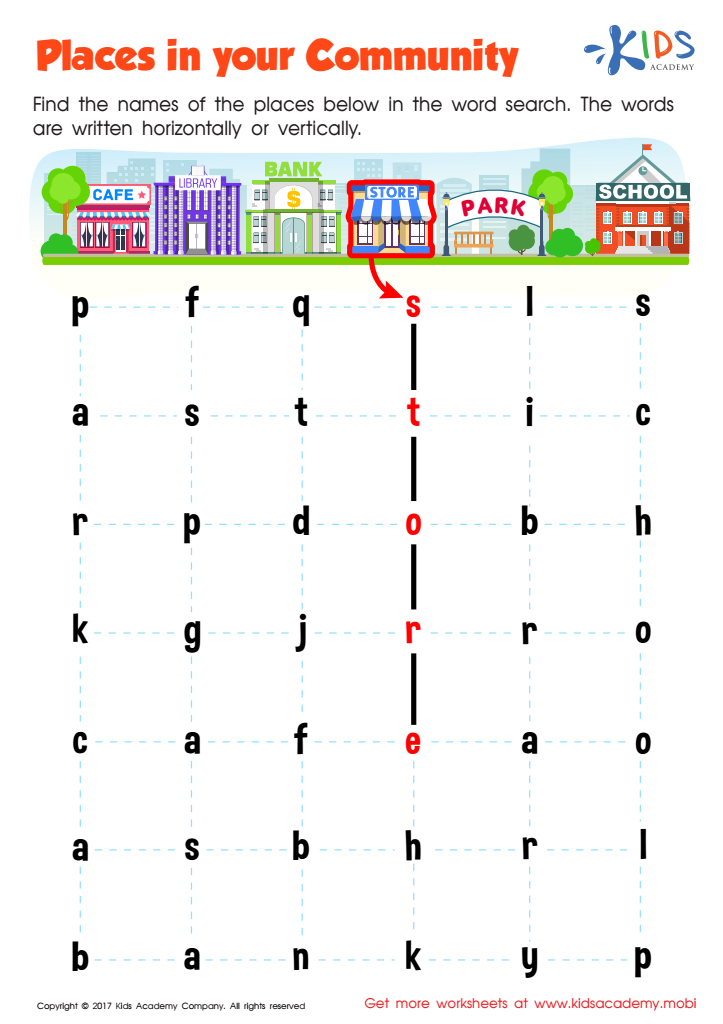
Places in Your Community Worksheet
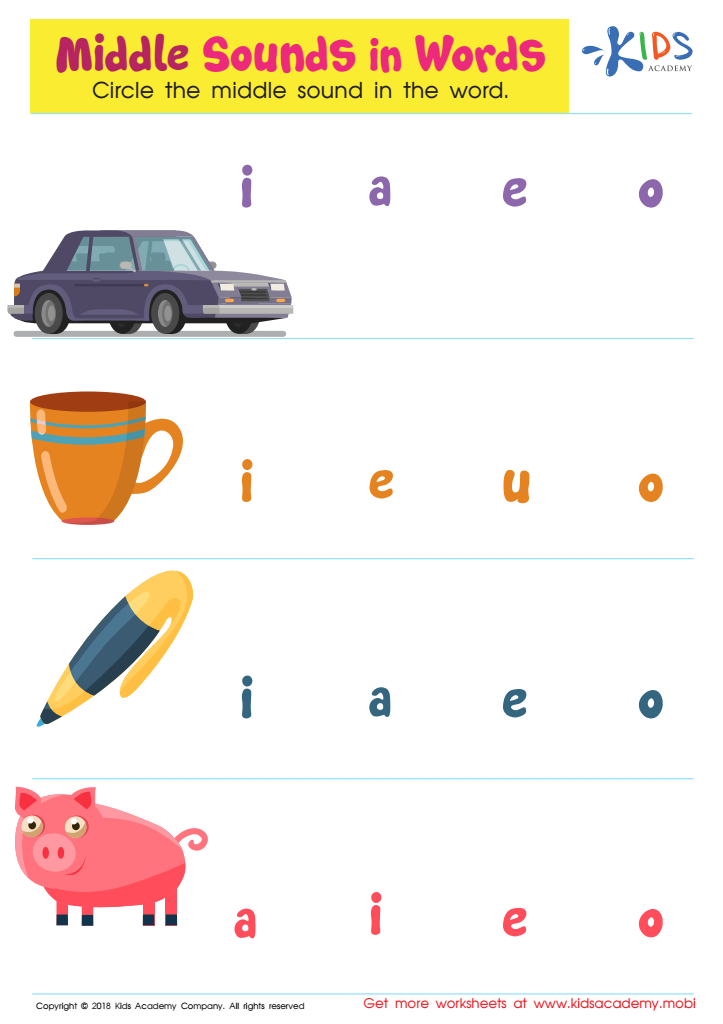
Middle Sounds in Words Worksheet
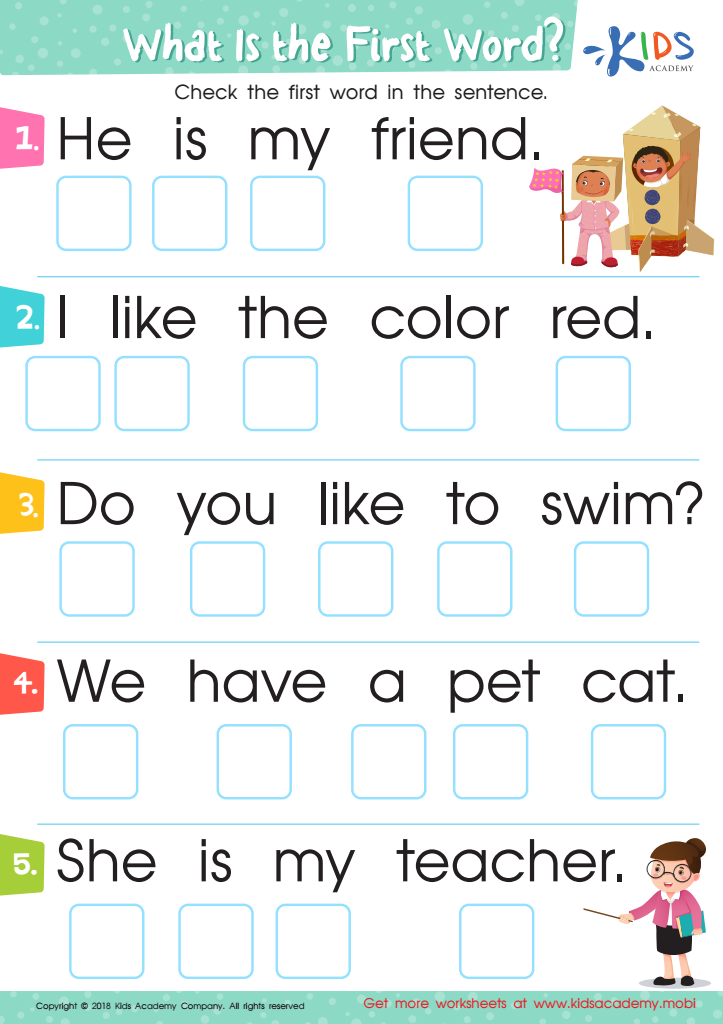
What is the First Word? Worksheet
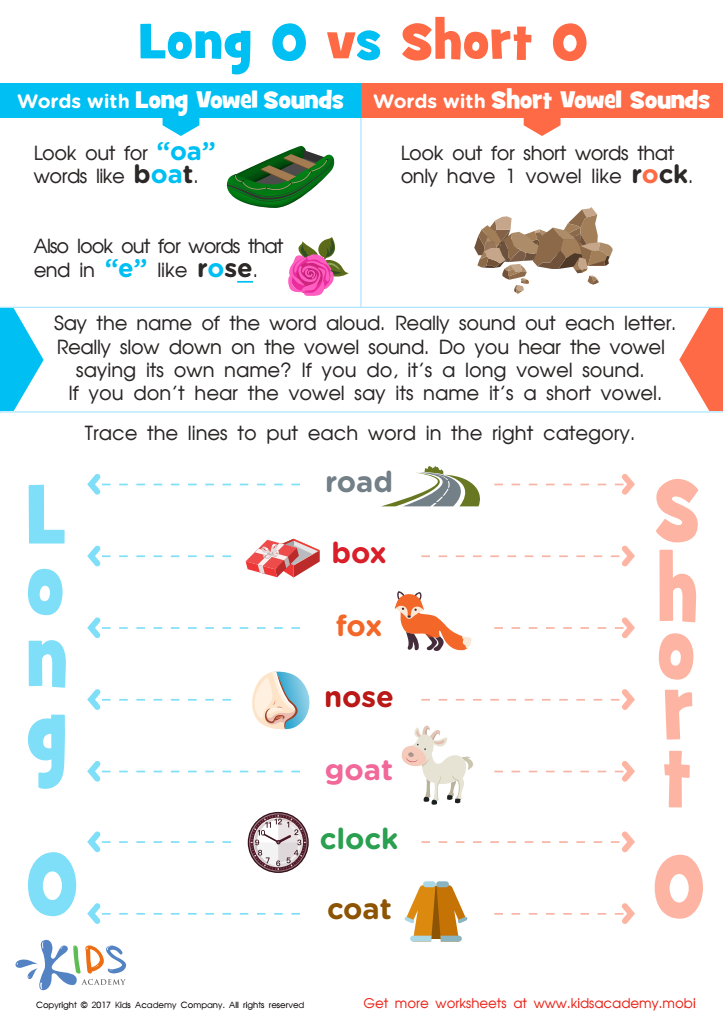
Long and Short Vowel O Spelling Worksheet
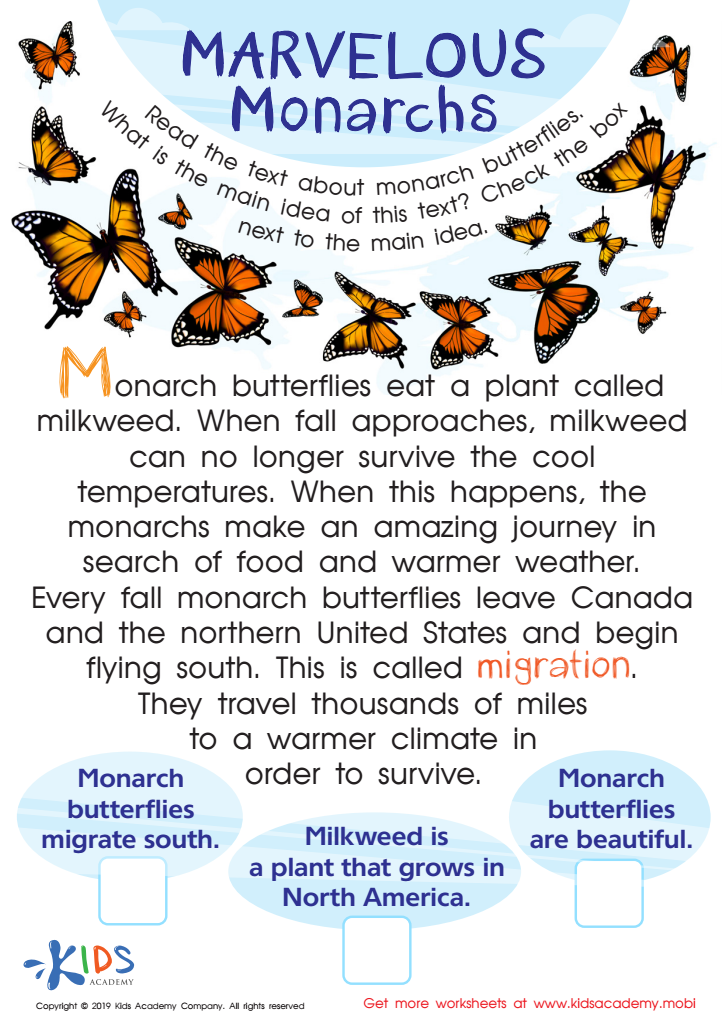
Marvelous Monarchs Worksheet
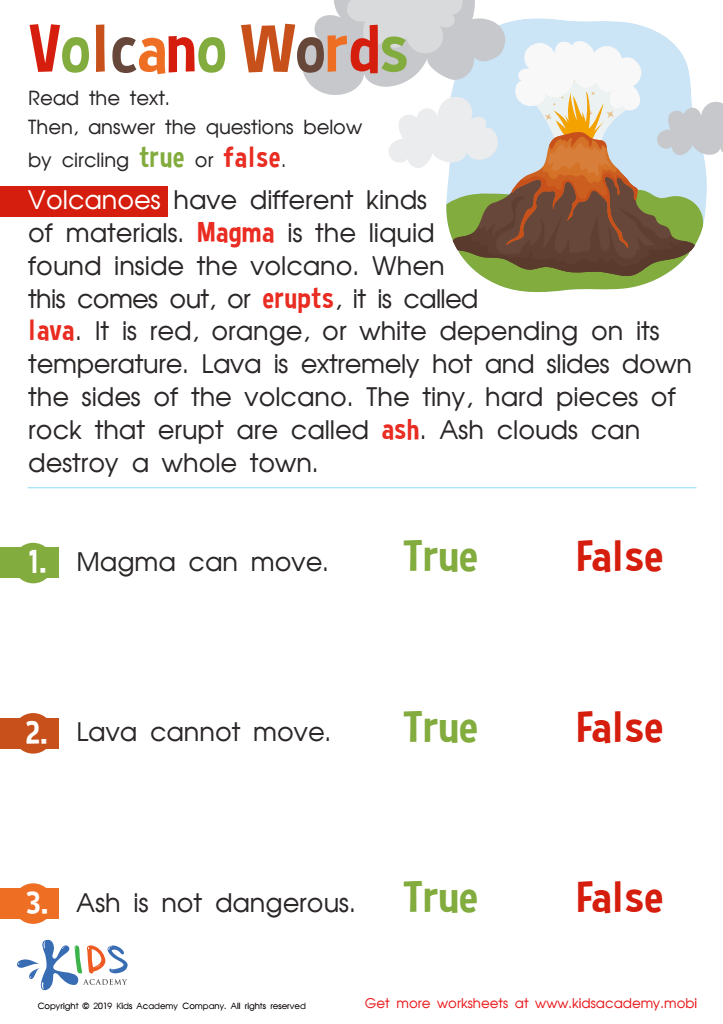
Volcano Words Worksheet

Night Sky Search Worksheet
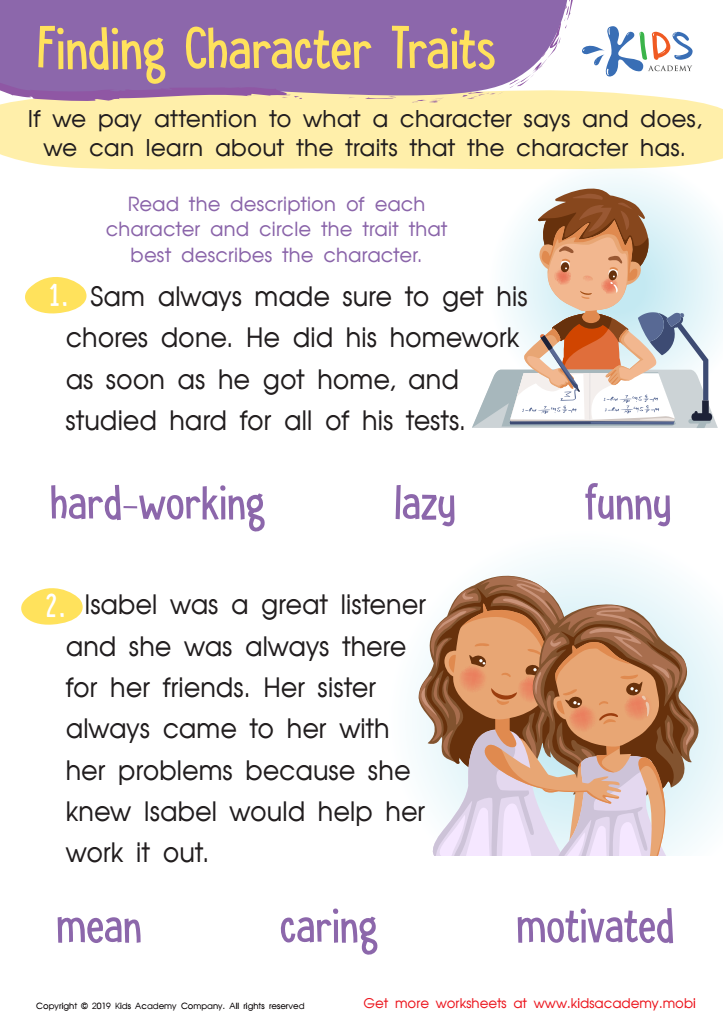
Finding Character Traits Worksheet

Beach Maze: Sun Safe Worksheet

Musical Band Worksheet
 Assign to My Students
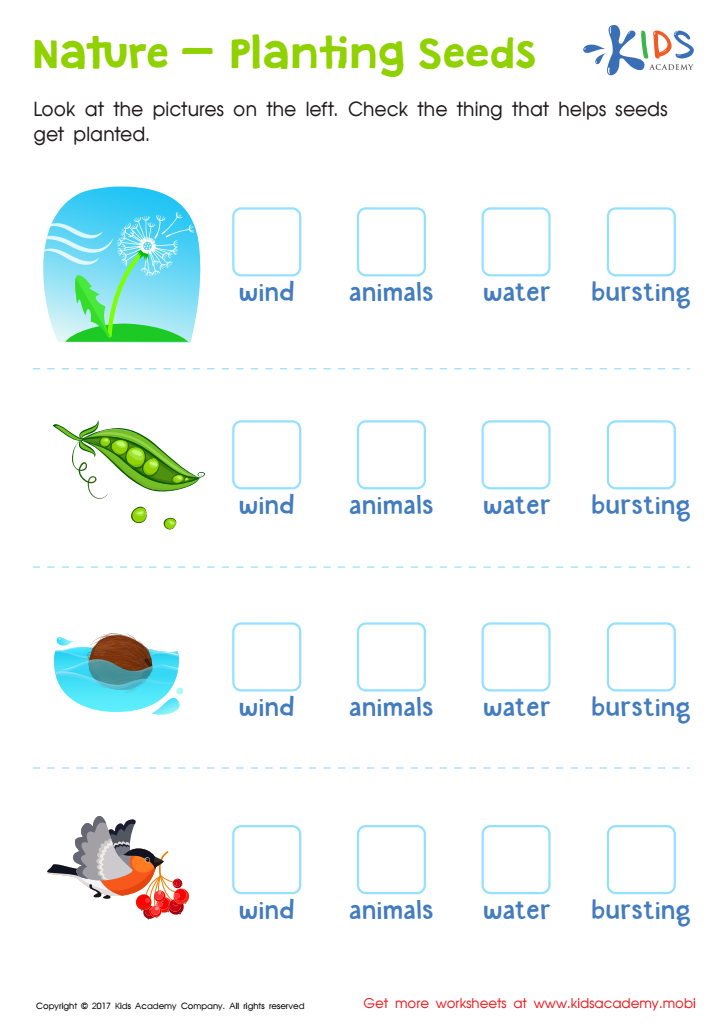
Nature Planting Seeds Worksheet
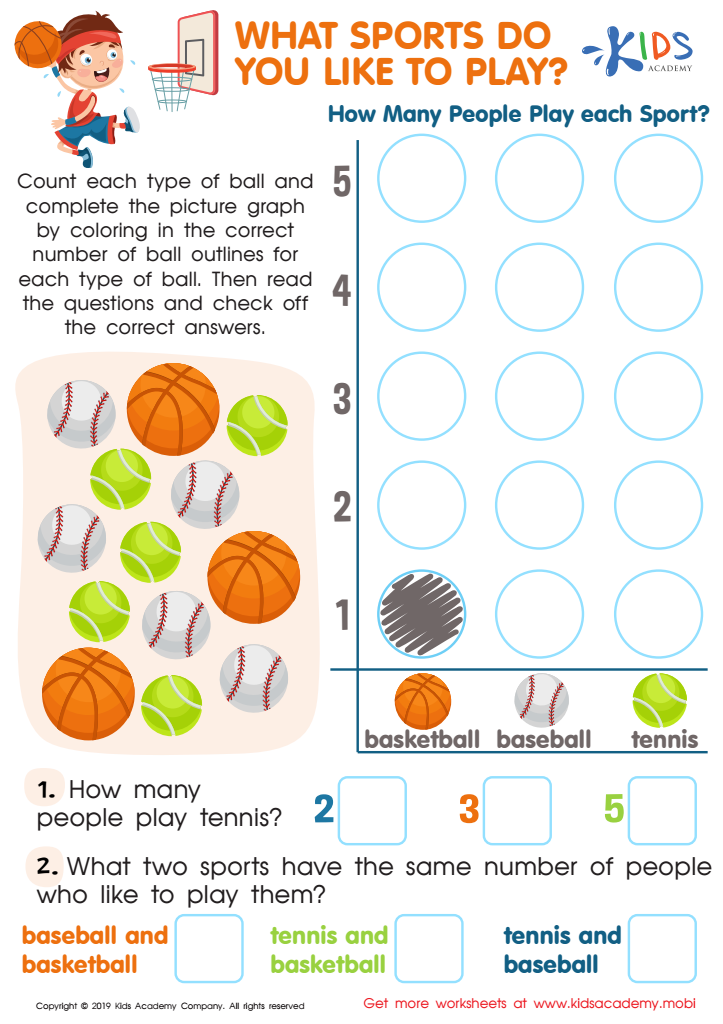
What Sports Do You Like to Play Worksheet
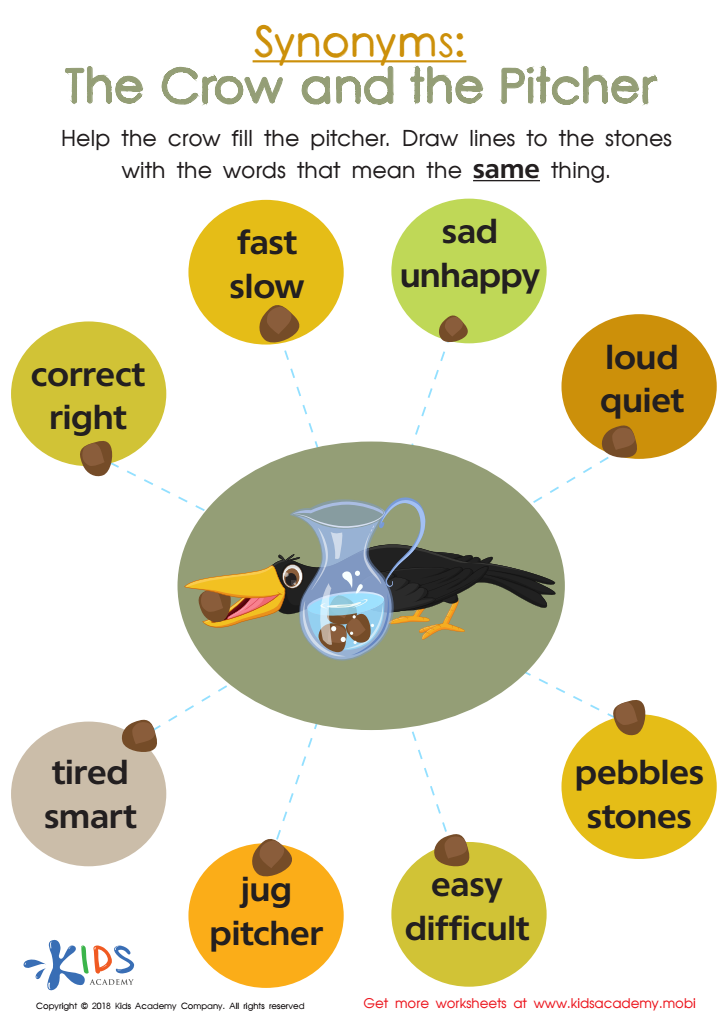
The Crow and the Pitcher Synonyms Worksheet
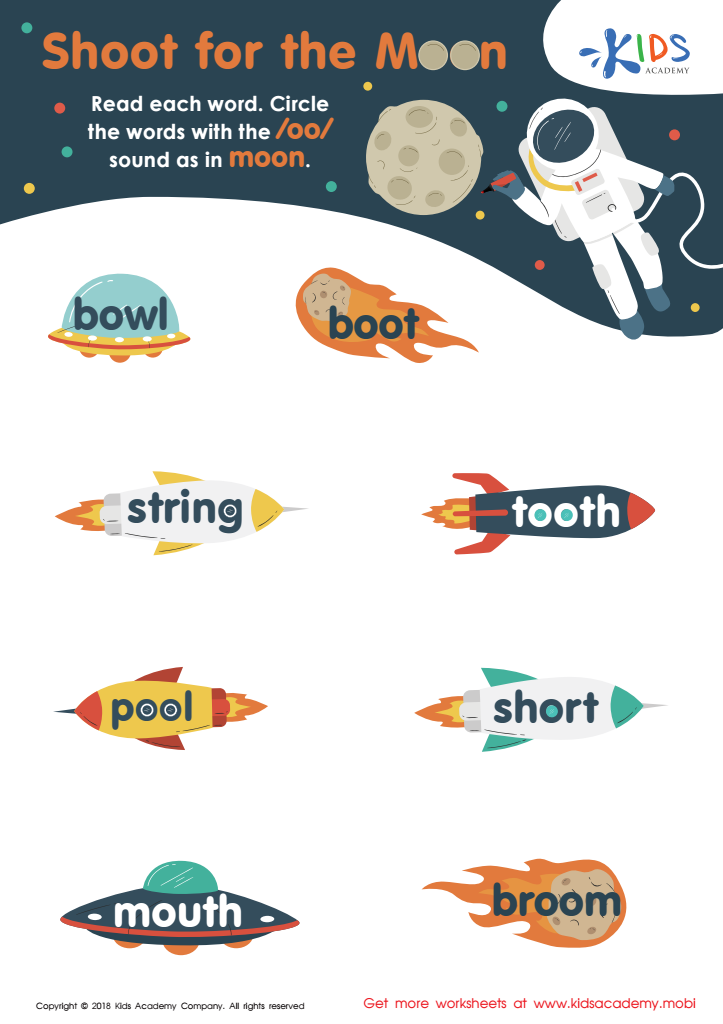
Reading: Shoot for the Moon Worksheet
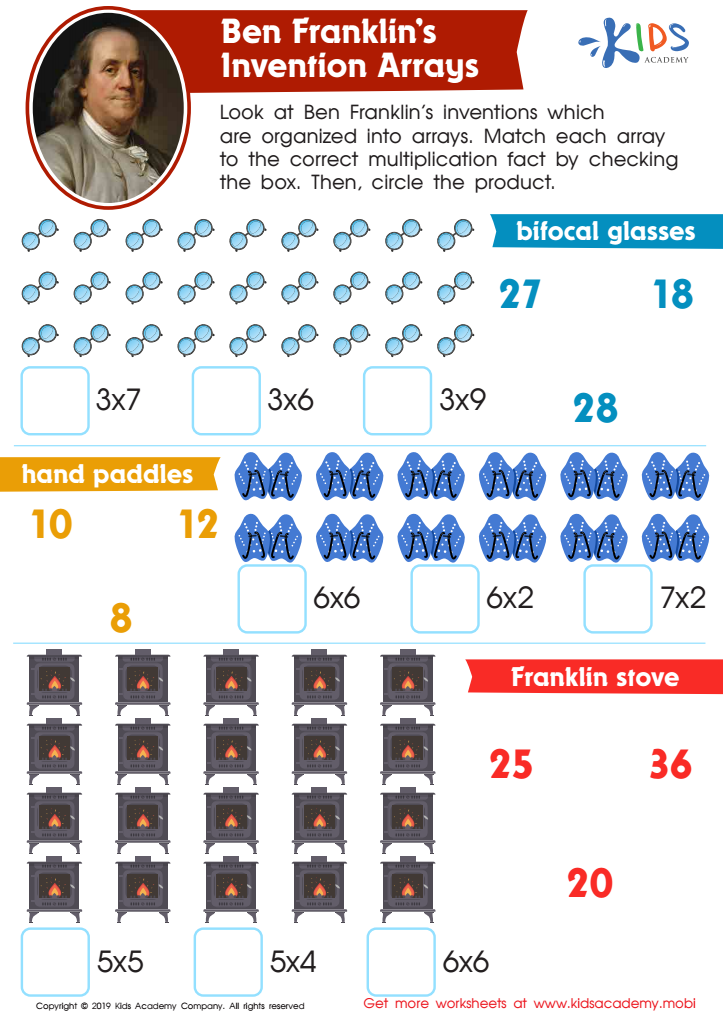
Ben Franklin’s Invention Arrays Worksheet
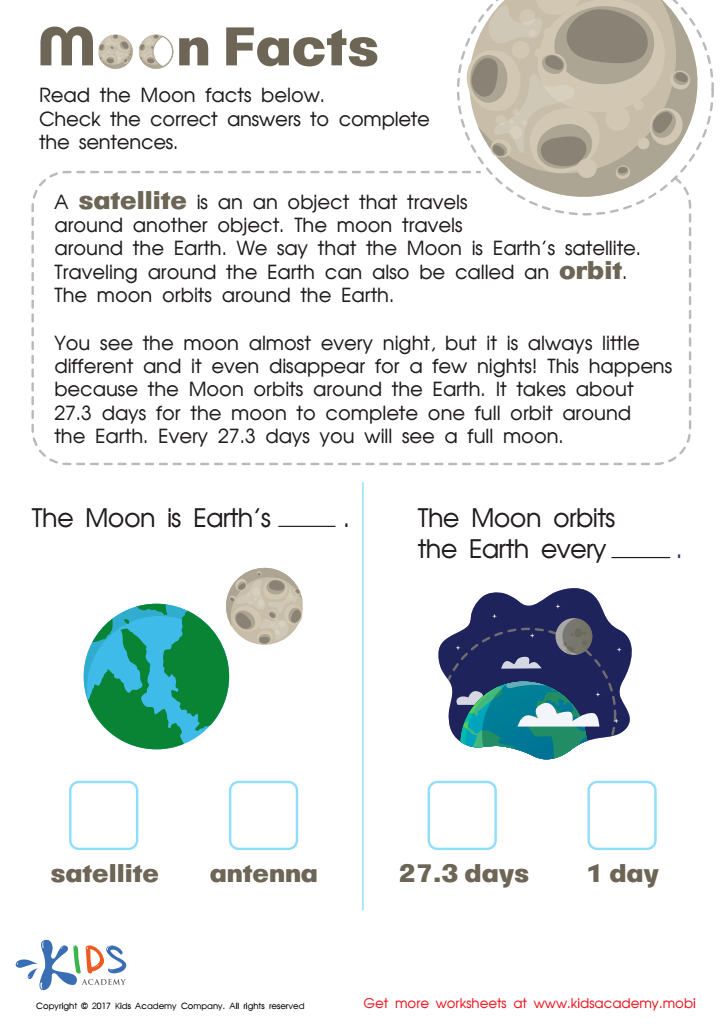
Moon Facts Worksheet
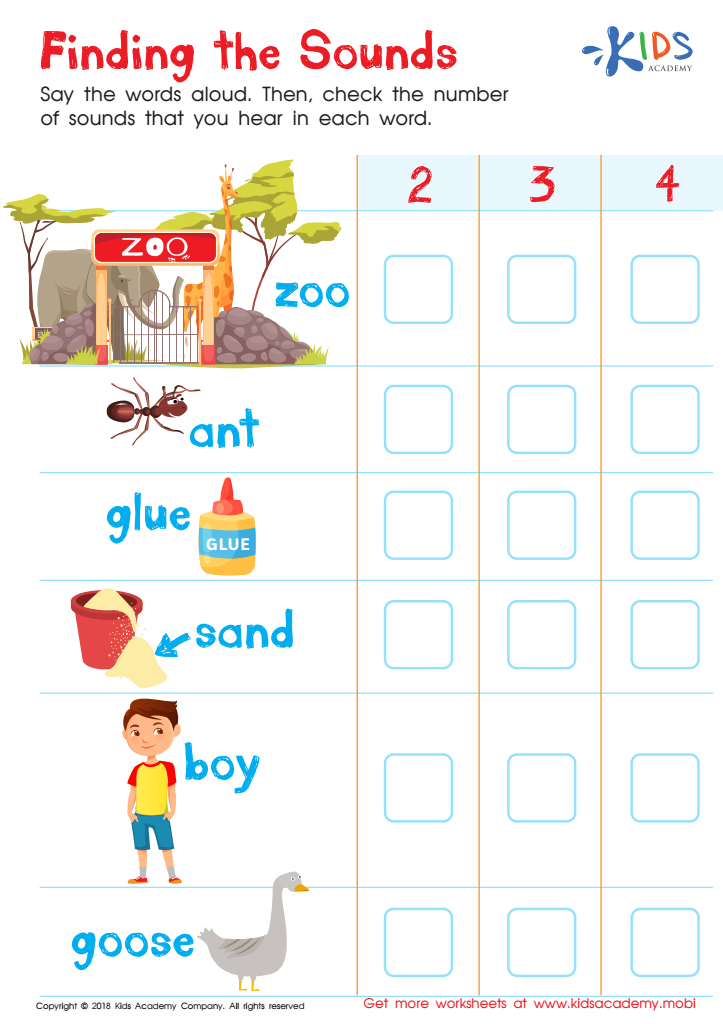
Finding the Sounds Worksheet
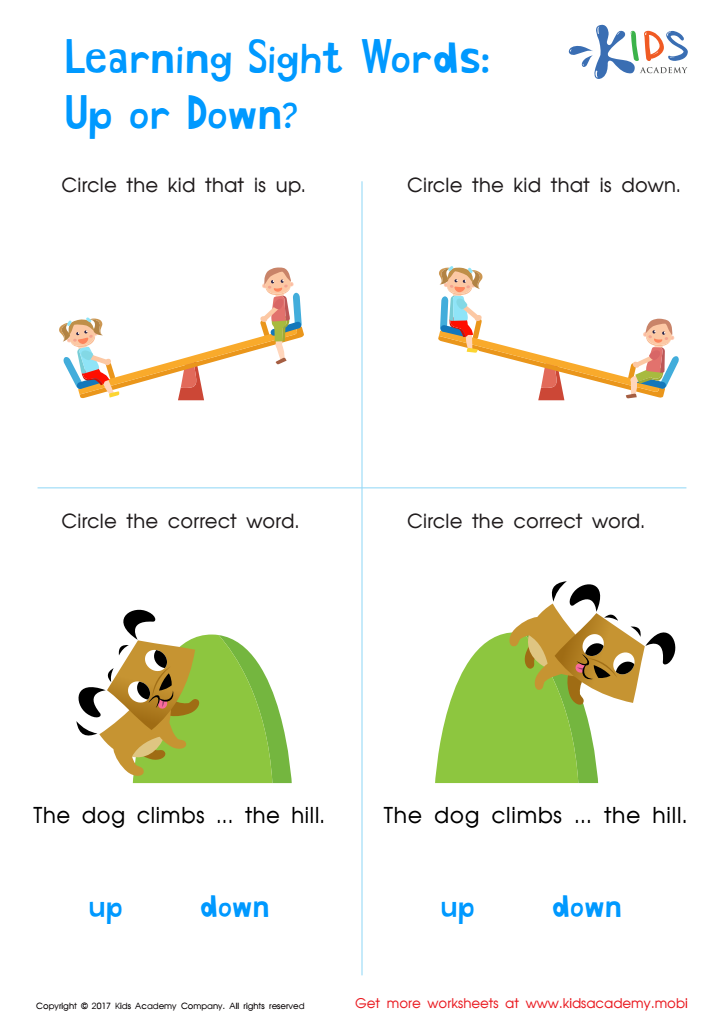
Up or Down Printable Sight Words Worksheet
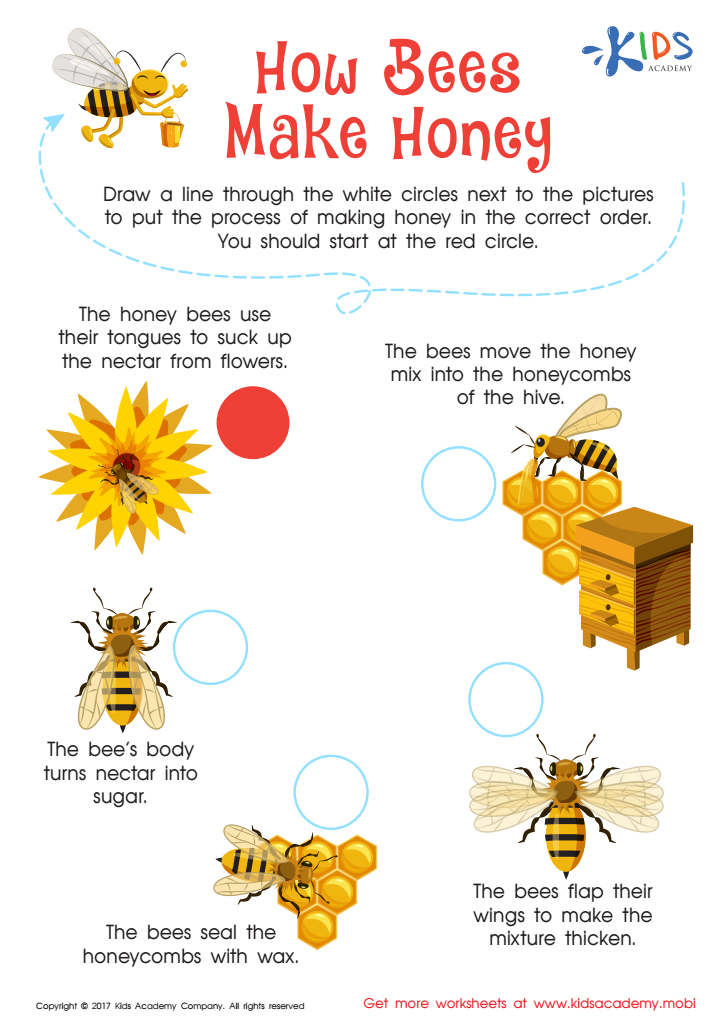
Honey Bee Worksheet
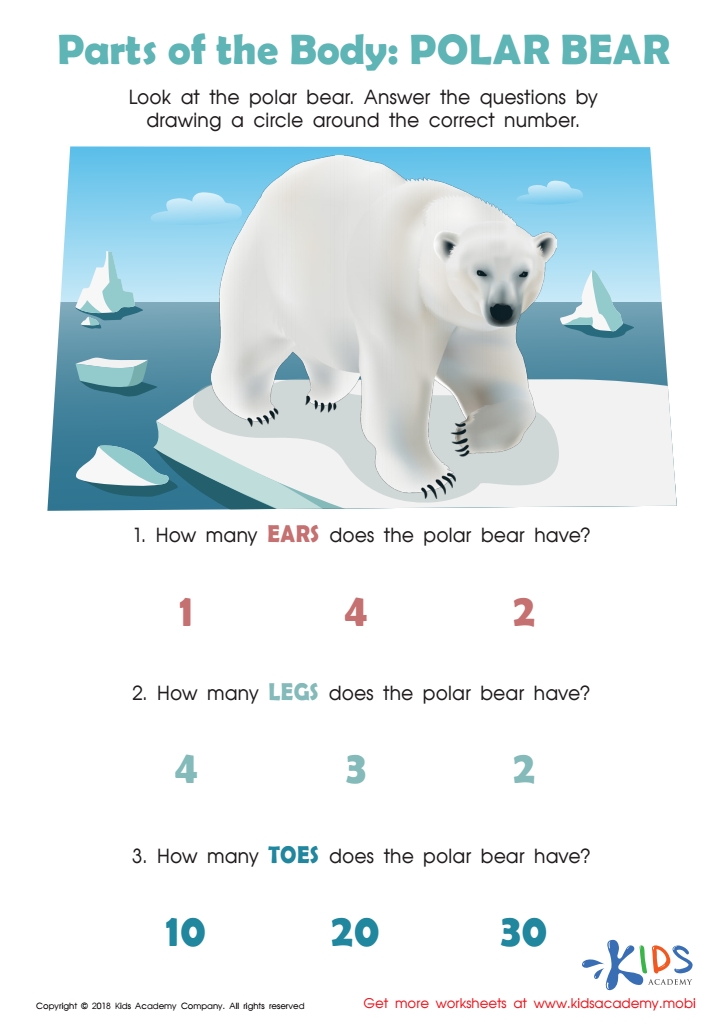
Parts of the Body: Polar Body Worksheet








Vocabulary development in children aged 7-9 is crucial as it lays the foundation for their academic success and overall communication skills. At this age, children are transitioning from learning to read to reading to learn, making a rich vocabulary essential for understanding the material across subjects. A robust vocabulary allows students to articulate their thoughts clearly, engage in discussions, and express emotions effectively, fostering social interactions and relationships with peers and adults.
Additionally, a strong vocabulary aids comprehension. Children with a well-developed vocabulary can effectively grasp concepts encountered in storytelling, science, and mathematics, leading to improved academic performance. Furthermore, vocabulary enrichment promotes critical thinking as students learn to explore synonyms, antonyms, and word nuances.
To build a lifelong love for language and learning, teachers and parents should incorporate engaging vocabulary-enhancing activities—like storytelling, reading diverse books, and word games—into daily routines. This involvement nurtures children’s interest and encourages them to ask questions about words, further expanding their vocabulary. By investing time in vocabulary development, educators and parents can set children on a path to success, equipping them with the tools needed to thrive in school and life.








